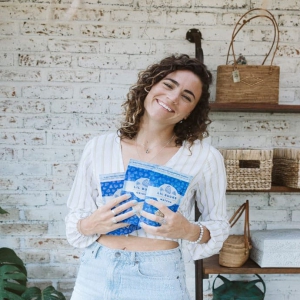
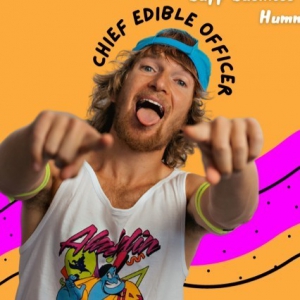
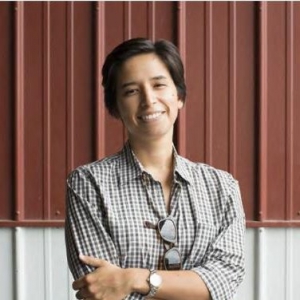
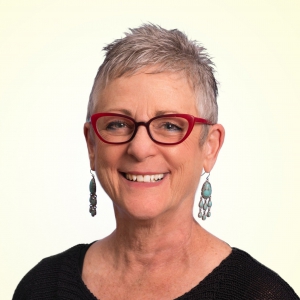
[00:00:10] Ray Latif: Hey, everyone, I'm Ray Latif, and you're listening to the number one podcast for the food and beverage industry, Taste Radio. This episode features interviews with four entrepreneurs, each of whom are attempting to disrupt and reframe legacy categories via their next generation brands and products. Just a reminder to our listeners, if you like what you hear on Taste Radio, please share the podcast with friends and colleagues. And of course, we would love it if you could review us on the Apple Podcasts app or your listening platform of choice. four founders, four distinct brands, four stories about innovation, preparation, and persistence. Emily Griffith, the founder and CEO of Lil Bucks, a brand of sprouted buckwheat snacks. Tyler Phillips, the founder and CEO of chickpea-based muffin company, Hummie. Dyanna Salcedo, the co-founder and CEO of kids' oatmeal brand, Oats In Coats. And Bev Martin, the co-founder of Simply Ghee, maker of grass-fed ghee products. Join me at Natural Products Expo East 2021 for interviews that explore their respective paths within the food industry. From brand ideation and early struggles to social strategies and retail planning, our profiles of Emily, Tyler, Dyanna, and Bev provide an insider's perspective on the mindset and mission of entrepreneurs who are challenging the status quo and smiling along the way. All right, it's Ray Latif once again from Expo East in Philadelphia. And right now I'm sitting down with Emily Griffith, the founder and CEO of Lil Bucks. Emily, how are you?
[00:01:45] Emily Griffith: I'm doing great. Thank you so much for having me.
[00:01:47] Ray Latif: Thank you so much for joining me today on this beautiful morning here in Philadelphia. It was a little chilly earlier. There was a crispness in the air and now it's warming up a little bit.
[00:01:57] Emily Griffith: Oh, it's epic. I only go out when there's sun.
[00:01:59] Ray Latif: Do you live in California?
[00:02:01] Emily Griffith: Yeah, I just moved to San Diego. So chasing summer.
[00:02:04] Ray Latif: Lots of sun in San Diego.
[00:02:06] Emily Griffith: Yeah, it's not bad.
[00:02:07] Ray Latif: You only have like what was it like 25 days of rain a year or something like that?
[00:02:10] Emily Griffith: If that, there's some clouds sometimes though.
[00:02:14] Ray Latif: Some clouds.
[00:02:14] Emily Griffith: Some clouds.
[00:02:16] Ray Latif: When there's some clouds, everyone's just like, this is the worst day ever.
[00:02:19] Emily Griffith: It is. And I'm from Chicago, like we're still headquartered there. And I should know better. But you get spoiled really quickly.
[00:02:25] Ray Latif: You do get spoiled really quickly. Because if you're from Chicago, you're dealing with not just cold weather, but like bitterly cold weather in Chicago. Extreme. Yeah, extreme.
[00:02:35] Emily Griffith: North Pole, like mountaineer weather.
[00:02:37] Ray Latif: Yeah. But it's good because you have that background of like thick skin and like, you know, dealing with the Chicagoans is not necessarily well growing up in Chicago. Did you grow up in Chicago?
[00:02:47] Emily Griffith: Yeah, suburbs.
[00:02:48] Ray Latif: Suburbs.
[00:02:48] Emily Griffith: And then Indiana too. So yeah, Midwest born and bred.
[00:02:52] Ray Latif: Yeah, you've got that good like toughness from the Midwest that entrepreneurs need.
[00:02:56] Emily Griffith: Yeah, I would say, you know, being from the Midwest and starting my business there was a good idea.
[00:03:00] Ray Latif: There you go.
[00:03:01] Emily Griffith: California is pretty chill.
[00:03:02] Ray Latif: Yeah, it definitely is. Where we first met was in New York City at the 2019 Fancy Food Show. You were very, very new. This was two years ago, a little over two years ago. And it was so cool to see the Lil Bucks concept because I don't think anyone had come to market with a product like yours, a brand like yours. Tell us about what Lil Bucks is all about and how the past few years have been going for you.
[00:03:23] Emily Griffith: Yeah, so Lil Bucks, when you met me, we were just making crunchy superfood toppings out of sprouted buckwheat seeds. And actually, since then, we now also make crunchy snacks from these buckwheat seeds. It's all gluten-free, grain-free, addictively crunchy. And basically, our mission is to promote healthy diets and healthy soil in North America. And also since we last chatted, we now are working on sourcing part of our buckwheat from regenerative organic certified farms in Minnesota. So again, back to the Midwest, bringing it full circle.
[00:03:55] Ray Latif: Yeah, for sure. I think the idea of sprouted buckwheat is something that is relatively well understood among folks in the natural community. As you're continuing to scale, are you seeing that mainstream consumers are starting to understand the concept a little bit more too? And is your goal for the next year or two years to really break into those mainstream channels?
[00:04:15] Emily Griffith: Yes. So we've definitely created an amazing base, especially among millennial women doing a lot of events in the fitness and wellness space, and selling through Whole Foods. And we've gotten our turns up there. So now we actually were just in the Target takeoff food and beverage accelerator. And that was basically the goal was like, we need to figure out what messaging and maybe flavors, what do we need to fine tune with our product market fit, so that not only does it kick butt as we expand a natural, but then can this product stand up on a target functional snack shelf and succeed. So we've learned a lot through that. And I think the big things with the messaging around buckwheat, there's a lot. You know, it's high in protein and fiber. When I launched and probably when I met you, I was like, fiber, antioxidants, protein, like gluten-free, all these health things. And people, you hear all that and you're like, okay, it must be gross. Yeah, and like, I just really underestimated. I mean, I knew there was a challenge with messaging around buckwheat, but Americans really misunderstand this fruit seed. So the two big things that we focus on are a that it tastes really good, it has this addictive crunch, it takes on both sweet and savory flavors really nicely. So it tastes really great. And it's not a grain. They're technically fruit seeds. So it's just really weird that someone decided to name it buckwheat.
[00:05:43] Ray Latif: Yeah, you're right. That's a very good point. I never thought about that.
[00:05:46] Emily Griffith: They're making my job harder.
[00:05:47] Ray Latif: Yeah. Well, then there's also a usage occasion question, you know, like, how do I consume this? When do I consume this? In what capacity do I eat buckwheat, sprouted buckwheat? How is that messaging? How's that communication played out over the past couple years?
[00:06:00] Emily Griffith: That actually we've evolved some of our product offerings to be made with buckwheat but be in formats that consumers already understand. So especially in retail, those do really well. First, our core segment and in D2C channel, we can sell our superfood seeds and reach these really niche natural consumers. But actually, what we're really focused on for next year, especially in retail is expanding our cluster bucks offering. which are buckwheat superfood clusters. So they're in a format, you know, we know how to eat clusters, balls, bites. So it just happens to be made with buckwheat. So we're really focused on the superfood benefits and the crunch with that. And then we actually just launched everything bucks seasoning. So kind of our take on the everything bagel seasoning. So it's a cool way to show people know how to use that, but show buckwheat can be on your like avocado toast or salads or eggs or savory things.
[00:06:56] Ray Latif: Clearly innovation is really important to you guys. And when you're thinking about innovation, do you start with the, I guess, quote unquote, problem or the opportunity, or do you just have like a great idea in mind? You're like, okay, let's find out the best way to sort of commercialize this idea.
[00:07:12] Emily Griffith: Yeah, I think it really starts. This is really funny because I'm laughing with my Expo East Airbnb mates. We literally came up with an idea last night. So the innovation is really fresh.
[00:07:23] Ray Latif: But what is the innovation?
[00:07:25] Emily Griffith: I can't tell you.
[00:07:26] Ray Latif: Oh, I tried. I tried. I'm terrible at this.
[00:07:29] Emily Griffith: six months, give it six months or like, you know, a month, my investors will be like, you need to stop. You need to chill. But really, I think it just comes from natural evolution of how I've used buckwheat. You know, I first had it for the first time on an acai bowl in Australia was a granola replacement. So we really played in that superfood topping space. And then it was a natural evolution. And oh, this is a really good base for like a granola cluster. And then, you know, putting the original little boxes, the seeds on savory items, pastas, toasts, etc. It's like, oh, well, we should make a seasoning out of this. And we can test stuff like that via our, you know, online channel. And, you know, it just opens people up to how this ingredient can be used. And we obviously want to own that space. So it really just comes from a natural, hey, this would taste really good. And good for us and we feel great eating it. I'm a graphic designer too, so it's really hard to resist a fun branding exercise.
[00:08:26] Ray Latif: Did you design your own logo?
[00:08:29] Emily Griffith: Yeah, everything so far actually. Website, packaging, logo, swag, our little bucket hats.
[00:08:36] Ray Latif: You guys have the best swag, by the way.
[00:08:37] Emily Griffith: Thank you.
[00:08:38] Ray Latif: You really do. You got the bucket hats. That's your mate, as you described. My everyday mate. Yes. And you've got the hoodies. The best looking hoodies on the market belongs to Lil Bucks.
[00:08:48] Emily Griffith: I also love my Taste Radio t-shirt and I've worn it for three days straight when I'm not at Expo East.
[00:08:54] Ray Latif: I love to hear that. I'm going to give a plug. If anyone wants a Taste Radio t-shirt, email us at askatasteradio.com. It's helpful if you review us on the Apple podcast app, but we'll give you one anyway. You mentioned your investors earlier, and investment is like the number one thing I ask, or people mention when I ask about what you need help with. They're like capital. I need help with capital. For an innovative concept like yours, and for one that is still needs seemingly a lot of education behind it, how are you finding investors? I mean, what's been the reception to your business?
[00:09:28] Emily Griffith: Yeah, I mean, we started fundraising December 2019. So that was excellent timing. So we've had a quite a road and I think any founder will say that fundraising and finding the right investment is one of the hardest things about building a brand if you're taking that route. And especially for a woman or minority founder, I think that challenge is could be tenfold or more. And I certainly ran into some funny challenges. I had someone tell me once I needed an adult in the room. Like, crazy things.
[00:09:58] Ray Latif: Did you smack him right in the head?
[00:09:59] Emily Griffith: Well, it was via Zoom, so.
[00:10:01] Ray Latif: Oh, okay.
[00:10:01] Emily Griffith: Didn't have that opportunity.
[00:10:03] Ray Latif: Okay. I said, I said him. I assume it was a him.
[00:10:06] Emily Griffith: Yeah, actually. Yeah, there you go. But you know, my mom always says success is the best revenge. And we, you know, we were trying to raise two angels. We weren't quite ready for a venture round. And I actually came across the opportunity to raise via the democratized crowdfunding platform Republic. So there's a few crowdfunding platforms out there, but it was an awesome opportunity. So basically, instead of having to be an accredited investor to be able to invest in a company like mine, anyone can invest for as little as $150. So we kicked that off literally like two days before the new year in 2020 going into 2021. And we closed that end of April. So we raised 155K through that. And then we're able to close some additional funding outside of that just because we got attention from that campaign. So it really opened up the universe. I feel like I was talking to a lot of investors and it just opened us up to a new world of more investors. And we were ultimately able to find the people that believed in what we're doing.
[00:11:09] Ray Latif: What do you need the money for? What are you applying these funds toward?
[00:11:13] Emily Griffith: So first, we I hired our marketing team. So we have a community manager and a marketing manager. And they've been so for us, you know, you obviously sales is the most probably the most important thing. You need revenue to keep your business going. But for us, we didn't want to expand too widely. without having a really, really solid turns in the stores that we're in and consumer understanding because we do need so much education. So they helped put together a marketing playbook of how we attack in-store and online. Let's see if we have success there. And then we've figured that out now. So we're actually now looking to bring on a sales, probably a fractional sales, VP of sales kind of thing. So mostly the money was used for team. and our, you know, the working capital for our swag, our little bucket hats, of course.
[00:12:03] Ray Latif: Of course, you know, you need those ain't cheap. You know, you gotta pay money for them.
[00:12:07] Emily Griffith: I mean, they're organic cotton corduroy. They're very important.
[00:12:11] Ray Latif: Yeah, absolutely. You know, you've been in this business for two and a half years or so. I'm sure you've been planning for longer than that. What's been the biggest challenge that you faced to this point? I know you mentioned fundraising and specifically fundraising for female and minority owners, which is really sad. We need to do a lot better in that regard. But I mean, aside from that, what are some of the things that have tripped you up that were sort of a surprise to you?
[00:12:36] Emily Griffith: Taking fundraising out of the question for sure. Retail is a beast. And if you're not from that world, there's so much to learn. I came from digital marketing agencies. So where I was versed in marketing funnels and social media marketing and all that good stuff. I made so many classic mistakes at the beginning and, you know, with distributors, with retailers.
[00:12:59] Ray Latif: What's one classic mistake?
[00:13:01] Emily Griffith: Oh, gosh. I won't go into too many details, but maybe a distributor overbuys inventory and you don't push back and then you end up with having to buy it back.
[00:13:12] Ray Latif: That's a tough situation to be in.
[00:13:14] Emily Griffith: Yeah. And you hear about that. Everyone warns you about that. But I think that was also a thing where we're like, Oh, we need to bring on a sales advisor who has done this for years. Actually, we just brought on Ellen Wertz. She's the head of sales strategy at Manitoba Harvest Hemp Foods. So basically, they did with hemp what we're trying to do with buckwheat. And that was a big thing like, oh, we could have avoided a lot of these situations. You know, it's like you check the wrong box with a distributor and suddenly you're in for another world of pain you could have avoided.
[00:13:43] Ray Latif: Yeah, typically folks will tell me, you know, they're able to avoid certain mistakes because they have help. They have mentors or they ask the right questions to the right people. How have you leaned on folks in this industry to help you grow and avoid some of the mistakes that, you know, befall a lot of early stage entrepreneurs or entrepreneurs in general?
[00:14:04] Emily Griffith: I would always say that a lot of a my success and sanity is attributed to building a community around myself, both with other fellow entrepreneurs, all along the stages of growth, you know, talking to people that are in a position you want to be in, but also just fellow people that are going through the same struggles and sharing resources, what's working, what to avoid. I would also say I brought on advisors a lot later than I would recommend to someone. And it actually wasn't until We were, you know, well into the pandemic. It was like March, April. I'd met Burt Cohen, one of the co-founders of Enjoy Life and is now an investor in the industry. And he kind of naturally became a mentor to me. And I was kind of like, yo, can I just call you like once or twice a month? Because this pandemic is crazy and we're starting to grow. We just gained distribution. We're blowing up online like many other brands. And I, my head is spinning and I just need to talk through some problems with you. And he naturally evolved into being an advisor for us. So he's been really helpful. And then just continue to build out the advisory board with a product and innovation advisor, direct to consumer advisor, and Ellen, our sales advisor that I mentioned. So that was huge to have those areas covered. And Ellen was the most recent to join the sales one. are already like the ship on our say our retail sales strategy is turned in the between that and the target accelerator. It's going in a direction I'm very stoked about.
[00:15:35] Ray Latif: That's so great to hear. I mean, finding an advisory team and finding advisors that can really help you navigate this business is huge. Finding them is one part. How do you compensate them, I think is another part, because this is their time. I mean, I think a lot of them would love to do free and pro bono work, but it just doesn't really fit into what they're doing. How do you talk to them about being involved with the company on an equity basis? Or how do you compensate folks like that?
[00:16:04] Emily Griffith: We do it on an equity basis. And when actually when I was, how the heck do you get someone with all this experience to loan some of their time to my small business? Obviously you want them to believe in the mission and all that, but yes, time is money. So I just talked to other entrepreneurs that had advisors. Kaylee of Sacred Serve was actually really helpful for that. And how did you structure this? Equity made a lot of sense. And then also I think, you know, letting them know ahead of time, how much, how many hours per month should you expect to put into this so they can plan and then, you know, having, depending on their level of involvement, we do like bi-weekly or weekly or monthly calls and then just coming to those really prepared rather than peppering them with random emails and questions. Of course, there's sometimes like, hey, gut check, quick text, but trying to be really respectful of their time and then they can be organized and strategic in the advice they give back.
[00:16:57] Ray Latif: One last question I got to ask you, I mean, earlier you mentioned your experience and expertise in digital and social marketing, which is critical for the modern CPG brand. How much of the digital and social marketing of consumer brands has evolved since that was your primary career? And in what ways has it changed?
[00:17:17] Emily Griffith: Well, we have TikTok now.
[00:17:20] Ray Latif: TikTok has come up many times over the past three days.
[00:17:23] Emily Griffith: Yeah. So, you know, we got someone who's really into that platform. That was one thing where I was like, oh, wow, this is officially moved beyond when I was at agencies at Snapchat and obviously Twitter and Instagram was like just bubbling up. So really heavier on the content creation, I think, and making it really authentic to your users. You're just I don't know, nobody can keep up with how these algorithms work. But if it's authentic and entertaining, it's gonna work. So that's been really big for us. And also, just really interesting to even the evolution since 2019 to 2021. We had a certain strategy of marketing strategy for attacking the Midwest market where we had distribution with Whole Foods and a few other stores. And our marketing strategy has really shifted to having some in-person support, but how are we reaching certain areas digitally, the people near the stores that we want to be in? I think there's a lot heavier focus on that, more than just the content and the entertaining and growing your audience. Obviously you want to do that, but having it localized digitally to where people are shopping has been really big.
[00:18:32] Ray Latif: Right on. Are you involved in the content? Are you personally featured in the video content on TikTok?
[00:18:39] Emily Griffith: Starting to be more, I'm like getting better at filming videos of myself. It feels weird. I'm not like one of those people. But you did just see me take a selfie with my microphone. And I was really proud of that. You know, I had the the initiative there. So my content girl will be really excited.
[00:18:55] Ray Latif: You know, it took me a long time to get comfortable with that myself. And I really don't like taking selfies or videos of myself and stuff like that. And I've done it a couple times over the past two days. And I'm like, at a certain point, you're just like, you got to do it.
[00:19:06] Emily Griffith: Shameless.
[00:19:07] Ray Latif: Yeah, you got you got to keep up with the times.
[00:19:08] Emily Griffith: Yeah, exactly. So we're doing that.
[00:19:11] Ray Latif: Awesome. Emily, what can I say? This has been so great and so fun chatting with you and so informative. You know, Lil Bucks is such a great brand. Like when I saw you at Fancy Food Show, I just like, I was like, I gotta talk to her. That's a cool brand. And it's awesome to see how your company has grown from here. I can't wait to talk to you again in a year and see where the company is at that point. But in the meantime, thank you so much for sitting down with me today. Good luck with the rest of the show. Hope to see you at Nosh Live in Santa Monica in December. But again, until then, so awesome seeing you.
[00:19:41] Emily Griffith: So great to chat and we'll meet right at this table a year from now.
[00:19:45] Ray Latif: Yes.
[00:19:45] Emily Griffith: Do it again. We'll have so many updates. Maybe our new innovation that we came up with in the Airbnb last night.
[00:19:52] Ray Latif: There you go. Can't wait to hear it. Yeah. All right. Thank you so much. Thank you again. Guessing your margins? That's risky. Belay Financial gives CPG brands the clarity to scale smarter, faster, stronger. Get your free inventory ebook by texting TASTE to 55123 and start making data work for you.
[00:20:16] Lil Bucks: Vibrant Ingredients is the natural ingredient partner powering food and beverage innovation, delivering flavor, function, and protection through a science-backed portfolio.
[00:20:28] Ray Latif: Vibrant delivers purpose-driven solutions that help brands create extraordinary experiences. Discover what's possible with Vibrant today. Visit vibrantingredients.com. All right, it's Ray back in downtown Philadelphia at Natural Products Expo East 2021. Right now, I am standing, literally standing, with Tyler Phillips, who is the Chief Edible Officer and Founder of Hummie. Tyler, how are you?
[00:20:55] Natural Products: I'm good, Ray. It's great to be out here. This is my first time at Expo East, and like I was telling you earlier, it's like Disney World, but for the food and beverage space, it's a lot of fun.
[00:21:04] Ray Latif: It surely is. Hummie is a really cool name for a brand. Obviously, it rhymes with yummy. It's spelled a little differently in that there's two I's at the end. Where did the concept come from?
[00:21:16] Natural Products: Yes, so the concept originated in Puerto Rico, actually, was coming back from a very hot run and looking for a cold treat to kind of create and then also share with our family that was arriving the next day. I had adopted a vegan diet at the time and cut out added sugars. And on an island like Puerto Rico, that narrows down your options in the grocery aisle to pretty much zero. So I ended up having to take a spin on a dessert hummus recipe and created a chickpea-based ice cream that was the first Hummie product. Shared it with the family the next day. Our brother, who loves protein-based snacks, he liked it. The rest of the family just enjoyed it as an interesting, fun dessert. I told them it was chickpeas after so that they didn't have that in their mind before. And then a friend came up with the name Hummie originally because of its hummus base. But then after the fact, we realized, oh, healthy plus yummy. equals humming.
[00:22:10] Ray Latif: Now, chickpeas have become much more prevalent as an ingredient in the natural foods industry. What's it like working with that ingredient? And, you know, what are some of the challenges with formulating products, especially products that you feel like will fit with the modern consumer?
[00:22:25] Natural Products: Yeah, it's definitely been a challenge. And first and foremost, we want the product to taste great. And so with a lot of the chickpea flowers that were first to market, because it is a new kind of plant protein, the first iterations were probably soy and pea. And now we're venturing more into all the other plant-based alternatives you can have. It took a very long time to find a chickpea protein that didn't have the chickpea taste notes, which is so important when we're launching a dessert, especially. If we were in savory products, it might have not been as big of an issue. But eventually, we found this company based in Virginia called Nutriati. And we used their Arteza chickpea flour and protein, which comes with a completely neutral flavor. And then we add in monk fruit sweetener, as a zero-sugar sweetener, and then have worked with a Michelin-starred pastry chef to really combine her experience making things taste delicious, and then with a food scientist to make sure that it's shelf-stable and meets all the nutritional parameters.
[00:23:27] Ray Latif: Now Tyler, it's one thing to have a product, it's another thing to have a brand. And as I'm looking at your t-shirt and your hat, which both have the HUMi logo, the font is very marshmallow-y and fun. How did you think about the brand elements when you were coming up with a logo and package design?
[00:23:42] Natural Products: Yeah, a lot of it, it came during creative time, I guess, when I would go on these long runs. Running for a long period of time, as anyone who does it knows, can get fairly boring. So I'd let my mind wander into, I guess, like a fictional kind of realm. And that's where some of these creative elements came in. Our family grew up watching way too many movies. So that's where we wanted to build a storyline and characters behind the plant-powered ingredients that we're featuring in the product. And then we also saw in this space that although it's grown a lot in popularity and it's helped people know what goes into their product with like the clean label and clean packaging movement, it's kind of stripped healthy food of like It's so fun and quirky elements, which I think is great to embrace as well, to get a new community involved.
[00:24:30] Ray Latif: So that being said, is this brand is humming for younger consumers? Who is your target consumer, I guess, for the brand?
[00:24:37] Natural Products: That's a great question. As we're still pre-launch with these mini muffins product, that's something we'll be paying close attention to. Is it kids who really want it? Is it parents who buy it for their kids and then they end up having half the packs themselves? So they're the real buyers. We really took inspiration from like 90s Nickelodeon with this new packaging design where older people can kind of look back on it nostalgically and enjoy it. And for a younger generation, it's fun as well.
[00:25:04] Ray Latif: For sure. I mean, where did the fun go in natural foods, right? How are you going to attract the next generation of healthy eaters unless you have an element of fun and excitement, I guess, for what you're eating? When you're thinking about your team, because as you mentioned your team earlier, who are the most important people that you needed to bring on? How did you assess what you needed from a staffing perspective?
[00:25:29] Natural Products: Yeah, first, I think it's passion driven. If they're passionate about the brand, the mission, I try to stay flexible with our roadmap. And if someone wants to be part of the team long term and they have a vision for a product, a character or something that fits into our brand scope, I guess, then want to feel them included. So I would say passion first. Next, it would be kind of having that long-term commitment to building something together as a team. And then kind of, I guess our core values are fitness, family, fun, and flavor. If they have any combinations of those in their life and a healthy balance of that, I think they'll also just mesh well with myself as a founder, but then also the brand and products we're creating.
[00:26:16] Ray Latif: What do you need most right now? As an early stage entrepreneur, I'm sure there's a myriad of things that you could point to, but what are the things that you really need right now to help you grow and scale?
[00:26:28] Natural Products: capital, to be honest. We've been bootstrapped to date. We've been fortunate to have worked with two accelerator programs, the Union Kitchen Food Accelerator and Food Future Co. And they're providing a lot of mentorship and expertise. But we're still looking for some capital to, after we test and solidify that this product is a match for the consumer base, we want to help scale it. And so hopefully getting investors and even eventually doing crowd equity campaigns like using a platform like Republic just saw Genius Juice actually, I think they finished theirs recently. So something like that too, where you can get people who want to invest in the company, but they provide value beyond just cash as well and become a part of Hami in the Hami-verse, I guess.
[00:27:18] Ray Latif: Now, folks listening might hear some pitter patter. Those are the raindrops hitting my umbrella that Tyler and I are standing under. And this speaks to the passion for what you're doing. I hope future employees of HUMi will know that this is the kind of thing that you need to do if you want to get the word out about your brand. And thank you very much for doing this. Tyler, we talked about challenges for early stage entrepreneurs. I wonder about surprises. What's been the biggest surprise that you've had since you launched HUMi?
[00:27:45] Natural Products: Yeah, so the biggest surprise has probably been not knowing the food and beverage industry as much beforehand, just being more a fan of it, learning more about the business models and that a lot of times you have to scrap it out and grind it out a little bit or raise outside investment and you might not be profitable. right away. And it's in the hope that eventually you can either turn to profitability or some of these companies, as we've seen, and I always believe everybody has their own style. There's definitely not one right way, but some put a lot of money into their marketing spend and might not be profitable. And it's like, it's kind of that Instagram reality we've entered in where everything seems really green on the outside, but on the inside, if you looked at their financials, they're not as profitable. And it's hard to compare yourself as a new brand to some of those without knowing all the details.
[00:28:39] Ray Latif: If there were an investor standing right in front of you right now and said, hey, I'm interested in investing in a better for you early stage brand, what would be your quick elevator pitch?
[00:28:52] Natural Products: A quick elevator pitch would be that we're creating a healthy and yummy snack universe. We're starting in food, but we really want to mold and cross industries. We would love, once the pandemic is hopefully behind us, to do a lot of event and community work to really be out there actively, whether it's fitness-oriented events. I've grown up helping our father out with stride adaptive sports, organizing a race. So just making homie more than a food brand per se, but more of a community where people feel like they can have a fun time adopting a healthy lifestyle. And to the investor, we just want to go on a walk or a run maybe even, and just find out more about where their passions lie and if it's the right fit.
[00:29:36] Ray Latif: That's such a great answer. I love that you brought sort of that personal element into this is who I am. And we kind of have to get along personality-wise if we're going to work together and create a successful business. And I think you're on the right track. And I'm really excited to see where Hummie goes from here. Tyler, it's been so great speaking with you. I know you listen to Taste Radio and I really appreciate it. And hopefully sometime soon we'll have an opportunity to do a much longer interview about all the great things that Hummie's doing.
[00:30:03] Natural Products: I definitely cheers to that. Looking forward to it as well. And it's been a pleasure. I'm still kind of probably a little bit starstruck from like a nerdy out CPG standpoint, but this has been a great opportunity. And thanks for having us on at Hami. Last little plug, if I'm allowed to give it. I'm not sure when this will air, but we are looking for support from the community on Kickstarter, where people can either pledge or share with others that might be passionate about joining this Hummiverse community that we're building and help get their hands on some of the very first mini muffins and Little Bites alternative. If you grew up having Little Bites, from what we've heard, people enjoy them just as much. They're very palpable and snackable without maybe that artificial taste that comes with it.
[00:30:51] Ray Latif: Thank you so much for sharing that with us, Tyler. I hope the Kickstarter campaign is very successful and I encourage our audience to get involved with each other on these Kickstarter and crowdfunding campaigns. You know, it takes a village to build a sustainable CPG brand. And once again, I think you're on your way. Thanks so much again for taking the time to be with me today.
[00:31:10] Natural Products: Thanks. It really means a lot. Appreciate it.
[00:31:16] Ray Latif: Hey folks, it's Ray with Taste Radio. I'm here at Natural Products Expo East 2021, standing in front of me right now is Dyanna Salcedo, who is the founder and CEO of Oats In Coats. Dyanna, how are you?
[00:31:25] Expo East: I'm doing very well. So nice to be back in person.
[00:31:28] Ray Latif: Indeed it is. Indeed it is. Do you know Philly much? Are you a Philly girl?
[00:31:32] Expo East: I've been here a few times, but not enough. I need to spend more time here.
[00:31:37] Ray Latif: Yeah, me too. I've only been here twice, this being my second time. We've recorded a bunch of interviews outside, this being inside with masks. Thank you so much for wearing a mask.
[00:31:46] Expo East: Of course.
[00:31:47] Ray Latif: Safety first. Yeah, but it's nicer because the sirens aren't going off every 10 seconds.
[00:31:52] Expo East: Exactly.
[00:31:52] Ray Latif: Yeah. This is not your first foray into CPG. It is not. You've been in the business for some time. Talk about that.
[00:31:59] Expo East: Sure. Yeah, so started Oats In Oats In May, but really jumped into CPG back in 2015. I was an investment banker, I was studying power, I was covering power and utilities at Citi. And that year, I was introduced to a really great company and founder, Five Acre Farms and Dan Horan, a regional dairy brand based out of New York City, out of Brooklyn. And I jumped in, you know, headfirst and spent a few years there and just really loved it. It was super fun. It was great connecting with brands, really gave me a sense of passion for my work that I didn't necessarily feel on Wall Street. And fast forward to a few years later, after that, most recently, I was the interim CEO at Mena Sparkling Tea, which Maybe you've heard of or some of your listeners have heard of. We've done some great work there. I was always interim because I was working on Oats & Coats. And so I left Minna in June. The company's in great hands. It's doing so well. I'm very proud of what everything that's happening there. But now I'm focused on Oats & Coats.
[00:33:00] Ray Latif: Yeah. And what is Oats & Oats In think most people would realize that you have an Oats component to what you do. But what makes your brand special?
[00:33:08] Expo East: Yeah, so Oats In Oats In super fun. It is such a fun brand. It was actually imagined in the kitchen of my co-founder Daphne Herlihy, who is not here today. I definitely miss her. But she's a mom of three and she spent a lot of time in her kitchen with her kids. making breakfast and, quote unquote, dressing up the oats. And so, you know, they make oatmeal and they dress it with their own toppings and ingredients, fruits, veggies, etc. And so she's making breakfast with her kids. And, you know, that's a chore. She's got three kiddos under five years old. And so she wanted to bring this to life. We go way back. We met in business school. And we have been around early stage CPG for a while. And so she came to me with her breakfast idea. She's also hilarious. She came up with the Oats In Coats concept. And I loved it. And I just said, I'm absolutely sure. Let's partner up. Let's bring this to life. That conversation was in the fall of 2019. And we launched Oats In Oats In May of this year of 2021. And we launched oatmeal. We have two flavors, apple and berry. All of our oatmeals are made with real fruits and vegetables. The kids cannot taste them. We sneak them in and the adults can't either. You'll love it. They have no added sugar, no GMOs, and very importantly, they're free from the top 10 allergens.
[00:34:23] Ray Latif: And they are single serve products.
[00:34:26] Expo East: That's right. They come in cups that you can just add hot water to, you can microwave, you can let sit in water or milk overnight and do overnight oats. Yeah, that's a very convenient item for the moms who have their hands full and want something quick, easy, and they can feel good about with the nutritional panel.
[00:34:44] Ray Latif: We've seen a sort of resurgence, if there ever was a surgence of oats of late, you know, whether it's in milk form or an overnight oats, as you mentioned, the oat section of the grocery store has changed, or at least, you know, the oat component of the grocery store has changed. Given that there is a little bit more interest in, I guess, a little bit more competition in the oatmeal space, how are you trying to stand out? What's your point of differentiation beyond convenience and better for you ingredients?
[00:35:12] Expo East: The brand is a big one. So when we thought about bringing Oats In Coats to life, we spent a lot of time thinking about what we enjoyed as kids. And I don't know about you, but in my household, it was like pre this really natural foods movement, or at least as mainstream as it has become. And so there was a lot of sugary cereals that had really fun characters though. So imagine Tony the Tiger or Toucan Sam or, you know, the Lucky Charms guy. And so, you know, those were fun and nostalgic memories, but the cereals are not, you know, they're not at all good for you. So we wanted to bring that kind of very fun, creative, you know, environment to this brand, the experience to this brand. So our packaging is very bright and vibrant. It is a cup that is wrapped in a coat. It has a lapel and a tie. It's super cute. It's decorated with its fruits and vegetables. I'm wearing one of our coats now. I know this isn't video, but You know, it's very catchy. It's very bright. We've gotten a lot of compliments on the packaging from customers and buyers. It's super fun. We have a mascot named Otis, O-A-T-I-S. He's super fun, super cute, and his preposterous pals. And we're really creative-led. We, on our Instagram, if you follow us, at Oats In Coats, we do story time, you know, where we have a 10-tile story that has a moral at the end, and it's super fun. And we're trying to facilitate moments between a parent and their child. through creativity, through storytelling, through really fun graphics, through games. We also do digital games. So the brand is a big thing. We're trying to just bring that kind of fun back to those breakfast mornings.
[00:36:49] Ray Latif: So is it for kids or is it really for the entire family?
[00:36:54] Expo East: I think it's very family-friendly. We know that parents love the product as much as their kids. And in fact, we have college-age ambassadors as part of our community who are bringing Oats & Coats onto campuses. So, very kid-friendly, but not childish.
[00:37:09] Ray Latif: That's a really interesting way of putting it. When you are reaching out to the community about your brand and building awareness, kids aren't necessarily shopping at the grocery store on their own. You are trying to market to and communicate with parents. That's right. The selling points for parents these days, it seems like is about nutrition, is about ingredients, but you know, the fun component is where the kids lie. So I guess, how do you meet that convergence of what kids want and what parents want to give to their kids?
[00:37:41] Expo East: Yeah, something I mentioned a second ago, trying to be a facilitator of fun moments between parents and kids. So, for example, we have a digital Instagram game that we post through our grid that's Find the Emoji. So it's literally a graphic image of the coat pattern, and then we put emojis in it. Most adults can't find all the emojis on that pattern. The adults are playing the game, and I'm hoping that there's also a moment there where, you know, if you're busy, you've got your hands full, kids are in the backseat screaming, hungry, whatever, you can hand them Oats In Coats, you can hand them the game, and they can look for the Oats In Coats. And so that's where the fun comes in, is really just trying to give the moms a break, make it fun and easy for the kids to just engage with our content. And obviously we're not marketing directly to kids, but like I said, the adults are, they're having fun with the games as well.
[00:38:30] Ray Latif: This is your first time as a founder of a company, right? That's right. What's it been like as a founder having the experience in CPG? It would seem like you have a lot of experience under your belt, but being a founder has got to be a different experience for sure. How different has it been for you?
[00:38:48] Expo East: You know, even making the switch between industries. So going from dairy to, I worked with a housewares company to menace sparkling tea. It's always new, you know, now to oatmeal, it's always new. It's a different consumer. It's a different positioning in your brand and product marketing. It's a different buyer at the grocery store. It's a different set of investors, potentially. And so it's always new, and it's always challenging, and it's always difficult. What's really different, I think, is just how rewarding it is. I've been working for a lot of other people's brands, which I love, and I'm so happy to have been a part of building those brands. But yeah, this is pretty special. It's me and my friend Daphne, and this is ours, and we have a mission to encourage healthy eating and kindness. Like, kindness is so important to me. So that is... It just it's very meaningful to be a part of this.
[00:39:42] Ray Latif: And what's your go to market strategy been like since you launched? Are you really focusing on e-com? Are you looking to go into retail? Are you wholesaling your product at this point?
[00:39:50] Expo East: So we have started with e-commerce. We have our own direct-to-consumer store, so oatsandcoats.com. And then we also are now available on Amazon. We just launched within the last week or two on Amazon. And we are sold through some wholesale platforms, so Bulletin, PodDirect, so that we can start building out that retail footprint. And absolutely, I know that as somebody who's worked in the industry a while, I know that we need to be on shelves. That's where our consumers are. But yeah, e-commerce is good. It's good to turn on the e-commerce first. It's good to build a brand, to have a place where people can buy you. Being allergen friendly, there's not a lot of options. And so families can come and buy us online. I absolutely want to grow into retail this year. And we'll focus in natural specialty channel, of course. That's why I'm at Expo East, to meet the buyers in this category.
[00:40:36] Ray Latif: Earlier, we ran into one of the co-founders Mid-Day Squares is Jake Carls, who had mentioned when he saw your product, this could look great or sell well at airports. I don't think you can necessarily build a brand in non-traditional retail, but it seems like it's certainly helpful to have your brand in places like airports or outdoor goods stores and whatnot, what have you. Are you looking at that right now? Or is that just down the line?
[00:40:57] Expo East: Yeah, no, I should have mentioned that. So because we are at Expo East, of course, the focus here is natural and specialty. But Alt Channel is a really important one to us, given our convenient size and the ability to just heat and eat. And so for us, that means potentially airports. It means potentially amusement parks where kids and families are enjoying and you can just grab hot water from the cafe. That means college campuses. And as we mentioned earlier, kid-friendly but not childish, I think we can also do well on a Google campus or something like that, like a corporate environment where adults also want a fun, entertaining break.
[00:41:33] Ray Latif: Well, I think you're going to do well everywhere you go because you do have a really cool product. Thank you. And I think one that does fill a need in the market. And I'm rooting for you. And I'm excited to see where the brand is next May, a year from launch. So let's stay in touch. But in the meantime, Dyanna, thank you so much for taking the time to be with me today. And good luck with everything going forward.
[00:41:53] Expo East: Yeah, thank you so much for featuring us today.
[00:41:55] Ray Latif: Right on.
[00:41:57] Lil Bucks: Do you want more repeat buyers on Amazon? Well, this free resource in collaboration with Straight Up Growth will help your brand turn first-time buyers into long-term subscribers. Download Winning the Repeat Purchase Game on Amazon now at Taste Radio slash SUG. That's Taste Radio slash S-U-G to start building retention-driven growth for your brand on Amazon. Scaling a beverage brand into major retail comes down to operational readiness. From packaging lead times to co-manufacturing strategy, the details can make or break a launch. In a new ebook in collaboration with Octopi and Asahi Beer USA, industry leaders share what they've learned in helping brands scale. Download it now at Taste Radio slash octopi.
[00:42:46] Ray Latif: Hey folks, it's Ray with Taste Radio. I am in Philadelphia at Expo East 2021. Standing with me right now is Bev Martin, who is the founder and CEO of Simply Ghee. Beverly, how are you?
[00:42:59] Taste Radio: I'm good. How are you?
[00:43:00] Ray Latif: I'm doing great. Ghee being spelled G-H-E-E. Right. Ghee is for folks who may not be familiar with the product.
[00:43:08] Taste Radio: Ghee is butter without milk solids and moisture.
[00:43:13] Ray Latif: And it's typically used in Indian cuisine, right? That's the primary, it's one of the primary ingredients for Indian cuisine?
[00:43:19] Taste Radio: It is one of the primary ingredients in Indian cuisine, but it's very versatile and great for everyday cooking no matter what type of recipe you're making. Ghee is one of the, in my opinion, perfect alternatives to cooking oil because first it can really withstand a high smoke point. Usually it's around 485 degrees, but the other really cool thing about it is it will not oxidize if it were overheated where most oils will do that. So that's another benefit of using ghee. You can easily just spread it on toast if you prefer. It's fantastic to scramble eggs, fry your eggs. For lunch, you can make a grilled cheese sandwich. You could drop a teaspoon into a bowl of soup. For dinner, you might use it on your chicken. You can add it to rice. I mean, it's so versatile. Use it wherever you would use butter.
[00:44:13] Ray Latif: It's really interesting you talk about it that way because it feels like there's a big mainstream opportunity for ghee. Do you see, I mean, is that changing right now? Are you seeing more and more Americans use ghee as opposed to cooking oil or butter in their everyday meals?
[00:44:26] Taste Radio: Yes, one of the reasons we started this company back in 2013 was to help people understand the benefits and how to use it so it could become more mainstream and it could be an ancient pantry staple in a modern kitchen. So over the course of however many years that is, we've really through grassroots efforts taught people how to use it. Simply Ghee easiest ways they could use it daily. And maybe they aren't eating it daily, but they have specific recipes or specific ways they want to use it.
[00:44:59] Ray Latif: You use the word Simply. It's also part of your brand name. How'd you come up with Simply Ghee? Is it something where you are trying to make it a little bit more of a, I guess, Americanized product, Americanized brand than being one that is known as typically ethnic?
[00:45:15] Taste Radio: It's kind of funny how we came up with that name. We were sitting with a friend, we were out for dinner and we were talking about how to start this company. And obviously we had to have ghee in the name, but we were talking about, you know, why this ghee? And we wanted it to just be elegant and very flavorful and tasty, easy to use. And the word simply just came out of our mouths. And we said, what does Simply Ghee, you know, how does that sound? And then our tagline became a better butter. So that kind of helped position it so people could understand first that it was made from butter. And secondly, that it would be hopefully an easy way to incorporate into a daily diet. It took a lot of education.
[00:45:58] Ray Latif: Where are your products sold right now?
[00:46:01] Taste Radio: Primarily we sell within the mid-Atlantic states. We recently rebranded ourselves and have hired a co-partner for us that can help make big volumes. We have always been working in like smaller kitchens. We've created lots of flavors, but we have just decided we want to go with an original ghee. That's domestic and grass-fed. Nancy is my business partner and we are from Lancaster County, Pennsylvania, which is this magical food oasis as far as we're concerned. And there's a lot of farms, a lot of dairy farms there. And within the last couple of years, we have found more of those farms have A2 herds. Now A2 herds are kind of the way cows used to be many years ago before the cow became domesticated. A2 dairy is known for having more fat in it. So more fat equals flavor. The other benefit with A2 in comparison to conventional is that there's a specific amino acid in it that's naturally read through the cow and that amino acid halts a specific peptide that would come through their milk into our bodies once we ingest it. That peptide in conventional dairy is what is known to cause congestion and digestive issues. So with that all said, A2 is much more digestible. It's harder to find the butter. which is probably one reason why you don't see A2 ghee on the shelves yet. But we here at the expo, we're introducing it to see if the market will bear it, how the market receives it. It's a richer, creamier ghee.
[00:47:51] Ray Latif: So it sounds like it's the brand Simply Ghee is ripe for specialty and natural retail. Although getting into those stores might be somewhat challenging in that they probably already stock a good number of Gi brands or products. Has that been the case or are you finding reception? Are you finding a good receptive audience at those types of retailers?
[00:48:18] Taste Radio: We typically find the independent grocers. We work with some of the local Leon chains of grocery stores. We have a lot of the small farm market stores and we sell a lot online. And we had expanded our footprint a few years back, but things changed and we decided that we really needed to focus more on grassroots before we put ourselves out there further. There are competitors on the shelf, but we've always found that the quality of our ghee and the sourcing of our butter, it's never been imported. We've always found it domestically or locally. And when you work with one ingredient, in our opinion, it has to be the best. So we often get rave reviews about how delicious our ghee is in comparison to some of the others that might be on the shelf. Competition's good. So yeah, there's competition up there,
[00:49:16] Ray Latif: Is this your first time in the food business, starting a brand? Yes.
[00:49:20] Taste Radio: I've come from a marketing background and actually the marketing, we had a marketing company and we evolved into Simply Ghee. But one of the first things that I noticed in the industry was how helpful everybody was, how welcoming, how embracing. And I even said to Nancy one day, wow, this is not the same kind of reaction you get in marketing.
[00:49:41] Ray Latif: This is in Mad Men?
[00:49:43] Taste Radio: This is very good. No, it's very good. I think one of the challenges that we have had is wanting to grow too fast. And we had opportunities where we were in a lot of stores. And, you know, when you don't manage that quite right and then you lose it. that hurts and it takes years to recover from that. So we're climbing out of that hole. In the meantime, we've rebranded ourselves too. And we've done a new logo, new labels, and we have decided in order to survive and really compete with the rest of the big boys, that we needed to have somebody help us make it. And secondly, to just really focus on the original Gee products and not the flavors that we've done in the past, because they were very labor intensive.
[00:50:28] Ray Latif: Stay focused is what I'm hearing. Yeah. You know, when you have a commodity product like ghee, how much people really respond to the branded element of it versus saying, well, I'm just going to, you know, buy whatever ghee is available.
[00:50:46] Taste Radio: Or make my own.
[00:50:47] Ray Latif: Yeah, or make your own. So how do you get people to care about your brand in a way that aligns with their lifestyle? And I know you talked a lot about the quality of your products, but it's more than that, right? It's about, do I have a relationship with SimplyGee?
[00:51:03] Taste Radio: Yes, we have done in the past, we have done a lot of festivals and we have met face to face and we did those festivals year in and year out until COVID hit. And we have regular people that met us there and learned about ghee, perhaps for the first time. and fell in love with it. And so then they would, you know, sign up for marketing or email marketing or whatever, follow us on our social. And we've just prided ourselves in the fact that these people are so important to us. Their feedback is so important to us. That's why I think grassroots is key. I get comments emailed to me all the time. I get them texted to me about like how great your product is. Thank you for making something that we care about and that is good for our bodies and I mean it's it's obviously takes time to establish that kind of following but I just I've always felt that the relationship between our customers and us was key. The phone rings, I'm picking it up. I talk to these people all the time. They're like, oh, thank you for taking my call. So obviously, our standards are a little bit different than others, or they would not be saying those things to me.
[00:52:13] Ray Latif: Right? Totally, totally. And where do you want to take the brand from here? You've done the rebrand. You have a base of consumers that like your product, that love your product. You know, how far can you take SimplyGhee?
[00:52:26] Taste Radio: Well, the two different original products that we're making, the one that's domestic grass-fed, we can take all over the country. We're not ready to export yet, but we certainly can cover the country. We also offer bulk and private labeling using that product as well. With the A2 ghee product, that is really going to start small and then work out only because we need to bring in more farms that can supply us through a co-op. We're going to establish a co-op in Lancaster that feeds right into what we need in terms of butter to make the ghee. So that will take some time, but I think this expo is one way to just kind of feel the market. see if there's a need for it, if the price point's right, you know, all of that. So that will be secondary to the domestic grass fed in terms of distribution. We've never been able to do the show because we were never able to produce enough volume. And now we have taken care of that. So sky's the limit.
[00:53:24] Ray Latif: Well, that's great to hear. I'm excited to see the next evolution of Simply Ghee. In the meantime, thank you so much, Bev, for taking the time to be with me today. And please stay in touch. Let us know if we can help in any way.
[00:53:35] Taste Radio: Thanks so much, Ray. Appreciate it.
[00:53:36] Ray Latif: All right. That brings us to the end of this episode of Taste Radio. Thank you so much to our guests, Emily Griffith, Tyler Phillips, Dyanna Salcedo, and Bev Martin. As always, for questions, comments, ideas for future podcasts, please send us an email to askatasteradio.com. On behalf of the entire Taste Radio team, thank you for listening, and we'll talk to you next time.