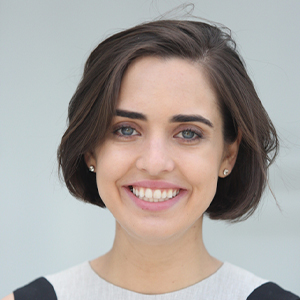
[00:00:10] Ray Latif: Hey everyone, I'm Ray Latif and you're listening to the top podcast for the food and beverage industry, Taste Radio. This episode features an interview with Catharine Dockery, the founder of Vice Ventures, a venture capital firm that invests in businesses that have historically been shunned by financiers. Just a reminder to our listeners, if you like what you hear on Taste Radio, please share the podcast with friends and colleagues. And of course, we would love it if you could review us on the Apple Podcasts app or your listening platform of choice. What do canned espresso martinis, psilocybin-infused gummies, and sex tech have in common? They're all highly investable concepts, according to Vice Ventures. A seed stage venture capital fund, Vice describes itself as, quote, conquering stigmas and striving towards superior returns by investing in good companies operating in bad industries. Launched in 2019 by former equities trader Catharine Dockery, Vice has drawn on its $25 million fund to make investments in 10 companies, including functional beverage brand Recess, Indos, a maker of precision-focused cannabis vaporizers, and Lucy, which markets a line of, quote, cleaner nicotine gum. In the following interview, I sat down with Catharine for an expansive interview that delved into her interest in vice categories, her process for evaluating innovation and novelty, and how the fund utilizes non-traditional data to make informed decisions. She also explained why a shake-up in the distribution of alcoholic beverages is on its way, why she spends most of her day engaging in new business pitches, and what it takes for a founder to get a second meeting. Hey folks, it's Ray with Taste Radio. Right now I'm honored to be sitting down with Catharine Dockery, who is the founder of Vice Ventures. Catharine, how are you?
[00:02:07] Catharine Dockery: I'm doing well, thank you. How are you?
[00:02:09] Ray Latif: I'm doing great. I'm doing really well. That's a tremendous backdrop you have there. Lots of folks these days, they have their own little virtual background or they're in front of a closet or whatnot. You have an extensive book collection there.
[00:02:22] Catharine Dockery: I do have an extensive book collection.
[00:02:25] Ray Latif: Yeah. What do you typically read in terms of genre?
[00:02:28] Catharine Dockery: I read anything. Right now, I'm actually reading a book on big tobacco. But before that, I read a book on microdosing psilocybin. I've read books. Dr. Carl Hart, for sure, is probably one of my favorite authors. One of his main books is called Drug Use for Grownups. And he goes through all the scientific background of every type of drug you could ever imagine. It's a great read.
[00:02:51] Ray Latif: It's really funny you mentioned that because I was going through your Twitter feed and as people like me do, we research and go all the way back to, I don't know, a couple of years at least. And this was a retweet or at least a shared tweet from the aforementioned author earlier this year in which he discussed his heroin use.
[00:03:12] Vice Ventures: Yes.
[00:03:13] Ray Latif: which was, you know, it really shook me actually, to be completely honest. I was, here's a guy who is a respected professor at Columbia. Yes, he writes about and lives about illegal drugs, but it was shocking to me to hear that he was a regular user. I think in his words, he was entering his fifth year as a regular heroin user. Yes. What are some of your takeaways from that?
[00:03:39] Catharine Dockery: So my first takeaway actually is from my childhood. Growing up, my father always said, try every drug once, except heroin. So when I was reading the book and I read about his heroin use, it also kind of like startled me for sure. It's hard to understand respected people. I mean, he's a brilliant neuroscientist as well, right? Doing drugs that people for so long have said that were absolutely terrible. But when you actually read his book, it turns out that he argues that it is impossible to get addicted to any drug the first time you try it.
[00:04:11] Ray Latif: Well, I got to say, I mean, you know, even for a first time, like he's, he has admitted to using it consistently for the past five years. Anyway, I mean, I think it was kind of eyeopening and I think it lends itself to, you know, a discussion of sort of everything that you're involved with vice, you know, and I think, um, there's certain kinds of vice that are, I guess, a little bit more, uh, looked upon kindly by society. And those are certainly not, um, the aforementioned heroin, certainly not, but in your case, When we talk about vice and Vice Ventures, what do we talk about? How do you define that word?
[00:04:46] Catharine Dockery: The original definition of vice came in about years ago when I was actually interviewing for a new role and I learned about the vice clause, which prohibits funds from investing in cannabis, alcohol, nicotine, psychedelics, MDMA, anything sex-related. Then from there, I realized that this vice category actually expanded way beyond what people couldn't necessarily invest in. So our investment universe is gaming, it's anything online betting, alcohol, cannabis, nicotine, sex tech, you name it. But it's much more now than just what other funds couldn't invest in.
[00:05:18] Ray Latif: Yeah. And you are not only investing in these brands, you're also engaging with them on a consumer level, some of which I believe I saw in your company retreat, which was a company retreat like no other.
[00:05:34] Catharine Dockery: Yeah, I mean, as a people manager, right, something that's constantly on your mind is how do you build this team to have the best communication and the best teamwork. And to do that, it's pretty difficult when everybody's a COVID hire, because nobody has ever worked together in person. So about a year before we took this trip, I found tickets to go to Amsterdam round trips that were super affordable. So I basically just bought tickets for the whole team. And we spent five days in Amsterdam and it was definitely a trip we'll never remember. But this is definitely a great time.
[00:06:08] Ray Latif: Yeah. Trip has a couple of meetings in this case, for sure. Yeah. You know, I was also strolling through your Twitter feed and also saw an interesting quote in which you said, don't replace the shoes, replace the feet. What the heck does that mean?
[00:06:27] Catharine Dockery: Yes, I have a shopping problem, full transparency. And one of those outlets that it comes out in is shoes. So I have a very big shoe collection and I have a theory that obviously when you wear new shoes and you get blisters and all of this, the most reasonable outcome is to replace the feet. Don't replace the shoes. So yeah. So basically that's the thing that I power through miserable feet is I guess what I'm saying.
[00:06:55] Ray Latif: Oh, well, that's unfortunate. You know, it's a very important part of your body. You need them every day. In your case, I hope you can at some point find shoes without having to replace your feet.
[00:07:10] Catharine Dockery: Ask a lot of women. I'm sure they know exactly what I'm talking about.
[00:07:14] Ray Latif: Yeah, I never had the issue with my shoes. I think it's yeah, it's probably more of a gender thing. I don't want to say that in any kind of like chauvinistic way. But yeah, yeah, you know, shoes side. I mean, you have a remarkable history in terms of how you got into this business, how you started Vice Ventures. And I want to go back to your college studies, because you your background was in neuroscience and finance. Let's delve into that a little bit. Why neuroscience and finance?
[00:07:46] Catharine Dockery: So I originally started off as a finance major, thinking that I wanted to be a corporate securities lawyer. And I know. One of my uncles, he was a corporate securities lawyer. So from pre-K, I would always say, I want to be a corporate securities lawyer without any idea what that even meant.
[00:08:07] Ray Latif: Wow. Talk about ambition.
[00:08:09] Catharine Dockery: Yeah, that's what I wanted to do for sure. So then when I had this internship during college on the floor of the New York Stock Exchange, And I worked at a brokerage firm where I realized that all of these brokers were independent contractors and no one worked together. So I actually saw a lot of these, this broker firm make a ton of errors that were completely avoidable if they had just turned around and said, Hey, like, what do you think of the stock price? Right. Or like, Hey, are you executing this? Or am I executing this? Basically, to try and solve for this issue, I started a blog called Dockery's Daily Docket, in which I woke up anywhere between 4 and 5.30 AM and wrote this newsletter. It was one page. It was sent out in PDF as well as Blogspot. I basically said what happened in Asia overnight in the equities market, what happened in Europe, what the futures were trading at, and then there was always a short blurb or a short piece of writing that I wrote it either wrote about salmon prices because of global warming. I wrote about just like a lot of very rare but the housing crisis and explaining how one house can lose value and then how that kind of escalates and kind of just moves to all of these houses to like a whole neighborhood losing value to a whole community losing value. So that through writing that blog, I kind of understood that a lot of the equity markets were actually moving based on the way that people remembered things or the way that they thought the market was moving, then based off of, oh, the earnings came out and Nike is up 10%. So then writing this blog, I kind of realized more and more how important understanding psychology and like basic neuroscience is. So that got me really interested in neuroscience. That's when I started taking classes. And at one point I thought I wanted to be a neuroscientist or a neurosurgeon until I realized how much money med school was and how long it took to make any money whatsoever from it. So that's when I obviously went and jumped into finance.
[00:10:03] Ray Latif: So are you, would you say you're motivated by money?
[00:10:06] Catharine Dockery: Yeah, of course.
[00:10:08] Ray Latif: That's so refreshing to hear because I think there are some folks who would say, well, not really. It's my passion. It's this and this and that. Okay. I mean, you're, you're a venture capitalist. So of course, you know, it's about the money, but you know, being about the money is one thing. Being happy in your job is another thing. And it feels like you weren't really happy in your career until you started vice.
[00:10:29] Catharine Dockery: 100% correct. I felt like I wasn't necessarily challenged a lot. I also didn't know how to challenge myself, which I think is a major part of the problem. But I've realized I'm a much better manager of myself than somebody else is of me. So that's one thing that I've definitely learned about myself since starting Vice Ventures.
[00:10:46] Ray Latif: Prior to launching Vice Ventures, though, I mean, I think some of your career experience was pretty remarkable. You were the chief of staff for Bonobos. Is that right?
[00:10:54] Catharine Dockery: Yes.
[00:10:54] Ray Latif: The co-founder of Bonobos.
[00:10:56] Catharine Dockery: Yeah, so I worked for him directly independently. So I never worked for Bonobos. But when I did end up following him to Walmart, I worked for Walmart.
[00:11:05] Ray Latif: Okay, okay. And Walmart doesn't feel like it's that's the really the right setting for you.
[00:11:11] Catharine Dockery: Yeah, just a little bit.
[00:11:13] Ray Latif: Yeah, you weren't ready to go to Arkansas and you know, and work for a major retail conglomerate now?
[00:11:20] Catharine Dockery: The biggest retailer in the world. I'm very glad I had that experience, right? Because I kind of learned in my role what brands do well. What makes a brand do well? How does a brand jump out on stores or on shelves on stores? So I've definitely learned a lot from that experience. And I also went to Bentonville, Arkansas, which I can tell you is a fascinating place. completely fascinating. Everything there is owned by Walmart or somebody who works for Walmart. It's amazing. It's honestly, it's such an experience. I think every American should go to Battenville for sure.
[00:11:54] Ray Latif: It's amazing because Walmart touches everything.
[00:11:57] Catharine Dockery: Walmart touches everything. And it's also, you see a whole community and society that was built around Walmart and Walmart's idea of save money, live better. right? So you have this whole town that was meant to help consumers get the absolute best value out of the products they're selling. And to me, I mean, that if that's on a mission driven company, I don't know what it is.
[00:12:19] Ray Latif: Hmm. That's really interesting to hear you say that. So you respect Walmart. You just could never work for them. No, definitely not.
[00:12:25] Catharine Dockery: But I, I mean, you can't work for Walmart and walk away and not have like an unbelievable appreciation and admiration for what they do.
[00:12:34] Ray Latif: Yeah, I mean, I would agree, you know, to achieve the status that they've achieved as the world's largest retailer doesn't come unless you do a lot of things really, really well. And they're a pretty well-oiled machine, it feels like. And, you know, they're also really great at knowing what their customers want. And I wonder, you know, if any of the products or the brands in your portfolio will ever be sold at Walmart at one point. One brand I think would fit really well at Walmart is a brand called Bev, which is a canned wine company started by Alix Peabody, who we've featured and interviewed here on the podcast. Amazing entrepreneur, amazing person. Your relationship with them helped sort of kick things off, right? And sort of put you on the direction of starting Vice, right?
[00:13:23] Catharine Dockery: Yeah, I mean, I was a very, very early investor. I think some of the top 10 investors that she had was me. And I thought that she could 100% execute on her dreams without any question. She's somebody who is very, very tenacious. and when they want to do something they do it. So I mean she was a great investment and to raise their seed round. I was actually that gave me the idea for Vice Ventures. I ended up sending it to over 100 people. And all of these funds were like oh we don't invest in alcohol. We can't do it. Oh you don't do this. We don't do that. And it was their loss. Right. I mean Founders Fund came and led the round.
[00:14:00] Ray Latif: Yeah. I mean, once that happened, I think people really started to take notice. And let's expound upon this because starting Vice Ventures required some capital. And the capital, I think the first capital came from you in a really interesting way. You know, when people say they're going to invest the shirt off their back, well, you invested your entire closet and then some.
[00:14:29] Catharine Dockery: Correct, correct. Yeah, basically early on in the fund, I realized that in order to raise this fund, investors would have to buy into something, right? So they weren't just buying to the mission of somebody who had almost no track record, right? So I kind of had to make investments that I thought were valuable enough that people would want to buy into the fund because of it. But to do that, you obviously need money. And I don't come from any money. I had a huge student loan at the time I was doing this. So my husband and I, we sold the apartment that he bought in order to fund the warehouse deals. And I mean, I'm so glad it worked out. But honestly, if that hadn't worked out, I don't even know the trajectory of my life would have taken if those investments didn't turn into a fund.
[00:15:10] Ray Latif: So you use that money to raise more money is essentially what you're saying.
[00:15:14] Catharine Dockery: Yeah, exactly.
[00:15:16] Ray Latif: And the amount of money that you eventually raised is $25 million, which is pretty remarkable for a first-time fund. How did you get that money? Talk about your perspectives.
[00:15:26] Catharine Dockery: My dad was a bartender. So I didn't have any real connections to money. I mean, I had an uncle who was a lawyer, but besides that, and he was too old. He told me he was too old to invest in my funds. So he's in his eighties, but yeah, I mean, I ended up sending over 500 cold emails. I created a list of people that I knew or people that I didn't even really know that I found on LinkedIn that I thought would want to be invested in Vice Ventures. And I just cold emailed all these people.
[00:15:55] Ray Latif: Guessing your margins? That's risky. Belay Financial gives CPG brands the clarity to scale smarter, faster, stronger. Get your free inventory ebook by texting TASTE to 55123 and start making data work for you. Vibrant Ingredients is the natural ingredient partner powering food and beverage innovation, delivering flavor, function, and protection through a science-backed portfolio. Vibrant delivers purpose-driven solutions that help brands create extraordinary experiences. Discover what's possible with Vibrant today. Visit VibrantIngredients.com. So what really moved these investors to get involved with the fund? What was it specifically? Because, you know, when I think about some of the categories that you're currently involved with, they are growth categories, even though they may not be, you know, societally appreciated.
[00:16:56] Catharine Dockery: Yeah. So I think one thing that I learned on super, super well about which investors would be a good fit for this was what their background was, right? So people who worked at a vice company, they obviously got it right immediately because they saw a difficult list of fundraise. Um, a lot of people who made money off of investing in the seed rounds of a lot of these space companies as well were very easy to convert to LPs. So I think, I think honestly, just the evidence that there was a ton of money to be made here, uh, was enough for people to sign and understand and like, like fully understand the vision of what I was trying to complete.
[00:17:32] Ray Latif: Well, then I got to think that there were some people that didn't, even though, you know, the trajectory for some of these categories is pretty remarkable. But what kept some folks from just not getting involved? Was it just the idea that, you know, cannabis can't do that?
[00:17:49] Catharine Dockery: I think, honestly, a lot of it was just stigma. So every family office has an older male part of it, right? So for me, a lot of it was I'd get through the door of family offices and be like, we love it, we love it, we love it. And then it would hit grandpa and grandpa hates cannabis. So that was a huge thing for me. That was a huge trend that I saw over and over again. And then also I was raising my fund right as the Juul controversy was raging. So we had a ton of people be like, what are your products market to? Who are they for? What's the customer? What's the demographic? And that concern obviously is a concern that we carry every day at Vice Ventures, but it definitely was a reason why people didn't invest based on what had happened.
[00:18:28] Ray Latif: And Juul being J-U-U-L, the e-cigarette brand. Talk about why that was such a controversy and could have thrown things off the rails.
[00:18:39] Catharine Dockery: Yeah, I mean, Jewel has been blamed for marketing to kids, whether you think that's true or not is really your decision. But what I can say is that, I mean, Jewel was a great transaction, right, for the vice category. People made a lot of money in that situation. And I think obviously it could have been handled a lot better and like, who knows what happened, what didn't happen. But I do think that Juul, the invention of Juul was good for everybody. I think it really cut back on secondhand smoke. I think you see cigarette volumes continuing to decline. And I can't help but think that e-cigarettes are actually a great alternative to combustible smoking.
[00:19:15] Ray Latif: Do you use e-cigarettes?
[00:19:16] Catharine Dockery: I've never used nicotine in my life.
[00:19:19] Ray Latif: Interesting. You invest in nicotine or may invest in nicotine products, but you've never used it in your life. This is the interesting part of the conversation where I think you probably would use any of the products that you've invested in, but nicotine, anything that contains nicotine is not one of them.
[00:19:38] Catharine Dockery: I just don't, I'm not somebody that consumes stimulants in general. Okay. So nicotine is a stimulant. It's a nootropic. Um, a lot of people actually consider it to be caffeine and it's most pure form. Uh, I just don't, I just don't use, I mean, I'm not a big drinker. I do smoke a lot of weed, but I'm not, my biggest vice for sure is online shopping without question. And mayonnaise. I eat a disgusting amount of mayonnaise.
[00:20:04] Ray Latif: Mayonnaise isn't bad. I don't mind mayonnaise. There are some people who will gag at the mention of the word mayonnaise. You know, they just think of this white glop and they're like, oh God, no, that's not me. I love mayonnaise. So I'm fine with it. I even love, you know, so I'm not a huge cheese eater. In fact, I think there's some people that don't know this about me. I don't really love cheese, but the best grilled cheese sandwiches are made with mayonnaise.
[00:20:25] Catharine Dockery: Agree. At best, everything is made with mayonnaise.
[00:20:29] Ray Latif: Wow, you really do love mayonnaise.
[00:20:31] Catharine Dockery: I would eat a mayonnaise cake, honestly, if my husband came and was like, I made this for you, mayonnaise flavored. I would have been like, oh, chocolate icing.
[00:20:37] Ray Latif: Oh my God. Wow. Well, you know what? Mayonnaise could be a vice for some people, given that there are so many people that really hate it. But you don't drink, you don't drink caffeine or you don't consume caffeine either? Never. Interesting.
[00:20:49] Catharine Dockery: I mean, I have consumed, actually, that's a lie. I'm sorry. I had consumed caffeine. And then when I was traveling to launch Vice Ventures, I realized that my caffeine bill was quickly adding up. So that's when I stopped drinking caffeine.
[00:21:01] Ray Latif: Okay, okay. The products that you invest in, the brands that you invest in, okay, we know there's this general umbrella of vice, but let's talk about exactly what you are looking for in some of these brands and what they're looking for in you. You make essentially seed stage investments at this point, right?
[00:21:19] Catharine Dockery: We do pre-seed series A. So we invested in Recess before there was a product, for example.
[00:21:25] Ray Latif: This is the CBD brand or the hemp beverage brand. I think Ben would kill me if I... because we've had Ben on the show as well, an amazing entrepreneur. But how would you describe Recess?
[00:21:38] Catharine Dockery: I would describe recess as a functional beverage because now they have two lines, one of magnesium and fun fact, more than half of America is magnesium deficient and then they have a CBD line as well.
[00:21:51] Ray Latif: Okay. Well, there you go. So, Pre-Seed, Seed, Series A, and there it is, right in your hand, if you're watching the video, the Mood variety of Recess. That is the Mood variety, yes?
[00:22:02] Catharine Dockery: Yes, this is the Mood, which is, for comparison, that's the Magnesium line, is the Mood line.
[00:22:07] Ray Latif: Okay, gotcha. So, you've invested in Recess. You've invested in a handful of other brands as well. What are some of the common threads in these brands, and could you list the brands that you're involved with at this point?
[00:22:21] Catharine Dockery: Yes. So we are also in the low Jay Brown. We love the seat around. That's a canned espresso martini. We've invested in Lucy which is a nicotine consumer brands business. So the right now they have a gum they have pouches and they have a lozenger. We invested in Players Lounge which is a betting platform for e-sports. So you can play against your friends for money on video games. Uh, we invested in Gwela, which is a, the world's first consumer psychedelic brand, as opposed to medical, uh, which we're super excited about. We invested in Parade, which is a women's intimates company. So they sell bralettes, underwear, lingerie, and we, we just invest in a lot of consumer products for sure.
[00:23:07] Ray Latif: So, I'm familiar with Recess, I'm familiar with Deloche, both have excellent packaging. I don't know the folks behind Deloche. Obviously, I mentioned Ben Benwiti, the founder and CEO of Recess. Fantastic guy, very well spoken, knows his brand inside and out, knows his vision inside and out. Are those typical of, in the way I described the founder, Ben in this case, typical of the kind of investments that you've made to this point?
[00:23:33] Catharine Dockery: Every single one of our founders, I am very lucky to call a close friend. We invest in great people who are smarter than we are for sure, which is why I get this question a lot, but a lot of people are always very curious about our thesis and our semi-theses on certain categories. And obviously we have them, but when we go into pitch meetings, we realize and we recognize that a lot of people are much smarter than we are. So it makes a lot more sense to go into this meeting with a completely open mind about whatever they're pitching. for sure, which I don't know if I answered your founder question.
[00:24:05] Ray Latif: It sort of does. I mean, but how do they get that meeting, right? Like, you may not know these founders beforehand, you may not know their level of intelligence or how well they understand their brand and category. So how do they get in the room?
[00:24:18] Catharine Dockery: Yeah, so we take, I would say probably 94-95% of all our deal flow comes from cold pitches. For sure. We don't really work with a lot of other funds, just especially because of what we do, right? And because of that, we get a lot of founders come directly to us at Info Vice Ventures, looking for a meeting and we take a ton of meetings. It's very rare that we won't take a meeting from a cold email. I mean, especially because of how I raised the fund, right?
[00:24:46] Ray Latif: Yeah, you understand what these entrepreneurs are going through. How many meetings would you say you take in any given week?
[00:24:54] Catharine Dockery: It ebbs and flows to be honest with you. So right now is August and it's pretty light, right? Because a lot of people are out of office. But in September, I guarantee I'll be in meetings from 930 to six and sometimes later depending on if the company's in California or what the schedule is. But no, I mean, we see a ton of businesses for sure.
[00:25:13] Ray Latif: 930 to six talking to new brands or early stage brands.
[00:25:20] Catharine Dockery: Yeah, I would probably say of that an hour and a half or two hours of my day is not talking to new companies. But we're constantly talking to new companies, for sure, especially from Cold Abounds.
[00:25:30] Ray Latif: Wow. What gets a second meeting?
[00:25:33] Catharine Dockery: Well, who gets a second meeting is people who know their customer really well. So I mean, I was just talking to a gender specific company. And when I asked them about the gender breakdown of their customer, they had no idea, right? So like, that does not get a second meeting. Companies that are operating legally do not get second meetings, which you would be surprised is a lot of them.
[00:25:54] Ray Latif: Company operates illegally, did you say?
[00:25:55] Catharine Dockery: Illegally, yeah.
[00:25:56] Ray Latif: Okay.
[00:25:57] Catharine Dockery: Especially in alcohol. We see it all the time. So the three-tier distribution system with alcohol, you can't distribute the product if you make the product. And we see a ton of alcohol companies start out self-distributing without using a licensed self-distributor. So you see that. If you're operating legally and your company's been in operation for six months, then it's an immediate pass, for sure. But yeah, I mean, great brands get meeting brands that tell stories, brands that have any type of tie to nostalgia, right? So you think of recess, I think you'd be hard pressed to find an American that grew up in America as an adult that never took a recess before. I think I just don't know who that would be. So really, really strong brands that tell strong stories with and connect with consumers for sure is definitely gets a second meeting.
[00:26:42] Ray Latif: Do you ask all these brands to send you product as well so that you can try it? I think when we spoke last, you talked about a sort of getting a team approach to evaluating these products on a consumer level. How, I guess, within food and beverage, and I should ask, I mean, how much of your fund and how much of what you do is focused on food and beverage?
[00:27:06] Catharine Dockery: A lot of it is beverage, for sure. Just because if you think about it, there's no alcohol. fund, right? There's cannabis funds, there's beverage funds, there's CBD funds, there's SAS funds, there's generalist funds, but there's no alcohol fund, right? So because of that, we see every alcohol deal like to ever have crossed existence in the past year. We've seen over 200 spike seltzers. We've seen a ton in beverage.
[00:27:31] Ray Latif: So going back to trying these products as you take a sip of your recess, the team approach in terms of how you evaluate these brands, what's it like? Who gets the final decision, if there is one?
[00:27:45] Catharine Dockery: I definitely get the final decision. But you're right in saying that taste testing is a huge part of our diligence. Every product we meet with, we get samples, all three of us try them. Unless it's nicotine, then only one person tries it. But yeah, besides that, once we get to the next level with them, so meeting three, four, we will create a list of anywhere between like eight and 15 people that we want them to send product to that are either big nicotine users, big, big drinkers, big espresso martini guys, right? That's who we're sending product to. Do you want more repeat buyers on Amazon? Well, this free resource in collaboration with Straight Up Growth will help your brand turn first-time buyers into long-term subscribers. Download Winning the Repeat Purchase Game on Amazon now at Taste Radio slash SUG. That's Taste Radio slash S-U-G to start building retention-driven growth for your brand on Amazon. Scaling a beverage brand into major retail comes down to operational readiness. From packaging lead times to co-manufacturing strategy, the details can make or break a launch. In a new ebook in collaboration with Octopi and Asahi Beer USA, industry leaders share what they've learned in helping brands scale. Download it now at Taste Radio slash octopi.
[00:29:09] Ray Latif: Now, when you're talking about Taste Radio potential, there's a lot of due diligence that you're still doing on your part. You have a data scientist on your staff. What does a data scientist do? How does that help you make investment decisions?
[00:29:25] Catharine Dockery: It's one of the most important roles we have at Vice Ventures for sure, because our data scientist works with a lot of our portfolio companies on their data, right? Because like, why would you hire a data scientist if you don't have to? So it's been great. So we know exactly what's going on in our companies. Our data scientist also does a ton of digging on who the consumer is, right? Because like, unlike a consumer fund, where your consumer is most likely somebody who buys away Allbirds, Glossier, Greats, right? Like all of those brands, our consumer is not that person. Our consumer is in the middle of the country a lot of the time. They live in West Virginia. They love tobacco. Right. Like that's a lot of our customer. So we use our data scientists to figure out exactly who the customer is in every category and every like in pouches for example nicotine pouches for scums versus lozenges versus combustibles. Right. Like those are all different consumers. So we use our data scientists for that. Uh, we also use our data scientists to kind of scrape trends on the internet. So like one thing I was curious about is which States do concentrate or dabs? Uh, what, where do they sell most of the U S right? Like, I think that's super curious because if you look at it, I don't know, have you ever done dabs or have you ever seen somebody smoke concentrate?
[00:30:36] Ray Latif: You're talking about smoking cannabis concentrate.
[00:30:38] Catharine Dockery: Have you, have you seen it?
[00:30:39] Ray Latif: I have not. No, I'm not familiar with it.
[00:30:41] Catharine Dockery: So it's waxed, so you have a machine or you have a blowtorch that melts it, and then you consume the vapor. So it looks like you're doing hard drugs.
[00:30:52] Ray Latif: Yeah. That's cool. Crack. I think that's how you spell crack.
[00:30:57] Catharine Dockery: Exactly. It looks like you're doing crack. So because of that, understanding that, right? Like I'm trying to figure out like, where is this selling most? Like where, like, so we did a screen and we're like, okay, do states that have higher meth use also have higher concentrates. Right. Because it's, it's very similar form factors. So we do a lot of, we do a lot of digging like that. Yeah. I mean, the data scientist is key, key, key to our fund for sure.
[00:31:21] Ray Latif: I can see why some grandpas might have an issue with your focus. It's like crack, you know, and we're trying to find out how many meth users there are in West Virginia. This is going to help us make a decision on whether or not we invest in this brand. Get out of my office.
[00:31:37] Catharine Dockery: I mean, it's fascinating, isn't it? I find this incredibly fascinating.
[00:31:42] Ray Latif: Yes, for me, this is all really incredible stuff. This is a whole new opportunity to reach consumers in a way that you know, they didn't, there never has been a way before. I mean, a lot of this stuff was, I think, really underground and shunned upon. And now there's, you know, a brand opportunity for a lot of these products and for a lot of these things that just were vice in the past. And at the same time, the stigma, the stigma is still there for these brands. And I think even when Recess came out, Recess is, you know, This is a beverage brand. It's not going to hurt you. It's pretty subtle in what it does. It's benign. Yeah. But there's still going to be a stigma out there. How much does that factor into the potential for these brands when you think about the long-term potential, the ability for these to really scale?
[00:32:37] Catharine Dockery: I mean, that's part of the reason overcoming stigma was part of the reason I had the confidence to start Vice Ventures. I mean, I literally grew up at a bar. I was able to go to college because my dad poured beers, right? So when I was interviewing and I was raising money for Bev, I just couldn't understand why everybody thought alcohol was so terrible, yet they would go home and have a glass of wine at the end of the day. So I have this theory that the more you talk about vices, right, the more you talk about alcohol consumption, the more you talk about nicotine versus tobacco, right? The more that you bring these like, like everybody should like all women should own a sex toy, right? Like a lot of these taboo topics. I just think the more that you talk about them and the more that they're in the mainstream media, you can both overcome the stigmas, but then you can also overcome potentially the addiction that comes with it. because you have an increased education level of people who understand what they're consuming and why.
[00:33:28] Ray Latif: You're also investing in addiction recovery, right? And that's part of what you guys do?
[00:33:34] Catharine Dockery: We are investing in addiction recovery brands. We haven't found any to date that we thought were worthy of investment. But one category that we're definitely on the look for is nicotine cessation for youth. Because right now, the FDA has yet to approve a smoking cessation program for youth, right, instead of for adults. So I just think that having a program like that that helps people get off nicotine for kids is going to be huge, right? Huge for society and also a huge business.
[00:34:03] Ray Latif: And it's totally a worthwhile business. Certainly, you know, keeping kids off nicotine makes a lot of sense. But on the flip side of that, some of your brands want them to start using nicotine or these people start using nicotine as soon as they can at age 18, right? That seems like a delicate balance, delicate fine line you're walking.
[00:34:22] Catharine Dockery: So that's definitely a Big Macko's goal, for sure, is to get people using at 18 plus, right? That is their MO. I would say for the nicotine brand we invested in, it's not that, just because they do pouches, lozenges, and gums. And those three products aren't products that get people to start using nicotine, right? I don't know anybody that's like, oh, I'm so addicted to nicotine because I couldn't stop using this nicotine lozenger, right? So yeah, so like that company is amazing because they're helping people get off harmful ways of using nicotine to ones that are quote cleaner.
[00:34:55] Ray Latif: Interesting stuff for sure. And I think this is a question that might be hard to answer. I'm trying to think of what innovation means to you because it seems like anything could be innovative, like given that this is a fund that's tackling products and brands, as I mentioned earlier, that just never had an opportunity to exist until now. So, how do you define innovation? What do you look for when it comes to disruptive brands?
[00:35:25] Catharine Dockery: I think a new delivery systems for drugs are huge. So I mean part of the reason why Jewel blew up right was because it was a new delivery nicotine system that hadn't existed before. So I think finding ways to get what they want what people are looking for and cleaner less harmful routes I think is the best innovation advice by far for sure.
[00:35:44] Ray Latif: Well, I mean, how does that extend to beverages like, you know, canned cocktails or a relatively new segment of the spirit space? We just completed our ready to drink cocktail showdown, our very first for BevNET.
[00:36:01] Catharine Dockery: Congratulations.
[00:36:01] Ray Latif: Yeah, it was great. It was great. It was won by a brand called Wandering Barman out of Brooklyn. Fantastic brand, and it sells ready-to-drink cocktails in this small glass flask. But all the brands that participated were awesome, in my opinion. And it's just cool to see, you know, so many people getting into this space. But the delivery system is can, bottle, what have you. I think there's one brand where it's called Drinksmith, where they have a delivery system where you're familiar with it. The mixer on the bottom, the spirit on the top, you twist the bottle and they mix and you shake it up and you have a great cocktail. So when you're thinking about the alcohol space, what is innovative beyond the delivery system? Or is there a delivery system that is out there that you consider remarkable?
[00:36:50] Catharine Dockery: So I think one thing for sure is sustainability, I think comes into play a lot. I mean, I've seen a ton of reports that say that sustainable businesses are actually better businesses for a lot of reasons. One, because I mean, think of a huge Coke or Pepsi, right? Like implementing a plastic reduction doesn't make any sense for that business, right? But acquiring a company that doesn't use plastic, that use something else makes a lot of sense. So we, I mean, we've seen a few alcohol companies recently that come in plastic bags, uh, which we've passed on. I mean, one, because they, they look like Capri sun pouches for kids and two, because it's single use plastic. And like, I just don't think that that's the future at all. But also with beverage, I think a lot of it comes down to functionality, right? Like I think recess really hit the nail on the head there, right? Like, as I said earlier, you have half of half of America that is magnesium deficient. right? So creating a magnesium beverage completely makes sense and fills that need, right? So I just think going forward, the functionality of the beverage for sure is also going to be huge.
[00:37:51] Ray Latif: Well, functionality and I guess better for you, even though you can't say better for you in the alcohol space has come to the forefront. We are seeing, in fact, during the showdown, there were a couple founders that refer to their brands as better for you, which again, you can't really do that in the alcohol space.
[00:38:08] Catharine Dockery: That makes me so angry. It's like calling like a vape a cleaner way to smoke or healthier than a cigarette, right? Like it's still bad for you. Just call it ingredient transparent.
[00:38:20] Ray Latif: Yeah, but I think that goes back to the stigma. You never want to say, you know, my product or my brand or the brand I invest in is bad for you, right? What you would want to say is better than what we had in the past.
[00:38:33] Catharine Dockery: Or you can say it has clean ingredients. which you can't say about most cocktails, right? Or most canned cocktails. Fair enough. So like, I just think I'm trying to coin a clean ingredient because you don't have the, it's healthier, right? So you don't have that claim. And there's also no confusion, right? Or marketing of like what the product is. Like it's not alcohol that's like medicinally better for you.
[00:38:53] Ray Latif: Yeah. Well, Deloche isn't very confusing. It's not confusing at all. I mean, it says it's an espresso martini in a can. You pour it out and you have your drink. When I think about a product like that, I don't necessarily think about sustainability or innovation. I think about convenience. Was that a big part of the reason you invested in Deloche?
[00:39:11] Catharine Dockery: We invested in Deloche just because we saw so many spiked seltzers. I mean, and everybody, and there's a ton of money just pouring into Spike Seltzer. But if you look at the market, it's pretty done, right? You have White Claw, and then you have Truly, and then every other brand has this much amount of market space. So looking at that, we're like, okay, this is done. This category is done. This is no longer exciting. And then we saw Dolce. and Dolce came, it tastes amazing. Honestly, it was the first product that we all tasted. They were like, we have to make an investment. It's amazing. And then you also kind of see culture, right? Like people are going out and they want stimulants. They want their Red Bull vodka. They want to be at the club and they want to stay awake, right? So with that also in mind, you're like, okay, Dolce has a has a chance, has a fighting chance. People want caffeinated beverages, especially caffeinated alcohol beverages. And Espresso Martinis are also having a moment. So when we saw it, we fell in love with the founders. We fell in love with the brand. It's modeled after an Italian race car, which I thought was totally genius. And I just totally got what they were doing. It made complete sense. Everybody drinks coffee in America, right? To your point earlier, everybody knows what it is, right? So an Espresso Martini doesn't really take that much consumer education to be on a shelf and get a sale.
[00:40:29] Ray Latif: But the use case is pretty limited, right? I mean, like you might have one if you're going out, even if you do go out, you know, it may not be at the bar you're looking for because the bar is going to make more money if they make it on their own, right? So, and this is nothing against the lotion. I think it is a really interesting and has a really interesting brand that has a lot of potential. But I feel like the use case seems a little bit more limited.
[00:40:52] Catharine Dockery: So you wouldn't think that until you discover how much people spend every year annually. I don't have the number on top of my head, unfortunately, but the amount of Americans that spend on alcohol for brunches they have at home is a huge category. Honestly, it could make or break a beverage for sure. And you think about how many drinks you have at a brunch. probably more than one. So I think that espresso martinis have a huge market. It's just not the traditional, let's go home at the end of the day and have a beer, right? It's not going to be that time to drink, but it does definitely have, it's very, very relevant and has many multiple chances to drink during the day.
[00:41:33] Ray Latif: You're not investing in Spike Seltzer's, you have invested in Espresso Martini, a ready to drink cocktail. What are some of the other alcohol segments or categories that have really piqued your interest at this point?
[00:41:46] Catharine Dockery: Yeah, so we continue to be excited by rum. Rome is a very fast growing category and it's not meant to call tequila. So the category is much less crowded for sure. That's one thing we're looking at. We also continue to be excited about the future of canned cocktails, right? Like not seltzers, but to see what else people have or other form factors that they have, which I think will be very exciting. Yeah. And then obviously spirits continue to be exciting. One thing that's interesting about Spirits is that you can obviously follow by volume, which is fast growing, where people are consuming. But one thing about Spirits is that it's very much like an influencer kind of game. You see, I mean, I get targeted ads on Instagram all the time for every single beverage that's ever been in existence. And I can tell you, I see a lot of these brands that are, they continue to advertise, right? Like it's, they have like a lot of beautiful women in the advertisement or like, they're like using traditional forms of advertising to get a message across. And it still works for spirits as a thing. It's like, you don't need an Instagram page. You don't need a TikTok, right? Like spirits are very, very much an old school game, right? So like understanding that you come and you're like, Oh, X celebrity is carrying X gin, right? Like that will do well. Or you're just like, Oh, this founder is from the Caribbean. He's super authentic. He understands who is, who his market is, where the customers are. Right. Like he, I trust him to be able to get the hands, uh, did his product in the hands of people who will consume it. So I think like, there's not necessarily like a playbook about like which spirits are more exciting. I think it's truly, truly like a demand and situation to see who's doing well.
[00:43:25] Ray Latif: Marketing and distribution is what I'm hearing.
[00:43:27] Catharine Dockery: It's all about distribution. The whole game is distro for sure.
[00:43:31] Ray Latif: Yeah, unfortunately the distribution game in the spirits industry feels like it hasn't evolved much in a long time. It's still that whole boys network that a lot of people talk about and they, you know, have a hard time cracking. I think a leaks talked about this in our interview leaks from Bev. Does that dissuade you at all? I mean, does that does that?
[00:43:51] Catharine Dockery: No, it excites me because I think there is any type of. innovation and alcohol marketing or spirits marketing, like we will be there for it, right? Like we will be the ones to identify what is happening and what is changing. So I think honestly, the fact that it hasn't changed so long makes it easier to identify companies that are changing it, right? So that's why Bev stuck out, right? Because it was so different from what was going on already in the market.
[00:44:14] Ray Latif: And you know, the celebrity as a founder, you touched on this, some of these folks who are celebrities and starting their own alcohol brands. I think I just got an email about Mariah Carey starting a new Irish cream brand. I don't, I don't get that at all, but anyway. Um, is, is that something there are, you know, the celebrity founders and there are founders like leaks who are essentially industry celebrities. I, you know, I don't mean that in any kind of negative way, but she's really turned into someone that people look up to within the industry. And how do you, how do you think about founders as the people that are not only leading their companies, but ones who can be the influencers for their brand?
[00:44:55] Catharine Dockery: Yeah, so I think it really depends on authenticity. I think that is the most important thing with brands in general, right? So like I think of a celebrity comes and it's an obvious fit. Great example I have for you is Kim Kardashian and Skims shapewear like brilliant idea for her right like totally makes sense right and like you see a lot of celebrities in the spirit in the spirit space and some of them it makes total sense like you like completely get it you're like you're cool enough to do this like you've been photographed drinking whatever right and then there's some celebrities that start tequila brands that are very well-known celebrities and the brain doesn't go anywhere right so i think it very much comes down to authenticity
[00:45:38] Ray Latif: Yeah, and you know, you can you can see authenticity in you know, in online ads, I think pretty quickly, I think. Yeah, when I see Mariah Carey on a beach holding her ball of Irish cream, I'm like, don't don't get that there's no connection there.
[00:45:53] Catharine Dockery: So I'm not gonna be able to stop thinking about Mariah Carey going to Dublin and just drinking Irish cream. Like now I'm never gonna be able to stop thinking about
[00:46:03] Ray Latif: I'm sorry, I didn't mean to do that to you. The opportunity for online, the opportunity for e-commerce seems like it's a huge channel for a lot of these brands. How does online, how does e-com factor into or the potential for e-com being a huge part of their business, how does that factor into your investment decisions?
[00:46:24] Catharine Dockery: I mean, part of the reason why I invested in Bev besides elites being amazing and the brand being great was I just saw a future for direct to consumer alcohol. And because it was a three tier system, that's a very difficult thing to achieve unless you're basically in a specific space in the United States. So I just think DTC alcohol is going to be huge. I think right now it's incredibly fragmented and it's very, very expensive to operate. So like, I don't know, I mean, the way it is right now, it can't possibly operate like this for a long time. So it's going to have to innovate to change.
[00:46:52] Ray Latif: So you see the distribution business for alcohol changing in the near future?
[00:46:55] Catharine Dockery: Oh yeah, 100%. I mean, a great example was during COVID. You saw more and more people ordering and trying new alcohol brands and buying them online than ever before, which I think is huge. And I think that just continues, right? Like, I mean, I don't think it's a mistake that Amazon bought Whole Foods, right? I mean, think of all of the alcohol licenses that they bought with that acquisition. I think it was way more than just grocery. And I see Amazon also. I see them getting into the space for sure. I mean, you saw Uber acquire Drizzly, right? I just think the trend continues that way.
[00:47:29] Ray Latif: Yeah, that's a really interesting point. Well, I mean, I got to think that the investments that you've made or will continue to make will be really interesting to pay attention to is one of the reasons I wanted to speak with you. And I'm excited to see this whole new generation of vice brands come to market and the ones that you determine to have some great potential on the market. So I'm looking forward to staying in touch and keeping an eye on what Vice will be doing in the coming months and years. In the meantime, Catharine, this has been such a great conversation. Thanks so much for taking the time to be with me and hope we can meet in person sometime in the near future.
[00:48:08] Catharine Dockery: Yes, thank you for having me and for asking intelligent questions.
[00:48:12] Ray Latif: I appreciate you saying that because sometimes I really ask unintelligent questions. No, in all seriousness, this has been great and really appreciate the time. Thank you.
[00:48:22] Catharine Dockery: Thank you. Bye.
[00:48:27] Ray Latif: That brings us to the end of this episode of Taste Radio. Thank you so much for listening and thanks for our guest, Catharine Dockery. As always, for questions, comments, ideas for future podcasts, please send us an email to askatasteradio.com. On behalf of the entire Taste Radio team, thank you for listening and we'll talk to you next time.