[00:00:10] Ray Latif: Hello, and thanks for tuning in to Taste Radio, the number one podcast for anyone building a business in food and beverage. I'm Ray Latif, the editor and producer of Taste Radio, and with my co-host for this episode, John Craven, Jacqui Brugliera, and Mike Schneider. This episode features a conversation with Good Culture co-founder and CEO Jesse Merrill and Steve Young, a managing director with private equity firm Manna Tree, that explores the synergy between profit and purpose. How the heck is it already February? I mean, this month, I was not expecting to be here so soon. This year has flown by.
[00:00:51] John Craven: Well, fortunately, you get an extra day of February.
[00:00:53] Ray Latif: So it is a leap year. That's correct. Yeah. And February just means that Expo West is basically tomorrow, right? I mean, yeah, I'm leaving Thursday. There you go.
[00:01:05] Jacqui Brugliera: Gotta get there early to prepare.
[00:01:07] Ray Latif: John's leaving on a jet plane. I just don't specify a date. Just Thursday. I'm going on Thursday. No, I think most of us are going to be there from March 12th to March 16th. At least that's when I'm going to be there. Jackie, is that your plan as well?
[00:01:20] Jacqui Brugliera: Yep. I'll be driving up. So it's a nice, easy trip for me.
[00:01:23] Ray Latif: Expo West is about five weeks away, which means that we're looking for news. We're asking folks to submit news about new products, brand revamps, a new distribution, new retail that you'll be exhibiting or talking about at the show. Jackie, the easiest way to inform us is to head to bevna.com and Nosh.com.
[00:01:43] Jacqui Brugliera: Go to the menu and find submit news.
[00:01:46] Ray Latif: Submit news is the easiest way to do so. There's a link on both sites. Upload it, let our editorial team know, and we will visit your booth. Folks who Taste Radio VIPs and it's easy for you to become one, just head to Taste Radio slash VIP. We'll be part of a special list of folks that we'll be visiting at Expo West. We'll be coming strong with all kinds of gear for you to wear at the show, including lanyards and pins. We'll also be sitting down with folks for on-the-spot interviews that we'll be showcasing on Taste Radio's Instagram and TikTok pages. So if you'd like to be part of that and you're not already a VIP, Sign up Taste Radio slash VIP. We want to see you. We want to make you a star of the show.
[00:02:36] John Craven: Remember when Pepsi did that like points thing and they claimed to give away a Harrier jet. We should definitely not do that. Yeah. Helicopter?
[00:02:46] Ray Latif: Didn't someone actually win that plane and they just decided not to give it to them?
[00:02:52] John Craven: Is that what happened? Win might be the wrong word. Yes, there's a documentary about that that's, I don't know, informative, but kind of rough to watch if I'm being honest. Yeah, like if you win and actually lose, what's that called? That's a good question, actually. Getting screwed? Yeah. Yeah, the whole documentary is basically about someone who just bought the points because there was like a cash value to them, demanded their Harrier jet, and then I think some lawsuits. I don't even remember what happened with it, but it's. I was really psyched to watch the movie. I think it's on Netflix, probably like everything else, but I don't know. It's kind of a little bit of a bummer movie. Poorly done. I don't know how you gonna park a Harrier at Whole Foods. I mean, that's you just nuked the whole thing.
[00:03:35] Ray Latif: Anyway, yeah moving on Speaking of Pepsi, you know, I never thought there would be a day when I would see a commercial on TV For a better for you soda, but I saw one for poppy the other day. I believe I want to say it was during One of the championship NFL games over the weekend. It was just very strange. I was like wait, wait a minute Poppy has a national TV advertisement.
[00:04:03] John Craven: I don't know if it's a national TV advertisement. I don't know.
[00:04:06] Ray Latif: They have regional buys in there. That's true That's a that's a good point, but even so I was just surprised to see a TV advertisement for it And I was thinking about how far I guess we've come as an industry as I guess I don't know as a country thinking about the optionality that we have in And what the message was that Poppy was trying to share is that you don't have to have any of the quote unquote bad stuff with things that you love. Now, one could argue that Poppy or Olipop Good Culture Pop or any of these better for you soda brands will never come close to the flavor of a Pepsi or a Coke. But, I mean, I think if they're really, really close, That's the kind of incrementality, that's the better for you value that consumers have been looking for. Maybe it's not the exact same thing, but you know, it's incrementally better than what was available in the past. I think some, you know, things that called themselves soda in the past were not necessarily great tasting, but it's great to see that we're getting to that point right now where there is some real optionality. And I think that just speaks to the power of incrementality, just getting a little bit better than you had been or what had been available in the past, either by formulation, ingredients, packaging, what have you. I think that's kind of where a lot of entrepreneurs stumble, right? Is, you know, you talk about innovation, you talk about these groundbreaking ingredients or, you know, ways of creating a product that require a ton of education, awareness, and just financial resources to do both. So the brands that I've seen who have really scaled well and been successful are the ones that have just tried to do a little bit better.
[00:05:50] John Craven: Well, I mean, in fairness, there definitely was a lot of education and I guess, as you call them, financial resources that went into developing Poppy and that entire segment. But yes, I mean, I think they've successfully done it at this point. And they have a close competitor too in Olipop.
[00:06:09] Jacqui Brugliera: Yeah, and I think as people take incremental steps that only furthers everything along, you know, so maybe 10 years ago that wouldn't have been incremental, but now it is considering all the different products and options and consumer education there is out there.
[00:06:27] John Craven: I don't know what the NFL is, Ray, but I did see the analog for this in beer, which was right after the FA Cup matches, there was a, an Athletic Brewing commercial. I think they're doing similar in the beer industry.
[00:06:40] Ray Latif: Yeah, well, certainly Athletic Brewing has done significantly better in terms of flavor and, I guess, mouthfeel than non-alcoholic beers that have existed in the past.
[00:06:53] John Craven: Flavor, mouthfeel, the value prop, easy to explain, just like poppy, holy pop are doing in the beverage industry.
[00:07:00] Ray Latif: Yeah.
[00:07:01] Jacqui Brugliera: Yeah. And keeping it simple just makes it so much easier for a consumer to digest. I think everyone has a million claims or a different, a million different things that they're trying to do. But I mean, even a good example is Ithaca Hummus too, you know, like they're focused on freshness and cold crafted and yeah, they have some cool, like unique flavors and like solid branding, but the core ethos of the brand is just quality.
[00:07:25] John Craven: And Ithaca. And Ithaca. And Ithaca, yes. They even backed off on the cold crafted part too, because they didn't need it. They were just, oh, we're just better hummus. Just really good hummus, you know. And salsa, don't forget those, those are pretty awesome too.
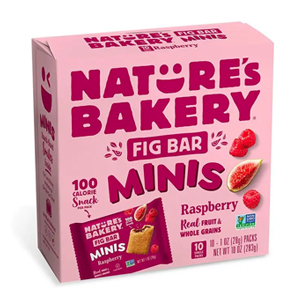
[00:07:39] Ray Latif: I mean, I think about just a brand like Nature's Bakery, which I love. Oh, I think about And they have... Just comes out of nowhere. Comes out of nowhere. They've created, you know, a better for you version of Fig Newton. Everyone knows what a Fig Newton is, right? Unfortunately, yes, Ray. This just happens to be one that's made with better ingredients, quote unquote, better ingredients. Tastes pretty much the same. And actually, to me, tastes better because when you bite into a Fig Newton, no stain on the company that makes Fig Newton, it just tastes, you can taste it, it just tastes too processed. This... which has made these Nature Bakery fig bars. This is a new line of minis that they sell. Each mini snack is 100 calories. But these are made with whole grains and what they say is real fruit. Expect that it's more of the jam variety of real fruit than it is actual whole fruit infused into these products or incorporated into these products. But anyway, they are delicious.
[00:08:37] John Craven: Little known fact, the Fig Newton's named after Newton, Massachusetts. Oh, yeah, I hear they're having a problem with their schools. Oh hey now. I'm gonna throw this to you T-shirts are on strike to me super interesting that these guys have taken a product that I would call pretty polarizing and You know kind of giving it an upgrade, and it's you Knew Thee are really tasty regardless of what you think of Fig Newton so absolutely I love figs These are tasty. The fig part, they've added something to it too as well. And so you don't just get to eat the fig of the Fig Newton, which is the best part of the Fig Newton, I think.
[00:09:14] Ray Latif: Yeah. Now another brand that I really like is Somos. Somos is a maker of Mexican inspired foods. And when I think of refried beans, I typically think of, gee, that's the most unhealthy food I could possibly eat. And yet Somos has created a better for you version that tastes Just as delicious as the refried beans that you have come to expect in your burritos or quesadillas or what have you. I expect deliciousness, right?
[00:09:42] John Craven: I mean, yeah.
[00:09:43] Ray Latif: Yeah. Well, this product, which is their spicy refried beans variety, contains, I'm looking at it, maybe about seven ingredients, water, bayo beans, jalapeno peppers, vegetable oil, sea salt, onion powder, and garlic powder, which I love. And I also love that it's in a pouch. and not a can because it just makes it a lot easier to. Can we see the front? Yeah. There you go.
[00:10:06] Jacqui Brugliera: Yeah. They hit on a couple things. I mean, the branding right away just stands out on the shelf and they're really focusing on convenience too. I know I've picked up like their packs of rice. There's also matcha, things that make it really easy to cook clean Mexican food at home. So it's cool to see them do that where there hasn't been a ton of innovation in like better for you Mexican food.
[00:10:29] John Craven: Also, another little known fact, refried beans are definitely not the most unhealthy thing you could eat, because they're neither fried the first time or fried a second time, which is technically what refried would be. So it's kind of more like mash.
[00:10:44] Jacqui Brugliera: Sometimes they have a bunch of like lard and other things in them.
[00:10:47] John Craven: I mean, for sure they could. Yeah. If you go get, I don't know, like there's countless brands of canned refried beans that are just basically like mashed up beans, right? So are there some oil and flavoring? They're not like fried twice.
[00:11:01] Jacqui Brugliera: I also appreciate that it's not in the can because the whole like pooping it out of a can is just not appealing.
[00:11:09] John Craven: Sorry, Hay Day Canyon.
[00:11:10] Jacqui Brugliera: I do enjoy pooping out of the Hay Day Canyon cans.
[00:11:13] John Craven: I just poop it right out of there. It's not really any different with the pouch. To me, this pouch says, it's going to be good, it's going to be fast, and it's going to be better for me.
[00:11:23] Ray Latif: Well, the amount of real estate you get on the front of pack is a lot more than you do with just a can as well. I think there's a question from a retail buyer about how much space they're going to dedicate to these types of products, these types of packages versus cans. You can fit a lot more cans on the shelf than you could that's almost pouch. But if consumers are asking for better for you refried beans. And if you're a natural retailer, more than likely, you're gonna start to see retailers, I would think, opening up more space on shelf for products and packages like these.
[00:11:53] John Craven: Well, Miguel, Rodrigo, and Daniel hope so.
[00:11:56] Ray Latif: co-founders of Somos. I just did an interview that we published with Jesse Merrill, who is the co-founder and CEO of Good Culture. And I heard this from him and I heard this from a number of entrepreneurs, which is that they're looking for opportunity in big categories where there's been a lack of innovation or at least better for you options in that space. And most folks know that Good Culture is a maker of better for you dairy products, best known for their cottage cheese. Now, who would have thought?
[00:12:26] John Craven: that 10 years ago, cottage cheese would be this huge opportunity for an entrepreneur. better for you, or plant-based yogurts maybe at the time when Good Culture was started, and they went after cottage cheese. Whole lot of dollars there, not a lot of innovation.
[00:12:51] Ray Latif: Yeah, but I gotta tell you, I mean, when you think about the education that we talked about earlier in the show, and what it costs to get people to understand that, plant-based yogurt is better for you or might taste as good than a dairy-based yogurt, I think just making a better-for-you cottage cheese is a much easier sell.
[00:13:10] John Craven: Well, I'm agreeing with you. I'm just saying that, you know, to the who-would-have-thought cottage cheese, again, I mean, I think entrepreneurs can look at whatever category they want and identify, you know, a place where there's stagnation from the big brands and use that as a springboard for making that better somehow. And yes, the plant-based thing has some valuable lessons there of like, you know, you can, innovate in a stagnant category with something that's really complicated, right, and maybe has taste issues, or I think Good Culture was more like, I mean, it's cottage cheese. It just tastes better. It's got cleaner ingredients, maybe.
[00:13:50] Mike Schneider: Right.
[00:13:50] John Craven: But they don't have a lot of ancestors, I think is Ray's point, to say, hey, we're blazing the trail in plant-based cheese, which, you Knew Thee are a few companies that have done that, obviously, but they were, you know, the pioneers. So it's not that easy.
[00:14:06] Ray Latif: Yeah, I mean, there's a lot of categories right now where you are seeing better for you brands find some space, find some traction. I feel like it's kind of hard now to find a category where there isn't an entrepreneurial-led brand or a challenger or disruptor brand in that set. But, you know, that just speaks to, I think, the demand that consumers are putting out there for optionality and cleaner ingredients and products that taste as good as the quote unquote legacy option. You know, certainly in granola, granola has always been one of those products where, you know, you think granola is granola, right? It should just kind of taste like that oaty, slightly sugary, maybe cinnamony kind of product. But I mean, I really think Purely Elizabeth has done a really great job creating a granola brand for modern consumers. And they just came out with a new line of cookie granola. They have three varieties. They have an oatmeal raisin, they have a double chocolate, they have a chocolate chip.
[00:15:05] John Craven: There's no crunching in the microphone, he's gonna lean back The chocolate part of the show we're not gonna start with oatmeal raisin you want the cookie.
[00:15:20] Ray Latif: Yeah. Yeah, I want the cookie You want the chocolate chip one? Yes, okay.
[00:15:23] John Craven: That's like the flagship He was definitely trying to save that one you could see it in his eyes I I'm gonna try it the first time no offense to oatmeal raisin, but it would be like going into an ice cream shop Hating on it, and it's like well I had I don't know pralines banana bubblegum flavor, but the look in your eyes was like Arsenal scored on you in the first minute I mean that was just so there was a brand out there called woats does everyone remember woats?
[00:15:49] Ray Latif: Yes, yeah sure which reminds me of what this line is now woats is Was such a delicious brain. I'm actually my mouth is watering thinking about it. I think it only had one skew and it definitely didn't have the Brand name and cachet of Purely Elizabeth, so it was on show for I don't know about what I say about two years And then it disappeared this stuff is legit Craven approved.
[00:16:12] John Craven: There's no it's so terrible. I'm just gonna do you guys the solid. I need the whole entire bag It's good all right Does it taste like crumbled cookies from the classic playbook of add chocolate makes product better, right? Yeah, that's classic.
[00:16:30] Ray Latif: Well. I mean, I think this is I think they talked about this in the press release You know this has an opportunity or this is like a real fusion between breakfast and snack occasions.
[00:16:39] John Craven: There's no breakfast in this
[00:16:43] Ray Latif: That's his fourth handful. I'm sorry, Jackie. What were you saying?
[00:16:50] Jacqui Brugliera: Well, we were crunching People eat like chip soy and Captain Crunch for breakfast, you know as a kid you'd eat some sugary things for breakfast
[00:16:58] John Craven: I'm finally gonna get to try something.
[00:17:00] Ray Latif: Yeah, I think I would I would love to try this with some milk Mm-hmm. I'm not really I don't drink it I mean, this is not granola though.
[00:17:07] John Craven: This is a snack product. It says cookie granola right there I mean, there's a false advertising. There's granola butter. Do you put milk in that too? But you don't think that would you would never put exactly known for granola. You know so they're just taking an incremental step into cookies Granola butter in cookie form my two cents on this to make it even better would just be to make some bars or some actual Little like cookie like things there's too many little pieces in there, so you want an actual cookie then okay?
[00:17:37] Jacqui Brugliera: Yeah, I mean
[00:17:39] Ray Latif: Two things number one it's no longer granola a little mini snack size bar Purely Elizabeth cookies Jackie is a professional podcaster because she knows when to come full circle on something in two These have six grams of sugar per serving made with a hundred percent coal grains baked with coconut oil They are a good source of fiber Non-GMO project verified too. I think Ray just said we suck at podcasting, John. No, is there a lot of non... I don't see that label as much. Maybe I just don't look for it as much. The non-GMO project verified. Do you guys see that as much as you used to?
[00:18:10] John Craven: I would say that it's just ubiquitous and kind of noise on a package. I just don't see it as much as I used to.
[00:18:16] Ray Latif: Is it on this? Yeah, it is on the SOMOS as well.
[00:18:18] Jacqui Brugliera: I feel like we went through a phase of like everyone had every certification and now they're kind of reeling it back.
[00:18:24] Ray Latif: I think you're right, John. Like, it's on this Nature's Bakery Fig Bar Minis box, too. I just don't look for it anymore.
[00:18:31] John Craven: I mean, good for the non-GMO verified project or whatever.
[00:18:34] Ray Latif: I would be shocked if it were on these cartons of Oatly.
[00:18:38] John Craven: Is it? It is!
[00:18:40] Ray Latif: Views are just purely raised opinion okay now no no no offense totally I was just kind of surprised that would be on there now They have these two they have more certifications than Anthony Kiedis has tattoos look at that They have these two new varieties. They have an unsweetened oat milk variety and they have a super basic oat milk.
[00:19:03] John Craven: It's literally called super basic oat milk. It only has water, oats, sea salt and citrus fiber as ingredients.
[00:19:10] Ray Latif: OK, so when these when these came out, I think, Jackie, you were like, why would you call something super basic?
[00:19:17] Jacqui Brugliera: Right. Well, also, my question is, shouldn't they be the same thing? Like if it's super basic, isn't it unsweetened?
[00:19:23] John Craven: Mmm. Nope being basic is in dude is it yeah, yeah, okay?
[00:19:29] Ray Latif: Well, I mean daughter's like I'm a basic be These two new products remotely launched earlier this month or last month now in January and I'm not sure it's just like it's a tick-tock thing, but like basic is in I
[00:19:45] Jacqui Brugliera: Oh, being a basic beep.
[00:19:47] Ray Latif: Yeah.
[00:19:48] Jacqui Brugliera: I just said basic beep.
[00:19:49] Ray Latif: I don't know, Jackie. I mean, you're the one on TikTok more than anyone else.
[00:19:51] John Craven: I was going to say, in this week's, Ray dates himself. Hey, you know what? I'm happy not to be. He doesn't understand that Gen Z likes oat milk and being basic. I'm happy not to be described as basic. First of all, I use TikTok plenty, so kindly don't loop me in with this, you know. Yeah, ditto. Yeah. Jackie, can you tell us about Blu-ray discs? We're really curious. I remember that I can I know ray can tell us about laser discs because he found Many of the players on the side of the road and hasn't piled in his basement if I saw one on the side of the road I would definitely I would definitely grab one the fact that you'd know what it looks like is a tower I definitely remember laser discs were used in my high school for like a year Using and people started using DVDs I
[00:20:38] Ray Latif: No, but it's weird when you think about like this just someone's gonna take it so for folks who are not familiar Or don't know what a laser disc is a laser disc is a much larger Disc so it looks like a giant CD right. It's like a record exactly. It's the size of a record exactly If you don't know what a record is, I don't know what to tell you.
[00:21:00] Jacqui Brugliera: Records are cool again, you know? It seems like these products were created for two different consumers and two different retail stores. Like the basic, it would show up in Whole Foods, you know, next to Malk and Compete, whereas the one that's unsweetened might show up in like your mainstream retail store that's a better for you option than like some other things that are on the shelf.
[00:21:21] John Craven: Can I play devil's advocate there? I mean only has more money than God They probably will put these next to each other in some test and see which one pulls better That's true. Then we'll see you we'll see where they end up.
[00:21:33] Ray Latif: They do have the capital to test It's a super basic one had just one more ingredient. I think he would be the perfect beverage for me You know what that ingredient is alcohol Alcohol no no John.
[00:21:47] John Craven: Sorry. I don't know you have a reputation
[00:21:53] Ray Latif: No, the ingredient would be Cognizant. Oh, yes, of course. If I were able to pour and use this Oatly product and pour it into a big bowl of Purely Elizabeth cookie granola and just have a dash of Cognizant in there, that would be the ultimate breakfast.
[00:22:10] John Craven: You would realize what a poor choice you made. What are you talking about?
[00:22:14] Ray Latif: After the Cognizant.
[00:22:16] SPEAKER_??: Huh?
[00:22:17] Ray Latif: Anywho. You'd be so much smarter. I would be a lot smarter, yeah. So Cognizant is the presenting sponsor for this episode of Taste Radio. Cognizant is a clinically tested nootropic ingredient that delivers a patented form of citric choline to supply your brain and those of your consumers with the energy it needs to stay sharp. Learn more at cognizant.com. C-O-G-N-I-Z-I-N dot com.
[00:22:40] John Craven: Do you really want to put milk on the granola?
[00:22:43] Ray Latif: Yes, I do. I do want to do that. I want to watch you do this.
[00:22:48] John Craven: You're going to be sad.
[00:22:49] Ray Latif: You know what I want to do actually? I want to just do a whole week of beverages, like every single day I drink a different beverage with Cognizant and then see what the results are that following Monday.
[00:23:03] Jacqui Brugliera: I don't think it works that fast.
[00:23:05] Ray Latif: We'll give you IQ tests. I have been trying to do a lot more of these crossword puzzles and there's like New York Times kinds of games. I have too. Can we talk about brownies?
[00:23:16] John Craven: Yes. I'm trying really hard to save some.
[00:23:20] Ray Latif: I have one little piece left. Everyone, literally everyone has a brownie in their hand, including Jackie, except for I don't have a brownie in my hand. You don't get anything because you were a hater.
[00:23:27] John Craven: This is the Lexington Bakes what? This is their raspberry velvet brownie. Which is new. It is a dark chocolate brownie with this nice kind of raspberry swirl. And I think, is that some white chocolate in there too? Is that what we got? Lexington Bakes I already ate one of these I just Cream cheese that's right. I mean Lexington Bakes is this better for you super indulgent brownie that is just every bite is insanely indulgent and It's a labor of love. I follow Lex Evans the founder on Instagram and He's a super chill dude and he is obsessed with baking. I mean, to the point where I'm just like, Lex, I hope you're taking good care of yourself because he says he can't stop talking about baking and he's worried that people aren't interested in it. And my message to you, Lex, is yes, people are interested in what you're doing. They probably want to be a part of this. These are incredible.
[00:24:28] Jacqui Brugliera: Yeah, and I've been watching all of his R&D with cookies, vegan cookies right now. And I've been into that. And it's been really fun to watch him and his journey. But yeah, it seems like he's just, you know, burning the candle at both ends.
[00:24:42] John Craven: He doesn't understand how interesting he is.
[00:24:44] Jacqui Brugliera: I know, but I guess that's like anyone that's on Instagram, they're just like looking at their camera on their phone, and they don't realize how many people are actually watching them.
[00:24:52] John Craven: People want to be a part of something Lex and you're out there doing something. So be kind to yourself.
[00:24:58] Jacqui Brugliera: Yeah.
[00:24:58] John Craven: Yes.
[00:24:59] Jacqui Brugliera: And I loved the box that it came in. I feel like this is something I would find in like Sephora, you know, it has like feels premium.
[00:25:09] John Craven: He might have some design skills too. He might. What do you think of the taste, John? This is super indulgent. I mean, I admittedly, like, don't think I would have gone out of my way to buy a raspberry cream cheese brownie. But it's delicious. I ate it over days. I mean, like, every time I wanted a treat. Well, first I stopped myself and then I was like, I find I'm going to do it and then had like a tiny corner of it. Yeah, it's very rich.
[00:25:36] Ray Latif: Yeah, Lex did an amazing job when he presented his brand at the Nosh Live Pitch Slam in December of 2023. I think he's got a great runway for success. It was actually interesting recalling his presentation, him talking about the value of his brownies. Now you buy one of those brownies, and I think it's like $7.99 or $6.99, something like that. It's pretty premium priced.
[00:26:00] John Craven: Maybe higher. I think it's higher. I think it's like $10.99.
[00:26:03] Ray Latif: $10.99, OK. But he talks about how, I guess, the price per ounce was actually pretty competitive with other types of indulgent slash better for you dessert bars, like a Honey Mama's or whatever.
[00:26:15] John Craven: That's enough to share with the whole table. It's super dense. Yeah, I'm going to give Ray a bite after I get my mitts all over. Yeah, don't do that. Really, just get them in here.
[00:26:22] Ray Latif: Because I already ate mine actually I don't know who's it was and maybe it wasn't anyone's But there was one in the upstairs fridge in the kitchen that was for you was it for me. Okay good I took it home. No he sent him for the for the crew to try I munched on it late nights. I think over this weekend, and you put some only on I woke up with a big cookie granola I'm going to.
[00:26:45] John Craven: You do not need to combine it with anything. I mean, again, this is about as much breakfast food as that Purely Elizabeth chocolate chip granola.
[00:26:55] Ray Latif: Okay. I have in my hand a bottle of Erva. Erva is a brand of cold brewed yerba mate beverages and they actually presented as part of the New Beverage Showdown in December of 2023 as well. You know, I'm kind of embarrassed because I have not tried this product.
[00:27:11] Mike Schneider: Really? Yeah.
[00:27:12] Ray Latif: They had it at the show. They had it at BevNET Live. I've not tried it. But I recall people raving about it, people raving about the flavor in particular, judges. And I'm going to read the front copy here. It says rise above the grind with a refreshing, uplifting and cool beverage. This is their Move Mint variety. Let's try it.
[00:27:30] John Craven: I was a raver and I also liked the product.
[00:27:33] Ray Latif: Yeah. I like what you did there, Mike. Oh my gosh, this is so good. Oh wow, that's a really good beverage. As soon as you get one sip.
[00:27:42] John Craven: You can't just take one, no.
[00:27:43] Ray Latif: I'm gonna sound like really crazy here. It feels like it transports you to another place. I love this. It had that effect on people and. Oh wow, that's so good. Yeah. That's one of the best beverages I've had in a long time. I'm not kidding.
[00:27:57] John Craven: Dang.
[00:27:57] Ray Latif: That's really good.
[00:27:59] John Craven: That's the same way I feel about this Weekday Vibes stuff here. Yeah? Yeah, it's really solid. This is a, um... Is that the de-alcoholized wine product, or...? Don't think so. These are just sort of spritz-type products. Okay. And I guess dry January's technically over. Has anyone said that? Technically over, yes. Technically, yeah. But this bitter... Also actually over. Bitter orange spritz here... Yeah, it's fall down February. Anyway, go ahead. Make up for lost time February. These are delicious. Really like this bitter orange spritz, 45 calories per little eight ounce can here. And yeah, good stuff. They also have this grapefruit, rosemary, sparkling rosé flavor.
[00:28:41] Ray Latif: So really cool packaging. Definitely evokes that sort of early seventies kind of vibe with their wavy kind of groovy colors. The only thing that kept me from cracking a can of this open was the sucralose. It is sweetened with sucralose, which I'm not a huge fan of, but. Otherwise, really cool looking product.
[00:29:01] John Craven: Why does that stop you in a cocktail situation?
[00:29:04] Ray Latif: I don't know. Why would you add Sucralose to a cocktail?
[00:29:06] John Craven: Well, I mean, you're trying to have something that's better for you and tastes good in a situation where... Sucralose is not better for you. You're trying to have something that's better for you and tastes good in a situation where you're poisoning yourself with alcohol. So why isn't Sucralose a little better than that? Okay, so, well, superlose is an artificial sweetener. That's Ray's point. Correct. But yes, this is the de-alcoholized wine-based product. I apologize for not getting that right the first time. No problem. But it does not taste like, well, at least this one does not taste like it's trying to be a wine alternative. I need to try that bitter orange spritz. That sounds like it's going to hit the spot. And then also, there's some really good words on the front of that can. Grapefruit, rosemary, sparkling, rosé. Are you kidding me?
[00:29:47] Ray Latif: Yeah. Beautiful looking can. I do look at the ingredient list and I don't know. Sucralose for me, it's just, there's something about it that just, I don't know. I, what's the, isn't there, um, am I thinking of aspartame? What's the, what's the, uh, branded word? Splenda. Is it Splenda? Correct. Okay. Splenda.
[00:30:02] John Craven: My thought was that those were a THC beverage from the packaging. So when I looked at it, I thought I was going to get a two milligram THC and maybe that's part of their roadmap. Who knows? But. Yeah, those are super intriguing, and I just haven't gotten around to trying them yet. I'm not sure that anyone's putting THC in something that even has less than 0.5% alcohol in it. True, true, but very true.
[00:30:27] Ray Latif: I think the word vibes and this sort of groovy kind of feel definitely added itself to me thinking that actually it had cannabis in it. While John is sipping on that, Jackie, what are you sipping on over there? Is it just tea?
[00:30:44] Jacqui Brugliera: I have matcha. I drink a lot of matcha. We have matcha on tap over here instead of cold brew.
[00:30:50] Ray Latif: Oh, they're going fully anti-coffee in San Diego.
[00:30:53] Jacqui Brugliera: I do two days a week I do coffee. And then the rest of the time it's matcha. I just don't crash as hard, you know? Clean caffeine.
[00:31:02] Ray Latif: Doesn't Amanda Smerlinski, she's not on the matcha kick yet, though, because I see you on her Instagram. She's bone broth. She's bone broth and lattes.
[00:31:10] John Craven: Yes. What about intern Viv? Intern Viv. She doesn't drink any caffeine. No caffeine? Yeah. She's naturally just got the energy. These kids today, what is wrong? I mean, that kid's got the energy.
[00:31:20] Jacqui Brugliera: Yeah. I mean, Gen Z like doesn't drink alcohol either. So I don't know.
[00:31:25] Ray Latif: Just a bunch of clean living freaks.
[00:31:28] Jacqui Brugliera: They're basic. Clean living, basic bees.
[00:31:30] John Craven: What do they do for fun? Hey, just to come full circle here to Weekday Vibes, I had not tried this Grapefruit Rosemary Sparkling Rosé. Definitely tastes more like a wine product. I guess I got kind of enamored with this. You had me at, you know, Bitter Orange Spritz, which is kind of Negroni, Aperol Spritz-esque. Yeah, John's going to be putting that in his pocket. No one's getting that.
[00:31:52] Ray Latif: No. All right, let's get to our featured interview for this episode. Last week, I was in Vail, Colorado for a Leadership Summit hosted by Manna Tree, a private equity firm that holds stakes in several mission-driven, better-for-you brands, including Gotham Greens, Verde Farms, The New Primal, Urban Remedy, and HealthAid. Manna Tree is also a shareholder in Good Culture, a brand of clean-label, dairy-based foods, whose co-founder and CEO Jesse Merrill, I sat down with for an interview published earlier this week. In a follow-up conversation, I spoke with Jesse, along with Manna Tree Managing Director Steve Young, about how the entrepreneur and investor align on values while maintaining an emphasis on business fundamentals. Hey folks, it's Ray with Taste Radio right now. I'm honored to be sitting down with Steve Young and Jesse Merrill. Steve of Monetary Partners and Jesse of Good Culture. Steve, how are you?
[00:32:51] Mike Schneider: I'm good. How are you, Ray? Fantastic. Jesse, great to see you. Doing great. Yeah, good to see you. Yeah, you look like you got a little bit of a tan. Were you traveling recently? No, I live in Orange County in Irvine and I swim every day, so. In the ocean? No. Okay. I wish. No, I have a community pool and I do laps there every morning. So I get a good tan. What else is part of your morning routine? I start with the swim, come home. I take all my supplements. I have like a collagen powder because I got to stay young. I do a green drink powder, various supplements outside of that. And then I do about a 10 minute meditation. in the morning. Yep.
[00:33:29] Good Culture: Nice. Steve Young is exactly the same. It's exactly the same. Exactly. You know, I, uh, I will say like, if you don't, if the workout doesn't happen in the morning, it just, there's too many things that happen during the rest of the day that that can take it over. And so, yeah, I mean, uh, whether for me, it's biking, cycling, running, and then I've been trying to do a lot more strength training and, and trying to integrate that in more and more, you know, it's sort of like the older you get, the more of that stuff is, important. So yeah, that's my morning right now. You almost broke my hand when you shook it this morning. It's working, it's working. Steve is jacked. No, far from, far from. I gotta, I gotta, I gotta stop from getting unjacked, I guess, though.
[00:34:05] Ray Latif: So how often do you wake up in a cold sweat thinking about your business, Jesse?
[00:34:10] Mike Schneider: So I've been very intentional about not doing that. I think earlier years, I used to go to sleep in a panic and I would wake up in a panic. And that wasn't really helping. It wasn't helping me. It wasn't helping the people around me. It wasn't helping the company. And so now I've been intentional through meditation, through reading a lot of books on leadership, through interacting with really smart people like Steve Young. It's given me perspective. It's given me the ability to kind of take a step back and realize that success is not linear. There's lots of ups, there's lots of downs, and you have to just welcome the downs and think clearly and bring clarity to the situation and think through what the best solution is and partner with the right people to get through it. And when you do get through it, it just feels that much better. So I try really hard to not wake up in that panic. I wake up and I try to be really excited about the day. And like I said, I do my morning meditation and that helps me to reset or recalibrate if I do wake up with any anxiety or panic.
[00:35:05] Ray Latif: Well, it helps if you have great partners. And it seems like you have a ton of respect for Steve and Jesse team, investors in Good Culture. And I've talked to founders who wake up in a cold sweater or nervous and anxious all day because their investors are all over them. And, you know, it's the nature of the business. People invest money and they want to return. They want to see how your business is doing. They maybe want to see your business running a certain way. It doesn't seem like that in this case. And I wanted to talk about how you interact as investor and entrepreneur and being aligned on mission and values because monetary, and Steve Young can talk about this, has a very specific way of investing. And could you talk a little bit about?
[00:35:49] Good Culture: Yeah, yeah, I will. Yeah. So the capital we put to work is all done through this, this mission of improving human health through nutrition. Our mission is to invest in companies that are designed to improve human health and nutrition. And it's a common theme on everything that we do. And our belief is that if you, if we do that, we're not only going to kind of have impact for consumers, improve the healthfulness of the choices they have to make each and every day. But we also just think it's going to be a good way to drive investor return. I mean, when you think about the macro trends, I mean, I just think if we learned anything from COVID and the pandemic, it was that your health and well-being has so much to say about how you weather certain storms and how you weather certain illnesses, how you stay healthy. And anybody who's tried to kind of be healthy knows that it all comes back to sort of what you eat. You can't out-exercise a bad diet. And so our belief is that when you think about what the consumer wants, health and wellness, it all comes down to ultimately having like great food choices to be in front of them. So we think if we partner with people like Jesse who are really trying to do just that, it's ultimately going to deliver a great return to our investors as well.
[00:36:55] Ray Latif: Not every consumer is completely focused on health and wellness. There is a long-term runway for it though. And as We Hardly this morning, we're here at Monetary's Leadership Summit in Vail. And as We Hardly from this morning in a presentation from Nick McCoy from Whipstitch Capital, the younger generation of consumers, Gen Z, Gen Alpha, they are very much focused on better for you products and investing their dollars in those products right now before they even have the amount of money or before they even have those kinds of jobs where they can really start spending. But it's going to take time and Good Culture is going to take time before it's in every fridge in America. And Jesse, when I think about what you guys do, and I was just looking at your Instagram page, you really have a, a focus and a belief system that is well beyond just being a food brand. In fact, this one Instagram post that I see is, we're more than just a food company, is what you call yourselves, you describe yourselves. We're a movement that's changing the way people think about food. Now, I imagine that there's only a handful of investors that are going to look at that and say, great, we're really interested in working with a company like this. Especially because, as We Hardly this morning, it doesn't necessarily seem like the acquirers that can put you in every fridge in America are really looking at brands like yours at this point. Has that affected how you think about your mission and strategy and how to get to that acquisition?
[00:38:28] Mike Schneider: Not at all, because we have strong values that we believe in. We're a mission-oriented company. We will never stray from that mission, regardless of what the climate looks like, how strategics are looking at businesses. Certainly we are focused on profitability more so than we probably were, you know, five years ago. The growth at all costs model no longer exists. Revenue and growth is almost table stakes now. So you have to make sure that the unit economics are strong. and that you have a healthy overall business. But from a mission standpoint, from a value standpoint, you will never stray from that, right? Our mission is to change the food system from the actual ground up. And we are going to stay hyper committed to that. And as you said, younger generations, Gen Z, Gen Alpha, they are looking at that. It's significant. That's going to impact their purchase behavior. And strategics know that, right? So even if it's not something that is influencing purchase intent today, even if it's more of a brand affinity or a loyalty play today, over time, it is going to start to sway that shopper, that consumer. And so we need to stay focused on what we believe in and build this company the way we know we need to build it. So absolutely, we should never let the way strategics are looking at businesses in a moment in time influence the way we think about mission and values.
[00:39:38] Good Culture: Well, and you know, Ray, what I'd add to that too, I agree with everything Jesse said. I mean, you have to remember too that in our business, an acquisition is an outcome, you know, or an IPO, it's an outcome. And the way you get to that outcome is by creating a great company with great DNA that the consumer wants. You gotta build a brand that the consumer will irrationally sometimes pay more money for than they could if another alternative was available. You know, and my belief is that if you do those things, the end takes care of itself. It might not look like it did three years ago, it might be a different route, it might take a different shape, but at the end of the day, if you build a great company with great consumer loyalty, I just think that the outcome takes care of itself. And the other thing I'd tell you too, and this is maybe a bit more of a pure sort of investor take on it, In our business, one of the things we look a lot at are, you know, what are the biggest categories in the store? What are the biggest categories in the store that are sort of in need of modernization and reinvention? Where are there maybe competitors who are trading on their past? Where are there categories where the consumer is maybe older, not attracting younger consumers? Our belief is that if you can go into those categories, those big categories, and then figure out, okay, how do you reinvent them? How do you reinvent them so that younger consumers really want them? That that is ultimately a way to go in like, underwrite a good investment. And what Jesse's done with Good Culture, I mean, cottage cheese, I mean, cottage cheese is almost like the poster child for a, for a sort of old stayed category that's sort of been under-innovated. Turns out it's actually an amazing category. It's an amazing food as it relates to protein. The way Jesse formulates his product, it's a really clean source of protein. And so like, we think that what Jesse's doing is going into a really big multi-billion dollar category and reinventing it, modernizing it so that younger consumers see it as their own.
[00:41:33] Ray Latif: I think the obvious question then is how long are you willing to wait? How patient do you have to be before you get to that outcome that benefits Monetary and its partners and benefits Jesse?
[00:41:43] Good Culture: Look, one of the things to remember about private equity, you know, and this is sort of a, it's a broad private equity statement. Private equity is by its nature more patient. I mean, most private equity funds that are raised have got sort of fund lives of 10 years, maybe plus or minus, you know, one or two, depending on the type of fund. And obviously, the longer you wait, the higher the bar gets on, okay, How big does this need to be to generate the rate of return that you need to? But what I'd tell you is that, you know, private equity and mandatory and our peers, I mean, we tend to be pretty patient capital. We don't have a fuse. I know we certainly don't have a fuse on our partnership with Jesse. If it takes more time to go and achieve his objectives and realize his goals, We're very flexible on that front. I mean, at the end of the day, like the last thing we'd want to do is force a company to go and sell in a suboptimal manner just because he had some trigger. And that's not what we're dealing with within Manatree.
[00:42:42] Ray Latif: And Jesse, you know, how do you stay patient as an entrepreneur? How do you stay patient as a founder and think about the value you're bringing step-by-step as opposed to, you know, that big outcome, that big acquisition that I'm sure would be great for the brand and great for everyone involved?
[00:42:57] Mike Schneider: We're focused on consumer love and consumer demand more than anything else, right? So if the consumer loves what we're doing, if they're showing up in a significant way, then we know we're doing something right. And we're just going to continue to kind of grow that and to see that snowball. And right now, if you look at our data, it is going in the right direction, right? We're seeing significant growth from a top line standpoint and from a bottom line standpoint. So we know we're doing something right. So we're patient. As long as we keep on seeing the trajectory head in the way that it's headed, then we know we're doing the right thing. We'll keep our head down and we'll keep pushing.
[00:43:27] Ray Latif: As I mentioned, monetary has a specific focus when it comes to their investment strategy. But I think more and more investment firms, PE, venture capital, are seeing the writing on the wall. Consumers are looking for more sustainable options. They're looking for environmentally friendly brands. They're looking for brands with clean labels, etc. And so while balancing returns and mission may not be the ultimate or may not be the primary focus for a lot of these investment firms, it's going to be more important in the future. It's going to be more important down the line. So I think this is something that's applicable to anyone listening and whether you're like, oh no, this is, that's just how mandatory operates and how they work with Good Culture Pop, I think this is something that, you know, whatever private equity firm you might work with or VC firm you work with, It's going to be incumbent on you as an entrepreneur to think about these things and realize that they are attractive to investors. But again, how do you weigh mission and values versus return?
[00:44:26] Good Culture: It's a really good question. And I will say it's one of those things where I'd almost love to say we spend a lot of time talking about that balance, but I don't know that we do. And part of that has to do with the fact that I know we are just wired to believe that it's not balancing mission and return. It's a belief that the mission actually drives the return. We believe that if we're able to go and reinvent a category like cottage cheese with an elevated mission, and that that allows you to go and attract Gen Z, Generation Alpha, and modernize this category, that ultimately creates the value for our investors that we ultimately want to get. So we really do see mission as a means to an end. And by all means, like, We're not not-for-profit companies, you know? And so I think that the challenge is, and this is true for Jesse and he can talk about how he does it, it's true for any business in our portfolio. Part of what we want our companies to do is to say, okay, we want you to be mission-led, but if the consumer's not willing to sort of pay you, an appropriate price for the impact you're trying to have, then that might be a clue that the impact you're trying to have is not all that valuable to them. And so it's maybe time to go and like redirect those efforts into something that they do see as more valuable. So I think if you keep that mindset, and you're always thinking through, okay, is what I'm doing to drive mission and impact, is the consumer bought in? Are they buying? Are they paying me an appropriate amount for what I'm trying to do? You're going to be fine. It's when you get out of whack on those things that you end up doing things that are mission-driven, but they don't translate into your bottom line.
[00:46:01] Mike Schneider: Yeah, I agree 100%. And I think mission-driven brands today really are table stakes for younger consumer segments, right? This is not looked at as an anomaly, right? This is not some special agenda that only a few companies have in place. This has become a table stakes for younger consumers. So you have to lean in there, you have to create positive change. And if you do that, the consumer will come. And as I said earlier, you have to do that in addition to also creating a kick-ass brand from a product standpoint, from a unit economic standpoint, that is going to create a healthy, enduring brand and business.
[00:46:36] Ray Latif: Steve Young expectations for Good Culture might be that this brand should grow 30% in 2024. How do you weigh that versus the social and environmental impact of the brand this year?
[00:46:47] Good Culture: So first of all, at Manna Tree, every year we really work and we work with an outside best in class, you know, provider that basically can come in and evaluate. It's an ESG evaluation, but it's, you know, get beyond the title for a minute. It's sort of looking at, okay, what are you doing to go in and drive diversity? Like, what are you doing to go in and improve the sustainability of your offering? What are you doing for community development? You know, kind of a really, spans a whole number of different sort of scores and dimensions. And we work to score and grade our entire portfolio every year on, okay, how are we doing? Is it out of a hundred? It's on a rated scale, basically, like you put basically each company and score them on different metrics. And this is not frankly done without the companies. I mean, the companies are super involved in this, but we partner with somebody who can come in and really give us sort of best in class reporting on how the companies are doing across the myriad of sort of impact measures. Had Good Culture Pop last year. Great. We were number one. And I'll come back to that because like, again, like, you Knew Thee are two reasons we do that. One is, you know, we have capital, we have investors who, to whom that's important. And so we want to make sure we're sort of reporting out on that appropriately. But the biggest reason we do it is that, again, I go back to where I started or what I said earlier, like, we just believe that actually doing good on those measures is actually going to translate into doing better on the top and the bottom line. And that if you don't do that, you're not going to attract those Gen Z, millennial consumers, Gen Alpha consumers for whom that stuff is really important. And so again, we just view those things as sort of beyond the jargon, being really linked to a good outcome. And again, there's good dialogue between us and our companies on opportunities we see, opportunities they see, really good kind of dialogue about how we can up our impact game while still driving the bottom line.
[00:48:37] Ray Latif: And Jesse, again, it's a question of we're doing good. We're doing good for the planet. We're doing good for society. We have revenue targets, but let's say you don't necessarily meet a revenue target or profitability target. Can you still be satisfied with the mission and the achievements that you've made from a social and environmental impact?
[00:48:57] Mike Schneider: 100%, if we're making real change to the food system, then we would certainly be proud of that. But I don't look at those things as mutually exclusive. I have to do them all. I would never grade my year strictly based on mission. I would grade it based on the holistic picture. So I would look at how we perform from a mission standpoint. I would look at how we perform from a top line standpoint, from a bottom line standpoint. And if all those things performed well, then I give myself, you know, a pat on the back. If I only performed well in mission, still certainly proud of what I did there. And I'll still certainly continue to push in that area. But I would know that I would have to also quickly pivot and ensure that I'm also creating a healthy, enduring business.
[00:49:36] Ray Latif: Well, this morning, the M&A chief from General Mills had said that everyone's looking forward to the next Giovanni, or everyone's kind of excited about what's going to emerge as the next Giovanni. And everyone started pointing at you, Jesse. And I feel like there is real potential to be that next brand, the next great brand. But it is important to stay on mission, stay aligned with your values and your goals, and have great partners. And I think that's all kind of come through in this conversation today. Jesse, Steve, thank you so much for taking the time to sit down with me. It's always amazing to have these kinds of conversations. Yeah, perfect. Thank you.
[00:50:11] Mike Schneider: Yeah. Thanks, Ray.
[00:50:15] Ray Latif: That brings us to the end of this episode of Taste Radio. Thank you so much for listening. Taste Radio is a production of BevNET.com, Incorporated. Our audio engineer for Taste Radio is Joe Cracci, our technical director is Joshua Pratt, and our video editor is Ryan Galang. Our social marketing manager is Amanda Smerlinski, and our designer is Amanda Huang. Just a reminder, if you like what you hear on Taste Radio, please share the podcast with friends and colleagues. And of course, we would love it if you could review us on the Apple Podcasts app or your listening platform of choice. Check us out on Instagram. Our handle is bevnettasteradio. As always, for questions, comments, ideas for future podcasts, please send us an email to ask at Taste Radio. On behalf of the entire Taste Radio team, thank you for listening.
[00:51:03] Jesse Merrill: And we'll talk to you next time.