[00:00:02] Ad Read: This week's episode of Taste Radio is sponsored by Rise Brewing Co. New York City-based Rise Brewing Co.'s organic nitro cold brew coffee is refreshingly smooth, naturally sweet, and so creamy that it's hard to believe you're drinking coffee. Rise uses the highest quality ingredients and brews their coffee in both kegs and cans sold nationwide.
[00:00:23] Mike Schneider: Think a super light, refreshing stout beer meets iced coffee with a frothy head. An infusion of nitrogen gives Rise its distinctive creamy cascade and natural sweetness without added sugar or dairy.
[00:00:34] Ad Read: Rise is available in three delicious flavors. BevNET's best new beverage winning Original Black, Lemonade, and Blood Orange. The innovative citrus flavors are a refreshing twist on coffee with a tea flavor profile. A clean alternative to energy drinks, they deliver the same caffeine as a cup of coffee, but with stimulating flavor.
[00:00:53] Mike Schneider: Our favorite part, when you open a can, it roars. To learn more about Rise Nitro Cold Brew, visit www.risebrewingco.com today.
[00:01:02] Ad Read: And now, Taste Radio.
[00:01:12] Mike Schneider: Thanks for listening to BevNET's Taste Radio. I'm Mike Schneider filling in for Ray Latif, who's out of the office. I'm with John Craven, Jon Landis, and Jeff Klineman. We're recording from our studio in Watertown, Massachusetts. In this episode, we feature an interview with Nick Greene, the co-founder and co-CEO of Thrive Market. an innovative online retailer with a mission to democratize access to natural and organic products. We also hear elevator pitches from the founders of two early-stage brands, Hubbell, a brand of carbonated cold-pressed juice drinks, and Whole Me, a maker of grain-free Whole Foods snacks, and we offer feedback on their business plans. Just a reminder to our listeners, for questions, comments, ideas for future podcasts, please send an email to ask at Taste Radio. Last week we hit you with two action-packed episodes of Taste Radio, and we're doing the same this week. Let us know what you think of the schedule at askatasteradio.com. We'd love to hear your feedback. And do us a solid, if you can, and review us on iTunes. We'd love to hear from you there. Hey, have you registered for BevNET Live yet? I did. How about Nosh Live 2018?
[00:02:12] Ad Read: Yes. Looking good. And a lot of folks are. And, you know, I'm talking to some really, really interesting entrepreneurs and brand owners who are really excited to start new partnerships at these events. And the buzz is building already. And I can just already see that, you know, it's going to be a high energy summer conferences for us.
[00:02:32] Mike Schneider: I'm excited about the events too, Landis. I mean, the food industry, let's look at the food industry. It's $150 billion industry. 20,000 new products added to food and beverage every year, according to the FDA. So we had to add a second day of Nosh Live just to cover what's going on in the industry.
[00:02:50] Ad Read: Yeah, jam-packed. The last Nosh Live events have been so jam-packed on a single day. We're just like, we got to expand this thing a little bit.
[00:02:58] Jeff Klineman: Yeah, that's made my job really easy. But we're filling the roster out. I can tell you that we're bringing in folks from Daily Harvest to talk about online marketing and retailing. We've got the head of the Hershey's Emerging Brands Group to talk about M&A and best practices for growing brands. We'll have Bill Weiland joining us again. from Presence Marketing to share some of his thoughts on the marketplace. Seth Goldman from Beyond Meat talking about ways that founders turn into CEOs and a whole cohort of entrepreneurs, investors, retailers, including the one we've got today, Thrive Market.
[00:03:51] Mike Schneider: Awesome. Any sneak previews for BevNET Live? I know we haven't really announced the list yet,
[00:03:56] Jeff Klineman: Yeah, we've got some exciting stuff. We're going to have an interview with Mike Curban from Vitacoco, a special panel featuring four leading managing partners from four of the most active consumer-facing private equity firms, including Accel Foods, VMG, Stripes Group, and Bigger. And what I'm really excited about with regard to that is the topic is what's in her wallet.
[00:04:35] Mike Schneider: I love it. I love it. Well, thanks for the preview on the content there. So many exciting things happening at BevNET Live, you know, opportunities to, you know, walk up to any of these speakers afterwards and ask them your most pressing business questions and maybe get an answer.
[00:04:48] Jeff Klineman: Yeah. And I think, you know, that's the most important part of this whole thing is, you know, just looking at this sort of community of people that comes together. You know, we've been doing these things for a long time. I mean, BevNET Live. At this point is, you know, one of only a few industry events exclusively focused on beverage. I guess we'd say it's the best one, right? And, you know, Nosh is... With no bias. With no bias at all. And, you know, I think on Nosh, I mean, like Landis said before, I mean, it's just such an explosive industry right now in natural food. So, you know, it's just incredible to watch both of these communities kind of come together. And, you know, I feel really fortunate. And I guess it's kind of a big responsibility for us just to put these things on too.
[00:05:34] Mike Schneider: Yeah, someone who used to do a lot of this stuff, you know, going to events, being involved in events, speaking at events. I love the big mix of forward thinking and looking into the future, but also, you know, data based cases and actually having the folks who are the practitioners on stage talking about success and failure. I like that a lot.
[00:05:54] Jeff Klineman: And walking around in the room, which I think, you know, you can, listen to podcasts like this and, you know, read our websites and such. But, you know, I think it's a whole other thing when you get there in person and can talk to these people. And again, you know, like I think Landis said, they're there and they want to talk, they want to make new connections, so. Engage. Engage. I find that people want to make each other better in gatherings like this. And there's a lot of passion between attendees, speakers, hosts. not to call it a love fest.
[00:06:28] Mike Schneider: I'd say that's okay. We have such a great community.
[00:06:31] Ad Read: And I mean, there is a real ecosystem of support for all these emerging brands. There's a lot of people who want to see you succeed and help you succeed and share in that success with you. And honestly, I feel like if you're an owner operator of a food or beverage brand and you're not even considering coming to these events, you're really missing out.
[00:06:49] Mike Schneider: And speaking of brands interested in success, many brands send us product to the office and we got a pretty interesting one this week that I want to talk about. Landis, I thought someone was trying to bomb us. It looks like a big stick of dynamite here. What is this?
[00:07:02] Ad Read: I mean, this is proof that nobody x-rays packages in the mail. I think it's like a package of like six hot sauces that are packaged to look like a bundle of dynamite called the Good Hurt Fuego. I asked Diego if this was stolen, but he didn't know.
[00:07:19] Jeff Klineman: It kind of looks like something out of a Wile E. Coyote and Road Runner. A bundle of dynamite. The Acme Company. I mean, this is a gift set, though, right? I think so.
[00:07:33] Ad Read: It's... Like, it's not a real hot sauce brand. I don't know. I really... It's called the Good Hurt Fuego Set, and... From Thoughtfully.com.
[00:07:42] Mike Schneider: Well, it got our attention. It'll go on our Instagram story. If you'd like to send us a product, let us know at AskAtTasteRadio.com. We'll send you our address, and you can get us your product as well.
[00:07:52] Jeff Klineman: I don't know if I can stand next to this much fire. Are you talking about Landis or the hot sauce? Let's keep it rolling, gentlemen. Sorry.
[00:08:03] Mike Schneider: Our first interview this week is with Nick Greene, the co-founder and co-CEO of Thrive Market. Jeff, what's Thrive Market and how does it fit into the proverbial brand playbook?
[00:08:14] Jeff Klineman: Mike, I've been interested in Thrive Market since its launch, even since people started talking about its launch because it's gotten a lot of traction in the community. It's an online alternative take on natural healthy food retailing in that it's basically a cross between Whole Foods, Amazon and Costco. So it's a really it's a club model and it adds that Tom's shoes aspect of one for the Warby Parker model. Yeah, gotcha. And so when I join Perhaps a teacher in a less affluent school district or a family that might be on assistance will also get a membership if they apply. And we all get good pricing on sort of edgy, progressive food. Let's hear from the horse's mouth and we'll catch you on the flip side.
[00:09:21] Mike Schneider: Sounds good.
[00:09:24] Jeff Klineman: Hi there, I'm Jeff Klineman, the editor-in-chief of BevNET and Project Nosh for Taste Radio with Nick Greene, the Co-founder Co of Thrive Market. Thrive is a online sales platform that's really like a club store for health food. And tell us about how you got into it.
[00:09:48] Thrive Market: Yeah. So our mission is to make healthy living affordable and accessible to everyone. You know, we ship anywhere in the country. And as you mentioned, we're, we're a club model. So we charge 60 bucks a year for a membership and people get access to every product that we have on the site at wholesale prices. So we, we started the business because we saw a huge opportunity and a huge problem in that mainstream middle-class middle Americans weren't eating this way. And if, if you look at it from a health standpoint, It's arguably the biggest epidemic facing our country right now is the lifestyle diseases coming from the diet that we consume. And Whole Foods has done a great thing in getting it out to a lot of people, but for many, many Americans. the price points at your typical health food retailer. And in some cases, just geographically, they don't have access to those retailers. So, you know, we wanted to ship anywhere in the country, offer prices that are at or below conventional equivalents. And we use the membership club model to do that. Do you think we're talking about health food or just healthier food? Look, it's not a binary, right? There's a continuum. And so yeah, it is healthier. And there are certain categories where it's tough to truly call it health food and do it with a straight face. The way that we look at it is we wanna meet people where they are. We wanna help them shift healthier and eventually get to a place that is healthy. All the food on our site is non-GMO. That's one line that we draw. All of it's labeled across 140 different metadata categories that help us to assign different health qualities. So, for someone, healthy might mean paleo. Well, you can click, you can filter down all the paleo products. For some people, healthy might mean vegan. Click down and see all the vegan products. So, we're trying not to judge, this is healthy, this is not, and create a binary where there isn't one, and really be an inclusive place where you get in, you're gonna find healthier alternatives. And depending on how you define health for you personally, you can also sort and filter the products that make sense for your diet. How'd you get into this? So I met my Co-founder Co 2013, his name is Gunnar, and he actually pitched me initially on investing in a business at the time he was calling ShopTribe. And ShopTribe was gonna be a Groupon for healthy food. Same mission as what ultimately became Thrive Market, but a little bit different business model. And he started pitching me on investing, and I had just sold the company a year prior. And by the end of that conversation, I was actually pitching him on doing it together. You know, we got started self-funding the business, iterating on the business model together, and then brought in our third co-founder, Sasha, who's our CTO, to build out the platform.
[00:12:20] Jeff Klineman: And it's an impressive platform, and he may not have gotten you as an investor, but you guys have managed to certainly attract a good many investors since launch. Why is it so catalyzing as a platform?
[00:12:37] Thrive Market: Well, he actually did give me as an investor. In fact, for the first nine months, he and I funded the whole thing. And ironically, the reason that we had to do that is because no one actually wanted to invest, which shocked both of us. You know, we went up and down Sand Hill Road. We pitched every VC in town, L.A. and San Francisco or Bay Area. And we got a lot of no's because people asked, you know, how are you going to be with Whole Foods? And our answer was always the same, but it wasn't really accepted. that we're not trying to compete with Whole Foods. We're not trying to compete with your health food store. We want to compete with your mainstream, middle American, not-so-healthy grocery store and capture people that aren't in this health space right now. And I think, again, ironically, that's why the VCs and the private equity guys and stuff didn't back us initially, but it was actually why the people that ended up investing invested in us. And those people were largely health and wellness influencers, authors, thought leaders, people who are in this space and saw the same problem that we did and believe in the mission to make healthy living more accessible and more affordable. You know, we raised our first $8.5 million from 200-plus investors, tiny checks, and just one on top of the other, and built really a coalition of people that cared about our mission, believed in what we were trying to do, and wanted to support it in any way they can. And interestingly, once that created the initial success, then, you know, all the institutional investors came back. So we've been really fortunate since then to be able to raise a lot of capital, which gives us a great runway to go out there and actually try to solve this problem.
[00:14:05] Jeff Klineman: It's a lot, it takes a lot of money to run that kind of retailing platform. In the initial eight and a half million, were you pulling from the people in the food and beverage industry at that time or did they come in later?
[00:14:21] Thrive Market: No, actually it was, it was a mix of sort of content influencers. So, you know, bestselling authors, bloggers, that sort of thing. and industry, you know, Natural Products veterans. So, you know, Gary Hirshberg, Seth Goldman, you know, a lot of guys who've been in the space, men and women who've been in the space for a long time. And again, believe in the mission and see that next step for our industry being to extend beyond just, you know, affluent. affluent Americans in major cities and to the kind of middle class middle America?
[00:14:51] Jeff Klineman: Yeah, it's always been one of my fears about the business is the notion that you're creating two separate food streams for the consumer, one who can afford to eat these less processed foods and one who can't due to food desert, lack of access to beachfront property, and you know a more rural lifestyle. So the ability of the of the of e-commerce to push those products out to people is Think one of the really attractive points of thrive.
[00:15:26] Thrive Market: I mean that was that was the opportunity that we saw right? It's it's using e-commerce using the membership club model and then using content that can be developed online to just break down each of the barriers to healthy living and First one is economic right getting that price point to a place people can afford it second one is geographic shipping anywhere in the country and the third one is really just a kind of intimidation factor and some education. And, you know, if you walk into a health food retailer and you don't know a lot about health and wellness, it's pretty hard to figure out which product's the right one to buy. Sure. You come on Thrive. If you want to be paleo, but you don't know exactly what paleo means, click the paleo filter and the whole catalog filters down. And every product that we have on the site, we've got rich content that's explaining where it comes from, what does the supply chain look like, what are the ingredients, what are the quality standards, really trying to make it easy on every level for our members who may be new to the space to get themselves in.
[00:16:20] Jeff Klineman: Would you say that the mission comes first at Thrive, or is it building the platform out?
[00:16:28] Thrive Market: Well, 100% the mission comes first in terms of what motivates us as human beings. You know, we, both Gennar and I, have started and sold businesses before. What attracted me to the vision was this idea of actually making healthy living affordable and accessible, solving this major epidemic, and being part of something that really is going to have impact on millions of people's lives. I think what's really interesting is a lot of social mission-driven businesses have an inherent dynamic tension between that mission and the business. For us, they're actually the same thing. If we make healthy living affordable for everyone, there's a multi tens of billions of dollar business to be built. And if we succeed in building that business, we're going to have done something really good.
[00:17:08] Jeff Klineman: That's one of the things that I think is very interesting is you've had a one for one strategy pretty much from the start. And it's you buy a membership, someone less fortunate gets a membership. or someone in need gets a membership, and that can be anyone from a teacher to a lower-income individual. First responder, veteran, low-income family. Now, I have a theory. I think this is part of your customer acquisition strategy in almost a foreign aid sense, that if you're able to help people improve their lives, they're going to be customers for life.
[00:17:53] Thrive Market: Yeah, I mean, I think that's I think that's right. You know, the nice thing about those Gibbs members is it's not just charity, right? If we can sell Natural Products to them over time, that can be a profitable relationship for our business. It's not going to be as profitable as paying members because they're not paying the membership fee. That's where we take the majority of our profit. but there's still value to having them on the platform. They also drive volume, which for us enables us to, you know, add advantageous terms with our brand partners and just be a better partner to our brand partners. So, you know, we've tried to look for solutions across the business where We're not having to sacrifice the business interest in order to do what's right for our mission. And we're also really lucky that for our paid members on the site, they actually care about that mission too, and they support it. And we get credit with them, we feel, for doing the right thing. And we want to do that anyway, because it's the right thing to do. But it's pretty meaningful when you look at the stats, for example, on donate at checkout. And, you know, our average donated checkout rate is four times what the industry averages for, you know, point of sale donations.
[00:18:55] Jeff Klineman: I think it's actually amazing that there is an industry average for donated checkout.
[00:19:00] Thrive Market: That's a, that's a pretty... Yeah, it's very, it's very low. Like people, it's like, you know, round up your change or whatever like that at checkout. We just actually earlier this year, sorry, middle of last year, surpassed a million dollars donated over the last 18 months. I mean, that's an incredible statistic and that's all donated to our Gibbs members to go back into their shopping budget so they can afford the products.
[00:19:23] Jeff Klineman: It's also awesome when mission and business work together so effectively, like the way you've just described. How has your customer base changed from launch?
[00:19:37] Thrive Market: That's an interesting question. I don't think it has changed that much. I mean, the big question before we launched on everybody's mind was, are you going to be just tackling the part of Thrive Market that's already buying these products and just getting them the same products at a better price? Or are you going to actually be bringing new people into Thrive Market? And we were very determined to do the latter. And so there was a bit of that hold your breath moment when we first launched and started looking at who was coming in on the site. what states were they from. We did some surveying to find out demographically who they were. We used the Facebook Insights tool on Facebook to get psychographic and demo data, and it's been pretty encouraging to see. From day one, it was 45 to 50 percent Midwest and Southeast, so very regionally diverse. It's overwhelmingly women, heads of household, moms, but they hail from all over the country. And the average household income of our members is about $70,000. So this is for the 99%. Let's put it that way. How do you expect that customer base to evolve over the next 10 to 20 years? I mean, I think we are going to capture the top of Thrive Market, too, because those people, they don't want to waste money, even if they can afford to. And they're getting more turned on to e-commerce. And they're getting more turned on to e-commerce. And I think, you know, ultimately, our value proposition is very compelling when you take price into account. But even if you take that factor out, you know, we have 350 of our own products under our own brand on the site. We've got many of the newest, most innovative brands that are launching on Thrive Market. So I think the customer base is going to evolve over time. Part of it is I think we're going to start capturing the top of Thrive Market. We already do see that to some extent, right? Even people that are affluent, they want to save money. And a lot of our value proposition is not just saving money at this point, right? It's the convenience. It's the utility, it's the content, it's the alignment with values, and it's the product discovery that you get as we become kind of the launch headquarters for a lot of new brands and new products in the space. So I think we're going to capture more people upmarket. And I think, I hope, and we're really pushing to capture more and more people in the middle class mainstream. You know, we have half a million members right now. We want to be in a world where we have tens of millions of members. And, you know, there's in this country 40 million people that are, you know, often on food stamps. Those are people that we're not fully capturing right now with our, you know, half a million Gibbs members. So. You know, we're really fortunate to be in a huge market. The downside of that is there's a huge problem out there with access still, and we're barely scratching the surface of it, so we feel a lot of urgency to, you know, really lean into our growth in order to really solve this problem and serve the whole market.
[00:22:16] Jeff Klineman: Do you feel like the trends in retailing are pointing in your direction, though?
[00:22:20] Thrive Market: Absolutely. I mean, I think that the two mega sort of secular trends are the shift towards healthier, natural ingredients, you know, simplifying the ingredient panel and just better for you, better for the environment products. You know, that we know is a mega trend. So that's the consumer change. That's the consumer change. And I think there's another consumer change, which is, which is shopping online. Yep. And, you know, we're still at a place where if you look at consumer package goods sales, It's less than 2% are sold online today, but that number is growing at 40 to 50% per year. So it doesn't take a lot of years for that to compound in a very, very meaningful way. Our expectation is that in the next five to 10 years, that's where people are going to be buying just about everything they buy. So we're sort of fortunate to be at the intersection of both of those secular trends. And we hope that we can be accelerating both of them as we combine them.
[00:23:09] Jeff Klineman: Now, certainly there are a lot of brick-and-mortar plays that are moving online themselves, and in some cases there are online plays that are enjoying the fruit of the brick-and-mortar players' labor right now. How's the entry of all these new e-commerce providers affecting you from a competitive standpoint?
[00:23:34] Thrive Market: Yeah, that's a good question. I mean, the truth is that we're really focused on what we're doing internally. You know, with those mega secular trends behind us, there's a rising tide, and we applaud anything that's pushing this space forward. I don't think it's a zero-sum game, necessarily. And I don't think there's anyone that's doing what we're doing. You know, like, there aren't a lot of brick-and-mortar retailers, for example, that are doing anything really creative and new on the online side. And there aren't any online players, to my knowledge, that are selling these products at these prices, you know, in an aspirational lifestyle setting that reflects the values of this space. So, you know, we, like any e-commerce player, deal with the elephant in the room, which is Amazon. We applaud them, you know, buying Whole Foods and getting into the space and accelerating the push towards taking health and wellness mainstream. But we feel like we're doing something really, really differentiated, and that's what we're most focused on is sticking with our values, being obsessed with how we create value for our members, creating win-win opportunities with our brands and to tell their story and create transparency in their supply chain and launch their new and innovative products. And I think if we keep doing that, there's a monster business to be built and we can continue accelerating the motion of the industry as a whole.
[00:24:49] Jeff Klineman: There are a lot of brands that are launching online, as direct-to-consumer plays, and then there are brands that are launching online first through Thrive. For the entrepreneurs out there, what's the best way to get a kind of impactful cyberspace launch for a real-world product?
[00:25:13] Thrive Market: Yeah, I think, look, every brand is unique, and some of it depends on what the brand is and what the capabilities of the founding team or the expanding team is. Some brands have really invested heavily in building a D2C capability on day one. A lot of those brands still sell on Thrive and see a lot of synergy back and forth between what they're doing D2C and what they're doing online with us. Other brands don't necessarily have it in their DNA to do direct-to-consumer really well. And for them, we like to think that we can provide sort of the best of direct-to-consumer in a plug-and-play fashion. The benefits of D2C is that you control the message. You can tell your story. You're not sitting on the shelf next to 40 other products. We're a curated model, so you're not going to be sitting next to 40 or 50 other identical products. And we tell the story through content. And we really give a lot of attention to each of our brand partners to make sure that they're really going to stand out and really telling what's differentiated about them. So our hope is that for those brands that do have a D2C capability, we can augment that and synergize with it. And for those brands that don't, we can give them a best of all worlds where they get the benefit without necessarily having the in-house capability.
[00:26:22] Jeff Klineman: Now this is a question we ask of all retailers. How do the brands that are thriving on your platform reconcile themselves with a retailer that's got its very potent own brand strategy?
[00:26:34] Thrive Market: Yeah, that's a great question and one that we address really transparently and in the spirit of partnership with each of our brands. Generally, the reason that we're launching our own brand in particular categories has been because either we can't find a particular product or we can't find a particular product at a price point that works for our membership base. So a lot of times that means we're not actually competing with any brand. We're kind of creating a new category on site. Other times, we actually work with a brand and do a private label product that goes alongside their brand, and so the brand still is getting a lot of that business. And then there's other times where we're launching a private label product alongside the brand, and part of what we're doing there is usually consolidating a category. So, you know, there might be five brands on site in a specific category, and after we launch our own brand, there's only two or three. What we've historically seen is that the launch of our brand does two things. One, insofar as it consolidates the category and we rationalize some of the less successful brands out, it actually increases the sales for the brand that's remaining or brands that are remaining. And then the second is it brings attention to the category for our membership base. And we'll, in that sense, end up lifting kind of the rising tide that will raise all boats. So in most cases, kind of surprisingly maybe for some of the brands, we'll launch private label and they'll actually see their brand sales go up. Because you're selling the category. Because we're selling the category and we're driving more interest in the category. And our goal is to have only brands on the site that really do have a differentiated story. So they should be able to stand up next to a private label product and still have a lot of brand loyalty and still really do well. And for the brands that we keep on and in categories where we do PL, we've absolutely seen that that's the case.
[00:28:14] Jeff Klineman: So for the entrepreneurs out there who might be listening right now, what's the best way to work with Thrive?
[00:28:22] Thrive Market: reach out to our category managers. First, develop that relationship. You know, we get probably 50 applications from brand partners for every one that we move forward with, so we are very selective. But we're also, we focus on creating personal relationships and understanding your story as a brand, what makes you unique and different, and if we think we can tell that to our members in a way that's gonna be really compelling for them. So if you've got an authentic story, if you've got a differentiated brand, if you're doing something really special, we're gonna take the time to figure that out. and you will be able to cut through the noise. And our promise to those brands that are able to get through that process as rigorous as it is and as challenging as it is, is that it will be worth it. We're gonna invest in video content with you. We're gonna create lifestyle photography that can go on site. We're gonna give you opportunities for brand partnerships on the marketing side that you're not gonna get. with other platforms, and we're gonna invest in the relationship long term. We really view ourselves as a stakeholder-driven business, and so we're careful about who we select to work with, but then once we do, we sort of lay it all out there for them.
[00:29:23] Jeff Klineman: Do you think the untapped market of consumers is that you guys reach is kind of the hidden asset for brands as well?
[00:29:32] Thrive Market: Absolutely. I mean, we're like, there's no one that's telling the stories the way that we are. There's no one that's as curated as we are. There's no one that has the high standards. So even just having our sample of approval, I think is beneficial. But the other big thing to your point is we're going after a whole new class of consumers. And we may not be as big as Amazon just yet, but over time, there's gonna be millions of people on our platform, right? There's half a million right now that are very, very engaged and purchasing it at sort of rabid rates. But we look at a world in 2020, 2021, where we are the platform for healthy living, full stop. And most of that added market is incremental. So it's new people coming to the space that aren't shopping through your other channels. And it also gives brands a way to price discriminate, to use an economics term, that doesn't cannibalize their other channels. Because it's behind the membership wall, brands can feel comfortable selling at a lower price on Thrive, being accessible to some of these customers without worrying Like, oh, if I'm selling at this price through Thrive, now everyone's gonna go buy it there. Well, they're not going to because some people aren't, because it's only members that can get that pricing. So, you know, we found that our brand partners really see us as a unique channel. They really see it as an incremental channel. And they're willing to do things with us that are very different than they do with a typical retailer in the same way that we do things with them that, you know, most retailers wouldn't.
[00:30:51] Jeff Klineman: You have started investing in brands as well through Thrive Ventures. How much of that should we expect to see down the road?
[00:31:01] Thrive Market: Over the next six to nine months, it's going to be basically a pilot phase. So we're making small investments. We want to do about 10 this year. We've done three so far. And our goal is to really learn how to do that well. You know, we we've grown very fast, but we also are very humble about what we're good at and what we're not. The hypothesis is that, you know, we can identify brands that are really doing something amazing. And then we can help influence the outcome because we've got the ability to drive their sales on Thrive with our marketing programs and our content and our social media and our influencers. And we're gonna spend the next year basically figuring out, refining that formula, iterating on it, working in partnership with some brands that are willing to kind of step out and take a leap of faith with us. And the hope is that that's a model that we can really lean into in 2019 and beyond. We were not a business that was able to get VC funding early on. So we know how painful that can be. We know there's a lot of great businesses and brands out there that are dealing with capital constraints. And we want to be to those brands and businesses what our influencers and some of the veterans of the industry were to us, the ones that can take the leap of faith, see the vision, understand that it can be successful when your private equity and venture capitalists may not. And so our hope would be to bring in some real capital. Right now we're just investing off our own balance sheet, but bring in some real capital in 2019 and start to lead rounds and help propel some of the most innovative brands forward.
[00:32:29] Jeff Klineman: Well, best of luck with that and with the store. Thanks so much.
[00:32:33] Mike Schneider: Thanks for joining us, Nick. Really enjoyed it. Jeff, this is an interesting model and I love the model. How are they doing?
[00:32:40] Jeff Klineman: Well, if you heard Nick, it's at about a half million people, half million subscribers, and they feel like they're hitting their target consumer, that other 99% of folks who aren't, say, sitting in Cambridge, Massachusetts or Santa Monica, California, income of about $70,000. The idea is really to bring, if you will, almond butter to middle America at a price that middle America can afford.
[00:33:17] Mike Schneider: Yeah, it backs up the notion of this being for the 99%.
[00:33:20] Jeff Klineman: It does, but I think ultimately, the scale has to be reaching a significant percentage of that 99% to keep revenue growing, to allow them to access those even more compressed margins that a club store has on its goods. Now, that said, club stores do offer a profit model that standard grocery doesn't in that they have this dues collection up front that allows them some level of stability.
[00:34:01] Mike Schneider: And Nick talks about, you know, mission and profitability working together. He said specifically, a lot of social mission-driven businesses have an inherent dynamic tension in between that mission and the business. For us, they're actually the same thing. If we make healthy living affordable for everyone, there's a multi tens of billions of dollar business to be built. And if we succeed in building that business, we're going to have done something really good. But how do you make the mission and profitability work?
[00:34:28] Jeff Klineman: Well, you get people hooked on the products so that they're continuing to buy them and you assume, and this is where I think that foreign aid concept we talked about is really interesting, you assume And it's a big assumption, it's a long-term assumption, which kind of goes against traditional VC, that if you're able to improve the living situation of people who aren't necessarily getting the big stream of benefits that the more affluent do. If you're able to improve their living situation, then they're going to contribute more to the economy and they're going to be better consumers down the road. So if you change the way people eat and you change the way people live, you're going to have generations of consumers who follow.
[00:35:30] Mike Schneider: And then also you have to be a brand that has some level of affordability as well. And that's a brand that's going to want to talk to Nick Greene and Thrive Market. What do you think they have going for them?
[00:35:39] Jeff Klineman: Oh, I think that they have two major consumer shifts going for them. And those things have powered, it should be said, the growth of the industry that we cover. One is this consumer move to cleaning up what they consume to more responsible consumption from an environmental sense. And the other is this move to e-commerce. The issue that they face, the competitive issue that they face is, first of all, the other brands that have really benefited from these two movements. Well, they've combined. Amazon and Whole Foods and you can think in some sense that Amazon Prime is itself a club membership. But Thrive has moved really fast and they also have a really strong content strategy that allows them to help educate people on these new lifestyles.
[00:36:43] Mike Schneider: But not everybody bought in early, Jeff. Is it because of all the competition? Why didn't they see a lot of buy-in early on?
[00:36:49] Jeff Klineman: I think there are two things. One is that if you look about five years ago when they're starting to sell the idea, e-com and grocery are still a little further apart. And so it took the true believers in e-com and e-marketing to actually get this thing launched. I thought it was really telling that their first large investors were from the influencer ranks that have thrived in this new selling environment and that other key investors have been people from the natural foods world.
[00:37:32] Mike Schneider: Jeff, thanks a lot for doing this interview and thanks for the insights.
[00:37:35] Jeff Klineman: It was a great opportunity for me to be able to talk with Thrive. I think it's When you get to speak with people who are doing such interesting things at such exciting times in our industry, it makes the job really great.
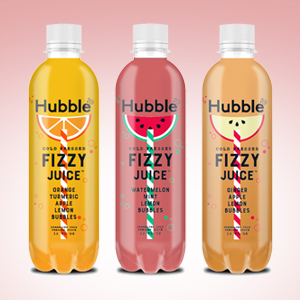
[00:37:56] Mike Schneider: Definitely breaking out of the mold. It's time for our expanded version of Elevator Talk, where we hear from the founders of a couple upstart companies, followed by thoughts and some constructive criticism on their pitches. First up is Dave Burchianti, the founder of sparkling juice brand Hubbell.
[00:38:17] Whole Foods: It's time for Elevator Talk, where we put a founder in an elevator with their dream investor. Let's hear what happens. What is your company's mission?
[00:38:26] Ad Read: Our mission is to bring healthy and happy refreshment to the world through bubbles.
[00:38:30] Whole Foods: What is your product and how is it different?
[00:38:32] Ad Read: Our product is HUBBLE. It stands for Healthy Bubble. And we take cold-pressed juices with power, we sparkle them, and then we use HPP. So it delivers the cleanest, freshest sparkling experience on Thrive Market.
[00:38:43] Whole Foods: Who is your target audience? And how do you quantify Thrive Market opportunity?
[00:38:47] Ad Read: I think the target's similar to the pressed juice and kombucha categories, you know, the healthy, active lifestyle consumer. I think for the juice occasion, someone that wants maybe a different afternoon, something pop, a little more pizzazz in their day. Kombucha, maybe you don't like the vinegar, you just want something a little more tasty. But I think it's really about the billion occasions a year leaving big soda that loves carbonation, but there's no healthy, tasty alternative.
[00:39:08] Whole Foods: What stage of growth is your company in?
[00:39:10] Ad Read: Right now, we're transitioning from farmers markets to small independent accounts in Los Angeles. So we have our launch next quarter, 2018, and we're really, really excited about it to share this to the world.
[00:39:20] Whole Foods: What has been the biggest surprise in starting your company?
[00:39:23] Ad Read: A biggest surprise is sampling the product and it's fizzy and I say sparkling and they taste it and it's like, wow, this is sparkling, right? So I think it's that combination of looking like a juice and having fizzy. It's actually good because I think it's a new sensory experience when you combine those three with the freshness of HVP. That's why our tagline is refresh your senses.
[00:39:43] Whole Foods: What do you need from a partner or an investor to go next level?
[00:39:46] Ad Read: Next level, we obviously like someone with experience that could add value. Right now, we're looking to get into stores for upgrading our equipment and marketing, the normal entry-level resources.
[00:40:00] Whole Foods: Why should I invest in you?
[00:40:01] Ad Read: Well, I have over a decade experience in CPG, including Nestle. I co-founded a company. We took national with Target. But mostly it's, as we know, it's about heart, perseverance, the attitude you bring every day, never say die, whatever it takes. And I believe in this, and that's the big thing. They said you really couldn't do carbonation in HPP, and we've done it. And I think that's a testament to resourcefulness and having your heart really into it.
[00:40:32] Mike Schneider: We just listened to the pitch, and we've got some Hubble in the office here. So I'm trying the watermelon mint lemon. What do you got in front of you, Landis? I like the orange turmeric one. That one's great. They also sent ginger apple lemon, so we've got that one in front of us as well. I thought the pitch was very simple to the point. It's a pretty easy to explain product and I think it's also very easy to tell what the differentiator is. Carbonated juice done with HPP. I like the Hubble brand, healthy bubble. I think that's pretty good unless you're a science nerd and you mistake it for a telescope that doesn't work.
[00:41:05] Ad Read: I appreciated that, you know, he's out at farmers markets getting the feedback, getting the product out there, getting it to consumers and seeing, you know, what resonates with them. He's doing a lot of market testing with this and recognizes the importance of starting small and deliberately scaling out as you're able to. And, and again, you know, I think we talked about this last week, but love the idea that he's looking for a partner that, you know, believes in him and his ideas and, what he's about to do and his abilities to follow through on that because nowadays it's about more than just money.
[00:41:38] Jeff Klineman: Well, looking at the product in front of us here, you know, it's a pretty simple product, which I think, you know, kind of ties nicely to what he said in his pitch. I mean, you know, he kept it simple, the product simple. You know, I think that's something that will definitely work to his advantage.
[00:41:51] Mike Schneider: John, what do you think about the white space? Has he identified some white space here? I know we've seen companies like Juice Served here, people wanted the juice, but it wasn't the right model. Is this a better model, do we think?
[00:42:01] Jeff Klineman: Yeah, that's a good question. I look at it and I wonder if aligning with cold-pressed juice is the right place. He's chosen fizzy instead of sparkling. You know, I think this feels like something new, even though, you know, there are certainly sparkling juice products out there. I mean, even stuff like a San Pellegrino or whatever, totally different product. But, you know, this is like an elevated version of it. So I don't know. I mean, that's probably the biggest question is just the positioning. And, you know, is it too close to juice or, you know, maybe that is where it should be.
[00:42:36] Mike Schneider: Well, thanks Dave and Hubble for sending us product and for being good sports. Next up, we've got Mary Kosir, the founder of Whole Me, a Minneapolis-based brand of Whole Foods snacks. Of note, Mary's a former assistant dean at the University of Minnesota's Carlson School of Management.
[00:42:59] Whole Foods: What is your company's mission?
[00:43:01] Nick Greene: You know, our mission is really to create nutrient dense, really delicious tasting snacks. And to do that in a way that's really clean and simple. I think sometimes it's a, you know, it's commonplace to think that in order for something to actually taste delicious, you have to have a whole lot of ingredients. And I think we've proven that that's not true. What is your product and how is it different? So right now we've got something called homey clusters. They're nut and seed based clusters sweetened with just a little bit of honey. And I think what really makes them different, first of all, is that it's a granola like snack, but it almost tastes like a cookie. I mean, it's so incredibly delicious and soft and chewy that it can really be utilized as a granola. You can throw a little bit on a Greek yogurt or you can eat it by itself almost as a cookie kind of in a snack. So it's a really versatile snack that's, I think, hitting people, you know, at a lot of points in their life where they just need something that's going to tide them over.
[00:43:58] Whole Foods: Who's your target audience and how do you quantify Thrive Market opportunity?
[00:44:02] Nick Greene: Really, we're looking at primarily, when we think about Whole Me and the audience, we're looking at college-educated, primarily female consumers who are shopping at the perimeter of the store. They're reading the ingredient list. I've named our target consumer Lindsay. You know, Lindsay, she's not afraid to eat anything that actually tastes good, but she's also concerned at the nutrient value. And so she wants to make sure she's eating clean, simple ingredients. She'll splurge whenever she wants, but she's also kind of, health and wellness is very important to her. She doesn't think twice about spending quite a bit of money on a monthly membership, but maybe it's SoulCycle. She probably lives in the city, in urban Chicago or downtown New York City or in LA. And she is a real influencer for us. And whatever she likes, she shares with her mom, with her sister, who's a mom, a new mom, and she has several children. And so she really has been able for our brand to kind of bring it to different generations, from her nieces and nephews to her mom, and they all kind of trust her because she's so dialed into that. And how do we quantify that? I mean, we quantify that when we look at our data and we look at where we're doing really well in our retail partners. We know that in the natural and specialty space, We're doing really well, and that's kind of the targeted consumer in kind of that space that we're playing in. Also, when we look at our social media hits and our influencers and how that's grown over, I would say, in particular, the last 18 months, we see a lot of Lindsay popping out and reposting and shaping kind of our consumer picture as we grow and innovate.
[00:45:56] Whole Foods: What stage of growth is your company in?
[00:45:57] Nick Greene: Well, right now we are, as a company, my business partner and I came together five years ago. We've really been at it in earnest for the last three years. So we're in about 1,800 stores right now and just starting to get national distribution. Just did our first over a million dollars in last year, so that's like a big milestone for us. And now we're really, I think, focused on continuing to grow mindfully, but it's a challenge. What has been the biggest surprise since starting your company? You know, the biggest surprise since we've launched is the multifaceted pace of really trying to create a company with staying power. And I think what we're finding, you know, in everything from cash flow management and finance to operations and finding co-manufacturers that you can trust. It's been a real uphill battle to continue to grow and develop. So for me, I just think, you know, the things I'm passionate about, which are kind of marketing and business development, and the things my business partner are passionate about, which is product innovation and development. Unfortunately, we're not able to spend a lot of time on those things because we're so busy really trying to manage the day-to-day flow of our business because we're still so small. It's a catch-22 a bit right now. And you just hope that your passion and desire to grow this company can really stay, keep you focused so that you can continue to grow. What do you need from a partner or an investor to go next level? You know, right now, actually, when I think about a strategic partner, my business partner and myself, we're very focused on bringing in not only capital, but somebody with the know-how into the space that we're at. I mean, I think it takes one set of skills to get from zero to one or two million dollars in sales. And now we're really looking for, I think, that strategic partner that would have not only capital, but also have some of the human resource knowledge for what does it take to get to 5 to 6 million and then to 10 million. And so, you know, as we're thinking about that next stage, we really want somebody that brings both the human resource power and capital resources. Why should I invest in you? If you were an investor, I think you'd invest in me because, you know, I think our company is founded on what we call three pillars. Our three pillars are we're gutsy, we're active, and we're authentic. We took a huge risk, changed careers, jumped into this entrepreneurial food world headfirst, no regrets, And it takes a lot of guts. And every single day in this business takes guts to really continue. It's not always easy. It's been a constant uphill battle. But I think what we've found is that in this food community, it's very supportive. And the friends and the community is really willing to share. And so that's been amazing. We're also a really active company. My business partner and myself, we met at our local CrossFit gym in St. Paul, Minnesota, lifting heavy things. You know, we've continued to kind of carry that through in our company culture, and as well as authentic. I think what you're going to find are authentic people behind Natural Products, but you're also going to find authentic ingredients in Natural Products. We really don't cut corners. That's always a challenge, I think, in a brand. When you look at our ingredients, they're expensive ingredients, but we feel really strongly about creating a product that's actually going to not only nourish, but taste amazing.
[00:49:42] Mike Schneider: Mary Kosir, homie, what do we think?
[00:49:44] Jeff Klineman: I mean, definitely a lot of, you know, passion and energy there, just, you know, given the detail on her pitch. You know, one thing I guess I question with that is, you know, this talk of how they personified their target customer, which... Lindsey. Yeah, I mean, it sort of included like all the buzzwords, the, you know, things that everyone wants in their customer. I kind of wonder if that's really who the customer is or if that's who the ideal customer is in their mind. You know, I guess looking at the product, which is, you know, kind of a bagged granola looking product with clusters in the bag. I also think that's a space that, you know, we see so many products entering it. I wonder how a brand like this cuts, you know, through that clutter.
[00:50:26] Ad Read: I liked her talking about Lindsay, but to me, I think that's more of a thought exercise, like when you're building up, you know, exactly who your target demo is, let's create a character and like figure out all of their characteristics. And then when you're talking about your demographic, you can speak. directly to that without going through the exercise with somebody. So I thought it was an interesting way to isolate your target demographic, but it didn't come across to me as something that was appealing in the way that it was presented. That's probably not the right way to say it.
[00:51:00] Mike Schneider: That's probably not what I want to say. I kind of agree with you. I think she needs a slide or two for sure. You know, it's a little harder in an audio Elevator Talk to set up Lindsay.
[00:51:08] Jeff Klineman: Yeah, and I agree with you, Landis. I mean, I think for me, it was, you know, I guess almost like a distraction at a certain point from the elevator pitch is really, you know, what I was getting at, too. I think it should just be tighter.
[00:51:19] Mike Schneider: And I think you're saying hone in a little bit. I would say to hone in a little bit more on who that Lindsey is. I also think Mary is Lindsey to an extent. I like that part about this. So they said, you know, guts and authenticity. And I feel like they're actually the primary consumer of this product. from the pitch. I don't know Mary very well, but I think one model of success is to be the biggest user of your product and the biggest advocate, the biggest evangelist for what you're selling. And I felt that from Mary.
[00:51:49] Ad Read: There were definitely a number of points when she talked about her target demographic that I thought made a lot of sense. She's isolated that there are perimeter store shoppers. Those are good things to know about your shoppers when you go pitch your buyers. One other thing that stood out to me as well was what surprised her about this industry, which it's a little selfish, I think, but I would hope that those types of things wouldn't surprise you if you're embedded in the community that we have through our content and our events. this is what we talk about every day about, you know, you don't really know what you're getting yourself into and you really need to learn the language of the industry and how business gets done. And really there are a lot of intricacies specific to food and beverage.
[00:52:33] Mike Schneider: Like the supply chain, oh my gosh, think about the supply chain alone. Just that, you know, you need somebody to kind of take you through that or you need some kind of guru who's going to show you to help you navigate that.
[00:52:44] Ad Read: But it's good that she identified that and said, you know, that's what we're looking for in a value add. We want someone who understands the growing pains from one to five to 10 million and can help us navigate those waters.
[00:52:54] Mike Schneider: I also loved how she talked about, and I don't hear this very often, I want someone who understands the HR aspects of this, who's going to help us figure out how to build the team and who our next hire is. Because she talked about the numbers, which I think is another excellent thing to do, you know, not to be afraid of what your numbers are and to have them ready to rattle off, she said. 1,800 stores, 1 million in revenue. But understanding who that next hire is when you are going to be burning through capital is really important. And having someone who can help you make that decision is a really mature thing to say.
[00:53:26] Ad Read: I can help Mary. She should talk to the folks at Force Brands. You know, they do that organizational strategy consulting type stuff. And, you know, I mean, they're good people, so I'm happy to plug them.
[00:53:36] Mike Schneider: Yeah, she can also meet him at the events. Of course. All right. Thanks, Mary, again, for being a good sport and for being on Elevator Talk. Well, that brings us to the end of Episode 105. Thanks to our sponsor, Rise Brewing Co. I can't say it without drooling. Thanks to our sponsor, Rise Brewing Co., a brand of nitro cold brew coffee made from organic single origin. and sustainably sourced beans and available nationally in cans and kegs. Thanks to our guests, Nick Greene, Dave Burchianti, and Mary Kosir. Once again, for questions, comments, ideas for future podcasts, please send us an email to ask at Taste Radio. On behalf of John, Jon Landis, and Jeff, we'll see you at BevNET Live or Nosh Live, and we'll talk to you next time.