[00:00:02] Ray Latif: we need to do something different. And the reason why people buy the product is really because of this value proposition. And that's to give you context, the way we would pitch the product. It's like an RX bar. People would be like, well, what is it? And we'd simply be like, it's like eating three egg whites, two dates, six almonds, four cashews, et cetera. And that would resonate. And so we knew we couldn't play the same game from a design perspective as everyone else. We needed to take a risk here.
[00:00:28] Ad Read: This week's episode of Taste Radio is sponsored by BevNET Events. Calling all better for you packaged food brands. Join us this June 4th and 5th for Nosh Live, a natural food industry conference gathering A-list speakers from top brands, investors, retailers, and more. We're going to navigate the food industry, discover what's next, and help you find your next critical partnership.
[00:00:50] Ray Latif: And beverage brands don't feel left out. BevNET Live takes place on June 6th and 7th to analyze the current challenges and trends in the non-alcoholic, ready-to-drink beverage space.
[00:00:59] Ad Read: We know you guys spend a lot of money and time at the big trade shows, and those events do a fantastic job at connecting brands with retail buyers. But let's face it, there's a lot more to your business beyond retail relationships.
[00:01:12] Ray Latif: BevNET events focus on the decisions you make every day. The quality of these decisions ultimately determine the success or failure of your business. We gather the community to provide you with forward thinking, case studies, lessons learned, and industry connections that enable your brand to make the best decisions.
[00:01:30] Ad Read: Want to learn more? Head over to bevnetlive.com and noshlive.com and feel free to reach out to us directly by emailing sales at BevNET.com if you have any questions. We hope to see you there. And now Taste Radio.
[00:01:52] Ray Latif: Thanks for listening to BevNET's Taste Radio. I'm Ray Latif, and with me are John Craven, Jon Landis, Mike Schneider, and Carol Ortenberg. We're recording from our studio in Watertown, Mass. And in this week's episode, we're joined by RxBar co-founder and CEO, Peter Rahal, who discusses the origins and remarkable growth of the snack brand, leading up to its jaw-dropping $600 million acquisition by the Kellogg Company. We also speak with Bill Mitchell, the founder and CEO of PicoBrew, which is disrupting the business of beer with its innovative brewing appliances. And in this week's edition of Elevator Talk, we hear from Eric Healy, the founder and CEO of Abolove, a new brand of snacks made from avocados. Just a reminder to our listeners, for questions, comments, ideas for future podcasts, please send an email to ask at tasteredo.com. Hello, everyone. Hello, Ray. Ray. You enjoying the morning? Very much so. I've got a, got a brew doctor ginger turmeric here.
[00:02:42] Peter Rahal: Oh, well done.
[00:02:43] Ray Latif: In the cans. We record in the morning when everyone's bright and bushy tailed, you know. Well done. Carol, how are you?
[00:02:50] Kellogg Company: I'm good.
[00:02:51] Ray Latif: Welcome back to the studio.
[00:02:53] Kellogg Company: Thanks so much.
[00:02:54] Ray Latif: Good to see you, Carol.
[00:02:55] Kellogg Company: It's been a while.
[00:02:56] Ray Latif: Yeah, indeed. You were away for a couple of weeks on your honeymoon. Congratulations again on getting married last year.
[00:03:02] Kellogg Company: Delayed honeymoon.
[00:03:06] Ad Read: Newlywed vacation.
[00:03:08] Ray Latif: You need time to plan those things.
[00:03:10] Kellogg Company: Yes. How was it? Too many trade shows in between.
[00:03:12] Ray Latif: Yeah. Where'd you go?
[00:03:13] Kellogg Company: We went to Buenos Aires for a couple of days, and then we traveled around Chile. Beautiful countries, gorgeous scenery, and lots of great food. You know, most important thing to me.
[00:03:23] Ray Latif: Great scenery, yeah, but we want to know about the food scene itself. Did you punch Alexis Sanchez in the face while you're just wondering? Geez, man, the arsenal of hatred is out there.
[00:03:31] Kellogg Company: I wouldn't know Alexis Sanchez if he came up and punched me in the face, so.
[00:03:36] Ray Latif: Pet his dog.
[00:03:37] Kellogg Company: Who?
[00:03:42] Ray Latif: I bet you saw some really interesting products, some ingredients that maybe could make their way into the U.S. market.
[00:03:47] Kellogg Company: I hope so, because they were delicious. Mike, I know you saw a lot of kombucha in Costa Rica. To be honest, no, no real kombucha in Chile, though at the Hotel Agua, Chef Banda actually was making his own kombucha from scratch. And that was pretty cool to see somebody who was so passionate about it that they were, you know, crafting it by hand.
[00:04:08] Carol Ortenberg: Did you get to see the SCOBY?
[00:04:09] Kellogg Company: I did. He pulled out the SCOBY. I Instagrammed it. It was, John said it was a ginormous SCOBY.
[00:04:17] Ray Latif: It was just a big pile of SCOBY.
[00:04:20] Peter Rahal: It was, I mean, it was interesting just to see that pop up on my Instagram feed of like, you know, you're out of the country off on this trip and then there's just a picture of a huge pile of SCOBY.
[00:04:31] Kellogg Company: And that's what you get when you follow. That's what you get when you follow me on Instagram. Not lovely scenery, but pictures of Scobies.
[00:04:38] Ray Latif: Nice.
[00:04:39] Kellogg Company: But there was a lot of juice, really awesome beverages every morning. One of the things that was really popular, I think we were talking about yesterday, was the Maki Berry, which had its brief foray into South America market.
[00:04:53] Ray Latif: Yeah, there were a pile of maki berry drinks a while back when I think everyone was looking for new super fruits to use and energy drinks and whatnot.
[00:05:02] Peter Rahal: But I'm sure there are still a few out there, but never really caught on.
[00:05:07] Ray Latif: Acai had the mic drop or what? What happened?
[00:05:09] Peter Rahal: I don't know. Acai, pomegranates, you know, all these other fruits that I guess they compete with, right?
[00:05:15] Kellogg Company: There was one fruit I fell in love with, I think in the States they call it a Chilean guava. There they call it a myrta berry, pardon my horrible Spanish pronunciation.
[00:05:25] Carol Ortenberg: That's good, that'll pass.
[00:05:27] Kellogg Company: But it was kind of like, it reminded me of like a fruit snack. It had that sweet tart flavor to it.
[00:05:34] Ray Latif: You said it was like a gusher.
[00:05:36] Kellogg Company: That's the flavor of it. It's that instant taste bomb. And I wish it would come to the States. I immediately started Googling nurseries in the States that sell it. Don't think it grows very well in the Boston climate, but we'll see what I can do. And then one brand that was really interesting on shelves there was called Not Mayo. And I saw that everywhere, and it's this company called The Not Company, and they are trying to recreate things like yogurt and milk and dairy using vegetables instead of animals.
[00:06:08] Ray Latif: And when we saw this yesterday in our planning meeting, we all went down the rabbit hole. We're like, The Not Company, we gotta learn more about this. And you said they're coming to the States soon?
[00:06:16] Kellogg Company: I think there's a plan to come to the States. Stay tuned to Project Nosh. Maybe we'll have an interview with The Not Company.
[00:06:21] Ad Read: I recall reading about these guys maybe a year or two ago, I think they were working on a plant-based milk, but they have like an algorithm that helps them break down what the, I believe what the molecular basis of milk is, and then try to find ways to recreate that using plant-based ingredients. So it's like kind of like an AI building your food for you, which is kind of cool. Sounds like a company we've covered before, maybe just? Yeah, a little bit like them. There are also Borat references. This is not mayo. I mean, their product looks a whole lot like just mayo.
[00:06:54] Kellogg Company: And then speaking of plant-based, is wine plant-based?
[00:06:58] Ad Read: Of course.
[00:06:58] Kellogg Company: Is that county's plant-based?
[00:07:00] Ray Latif: Oh yeah. Sure. I hope it's not animal-based. That'd be weird.
[00:07:04] Kellogg Company: So lots of great wineries in Chile. Vallard and Monsacano were two of my favorite. And that was because they, you know, as a Nosh nerd, they had a real connection to the land and the plants that they were growing. And just at Monsacano, he talks to his wine, he plays it music. He walks up and he says- What kind of music?
[00:07:24] Carol Ortenberg: Drake?
[00:07:24] Kellogg Company: I did not find out the details, but he walks up to it and he says, it's okay. You will ferment tomorrow. Like, Very happy spiritual place.
[00:07:34] Ad Read: Sounds like Bob's Burgers where he's always talking to his meat. Did you get sucked into that cult? I The Not.
[00:07:39] Ray Latif: That sounds kind of weird, actually.
[00:07:40] Kellogg Company: I mean, is a wine cult really a bad thing, right?
[00:07:44] Ray Latif: They're our worst cults. Indeed. You're not going to space or anything, so.
[00:07:48] Kellogg Company: No.
[00:07:48] Ray Latif: Well, great stuff. I hope to go to Chile and Argentina at some point in my life. It sounds like a pretty amazing place or places.
[00:07:55] Kellogg Company: Yeah, it's wonderful. I can't wait to go back. We're already planning our next trip.
[00:07:58] Ray Latif: Very cool. Very cool. Now, if you're planning your next trip into the Boston area, you've got to come and see us at BevNET, right? Right. We had a great visit this morning from Mike from Nitro Beverage Company who came and dropped off their spiffy new canned products. I have in my hand a coconut infused cold brew coffee. It's pretty darn amazing. And then earlier this week, we met with the folks from Ruby Rockets who came into town.
[00:08:22] Ad Read: Yeah, Steve and Kenya came in, we had a great visit with them for like, it seemed like a couple hours. They're amazing. They were showing us some new stuff, their better bars and previews of what they're working on.
[00:08:33] Ray Latif: Kenya's a big fan of the podcast. And I tried to tell her a couple stories. And she's like, I heard that on the podcast.
[00:08:41] Kellogg Company: get excited for what's to come. It's, it's pretty awesome.
[00:08:44] Ad Read: Yeah. Yeah. Huge fan of what they're working on. Indeed. And get excited for BevNET live and Nosh live coming up in just a few weeks. Absolutely. And hopefully you'll get to meet Steve and Kenya there. I'm hoping that they're going to be joining us. And, um, actually at our next interview here, Peter Rahal from RX bar speaking at Nosh live. So, you know, keep your ears open. If you like what you hear, you have an opportunity to meet him at the event.
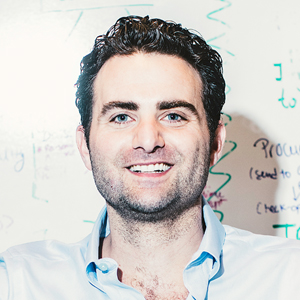
[00:09:06] Ray Latif: So I like that idea. All right, I'm going to put my Bob Ryan hat on and posit a question to our dear listeners. What if I was to tell you that you could start a snack company, and less than five years later, sell it for $600 million? Would that be something you'd be interested in? That's exactly what happened to Peter Rahal, who's the co-founder and CEO of RxBar, which markets Clean Label whole food protein bars that are made with just a handful of ingredients. Launched in 2013, RxBAR quickly became one of the fastest growing nutrition bar brands in the US, with net sales of approximately $120 million in 2017. In October, the company was sold to Kellogg for the aforementioned $600 million. From launch to sale, there's a pretty amazing story behind the brand. Carol recently sat down with Peter to discuss the incredible growth of RxBAR, including what sparked a major turning point for the brand, one that is often credited for its remarkable success.
[00:09:59] Kellogg Company: Hi, everyone. Carol here. I'm joined today with Peter Rahal, who's the co-founder and CEO of fast growing bar brand RX Bar. Thanks so much for being with us today, Peter.
[00:10:10] Ray Latif: Thank you, Carol.
[00:10:12] Kellogg Company: Look forward to it. So you guys have had some astronomical growth in the short time that the company has been around. I'd love to go way back to the beginning and start with why you started the company and what really motivated you.
[00:10:27] Ray Latif: Yeah, so for me, I grew up in the food business on both sides of my family. So on my mother's side was a series of, I would call them juice entrepreneurs, so making finished product juices. Tempico, a Chicago-based company that later sold to private equity. And then my grandfather, Bodine's, he sold to McCain later. And then my great uncle, who started Home Juice. So it's really my DNA, a lot of this, at least the food business. No pressure at all. I know. And then on my father's side was a series of raw materials suppliers, traders essentially, brokers and sales agents. So, and that's actually how my parents met. My father's side, supplied Leonard Haddad, who founded Home Juice. And then at Leonard's funeral, that's when my mom and dad actually were introduced and The Not married six months later. So I grew up in all this. It's kind of all I've known. So that's a lot of that, to give you context, where I come from. Growing up in the kitchen, it was all about apple juice pricing and orange juice pricing, etc.
[00:11:44] Kellogg Company: That's way more exciting than my growing up with two doctors, I'll tell you that.
[00:11:49] Ray Latif: They're intellectuals at least.
[00:11:50] Kellogg Company: There we go. So seeing how much starting a CPG brand can be a struggle sometimes and how you are constantly living that even at home, what made you want to start your own company? What hole in the market did you identify?
[00:12:04] Ray Latif: Yeah. For me, one, I had a miserable job. I think that's really important to emphasize. I was working at a company that like terrible organization. If the company had a value, it would have been like cash over everything else. And so I was working at a company and I needed a job. I needed something to do. I wanted to work for a company that valued its people, that had a product that was actually, I could stand behind. So out of that need for a job, Jared and I connected and Jared, my co-founder, were very, very, very much the opposites, which is super helpful. So like when we were, when I was looking for someone to do this with, I knew I didn't need someone with the same skills as I, and I needed someone to really like complementarily match like my weaknesses. But fundamentally, Started it because I needed a job. I wanted something to do. I wanted a career I was passionate about and really make an influence on on things so that that was there and then The other thing is both Jared and I, we love bars. When you think about a bar, the form, the reason why they're so popular is because they're super convenient, meaning they save time, right? That's the job they do. You grab it, you go, you don't have to prepare it, you can eat it, it's very flexible. And so we always identify this form as like, all right, they're awesome, they fit in your life in a diverse way, through school, work, commuting, whatever. For multiple people, it's very obvious. And then the question was, was like, why are all protein bars full of shit? Candidly, like, we wanted a natural one. Additionally, like, another influence of from a nutrition perspective was like paleo and CrossFit, which we're both participants in, and still are. So like that was there. And then, and then, like a lot of food entrepreneurs, we looked at like grocery, and we're like, Oh, my gosh, we can't get in there. There's too many. And so these are all like pieces to the puzzle that like influenced our strategy. So one, there was a, there wasn't a protein bar that was natural. There wasn't one using egg whites, there wasn't a date based one. And so we identified the gap in the market in terms of like a protein bar that wasn't, that could like pull from fitness consumers, very functional and then also be natural. So the other end of the spectrum, so that, and then Another constraint that we looked at was like, all right, there's no way we could sell into Whole Foods, Trader Joe's, these amazing retailers because there's just too many. Out of that formed a strategy of going online and selling to gyms where there's a really great alignment of the consumer. also a product for the gym owner that fit their nutrition principles. It was like a really aligned consumer distribution point and position. We identified that early on, but no, like as an entrepreneur, both Jared and I, like we ultimately wanted our own jobs. And we never ever like a motivation wasn't necessarily like, oh, an exit or money. It was, we wanted to carve our own path.
[00:15:14] Kellogg Company: Well, talking about all the things you have to do in creating a food product, your packaging has really defined your brand in many ways. Can you talk about that for our listeners, like who made the original packaging, how you went about that?
[00:15:28] Ray Latif: Yeah, absolutely. In the early, early days, we had no resources. My dad was super influential. Where we went with this was like, if you're starting an idea, you need to make the food and you need to get packaging for that. Your train of thought quickly goes, well, I need a designer and I need to raise money to go get a designer to go launch this thing. My old man was like, you need to shut up and just design it yourself and sell 1,000 bars. From day one, like holistically really just did everything because we didn't have any resources. So Jared and I designed the first package on PowerPoint. I didn't know how to do Photoshop, so we just chose PowerPoint, which we were more familiar with. So basically, we didn't make any excuses like, oh, I'm not a designer. We just designed it, figured it out. We didn't want any excuses to not take action, and then went to FedEx Kinko's and printed 100 labels and sold those bars, and printed 200, sold those, then eventually went to a different printer for better cost and hand-applied more labels. And the goal there was just really prove the concept, mitigate some of your risk, like financial exposure, and prove that, you know, there's a product market fit. Eventually the goal was like manufacture ourselves and get it to a certain point where we can eventually commercialize it. So that took about two years or a year and a half. And then once we commercialized it, we kind of, you know, we were able to elevate. And then we had just a very self-aware moment, you know, like when you make a design, a product, you make it, it's like your baby, right? Like you birth this thing, you're super proud. And as a company, one of our values is humility and it's like freedom from your own pride and arrogance. And so Jared and I are both, humility is probably one of our core values as human beings. And we knew that this thing we designed was ugly. And we enabled ourselves to like be vulnerable and be like, yeah, we're not designers. We knew we needed to make it better. So we just sought out partners to help bring it to life. And then through that process, we had done $2 million our first full year. So a lot of people and we're just, you know, we're pretty curious. So we just talked to a lot of people and a lot, a lot of people were like, you know, what are you doing? Like, don't change your packaging. It's working. Everything's working. But we, you know, we knew our customers, we knew the marketplace. And, and so something we just talked about was like, everyone in the marketplace is doing the same thing. It's very much the same design architecture of like a big logo, your claims, you know, appetite appeal, like the same hierarchy or architecture of design. And so we knew like, all right, well, we need to do something different. And like the reason why people buy the product is really because this value proposition like, and that's the context, like the way we would pitch the product. It's like an RX bar, people be like, well, what is it? And we'd simply be like, it's like eating three egg whites, two dates, six almonds, four cashews, et cetera. And that would resonate. And so we knew we couldn't play the same game from a design perspective as everyone else. We needed to take a risk here to stand out. And so we took that risk and context is like a lot of people are like, what are you doing? I can't emphasize enough. I'm like that to this day, that was the biggest risk in the company's history of really rebranding because we had traction and success. No one in retail wanted to take us at the time because we just looked like everyone else, but online and with our early adopters or who the product was designed for, we had success. So that's a little bit of the story in terms of how that came to life and a lot of the influences of it.
[00:18:58] Kellogg Company: You were originally very e-commerce focused. How much of a factor did that play into your original packaging? Did that mean that packaging was just less important?
[00:19:09] Ray Latif: Yeah, I would say in the beginning, yeah, packaging was a barrier, like an obstacle that we had to just solve for. And we didn't want to like make an excuse and delay going to market. Because when you look at it, like, we didn't have to get approval from a retail customer, we can just open our doors online and go straight to consumer. So it actually allowed us to move faster. And not that packaging wasn't important back then. It was just not It wasn't something that delayed our launch because we can just control our fate and serve customers directly. Whereas today, I think if you're like launching a CPG, say with an anchor retailer, I imagine that packaging's got to be really buttoned up because you have such financial exposure, right? You've got to buy all the materials, a huge rollout. Like for us, I mean, we started with 400 bars. You know what I mean? It wasn't with 20,000. So it was a very much like brick by brick approach. And we knew we were going to change. It wasn't like, oh, here it is. It was an iterative process, and it's very much the same way we work today. It's not seeking perfection. It's really just constant improvement and evolution.
[00:20:17] Kellogg Company: Well, touching upon the improvement, how important was that redesign to where you are today?
[00:20:25] Ray Latif: I would say it was everything. Carol, you and I would not be talking right now if we didn't do that. We wouldn't have the amazing team we have today if we didn't pull the trigger on it. It made the brand come to life. It made our position and what we're about come to life. It was everything. It was how we stood out and how we're elevating how others market and make food.
[00:20:50] Kellogg Company: Last year, you guys had some major news in that you sold to Kellogg for $600 million. I'd love to talk through the process of how you decided that Kellogg's was the right partner for you. Was that similar to figuring out who's the right co-founder for you?
[00:21:08] Ray Latif: Yeah, I think the underlying principles are quite similar, like alignment, values, etc. So Jared and I, back to the decision making in terms of like selling, and it's funny, there's like a status quo that like, if you have a consumer food product, like the assumptions you're going to sell to which is funny like Jared and I never like we never envisioned this type of outcome just candidly but anyway we Jared and I were sitting down and we've been approached in general like there's a lot of chatter like what do you guys like expectations um and then we just talked and We always felt there's like kind of two paths for the company in terms of the shareholder perspective. Like one is a private company, generational family and just keeping it private. And the other one was really going public or joining a greater company and really scaling it to The Not level. And both Jared and I were on the same page that we didn't want this to be a generational family business or a private business. We really wanted to maximize the opportunity and join something greater. So early on, we chose that path. And that's when we first went down, like started the process, I would say. And then if I were to go into reflection, what it was like prior to like, we always call it like going on dates with some strategics. It's funny, we found that there's a massive misconception. Me in particular, like, I used to think that like, all the big strategics wanted to like fire the founders or like take over and like, they're like evil or something, which is, I don't know where I got that from. But as soon as we, as soon as we went on like first dates, you know, and we use the analogy of like selling your company, at least in the food is very much like the bachelorette with like first dates, hometown dates and like the road, you know, there's like one rose to give or, you know.
[00:23:01] Kellogg Company: Are you a secret bachelor fan?
[00:23:03] Ray Latif: No, but everyone in the office is. And I didn't come up with that analogy, but it's very much. So anyway, there's a misconception like, oh, they're big, bad, they're going to fire us. And so we went on a first date just to get a feel for it. And after those first dates, we realized, wait, these companies are actually all amazing and values-based as well. And so that's when we decided to move forward. And then we're a very people-centric company. we feel it's like a responsibility of the company to develop people, have people flourish, achieve goals, and to deliver against that. As soon as we really knew that we were going to sell, quickly after, we aligned the whole company and announced to the company that we were selling and brought the whole company along in the process within reason, of course, which is quite contrarian to what the marketplace normally does. And that's where we brought people along the process. We'd have monthly team meetings updating everyone. And of course, it was confidential. That's when someone was like, wait, this is just like The Bachelorette. You know what I mean? But anyway, yeah, we went down the process and again, these big food companies are amazing. They're not like these evil machines. And we quickly discovered like with Kellogg that they wanted us to stay. They wanted us to be standalone and keep doing what we're doing. They actually just want to resource, give us resources to help achieve our goals and real alignment in terms of how we work. Like, from a values perspective, totally aligned. So all our goals could be achieved with Kellogg and fast forward six months from the deal, like couldn't be more true in terms of how we're operating today. So yeah, it's been good.
[00:24:41] Kellogg Company: And what, besides picking the right partner for you, what told you that now was the right time to sell the company? Because I think a lot of people would say, Oh, you were still young. You could have, you know, operated independently a bunch more years and sold your company for even more money.
[00:24:58] Ray Latif: Yeah, of course, that was a debate for us. If you go into that thinking of like, oh, we just wait, I don't know, it just gets dangerous, you know what I mean? Where you might not do it and then something happens, I don't know. For us, it was like, it was the right time, we have no regret, it just made sense. And if you have that mindset of like, oh, it's not, there's more growth, like whatever you can capitalize on that, like, it just gets dangerous. So, and then this thing is like, we didn't wanna go through the process later, we wanted to get it done with, so.
[00:25:27] Kellogg Company: Well, touching upon how you brought in your team into these monthly meetings, it's very clear when you meet you and talk to you about our X bar, how important team is, how do you keep that company culture alive in the office and really keep that value and importance on the people who work there when, when you're scaling your team so rapidly?
[00:25:47] Ray Latif: So one thing we learned early on is like we're in the people business. And that is 100% true. Any other products, great marketing, great sales, all of it, all those outcomes come from great people. So we really put resources and we're quite intentional in terms of how we work with people. And we always say we are in the people business. So we're a values based culture, we're not a rules based culture, that's important to distinguish. And then how you so when you think about culture, what what is culture, we always like redefine it as like, it's simply how you work and how you live as humans. And so when you think about the inputs to culture, any sort of culture, whether it's a relationship, a couple, or a group of people, a nation state, a city, the biggest inputs to shaping that culture is human beings. So people, like people just simply make it up. And so With that understanding, your hiring process, letting the people into the company or the organization has to be The Not important thing. Because that's what's shaping and influencing your culture. So the way you protect, to answer your question, is one is having a very thoughtful hiring process and very thorough. And do you have any contacts like our leadership team here at RxBar and myself are very involved in the process in terms of hiring people. So that's one. And then another thing is once you come in, day one, of a group of people, whatever, like That day one's very, very fragile and important. And so having a very clear onboarding process is critical for shaping empathy, shaping value, showing decision-making. And then, for example, something we do is on day one, you spend the first two hours with me telling the story simply and showing where the values and how we work, where it comes from. So through storytelling, it comes to life. So that's day one. And then two weeks, there's a more thorough process that's designed in a way to shape the right behaviors and values. And then later on, there's a leadership process that shapes how do you lead, what are the competencies here at Rx that we value from a leadership perspective, because leaders ultimately shape culture, at least have the biggest influence to it. So basically to sum it up, your culture of organizations is shaped by the people in it and the new people to the company or the group, and then the internal processes of the company. really shape that culture.
[00:28:22] Kellogg Company: One of the things that I love seeing on LinkedIn is that every new hire at RxBar seems to spend their first two weeks working with the customer service team. And they're so excited posting pictures from demos and events they've attended. Why is that how new hires spend their first two weeks with the company?
[00:28:43] Ray Latif: Early on, we designed the process essentially to achieve one, business empathy, to get an understanding of the business, and more importantly, to understand and keep a pulse on our customers. So it's easy as you get bigger to lose touch of what's going on with the customers, et cetera. So we found it was a great entryway into learning the business, getting up to speed, and also creating a lot of empathy for others in the business is to run through customer service. And also, one of our company values is a servant's mindset. And that's not necessarily only to customers. It's also internally in terms of access service and really a mindset of how can I help you. So, putting people two weeks through service really shapes that thinking. And also, again, it achieves business empathy. You touch the whole organization when you're dealing with customers. Yeah. So, I mean, it's effective and it's also humbling too. I don't care what role you are. If we were to hire another CEO or something, for whatever reason, they would go through service. And that's why I talk about internal processes that shape culture. That process might sound simple, but it really does shape culture. And our service team's done a good job of training people, doing reviews, coaching in terms of how we do service. So it's an important part of how we work. And it's something that we don't want to get diluted as we get bigger. At the end of the day, we're here to serve customers. The business is really simple. That's all we do. And so it reinforces that belief.
[00:30:15] Kellogg Company: I'm sure that's created a really strong team, but for every strong team, there's a strong leader. And one of the things I found most intriguing to learn about you was when we were chatting at Expo West, you told me you're actually a bit introverted. How do you balance being an introvert with being a leader and having to do things like this interview and lead a team?
[00:30:41] Ray Latif: I don't know. I think a lot and I think internally. I'm not quiet necessarily, but I don't, I like privacy and I like, I don't like to be the center of attention at all. So, you know, when I signed up, when I started the company with Jared, like I never thought I'd be in a position like that. I never thought this. So I never like wanted to be a CEO or said I was an entrepreneur or anything. So I never planned it. I guess I'm terribly uncomfortable with it, which is ultimately how you grow. I just realized it's part of my job, and it's how I can grow as an individual. And so it's good practice for me. I can't just hide, right? I got to get up and speak and talk and explain how we work and what we're doing. So I'm just a private person, I guess. As a leader, I think there's a misconception with introversion, with being quiet. I'm not quiet. I just don't go out there and try to get a ton of press for myself, I guess. In the office, I'm pretty loud and all over the place.
[00:31:43] Kellogg Company: Well, I think sometimes the things that are hardest for ourselves help us be the best leaders.
[00:31:50] Ray Latif: Yeah, I agree. For sure. That's how you grow, period. Can't just stay in bed because it's comfortable. You got to rip the sheets off and go.
[00:31:58] Kellogg Company: I think from speaking with you, you know, you got to rip the sheets off and go and get out of bed has really kind of been your mindset and your direction the entire history of the company from packaging to deals to being a leader.
[00:32:13] Ray Latif: Yeah, I always tell people like, I don't know how to say it other than this, but like, I've been miserably uncomfortable for the past five years, in the best way possible. Like I've, as a human, I've grown emotionally, intellectually, like way beyond I ever expected. And if you met me in 2012, I'm a different human being than I am today. And it's because I've been forced in very uncomfortable situations or had to deal with a lot, whatever, and through that adversity really, really developed. And that's not just me, that's Jared, that's Sam, that's Lindsey and other people on our team, Jim, Tom, et cetera.
[00:32:50] Kellogg Company: Well, we're excited to continue to follow your growth and see where the company is in The Not five years, 10 years, and keep hearing about all your wins and successes.
[00:33:00] Ray Latif: Thank you, Carol. I appreciate it.
[00:33:02] Kellogg Company: Thanks so much for joining us today.
[00:33:04] Ray Latif: Awesome. Thank you. It was really interesting to hear Peter talk about himself as miserably uncomfortable for the past five years and how introversion is a thing that he's had to overcome and that he's been forced in these uncomfortable situations and had to grow as a person and as a leader.
[00:33:21] Ad Read: And when I was listening to this, I mean, that's the thing that stuck out to me is it's not so much being an extrovert is going to give you a better chance of success, it's identifying the areas that you know you need to work on and being able to overcome certain things, whatever that is. The adaptability to me is a key point of a leader.
[00:33:41] Kellogg Company: And something we talk about a lot is when is a founder also a CEO and when can you hold both of those roles? And when as a founder, do you realize, you know, maybe I'm not a CEO, I'm more of the founder type role. And I think your willingness to recognize the areas where you need to improve and embracing them and working really hard on those areas is what makes you a CEO and helps you get past that. Whether it's, you know, being an extrovert on sales calls, whether it's finance or operations, coming to that realization and taking a hard look at yourself is what will help you continue to lead your company as it scales and as it grows.
[00:34:20] Ray Latif: Indeed. Now, you know, you look at the revamp that they did and the benefits are clear and obvious. But at the time, Peter was talking about it as a leap of faith and they had some traction. They did two million dollars in their first year in sales and people questioned the need to do the revamp. But he said, you know, we couldn't play the same game from a design perspective as everyone else. We needed to take a risk here. Yeah, I mean, I think, you know, what they experienced is something that I feel like is pretty typical for companies that are, you know, just starting up and getting some traction, which is that, you know, you have a very vocal audience of consumers that is, you know, probably smaller than you want it to be. And they're kind of telling you, you know, what they like and what you're doing well. They're not really telling you, you know, necessarily like some pivot that you need to take. I think in this case, like, they had a pretty radical change to their packaging, which the risk was certainly alienating the existing customers who were, you know, raving about what they had. But in the end, you know, they created something drastically better, which clearly, you know, now that we're talking in retrospect, opened the doors to, like, a much wider audience.
[00:35:27] Ad Read: It's almost like the first fans of a band, you know, and they're super into being first early adopters, first on the train, and they want this band to be successful. But do they really? Because then it blows up and it turns into something that it wasn't when it started.
[00:35:43] Ray Latif: Well, and I think, you know, back to this industry, you know, we hear this all the time from companies that are super early stage, not even at, you know, $2 million in sales, where they're like, people tell me they love it. And it's like, you know, yeah, but you only have a couple of people telling you that. So, I think, you know, it's just something that I would really point out is, you know, it's a pretty typical path for the journey. I think in this case, how much success they created after making the change, that is clearly atypical in how fast it happens.
[00:36:12] Kellogg Company: I think they were thinking about that next stage of growth because at this inflection point when they changed their packaging, they were starting to focus not just on e-commerce but also retail. And so what package in the crowded bar space would stand out on shelf was probably very different than, you know, what package looked good in photographs online.
[00:36:32] Ray Latif: This package speaks a lot to their brand. If you were to, if I was to sit down in a boardroom with their marketing team or with Peter himself and the leadership team and they were defining their brand pillars, Simple is one that I'm sure is in the mix. And this label was much simpler than their previous one. And also they said a lot more with it, with fewer words and, and, you know, the color and then the smaller logo there was so much simpler. Indeed. One other interesting point from this interview was when Peter talked about a fragile day one for new employees and how they really worked hard to get people on board and on the mission early on. I think it's some of the things that the intangibles that Carol Jon Landis were talking about before are things The Not everybody has, and you don't have the ability to always overcome all of your challenges. But if you take away something that everybody could do, it would be this, which is that when a new employee comes in, to make sure that they understand the mission of the company, where things are heading, and a little bit about the culture will take that fragile employee and put them in a place where they're set up to succeed because they know the direction of the company from day one.
[00:37:47] Kellogg Company: But they don't think they're too fragile because right after you have that day one, you're out with the customer team demoing on the floor. So, you know, it's kind of like a crash course and then put it to good use and start talking to the customer.
[00:38:01] Ray Latif: Day one, you're an egg. Day two, armor.
[00:38:05] Kellogg Company: And having done those demos myself, you definitely need some armor.
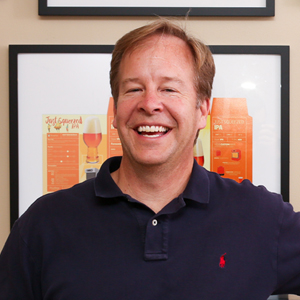
[00:38:10] Ray Latif: Well, as Jon Landis mentioned, Peter Rahal will be speaking at Nosh Live Summer 2017. You want to hear more from him. You want to hear more about the deal. You want to meet him. Sign up now. Get your tickets today. Noshlive.com. Indeed. Now, what if you could buy a countertop appliance that would enable you to make RX bars at home? How about one that could make your favorite style of beer? Well, you're in luck if you want the magic beer machine, not the protein bar one. That doesn't exist yet. Founded in 2010, Pico Brew is a maker of automatic brewing compliances designed for small craft beer producers and home brewers. The company's attracted significant interest from consumers, professional brewers, and investors, having raised $20 million from 50 partners, including Zx Ventures, the global incubation arm of Anheuser-Busch InBev. In an interview with Brewbound editor Chris Furnari, Pico Brew co-founder and CEO Bill Mitchell discussed how the appliances are disrupting the beer industry's traditional three-tiered system, what the long-term vision for the company is, and how he expects it to evolve and expand into other beverage categories.
[00:39:13] Carol Ortenberg: Brewbound editor Chris Furnari here on behalf of Taste Radio, and today we are recording live from the Pico Brew World Headquarters in Seattle, Washington. What is Pico Brew, you ask? Pico Brew is an innovative beer meets tech startup founded by a pair of former Microsoft executives in 2010, with the goal of offering professional brewers, as well as home brewing enthusiasts, a more reliable, automatic beer brewing appliance. And we're lucky enough to have one of those founders, Bill Mitchell, here to share his story and tell us all about PicoBrew. Bill, welcome to Taste Radio. Great to be here, Chris. Thank you for joining us and thank you for having me and sampling me on all kinds of different beers I think we even tried some gins and rye whiskey. You guys are doing all sorts of crazy stuff here. We try to have something for everyone. It's all about the beverage. You do have quite the setup here at Pico Brew. And everywhere you look, there is beer, there's appliances, there's machinery. You guys are really kind of hacking together. a really interesting product. So let's talk about that. What is the PicoBrew product? There's multiple of them. As a company, what's sort of your vision? And, you know, I guess for the homebrew appliance itself, where do you kind of see it fitting into the beverage category?
[00:40:34] Peter Rahal: Yeah, I mean, the big dream, like I said, was just getting people to be able to reliably, repeatedly produce recipes and then share them with everyone. And we said, look, if all those hundreds of thousands of clone recipes out there, instead of being clone recipes, they're real recipes from brewers and brewers were sharing and the community was sharing. And people could actually use those recipes and actually make great beer. The whole industry would benefit. And all these home brewers that sort of rotate out after they make their first bad batch with sort of the Father's Day gift from the local home brew shop that, you know, gosh, that tastes kind of like alcohol, but it's not a beer I'd want to drink. You know, you don't have to have that. You can make great beer the very first time. You can stand on the shoulders of giants and make great beer because the equipment allows you to avoid just the kind of defects that you really don't have to have. You don't have to have dimethyl sulfide in your beer. And so that was the big dream. And that was sort of what we hit in 2013 with the introduction of the Zymatic, our very first product. But you know, Zymatic is a $2,000 product. It's the size of a large microwave oven. It's not for everyone. We've sold probably about 2,800 of them, about half of them into breweries around the world as pilot batch production systems. But we wanted to go further. And in fact, we still haven't hit it yet. We've produced two more generations of ever smaller, easier to use brewing appliances. But the grand dream is one of these in every home. We want everyone to treat beer as a first class citizen in their home. experience the joy of making it, make their own, customize it, and also just have a great first brewing experience.
[00:42:12] Carol Ortenberg: So I have two questions. Did you launch, because you came from a home brewing background as a sort of a, I guess, a prosumer or, you know, a brewing enthusiast. Did you launch PicoBrew with the idea of selling a product to a consumer first or to a business first?
[00:42:30] Peter Rahal: Well, you know, I'd started these businesses inside of Microsoft and I kind of knew One of the problems is you can always have the grand goal that, Hey, this is going to be a consumer product. But if you're doing something new and we were inventing the, you know, automatic brewing appliance back in 2010, when we started it, you know, we were doing the world's first. So I just knew that no matter how hard you want it and, you know. how much financial backing you have, like at Microsoft. It doesn't really matter. You've got to go through multiple steps. So we said, you know, the first version isn't going to be for everyone. Let's target it mostly at prosumers and at craft breweries that want pilot batch production systems. And we'll keep making it smaller, easier to use, more affordable. And eventually we'll get there. so that it's in every home.
[00:43:18] Carol Ortenberg: Okay, so B2B focused to start, working towards this grand vision of having a PicoBrew or some type of PicoBrew system on the countertops of kitchens across America and across the world. We've seen similar products like that that are not beer related. One that comes to mind is the Juicero. And I think the focus there was trying to marry tech with an appliance that, for better or worse, just ended up being a really expensive way to squeeze vegetables. How does PicoBrew avoid becoming that sort of expensive appliance that just collects dust on a countertop? And what's going to make you relevant to both professional brewers and amateur brewers moving forward?
[00:44:05] Peter Rahal: Yeah, I mean, it'd be easy to pick on Jocero, and I don't really want to go there. The lens we took on the problem is there is a problem and it is the distribution of craft beer. It's a distribution gap, especially in the U.S. because of the three tier distribution system. It's difficult for craft brewers to get their great products fresh to consumers across the U.S. and it's difficult for craft beer lovers like myself and my partners. we'd read about this awesome stuff and go out to GABF and taste this awesome stuff and you just couldn't get it. And it kind of sucks because you know there's a really awesome beer to be had and you just can't get it. So for us, we're solving a gap and we saw the opportunity to solve it with technology. Our problem statement was how can we reliably reproduce these great beers so that you can make this stuff exactly as the brewmaster wanted you to taste it because the brewmaster can't distribute it you know, everywhere at once and get it to you fresh. I think, you know, Juicero and other products like that sort of start with, hey, we want, you know, we think we have a really awesome juice and then we want to figure out a way that we can inject tech in there. And, you know, we just came at it from a different angle. OK, interesting.
[00:45:16] Carol Ortenberg: You talk about this notion of sort of disrupting the traditional way that beer gets distributed. And, you know, the brewmaster might have a very specific way for a beer to be intended. But then, you know, when it moves through the supply chain, that beer changes, you know, going from warehouse to warehouse on a truck. you know, eventually ending up on some draft line that may or may not be clean, at the end of the day, or at the end of the line, I should say, the consumer getting that beer is probably not experiencing the thing that the brewmaster intended. But the brewmaster doesn't have a whole lot to say in the decisions that a company makes as it relates to distribution and sales and marketing oftentimes. So talk to me just about, or talk to our listeners, I should say, just about the idea of sort of disrupting the way that beer gets sold in this country and, you know, I guess sort of the vision of what you see Pico Brew becoming in terms of how it fits at retail, how it fits at home and how you work with brewers because you work with brewers as well.
[00:46:26] Peter Rahal: Oh yeah, absolutely. I mean, we really, really have a lot of respect for, you know, the brewmaster at breweries because those guys have that problem you're exactly describing, which is they've got a great product. They would love everyone in the world to come into their brew pub and taste the product that they could serve you right there, because that's what they're making. Then the further it travels, the less like that it is probably going to be. We like to think that we're doing them a service, that we're putting in the customer's hand exactly the tools to make the beer the way they want you to taste it. You know, our journey is to really kind of cut off all the angles for accidentally making a mistake in that process. And at the same time, giving both the brew master and the customer the tools to not just connect, but kind of go a little bit beyond. And I'll give you an example. One of the things that we provide to breweries is not just royalty checks from their Pico packs, but also data, this constant data update on what the customers are doing with their beers. And we give them the customers a facility to dial up or down the alcohol by volume and the IBUs of their beer. And, you know, if you're a brew master and you look at this map of the world and all these customers in the Midwest are cranking way down your IBUs, you might say, huh, got a lot of customers there and it looks like I'm too bitter for them. So maybe I'll do a new run there when I do a canning run. And I'm going to dial it down a little bit.
[00:47:58] Carol Ortenberg: Yeah.
[00:47:58] Peter Rahal: So where else would you get that feedback?
[00:48:00] Carol Ortenberg: Yeah. It's an interesting feedback loop that you've created. And you know I think across the board data analytics are becoming so much more important not only just in beer but in every industry. Understanding as much as you can about the people that you're selling to and their habits and the things that they want. How big of a piece do you see that data and analytics becoming for PicoBrew as potentially a revenue stream even?
[00:48:30] Peter Rahal: We haven't thought about it as a revenue stream per se because to us the opportunity to sort of get the distribution out there and then just to hone in on your product, you know, it's really hard and I guess we sympathize and empathize with the you know, the craft brewer, it's a tough job and you've got a lot of competition and you've constantly got to keep your offerings fresh. And so just knowing what customers are resonating with and what they don't like and where is a huge tool. And so right now we're just sort of in the mode of providing them with that tool.
[00:49:03] Carol Ortenberg: Yeah. It's a really, really interesting concept, but it does sort of open up Pandora's box in a way I feel. If you talk about the goal being, hey, the brewmaster at this company has a very specific way that they want this beer to be consumed, and then you have the lowest ranking employee at a dive bar in a market where that beer isn't sold in charge of manipulating the Pico brew, it seems like there's a lot of space there for something to go wrong.
[00:49:41] Peter Rahal: For sure. I mean, I think that is the challenge in beer distribution in general, you know, because if you follow the beer distribution pipeline, there's a lot of space for things to go wrong. People leaving beer at super high temperatures, you know, unrefrigerated. Maybe it just gets left in a warehouse for too long. I'm one of those guys that goes into retail, if I buy beer at retail at all, I flip the can upside down first thing and check on the brew date, right? And so there's just, there's a lot of opportunity in general. And you mentioned some of the things, you know, breweries that don't clean their lines or brew pubs that don't clean their lines drive me crazy. Because you can taste it right away if you're wired that way. If you have a sophisticated palate like yourself. If you've had maybe a lot of beer. So then you just get up and walk out and it's just sad The Not everyone realizes it's actually not the beer in a lot of cases, it's the treatment of the beer. We think that we're on this mission to making it as foolproof as possible. It's never foolproof. You can always use the wrong water, but we really bend over backwards. Water is a great example. We work with the brewmaster to come up with the exact chemistry of the water. We include water amendments in the PECO packs so that people start with distilled water and build up to that water. instead of maybe using tap water that has too much chlorine or whatever their tap water is like. So we do try to make it as foolproof as possible, but you're right, you can always screw it up.
[00:51:10] Carol Ortenberg: There's so much more science that goes into what you guys are doing than I would ever be able to dedicate to 20 or 30 minutes that we have here on this podcast. And most of it is way above my head. But if you had to compare what you guys are doing to something that our listeners would be able to easily recognize, what would it be? In another industry that's not beer, but You know, is there anything that you drew inspiration from when you were creating this idea?
[00:51:41] Peter Rahal: I mean, in a way, I would say we've been called a lot of things, most of them good. But, you know, I mean, the curry for beer and the espresso beer and stuff, those don't really resonate with me because it's not instant. Beer making is hard. And any of us that have been homebrewers for a while, you know, know just how hard it is to consistently produce great batches. that to me, the best comparison is maybe 3D printer of beer. And I would argue that that's maybe one of the things you brought up Juicero earlier. You know, they took on a challenge that I would never take on. They sort of had this battle to try to convince people, hey, we produce the best juice ever. It's better than any place you buy juice. It's better than Whole Foods. It's better than all these places. We don't try to say our beer, our specific beers that we produce at Peeker Brewer are better than anyone else's beers. Instead, the mission is, We exactly replicate what the brewmaster produces, and that's our mission. And that way, we don't have to constantly keep on top of trends and everything. We're working with a partnership that that is their business. That's what they do for a living. And they're gonna be better at it than we are. And we try to work with the World Beer Cup winners, the GIBF winners, you know, the people that, I mean, obviously based on their awards, they are the best.
[00:53:01] Carol Ortenberg: Yeah. In a way, it almost feels like just the process of making the beer is like assembling a piece of furniture. You know, I don't want to say like IKEA, but you know, getting sort of a set of directions and then assembling that and all the pieces are there and you're just helping people put it together so that they have something nice to use in their home.
[00:53:25] Peter Rahal: Yeah. I mean, our goal is to let you take it as far as you want, but start with great first beer. That's one of the things I remember starting, you know, with a father's day gift and, and you make that stuff and you're like, Hmm, yeah, that's alcohol. All right. Um, but it's just not great. And you, you kind of suck it up and you drink five gallons of it because you made it and you pawn it off on your friends too. Cause you don't want to have to drink it all. Um, But you know, why should everyone have to go through that? If you can make awesome first beer, and I can't tell you the number of times, it's funny, in my neighborhood, where I've been at parties where people are, they brought a keg of beer, and I'm tasting it, I'm like, I know this beer. And it's one of our PicoPaks. And you'll see somebody brag, and it's actually one of The Not gratifying experiences you can ever have as a CEO founder, where they're not admitting that they used your stuff, but you know it, and they're so proud. They're so proud that they made awesome beer, and maybe it's their first batch or their second batch, and everyone's complimenting them, and they're saying, like, this is, like, amazing. You made this yourself? Yep, I did. I'm thinking of starting a brewery, in fact. It's awesome.
[00:54:35] Carol Ortenberg: Can I meet these people so I can tell The Not to? Bill, thank you for the time today. And we're really excited to see where you end up and to see where things progress to. And congratulations on all your success so far. Thank you, Chris. It's been a pleasure. Cheers. Thanks.
[00:54:54] Ray Latif: And we are now joined by Chris Furnari. Chris, thanks so much for joining us on Taste Radio. Yeah, great to be back. All right, so the elephant in the room here is really, who needs an in-home brewing appliance? And can it go beyond, can it reach more than just a small subset of consumers?
[00:55:10] Carol Ortenberg: Yeah, I mean, I think the question that you really have to ask is, is this a device that replaces an experience? I mean, I home brewed, I think John, you home brewed a little bit. Homebrewing was always, you know, an event. It's an all-day thing. You drink beers with your friends. Smoke cigars. Yeah, it's a fun time, right? And this is more automatic and more push-button. So I guess my question would be, like, how willing are homebrewers to adapt to this kind of technology and maybe shift their homebrewing habits over to something like this?
[00:55:46] Ray Latif: Now we look at technologies like MakerBot for the playbook. So this has all the upside of MakerBot, but also all the challenges of MakerBot where, you know, you're 3D printing things at home. And, you know, as we know, MakerBot's struggled. It's been a good product, but those products have struggled. We've talked about another countertop appliance, a very famous one.
[00:56:04] Ad Read: Juicero. Juicero.
[00:56:06] Ray Latif: I mean, and you know, some people like John Lennis, you've called this sort of the Juicero of craft beer.
[00:56:12] Ad Read: I think when I first heard about Pico brew, that's kind of immediately where my mind went. But after hearing bill talk, you know, clearly they have a much different strategy than what you Sarah was putting together. And you know, with the whole B2B aspect of trying to get breweries to use it as a pilot system and restaurants to have, you know, brew their own beer there. So, you know, there's definitely more opportunities in the way that they're going at it, in my
[00:56:35] Ray Latif: The data play might actually work. Yeah, we'll see.
[00:56:38] Carol Ortenberg: Well, one of the things that Bill mentioned during the interview, and it's actually great that you brought up the 3D printer. I mean, he actually compared PicoBrew to a 3D printer during the interview. But also, you know, he said that he's not trying to create a device that markets itself as like, a technology that will create the best tasting beer. And he sort of believes that that's what Juicero attempted to do was, hey, this is going to be the freshest, best juice that you can possibly make. And that's not what he's saying about the Pico Packs or any of the beer that's coming out of his machine. He wants it to be more a representation of what the brewer at a brewery, the head brewer at a brewery wanted.
[00:57:21] Kellogg Company: That's interesting, Chris. On The Not side, we saw Teforia, which was a device that brewed the best possible The Not succeed. And that was because consumers maybe didn't see the use case, like I can make tea at home, but other devices that have helped you make things that are difficult, there's an automatic tortilla maker, there's an automatic ice cream maker that solves some of these pain points. They are still in production and still trying to, pick up new consumers.
[00:57:52] Carol Ortenberg: Yeah, I think trying to say that you're making the best of anything is always like, you know, kind of a tough thing to hang your hat on, right? There are so many, especially in beer. I mean, there's 6,300 breweries out there. Everybody has a different palate. Everybody likes different things. So to come out and say, you know, we're going to be the best beer that you ever taste, would be sort of foolish. So I think that Bill and Pico Brew are really smart to kind of avoid that and instead go after this opportunity that exists to take a recipe that a, you know, a head brewer at a brewery like Rogue or Coronado or 21st Amendment, some of the companies that they're working with, and try to put it in the hands of consumers to repeat that process and, you know, in theory, give them a beer that is the freshest possible beer and in theory, the way that the brewer intended it to be made.
[00:58:42] Ray Latif: And in theory, the beer that they like, you know, it's just, it's make the beer you like, not the best beer. It's the best beer for you. Yeah.
[00:58:49] Kellogg Company: To your point, though, about replacing an experience, it comes down to does the consumer care about the experience, or would they rather the pain points and the difficulty in brewing beer be made easier for them? And that's where a lot of these devices kind of struggle is, you know, yes, it replaces the experience, but if it's something that's really hard to do at home, then it's a benefit for the end consumer.
[00:59:11] Ray Latif: Yeah. One of the other really interesting things about PicoBrew is its ability to give and acquire information about its customers that can go back to the brewers and let them know what their customers are doing to maybe manipulate the beer or change some of the recipes they're doing. It's really powerful data.
[00:59:27] Carol Ortenberg: Yeah. I mean, it's it's an opportunity to create sort of a feedback loop for these brewers. So I think what Bill mentions in the interview is, you know, if consumers are dialing up or down the ABVs or the IBUs of a beer in the Midwest, and a brewer like, say, Rogue is looking at that data and saying, oh, geez, you know, I'm selling these IPAs in this market where maybe it is a little bit too bitter, maybe it is a little bit too hoppy. I might consider either tweaking the recipe or creating an entirely new product for those consumers in that market. I think the challenge there is going to be sort of scale, right?
[01:00:09] Ray Latif: Scale, critical mass for sure.
[01:00:10] Carol Ortenberg: You need a lot of data. Yeah, if you get a couple people that are changing the recipe, like how valid is that? But if you get a thousand people that are changing a single recipe, maybe that's significant.
[01:00:22] Kellogg Company: John, how does that differ though from what you were saying about RxBAR in that you shouldn't always listen to your consumers if you're trying to attract new consumers?
[01:00:31] Ray Latif: I think that's a great question. I mean, in this case, you know, we're talking about actual data, which is, you know, going to be different than like anecdotal feedback you're getting from, you know, a small base of consumers. But either way, I mean, I think getting data from people that are using this, it's certainly helpful versus no data, but not, you know, the be all and end all. I mean, Steve Jobs says,
[01:00:50] Ad Read: customer doesn't always know what they want, so. It's this white space of data, too, so it's like, you know, it's data that never existed before, so finding new ways to provide new types of data can really only be helpful as long as there is enough data.
[01:01:05] Ray Latif: Yeah, I mean, I think this is more on par with, you know, a food Nitro Beverage brand doing like a direct consumer test or something like that, which, you know, will tell you some stuff for sure that's pretty valuable. Now, Pico does more than just beer. They've got a small distilling machine as well, and there's a lot of upside to that, especially with growing interest in craft spirits and small batch spirits as well.
[01:01:27] Carol Ortenberg: Yeah, so they have a product called the Pico Still, which I think long term might actually be perhaps one of the more interesting products that they're offering, at least on the B2B side. So if you kind of think about the Pico brew system inside of a brewery, you have a lot of breweries that are at a fairly decent scale right now that are piloting batches of beers on a much larger system than a Pico brew. And I think the opportunity that But, you know, having a Pico still in their brewery provides is the opportunity to get their hands on some unique and rare hops, distill out the hop oils and start messing around with some different flavors in a very small batch way. So I think that there's a tremendous amount of upside there versus like a brewery just using the Pico brew to try a five gallon batch of beer or a 10 gallon batch of beer. There's not going to be a lot to serve to customers at that point. For really small scale breweries, I think the Pico brew, you know, can accomplish that. But for the larger scale breweries, I think that Pico brew as a company will have a lot of opportunity selling the Pico still for folks that want to maybe perhaps even get into distilling as well.
[01:02:40] Ray Latif: Now, most important question, did you get to try the beer? Did you get to try the spirits?
[01:02:44] Carol Ortenberg: Yeah, actually, you know, the first beer that they poured me was a glitter beer.
[01:02:50] Kellogg Company: I just got so excited. Glitter?
[01:02:53] Carol Ortenberg: What's a glitter beer? It is like this wild new trend of putting glitter in beer, which... I've seen this. What? Yeah, it was... Like edible glitter?
[01:03:01] Kellogg Company: There's glitter in wine. There's glitter in spirits. Guys, it's so exciting.
[01:03:06] Ray Latif: There was a company that let you send glitter to your enemies. Remember in envelopes? The envelope would open and it would go everywhere.
[01:03:12] Carol Ortenberg: At least it was glitter and not something else.
[01:03:15] Kellogg Company: It's like a unicorn's in your beer.
[01:03:17] Carol Ortenberg: Yeah, I mean, so I did get to sample a lot of products. I sampled some beers. You can actually do cold brew coffee in the Pico brew. So you could make a giant batch of cold brew pretty quickly. I tried some spirits that they were doing on the Pico still. So I think I tried a gin and a whiskey. I've actually found the spirits to be some of the best stuff that I tried. But then again, I mean, I drink so much beer and I'm trying You know, so many products from so many amazing breweries that I think it's really hard to kind of hit that level of quality and uniqueness and innovativeness. But the beers were good. They were solid. I mean, I tried a New England-style IPA in Seattle. And it was pretty good. So, yeah, I mean, I think that there's a lot of opportunity for this company. Well, sounds like we have to get one for the office. Yeah, well, maybe. We'll see. John Craven?
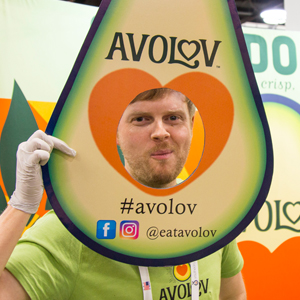
[01:04:09] Ray Latif: What? All right. I'm not buying that. Chris, thank you so much for joining us. Great interview and I look forward to talking again soon. Yeah, thank you. Now, how about some chips with that homebrewed beverage? Consider AvoLove, which is a new brand of chips made from avocados. Makes sense, right? We met up with the brand's founder and CEO, Eric Keeley at Expo West 2018, where he spoke to us about the development and business strategy behind AvoLove and what he's looking for from investors, all included in this edition of Elevator Talk.
[01:04:44] Chris Furnari: It's time for our Elevator Talk, where we put a founder in an elevator with their dream investor. Let's hear what happens. What is your company's mission?
[01:04:54] Ray Latif: So our mission is to bring the nutrition of an avocado into a more convenient snackable form.
[01:05:01] Chris Furnari: What is your product and how is it different?
[01:05:03] Ray Latif: Yeah, so we take real Haas avocados, we peel them, pit them, and dehydrate them at low temperatures and season them with several different flavors.
[01:05:11] Chris Furnari: Who is your target audience and how do you quantify the market opportunity?
[01:05:15] Ray Latif: Our target market is mostly millennials that are very health conscious. Obviously, there's the big avocado toast craze. Young people are eating avocados left and right, three meals a day it sounds like. So that's really our target market, just people that love good food that has a lot of nutrition density.
[01:05:32] Chris Furnari: What stage of growth is your company in?
[01:05:34] Ray Latif: So we're just launching here at Expo West. We spent about two years in R&D trying to develop this product. It's actually very difficult to dehydrate an avocado, but we figured it out. So here we are, we're launching, and then we're going to scale up from here. So we've had a very, very great response, and we're going to start producing and growing quickly.
[01:05:54] Chris Furnari: What has been the biggest surprise since starting your company?
[01:05:56] Ray Latif: You know, we expected there to be a pretty good response because of the popularity of avocados, but it's even blown away our expectations. Just the amount of people that, especially young people that eat avocados daily, this just resonates really, really well with everyone. So it's been pretty unbelievable.
[01:06:13] Chris Furnari: What do you need from a partner or an investor to go next level?
[01:06:16] Ray Latif: So it seems like right now our biggest issue is just going to be production capacity. So we're going to need some, some partnerships there to bring in money and help us grow and scale our production. Why should I invest in you? Obviously it's the first and only avocado chip that's actually made out of real avocados and just about nothing else. We have a little bit of tapioca in there that gives it the crunchy texture and then the seasoning. So there's that aspect of it that really resonates with the trends right now, the keto, the paleo. all the diets and nutrition that people are looking for. The other side to it is we have a really big technology portfolio. So nobody's ever been able to dehydrate an avocado because they just turn brown as soon as you hit them with air or heat or anything that you use traditionally to dehydrate. So we spent about two years, I'm actually an aerospace engineer, to develop this process and we actually have 20 international patents on it. So not only are we the first and only to be able to produce an avocado chip, we're pretty certain that we're the only only company that ever will be able to. That was a pretty solid pitch. I love this pitch. I love the simplicity of it. I love the targeting of it. And I love that it is IP backed. Seriously, I mean, aerospace engineer with multiple patents on how to dehydrate avocados. 20 international. I mean, that's that's impressive stuff.
[01:07:37] Ad Read: I thought it was really tight and succinct and hit a lot of points. It was a very product focused for me. I would have loved to hear a little bit more about the team and maybe who they have in their corner, maybe some experience that they might have. Aerospace technology sure is cool when it comes to developing new production methods, but I don't know how much it helps when you're trying to run a CPG brand.
[01:07:57] Ray Latif: They were super transparent about the fact that they don't know how they're going to achieve scale and that that's what they need in their partnership.
[01:08:03] Kellogg Company: It is interesting though, they are dealing with a volatile product where, you know, where... Yeah, it's a commodity. You're always reading about the price of avocados going up or down. And so what happens if avocados suddenly become, you know, this super pricey item?
[01:08:17] Ray Latif: Well, I thought that avocados are $1.50 now at Whole Foods.
[01:08:20] Ad Read: And I agree with you, Mike. I like that they have proprietary processes. I hope that it's not a hindrance to them creating those new partnerships to scale the operations. Sometimes, you know, a lot of that can get in the way and murky things up.
[01:08:36] Ray Latif: One of those things is that you need to make a market. And if there aren't any other avocado chips out there, then it's only you. So you're the only one that they can compare against. We tasted the product as well. And I think like the taste of it is, it's hard to say it's a chip. Yeah.
[01:08:51] Kellogg Company: It's more like a cracker.
[01:08:52] Ray Latif: More like a cracker. And there's a interesting aftertaste.
[01:08:55] Kellogg Company: To a certain extent, you do need a comparison in a market, but at the same time, just like a couple of years ago is, you know, what do we put on our packaging? Put a bird on it. Now, if you put an avocado on it, you know, millennials will buy it. Kind of like if you give a mouse a cookie, if you give a 20 year old an avocado. So I don't know how much they need competitors. The patent thing's interesting because there are some brands that actually feel you shouldn't file patents because of patent infringement in other countries. And so they're more focusing on black box technologies. So we'll have to see how this patent play plays out.
[01:09:29] Ad Read: I definitely agree but I accept that I think they do need competitors because people just don't know about the use occasion and it is a product everyone understands, avocado, but an avocado cracker isn't a product that everyone understands and when to eat it and why, so. Craven said it tastes like space ice cream avocado.
[01:09:47] Kellogg Company: We are seeing other alternative crackers, right? You've got banana, plantain chips, you know, so maybe they don't need another avocado cracker.
[01:09:53] Ray Latif: But plantain chips are pretty well known and there's a lot of plantain chips out there, right?
[01:09:58] Kellogg Company: Not in Whole Foods.
[01:09:59] Ray Latif: I don't know. You know where I'd love to see Avolov? At Nosh Live. Perhaps on the pitch lamp stage. Avolov, if you're listening, Eric, you should be. Call Jon Landis immediately. What's your number, Landis? Landis is standing by.
[01:10:12] Ad Read: 617... What is it? 617-231-8834.
[01:10:20] Kellogg Company: Maybe he's not standing by. Hopefully that's his right extension.
[01:10:23] Ray Latif: He doesn't even know his number because so many people call him. Yes. All right, folks, that brings us to the end of episode 109. Thank you so much for listening. And thanks for our guests, Peter Rahal, Bill Mitchell, Chris Furnari, and Eric Keeley. Tune in next week for episode 110, which features an interview with Sarah Michelle Gellar, Galit Lebo, and Greg Fleischman, who are the founders of fast-growing bacon kit brand Foodsters. Real men bake. Once again, for questions, comments, ideas for future podcasts, please send us an email to askatasteradio.com. On behalf of John, Mike, John and Carol, I'm Ray, and we'll talk to you next time.