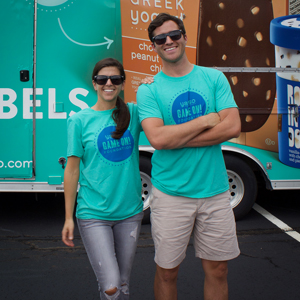
[00:00:02] Drew Harrington: Drew and myself, we started the business when we were 23. We clearly knew we didn't know everything. It was how do we find people that are smarter than us and can provide assistance and support, but also just allow us to do what it is we love to do and grow the brand the way we want to.
[00:00:20] Ad Read: This week's episode of Taste Radio is sponsored by BevNET Events. Ladies and gentlemen, we are coming back to Santa Monica, California this winter. The last week of November will feature a two-day Brewbound Live conference, followed immediately by Nosh Live on Thursday and Friday. Not to be outdone, the following Monday and Tuesday, December 3rd and 4th, BevNET Live returns to the fabulous Lowe's Santa Monica Beach Hotel for the eighth straight year. BevNET events are designed for founders, owners, CEOs, and decision makers of breweries and food and beverage brands to immerse themselves in two days of industry strategy and learning. We pace the events to allow time for important discussions. The content sets the stage for networking opportunities with investors, suppliers, service providers, and other experienced, connected industry experts. These are the partnerships and the knowledge your business needs to get to that next level. Yeah, it's still a few months away, but you save money by registering early, and why not start budgeting and planning right now? Actually, Mike, I'm talking to quite a few people every single day. Of course you are. Trying to plan ahead. These events are fully immersive and have a lot going on, so it's okay if you have questions. Just shoot an email to sales at BevNET.com and we'll get a dialogue going right away. Visit brewboundlive.com, noshlive.com, and bevnetlive.com for details on each individual event. You can also subscribe to our free daily newsletters and be the first to hear updates and program announcements. We hope to see you there. And now, Taste Radio. Hey, thanks for listening to BevNET's Taste Radio. I'm Ray Latif, and with me are John Craven, Mike Schneider, Jon Landis, and Carol Ortenberg. We're recording from our studio in Watertown, Mass., and in this week's episode, we're joined by Drew Harrington and Amanda Klane, the millennial masterminds behind fast-growing ice cream brand Yasso. We also sit down with Amy Lacey, the founder of Cauliflower Foods, a maker of innovative vegetable-based Pizza Crust. Just a reminder to our listeners, for questions, comments, ideas for future podcasts, please send us an email to askatasteradio.com. So loyal listeners of the podcast may have noticed that we haven't included an Elevator Talk interview in the past few episodes. Well, that's because Elevator Talk has a new home. Actually, two. The series, which showcases up-and-coming food and beverage brands, is now featured on YouTube and Instagram TV. Now you can see and hear from the founders behind the freshest brands hitting the market. We'll have new pitches shared every week. Check them out by heading to youtube.com slash BevNET and youtube.com slash Project Nosh. You can also check out the interviews on the BevNET and Project Nosh Instagram accounts. And don't worry if you miss them there. You can also find them on the sites as well. This is true. Well done. So many options. In other news, BevNET Magazine's July-August issue is out and features a cover story of 31 of the most powerful women in the industry. Written by BevNET editor-in-chief Jeffrey Klineman, these are the women who wield the influence, authority, money, and knowledge to affect Mother Beverage business, both in the short-term and long-term.
[00:03:36] Amanda Klane: As a female in the industry, I was super excited to see this article. There are some killer women, and I'm glad to see them being recognized.
[00:03:46] Ad Read: There's definitely some people that, you know, I'm really, really proud to know. And, you know, someone intimidated by on this list, you know, there's some folks out there really killing it. And I always love it when we get an opportunity to give accolades.
[00:04:00] Amanda Klane: And a little tip, we have added the headshots of all of these people to the BevNET website. So print out that list, look at it, you'll have a good spotting list for Expo East of who you should go approach and talk to.
[00:04:16] Ad Read: There you go. This magazine is big. I want to quickly give props to Barry Nathanson. We never talk about Barry on here, guys. Does he know what a podcast is?
[00:04:27] Carol Ortenberg: I don't know.
[00:04:28] Ad Read: He's been on a podcast, a Canadian podcast. No, actually, Jon Landis. Barry has been on the podcast before. I think it was when we interviewed Jerry Rita, who was the CEO of Big Geyser back in the day. For those of you who don't know, Barry Nathanson is the publisher of our magazine and has been with BevNET for John Craven. How long? A long time. He's been in Mother Beverage industry since before I think beverages were invented.
[00:04:52] Amanda Klane: They were just lakes.
[00:04:54] Ad Read: Barry Nathanson was around before water. There you go. The other exciting thing about this issue is the natural beverage guide in the back. And I want to give a shout out to John Fischer, who also gets no love on here, pounding the phones and getting all these people interested in listing Mother Beverage in the back. If you have a copy of this magazine, I guarantee you there's a handful of products that you've never seen before. There's stuff in here I've never seen before. So that says a lot. There's some really, really cool products in here. Yeah. So also in the magazine, our Expo East preview slash exhibitor list, the annual event is less than six weeks away and starts on September 13th. We're all going to be there. Everyone here at this table, shoot us a note. If you're attending, we're expecting to see a lot of cool new products and a few new brands, perhaps brands that will be featured on Elevator Talk.
[00:05:46] Amanda Klane: Send a note to news at BevNET.com or news at projectnosh.com and let us know what we should be covering.
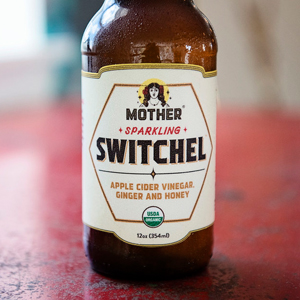
[00:05:51] Ad Read: Well done. We love new products. We love to see them. We love to taste them. We've had a few new ones coming to the office this week. I'm holding in my hand a switchel, a new switchel product from Mother Kombucha. This is a pretty cool product. I haven't tasted it yet, but I like the label. I like this sort of root beer kind of looking brown bottle that they've got. As folks might know from listening to our last episode, Switchel is made with apple cider vinegar, ginger, and honey. This is an organic version. I want to crack this open. Let's see.
[00:06:22] Carol Ortenberg: I'm pretty excited to try that. Please don't. Be careful.
[00:06:26] Ad Read: The Mother Gang has some pretty interesting flavor combinations, and that's one of their differentiators in Mother Kombucha space. I'm pretty excited to see what they're doing with Switchell here. Yeah, very tasty stuff. I thought that was carbonated, like I was going to be getting a shower right now. Ray was shaking that thing up. Just because I sprayed kombucha all over the car once, it doesn't mean I do it all the time.
[00:06:45] Amanda Klane: He has kombucha PTSD now.
[00:06:46] Ad Read: This is one of those things that becomes a problem. You know, you look at the bottle and you say, okay, that's a bottle you're used to seeing something carbonated come in and it's switchel, which usually isn't carbonated. And then there's swizzle, which usually is carbonated. Oh, which we have on tap here now as of like 15 minutes ago.
[00:07:02] Amanda Klane: Mike just road runnered straight out of the Taste Radio studio to the bar.
[00:07:06] Ad Read: The Up Mountain switchel swizzle. That's right, Ray. Very cool. Very cool. So this Mother Kombucha, though, is not to be mistaken by Mother Beverage, who also makes a sparkling apple cider vinegar out of Texas. That's correct, Jon Landis. Now, Mike Schneider, in front of you, you've got some Dirty Lemon. It's a hot pink bottle. I do. I have the Dirty Lemon Rose, which I'm sure I'm the target market for. What is in there? Well, you can smell it if I just waft it around a little bit. It's lemon juice and rose, and there's a few other ingredients, star anise, hibiscus flower. I was talking to Adam Loris about this one. He's really proud of the formulation of this one. Adam Loris, the chief operating officer of Dirty Lemon. Chief operating officer, and he formulates Mother Beverage. Yes, detox beverages, correct. Correct. Correct. He's very proud of this one. So he said I should try it. I did. And it's good. It is good. Now, you don't make these products, but they do share a name with you. Those are Mikey's Paleo Pockets. Those have been a big hit in the office. Right, Jon Landis? I really dig them. I was kind of skeptical, although I haven't had the ones with the vegan cheese because I usually don't like the vegan cheese products that they put. I do like Mikey's Pockets, but to me, the whole paleo philosophy is like eating nuts and meat and raw food and having a hot pocket that fits your nutritional background of your diet, it doesn't jive with the paleo philosophy. There's a disconnect to you. Yeah, to me there's a disconnect, but I think it tastes good. So you feel like you should be, when you're eating a Hot Pocket, you're like cheating on the diet. I just think that if you want to be paleo, then you should subscribe to what that lifestyle is, which is eating like when we foraged and hunted. Did you ever forage and hunt? No, but that's the idea of the paleo diet. I saw him at lunch yesterday foraging and hunting, yeah. He was sticking his hand in the river, like scooping fish directly out of... It's my understanding that the paleo diet is going back to ancient times and the diets that humans have been consuming for thousands of years. So a hot pocket doesn't exactly fit that.
[00:09:16] Carol Ortenberg: Exactly, don't really fit in that lifestyle.
[00:09:17] Ad Read: You can't go back to like ancient Egypt and see in the hieroglyphics, hot pockets. Exactly.
[00:09:22] Amanda Klane: It's interesting because a lot of these diets say, you know, by eating less processed foods, you're going back to the way we should be eating foods. So I understand what you're saying. At the same time, we know convenience is kind of king. Maybe it is your cheat meal if you're on a paleo diet.
[00:09:37] Ad Read: Well, here's what I'll say about it. I would feel like I'm cheating on the paleo diet by eating this because it feels like a Hot Pocket and it tastes like a Hot Pocket. So there you go.
[00:09:46] Amanda Klane: We also had some Crispy Green snacks. I think John Craven took down the whole bag.
[00:09:51] Ad Read: Yeah, he wasn't very good at sharing those. Give me more. I mean, those were pretty tasty. It's just, it's dried fruit. Yeah, it was dried fruit.
[00:09:59] Amanda Klane: I mean, single ingredient. It's easy to understand the ingredient list. There's only one. It's not a new product, but they did do a rebrand and a refresh and it looks awesome on shelves now. I love the color blocking. If you haven't seen the new rebrand for Crispy Green, I would totally recommend checking it out.
[00:10:17] Ad Read: We also had some new Yoplait products coming to the office, right Carol?
[00:10:21] Amanda Klane: Yeah, we've had some really interesting new Yoplait products come in. They're trying to diversify their lineup. There was YQ, which still has the fun flavors of Yoplait, that creamy texture, but higher protein, really going after that kind of more health conscious consumer who's maybe not Get ready to make the leap to Greek yogurt. I think it's a smart move for them, capturing those consumers who like traditional yogurt but want the health benefits of some of these other products that are on the market. It also, speaking of great branding, it's a totally new look for Yoplait, very modern and very Instagramable. They also released Yoplait Oui Petites, which are the opposite end of the spectrum, kind of hedging their bets. Super indulgent yogurts in these tiny little glass jars, but now available in smaller sizes. So if you are going that indulgent route, you know, it's a more petite offering, which makes a lot of sense to me since you can't really reseal them.
[00:11:20] Ad Read: Speaking of diversifying their portfolio, Red Bull has a new organic line and in front of John Craven right now is a can of Red Bull Organics. What flavor is that, John? This is a Red Bull Organics Bitter Lemon. You know, it's funny, you know, you hold a Red Bull can. I was walking around the office with this and, you know, you get looks like, dude, why are you drinking a Red Bull? Plenty of people do though. I don't know when I last had an energy drink, but anyway, this is, you know, caffeine free. It's basically like a bitter soda. I like bitter flavors. So it's got like 90 calories in it. Probably won't drink a ton of these, but it was on my desk when I got back from travels for whatever reason. So I drank it. So to be clear, it's not an energy drink. No, it is caffeine free. So it's more of a soda. I'm gonna put the Dirty Lemon next to the bitter lemon and see if they fight. I just wanna see what happens.
[00:12:13] Amanda Klane: Halo Top be clear, if you leave a beverage on John Craven's desk, apparently he'll just drink it.
[00:12:18] Ad Read: Not true. I know that. But I gotta ask you, Carol, like, seriously, we brought beverages, you have a tomato in front of you. Why do you have a tomato?
[00:12:28] Amanda Klane: It's very noshy. Come on, I named it. No.
[00:12:32] Ad Read: Why were you stroking it like that? That was weird. Yeah.
[00:12:36] Amanda Klane: Some people have pet rocks. I have a pet tomato.
[00:12:38] Ad Read: His name's Theo.
[00:12:39] Amanda Klane: Oh, that's a good name. No, here at BevNET, we have an awesome garden on the side of the building, like many offices, trying to grow our own food. And John McKenna kindly goes out and harvests
[00:12:53] Ad Read: John McKenna, our Director of Sales.
[00:12:55] Amanda Klane: Yes, harvests the bounty of the garden for us and brings it in. And he brought me a tomato. I happen to grow my own basil at home in my garden. So I'm planning a nice little salad tonight, maybe some tomato basil mozzarella.
[00:13:09] Ad Read: I was just gonna say, now you need a cow. Ooh.
[00:13:14] Amanda Klane: John Craven we have a pet cow?
[00:13:16] Ad Read: Oh, geez. Yes. Oh, I heard it. In your office. Okay, let's get to our first interview of the episode. As I mentioned at the top of the show, Drew Harrington and Amanda Klane are the founders of Yasso, a popular ice cream brand that uses Greek yogurt at the base of its tasty treats. Founded in 2009, Yasso positions itself as a healthier and low-calorie alternative to traditional ice cream products. The brand has become a bonafide star in the freezer aisle, with its bars racking up over $82 million in sales last year. Drew and Amanda, who are childhood friends and Yasso's co-CEOs, recently sat down with Carol and Mike here in the Taste Radio studio, where they spoke about the inspiration behind the brand, how they identified an opportunity to disrupt a legacy category, the importance of value-added financial partners, and why trash cans became a key part of the brand's marketing strategy.
[00:14:17] Amanda Klane: Hi everyone, Carol here. I'm joined by Klane and Drew Harrington and Amanda Klane, who are the co-founders and co-CEOs of frozen Greek yogurt brand Yasso. Thanks so much for being with us today, guys. Thanks for having us. So I want to go way back. How did Yasso come about? What inspired you guys to start this company?
[00:14:40] Drew Harrington: Yeah, so we'll probably go back to kindergarten, which, you know, Klane and Drew went to together back in 1991.
[00:14:45] Taste Radio: Parkview Elementary School.
[00:14:46] Drew Harrington: Only kindergarten. Wow. Yeah, all the way back to kindergarten. So we grew up in Easton together. You know, both came from pretty large families that were all friends. Grew up playing sports together, went off to college, came back, and then, you know, still into health and wellness and fitness. Also, ice cream. I mean, we're born in New England. Ben and Jerry's has always been kind of a brand we looked up to and admired and, you know, saw what was going on in the food category and these trends towards better for you, healthier, higher quality ingredients. And what we saw when we looked at the ice cream category was that you had these kind of super premium Ben and Jerry's Haagen-Dazs type products that were full of calories, full of fat. And then on the other end of the spectrum, you had these diet brands like Skinny Cow and Weight Watchers that, you know, we kind of looked at as like our parents' and our grandparents' brands. And what we really wanted to do was create a product that kind of merged the bridge between both of those and delivered a great-tasting, delicious product, but did it with better quality ingredients and a better nutritional profile. And so that's when we teamed up together to create Yasso and start the first frozen Greek yogurt brand.
[00:15:52] Amanda Klane: So there were a lot of directions you could have gone in health and wellness where there was this dichotomy between flavor and low calorie. What in particular interested you about ice cream?
[00:16:04] Taste Radio: I think the fun component of the dessert category had always interested Amanda Klane I. I think it's part of our DNA with our friendship. And like she said, there was a huge opportunity there to kind of bring health and wellness to that category that hadn't seen a player come in and give people a product that they could enjoy every day and still get taste satisfaction, but also the health benefits of it.
[00:16:22] Amanda Klane: That category was really different then. How competitive was it when you started Yasso?
[00:16:28] Taste Radio: It was still very competitive. Some of those competitive challenges are still the same. We're dealing with a category that has a very limited amount of shelf space in the freezer aisle, so there's limited real estate. When we launched, you know, we were pretty young. We were 23 years old. We always joked that we didn't know what we didn't know, and we just kind of wanted to go national and launch. in these major retailers and give Yasso to everyone in the United States at an affordable price. And by doing so, we inherently went up against the Goliaths of Nestle and Unilever. And so there were a lot of competitive challenges in that structure when it came to price in terms of marketing awareness, in terms of limited shelf space, path to distribution, and then also being able to scale. our co-man partners in a way that could sustain that type of demand on the product. And then over the years, the competitive challenges have changed. You're right, right now in our category, there are insane amount of competitive pressure by way of pricing and new entrants and things like that that we're working through. But I don't think we've ever been in a lazy category by any means. There's always been a significant amount of marketing dollars with limited space. You always just got to be on your toes and involving for the better every day.
[00:17:35] Amanda Klane: So you guys were 23. How did you get into stores? I guess we should ask that question. We begged. No.
[00:17:43] Drew Harrington: You know, I think, you know, I grew up in a family. My dad owned a food brokerage firm growing up. So I kind of grew up in the industry learning the ins and outs of how to Pitch Slam retailer. After college, I worked for him a year before Klane and Drew teamed up to start Yasso. And so, you know, we knew we had a good product that filled a void in the marketplace. People knew what Greek yogurt was in the refrigerated set. So there was a lot of awareness around, Greek yogurt and then obviously the ice cream category and so. You know, we were young, we were extremely competitive and we knew we had a place on the shelf. And so we went in and we started here in New England, which was our backyard. And we pitched the retailers on why they needed to be carrying this product and why it was different from what was out there. And the retailers really understood it and believed in it. And I think they were really excited to see some new innovation in the set, which to Drew's point at the time was predominantly Nestle and Unilever brands and some of the other really big dairy players. There hadn't been a lot of creative innovation from new brands in that set.
[00:18:41] Ad Read: What was it about Greek yogurt that called out to you? Because Greek yogurt at the time, like you said, it was known, but it was new and it was more of an acquired taste. Why did you decide to make that into an ice cream?
[00:18:52] Drew Harrington: Yeah, I think there was a lot of inherent health benefits that the consumers were realizing with Greek yogurt. It was kind of that lower calorie, higher protein. And, you know, obviously Drew and myself also enjoyed Greek yogurt and thought that with its creamy texture and nutritional benefits, it would make a great ingredient in a frozen product and wanted to really deliver on those health benefits. Just do it in an ice cream form.
[00:19:14] Amanda Klane: You went into retailers and you pitched them and they understood this. In 2009, just the competition in general and natural was very different. Is it harder to be a young upstart brand now? Was it a little easier back then?
[00:19:28] Taste Radio: There's definitely more brands and more people of our age group or just entrepreneurs in general getting into the industry, which is a beautiful thing. I think that has kind of lifted all boats and it's really inspiring to see the different categories that have been disrupted or new entrepreneurs of all different ages come into it. But yeah, to your point, I think there was probably less of that. I think we were part of like one of the first waves, you know, one that started with maybe And then Nantucket Nectars and Annie's and then kind of moved into in our area and some of our, you know, role models back then was like a Food Show Taste Good with Pete Lesko. And then, you know, 2009, we kind of felt like we were in the beginning of that, you know, that next wave. And now today, you just see a tremendous amount of innovation and disruption, which is aided by all new sorts of distribution channels. You have some great brands that are just selling online. You know, that wasn't even an opportunity for us. not only with the frozen component, but that infrastructure wasn't there. So there's definitely more brands, there's more entrepreneurs, which we just think is so inspiring to us. And to be a part of that is pretty rewarding.
[00:20:26] Amanda Klane: I mean, don't get me wrong. I'm sure, like you mentioned e-commerce, there were a lot of things that were a lot harder back then as well. I'm sure you had different issues around supply chain or distribution and people being accepting of a small upstart brand.
[00:20:40] Taste Radio: We're very jealous of anyone that makes potato chips. Let's just say that.
[00:20:45] Amanda Klane: Well, data is important. I would think that as you guys have grown as entrepreneurs, there's also a certain amount in which you can trust your own gut.
[00:20:54] Drew Harrington: We take a more methodical view on new items. We don't jump at every opportunity, although instinct might tell us that we want to. We take kind of a more methodical view on what makes sense for the brand in that given time.
[00:21:07] Amanda Klane: Okay. We got to know what's a mistake you've made.
[00:21:11] Drew Harrington: We once sold smoothies that didn't perform that well. It was a little off-brand at the time, but we were young and jumped at an opportunity, and it wasn't a long-term move for the brand, and we, you know... Avoid the blender. Yeah, we avoid a second step of blending a smoothie, so we got out of that.
[00:21:29] Amanda Klane: When you make a mistake like that, how do you one, quickly realize this is a mistake and then two, convey that to retailers, convey that to consumers, you know, who you are and that you've kind of course corrected a little bit.
[00:21:42] Taste Radio: Yeah, every situation and mistake, I guess, is different for every brand. But I think Amanda Klane I are no different than other entrepreneurs. Sometimes those mistakes actually make you better in the end, depending on the scale of that mistake. We were fortunate where some of those mistakes, yeah, they were hard to swallow because it was a product you cared about, a product launch you put a lot of effort into. But at the end of the day, it just didn't work out for various reasons, mostly in our cases that we probably would launch a product that tasted great, packaging was good, ingredients were good, but at the end of the day, we were just too lean to support the launch of that. And that kind of goes back to your competitive question, especially in our category. What we've learned is that when you launch a new product, you need to give it proper support and marketing awareness. And I think that's something that we've now aligned our innovation with our budgets and have become a little more conservative and strategic in the sense of when's the right time to launch something? How are we going to support it? And then what's the phase two of that? Once it proves itself out and we have that case study, what's the kind of next evolution of that awareness growth?
[00:22:40] Amanda Klane: So this year, you guys also developed a partnership with Castanea Partners, who became a majority investor in the company. Talking about support, how has that relationship changed the business?
[00:22:52] Drew Harrington: I think really partnering with someone that believes in what you're doing and sees the same vision and can add support. There's a lot of money out there in the marketplace right now, but for Drew and myself, we started the business when we were 23. We clearly knew we didn't know everything. It was how do we find people that are smarter than us and can provide assistance and support, but also just allow us to do what it is we love to do and grow the brand. the way we want to. And so Castanet has been an amazing partner to work with. They offer a ton of guidance and help. And for Drew and I, it's just building a stronger team and being athletes. We know how important team is.
[00:23:30] Ad Read: What's a ton of guidance? What kind of guidance do they provide?
[00:23:33] Drew Harrington: Honestly, they provide a lot in different aspects. So in terms of like sales strategy, branding, financial guidance, obviously, since they are, you know, financial partners, I would say that's one area that Drew and I have leaned on them the most to understand. But they're very involved in just brand strategy and how we're going to continue to grow the business and launch new items in a thoughtful, strategic way.
[00:23:54] Taste Radio: And it's fun having, you know, we consider them friends. It's fun. I'm sure a lot of entrepreneurs can relate to this. Unfortunately, some have probably an opposite relationship with their financial partners. We've been fortunate to, you know, gel nicely as like a family within the brand. So it's really rewarding to kind of build the journey first with Raptor and now Castanea and consider those guys friends. So for Amanda Klane I, that is probably very normal for us in the sense that we've known each other forever and to bring other people into the fold. and get their perspective has been, you know, a nice addition. And at the end of the day, when you look back on what you try to build and accomplish, if you can do it with great people, it makes the journey that much more rewarding.
[00:24:30] Amanda Klane: It seems like though that could also be hard, right? You guys have known each other for so long to bring in new perspectives. Founders sometimes in those situations, I think struggle with, you know, having a new perspective and, you know, building this community of trust. How do you go about creating these positive relationships when, you know, you guys have known each other for so long? Yeah.
[00:24:52] Drew Harrington: I mean, I think trust is always the hardest thing, but I think as we've grown in the business, we've learned to be more open to other perspectives. And when you choose the partner, you have to look at what they've done in the past. And if you believe in what they've done and you, you like what they've done, I think you kind of gain trust in their track record and that's important moving forward. So, you know, we talk about Tom first who sits on our board with Nantucket Nectars, an amazing brand that they started from scratch and grew and sold to us. That was a really, great story and there was a lot of learnings to be had there. And so we lean on him to kind of help because he's been in the same shoes we're in.
[00:25:31] Ad Read: So we've been talking a lot about building, building the brand, building the company. You're builders. Let's let's flash back to 2009. OK, this is the early days. You're this new brand. And I remember meeting you in this small team hustling around Boston, you know, bar by bar and trying to get the word out there. And this was at the dawn of the social media age, okay? I remember I'm running around tweeting everything I see, and Yasso's one of the ones.
[00:25:56] Amanda Klane: So nothing's changed by then.
[00:25:57] Ad Read: Yeah, exactly. So Yasso's one of the, you know, this new thing that I noticed, and Greek Yogurt's this new thing, and you guys are this cool brand running around Boston. And I'm going through this seaport, and I see this metal box on the side. It says Yasso, and I'm like, Awesome. Yasso Vending Machine, downtown Boston. And it turns out that you guys decided to advertise on the new garbage cans in Boston. And I'm wondering, what were you thinking about in terms of brand awareness? Did that campaign work? And you were a brand that was literally born in the dawn of the social media age. And how has social media changed for you over time? So I know that's a long question and there's a lot in it, but I think it was really fun to see you guys evolve with social media. Yeah.
[00:26:42] Amanda Klane: Let's start with trash cans.
[00:26:44] Drew Harrington: Yeah, let's start there. It would have been better if they were vending machines.
[00:26:48] Taste Radio: I was so excited. The vending machines would have been awesome.
[00:26:51] Amanda Klane: He got a real surprise when he like stuck his hand in there.
[00:26:54] Taste Radio: Just got an old Coke can or something. Yeah, I got a Yasso stick instead. Yeah. Well, the strategy then, so we were, uh, that was actually really funny. We were downtown on Broad Street at the time, so this was like 2005. 13 or 14. And we had started to make some ways, started to pick up national distribution. We're in the club channel seeing some success. And Amanda Klane I had this office on Broad Street and our conference room was on Broad Street. The office was kind of in the back end and we're sitting in there one day and we go in for our team meeting. It's supposed to be like a morale, culture, kind of team breakfast. And a new billboard went up overnight and you literally couldn't, you were blinded by the billboard in the conference room because they were so close. And it was a Ben and Jerry's billboard that said, now introducing frozen Greek yogurt. And we're trying to have this team building morale meeting and everyone just keeps looking at this gigantic Goliath of a billboard outside. So the point is, is like back then, Marketing was very expensive. Greek yogurt was starting to be picked up by some of the bigger brands, and they were using more traditional means. We couldn't afford the billboards, and frankly, Ben and Jerry's bought every single one of them, including outside of our offices in our homes, I think, just to make sure we knew that they were coming. But one of the interesting ones that popped up was the vector trash cans, and no one was using them, and I think we were able to buy 60. And the strategy there, was we had great distribution in New England. We had a really great promo build with Amanda Klane the sales team and just our broker network. And the thought was, well, let's overlay some marketing support where people are going to be every day. And the trash cans, we felt, would give us the ability as commuters, like yourself, or walking around Seaport, coming in and out of the city and South and North Station to kind of see us during the weekday. And then on the weekend, we were overlaying that with our in-store support, our demos, our event sampling and things like that. And you're right, then Facebook was kind of the big thing. And then Instagram, I'm not sure was even really a thought when we were doing the trash cans. And then we evolved over time, where, you know, like everyone, digital and Instagram became the big thing. And we took a pretty organic approach to social media early on, we didn't put a lot of money into terms of fan buying, but we just tried to curate content that was engaging. We had some fun with it. And then today we're in a very different place. We've seen robust growth in terms of our fan base with the use of like influencers, which is a very exciting avenue for us. Kelsey on our team runs that with some third party agencies and it takes a lot of thought and consideration to who the influencers are we're going to work with. But it's been really fun as a brand to kind of, you know, back in the day you design your billboard and you control the whole thing. Social media posts, you can control the whole thing. Influencers have really opened up the brand in the sense you're really giving the keys to the brand to the influencer. You just hope you pick the right one. We've been fortunate we've picked the right one, but the content they've created for us to repurpose or for them to just expose Yasso to their following has seen our social media channels increase significantly. And it's really exciting to see the engagement, whether it's existing fans or new fans. And back to your point about social listening and competitive landscape, we're learning a lot from just the new people that are coming into the brand. And that's kind of pushing the envelope on what we're thinking in terms of innovation.
[00:29:51] Amanda Klane: You guys also rebranded your line in the past year, I think, right?
[00:29:56] Taste Radio: Yeah, with the launch of the Pints, we used a creative firm, our partners in Boulder, Fortnite Collective.
[00:30:02] Amanda Klane: Going back to social though, how much does the fact that, you know, people want to Instagram this and they want to put it on Facebook, how much of a role does that play when you're developing this new branding? Do you have to think about, you know, how does it play out online?
[00:30:15] Drew Harrington: Yeah, definitely. I think one thing the team's always done a really good job of is making sure that every piece of material that goes out into the marketplace is branded and done in a uniform way, so all the way down to the stick having the name, to the wrappers being really creative and fun. I think it's, you know, worked really well for us when people do Instagram, whether it's a sticker, the wrapper, or the box, it all looks in the way we want it to look from a brand messaging standpoint. The team's done a phenomenal job in making sure that everything that goes out there is on brand.
[00:30:46] Amanda Klane: I will say when you guys sent us a case of the new pints, it was an experience opening it. Everything was branded, everyone was snapping pictures of it and talking about it as it went. So, you know, we've even seen that in the office here. Going back to the branding a little, Drew, in a previous interview, you told me that a brand needs to take a disciplined approach to aesthetics. What does that mean exactly? How do you take a disciplined approach to aesthetics?
[00:31:13] Taste Radio: Yeah, what that means, I think what Amanda was building on in terms of just being uniform, listen, like our packaging when we launched was very different than the way it is now, but I think that's the beauty of almost all brands. Few people get it right away. It's kind of the evolution of that brand. But what a disciplined approach to aesthetics means is that, you know, for a lot of us, and frankly, a lot of the brands that are listening, our marketing dollars are short, right? So the thing that people are gonna experience the most throughout the whole usage occasion really is the packaging. So for us, There is a benefit to the frozen versus the potato chips example, because we do have like three or four touch points through that experience that is kind of free advertising or free money. We have our exterior box, we have our wrappers, we have our sticks, and we are able to put a lot of content and communication that just reinforces the brand voice versus a pack of chips where you open the pack and then you eat the chip. You just get less kind of engagement with the brand voice and in the personality. So for us, the disciplined approach to aesthetics is that if you're going to push out packaging like we all have to do, just the more time and thoughtful energy you can put into that from a strategic perspective, we feel has helped lift our brand loyalty and just the messaging we're trying to convey. And we've just put a lot of time and energy into that rather than pushing it out. And, you know, like I said, we're dealing with some competitive pressures in the market now where we've tweaked it. We feel we've made it better, but I think all brands just kind of have to look around them to make sure that it doesn't become a sea of sameness and that your brand does pop on shelf, but does so in a uniform way.
[00:32:40] Amanda Klane: And you guys kind of have a struggle, right? When you're a potato chip, you're just sitting there right on shelf for consumers to pick up, touch. When you're an ice cream product, you know, first you gotta open the door in an already cold aisle, get more cold air on you, and then a frosted over door. I mean, it seems like you really have to work to get consumers to take all those steps and go in there and grab your product.
[00:33:01] Ad Read: You guys hand out jackets?
[00:33:04] Amanda Klane: Freezer gloves.
[00:33:04] Ad Read: Freezer gloves.
[00:33:06] Amanda Klane: Guys, for frozen products, let me speak to you from someone who's worked for a retailer. Freezer gloves will make a grocery team member love you.
[00:33:14] Drew Harrington: The little things we've learned.
[00:33:15] Taste Radio: Totally is. I think one thing that's definitely shifted through the years is that with the launch of Yasso and frankly some of our competitors that have done a good job, like Halo Top or Enlightener Arctic Zero in terms of bringing awareness to the category. We have our points of difference on ingredients and positioning and just general taste, but inherently we've all brought people back to the category and allowed them to realize that there are newcomers in the dessert category, there are new alternatives to your traditional dessert brands. So that was different when we started. Some people just frankly weren't even going down the aisle because they just thought it was high-fat, they could only have it as a treat. So part of the benefit with these new brands like Yasso and others that people are opening up to the idea that you can't have a better-for-you offering every day in that category. So people are inherently coming down the aisle more, but to that point you just really need your packaging and your product to really work hard for you because you need to grab their attention right away.
[00:34:09] Ad Read: Amanda Klane Drew, thank you so much for coming in. It's been very exciting to see the evolution of the brand since 2009 to today, and to finally get to ask you my trashcan question.
[00:34:19] Taste Radio: Maybe we can get you one. Yes!
[00:34:21] Ad Read: We might have one in inventory.
[00:34:23] Amanda Klane: Yes! Amazing. Oh, you guys literally bought the trashcans.
[00:34:26] Taste Radio: No, we can maybe make it happen. Turn it into a freezer this time around.
[00:34:29] Ad Read: To be fair, we do have the most beautiful trashcans in the nation, I think. They are beautiful. Thanks so much for being here.
[00:34:34] Drew Harrington: Thanks, guys.
[00:34:35] Ad Read: Thanks, guys.
[00:34:36] Drew Harrington: Thanks for having us.
[00:34:39] Ad Read: Pizza and ice cream is, of course, a popular pairing, so to go with Yasso's healthier take on the latter, how about a serving of cauliflower as part of the main course? Promoted as the Original Cauliflower Pizza Crust, CaliFlour was founded in 2015 by Amy Lacey. The brand sells vegetable-based, gluten-free frozen crusts that are made with just four ingredients. Amid booming consumer demand for cauliflower-based foods, the brand has attracted a loyal following and established a thriving direct-to-consumer business. Amy, who participated in the Pitch Slam competition at Nosh Live Summer 2017, sat down with Mike at the 2018 Summer Fancy Food Show, where they spoke about the launch of Cauliflower, staying ahead of a hot trend, how the brand incorporates consumer feedback into its R&D strategy, and why the company doesn't make hero products. Mike Schneider here with Taste Radio at Summer Fancy Food Show with Amy Lacey of Cauliflower Foods. Amy, thanks so much for being with us.
[00:35:37] Amy Lacey: Hey, thank you for having me. This is an honor.
[00:35:41] Ad Read: For me, Amy, not for you.
[00:35:42] Amy Lacey: No, I get to sneak into the press room and see all these amazing brands. This is cool.
[00:35:46] Ad Read: Yeah, the first thing she said was, hey, do you look at all the brands in the press room? Of course we do, Amy. That's why they give us the press passes, so we can look at all the brands. Oh, I'm here next year for sure. This is amazing. Thanks for being on the show. It's really great to have you here. Amy, you're here because cauliflower is so hot right now. Did you know when you got into this business how hot cauliflower was? How did you spot this trend?
[00:36:11] Amy Lacey: So first of all, I don't know if you know this, but we are the first cauliflower pizza to hit the market. So nobody had done it yet prior to us. And I really didn't know. My product came out of a necessity for myself. I have an autoimmune, I have lupus, and then I have a secondary condition called Sjogren's. So you have three kids. I have three kids. Back in a few years ago, we were doing the family fun night. with pizza on Friday night and every Saturday I was sick. And then when I found out what I had, I realized I quickly needed to switch up what I was eating. Oh my gosh, you can't kill family fun night. No, you can't kill, and kids want to eat pizza and so do adults. I mean, I love pizza. Cauliflower was not a vegetable you would open my fridge and see because I thought it smelled bad. I'm going to openly admit that. Joe, you might want to cut that part. But seriously, in all seriousness, cauliflower is not something that I normally would buy. You're more of a broccoli girl? I am. I love broccoli. And I love kale. Back to my story, basically I was taking the pizza and scraping the toppings off and that gets very expensive and wasteful. So I went to what everyone does when they are diagnosed with something. I went to the internet and I started researching because they had put me on a drug called Plaquenil, which has terrible side effects. So long story short, I basically started making this cauliflower pizza because it looked like it was amazing online. There were hundreds of thousands of people making it and I found some really cool recipes and I tried it. My family loved it. My oldest, who's 15, does not like vegetables and he would eat it. So that was a good test also. So I started making it for Friday family fun nights. Back then I was a certified health and life coach. I had studied under Martha Beck. And I had a lot of clients that were losing weight and I was working closely with the bariatric surgeons at the time. And so I started taking it to work with me and feeding it to the clients and they loved it. And that basically propelled me to getting a cottage license and trying farmer's market. Well, Thursday night farmer's market in Chico, California, basically started getting lines and we were selling out. And so I knew it was a thing. And so we launched it March of 2016. I started in 2015 with trademark attorneys, you know, buying lots of domain names, all of that good stuff. And then in January of 2017, we decided grocery is really expensive. And we probably need to take this online first. And so that's where we started going online. And we've grown ever since then. And we are now going into a lot of grocery stores as well. We're able to afford to go into grocery using our income from online. I honestly didn't realize the category I was going to open and how crazy it was going to get. But it's amazing. I love it. Cauliflower is an amazing vegetable. It can do so much.
[00:39:18] Ad Read: Going first isn't always an advantage. Talk to me about being first and building a category because this is something that we hear a lot of. People ask us, how do I build a category? And we always say, why would you want to build a category? Why did you go into this thinking that way?
[00:39:30] Amy Lacey: So I wasn't really going in thinking I was building a category or you know, that it was going to go crazy like this. Honestly, I really wasn't. It's interesting because a lot of people, a lot of brands are starting to pick up on it. You're going to see a lot more coming out because we do our background. You're going to see some big brands coming out with some. I think for me, I've just tried to stay true to what we have. I haven't altered our ingredients. We keep really clean ingredients and it's a truly DIY version of Original Cauliflower Pizza Crust.
[00:40:03] Ad Read: So you mentioned there are some big companies getting involved. You've got Trader Joe's coming in. Does it commoditize your product and how important is brand in category building?
[00:40:12] Amy Lacey: I do believe that Trader Joe's and some of those other brands have broadened the category. They've definitely made it more of a challenge for me to educate why we're different. So for example, we probably get on a daily basis people confusing us with other brands, and we appeal to a lot of diabetics. So I will get messages, hey, your product my insulin rose, your product's supposed to not do that, and then we'll ask them, hey, pull out the box out of your garbage, send a picture of the brand that you bought, and sure enough, it's not ours. So there is a lot of education right now with so many new cauliflower Pizza Crust, but it's like gluten-free was like that too.
[00:40:53] Ad Read: Do you ever get together and have like Original Cauliflower summit with folks?
[00:40:57] Amy Lacey: No, we should start one.
[00:40:59] Ad Read: Direct-to-consumer is a really hot-button topic right now. There's a lot of brands that are trying to do direct-to-consumer. You seem to have mastered direct-to-consumer. What was that like in the beginning?
[00:41:11] Amy Lacey: So we decided to go direct to consumer because I, at the time, and currently, we have no investors. And so, as you know, being in this industry, grocery can be very expensive. Getting into distribution, slotting, free fills, all of that adds up very quickly. And we were working on a very tight budget. So this was a way to go meet our consumers' needs instantly, which people love. We have control over the outcome. and we have instant money in our pocket, which has allowed us to be able to go into grocery. So going that route, it was like, I have a choice. I can take on an investor early, or I can go this route and appeal to my customer base right away. Now, how we built that customer base is really just word of mouth and being authentic. I don't believe we're doing anything different than anybody else out there. I just believe we have fulfilled a need. People want to be able to have a true DIY crust without making it and without the mess and something instant that they can get. And then we went on Amazon as well.
[00:42:21] Ad Read: As a result of being direct to consumer, talk to me about optimization. What is really important when you're placing product on your website?
[00:42:30] Amy Lacey: Yeah, so I think keeping the product very, the attributes of the product and the product itself very simple. If you don't know what you're selling within or offering, scratch the word selling, but if you can't tell what a product is offering within three seconds of landing on the website, then they are doing something wrong. You sound like Albert Einstein right now. Keep it very simple. Keep it very, very simple and have a call out, call to action. Make sure you have an order now or a call button. I like to keep the pop-ups at the end. I don't like the first thing that somebody sees as a pop-up. I'm not a big sliding screen website person. I keep it very, very simple, but make sure that they know exactly what you're offering right away. And more importantly, how... You do get right to the point. Right to the point. And more importantly, two things I think are extremely important on your website, because this is like your first impression for direct to consumer, is how you're going to help them. Don't vomit information, how you're going to help your consumer. So you've got to know your consumer. And then secondly, testimonials are huge. You've got to have testimonials on there. Products tell, but testimonials sell. So we use a program called Yotpo, which is excellent to put all those testimonials, and then you can feed through the ones that you want to post. It should be real. You should post good and bad. It should be very real. So simplify your website, call out, testimonials.
[00:44:01] Ad Read: As a result of going direct to consumer, what kind of conversations do you have that you never thought you'd have?
[00:44:06] Amy Lacey: Yeah, absolutely. We have some pretty good strategy meetings every week. We get together on Mondays and we talk. We really look at our customers. I mean, honestly, we really listen to our customers. So last January, we were getting a lot of feedback that people wanted a plant-based crust. So we came out with one. We'd already been working on one, but we expedited bringing that plant-based crust out. We really just listen and we connect with our community. You know, a lot of times I'll write our customers' handwritten letters. We'll ask for their feedback. We'll send surveys. We listen, though. We ask questions. We listen. We try to make our customers the hero. We try not to be the hero product. We try to make them the hero. So that busy mom that's bringing our crust home and still able to put her own touch on it, maybe make it lasagna or frittata and serve it to her family. or friends and they love it. You know, it's a win-win for both, but we really connect with our customer base.
[00:45:02] Ad Read: So you mentioned listening. You mentioned listening to customers and there are so many different ways to listen. Talk to me about how you listen and are you building segmentation based on listening, based on social media, based on who's buying what?
[00:45:13] Amy Lacey: Absolutely. So we definitely listen. We get a lot of feedback. It's, it's interesting because people will give you negative feedback so easy on social media because they don't have to look you in the face. And we surprisingly get a mass amount of positive feedback, but we do get the negative feedback as well. So we really listen to both and people that will say, I love this. I want to make crackers out of the crust. How do I do it? That was a big one for a long time. So now we're making crackers so they don't have to do that. So those crackers will be launched next month. And then they wanted paleo, so we provided a paleo crust. Now they're asking for a nut-free crust, so we're coming out with a nut-free crust.
[00:45:54] Ad Read: But how many people have to ask, you know, before you know that it's the right decision from a product perspective? Are you the company who's, you know, the Democratic company who, hey, we're gonna make one of these three products, which one should it be? Or are you... No.
[00:46:09] Amy Lacey: Yeah, how do you know what to do? That's an interesting question, actually, that I've never really thought about, but we really, it's constant feedback. Does it just call to you in the night? Sort of. No, I'm kidding. In all seriousness, we will get the same feedback over and over and over. And then we know we need to do something. Okay, so I'll give you a disastrous thing that happened for us last year that we listened to our customer immediately needed to switch it out. And it took some time for us and our customer base. I'm so glad we didn't lose a lot of people over it. But we were putting two crusts together. with a thin film and vacuum sealing it last year. And one crust would come out perfectly. For us, it was coming out perfectly every time, both crusts. But whatever our consumer was doing that we weren't doing, several of them were complaining that the second crust was breaking. And that wasn't good. And so we immediately needed to go into R&D mode, go meet with our packaging people, and definitely change that up. And it didn't take too many people to reach out to me. to show us that they have these broken crests to realize this is a thing. I don't know why we're not able to do it in the testing phase. You know, we must know that we're handling it a little more delicately, but now we need to be a little rougher with it and see what happens. When we started doing that, sure enough, it was breaking. So we went to single vacuum seal, which was a challenge for various other reasons, but we made it happen. And you can see that online. Our sales started to tank and we started to say, why? Or we would have a customer, you know, I'll get a customer that has ordered eight times and then all of a sudden they've gone three months without ordering. We reach out to those people. Hey, just want to check and make sure.
[00:47:51] Ad Read: So you do have some segmentation and you're reaching out based on that.
[00:47:53] Amy Lacey: Yes, we want to make sure that everything's okay. What can we do for you? Hey, the last few packages I got were breaking, so.
[00:48:00] Ad Read: So you have these loyal customers and you look at them and you, when they speak, you listen.
[00:48:05] Amy Lacey: We listen and we test our new products with them as well. We send them out samples and we ask for their feedback. We do surveys. So yeah, we definitely are connected with our customer base and it's growing.
[00:48:18] Ad Read: How do you scale Amy Lacey? You know, how do you hire people who are like you, like-minded and can have that conversation?
[00:48:24] Amy Lacey: A lot of the people that work for me are my friends who have been around for years. They're not necessarily expert in the food industry or tech or anything like that. They know me, and if you've ever seen us at a booth at a show, you will get the feeling and the energy that we have as a team. Original Cauliflower family, and we actually call our loyal customers part of our family. For me personally, I've never had my own Instagram, but I just launched one three weeks ago, and I'm actually answering everybody's question. And if we do something like tell us Original Cauliflower's site, if we do something like a Mother's Day special we did last year, If we do that, I Brad Avery single one and I typically respond to everyone. And sometimes I'm up to like two or three in the morning responding and crying because the stories are so emotional, but I love my customers. So it's fun. I try not to read the negative ones too much just because I'll let my team handle that. I'm too emotionally invested.
[00:49:24] Ad Read: So you're so deeply invested in this company and the negatives are, they're hard for you, but
[00:49:29] Amy Lacey: But they're important. They're important.
[00:49:31] Ad Read: When the haters arrive, you know you've arrived, right?
[00:49:35] Amy Lacey: Well, we don't get too many haters. So, yeah, I don't even know how to answer that one. We don't really get too many haters. But if we get a common complaint, I certainly want to know about it. If there is a common complaint, like last year when we had the breaking problem, absolutely.
[00:49:52] Ad Read: Amy, it's been really great having you on Taste Radio. Thanks for coming on and telling us your story and for sharing a lot of great insights that are gonna help a lot of entrepreneurs as well as, you know, the customers that you're already helping with your great foods.
[00:50:03] Amy Lacey: Thank you. Cauliflower is a great product. Try it.
[00:50:09] Ad Read: That brings us to the end of episode 123. Thanks to our guests, Drew Harrington and Klane, and Amy Lacey. Tune in next week for episode 124, when we feature an interview with Christopher Kimball, the influential founder of Milk Street. Once again, for questions, comments, ideas for future podcasts, please send us an email to askatasteradio.com. On behalf of John, Mike, John, and Carol, I'm Ray, and we'll talk to you next time.