[00:00:00] SPEAKER_??: you
[00:00:08] Michael Fedele: This episode of Taste Radio is presented by BevNET Events. Join us this November 29th and 30th for Nosh Live, a natural food industry conference gathering A-list speakers from top brands, investors, retailers, and more to navigate the food industry, discover what's next, and find your vital partnership.
[00:00:26] Jeffrey Klineman: Beverage pros, you know we have you covered. BevNET Live takes place on December 3rd and 4th to talk about innovation, trends, and challenges in the beverage space while encouraging partnership through extraordinary networking opportunities. The events are at the Lowe's Santa Monica Beach Hotel for the 10th time. To learn more, visit www.bevnetlive.com and noshlive.com. We hope to see you there.
[00:00:48] Michael Fedele: And now, Taste Radio.
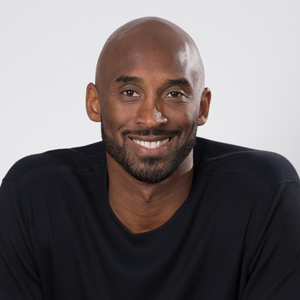
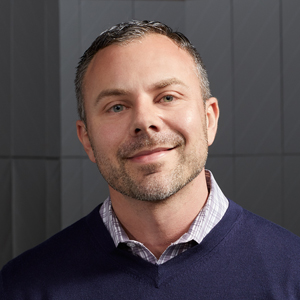
[00:01:01] Ray Latif: Hey everyone, I'm BevNET Managing Editor Ray Latif, and you're listening to the Top Podcast for the food and beverage industry, Taste Radio. This is episode 137, which features an interview with NBA legend Kobe Bryant, who discussed his role and investment in fast-growing sports drink brand BodyArmor. Later in the show, we're joined by BodyArmor's VP of Marketing, Michael Fedele, who spoke about the company's approach to working with professional athletes. Tune in on Friday, November 15th for episode eight of Taste Radio Insider, which features an interview with Hugh Thomas and Joe Ben, the founders of sparkling water brand Ugly Drinks. Just a reminder to our listeners, if you like what you hear on Taste Radio, please share the podcast with friends and colleagues. And of course, we'd love it if you would rate us on iTunes. A five-time NBA champion and 18-time All-Star, Kobe Bryant is without a doubt one of the best basketball players of all time. His prowess as an investor is proving to be just as special, having seen his stake in BodyArmor reportedly grow from $6 million in 2014 to $200 million this year, following Coke's investment in the sports drink brand. The ballooning value of his equity in the company is, for certain, a big win for Kobe. Yet, he isn't running any victory laps. Why? Because BodyArmor, despite its impressive growth, hasn't yet reached its ultimate goal of becoming the number one sports drink on the market. It's that hunger and ambition to be the best that, as it did in his NBA career, continues to drive Kobe, who has an active role in BodyArmor's marketing strategy. I sat down with Kobe at the 2018 National Association of Convenience Stores Show for a brief interview that explores his work with the brand and how he's leveraged his experience in the NBA to support BodyArmor's development. Later in this episode, I'm joined by BodyArmor's VP of Marketing, Michael Fedele, who in a call discussed the company's relationship with its athlete partners and how it incorporates them into its advertising initiatives. He also spoke about how the company quantifies the value of these partnerships and those with fast-growing sports and lifestyle platforms like the UFC and Spartan Race. than Kobe Bryant. Kobe, thank you so much for being with me. You got it, man. How you doing? I'm doing pretty good. It's been a year since we last talked. Last year here at the NACS show, you and I did a video interview in the front of the body armor booth. It was pretty chaotic, pretty electrifying, pretty fun. But we're now here in the back of the BodyArmor booth in a nice little office. It's quieter.
[00:03:40] Kobe Bryant: We can afford one now. What's that? We can afford one now.
[00:03:43] Ray Latif: You can afford one right now. So true. I mean, a lot's happened over the past year. Yeah. A couple of months ago, Coke announced it would make a minority investment in the company and become BodyArmor's chief distribution partner. And it was reported that your initial stake in the company was $6 million and is now worth $200 million. So congratulations on that if the numbers are accurate. And it's interesting to me because some would call that a successful investment. And you're known as being a very ambitious person in anything you do. So how do you define success? How do you manage expectations for your investment in body armor and your investments in other brands?
[00:04:28] Kobe Bryant: Well, for us, it's about the brand itself. It's about what is it that we're actually investing in. In this case, the product, body armor. Our goal is to make it the best product in the market. We feel that we've done that. Now, what's successful? Mike and I had a crazy dream of having the number one sports drink in the world. So that's what success looks like to us. So doing the minority acquisition, we're very excited. We're all happy. For the people that have been working, night and day for us. It's a great day for them as well. But at the same time, to a man, we were all very focused on what comes next. It's a certain seriousness and a certain focus that we have, where it's like, okay, now this has happened. Now we have to really kick it into another level and let's go to another gear and accomplish our goal of becoming the number one sports drink. And we are dead set on that.
[00:05:19] Ray Latif: And it's interesting because you've made no bones about taking on Gatorade. You have put a target on their back and you'll stop at nothing until you're number one. But how realistic is that? I mean, you know, what is it going to take for you guys to actually get there?
[00:05:32] Kobe Bryant: Oh, it's just constant focus. Constant focus on products, constant focus on innovation. Making sure we are very patient, our distribution strategy over the years, and we've mapped it out. So we have a very solid plan. And being focused and being disciplined on that, I think we'll get there.
[00:05:49] Ray Latif: Now, I mentioned you have other investments in other companies. When it comes to food and beverage, how do you evaluate new opportunities to invest? What do you consider? What factors do you take into account?
[00:05:59] Kobe Bryant: I tend to keep things pretty simple. I first and foremost look at the product, whether it's a body armor case, does the product taste good? What are the attributes of the product? And secondly, I look at the entrepreneur. This is an entrepreneur who has done it before, they have experience in doing it. Do they really truly have a passion for the product, for the category? And then thirdly, I look at kind of the barriers to entry of the product. You know, for body armor, it's a rare bird because it's such an expensive industry to get into in the sports drink category. I mean, people look at you like you're absolutely crazy when you say you're going to do this thing, right? Because it costs so much. And then you look at the price point that we had, right? Being a premium sports drink, you're sitting at a price point that nobody else is swimming in. That's a lane nobody else is swimming in. Say, OK, I like that, too. And then is this a product in a category that I understand? that I can contribute to. I can contribute and add value to. So those are the factors I look at in all things that I invest in.
[00:06:58] Ray Latif: There's a lot of entrepreneurs out there that would want to align with a Kobe Bryant, align with a professional athlete. What's the best way to approach someone like you?
[00:07:07] Kobe Bryant: Well, come with your idea, come with your product, and I'll look at the product, but I'll also look at you as a person and spend time with you and get to know you. You know, if you have the internal fortitude to see your idea all the way through, if you have a plan, a very detailed plan, that's something I can align myself with. You know, when Mike Repole came to me and we were talking about body armor, and he warned me, he said, listen, you could lose all your money. I said, oh yeah, show me. And he proceeds to break out his charts where he had every single year mapped out. And not only the year and what we should be doing, what we will be doing three, four, five years from now, but also month to month, week to week. Man, it's obsessive stuff. Sure. Right? So when I look at all those numbers, I'm saying this guy has thought this thing all the way through, from soup to nuts. That's somebody that you want to give your money to. Because you understand, things may not always go according to plan, but you know you have a plan. And then when things don't go according to plan, you can pivot from that plan. But I got to say, to Mike's point, man, this guy, he's been spot on. month to month, year to year, with every single one of the predictions he gave me when we first sat down. He was off by one, actually. Last year, he underestimated how much we were going to be selling.
[00:08:35] Ray Latif: Mike's a really smart guy. He's got that mama mentality, right?
[00:08:38] Kobe Bryant: Yeah. Well, no, it's obsessive. Yeah. Right? It's like, no, I really care about this. And not only him, but it trickles all the way down to the company. Yeah. And we all have that same mindset.
[00:08:49] Ray Latif: Fantastic. Kobe, really appreciate the time. Thank you so much. Congratulations on everything with Body Armor. Hope to talk to you again really soon.
[00:08:55] Kobe Bryant: Appreciate it, man. You're very welcome.
[00:08:56] Ray Latif: All right. All right, from Kobe to Michael Fedele, who's the VP of Marketing for Body Armor. Michael, thank you so much for being with me.
[00:09:07] Darren Rovell: Thank you, Ray. It's an honor and a privilege to be a guest on the show.
[00:09:11] Ray Latif: That's a really ringing endorsement. I appreciate you saying an honor and a privilege. It's so great to talk to you. You and I have known each other for a while now, and with the amazing things that are going on with Body Armor, I really wanted to talk to the man behind the marketing, so to speak. Along with Mr. Bryant himself, the roster that you guys have of professional athletes is truly impressive. How do you evaluate potential endorsers or partners?
[00:09:38] Darren Rovell: Yeah, for sure. I mean, before I even jump into that, Ray, you know, I just want to, you know, first off, just mention, obviously, Kobe's been a tremendous asset to our brand. I mean, it's important to note that his role here at Body Armor, he's been an investor since late 2013. And, you know, he's obviously very involved, you know, more so on the back end from a business and marketing standpoint. than even as a consumer facing endorser or partner. And you know we've collaborated with him on the sales and marketing side on multiple projects and initiatives from helping concept and write and direct multiple advertising campaigns to taking part in some some customer distributor meetings over the years. Obviously you had a chance to sit down with him at Max and he's been a great asset and he's got a very different role in some of our other partners and endorsers. You know, specific to those partners, you know, the strategic evaluation itself definitely varies. You know, we're fortunate enough to work with some of the best athletes in the business, from, you know, basketball's MVP, James Harden, to the most dynamic player, I'd say, in baseball, Mike Trout and, you know, Skylar Diggins-Smith, Megan Rapinoe, Dustin Johnson, many more. You know, beyond those specific individual athletes, I'd say we've got some tremendous partnerships as well with UFC and, you know, Team Penske, as well as being the official sports rank of Ryan Blaney's number 12 car in the Spartan Race. So we've got an abundance of riches and they all kind of play different strategic roles depending on who the partner is. I'd say the strategic rationale at the time either is or was or can be very different. We could have wanted to tap into a specific sports fan base and that's why we partnered with a specific athlete. We could have wanted to focus on a partner for a specific region or geography over time to, you know, prioritize that geography as one that we wanted to, make an impact with body armor. So, you know, the strategies remain for us to continue to define ourselves as, you know, the next generation sports drink and we'll continue to align ourselves with the current slash, you know, future superstars in any sport. We'll continue to ascend in their careers just as, you know, body armor continues to ascend throughout the sports drink category.
[00:11:32] Ray Latif: you forgot to mention, or maybe you were waiting for me to mention the likely MVP of major league baseball, Mookie Betts, who's a beloved figure here in the Boston area, but with someone like Mookie, I mean, how did you know ahead of time? Because, you know, he was always a great player, you know, since he came into the league, but you know, how did you identify him as one of the guys that could be an MVP, a potential superstar in the sport, even well before he was one.
[00:11:57] Darren Rovell: Yeah, I mean, listen, you talk to folks that are getting their businesses off the ground and entrepreneurs every single day, especially here in the beverage space. And like anything else, you know, you take risk with certain guys, you know, specific to, you know, Mike Trout, for instance, and we just referenced him quickly again, you know, Body Armor had the opportunity to partner with him very early in his career. you know, 2012 when he was, uh, you know, two months into, into the majors, you know, Dustin Johnson, we partnered with, you know, I think he was ranked 15th in the world, uh, when we partnered with Dustin and ultimately, you know, ended up being the number one golfer in the world and a great ambassador for our brand. And, you know, Mookie specifically, you know, very similar, you kind of look at, the opportunity and the trajectory. We sit down with all of our partners, you know, prior to them getting on board. And, you know, we all learn a little bit about each other. They want to learn about body armor ultimately at the core. They're fans of the product. So, you know, that entices them and draws them in first. They've been looking for a better for you sports drink. They wonder why, you know, why am I forced to drink this 50-year-old formula on the sidelines or in the dugout? So when they learn about body armor and try the product, you know, it helps them perform on the field. They become immediate fans. We have the opportunity to sit down and learn more. And when we met with Mookie, again, he had a very successful year in the majors behind him. And he's just an incredibly focused guy and, you know, certainly on a mission to be the best at his craft. And again, we identified that as body armor, again, wanting to continue to ascend in the sports strength space. And it just was a natural fit with a guy like Mookie.
[00:13:19] Ray Latif: a majority of your athlete partners are basketball players. In addition to James Harden, who you mentioned, you've got Chris steps, Porzingis from the New York Knicks. You've got clay Thompson from the golden state warriors. It's funny to, to, to think about clan, to talk about him. Anytime I see him up at a press conference, he's always knocking the Gatorade bottle off the, off the table. And he's a big supporter of your brand in so many ways, but you know, do you see the NBA in particular as the best opportunity for attracting consumer interest among the four major sports?
[00:13:48] Darren Rovell: Yeah, sure. I mean, listen, I don't believe that any one sport is necessarily, quote unquote, better than another in attracting consumer interest. But, you know, specific to pro basketball, I mean, that league just simply does a phenomenal job at marketing their individual players. Right. In basketball, as we know, they have a massively growing audience. The game itself is incredibly exciting with literally nonstop action compared to some of the other major sports and, you know, they don't wear helmets during the game, so they have the opportunity to establish better facial recognition than many other sports. You know, each star's individual highlights are showcased on either digital outlets or, you know, SportsCenter every day and night. And also, if you think about each player, I mean, they all embrace social media and drive engagement via their own personal social media. And I think that's a very differentiating factor versus some of the other sports. And, you know, the league embraces that and encourages that amongst their players. you know, given all these factors, I think it's no surprise that basketball continues to grow rapidly. And, you know, beyond that, you look at a guy like James Harden and beyond being the most valuable player in the league and a phenom on the court, he is a brand himself, right? From his social media to his fashion, to his musical influence, to so much more. I mean, the guy transcends sports. He crosses over and influences culture and it's not forced. It's very real in court to who James Harden is. And by being himself, he brings body armor, sports drink along for the ride. And he's been a major partner and investor in our brand. But I think, listen, body armor has partnerships in basketball, baseball, football, soccer, golf, MMA. We'll continue to expand into many other sports as we attract more fans to the brand and tap into new fan bases because everybody is looking for a better for you sports drink.
[00:15:29] Jeffrey Klineman: We'll be right back with Michael Fedele after this short break.
[00:15:47] Ray Latif: It's often challenging for marketing executives to quantify return on investment. And, you know, when it comes to partnerships or endorsers, it seems like that would be even more challenging. You know, is there a way that you can quantify the value of endorsers, the value of these athletes that are aligned with your brand?
[00:16:09] Darren Rovell: Yeah, I mean, I think it varies by athlete or property, but we look at a number of different ways to assess and, you know, some are more quantitative and some more qualitative. You know, bringing BodyArmor's partnerships to life via retail is a huge initiative for us. Obviously, we have measurement mechanisms in place, you know, specific to velocity or promotions via pricing that are taking place to coincide with that. you know, monitoring share visual inventory or measuring average cases on display, you know, is another metric, you know, depending on the time period. So I think that's a big way that we can measure success on the body armor side. And I think, you know, marketers just need to realize that, you know, at retail, these marketing programs, you know, our tool to get tremendous retail display space and not always measure success of a program by, you know, quote unquote, total number of text to win entries, right? We're all in the business of selling cases. And, you know, if you can drive consumer engagement along the way, you should. It should most certainly be a priority, but not a brand's number one priority. It's sales and marketing working collaboratively together. I give major kudos to our head of sales, Frank Manning, and the body armor sales team. They recognize the importance of our marketing efforts. We collaborate nonstop to bring value to retailers across the country on behalf of the body armor brand. We assess our partnerships on an ongoing basis. almost literally in real time. I mean, with social media, again, you know, every single day you can look and, you know, see what's working, what's not working, what you can do better. And specific to these athlete partnerships, we monitor the conversation around our partners daily. And whether it's, you know, BodyArmor launching our thanks ad campaign, which is written by Kobe that featured, you know, Harvin and Mike Trout and others, or it's, you know, Mookie Betts, you know, your favorite player, who's a big partner and investor of BodyArmor winning a world championship and he had his body armor towel on at the championship parade or, you know, body armor launching a limited edition bottle around James Harden's MVP this past summer. I mean, we listen in real time to what consumers say about all that when we launch it. And from there, kind of adjust our approach or our brand voice accordingly. And I think if you harness the social media and utilize it not only as your external voice, but, you know, to also collect and harness information, you know, you can learn a whole lot and have that help drive a lot of your marketing initiatives.
[00:18:14] Ray Latif: So what's an example of you harnessing information on social media? Are you monitoring hashtags? Are you encouraging a conversation? What are some of the ways that you're communicating with consumers and picking up information about how they perceive and shop for body armor?
[00:18:29] Darren Rovell: For sure. I think it's a combination. Right. I think it's everything that you talk about earlier from monitoring hashtags to engaging in dialogue back and forth to being there. And I think many folks kind of utilize social media simply an output of information. It should be an ongoing dialogue. And for the body armor brand given that we have such engaged consumers people are genuinely fans of our brand. And you know we can look at these partnerships that we have and truly, you know, assess what kind of impact they're making, given the folks that we're reaching with them. So, you know, folks will hit us up after Ryan Blaney, you know, winning a big NASCAR race and, hey, just went to the store to celebrate, you know, Ryan Blaney's big victory and, you know, show a huge cart full full of body armor, things of that nature, or people sending us photos of Mookie Betts on the parade or out with his body armor towel. Oh my god, Mookie's got a towel. So again, they're enthusiastic. And when they play it back to us, we know when those initiatives and we know that our brand is working.
[00:19:25] Ray Latif: So you mentioned recent partnerships with UFC and with Spartan Race, which are two pretty interesting and growing sports properties. You know, you and I talked last year at the NACS show about the UFC partnership and why that is so meaningful to body armor. What makes the relationship and what makes the partnership with Spartan Race such an attractive one to the brand?
[00:19:50] Darren Rovell: Sure. I mean, Spartan, those guys do a phenomenal job at tapping into, you know, the active adult weekend warrior, you know, audience. I mean, the folks that take part in that, I mean, kudos to all them for all the hard work they do to prepare and, you know, for body armor, you know, we're a natural part of that journey, right? as folks are training, as folks are getting ready, they need superior hydration. And that's where BodyArmor can and does come into play for those participants. So it's a natural organic fit. And when you think about the BodyArmor platforms, right, we've got BodyArmor Sports Drink, you know, which we launched in 2012 and founded the brand upon, but we also introduced BodyArmor Light, you know, low calorie naturally sweetened sports drink at the top of 2017, as well as BodyArmor Sport Water, you know, with sport performance pH plus electrolytes. So when you think about, you know, active adults and the folks that are attending these Spartan Race, they want the hydration, but they may not necessarily want, you know, the calories and the sugar. So body armor light and body armor water are huge plays for us in reaching that active adult audience. So, you know, that partnership specifically with Spartan Race made a ton of sense for us. You know, you referenced UFC as well, and I think for both Spartan, UFC, even Team Penske in the racing space, It's about attracting new fans, right? Tapping into new fan bases and driving awareness of body armor. And, you know, all these guys have different audiences, but if you think about the folks that are fans of it, the majority of them still haven't probably heard of the body armor brand and are better for you sports drink propositions. So, you know, if you open up, for instance, you know, a sports business journal and read about the business of NASCAR, you may read about, you know, lower viewership numbers and, you know, people shifting away from the sport, not watching as much. But for Body Armor, there's still millions of fans there within that fan base. And for us, a brand that's still looking to grow awareness, we've got very different objectives than some more established brands that are household names that may have played in the space in the past. So for us, with more limited awareness as of right now, every new fan that we touch with the Body Armor brand, there's a potential new consumer looking for a better for you sports drink. So all of these have, you know, sound strategic rationale as to why we work with them. And we're going to continue to expand this list of big national partners as we go into 2019.
[00:21:56] Ray Latif: Perhaps the most well-known household brand and household name in your category is Gatorade and Body Armor has put a target on Gatorade's back and makes no bones about wanting to be the number one sports drink brand on the market. I can't imagine the pressure that puts on the sales and marketing team, but you know, does it make it easier to focus when you have that singular, albeit highly ambitious goal?
[00:22:21] Darren Rovell: Yeah, I mean, listen, the pressure and the focus, I'd say that, you know, we built a team at BodyArmor, whether it's, you know, sales with Frank Manning or our marketing team with one of my partners, Matt DeZamba, you know, operations led by John Kamis, finance led by our CFO, Tom Hadley, field and corporate strategy with Brian Kamis and Jason Camillos. We've got a team that strives under pressure. We're proud of it. You know, as you know, and you know, you have Mike Repole on the podcast, you know, he has this saying, think big and, and dream bigger. And we've all worked closely and with ourselves as a senior team, as well as our respective teams for the last six plus years, you know, gunning for that number one spot. So our goal of being the number one sports drink may seem outlandish to some, but you know, not to anyone here at body armor, you know, certainly not to the Coca-Cola Company to industry experts. We've tracked the Brad Avery time and, You know, we're focused and determined to make history. And, you know, I think we've proven that consumers are looking for a better for you sports drink option. And, you know, no other sports drink aside from the one you named as well as another have been launched and been a one share in the category. for body armor. And we're proud that we're closing 2018 with major momentum. We're pushing an eight share nationally in all channels the last four weeks. We're up triple digits. We've got a strong, extremely strong sales and marketing plan that I'm extremely excited about locked and loaded for 2019. And now we're on Coca-Cola trucks in 90% of the country. So for what it's worth, we're ready to go to war and certainly determined and focused on being that number one global sports drink.
[00:23:48] Ray Latif: you've got battles for sure to win, to get to that overarching mission that you have of being the number one sports drink brand, you know, and battles are often short term. So how do you align some of the short term goals and the marketing strategy with that overarching mission?
[00:24:05] Darren Rovell: Yeah, sure. I mean, listen, we're, we're most concerned with, uh, you know, our path and how body armor goes to market. And, you know, we'd be remiss if we didn't pay attention to other products and other categories. you know well beyond what's going on in beverage space when we craft our marketing strategy right. So I'd say that our team you know really does have a forward looking vision. But we set out and craft a plan in terms of step by step what it takes to get there. And you know under the leadership of Mike Repole he's really encouraged the team to think differently about how we go to market. And you know for what it's worth that's allowed us to win today in the marketplace. So you know thinking in an innovative manner in terms of what's different, how do we continue to be a challenger brand and be more scrappy, yet create breakthrough marketing programming and make sure that we're earning the space at retail given the velocities that we're driving. I think it's all kind of a perfect storm when you think about it, but there is no magic recipe in terms of how it comes about. a combination of thinking through kind of the short-term strategies in terms of, all right, what do we need to do to the blocking and tackling over the next couple of weeks and months? And how does that help us get to that longer-term strategy and accomplish those larger goals?
[00:25:13] Ray Latif: body armor wasn't always as big as it is right now. So, I mean, in terms of sales, annual sales for 2018, can you share that number with me? I just, just for context sake.
[00:25:22] Darren Rovell: Yeah. I mean, listen, anybody who's got the IRI number that you guys published them, you know, specifically in, uh, in BevNET in every couple of issues, but, uh, you know, body armors, uh, closing in over the last 52 weeks of, you know, $350 million in measured sales, which we're incredibly proud of. But to your point, it took quite a while to get there, you know, from the launch in late 2011 to 2012, and didn't turn this into a national brand until 2015, 2016. So, you know, it certainly takes time to build distribution, you know, and get on shelves in all stores and figure out exactly what distributors you're going to be working with. And on the marketing side, I think it's incredibly important for the marketing to complement that expansion what I'll say, at least in body armor's case, slowly, but surely.
[00:26:04] Ray Latif: Michael, this has been really fantastic. And thank you so much. I really appreciate you taking the time. Just one more question. You know, someone can look from the outside and say, well, look at body armor. They're doing so well. They have a $350 million in annual sales. They have an 8% share of the category. They've got Kobe Bryant. They just did a big deal with Coca-Cola. I'm sure it wasn't always smooth sailing and people as much as they want to hear about the successes in our business, you know, the struggles are just as important to hear about. And I'm curious as to what the most challenging part of your career was, or maybe the most challenging episode of your career at body armor and how you overcame it.
[00:26:44] Darren Rovell: Yeah, without a doubt. So, I mean, uh, you know, I'd probably go back to the same time. That was the most challenging time that we had kind of as a brand. 2012 to 2014. I was new to Body Armor. I came over from the Coca-Cola Company I worked on Powerade and worked on Vitamin Water. For the first couple of years here at Body Armor, the brand truly wasn't connecting, put simply. It was because of a number of different reasons, given how we were positioned, our formulation, our pricing, our packaging, again, a host of different reasons. I was fortunate enough to be part of the team that was able to help course correct and overcome it by literally collaboration and teamwork was probably the two specific ways that we collectively did that. You can ask, my wife Vanessa of 10 years as of today, which I'm very excited about and proud of.
[00:27:32] Ray Latif: Congratulations.
[00:27:33] Darren Rovell: Thank you. Thank you. Now you can ask her, but it's, you know, it was, you know, two, three, 4am nights in the office with, with Rapoli, with Brian Kamis, Frank Manning, you know, that that's what we did weekly all the time and truly assessing, you know, what's working for the brand, what was not working for the brand, what we could collectively do better on the sales side, the marketing side, the distribution side. And, you know, I'd say that, you know, probably any entrepreneur listening can attest to this, that the, The beverage business is not an easy business. And just because folks have had some success in the past, you know, in the space doesn't necessarily immediately equate to overnight success if and when you want to try to do it again. So I think, listen, overanalyzing the situation is something that I've certainly learned from Rapoli and our team and how we collectively problem solve. And, you know, that's one thing that we never quit on was the brand and the ability to take it to the next level, believe in the vision, figure out what's working, how do we amplify it. you know, what needs course correcting and, you know, look forward to the future and put those plans in place and execute. So it's not easy. If it was, anybody would do it. But, you know, this body armor story, there's a lot left to be written and we're truly excited for 2019 and beyond.
[00:28:39] Ray Latif: Well, it takes a special team and it takes a bunch of people who are willing to give up sleep for a few years to do what you guys are doing. It sounds like anyway. Congratulations on everything that you've done.
[00:28:49] Darren Rovell: No, for sure. Ray, honestly, thank you again. Honor and privilege. Genuinely appreciate all the support that you and the folks at that net have, uh, have given us here at body armor and, uh, looking forward to working together with you guys for years to come. All great stuff. Thanks again.
[00:29:01] Ray Latif: Thank you very much, Michael. That brings us to the end of episode 137. Thank you for listening, and thanks to our guests, Kobe Bryant and Michael Fedele. You can catch both Taste Radio and Taste Radio Insider on Taste Radio, iTunes, Stitcher, Google Play, SoundCloud, and Spotify. As always, for questions, comments, ideas for future podcasts, please send us an email to askatasteradio.com. On behalf of the entire Taste Radio team, thank you for listening, and we'll talk to you next time.