[00:00:00] Jamie Danek: Hey Landis, remember that survey we sent to the community?
[00:00:13] Humm Kombucha: Did you read what the listeners said? Here's a quote. Taste Radio has thoughtful interviews which give me great insights into various aspects of running a food and beverage brand.
[00:00:22] Jamie Danek: Another listener said, I work at a natural food startup, and this is one of my most valuable hours of the week. Each week, I walk away with two to three ideas to test at work.
[00:00:30] Humm Kombucha: So the Taste Radio audience is looking for partners to help them formulate products, provide ingredients, design packages, can, pack, market, provide investment. I mean, they're looking for everything. So if you're out there listening, they're here.
[00:00:43] Jamie Danek: And to reach this engaged audience made up of over 65% brands who are ready to hear what you can do for them, contact ask at Taste Radio.com and ask about our new 4, 16, and 24 packs of pre-roll and mid-roll ads. And now, Taste Radio.
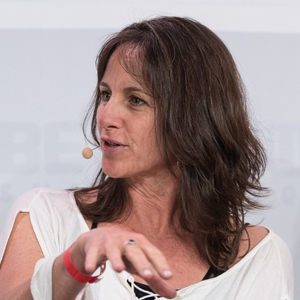
[00:01:01] Ray Latif: Hey everyone, I'm Ray Latif, and you're listening to the Top Podcast for the food and beverage industry, Taste Radio. This is episode 142, which features an interview with Jamie Danek, the co-founder and CEO of Humm Kombucha, who discussed her evolution as a leader amid the rapid growth of her brand. Tune in on Friday, December 21st for episode 13 of Taste Radio Insider, which features interviews with GT Dave, the founder and CEO of GT's Living Foods, and Karen Nation, the founder and CEO of Creation Nation, which was victorious in Nosh Live's Pitch Slam 5. Just a reminder to our listeners, if you like what you hear, please share the podcast with friends and colleagues, and of course, we'd love it if you could rate both Taste Radio and Taste Radio Insider on iTunes. It's taken several years and lots of practice, but Jamie Danek says that she's finally become a good listener. Danek admits that during her first few years as the CEO of Humm Kombucha, she was a talk-first leader, and as a result, struggled as a manager. She knew that for Humm to grow, she'd have to evolve from being what she describes as a solopreneur, who constantly put her voice ahead of others, into an attentive leader who listens carefully. Her efforts have paid off and supported the rapid rise of Hum, one of the top brands in the red-hot kombucha category, and whose sales more than doubled last year. In the following interview, I spoke with Danek about how she grew into the role of CEO and the steps she took to support her development. We also explore why launching the brand during a recession actually worked, incubating Humm within its hometown of Bend, Oregon, and why relationships were key to its landmark deal with Target, one that made Humm just the second kombucha brand to be sold coast to coast. Hey everyone, it's Ray, and I'm in the Taste Radio studio here at BevNET Live Winter 2018 in sunny Santa Monica, and I'm joined by Jamie Danek, the co-founder and CEO of Humm Kombucha. Jamie Danek you so much for being with me.
[00:03:01] Jamie Danek: How's it going, Ray?
[00:03:02] Ray Latif: It's going pretty good. It's a very busy day. There's over 800 and some odd people here at the show. Now we're here in the studio and there's a window to the pool outside of the hotel and a view of the beach. And Jamie, you said you're from the Pacific Northwest. You don't get a lot of opportunity to see the beach. Are you enjoying this?
[00:03:20] Jamie Danek: That's such a treat for me. I mean, I'm from Bend, which is four or five hours from the beach. Okay. So it's very rare. So it's a real treat for me. Plus it's sunny and gorgeous.
[00:03:27] Ray Latif: It is beautiful outside. And I thank you for sitting in this cold room with me to record this podcast interview. It's warm now, thank you. I turned up the heat just a little bit.
[00:03:35] Jamie Danek: Nice.
[00:03:36] Ray Latif: When you started Humkabucha, when you co-founded Humkabucha, what were you doing before that? I mean, what really led you to starting a beverage brand?
[00:03:46] Jamie Danek: Yeah, I had a technology consulting firm. So I was in the IT technology business and I basically placed consultants around the country and I'd done it for 15 years. And it was really good money and it just didn't fill me. And when I moved out to Bend, the stock market crashed and my business also crashed. So it had been my third rebuild in 15 years and I just didn't have the heart to do it anymore. So I decided not to. and then just wanted to figure out what was next. I had just moved to Bend, and I had no idea what I was going to do. And I happened to meet a girl on a tennis court. We became fast friends. And we were talking about starting a business, about taking care of the world, a business that just, people were just kind of bummed. It was a hard time, right? It was a recession. It was 2008. Ben got hit pretty hard. And we were just laughing and stoked all the time. And we were drinking Humm Kombucha. And we thought that maybe it was Humm Kombucha that was making us feel so good. And so that led to, grabbed really a Prius and a couple of gallon glass jars and started this, you know, the milkman delivery service of the 2008s, 9s. But the company was always about taking care of people. Michelle's passion was she hated her job.
[00:04:53] Ray Latif: Michelle, your co-founder.
[00:04:54] Jamie Danek: Michelle's co-founder, yeah. She never had a job that she loved and she talked about how much time we spend at work and that you should really love what you do because it's a lot of your life. And then I talked about just this idea of feeling good all the time and just spreading joy and just that was what it was all about. So for us, it was really about helping people feel better. Hum is all about helping people feel better and it just so happens it was with Humm Kombucha.
[00:05:20] Ray Latif: Why'd you move to Bend?
[00:05:22] Jamie Danek: An outward bound school for one of my kids actually. We got into a lottery for a charter school. They accept like 20 kids out of hundreds or thousands and we got accepted. So we figured to give it a try for a year.
[00:05:32] Ray Latif: You told me before we jumped on the mic that you're from Philly.
[00:05:35] Jamie Danek: I'm originally from Philadelphia.
[00:05:36] Ray Latif: And Bend, very different city, yes?
[00:05:39] Jamie Danek: Very different. But I belong in Bend and Philadelphia is a bit of a fish out of water. So I grew up like really being like, I felt like I was dropped off on the wrong planet most days.
[00:05:49] Ray Latif: So in the years that you've lived in Bend, I mean, how has that really shaped you?
[00:05:53] Jamie Danek: Well, I'm a type A personality. I move pretty quick and I have my whole life. So I think it helps to slow me down a little bit and it helps me to just be a little bit more balanced. I think on the East coast, I was so intense and so moving so fast. It's kind of nice to slow down a little bit and not be moving so fast. You can just enjoy the moment versus just continuously moving.
[00:06:13] Ray Latif: It's funny, you don't come across as a type A person. I can tell you're focused, but there's like a lovingness to you that is so apparent. You hug everybody.
[00:06:21] Jamie Danek: It's true.
[00:06:21] Ray Latif: Yeah. Did that come from Ben or was it?
[00:06:23] Jamie Danek: I was hugging everyone when I was a type A on the East Coast as well. I was one of those odd ones that went to the banks and hugged all the people that I worked with, even the senior VPs. Yeah, no, I think it's living in Oregon. I seriously, I think it's the, you become, I'm a product of my environment always. You always are who you are inside, but who you surround yourself with and the time you spend really is how you end up being. That's been my experience. So it's slowed me down quite a bit, but it's not slow in a bad way. It's just slow of just kind of taking things in, maybe listening a little bit more, maybe just have a little bit more patience. It's been very positive.
[00:06:57] Ray Latif: Yeah, I mean, it's interesting, too, because over the past few years, Bend has become kind of a hub for entrepreneurial businesses and beverage companies, in fact, you know, Deschutes, Hum, Brew Doctor. I mean, these are all pretty successful businesses at this point. What made the environment right for entrepreneurship?
[00:07:16] Jamie Danek: I think it's been ranked top 10 places to start a business in Forbes for the last handful of years. I think it has a lot to do with it's a community of people that you have to really want to live in Bend. It's in the middle of nowhere. There's 100,000 people. There's no industry really other than the tourism. and craft beer. And you have to really want to live there. It's hard to live there. It's hard to earn a living. It's expensive. So I think you're surrounded by people that like love where they live. It's sunny almost every day. You can be outside all the time. So you have people that really live the outdoor lifestyle that you live in sunshine. You're surrounded by people that really love where they live and they're pretty stoked. And so I think you have that, and then you have an influx of money and retired people and wealth coming in from California that are retired, but they're smart, they have a lot to offer, but they're not really doing anything. So you have the combination of this amazing community with people that love where they live and then you have this influx of money and expertise and I just think it's a melting pot for really coming up with crazy ideas. And then I think a key part of it is the community really supports local. So they really wrap their arms around whatever is being made in the community and they buy it and they support it.
[00:08:28] Ray Latif: That's huge. And so did that make the timing right to launch Hum, the fact that you had this captive audience of consumers that were going to buy your products and embrace your brand?
[00:08:38] Jamie Danek: Well, I'm laughing because it was the middle of the recession. It was the worst time to start a business. I mean, no.
[00:08:44] Ray Latif: To answer your question, no.
[00:08:46] Jamie Danek: But if you're in the business of helping people feel better and you're in the business of taking care of the world, it's the middle of a recession, everybody wants to feel better and everybody wants to be taken care of. So in that sense, we were exactly in the right place at the right time. And there was this fusion in Bend of... these entrepreneurs, this is crazy idea. I mean, you have to have a good idea, but everybody does. You have to be able to execute, which is the harder part, but then somebody has to buy your product. And I think to go back to that idea that Ben just kind of wrapped their arms around us, these entrepreneurs had a cool idea, and then the community kind of wrapped their arms around us, and then everything flourished. You know, now we have over 100 people. We've got, I don't know, millions of dollars in payroll that we put back into the community, and it's a success story for everyone. It's really successful for everyone.
[00:09:31] Ray Latif: Now the brand wasn't always called Humm Kombucha. Originally it was called Kombucha Mama. And you were running the company. You were the company's CEO. When it became Hum, you turned over the reins to another CEO. And then you came back into the role. Why'd you come back? And what have you learned about leadership since retaking that job?
[00:09:53] Jamie Danek: Well, I was forced to go back, and I'm half teasing. I was really the only person that could do it. They dubbed me the reluctant CEO. I didn't want the responsibility. I had done it for years before, and it just wasn't what I wanted to do. Now, Michelle had had small kids, so she got pregnant literally within the first six months of the business, so she was always part-time. So that wasn't an option. She wasn't interested. When I was running the company when it was Kombucha Mama and there were a handful of people there, the CEO that we brought in, he wasn't it then, he said to me one day, listen, you should never ever talk to another staff at Kombucha Mama. And I'm like, what? Like I was floored by this. And he said, and I knew what he meant. I mean, literally, if there was an award for the worst manager on the planet, I mean, I would have won. I mean, I didn't listen to people. I was doing things. I could do it better myself. By the time I got done explaining, I could have got it done 10 times. I wasn't consistent. I was all over the place. Nobody could follow. It was just really brutal. So I think coming back into it, I was pretty nervous just because management is not my thing. I've been a solopreneur my whole life.
[00:10:56] Ray Latif: A solopreneur.
[00:10:57] Jamie Danek: Is that a word?
[00:10:57] Ray Latif: I think you just invented it.
[00:10:59] Jamie Danek: Okay, good. A solopreneur is somebody that is an entrepreneur, but only as one person, like they don't have staff, they don't manage other people. So I've had many businesses throughout my life, and I've been the only person in the business. And I never had really jobs, so I didn't have anybody teaching me how to manage. I had no skills whatsoever. And I think one of the biggest things I learned was what I heard over and over is you don't listen. I don't feel like I'm being heard, you don't listen, like there was like a broken record. And I think for me, Every year I'm working on something, so I worked on listening. I said, all right, well, I'm going to work on listening. And then I'd be done with that year, and I'd work on listening again for another year. And then I'd be done with that year, and I'd work on listening again. It was four years. And this is something that really doesn't come natural to me. It was four years before people started saying to me, wow, you're a really good listener. Wow, I really felt heard. So I think that number one thing for me is something that really didn't come naturally. I had to work really, really hard at it. And now I'd say I'm a pretty good listener. I think it's something I'll work on for my life, just because it's a skill that is not an innate skill for me. But listening, I think, is the number one thing that you can do as a CEO or a leader, is listening to your staff, listening to your partners, listening to your investors, just listening, just zipping it and just listening.
[00:12:09] Ray Latif: How do you become a better listener? I mean, is it just not talking and really focusing on what the other person is saying? I mean, what is it that made you become a better listener?
[00:12:19] Jamie Danek: Yeah, stop talking, seriously. I would have to sit there and just zip it and not say a word. And just sometimes I'd be like on the edge of my seat, like dying to get two cents. It was just practice. You know, it's like Malcolm Gladwell is 10,000. You can get great at anything if you do it over and over and over again. And no wonder I wasn't good. I not only didn't have any practice, I'd never even seen it done. So it was practice a lot and a lot. And it took a long time, four years is a long time to practice one skill.
[00:12:44] Ray Latif: So you mentioned your co-founder, Michelle Mitchell. What made you the right person for a CEO and her the right person for, what's her title again?
[00:12:52] Jamie Danek: Chief Cultural Angel.
[00:12:54] Ray Latif: Chief Cultural Angel, CCA.
[00:12:56] Jamie Danek: CCA. If you met Michelle, you'd know she's got these curly blonde hair. She kind of bounces around. She's like an angel. She just like floats around and She wasn't in the business full time. It was not even a starter. So Michelle's, all she's ever wanted to do is create a place where people love to go to work every day. She is staff centric. She is internally focused. When we were going to go national, she said, I said, what do you want to do? She goes, I don't care. I don't care if we're in one story. I don't care if we're in a thousand stores. I just want to make sure that people that work at home are happy. So it was really, really easy for us to go, I cared that we were in more than one store, which is good for the business. And she really cares internally about the staff. So it's just been a natural, easy way for us to split up what needed to be done.
[00:13:39] Ray Latif: By the way, why'd you change your name from Kombucha Mama to Hum?
[00:13:42] Jamie Danek: Humm Kombucha Mama was about two women and it was a story of this nurturing and it was just about us. And hum is a much more of a collective. Hum is about, it's about a group of people. It's about a community. It's about taking care. Um, and it's much more than Michelle and myself.
[00:13:58] Ray Latif: Is there a meaning to the name?
[00:14:00] Jamie Danek: Uh, you hum when you're happy.
[00:14:01] Ray Latif: Okay.
[00:14:02] Jamie Danek: I mean, not really. I mean, it's a four letter word. It's easy to say. It's you smile when you hum. Anybody that's humming is smiling. Again, if you go back to, it's all about feeling good and taking good care, it kind of fits.
[00:14:15] Ray Latif: You mentioned going national and you were one of the first kombucha brands outside of JT's to go national. That deal with Target really puts you on the map. How'd you lay the foundation for that kind of deal? You know, what was that relationship like? How did you nurture it?
[00:14:30] Jamie Danek: Well, the relationship was like they were amazing, really liked us and they kind of held our hand because we didn't know what we were doing. We had never launched a national retailer before. So I think a lot of people have talked about it this morning. It's about partnering with a retailer and what do they need and how do you make their life easier? and then working toward making that happen. You know, I think that they said our launch was one of the smoothest launches they've ever had. And for us, it was, we bent over backwards to make sure that we had every deadline and we did everything just the way they wanted it to prove that if they were going to take a chance on us, that we really had the backbone to be able to step up and get it done. And it wasn't just Target, it was Costco and it was Walmart and it was all these stores that just really are interested in these smaller brands and interested in something different. A lot of them really help you. They help you along the way. Not all of them. I won't mention all of them because they all don't help you along the way. But the ones that do it's really you forge and then you you want to do whatever you can to make them successful because they're taking a chance on you.
[00:15:29] Ray Latif: Can you tell me about an experience you had with a retailer that was a major turning point in the brand and you know how you made it work?
[00:15:36] Jamie Danek: So it was with Natural Grocers and we were in two stores and we changed distributors. We were all beer distributors at the time. I think we were the only kombucha company that was doing this. So we changed from a beer distributor to a Pepsi distributor. And Natural Grocers called flipping out. They were like, you can't change distributors in a day. Like we literally said, hey, tomorrow we're gonna have a new distributor. And Natural Grocers, you know, they have loads of stores. We were maybe in 10 stores at the time. I don't even know if we were in that many. And they were furious because it takes them 30 days. Like they need 30 days notice. And what kind of a brand just tells somebody the next day that they're going to change distributors? But we were in all these mom and pop shops. We weren't in like any national chains. We felt so bad and they were furious. And they said, Pepsi, we do not take anything off of Pepsi's trucks. And this is not, they are not our partners and this is not going to work for us. So very hum style. It's all about, you know, taking care of the world. And we sent a note and said, Hey, super, super sorry. You know, we're new at this. We're doing the best we can. We'd love your help, but we see you're super pissed at us. So at least, you know, enjoy a case of kombucha on us.
[00:16:40] Ray Latif: And who'd you send the case of kombucha to?
[00:16:42] Jamie Danek: I think her name was Deb.
[00:16:46] Ray Latif: Was she the national buyer?
[00:16:48] Jamie Danek: She wasn't the buyer. She was maybe the assistant or she was someone that coordinated the distributors. She was someone that had authority enough to be really pissed off. And she calls us up and she says, wow, this tastes a lot different than the rest of the kombuchas. We love it and we want it in all our stores. How do we get this done? And I'm like, well, get the Pepsi distributor, like distribute it. And they're like, I think we might make an exception this time. And then we went to visit and what happened was the whole team, especially the buyer, Lee Payone, she was amazing. And we went to the whole team and they were completely hooked on the product. It was at that time, hum was very, very different than most of the kombuchas on the market and they just wanted it everywhere. And so they helped us, they held our hand, they helped us get into UNFI, they helped us like understand how distribution works and kind of get away from the Pepsi model that was really, they were having a hard time with.
[00:17:38] Ray Latif: From a business perspective, there's, hey, we want your product because we think it's going to sell well in our stores. But then there's another, hey, we're going to take a chance on your product because it tastes good and I really like you. You know, which side has really yielded more rewards for you? Has it been the fact that we're going to make you more money or is the fact that we like your product and we like you?
[00:17:58] Jamie Danek: Every time it's, we like your product, we like you. It's all about the relationship. If the relationship is good, and if it's really, really nurturing, and you think about anything, you think about staff, you think about partners, you think about my team, our investors, anybody, even you guys at BevNET, you know I'm giving everyone a hug. People, when they're treated really well and taken really well and they're taken care of, they'll do extraordinary things. When our staff at Hum is taken really extraordinarily taken care of, they will do extraordinary things. Extraordinary people do extraordinary things. Extraordinary people that work at extraordinary companies have a lot of success. So I think it's all about the people and their relationships. If your product's good, right, and we already know Hum tastes great, so that's just a given. And then these relationships create all of that.
[00:18:48] Ray Latif: Company culture is something that's got to be kind of difficult when, or maintaining company culture is going to be difficult when you're expanding so quickly and adding so many new employees. How do you keep everyone swimming in the same direction?
[00:19:00] Jamie Danek: It's a constant. I mean, we really work really hard at it. We have four core values that have never changed. We talk about them all the time. We use them in day-to-day decisions. And we have three pillars also. And everyone knows about what these core values are and what these pillars are. And the pillars, by the way, are the way for us to evaluate how we're doing as a company. And it's a way for us to really be able to go, hey, are we taking good care of you? And do you feel good about your experience here? And when that's a given and that's a yes, and even when it's not, even when we're not doing it, we can then go back and say, hey, Wait a sec, this isn't, you gave us a three out of 10. We need to fix this. This doesn't work for us. And this is in every, so this is in yearly reviews that we have these pillars and the core values, but also on a day to day basis, we talk about them all the time. So they're a living, breathing thing versus just being a plaque on a wall.
[00:19:45] Ray Latif: You're talking about reviews are a living, breathing thing.
[00:19:48] Jamie Danek: The core values and the pillars are a living breathing thing, but even in your review, like you can say, hey, here's the three pillars. Like the pillars are, you're worth more from the day you walk in to the day you leave. So we invest a lot in somebody's expertise and their experience. That your life is better from your experience working at home, whether it's you're a better snowboarder or a doctor or a mom, whatever it is that you do, your life is better from your experience. Well, if they give you a three out of 10, then wait a sec, what are we doing? Our HR director in her last review gave us a three out of 10 for life is better. And I'm like, wait a sec, what's up? And she goes, well, I get phone calls every night all through the night and I pick it up and it really disrupts my life. And I'm like, I sent out a memo the next day. Nobody's allowed to call Nancy past five o'clock. And she's like, you can do that. I'm like, we can do whatever we want. And then it literally overnight changed her experience.
[00:20:38] Ray Latif: That's amazing. Did that cause any disruption though in how the business was run?
[00:20:42] Jamie Danek: No, I mean, it's, you know, people, if you're not available, people figure it out.
[00:20:46] Ray Latif: Yeah.
[00:20:46] Jamie Danek: Or they'll wait until you are available.
[00:20:49] Ray Latif: I mentioned the company's growing fast. The category, Humm Kombucha category has been on fire as well, particularly in the last two years or so. How have you tried to keep up with demand and interest in this space? And at the same time, how do you run but not run too fast?
[00:21:06] Jamie Danek: Yeah, it's tricky because you're running fast all the time. There's not a lot of time for downtime and projections are projections and they're guesses and you do the best you can to hit them and sometimes you hit them and sometimes you don't. So it's a balance of supply and demand and you really try and keep them as even as you can. And when you don't and when you screw up, you've got to pivot and you've got to make decisions and you've got to act fast and you have to move versus just, oh my gosh, I just screwed up and then you just sit in it and that's just not going to get you anywhere. So even if you're not making the right decisions necessarily, making decisions and moving so that you can make changes when you realize that you're not going in the direction you need to be going is crucial.
[00:21:45] Humm Kombucha: BevNET Live and Nosh Live are both in early registration mode. Plan ahead and save. Visit bevnetlive.com and noshlive.com to get your tickets at the most budget-friendly price.
[00:21:59] Ray Latif: Now, as the category evolves, the consumer does as well. You're seeing so many new people come into this space drinking kombucha. What are you doing to maintain that interest? What are you doing to support newcomers to the category?
[00:22:11] Jamie Danek: Yeah, I think this is a fascinating one. So we're a small industry and we're not regulated as far as what's on the label necessarily.
[00:22:20] Ray Latif: This is something that's very true. This is very true, right?
[00:22:23] Jamie Danek: And there's this newcomer that has come into the category and it's called kombucha from concentrate and all the private label, I shouldn't say all. 98% or most of the private label kombuchas are made like this. A lot of the big players are made like this because kombucha is really hard to replicate in large quantities. So basically what they do is they have about a 10 to 12% kombucha and then they add water and juice and that's what they give you. And they can say it's live and raw and it's probiotic and it's all these things. but you're only getting 10% kombucha and the customer, there's no way for the customer to know. It's a fascinating proposition. I mean, you look at like these private labels and they're so much cheaper. Well, there's a reason why they're cheaper, but there's no, you don't have to label from concentrate. We're not orange juice yet. You know, you don't, it's not evolved in there yet. And so I think it's really interesting as the industry evolves, how we differentiate and how we, we let the consumer know as the consumer will care if they knew about it, In that hum, for example, is one of the 100%, it's a single strength, it's full kombucha, there's no concentrate and liquid added. And I think that perhaps because we're not regulated in this area of saying I'm from concentrate, one of the things that we've thought about is how do you do that? Because you don't want to be like everyone else, you don't want to just start making a concentrate if that's not what you believe in, right? This is a product that is really good for you, makes you feel good, it actually has probiotics and it not just makes you feel good like mentally and energetically, but it actually physically makes you feel good. And so one of the ways is just having conversations about it, right? And talking about how maybe on the label, when you see not from concentrate, that would help you as a consumer get that this product is a full product, a full strength product versus a concentrate product. I think it's a fascinating, that and the sugar issues and the labeling issues, of course, which I think are starting to move. They're getting better. I don't think we're quite there yet, but I think it's really, really important that we convey to the consumer what they're actually getting because nobody's monitoring it. regulating it so that you can pretty much say whatever you want to say.
[00:24:19] Ray Latif: What's your perspective on how to get the industry in line? What's your perspective on creating some continuity in what the category is doing?
[00:24:28] Jamie Danek: I think it's conversations like this. I think it's really making sure that people even know what to be asking. We've talked to the retailers and they really, a lot of them just don't really care if it's from Concentrate or not, because you don't have to label it. And they just want to make sure the label matches what's in the product. it's when the consumer comes and says, wait a second, I want it like this, that things will change. And I think the only way to do that is to keep having these conversations because if you just change who you are, it's integrity. I don't want to make Humm Kombucha from concentrate, even though it's probably way cheaper for me to do that. I'm sure it is. My cost of goods, you think about it, 10% kombucha, 90% water, that's way cheaper and way, way more financially, you know, but we want to stay true to who we are. We're making a live, raw, authentic product that makes you feel better. And so, I think the only way to do that is continuously having the conversation so that people understand. But now on on hum labels all say Humm Kombucha is never from concentrate.
[00:25:24] Ray Latif: Interesting. So the company is growing really fast. And you mentioned though projections are just that. They're in many ways guesses as to what demand is going to look like, what supply might look like. Can you give us an example of when you've had to pivot as a result of say projections being off?
[00:25:41] Jamie Danek: Yeah. And that was this year for us. And we've had triple digit growth since for the last 10 years. We also projected that for this year and that wasn't the case. And we still grew by many double digits and the company is still doing great, but it was really different than what we thought we were going to do versus what we did do. And so I think that just makes you where you have to make some hard decisions. You know, we built the company to be at a certain level and we had a lot of staff. And we didn't quite need all the staff based on the level that we were performing at versus where we thought we were going to be. And so there was a reorganization, if you will, of letting some staff go that made it so that we could be more efficient and more robust and get back to the scrap. I think one of the things was, one of the big learnings on this was the scrappiness And if you can keep scrappiness, no matter how big you get within your organization and don't get too soft, meaning that there's a lot of extra, I think it really keeps you on your toes and keeps you moving and shaking. And I think when something like this happens, this has been a pretty charm company. We haven't had many. I mean, listen, we've worked really hard. I'm not saying we haven't had hard times, but we haven't had any really big pitfalls. And this was a this was a doozy. And I think it just it gets you back. I mean, you are sharpening your pencil everywhere and you're looking at everything and you're more efficient and you then you take how you were four years ago and all the things you've learned today and you apply that to what you're doing. You just get better and stronger. And the other piece, too, is bringing in some professionals. Every company that does these growth spurts and grows to the tens of millions of dollars has to professionalize in some way. Having the entrepreneurs and a bunch of entrepreneurs just trying to build a large CPG company doesn't always work. You need to bring in some expertise to really help grow the business. And so that was kind of what happened this year.
[00:27:33] Ray Latif: Was the decision to make this pivot your decision? Did it come largely from you or is it something that, say, the board at HUM was asking for?
[00:27:43] Jamie Danek: Yeah, I think the board definitely looks at it and says, Hey, what are we going to do about this? And I think it's ultimately our decision. I mean, we, Michelle and I still own the business, we own the majority of the business. And so therefore, the beauty of that is we get to make the calls. And we looked at a lot of different ways of doing this. And honestly, when you look at the dollars and the cents, and you look at what's happening, you've got to make the call so that the business is successful, because that's the number one thing. We just all want to win. And when home wins, everyone wins. And so it was our call, a hundred percent.
[00:28:14] Ray Latif: Speaking of a board, you know, we've heard a lot of, I wouldn't say horror stories, but we've heard about some boards conflicting or some boards having some issues with the founders or the CEOs of companies. And a lot of it, you know, the CEOs or the founders might come back and say, Oh, I wish I wouldn't have that person on my board, or I wish I'd managed my board better. So how do you manage your board well?
[00:28:35] Jamie Danek: It's an art, honestly. I've been getting more advice over the years on how to manage a board. I actually let a handful of board members go last year and most of it had to do, we had nine people on our board. That's a massive amount of people to try to keep up to speed as to what's happening, especially as a company that's growing as fast as hum. It's really hard to keep everyone up to speed. I was spending like at least half of my time with board members and just getting people up to speed and sometimes- Half of your day?
[00:29:02] Ray Latif: Like a lot.
[00:29:03] Jamie Danek: A lot of time. All right, half's an exaggeration. I'm an exaggerator. I'll say like 20% of my time. It was a lot of time. And what I realized was I needed more expertise. So for us, it's all about CPG and expertise. So we changed our board a little bit and that really helped a lot. Through everything that happened this year, I was on the phone with every one of my old board members asking for advice, asking for guidance, asking what they would do because they know us super well. We've had such great luck with board members and also investors. We partner with people that are really interested in taking good care of the person across the table. I think, again, that leads to just really good decision making and even having a rough year. I mean, nobody ever called me up and said, this is what you have to do or you're fired or any of that. I guess they couldn't fire me because most of the company, but it's much more about a conversation. Well, what are your options? Just helping me walk through what the options are so I can make the best decision versus telling me what to do. And they've just been fantastic relationships, like so blessed.
[00:30:07] Ray Latif: One of the high profile investors in HUM is a company called VMG. We had Wayne Wu, who's a managing partner with VMG on the podcast a few months ago, and he really stressed the importance of building a community. If you're an entrepreneur, you want to sit down with folks, you want to meet folks early into your life cycle. What's been your approach to building that community to getting to know people early on so that in later stages of the company, they can be an asset to your brand?
[00:30:43] Jamie Danek: Yeah, I think we did it well with the board. They came on relatively early and so they were able to really learn about us and help us grow and they knew us really well. So it was easy to be able to talk to them about big decision making. I think that the hilarious thing is Wayne and A guy named John Marshall from VMG came to visit HUM only a handful of years ago. And they were actually mortified that they had never met us before. So they pride themselves in meeting companies really early on so they can learn and grow with them. They actually won't invest in them for many years, but they met us at a time when they would start to invest. And they couldn't believe that they had never found us. And for us, honestly, we've been out of product most of the time we've been in existence. So we never went to Expo West. BevNET last year was the first time I ever even came. We didn't put ourselves out there because we never had enough product. We couldn't sell to the customers we already had up until last year. So really, the last two years maybe we've been at Expo, maybe three, people didn't know who we were because we did it on purpose. We didn't want people to know who we were.
[00:31:42] Ray Latif: You didn't want people in the industry to know who you were?
[00:31:44] Jamie Danek: Nope. We didn't want anybody to know who we were. You wanted to fly under the radar. We wanted to fly under the radar. And all of a sudden we were the number three kombucha in the country.
[00:31:49] Ray Latif: Yeah.
[00:31:49] Jamie Danek: In Mulo. It's crazy, right?
[00:31:51] Ray Latif: Why didn't you want people to know? I mean, the industry, like when people come here to BevNET Live, all they want to do is promote their brand and promote themselves. And in a sense, in some ways you have to, because there's just so much, there's just so many brands out there. I mean, what was it about your strategy where you wanted to be a little quiet about who you were?
[00:32:07] Jamie Danek: Well, we didn't have any products, so if we went to, let's say, a show and people wanted product, we were out. So there's that. And then, I don't know, there was something about, there's a lot of local celebrity, if you will, and it was plenty. Like, we didn't need any more. It's kind of that thing where you're an entrepreneur, you don't know what you don't know. We had no idea. We had no idea what was happening out in the rest of the world. We were in Bend, Oregon, we were doing this cool thing, we were making tons of people feel better. Nobody at home three years ago had any CPG experience, with the exception of our finance director, who came from Red Vines. But really, we had no CPG experience, so we didn't even know what we were missing. We were just kind of in our own little world. We're a bunch of humpsters, and we're making this crazy good elixir, and a bunch of people were feeling better. And every time we went to a retailer, they said, yes, we want you. We didn't need to go anywhere or tell anyone about it. And then all of a sudden, Jeffrey Klineman called me and said, hey, I need you to speak at BevNET. I'm like, yeah, I don't speak in public, sorry. And he's like, no, no, people really need to hear your story. And that was seriously a year and a half ago was first time I ever kind of came out in public, but it wasn't on purpose. Like I wasn't, it was really just because we didn't want anybody to know who we were yet. We thought we had something pretty special and we didn't want the world to see about it yet. And we had nobody like VMG or even our board. Nobody was a CPG expert. So nobody really knew that we should be doing these things. We didn't know.
[00:33:23] Ray Latif: Yeah. Well, there were a few folks in your neck of the woods that did know about Hum and there were some high profile partners that you had with the company, namely the Seattle Seahawks. And I know BevNET has reported on this before, but tell me again how that relationship got started.
[00:33:40] Jamie Danek: So one of my board members, he was the chairman of the board of CenturyLink. CenturyLink Field. CenturyLink Field, which is where Seattle Seahawks play. Right. Years ago, I said to him, hey, one day I want the NFL. So we thought that we wanted the Americans. For us, it's about making this product accessible to everyone. Hum is a premium product in an affordable package and an affordable price. That's what HUM is about. It's about the whole world should have premium, but why do we have to pay so much for it? It can be affordable too. So I was like, well, one day we're going to be in Walmart and then FL and that's when we're going to have America. So we weren't in either yet. And I said to him, okay, I think it's time. So he introduced me to one person, the former president of CenturyLink. Before long, they didn't really know. They introduced me to the, you know, the partnership people, and they didn't really know what kombucha was. The one woman, Gina, who manages partnerships, she did know what kombucha was. So we sent a bunch of kombucha their way. We got all of them hooked on it. And then this was the crazy thing. So they said, all right, well, we'll be back to you. We have to see what kind of contracts we have with the NFL. And if you think about it, every non-alcoholic beverage on planet Earth has a contract with the NFL, except for kombucha. So six weeks later, they came back and said, you're not going to believe this, but we can sign a contract with you. And I was like, whoa, that's so cool. And they're like, all right, and it's going to be, and this is a really funny story. I've never told anybody this story. I haven't even told Gina. She'll laugh if she hears this. Okay, so I'm driving and she tells me the price of what it's going to cost to have a partnership. And it's in the, it's six figures plus. And my marketing budget at the time was maybe a hundred thousand, 50,000. I don't know what it was. It was really small. And I was in such shock when I heard my mouth dropped open and she was like, Jamie, Jamie. And I'm like, I think I'm in the mountains. I have bad service. And I literally, I was completely floored. It was like hundreds of thousands of dollars. And I was just like, I literally got off the phone. And I called my partner, Eric, who was the former CEO, and I said, Eric, I just got a phone with Seahawks and they want to partner with us. And he's like, oh my God. And I said, it's $150,000. And he said, oh my God. And he said, what do you want to do? I'm like, we need to partner with Seattle Seahawks. He's like, exactly. And got off the phone and we just said we'd figure it out. And, you know, I, I think you all know the story, but the first game, you know, we sold one bottle of kombucha. So we were thinking the ROI would be a little hard to measure, but we, there was a, there was a way bigger play for us than, than about selling bottles of kombucha.
[00:36:08] Ray Latif: Yeah, for sure. Is this, is this still doing well at century link?
[00:36:12] Jamie Danek: The partnership ended this year and we decided not to re-sign, mostly because it did what it was supposed to do and the partnership propelled us in a way that worked for a lot of reasons, but we didn't need to continue doing it. I'm not sure, the ROI at this point is a little rough.
[00:36:26] Ray Latif: Well, there's a bigger opportunity with the entire NFL, right? I mean, perhaps you could do that at some point.
[00:36:31] Jamie Danek: That is true.
[00:36:32] Ray Latif: How does that work? An Oregonian partnering with a, with a Washington based brand. I thought you guys, I thought there's some rivalry going there.
[00:36:39] Jamie Danek: There's some rivalry going. As a matter of fact, they play the Eagles. Who's my team. every year. And so I sat in the box. I, my family would come out and we'd sit in the box, but you couldn't cheer for the Eagles because you're in a Seahawks box. So you just kind of sit there and you go, yeah, awesome. I actually fell in love with Seattle Seahawks. Honestly, they're a fantastic team and I'm completely in love with that team.
[00:36:57] Ray Latif: Yeah. It's a fun organization. It's a fun team to watch. Jamie, this has been so great talking to you. I've had an opportunity to sit down with you on a couple of occasions, but not, you know, at length like this. And I really appreciate you taking the time. I did want to ask you, you know, this is your second career for you. You've been doing the hum thing for 10 years now. How have you changed? How has experience changed you as a person?
[00:37:23] Jamie Danek: I think the personal growth of having to get better every day and look at yourself every day and actually look at what you're not good at and what you are good at and what you need to get better at because you owe it to your staff, you owe it to your partners, you owe it to myself. It's been quite a journey. It's been a personal development. Like I've been on a personal development, like a rocket ship. The good thing about me is that I'm a really fast learner. So that's been really, really good for us and me because I do pick up things quickly. But I want to say I'm like a completely different person and that's not true. I'm still warm and funny and silly and those things that I've always been. But I definitely think there's a maturity and I've slowed down a ton. I used to make decisions really quickly. I used to have the best decision in the room. As soon as I had an idea, it's the best idea and we'd go and make a call. And I've really learned to, I'm very much a collaborative leader. I love to hear everybody's opinion. I walk into a meeting and I'm pretty sure I know what we're going to do. And then by the end of the meeting, that's not what we're going to do because somebody had a better idea. And it's always about the best idea wins. And so I think it's maturing and the ability to slow down a little bit. And it's not about having the best idea. It's about somebody coming up with the best idea and doing the best idea because it's all about winning in a sense of when home wins, we all win. Like the consumer wins, people feel better, the staff wins, the investors win, we win, we all win. And who doesn't want to be on a winning team?
[00:38:52] Ray Latif: Your comment about taking more time to make decisions is really interesting. A lot of times in business, you want someone who's decisive, who's going to make a decision quickly. And if it turns out to be the wrong one, then at least you know who made it. CEOs are often willing to be that person. The buck stops there for a reason. And it's interesting to hear you talk about sometimes a decision doesn't have to be made fast.
[00:39:15] Jamie Danek: Well, actually it does. Don't get me wrong. I make a ton of decisions. I have no problem making decisions. I just think my decisions are more informed.
[00:39:23] Ray Latif: I see. Okay.
[00:39:23] Jamie Danek: They used to be much more whatever was in my head and what was going on in the moment. And now they're just much more informed. I have a lot more information. I have a lot more expertise at the table and sitting back and just listening. So, I think I'm making better decisions and moving more methodically, not necessarily slower.
[00:39:41] Ray Latif: Still decisive, but making better decisions.
[00:39:43] Jamie Danek: Super decisive. I make a lot of decisions in a week.
[00:39:46] Ray Latif: Wow. Yeah. So are you ever going to leave Bend?
[00:39:50] Jamie Danek: I love Bend. I don't think so. I might have different places where I live for different months of the year. That's pretty cold. But I love, love, love where I live. I'm pretty sure I won't go back to the East Coast. That I can probably say is pretty true. I'd be surprised.
[00:40:02] Ray Latif: I still have never been to Bend. I'm embarrassed to say that. And I gotta come out and visit you guys soon.
[00:40:07] Jamie Danek: I know none of you guys have come to visit me. We're actually just at a retailer. And I said, you visited every kombucha company except for ours. And by the way, we have a Cadillac, like our brewing facility and our new process is so awesome. And they're like, you're in Bend. Like, you know how far it is for us to get to Bend? I'm like, wow. Yeah.
[00:40:23] Ray Latif: It's true. It's a hike. Three hours from Portland.
[00:40:26] Jamie Danek: Yeah. Three hours from Portland.
[00:40:28] Ray Latif: Well, I'm going to come out there. I promise you that.
[00:40:29] Jamie Danek: It'll be fun.
[00:40:30] Ray Latif: All right. Jamie Danek you so much again for taking the time to speak with me. Good luck with everything going forward and hope to hear many great new things coming from home.
[00:40:38] Jamie Danek: Yep. Thank you.
[00:40:39] Ray Latif: All right.
[00:40:40] Jamie Danek: Have a good one.
[00:40:43] Ray Latif: That brings us to the end of episode 142. Thank you for listening, and thanks to our guest, Jamie Danek. You can catch both Taste Radio and Taste Radio Insider on Taste Radio.com, iTunes, Stitcher, Google Play, SoundCloud, and Spotify. Once again, for questions, comments, ideas for future podcasts, please send us an email to ask at Taste Radio.com. On behalf of the entire Taste Radio team, thank you for listening, and we'll talk to you next time.