[00:00:02] Columbia University: If you're looking to create a soda, a ready-to-drink cocktail, a seltzer, an energy drink, a coffee, a CBD beverage, a kombucha, or any drink you can imagine, we can turn your idea into liquid gold. At Flavor Man, we are the beverage architects. We help entrepreneurs and large companies bring their beverage ideas to life through a collaborative process that includes getting flavors just right. We help you scale your recipe, providing quality assurance and testing, and deliver your finished formula to a contract manufacturer that will help you locate. We create beverages from start through finish. Visit flavorman.com slash BevNET and change what the world is drinking. And now, Taste Radio.
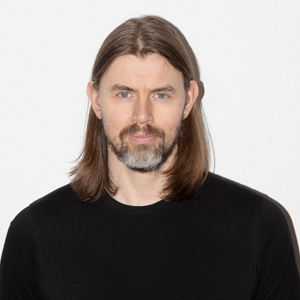
[00:01:00] Ray Latif: Hello, and thanks for tuning in to the number one podcast for the food and beverage industry, Taste Radio. I'm Ray Latif, and you're listening to episode 167, which features an interview with Siggi Hilmarsson, the founder of pioneering yogurt brand, Siggy's, one of the fastest growing brands in the dairy space. Tune in on Friday, June 21st for episode 39 of our Taste Radio Insider Podcast, when we sit down with Sebastian Dreher, the Managing Director of Dohler Ventures US, who discusses the strategic vision behind the venture capital firm, which makes investments in early stage and innovative brands. A request to folks listening, if you like what you hear on Taste Radio, please share the podcast with friends and colleagues. And of course, we'd love it if you could review us on Apple Podcasts or your listening platform of choice. It was nearly 13 years ago when Siggi Hilmarsson began selling his Icelandic-style yogurt on the streets of Manhattan. At the time, Siggy's as a brand didn't even exist. The products were simply promoted as really delicious thick yogurt, lots of protein, low in fat, and not so much sugar. Fast forward to 2018, Siggy's had become a national brand with approximately $200 million in annual sales, and was growing at about a 50% year-over-year rate. That January, the company was acquired by French dairy giant Lactalis. Of course, a lot took place between the early days of slinging street yogurt and the sale of Siggy's, and Mr. Hilmarsson was quite gracious to sit down with me for a wide-ranging interview about the brand and its development. As part of our conversation, Siggy discussed his current role with the company and why he stayed on after the sale, the importance of basketball in his life, why he's a maybe sort of perfectionist, why he urges entrepreneurs to quote plan for success. Hey folks, it's Ray with Taste Radio. I'm in New York City, and sitting with me is the one and only, the founder of Siggy's, Siggi Hilmarsson. Siggy, thank you so much for being with me. Thanks for having me. It's a pleasure to be here. It's a pleasure to be with you. I'm a little worried. Did I pronounce your name correctly or not?
[00:03:05] Siggi Hilmarsson: Yeah, I think you did okay.
[00:03:06] Ray Latif: I think you did okay. Close enough. Ziggy's obviously one of the leading yogurt brands in America and going to be abroad as well. You've been traveling quite a bit in recent weeks. Tell us where you've been.
[00:03:18] Siggi Hilmarsson: Well, we just took Ziggy's for the first time outside of the US this year. We launched in Canada, UK, Italy, Portugal, Australia. Croatia, Slovenia, and I'm forgetting something, but it's 10 countries.
[00:03:34] Ray Latif: And you've been on the road opening up those countries.
[00:03:37] Siggi Hilmarsson: I've been to every single country except now Canada this year because I got snowed out in the storm in, I think it was in February when I was supposed to be there.
[00:03:47] Ray Latif: I hear there's a lot of snow in Canada.
[00:03:48] Siggi Hilmarsson: Yeah, it's a lot of snow. Is there a lot of snow in Iceland, where you're from? Yeah, there is, there is. But the weather in Iceland is actually better than people think. It's more temperate because of the ocean. So the weather is not as cold, but it sort of hovers around zero a lot of the time.
[00:04:04] Ray Latif: I've never been, I've always wanted to go. One of your colleagues, though, just told me that it might be a little expensive to go there.
[00:04:09] Siggi Hilmarsson: I think it's, you know, it's reasonable. Some things are more expensive than in the US, some things are less. But, you know, whatever the price, it's totally worth it. It's a beautiful country. And especially in the summertime, if you can do some hiking, I strongly recommend it. The mountains are beautiful. The visibility is amazing. And the midnight sun is unmatched. The food is pretty good, too. The food is delicious.
[00:04:31] Ray Latif: Well, Nordic cuisine in general has been a trend that we've seen emerge globally and also here in America. What is Nordic cuisine all about and how does it fit into what you do?
[00:04:42] Siggi Hilmarsson: Well, I think Nordic cuisine fits very well in the general healthy eating trend because even before it became sort of fashionable and cool, it was always very simple. It was sort of like a minimal ingredient approach. And I think that's why it's such a good fit to the sort of current health trend where people are seeking to eat just like very simple, basic thing, you know, have a piece of fish, have an egg, have some vegetables. And I think that's sort of very relatable to sort of people from Scandinavia and the Nordic region. And then obviously there's a bunch of chefs who have sort of taken that to the sort of the hyper next level that are doing sort of like hyper local, very interesting things with, you know, Nordic ingredients. You know, obviously Noma is the most famous one, but there's a bunch of other ones that are really great.
[00:05:34] Ray Latif: I've been to Noma a couple of times, it is a gastronomic experience like none other.
[00:05:38] Siggi Hilmarsson: Yeah, it's quite unique. Do you know Rene? I haven't met him, but I've been to the restaurant and it's quite phenomenal.
[00:05:44] Ray Latif: Yeah, for sure. I gotta say, you talking about protein, you look like you're pretty healthy, fit guy, you play basketball all the time I hear.
[00:05:52] Siggi Hilmarsson: I do. I didn't grow up playing basketball. I grew up playing a sport called team handball, which is very popular in Europe. But I was like super skinny as a kid. So when I was about 15 or 16, I switched to basketball. And I played basketball for about two or three years. And then I stopped. But I took it back up when I came to America when I was about 25, 26. What position do you play? Well, I'm usually forced to play center, but I like to move the ball around, so I would prefer to play higher up the court, but because I'm 6'6", most of the time people sort of put me in the... pegged me for the center.
[00:06:32] Ray Latif: Well, that's the modern basketball player, right? You gotta be able to... People at your height have to be able to handle the ball, right?
[00:06:37] Siggi Hilmarsson: Yeah, and that's kind of like... I mean, I may not be the best dribbler, but I definitely love the passing game and I love passing the ball and I love moving around. So, I don't like to just, you know, put myself in the post and just hang out there and wait. You know, that's not my game.
[00:06:52] Ray Latif: Is that sort of analogous to your business career and who you are as an entrepreneur?
[00:06:56] Siggi Hilmarsson: Maybe, that could be. That's very astute. Yeah, maybe. I like it.
[00:07:02] Ray Latif: Well, it's interesting because Siggy's was acquired last year in 2018, yet you're still with the company. Some founders, once the company or brand is acquired, they move on, they go do whatever else they want to do. Maybe they'll go play basketball every day for the rest of their lives. Once again, you're still with the company, have an active role. Why are you still here? I mean, I asked this same question to the founder of Justin's, the brand of nut butters and snacks, about why he stayed with the company after it was acquired. What's your take?
[00:07:33] Siggi Hilmarsson: You know, I stopped being the CEO of the business in May last year, so now I'm the chairman. I think it's very important when you, you know, the company is sort of my legacy, right? And I want the Lactalis people, the company that bought tickets to be really successful. I want them to do a good job. I just don't want to walk away and then see it not do well. So I always want them to do a good job. So I want to help them as much as they want me to help to, you know, navigate difficult decisions. I don't want to be in the way of the business growing, but I definitely want to help them out where I can. So that's sort of the basic. I want them, I help them to make the right decisions where I can do that. Then the second part is sort of, you know, we're launching the brand internationally. So the brand and the concept is getting introduced to a lot of new people, not just consumers, but also the employees that run the businesses in those countries. And I want to help them sort of learn about the process, learn about the values, the philosophy of the business. So there's still a lot for me to do, you know. So I'm also not the kind of person who just sort of walks away from things that I've created right away.
[00:08:47] Ray Latif: You have a lot of knowledge about the product itself and the brand. I read that, you know, when you were thinking about launching a skier or, you know, starting to produce yogurt on your own, you studied, studied, studied until you knew, well, everything there was to know about Icelandic yogurt. I should mention, you know, the definition of Icelandic yogurt, skier also, which is also called skier. Can you tell our listeners, you know, what it is and what makes it different?
[00:09:12] Siggi Hilmarsson: Well, skier is simply put a strained yogurt. So it's basically a yogurt that's somewhat similar, it's a close cousin to Greek yogurt. So it's a yogurt where you start off by making regular yogurt and then you strain it, you take out the water, the fluid that's in the milk, it's called whey, and that condenses the yogurt to make it very thick. And that's where you get like the high protein count that a lot of people like, you know, and it also gets them the creamy texture that a lot of people like. There is one drawback to it and the drawback is that because you're losing a lot of the product in forms of the water, it takes a lot more milk to make one cup of skier or strained yogurt. than it takes to make a cup of regular yogurt. It's around four times. So the product is more pricier, but you're getting more oomph, you're getting more protein, more milk solids. So that's what the yogurt is. But going back to your question on educating yourself, my background wasn't in food science, you know, and so I was always... very conscious of that. So I wanted to make sure that I knew everything I could know. And that first started with sort of reading about the traditions, you know, from Iceland and Icelandic stories and stuff like that about the traditions. But then that later transferred over to the science of actual yogurt making and sort of the history of yogurt making in general. So I became like a little bit of a yogurt nerd, for lack of a better word. And I think it was partly to sort of overcompensate for the fact that my background wasn't in food.
[00:10:46] Ray Latif: You call yourself a nerd, I'll call you a scholar.
[00:10:48] Siggi Hilmarsson: A yogurt scholar.
[00:10:50] Ray Latif: Would you describe yourself as a perfectionist?
[00:10:52] Siggi Hilmarsson: Ah, I don't know. No, I don't think so, but maybe, you know. I have a problem with that word, so probably not, but to a certain degree I am. When it comes to sort of, I think that would more come in sort of terms of communication and aesthetics a little bit, but obviously in the quality of the product too. So yeah, I guess so.
[00:11:14] Ray Latif: So given that you might be a perfectionist, we'll just put that out there. Do you find it hard to trust people to handle roles that you, given your depth of knowledge and your expectations for yourself and for the brand, could do better?
[00:11:29] Siggi Hilmarsson: I mean, yeah, I found that very hard in the early days and probably some, I did some mistakes because I didn't, I wasn't good enough in letting go to some degree. But especially when you have a high quality sort of product that you're selling, you know, we're sort of generally the more expensive yogurt on the market. You just have to deliver on the quality. And it took us a long time to, to sort of, you know, hone in on our quality and to make sure we were always on top. And eventually it comes through attrition, right? And just what we did is, you know, there's no way around it. You just do a lot of sampling session with your teams. You know, you sit around a table and you eat yogurt, you know. And I like to joke around like the Bob, our head of manufacturing, who's been with me for a very long time, I think eight or nine years now, like almost since the start, you know, we have sort of like a shared vocabulary where we can talk in sort of minute detail about you know, a particular off flavor or a particular benefit, where we know exactly, you know, both the smell and the texture that caused it just by using certain words, just because we've done it so many times now. And that is sort of a, you know, when your team gets to that point, that's a good thing. But you don't get there unless you're repeatedly involved yourself.
[00:12:50] Ray Latif: That kind of terminology and the way you speak to your team, it sounds a lot like family. Do you consider your team to be family?
[00:12:56] Siggi Hilmarsson: I think, yeah, to a certain extent. People ask me what's sort of our employee culture. And I say we take our business very seriously and our product extremely seriously, but we don't take ourselves very seriously. I'm very happy if people can consider this a family, but at the same time, I don't want to sort of overly project, meaning like I don't like it when people force people to make a situation feel like something it is not, right? So I think it's important, like, you know, we're never, if we are throwing a social event or something, we're very happy if people show up, but nobody's, there's no forced socializing or there's no sort of like a, you know, so it's not a family in the sense that, but nobody will get upset if you don't show up for the party. It's there for your merriment and fun and sort of a part of the job, but I don't want ever anybody to feel like they have to attend an event. So it's sort of like, yes, it's a family that's there for people if they need it. But it's not necessarily sort of, I don't want to be one of these people who have sort of a, that tries to create sort of a cultist environment, if you will. I don't know, like, I'm not explaining it very well. But I think it's sort of like, you know, you create an environment where people where things can grow that are good, right? But you don't try to force them. And I think that's what makes for a good culture that we've been very lucky.
[00:14:23] Ray Latif: I feel like what also makes for a good culture is knowing that you can stand behind your product and stand behind your brand and say, this is a high quality, good food that's delivering on nutrition and that's delivering a better few option than what's currently been available. And I feel like that's something that I saw in a photo of you selling your yogurt on the street in New York City many years ago, pre-beard, you were very cleanly shaven at the time, still had the long hair. But the sign there, you had to set up and there was a piece of paper attached to a piece of wood.
[00:15:02] Siggi Hilmarsson: It was an old wine box.
[00:15:03] Ray Latif: An old wine box. Okay. And the piece of paper, it looked like it was just printed out. It was from Microsoft Word. It said, really delicious, thick yogurt. And just seeing that, I would have stopped by and been like, okay, what's this all about? Because really delicious just resonates with me. And it feels like at its core, that's kind of what Siggy's was and has been about.
[00:15:24] Siggi Hilmarsson: Yeah, I literally created that sign a half an hour before I started selling the first day I started selling. What year was that? That was the summer of 2006. Okay. So July 2006, and we started selling at a farmer's market in downtown Manhattan. And yeah, that's right. That's sort of been the beauty of it is like, you know, we have certain values with the product and they haven't changed over time. You know, it was a little bit challenging because when we started, My big focus was always on the sugar. It was about Icelandic yogurt, but it was also about... I had found that all the things in America that I ate were too sweet, in particular yogurt. At the time in America, the best-selling yogurt in America had more sugar per ounce than a can of Coke. But at the same time, the environment was still such that people mostly focused on fat. They were really concerned about not eating too much fat. And they weren't as concerned about sugar.
[00:16:16] Ray Latif: A lot of studies have come out recently about this sugar fat thing.
[00:16:20] Siggi Hilmarsson: And that sort of shifted in sort of 2012-13. It was like a huge avalanche of like media coverage studies about sugar consumption. And that was a huge boon for us as a brand. Because when we started, people were like, oh, this is not sweet enough, this is not sweet enough. And we had to sort of really educate people and work hard in talking about it. But that part of the job is much easier now. People are really on board with, yeah, I need to cut down on sugar.
[00:16:47] Ray Latif: We'll be right back with more from Siggi Hilmarsson after this quick word from our sponsor.
[00:16:52] Columbia University: Turn your drink idea into liquid gold with the beverage architects at Flavorman. We'll help you go from startup to bottoms up. Learn more at flavorman.com slash BevNET. Flavorman, change what the world is drinking.
[00:17:11] Ray Latif: Let's talk about, you know, after the farmers market, because it sounds like one of the things that really helped your brand at the beginning and would help any brand is money. And you were at Columbia Business School, and I believe it was your professor who gave you your first investment. So for our college students who are listening out there, What's the best way to get your professor, your business professor to invest in your company?
[00:17:36] Siggi Hilmarsson: Yeah, no, Michael von Bima was his name. He was, I was actually his TA. I was a teacher's assistant for him. And he's a great guy. And he was sort of, he knew I was kind of miserable as a management consultant, but he had been giving me advice on just what to do with my life. You didn't want to be in corporate boardrooms the rest of your life? No, well, I was a useless consultant. So, you know, good riddance for the world of consulting, getting me out of that profession. But, you know, he tried the yogurt when I was making it sort of as a hobby and basically said, you know, like, if you quit your day job, I'll be the first investor in the business and you know be your mentor and be on the board and and you know. So you didn't ask him for money he just offered it up? He said if you well because I hadn't quit my job yeah he said he said I'll be your first investor and you know it worked out and he did and he was on my board until we sold the business so. Sounds like it worked out for him. Yeah, it worked out great for him and it's been a fabulous partnership. And also I think more than the money, because I knew some people with money, I think having somebody like that on board is very important because I was two years into living in America, I had no money. It's just sort of a confidence booster to have somebody like that sort of guide you through it a little bit. So I don't think I would have done it without it.
[00:18:58] Ray Latif: Were you looking at Siggy's, were you looking at the brand as sort of a hobby at first? Did you ever foresee it being the business as it is today?
[00:19:05] Siggi Hilmarsson: Well, it started off as a hobby, but you know, my background was in business, so I think I sort of thought about it as a potential, but again, you know, like I wasn't really, you know, I didn't really know what I wanted to do with my life, you know, so it wasn't really this sort of like, you know, okay, here's a business plan, here's the product, what's the next step? It was a lot more sort of chaotic, you know, at one point I was thinking about, maybe just going for graduate school. I thought about moving to LA for a while. It wasn't sort of like, oh, this is the path. That didn't really happen until like sort of six months after I think I had done the first test batches where I said like, okay, this is it.
[00:19:45] Ray Latif: This is something you could do as a real business.
[00:19:47] Siggi Hilmarsson: And another part of that was like, you know, I had a friend who worked at Murray's Cheese, you know, the famous cheese store. And they had tried it and they said, wow, you know, if you start making this, we'll sell it. So there was like a sort of a couple of points that sort of told me as a business person, as opposed to me, sort of the enthusiast, that, oh, wow, there's some real, there's something real here. Let me quit my day job.
[00:20:10] Ray Latif: The food industry has changed pretty dramatically since 2006. Do you think you could have had as successful a brand had you launched, say, in 2013 or 2015?
[00:20:19] Siggi Hilmarsson: It's hard to tell. I mean, obviously, there's a lot more better yogurts now than there were when I started. There's a lot more Greek yogurt, thick yogurt, some more competition. So it's hard to say if I would have had the same success. I would like to believe so, but you never know. Why do you call it Siggy's? Oh, good question. You know, the short answer is that I'm a raving megalomaniac. But, you know... Along with a maybe perfectionist. A maybe perfectionist. No, I mean, so there's a quick story about it. The first story is that when I made the yogurt for the first time in a real plant, it was in a plant up in Morrisville, New York. And I didn't really know anything about dairy regulation or anything back then. So what was it called? I mean, this is...
[00:21:07] Ray Latif: It didn't have a name. It didn't have a name.
[00:21:09] Siggi Hilmarsson: Okay. I was just, we were baking skier. I didn't know what it was going to be called.
[00:21:12] Ray Latif: Really delicious thick yogurt.
[00:21:13] Siggi Hilmarsson: Really delicious thick yogurt. And then as I'm about to go up there, or I am up there, I forget if I was already there, but basically the guy who is responsible for the plant says, So where's your label? Like, what's your label? And I'm like, what do you mean label? He's like, well, this is an authorized New York State dairy plant. You're not taking any yogurt out here without an approved label. So in the dairy industry in New York, you have to have like an approved label that sort of, you know, adheres to all the standards of New York State and the broader FDA requirements, right? And that's sort of a little bit of a process, you know, you have to have the right information on there. So I spoke to this very, very nice lady up in Albany who gave me sort of guidelines on what the label needed to say, contact information, fat percentages and all of that good stuff. And I call a friend of mine who's a designer who sort of roughed up a little name for me and I'm literally on the phone with him like I think the night that I'm in the plant to sort of finalize and he said but what is the name of the product you know there's like a big blank where name of product and so on the phone I just like let's just call it Sikki Skier but this at this point it's not a commercial product I'm like not making it so you know we print out the labels and it's just called Sikki Skier and I'm thinking about a name, thinking about a name, and I just don't come up with anything better. And we start selling out of the farmers market, calling it Sick is Scare. All the while thinking that we will come up with something brilliant once we start launching it more. wider for sort of commercial reasons. But, you know, we are working with all these design firms and nothing, we don't come up with any sort of good looks or anything that we love. And then my business partner, who was an art director, he was not a graphic designer, he sort of starts playing around with it because we were kind of frustrated on the look. And we just sort of realized, and it's been in front of us the entire time obviously, is that my name, Sikki, once you had the S to it, the apostrophe, S is palindrome. Right. Yeah. So it's actually kind of a beautiful logo, you know, because it's of the symmetry. So we sort of start playing around with that. And then obviously we realized, well, we have this idea that it's much more of a philosophy, you know, the simple ingredients, not a lot of sugar. So if we ever want to do other products, it's kind of why I call it skier, right? So that's kind of how it was born. It was sort of an aesthetic decision at the end of the day and not necessarily driven by the personality, you know.
[00:23:41] Ray Latif: Did it help you at all or did it help the brand at all when you were going to retailer meetings or doing sampling events and they'd be like, oh man, that's Siggy, that's the guy behind the brand, that is the brand in essence?
[00:23:52] Siggi Hilmarsson: It has pros and cons and that's definitely one of the pros in the sense that, especially when nobody knows who you are, it's actually easy for people just to remember one thing, you know, Siggy the guy and the product, you know, so it's like, it's kind of helpful and especially in the early days for people to remember you, you know. And I think there's still a little bit of this lingering effect, you know, if there's a person behind the product, which there truly is and truly was, people sort of, you know, I will never want to put out a bad quality product. So I'm very adamant about making sure the quality is good, you know.
[00:24:26] Ray Latif: Because it's a reflection on you and your name.
[00:24:27] Siggi Hilmarsson: It's a reflection on me. So I think that sort of is good for the consumer, but sometimes bad for my stress level because I'm stressed enough as it is about the commercial aspect of the business, but now my reputation is on the line too. So it adds to the stress a little bit to have your name on it.
[00:24:45] Ray Latif: Some people do yoga to relieve stress. And I'm thinking about the story of Siggy's getting into Whole Foods. Yoga was involved sort of in that.
[00:24:54] Siggi Hilmarsson: Yeah, and I want to clarify any misunderstanding right now. I don't really do yoga. I'm not very good at it. I tend to joke around that I'm really good at yoga. I get it done in two minutes because I'm so fast.
[00:25:07] Ray Latif: I love that you're an entrepreneur who actually says, I don't do yoga. Because I talk to every entrepreneur and they're like, I do yoga and meditation. You're like, And then you're a basketball guy.
[00:25:14] Siggi Hilmarsson: My meditation is basketball. And you asked me at the beginning about basketball. I really started taking basketball seriously and playing a lot when my business was doing the worst. Because it was just so... I tried a lot of different things. I tried running. I tried, you know, biking. I tried all sorts of different stuff. But the difference between all those things is that while I was doing them, I thought about the business. But when I play basketball, I only think about basketball. So it's both... exercise and sort of methodically therapeutic, that you totally clean your mind out of the business and you for two hours just play basketball. So it was totally, basketball was totally life-saving for me when my business was doing horribly for a couple of years in a row.
[00:25:56] Ray Latif: Before you even got to the two horrible years, You did have some traction, as I mentioned, getting into Whole Foods was a big move for the brand. And this brings up an interesting point, or at least I found this interesting because I ask folks about luck, or luck often comes up as one of the reasons why someone was successful when I'm talking to entrepreneurs. And it feels like you could call getting into Whole Foods sort of making your own luck in so many ways because of how it happened. Could you tell that story a little bit?
[00:26:23] Siggi Hilmarsson: Yeah, I mean, I was very lucky. I had a friend call me up and say, hey, you know, I'm having this sort of retreat. It was sort of like a yoga, kind of yoga-esque retreat. There was a lot of artists there. There were a lot of, like, journalists, writers. It was like an artistic retreat, if you will. And he was sort of a friend of a friend. I didn't know him. I know him very well now, but I didn't know him very well at the time. He asked me if I would donate some yogurt. And I donated a bunch of yogurt for the retreat, right? And as it happened to be, there was a person there from Whole Foods. She had nothing to do with buying. She was just like, she worked in their headquarters. And she liked the yogurt. We became friendly and we chatted and she just ate the yogurt and that was that. But then as it happened, she was very friendly with the buyer, the main national buyer, Perry Abonete. A couple of weeks later, she was helping him move in Austin and was just raving about this yogurt she was eating. And he literally called me up a couple of days later. And that was the start of the relationship with Whole Foods.
[00:27:24] Ray Latif: Was that intentional? Was it just sort of, hey, you want some product, I'll deliver you some product? Or was it, hey, there's a bunch of influential people going here. I should get my product in their hands.
[00:27:33] Siggi Hilmarsson: I don't necessarily know if I thought about it that deterministic, but I literally, anybody who showed any interest in me at that time, I gave them yogurt. If a friend of mine said, hey, do you want to sample your yogurt at my office? I would take it to their office and sample the yogurt. I just wanted to get the word out. And anybody who gave me the time of day, I gave them yogurt, you know? So in that way, you know, like if your chance of meeting somebody from a retailer is 1% and if you give product like a thousand times or a hundred thousand times, obviously you're upping your chances a lot, you know what I'm saying? So, but I don't know, I never really thought about it that way. I just like, I need to let people know about this, you know, get yogurt. And this sort of whole culture of influencer didn't really exist back then. This is 2007, you know?
[00:28:23] Ray Latif: The founder was the influencer. You were the person who was supposed to promote the product as much as... Because people didn't know what Skyr was. I think Skyr was a relatively unknown product.
[00:28:35] Siggi Hilmarsson: People knew it who had traveled to Iceland, had been in Iceland, but not beyond that.
[00:28:39] Ray Latif: What role did Greek yogurt, because Greek yogurt, I think, blew up around the same time that you launched the company. What role did that have in getting people to understand or at least appreciate what you were doing?
[00:28:49] Siggi Hilmarsson: Very helpful, because Greek yogurt was, you know, a little bit of sort of a gateway drug, if you will, into skier, because Greek yogurt is sort of the same concept. It's a strained yogurt. It's sort of a cousin of skier, but ours is a little bit even thicker. So it's a little bit, it's sort of the next step. And also I did my product with less sugar than the Greek yogurts. So, you know, it was sort of a good step for people to start moving from regular yogurt to Greek yogurt and then to sickies, you know.
[00:29:15] Ray Latif: Were you ever concerned that Hamdi Ulukaya and Chobani would launch a skier?
[00:29:19] Siggi Hilmarsson: You know what? I had so many other things to think about. Like my biggest problems were all like manufacturing related. So at the time when that was probably would have been a real risk for us, I wasn't really thinking about it. I'm actually surprised just in general that nobody came after us earlier. We didn't really see people start sort of doing something similar to us until like 2016. So we had this market for like a thick, low sugar, clean ingredient label yogurt pretty much to ourselves for almost 10 years. So we didn't really start seeing people sort of launching something similar until like about, yeah, two years ago-ish.
[00:29:58] Ray Latif: That is kind of strange. Why do you think no one got into the category? Or why do you think no one got into SKR?
[00:30:03] Siggi Hilmarsson: Well, we saw some people do SKR, but in general, like our profile is much bigger than SKR. It's sort of this sort of clean ingredient deck, low sugar, so subtle flavor profile. You know, we heard rumors that some of the bigger players in the market tested the concept out and just said, you know, this is just such a small market. But obviously if you test something out with like in 2009 with less sugar, people are going to say, I don't like that. It's not sweet enough, you know, and they're going to like, okay, it's not going to sell. But I always view this kind of thing as I view myself more as a sort of almost like a preacher, you know, I'm telling people not what to do, you know, I'm telling them, you should eat less sugar. And eventually they start listening, you know, and they realize it. It's not sort of a test. group or test marketing driven concept, right? So once people convert, they sort of realized the benefit and they started eating it. And that is very hard to get to via focus groups, right? So I think that's why they didn't launch it. They said, oh, this is just a small idea because people don't like it. Well, they don't like it because they don't understand why they need to eat this, right? And once they understand it, they will jump on the bandwagon. And they have been doing that gradually ever since.
[00:31:19] Ray Latif: Was your strategy to convert current consumers of yogurt or was it to bring new people to the category?
[00:31:25] Siggi Hilmarsson: I didn't really have a strategy like that. I knew very little about CPG marketing when I started it. I just knew that there was something wrong. I knew that there wasn't any good product. And so I just, you know, again, going back to how I marketed the product in the early days, I just talked to any outlet, anybody who wanted to listen to me, and we had no money to market. So we didn't really have money to... say, oh, let's go after these people, you know, we just sold to however. It wasn't until sort of 2013, 14 that we started to have money to market and we started doing sort of, you know, let's do this, let's focus here on online and let's do this here. You know, it was our luck is that we had a lot of very sort of people who were very well versed in nutrition and health. found the product and sort of organically started talking about it. And that was primarily just driven by them looking at the ingredient description and looking at the nutritionals. So a lot of like influential nutritionists and personal trainers, doctors, a lot of people who were in diabetes would find it and just say, oh, wow, this is amazing and just talk about it. We have to let people know about it. And that helped us a lot during the period when we had absolutely no money to market or do anything. How do you encourage that? Well, again, like we didn't have any money to go after it. So if we heard about somebody liking our product, we just sent them a bunch of product or reached out to them and said, thank you for talking about us. But we couldn't really, we didn't have the resources to go after it at that point. I know, again, I think at the time the product was even more unique than it is now. So when people found it, they were like, oh, wow, you know.
[00:33:05] Ray Latif: We'll be back with more from Siggi Hilmarsson after this short break.
[00:33:10] Columbia University: If you're looking to create a soda, a ready-to-drink cocktail, a seltzer, an energy drink, a health beverage, a coffee, a CBD beverage, a kombucha, or any drink you can imagine, we can turn your idea into liquid gold. At Flavor Man, we are the beverage architects. Visit flavorman.com slash BevNET and change what the world is drinking.
[00:33:35] Ray Latif: You alluded to this and maybe this is part of the reason that no one got into the skier business. Manufacturing is challenging sometimes and when you're working with dairy, it can be very challenging.
[00:33:46] Siggi Hilmarsson: Yeah, any short shelf life product that's fresh is very challenging.
[00:33:50] Ray Latif: And again, going back to Whole Foods, you had a lot of success early on. Is one of those good kind of problems, too much demand?
[00:33:58] Siggi Hilmarsson: Well, it was in our first year because we had like, one of our most difficult years was the year we launched in Whole Foods because the plant that I had started with was a sort of a, it was very romantic. It was sort of a small mom and pop operation at the time and we couldn't handle the demands. We had to go offline for six months, rebuild the plant and It was the worst time of my life ever. We were literally teetering on bankruptcy every day for about six months. But we finally started shipping product again once we had fixed the problems in the plant because the demand was so high. And we got back on shelf in the fall of 2008. So it can be, if you're not prepared for the demand, too much demand can be tricky. And that certainly happened to us. And then we sort of struggled to meet the demand in a sort of cost effective and consistent manner for about four years. And then sort of in 2013 we started to make real progress in that regard. And sort of built up basically a world-class production network.
[00:35:02] Ray Latif: Was the problem scaling? Was the problem money?
[00:35:04] Siggi Hilmarsson: It was the problem just scaling. There wasn't that much capacity for this type of product. So we couldn't just go into any plant. And it took forever to find the plant where we could scale adequately. And then once we found that, that plant wasn't perfectly ready for us. And we had to do a lot of work with them again to make it ready. And that took, you know, almost 18 months or two years.
[00:35:28] Ray Latif: When you said, you know, you're on the verge of bankruptcy almost every single day, that's a tough place to be in if you're asking for money because you... Yeah, and we did raise money, I did raise money from my investors during that time and I was, you know, obviously not at a great price. Yeah, and you're not in a great position, yeah. Yeah, in an awful position, yeah. So how do you protect yourself? I mean, is there a way to do it so that, you know, you're getting the money you need, but you're not getting fleas?
[00:35:54] Siggi Hilmarsson: No, but I was very lucky. I had great investors throughout the time. You know, they were all very, very supportive of the mission. And, you know, all the investors that invested in that initial Series A round stuck with the business through the end. So, you know, all of them put in money in 2006 and they basically got it out last year. So 12 year horizon.
[00:36:14] Ray Latif: When you're in this dark time, what are your thoughts? I mean, is it sort of just a day-to-day kind of thing, or is it very much like, okay, I see the light at the end of the tunnel, or at least I can envision the light at the end of the tunnel, and this is what it's going to look like if I achieve these short-term goals, these short-term everyday goals?
[00:36:29] Siggi Hilmarsson: Yeah, in 2008, when I had that sort of most dark of hours, then it was very much sort of short-term. You know, I was just like, okay, like just sort of, you know, focus on one thing. Like this thing here has to get done by tomorrow. If it doesn't, that's awful. So I would just pound everything until that was done, you know. And then I would worry about the next thing. So it's sort of, because... We were in such a grave situation that if I thought about... Every time I allowed myself to think about the entirety of the situation, I would feel overwhelmed. So you just have to somehow compartmentalize and just sort of... Okay, I have to get in the money for this machine because it has to be installed next. Let's do that, you know? And then you get that done, you know? And then you deal with the next stuff, you know? Like, okay, I haven't paid myself in a while. How can I afford rent? Done. Okay, next thing. You know what I'm saying? Like, so you just sort of like... you just sort of have a list of priorities and you just make sure you're always focusing on the top one or two. And then if you get them done, you focus on the next one. If you're looking at the whole list constantly, you just go insane. You know, obviously I hated that time, but I learned more in those six months than in most of my educational life, right? So, you know, I think it was a horrible time to go through and we would probably maybe, have made more money and done better if I hadn't gone through difficulties like that. But it also made us, I think, a better business in the long run, because I learned so much, you know. So, yeah, so it's tricky, you know.
[00:38:02] Ray Latif: Did anyone ever tell you just to quit?
[00:38:06] Siggi Hilmarsson: I don't recall, but I probably wouldn't have listened anyway. And I didn't listen. Maybe somebody did, but I didn't listen.
[00:38:14] Ray Latif: What if you now could go back in time and talk to your 2008 self, what advice would you have given yourself?
[00:38:20] Siggi Hilmarsson: Well, I think it would have had to been earlier, but I think it's sort of, you know, I've said it many times before, but you have to sort of prepare for success. You know, you have to, if you have a plan of being really successful, you have to create the infrastructure that can handle it. And that's sort of what I failed to do.
[00:38:33] Ray Latif: You know, in entrepreneurship, I've never been an entrepreneur myself, but everyone says nothing goes according to plan. Absolutely nothing. So then how do you plan for success when nothing goes according to plan?
[00:38:43] Siggi Hilmarsson: Well, you have sort of an infrastructure that can handle a little bit of... What's the right word? Elasticity or sort of like... That can sort of like... Flexibility? Yes, flexibility. And so it's sort of a meta concept where you sort of, you know... For example, I'll give you an example without being very concrete. Great people. Like building a good team is the best example of elasticity. You don't know where the next crazy issue is going to come from. Whether it's this corner or that corner. But if you have a team with you that's pretty smart and experienced, they're going to be able to help you with that. So that's an example of an infrastructure that can help you handle... Irrespective of what goes wrong, right? So, and there's a couple of things like having adequate money is one of them. Like you want to have a little bit of a buffer, you know? So there's a bunch of things that sort of create that structure that can help you. Even if it's like you can't totally predict what will go wrong. I don't know. Does that make sense? Totally. Totally. You know, and I, you know, I learned the hard way and I was very lucky in my later years is that I wound up with some great hires that stayed with the business for a very long time.
[00:39:52] Ray Latif: after seeing, you know, demand overwhelm the company, did you ever pull back on the reins? Did you ever take a more patient approach, a more cautious approach to the business?
[00:40:02] Siggi Hilmarsson: Well, it's tricky because, you know, that's sort of the manufacturing aspect of it, but there's also a marketing aspect to our product is that in some ways the market wasn't always just totally ready for the product, right? So it's tricky if you go too hard and you go too wide too soon, you will have a lot of people eating the product who won't like it, right? Because they're just not ready for it, right? Because it was such a different product. It was so much lower in sugar than anything that's out there. And if you introduce the consumer who was eating like... you know, candy yogurt, I don't know, there's a yogurt out there that has like, I forgot what it's called, but there's literally a yogurt out there that has like little...
[00:40:42] Ray Latif: There's gummy bears or something like that.
[00:40:43] Siggi Hilmarsson: No, no, there's literally a yogurt out there that has little M&Ms in it, right? And if you're the kind of consumer that has been eating that yogurt and you go to mine, you'll be like... What the F is this? You know, like, I'm not gonna eat this. But if you have somebody who's used to just eating plain yogurt, and then they say, oh, wow, this is a blueberry yogurt, but it's not so sweet, which is why I don't eat flavored yogurt. They're like a captive audience. So you wanna make sure you don't go way too ahead of your consumer, right? And if you go too fast, you wind up being like discontinued, right? And then you have a negative momentum, right? So if you go into a retailer, and you lunch in all their stores, and then it maybe doesn't work in 80% of those doors, you're screwed because you have to take it off the shelf, right? So it's much better to go to a retail and say, hey, we want to go in 20% of the stores where people are really buying something similar to this. And then if it works well, we'll sort of gradually add to it. So you sort of, you pace yourself to get to where the market is, you know. And that's important because it's much harder to have the conversation with the retailer where sort of, oh, you went into all 100% of our stores and it just is not working except in these 30 stores, right? And now you have to take it off the shelf and pay a lot of spoilage because fresh products have a lot of spoilage. So it's much better to always be adding a little bit to it every six months, you know, coming every six months and say, hey, wow, we're doing phenomenal in these 30. Let's add another 20. That's a much more fun conversation, not only for the retailer and you, but also for your team to always be seeing progress. So that's kind of, we learned some hard lessons early on in going into retailers that were not ready. And we had some great experience when we started realizing that if we just start incrementally, we'll get great traction, great velocities. And then we always built on a very solid base. before we go like whole chain. So that was a really important lesson for me. And that sort of started happening in 2011, 12.
[00:42:45] Ray Latif: That lesson seems like it would be a great case study for business school. How much do you rely on your business school experience versus, as you mentioned, learning on the job?
[00:42:56] Siggi Hilmarsson: Well, the business school experience is great. Would you recommend entrepreneurs go to business school? Yeah, I will say one thing though. I learned a lot from business school and business school for me was great. But I always say the same thing to people that, you know, the learning curve doing a startup is so steep that if you know exactly what you want to do, just start now. You know, don't wait a couple of years because, you know, you may lose your window. Like because timing can be so crucial. If you can, for example, start and maybe take business school on the side, because a lot of programs like Columbia, my school, they, for example, a great entrepreneurship program now. So if you can do it sort of concurrently, that's great. But I think the timing factor is so important that you should, if you know exactly what you do, go for it. That's sort of my, opinion but I was very lucky because I came to business school with a background in economics so I opted out of some classes and so I needed to find some classes that I wanted to take and I was very lucky because I just said oh I've never done anything in supply chain so I just randomly took a bunch of supply chain classes and that was some of the most helpful stuff I learned in business school because when you're doing a perishable yogurt, logistics is everything. And there's a very famous saying by, I think it's an American general from World War II who said, amateurs discuss strategy, professionals discuss logistics. And what he meant by that is that the battle is kind of won by logistics, not by like some grand ideals, right? And that's a little bit like that in the yogurt business too, because you can kind of be killed by spoils and stuff like that. And we use the same algorithm that I created in the early days of the business for a very long time. We've upgraded a little bit now, but the thing about these algorithms is they usually get better the more data you have and the more volume you have, because they become statistically more significant. You created your own algorithm? Well, it's not really an algorithm, but it's like, you call it an algorithm, it's a very fancy word, but it's like really just a simple ordering formula and manufacturing formula. Like how much are you going to produce based on how many orders you have, knowing that you don't have all the orders, right? So there's a certain amount of orders you have, and then there's a certain amount of orders that are unknown, but you still have to produce, knowing that you will lose a lot of the product because it's perishable, you know.
[00:45:20] Ray Latif: You talked about timing when launching a brand. There's also timing involved when you're selling the brand. How did you know that 2018 was the right time to sell? And then how did you know that the acquirer was the right company to take the reins?
[00:45:36] Siggi Hilmarsson: I'll take one step back and then I'll answer both questions, not trying to avoid them. We didn't really have a firm idea of, you know, when to sell or what to do. You know, like this was a 13 year journey, right? So it wasn't like we were going to try to build it, flip it or anything like that. But I had had very, very patient investors who were very supportive of me when the business was really tough. So I knew I always wanted to get them a good return. You know, I felt like an obligation to do that. And to answer your question, what happened actually a year earlier in 2017 at Expo West, which is sort of the big food show in our industry, is we had more people come to our booth wanting to buy the company or invest in the company, then we had people coming by to buy yogurt. So the conference is for brands like ours to meet the retail buyers, but we had more like acquirers, investment bankers and productive funds come saying we want to buy the business than we had retail buyers. So I was like, wow, if I ever want to do this, this sounds like it's the right. point in time. And a couple of those buyers reached out to me and said, hey, we want to do an exclusive process. And I was like, you know, I don't know about that. Let me let me think about that a little bit. And eventually I sort of realized, like, let me just run a formal process, you know, because I even if I got a great price from somebody, I would always be regretful. Like, am I getting myself and the guys the best price? So we ran a process and got a great outcome out of that that everybody was happy with. And in the end, the reason we settled on the current acquirer, Lactalis, was, you know, there were a couple of people that were sort of roughly the same economic terms. But I think the reason we like them, or I like them especially, is that they're expert in dairy. They focus on nothing but dairy. They know dairy better than probably anybody in the world.
[00:47:30] Ray Latif: They're one of the owners of Stonyfield Farm.
[00:47:32] Siggi Hilmarsson: Exactly, yeah. And Gary spoke very highly of them.
[00:47:35] Ray Latif: Harry Hirschberg, the co-founder of Starter Farm.
[00:47:38] Siggi Hilmarsson: But most importantly, I think like for me, when I looked at them, I saw that they owned a lot of brands of like really, really old family companies in France, like cheeses that have been unchanged for like generations, like hundreds of years, right? And they've meticulously maintained the quality and the consistency of those products. And they're really proud of their heritage. And they speak to about these products with like the passion of like founders and owners almost. And that gave me a lot of reassurance that, you know, what I'm mostly concerned about is that SICK is the brand will live and continue to represent a great quality product and live up to its values. And the fact that they had done that with other brands gave me a lot of confidence that they would be a great steward of the brand. So that was sort of the main part. The other part that really appealed to me is that even though they were a huge business, they're still family owned and operated. And as a result, they take sort of a longer view than just quarter by quarter, which is sort of can sometimes be the challenge with a public company that has to respond to the sentiment of the equity market every given quarter. So that was definitely an added bonus.
[00:48:48] Ray Latif: Did you stipulate that you'd have to stay on in some capacity or did they ask you to stay on?
[00:48:53] Siggi Hilmarsson: No, I think it was just sort of a... It was a very relaxed conversation and I think we sort of just agreed on it. I think there was no sort of negotiation about it in any meaningful way. I wanted to help them. I also wanted to be here for my employees during the transition because it's obviously a change for the employees. I'm not going to deny that. And I wanted to be here to sort of help navigate that and also just help them get acquainted to our philosophy. So it was never really a major conversation, you know.
[00:49:25] Ray Latif: I would call you or describe you as a young man. Stop. A young entrepreneur who's sold his business. Still a lot left for you to do. So what's next for you? What's next for Siggy?
[00:49:38] Siggi Hilmarsson: Well, right now I'm actively helping the current donors, you know, build up the international presence. That's probably the biggest part of my job right now. And I'm helping them, you know, in the US quite a bit as well. So I'm still involved. I haven't really thought a lot about what comes next. I sort of actively meet up with a lot of young entrepreneurs. I like giving people advice. I actually especially love that, like that sort of super, super, early stage where people are sort of forming their idea and making sort of pivotal decisions. So I like giving them that meta-advice on how to think about them without telling them what to do. So I like that. So maybe I'll sort of become more active in that field.
[00:50:23] Ray Latif: Sounds like you'd be a good professor given your business school experience and your experience as an entrepreneur.
[00:50:29] Siggi Hilmarsson: Yeah, I don't know about that. I think it's fun. I did some TAing and it's fun, but I think I like also to see things created, you know? So I think I could do it, but probably not for very long. I think I have to see creations happening. So I think I would probably belong more on either the business side or maybe just become an artist or something where there's some sort of construct being made, you know?
[00:50:56] Ray Latif: You ever think about launching another brand?
[00:50:58] Siggi Hilmarsson: Not right now, not myself, but you never know. Whatever I do, I don't want to force it. If I have a great idea, I'll definitely do it, but right now I don't have a great idea.
[00:51:09] Ray Latif: How do you know you have one until you actually do it?
[00:51:12] Siggi Hilmarsson: I think I'll know. I think the danger is that once you've done something that is intense as launching a brand like this and this journey, is that you want to do it again and you do something that you don't quite resonate with just to get on that journey again. I want to make sure that if I do get on that journey again, that it's something that I'm truly, truly passionate about.
[00:51:38] Ray Latif: Well, Siggy, it's great to hear that one of the things that you're passionate about right now is giving great advice to early stage entrepreneurs. I have a feeling that we have a few early stage entrepreneurs that are going to love what they just heard and want to reach out to you. What's the best way to connect with you?
[00:51:56] Siggi Hilmarsson: I'm generally very responsive, I think, so I think... Or LinkedIn? Yeah, or like, you know, I read a lot of people send me messages on Instagram right now. Okay. Which is... What's your Instagram handle? It's just my name, Sikki underscore Hilmarsson.
[00:52:11] Ray Latif: There you go.
[00:52:12] Siggi Hilmarsson: I find that interface very easy to navigate, but I'm not very... I'm very bad at posting. I'm trying to be more active. My PR people tell me I should post more.
[00:52:23] Ray Latif: Well, I'm definitely going to start following you on Instagram and I'll send you a direct message or two thanking you for this wonderful interview that we just did. Congratulations on all your success and good luck with everything going forward. I hope we cross paths again very soon.
[00:52:36] Siggi Hilmarsson: Awesome. Thanks for having me. It's been a true pleasure. Thank you.
[00:52:41] Ray Latif: That brings us to the end of episode 167. Thank you for listening, and thanks to our guest, Siggi Hilmarsson. You can catch both Taste Radio and Taste Radio Insider on Taste Radio, Apple Podcasts, Stitcher, Google Play, SoundCloud, and Spotify. As always, for questions, comments, ideas for future podcasts, please send us an email to ask at Taste Radio. On behalf of the entire Taste Radio team, thank you for listening, and we'll talk to you next time.