[00:00:02] Ad Read: This week's episode of BefNet's Taste Radio is sponsored by Vyron.
[00:00:06] John Craven: Vyron NutriBiosciences is a formulator and finished product manufacturer which holds more than 50 patents and patents pending worldwide.
[00:00:14] Ad Read: Vyron's technologies focus on delivery systems for efficacious but difficult to formulate nutritious compounds and ingredients.
[00:00:22] John Craven: Vyron's expertise lies in finding creative solutions for the functional foods, beverages, and supplements markets.
[00:00:28] Ad Read: Learn more about Viren at www.viren.com. That's V-I-R-U-N.com. And now Taste Radio.
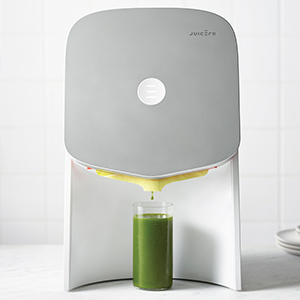
[00:00:45] Riet Latif: You're listening to BevNET's Taste Radio, the podcast for food and beverage professionals and anyone building a business. Welcome to Episode 74 for September 8, 2017. I'm Riet Latif and with me are John Craven, Mike Schneider and Jon Landis. We're recording at BevNET headquarters here in Watertown, Massachusetts. And this week's episode features an interview with Matt Thomas, who's the CEO and founder of Townsend's Tea Company and Brew Dr. Kombucha. We also speak with Dan and Genevieve Brazelton, who are the founders of Improper Goods, a maker of small batch cocktail ingredients. And in the latest edition of Elevator Talk, we chat with Kenneth Park, who is the founder and CEO of Detox Water. Gents, I'm sure you've all heard and are up to date with the huge news of the past week, which is Has Juicero, our beloved Juicero, is decided to call it quits. John Craven, I know this is near and dear to your heart with your machine. Is your machine still in your office? Did they decide to call it quits? Yes. Okay. All right.
[00:01:46] John Craven: I'm just in mourning.
[00:01:47] SPEAKER_??: You're just in mourning.
[00:01:49] Riet Latif: Well, good news is you're going to get a refund. So On Friday, they announced that they were going to suspend sales of this countertop cold pressing unit that they sell in the produce packs as well. and everyone's going to get refunds. Tea Company raised $120 million from investors in tech and CPG and talked about how it's Wi-Fi enabled systems and four tons of juicing pressure was a really simple way to create nutritious juice at home. But it's been pretty maligned since its debut in 2016, right? It was roundly criticized for a $700 price tag and the $4 to $10 cost per bag of produce. And then they reduced the price to $400 earlier this year. But then came the Bloomberg report when they showed a Bloomberg staffer squeezing a produce pack with their bare hands. Has Juicero was roundly criticized again for the actual usefulness or uselessness of its machine. We kind of saw this coming, right, John?
[00:02:51] John Craven: Well, I mean, look, it's definitely a long shot. Like anything that starts up I guess, any business that starts up, but when you raise that kind of money and you're trying to tell a story of how this is going to be a game-changing device and have mass appeal, to me, it was always a luxury device, just like any other sort of thing that you don't need. I don't know. I have a fancy grill. Do I really need that? Probably not.
[00:03:21] Riet Latif: Did your fancy grill maker raise $120 million?
[00:03:24] John Craven: I don't know. I have a big green egg. I don't know what they raised, but, uh, in any event, you know, of course, knowing Doug and watching this since the beginning had to get one, I definitely enjoyed it more than I thought I would, but it is something that You know, it sat on my kitchen counter at home. People would come over and ask, what the heck is that thing? You know, it looks great. I'm actually kind of sad that it won't be on my counter anymore. I'm not just going to leave a thing that truly does nothing on my counter. But again, I think it was just a luxury good that probably, I guess, priced itself to a point where the viability of it relative to whatever their plans were just didn't line up. This is crazy. I mean, they got, what, $118 million in?
[00:04:07] Riet Latif: Yeah, we'll call it $120.
[00:04:08] John Craven: All right, $120 million in. It's a Silicon Valley Company and Brew's no pivot. They're just going to let it die?
[00:04:15] Riet Latif: Well, I mean, that's the question. I mean, you know, there are questions about how Tea Company was going to recoup, you know, the millions in investment. You know, we talked about this before we started and it was John Craven you talked about. They had this long kind of, since they started, they had no real revenue up until about, say, 18 months ago. And even at that point, they were still in beta mode.
[00:04:39] John Craven: Right. I mean, they in their notice and as was widely reported, they said they sold a million packets since they launched 18 months ago, you know, actually out of R&D mode, which they had been in for. I think two or three years before that. So, it's pretty interesting to me that the fact that they only had revenue of, I don't know, let's call it somewhere between $5 and $10 million, which may or may not be generous, that they just shut it down. I mean, clearly, they weren't going to make that $120 million back, like, in 18 months. So, I guess it really makes me wonder what else they're seeing that we're not seeing. I would never have guessed nor would I could never imagine that anyone involved in that thought that after a year they'd be at a point where they're trending anywhere near the money that was put into it.
[00:05:28] Ad Read: I mean all I'm seeing with this thing is is a solution in search of a problem like.
[00:05:33] John Craven: Well, it's, you know, it's funny. I was, I was talking to my wife about Has Juicero and just sort of like, you know, I guess looking back and there are certain things where it was just, it was complicated. Like I've literally never used the wifi connectivity. I actually don't even know what it's for. I finally deleted the app off my phone. I've never used it. So there's all this cost that's in this machine that, I mean, for me, I don't know, I guess we have a good nature juicer in the closet here, I'm gonna go fish out, but if it were uglier and had less bells and whistles, but it performed its function, I would have still used it, especially if it were cheaper.
[00:06:10] Riet Latif: What's it do, like it's a $700 to squeeze a bag? Yeah, pretty much. Well, it was eventually 400. But I mean, that was the thing. I mean, we can get a Vitamix for less than that. Yeah. I mean, we talked about Juicera a few times on this podcast, and the price was always a sticking point for me and, you know, why a lot of people kind of ridiculed Tea Company and Brew, you know, to your point, Mike, when people saw a, you know, just regular old person squeezing a produce pack with their bare hands. It seemed like that was throwing gasoline on the fire.
[00:06:39] John Craven: Well, it was, although it was kind of funny to me that it was showing that if you used a lot of physical effort, you could make juice without a machine, which it's like, no kidding. You could do that now, right? I mean, we could all go out and buy some kale and we could buy some whatever and we could. do that. We could also, you know, make food from scratch and all this other stuff, you know, that we don't do. Right. I bet I could make, make a juice arrow from my foreman grill. You know, you just put it between there. We could probably, you know, step on some kale and out would come some juice. I don't know, but it gets back to the whole just price tag of the thing. Right. And how much money they raise. I mean, that puts a big,
[00:07:16] Ad Read: And just the premise of it. I mean, to me, the kitchen is the notorious part of the house that has all of these devices that just do one thing. And a lot of them are really weird and otherwise quite useless. This is like an extreme example of that. Like Mike, you just said the Vitamix, that's a good investment because you could use it to make a hundred different things in your kitchen. I do, man. This is like completely tied just to these pouches. Like just the whole system to me seems deeply, deeply flawed.
[00:07:47] John Craven: Well, did it change your life? I don't know.
[00:07:50] Riet Latif: It made me lazier. Can you make clam chowder in your Vitamix? You can. Sure. Yeah, of course. Okay. Well, I might get myself a Vitamix. There's an elephant in the room in all this, and that's Burning Man. And Doug Evans apparently was at Burning Man when they made the announcement that you, sir, was going to call it quits. Should we, I mean, should we be concerned about this?
[00:08:11] Ad Read: No, here's the thing. Go to Burning Man. Don't tweet about it.
[00:08:16] John Craven: You know, come on. Okay. First of all, I'll say this and I don't, you know, I'm not trying to defend, you know, this whole situation since we simply probably will never know all the facts, but You know, I looked at that and, you know, Doug is whatever, he's not someone that I, you know, know super well, but have known for a few years between this and Organic Avenue. You know, I look at that situation and how it unfolded and, you know, keep in mind that Doug stepped away as, you know, an active day-to-day person in Tea Company. I kind of interpret that as the guy probably had no idea that this was going On Friday before Labor Day any more than the rest of us did, which was clearly, you know, I have to imagine or speculate that Friday before Labor Day was picked because it was a time where, you know, it would hopefully minimize the coverage of it, which I guess it didn't. But, you know, the fact that he was off doing that just says to me that he was out of the loop and truly not involved in Tea Company. Because I think, you know, anyone who's involved in Tea Company where they've got people that, you know, rely on them and that they put their heart and soul in, like, you wouldn't run away from that, you know? Yeah. And just like Landis can't miss a fish show that, you know, chill dude. Can't miss his annual naked 5k, you know, through the desert.
[00:09:36] Ad Read: Yeah. It's amazing.
[00:09:39] Riet Latif: Well, In The Bitter Has Juicero sent to owners of the machine, they mentioned that they were looking to try to sell Tea Company or sell assets of Tea Company to someone that could perhaps resurrect it or run it in a way that the current operators could not. And BevNET's continuing to follow this coverage. Look for some stories on the site that'll get some perspective from folks about whether or not this is really Juicera's last stand.
[00:10:07] John Craven: the amount of money that went into Tea Company is just staggering. Like companies like one wheel. Okay. You know, that unicycle thing that's, you know, you control with your phone only 3.8 million in on that sucker. And then 20 million.
[00:10:19] Riet Latif: Well, from Tea Company that's raised a ton of money to another company that really hasn't raised much at all. And that's Brew Doctor Kombucha, one of the fastest growing kombucha brands in the country. Our very own assistant editor, Marty Caballero, went out to Portland, Oregon to meet with Matt Thomas, who's the founder and CEO of Townsend's Tea Company and Brew Doctor Kombucha. So Marty spoke with Matt about his backstory and the origins of Tea Company and Brew brand and how BrewDoctor is really connected with consumers via that T-forward approach to formulation and marketing. They also talk about sort of navigating the exceptional growth that BrewDoctor has had over the past couple of years at retail. The brand is represented nationally at Trader Joe's and throughout the Pacific Northwest at places like Costco and Target. All right, let's get to the interview.
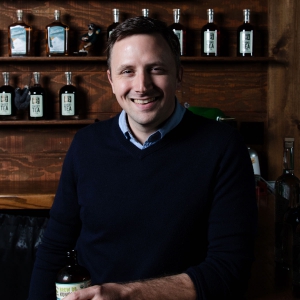
[00:11:10] John Craven: All right. Well, I'm very pleased to be joined by Matt Thomas, the founder and CEO of Townsend Tea Company and Brew Dr. Kombucha. We're actually in a Townsend tea shop in Portland, Oregon, headquarters of Tea Company. Matt Thomas so much for being with us today. My pleasure. Thanks for making your way out here. Absolutely. It's very cool to be here. We're actually in the basement of the tea shop. This is actually the place where you started brewing kombucha for the first time. Is that right? Yeah, that's right. We started this teahouse as our original teahouse in 2006. And back then I just, you know, kind of had the goal of giving tea a place that only coffee had had, kind of the casual coffeehouse style atmosphere, but everything you could do with tea. And in 2008, people started asking about kombucha. And by that point, we had two teahouses, one here and then one over in Bend, Oregon. And we just started making it in the kitchens of the two teahouses, like one jar, you know, literally. And as soon as it was ready, people would buy it. So I quickly realized that This kombucha thing was something that could become a new arm of Tea Company and Brew leased out this basement space, which is about 750 square feet, you know, toward the end of 2008, and started making it down here. So, yeah, we're sitting about, you know, 15 feet from where the first kind of official batch of Brew Dr. Kombucha was brewed and fermented and, you know, hand-bottled and printed our own labels. and put the caps on and the shrink bands and used a hairdryer to shrink the shrink bands on and then take it down to the co-op, Alberta co-op down the street. We still got the Ms. Pac-Man machine down here that served as our break time entertainment.
[00:12:42] Marty Caballero: Yeah, that's essential.
[00:12:43] John Craven: Yeah. Well, of course, things have certainly changed quite a bit since then, but I kind of wanted to start a little bit at the beginning, sort of. Sure. You know, what was your initial sort of motivation to get involved in, you know, the food and beverage space and specifically tea? What about that really appealed to you? Well I was a senior at the University of Oregon in business school in 2002 and you know we in our business strategy and planning class for senior year we were tasked with creating a business plan for a new business idea that served an underserved niche market and so the idea I came up with was Again, the tea didn't have a space like coffee, but I knew because I wasn't a big coffee drinker, but I was a beverage enthusiast and I had kind of explored a bit of what you could learn about tea. I knew that there was so much to tea that wasn't being represented by the six or eight tea bags that you could get at a coffee shop. So that was something where I got really into the business plan that I created and graduated and actually went to that professor the last week because I didn't have a job lined up yet. I think I might do this tea thing. What do you think?" And he was a big coffee drinker and he said, are you going to serve coffee? And I said, no, no. And he said, don't do it. You'll lose your money and nobody will come. So I didn't do it because he was an impressive guy. I think he was on the board at Intel or something. So I didn't do it. Spent the first few years getting, you know, kind of entry level corporate jobs and just was uninspired and still was kind of educating myself on tea and really just thought that the teahouse was a good idea and I never realized I wanted to be an entrepreneur until I worked for other people, which I think happens to a lot of people. So I kept working on that business plan nights and weekends and then I raised $45,000 from a group of friends and family and started the first teahouse here. And can you sort of paint a picture of what the landscape was? Did you have to do a lot of education in terms of, you know, we go upstairs here and you have a full menu full of lots of different teas, very detailed. What kind of consumer education did you have to do in the beginning to sort of get that up to speed? Right. Well, people in Portland are excited about something different or innovation, you know, and it's already a beverage town, right? I mean, you've got a number of coffee companies and even Tea Company that have grown up here. You know, we had Stephen Smith, who was based here, start Tazo and Stash and then move on to Smith Teamaker. So, you know, I think the tea enthusiasts found us right away. And we're here on Northeast Alberta Street, which, you know, when we opened in 2006, wasn't what it is today, but it was still starting to become a destination street. And, you know, I spent the first couple years trying to just get people in the door to see this thing I had made because I spent that $45,000 startup money on getting the place open. So it's not like I had a huge marketing budget. But, you know, I just kind of passionately served the guests that came in and Because I knew that if they had a great experience and it was a unique experience, that they would tell people. And it worked. Word of mouth spread. You know, we went from doing a couple hundred bucks a day to finally getting to a thousand bucks a day to $2,000 a day and got to the point where I could get out from behind the counter kind of by the end of 2007. So when you were first getting involved in tea, was kombucha already something that was on your radar? Did that sort of develop out of the initial interest? No, it was not on my radar. You know, the successes I was having at the tea house were coming from listening to those customers who were excited about the place that I had made and really responding to what they preferred, what they liked the most, and then the questions they were asking and adding new and different teas according to their feedback. So really including our guests in the evolution of our product mix. And in 2008, some of them started coming in with bottles of GTs. And one of them came up to the counter and said, do you guys make this stuff? It's tea. And I said, it's tea? Let me try it. She poured me a little sample of it, and I think it was multigrain or original. You know, first time, you know, drinking hardcore, straight ahead kombucha can be bracing. So I was like, oh, I don't know if I want to make this stuff. But people kept coming in and asking about it. And I mean, it was, the idea for Townsend's was growing into this, I want to do everything, put everything that you can do with tea in one place, right? And so I had, A staff member who worked here said, oh, I make kombucha at home, and I'll bring in a scoby and some starter. And we just picked four teas right out of our tea list and started making kombucha with those. So that was kind of the happy accident of being this Tea Company first. We had already developed this list of 100 teas that tasted great and some blends of botanicals with teas that tasted great. that we just had those to choose from to make our first kombucha blends. And those first four are still kombuchas that we sell today. Which four of those? Happiness, Herbal Uplift, Superberry, and Clear Mind. And Clear Mind's our number one seller nationwide. You know, as you guys developed that, did you develop a sort of approach or style that's, you know, unique to Brew Doctor? What sort of makes it a Brew Doctor kombucha? Well, one thing that I've always done from the beginning was I only wanted to put out delicious liquids, right? And that was, again, listening to the customers and tweaking chai recipes based on their feedback, stuff like that. So when we started making kombucha, we chose those four because they made great teas. And from trying a lot of kombucha, I felt like those would translate well. And they did. I think it just, it was the nature of the fact that we're using really high quality tea and botanicals and focusing on getting that flavor from the flowers and herbs and dried roots and fruits that are combined with this really good tea. And then just not over-fermenting. Doing a really great acetic fermentation that is kombucha for all the probiotics, but not going so overboard that it turns to salad dressing or really intense vinegar flavor. We've never added juice to our kombucha, so I'm not an expert in that method. I know a lot of kombucha is made that way. So I think that's what makes us different, is that we were a Tea Company first, and we just took a very tea approach to formulating kombucha flavors. There's that path you can take where you can use extracts which are readily available and get pretty spot on flavor profiles, but we never want to put the word extract on our package. We want to stick with whole ingredients and make this stuff like tea and just ferment it like kombucha. Was there a moment where, you know, you guys are obviously scaling up, starting to make your first varieties of kombucha. Was there a moment where you sort of passed maybe the first threshold and realized that this was going to be not just another product that you make, but a really significant part of Tea Company? Yeah, that's a good question. When it happened, I mean, I think as soon as we leased out this little basement, this 750 square foot space, and we got a handful of three-gallon, five-gallon jars and put them on a table, and then we'd ferment it, bottle it, and we'd be out. So we had another table, and then another table, and then a rack, and then pretty soon this basement was full. There were probably 20 racks of 40 containers each. You know, the teahouse smelled like fermentation. You know, the fruit fly population in the area was growing just because, you know, fruit flies are a byproduct of making something that smells so deliciously sour. And, you know, it was obvious that we needed to move and that things were going well. You know, I was still, you know, the brewer, bottler and delivery person, but I had a few employees that were really important early on. Still, our two head brewmasters were the two first employees on the kombucha side. They've seen every element of our growth. That's been a lot of fun, scaling everything up with them. Yeah, getting to that point where, you know, we had to get a bigger space and seeing how the sales were brisk everywhere we were selling it into, you know, coffee shops, co-ops, and then into Whole Foods, and then working with Whole Foods to get that local producer loan, which is what moved us out of this basement in late 2009. Got $48,000 from them to buy our first kind of round of equipment that we put into a 4,000 square foot space here in Portland. And that's a space that you're currently in now. That was the first 4,000 square feet of 10,000 square feet that we occupy in southeast Portland. And then two years ago we leased a 52,000 square foot building as well to really grow into. And that just had its one year anniversary of operation. So it was about a one year build out. And yeah, we're kicking along now. We're adding another couple million dollars of equipment at that space and it's churning out about 400,000 bottles a week right now. I wanted to talk a little bit about that growth because I think that's really interesting. It's been fun to watch you guys expand from afar. And as you continue growing, how do you sort of manage that growth? How do you sort of know when to push the throttle, pull back on the brake and sort of manage that growth when the demand is really surging? You know, I was a business student and a tea enthusiast, but had that business mindset that I wanted to grow Tea Company. You know, I wanted to make this a career of really going for this entrepreneurial challenge. And so I've always kind of had that pedal down mentality. But at the same time, we grew on our own, right? We had that $48,000 loan from Whole Foods in 2009. And we didn't take any other debt until 2013 and no investment either. So just, you know, and that's the advice I give to every food entrepreneur I talk to that's just starting up is like, you know, make sure you've got a profit margin and you've got something that you believe in and you've got customers that believe in and do that well and do more and more of it. And then you can just self fund. We bought all of our upgraded equipment with cash and, you know, a small line of credit. But then in 2013, We decided to really take the next step, and that's when we got about a $2 million loan, an SBA-backed loan. And in terms of Tea Company culture, when that is growing, you know, how do you go about scaling that up and, you know, retaining the control and the culture that you'd like to see in Tea Company while, you know, you guys have more accounts of service, more demand. There's clearly going to be a need for, you know, some more manpower probably. Yeah, I mean, I stayed very involved. I've been involved all along. And I think that is really important for Tea Company that's growing fast, right? The founders there. And the founder cares about the quality of life, you know, that it's creating in the workplace. You know, culture has been a big part of what we've been focusing on this last couple of years because, you know, we've really got momentum now and we're going from a decent sized base and growing another 100% a year plus. So that's when it gets harder, right? We have 220 employees now. So we're trying to cement the kind of the important parts of my belief structure and the rest of the way we've grown up. So, you know, we're going through B Corp certification, which a lot of that is kind of making commitments to your staff, you know, for the way that you'll treat them and the way they'll have access to the CEO and management and just the way you know, focusing on the quality of life for the people involved. And then, you know, we just signed on with 1% for the planet. We've always donated to kind of Earth-focused nonprofits. And so this is just a way, again, as we grow to commit in writing that we're going to keep that up. So those are two efforts that I think have been important across Tea Company and Brew's also helping us attract really great new candidates as well. They see that you're a B Corp, they know that you're doing business in the more modern way of really caring about people as much, people and planet and profit. And how has that changed as Tea Company's grown? Has it changed your role personally at Tea Company? Do you find yourself in doing more administration now with a larger staff? Are you still getting your hands dirty in R&D and that kind of stuff? Well, when you got here, I was behind the counter at the teahouse taking orders. That only happens when I have a meeting here, I'm working from a teahouse just on my laptop and they just suddenly understaffed, right? We get a rush of people. But yeah, I can still work the cash register. My job now is pretty straight ahead, I think, CEO work, where I'm focused on constantly communicating the vision and the goals of Tea Company through to all levels of staff and then looking at the next five plus years of growth. So we just kind of finished putting everything in place to handle 2018's growth. and working at the same time towards what we're going to need for 2019 and 2020, which when you're growing a food manufacturing company as fast as we are, that means a lot of machines that take a long time to build. So really getting everything lined up there with my VP of operations and my business development team. And we've talked a little bit about everything here about, you know, your distribution, about the facility itself. You know, you mentioned, you know, the strategic plans looking ahead to next year and going through 2020. What is the area of priority for you guys to continue to grow? Is it expanding the equipment? Is it really locking down this distribution? And you mentioned, you know, Canada seems to be a market as well. What is the sort of area that you think will be most key to your success in the future? Yeah, it's always a little bit of everything, right? But first and foremost, we have to make it. You know, we don't do any co-packing. You know, this isn't the kind of product that you can, you know, that Pepsi can acquire and just plug into any bottling plant around the country. We make these batches of kombucha that take a month to ferment. you know, and then we strip the alcohol out of all the liquid. And that's not something that any co-packer is going to add equipment to do. So we are, you know, first and foremost beverage manufacturers, you know, leaf to bottle is what we like to say. So, like I said, we've done the things to allow for another 100% growth year in 2018, which means getting to the point of producing almost a million bottles a week. But then looking at all the potential for 2019, 2020 and beyond, we're making kind of decisions right now, whether that's going to mean acquiring another building nearby or getting really creative in what is now a small space, our 52,000 square foot brewery. We're going so far as to consider an West Coast brewery. you know, a byproduct of that spinning cone column. Again, it's a method of distillation. So we, you know, we're left with distilled alcohol. So we, instead of, you know, putting that to the drain, we are now the world's first tea distillery, because I think you'd have to have a big kombucha company to do it. So we essentially are left with this stream of alcohol that we've turned into a craft spirits line. And so we're kind of growing that business along with the kombucha business. And so that, you know, every bit of the growth of kombucha gives us a way to grow through the, the distillery, which is cool. But yeah, it'll be a very fun and challenging couple of years here coming up and with a lot of construction projects to manage. Sure. Yeah. A lot of drywall and all that stuff. Stainless steel, forests of stainless steel. But then as far as distribution and sales agreements, I think we've gotten to the point, if you're going to get into Costco, you go through very rigorous food safety audits. The FDA inspection is our easy one. The organic inspection's a little tougher, and then the Costco third-party food safety audits are the ones that can last two days, 16 hours a day, and you're doing mock recalls and everything, which I'm very satisfied by. Now when I shop at Costco, I can feel very comfortable with all the products they have there, because I know what all those brands go through, all those producers. But as far as which path to grow, I think distribution, just supporting our distributors and trying to help them drive their velocities. Because again, more and more people are coming to Kombucha every day. And so those distributors should be able to handle a lot of the growth that we've lined up for 2018. So not a lot of new regions. I think we need to do a better job focusing out east. And that's something that we're lining up for 2018. Sure. Well, Matt, it's been really nice talking with you today. You know, it's great that I was able to catch up with you in Portland here. And I wanted to sort of close it by just getting your thoughts on the city. I mean, it's such an interesting hub for activity in the food and beverage space. There's got to be something in the water here. I don't know what it is, but, you know, what's your insight into why this city and community has really turned into a thriving area for both food and beverage? Yeah, you know, again, I think Portland is the right size that it attracts young people who are excited about life, right? And who are very creative and a lot of great music here, a lot of great art, but then of course a lot of great food and a lot of great beverages made. You know, and that's going on. You're seeing that all over the country. You're seeing great stuff come up everywhere. I think Portland isn't unique in that way. Maybe per capita it's unique. You know, it's just, maybe it's the fact that we have great summers, right, but then we have these winters that it's just raining almost every day, and so we just work hard, right? We stay inside, we tinker, or we just work really hard. Maybe it is, you know, it is the water that falls from the sky, maybe not the water in the ground. That's the secret, bad weather.
[00:29:26] Marty Caballero: Bad weather.
[00:29:27] John Craven: Don't open a place any place sunny where you want to leave, so. Yeah, you would just be at the beach all day, right? I mean, come on. Perfect. Great. Well, Matt, I really appreciate your time. It was great catching up with you and look forward to speaking again sometime soon. Thanks for joining us on Taste Radio.
[00:29:39] Riet Latif: Thanks a lot. All right, great interview. And joined at the table is the aforementioned Marty Caballero. Thanks so much for joining us, Marty. Thanks for having me, Ray. So great interview. Great stuff from Matt. I know he's a really affable guy. Gave you a ride back to Portland as well. Yeah, he did. Thank you very much for that, Matt, if you're listening. You know, Matt stressed the importance of whole ingredients, you know, and whole tea as a key difference between Brew Doctor and other brands. What's your take on that?
[00:30:08] John Craven: Well, I think it's interesting because you could hear the story about how Matt got into producing kombucha. It really started at the tea house. So it's always been a very tea-forward, ingredient-forward sort of approach to making kombucha. And I think that they've really honed in on that as a point of differentiation. I think he talks about that a little bit in the interview. They don't use juices or they haven't done that before. They want to keep it kind of really close to the tea profile that people are used to and then, you know, experiment a little bit with some of their seasonal flavors in terms of branching out from that. But it really is sort of a tea purist approach to that. And I think it makes a difference and you can kind of tell when you when you taste it.
[00:30:49] Riet Latif: For sure. I mean, you know, he mentioned, I think the quote was, we want to make this stuff like tea and ferment it like a kombucha, which I thought was really interesting.
[00:30:56] Ad Read: I mean, I wonder with all of the water kefir upstarts, you know, how much that point of differentiation is really going to help set them apart. And I don't know if that's going to help or not, but just because going back a few episodes, you know, water kefir is basically kombucha without the tea. For sure.
[00:31:14] John Craven: Right, right. Well, it's interesting, too. He mentioned, too, that he never wants to see extracts on the label. So really keeping things as pure as possible. I did get a chance to visit the brewery and see some of how it's all being put together and can very much confirm that it is all whole ingredients and as very much as he described. So that must have been an experience. I mean, is it as big as he talks about in the interview? Yeah, it is very impressive, especially when you factor in just the growth of Tea Company to get to that point. What was the biggest scoby that you saw?
[00:31:46] Riet Latif: Was there one that could swallow Oregon? Oh God. The blob, the new blob is called scoby.
[00:31:54] John Craven: I'm reaching for scoby related jokes and I'm just, I'm coming up, coming up dry. So fresh out of scoby jokes. Yes.
[00:32:01] Riet Latif: But I mean, it's interesting, you know, that they're able to keep up with this growth and the size of Tea Company at this point, the size of their facility at this point given that they haven't taken any outside money. I mean, they've done this through cash flow. And I think he said the first loan they took was only a couple of years ago, which was pretty impressive. John Craven, I mean, do you see that as a sustainable model for Tea Company like this?
[00:32:21] John Craven: Well, I mean, I think it's interesting because they've been at it for a few years, too, before they really, you know, went into super growth mode. So, I think that's just a different approach than what you see with a lot of companies that get into this beverage space where they're trying to come out and, like, out of the gate all of a sudden try to get, like, traction fast, which I would imagine costs a lot more money than taking your time and having your product kind of get to a refined space or place.
[00:32:49] Riet Latif: Yeah, Matt's told me in previous conversations that he's been approached by a lot of folks in the private equity community, and he's made a lot of friends, but no investors as of yet. And who knows? I mean, what he told me, I think it was a few weeks ago, was that at this point, BrewDoctor is measured as the number three kombucha brand in the country behind GT's and Kavita, which is really impressive.
[00:33:11] John Craven: Yeah, 400,000 bottles a week coming out of the facility, and they're already kind of running out of room or maybe are already projecting to, you know, outgrow the facility in a certain amount of time. So certainly, yeah, the growth has been really impressive. And also, it's worthy to note, I think, obviously, they're coming from the tea background, but they continue sort of to innovate and look for further ways to use the tea itself or to find products from the sort of production. So you have the Thomas & Sons Spirits line, which is made from the byproducts of when it goes to the spinning cone column, when the distillate is removed there. So certainly it seems like Tea Company that is always looking to expand and to push going from the core competency of tea to push that in a new direction. So it's interesting to watch.
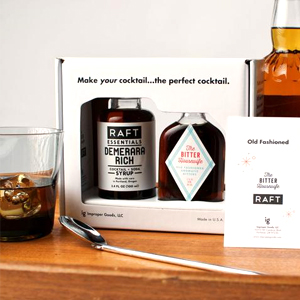
[00:34:02] Riet Latif: Yeah. And, you know, you spent a few days in Portland and you talked a little bit about this or we talked a little bit about this last week with the Jotsabiki interview and that Portland's this great incubation hub for innovative food and beverage brands. And you spoke with another pretty innovative brand Tea Company out there and Tea Company is Improper Goods. Dan and Genevieve Brazelton are the owners of Improper Goods, which is the parent company of Raft Botanical Cocktail Syrups and The Bitter Housewife, which is a brand of small batch aromatic bitters. Dan and Genevieve are a husband and wife team, and they sit down with Marty to discuss the launch of Tea Company and Brew it aims to make approachable products for consumers increasingly embracing at-home cocktail preparation. Let's get to the interview.
[00:34:43] John Craven: Great. Well, I am really pleased to be joined here in Portland at the home of Dan Dan and Genevieve Brazelton. We have the co-founders of Improper Goods. They make Raft Spirits and The Bitter Housewife, which is a line of bidders. Thank you guys so much for having us. Yeah, thanks for coming to our house. Oh, absolutely. Yeah, it is cool. We're literally in the founder's house right now, so it's a lot of fun. So tell me a little bit about you guys. I know you guys have different roles at Tea Company. Could you sort of explain how you guys divide up the different roles? Yeah, so I'm the business and operations side of things. So I handle sales, business, financing, you know, just general operations. And then Genevieve is the vision.
[00:35:23] Marty Caballero: So I do most of the marketing, the PR, as well as the main flavor development, product development.
[00:35:31] John Craven: So tell me a little bit about your history and sort of getting into the beverage business. What sort of sparked your passion and what were you doing before you entered the business?
[00:35:39] Marty Caballero: Well, I'll start. The Bitter Housewife was the first product that we had. And I honestly had no intention of starting a bitters company, but I am a kitchen tinkerer and a background in cocktails and was making bitters. I wanted to see if we could make something better at home than the Angostura that I was familiar with. And a couple of tests and it was much, much better. Dan and I were having one of the, you know, what if brainstorming sessions over dinner, I think. And he was thinking about a product-based business. Neither one of us had done that before. And I made a joke about calling it The Bitter housewife because I had actually been toying around with a blog called On Becoming a Housewife. And he, of course, said, That is Tea Company name and jumped on the URL right then. And then we went into a long couple years of researching licensing and what it all takes, because bidders is an interesting business.
[00:36:42] John Craven: I imagine. It's somewhere between the gray area, state by state, between spirit laws and food laws and who has, and people don't know what it is. You're talking to government and they may or may not. It's less so now, but this was six or seven years ago. There was not. very clear what you could do in every state. So that was one of our biggest hurdles to get started. So you mentioned sort of the idea of making a better, higher quality bidders than was out there on the market. How do you guys really create that differentiation between the, you know, Angostura bidders that people are familiar with and really what sets you apart in this market? Well, I think just starting from when you're talking about Angostura and they have been the brand for years and years and years, but they're a very mass market, mass produced, chemical derivative product. There's, you know, coloring and there's no real history there of an all natural product. And now there's a lot of craft bidders out there, and we're kind of in that same vein that we're craft bidders, in that everything is all natural. We do it all in small batches. We're very careful about our sourcing. But I think what's most important is that Genevieve, as it turns out, is a super taster. And she's got great taste, I mean, palate, as well as the ability to taste, and has developed her own unique stuff.
[00:38:10] Marty Caballero: When I come up with a bitters flavor, I actually kind of reverse engineer it as opposed to thinking, oh, wouldn't it be cool if I could make spicy bitters? I think, I want to make a rum drink with these kind of things in it. What kind of bitters would also work really well? and work backwards that way, which I think lends to a bitters that just is much more accessible, much easier to use, and is much more versatile than that one or two kind of crazy trendy drink and six months later, nobody knows what to do with it anymore.
[00:38:47] John Craven: Sure. That's interesting because you certainly have the bartender mixologist audience, the people who are going to be creating some creative cocktails. And then as you mentioned, you also have the making it more accessible for consumers who aren't in that sort of stage. So do you guys focus on one side or the other or sort of where does the balance lie between the two?
[00:39:06] Marty Caballero: We do focus on one side. When we started, we thought we would be selling mostly to bartenders and restaurants, but it turned out that consumers took to it much quicker than we thought. And it's a much easier sales path to sell wholesale to retailers that are selling the individual bottles than us going around and doing individual bottles to bartenders. And we really enjoy the education factor. So we've done a good job of direct to consumer. We love talking about how to use bitters and how to make a better cocktail and giving people this flavor tour, especially now with the syrups too. the sweet and The Bitter of a balanced drink and showing them how we've got two great products they can use together. They can make great craft cocktails at home.
[00:39:58] John Craven: And then we've put a lot of energy and effort into teaching people. where when you go to a cocktail geek or a bartender, they are judging it against their giant collection of bitters that they have. And while we judge well with those and people are very surprised and we get a lot of really good kudos in comparison, then it goes on their shelf as a collection item. It doesn't get consumed. or it gets consumed for this specific drink. Whereas the consumer, we had a consumer at one of our last shows, The Bitter of Bend, she comes and she's running, she's just so excited to see us. And she wants to buy two bottles of cardamom bitters. And she says she comes into Bend once a month because in her town they don't have it. And she buys a bottle of cardamom bitters. And we said, well, what The Bitter do you use? none. Well, when did you start using bidders? Like five months ago. She's never used bidders and this is the only bidder she's ever had and she's in love with it. We love that kind of story as opposed to, well, this is the best bidders on the back bar of this bar and this high end bar uses it, which is great, but it doesn't really reach and resonate with a large audience. And it just resonates with the cocktail elite. On that same note, we aren't ignoring them. And this year we're pushing now, we're releasing 295 milliliter bottles that are shaped better for professional use. Places like Cooper's Hall in Portland have now dropped and are exclusively using The Bitter Housewife in that format, and they're using them for all of their drinks. We are kind of moving towards the professional and kind of working on them. But it's a harder sell to longer sales cycle. It's a lot of hand selling. We're staffing up so that we can actually do that. Sure. Can you talk a little bit about that educational aspect and sort of what kind of specific things do you do to educate consumers? Is it demos? Is it sort of online? Or how do you guys really educate those consumers? Well, the big thing that we did is that we knew that to understand bitter, you had to understand sweet. And so well before we had raft, Genevieve had made syrups, whether it was mint syrup or simple syrup or citrus rosemary syrup, so that we could demonstrate, here is a sweet flavor that has some botanicals in it. And then you add bitter. And what does that do? And you can describe it. We have a lot of verbalization to describe that, which is like, it's like a bass note with the harmony being the sugar and the melody being like the strong, either the fruit juice or the alcohol. Or there's a few different ways you can think about that, but it's basically the supporting role. But really you have to taste it. So we're really big on getting out there. We're building up a team to go out and demo, demo, demo. We're constantly demoing, we're constantly going to shows, we're constantly going to craft fairs, and we're going to unusual places. We're going to places where people are interested in food and in fashion and in design. We're not necessarily looking for places that are into cocktails or drinking, where people are coming to a party and they just wanna drink. We're going to places like Food and Flea, which is a flea market in Portland. It's really cool, a lot of little vintage stuff, a lot of really cool food. And then there is this, we give you Taste Radio we give you an education, a five minute education on how to make cocktails. The big thing is for people to be able to walk away with confidence, I can make a cocktail at home. And part of that too is to make recipe cards that take advantage of that sweet, sour, bitter, and kind of teach people that. And the big part of that is enabling. I'll let Genevieve talk to that.
[00:43:56] Marty Caballero: We put together, I mean, we talk about balanced drinks and whether they're cocktails or whether they're non-alcoholic sodas, because we actually have a lot of consumers that buy both products and don't add any alcohol at all. And we show them there's kind of a balanced drink is the strong flavor, which is most often alcohol, but can sometimes just be that base juice. then there is a little bit of sweet, a little bit of sour, a little bit of bitter. We have two of the main elements and we taste them on the syrup that is usually a mixture of kind of the sour and the sweet, throw a few dashes of bitters in there after they've tasted the syrup on its own. And undoubtedly, you always get the person that they're just like, whoa, that's a totally different experience. And they love it. On its own, it's great. And I can imagine with a shot of vodka, it's even better. And we've put together, you know, cards that they can take away to do that. We really focus on recipes that are no more than five ingredients, most of which they can either get at the liquor store or even their grocery store where they're picking up The Bitter. And just, yeah, really making it simple and really easy. And all the flavors are, I think for most folks, they're familiar enough that they don't have a problem right away thinking about what to do with it. They've got a ton of ideas of how they would use it.
[00:45:22] John Craven: And I mentioned you have a pretty robust library of recipes at this point with, you mentioned reverse engineering. So you got, you're essentially coming up with the drinks first.
[00:45:32] Marty Caballero: To some degree, I mean, we definitely, we've got a bunch of recipes on the website and we keep adding more as we come up with them. But I do have at least ideas in my head of how I want to use, how I want to use The Bitter, how I want to use the syrups, what it's going to be good in. you know, do some testing once we've got our kind of final products and that's where the recipes come from. But then there's also, you know, well, what if we could do this with it? So, you know, the holidays was playing around with a bunch of hot drinks, trying to come up with stuff that was different than just your classic like spiced cider or hot toddy in the summer, the same thing. It's like, how can we use grenadine in different types of cocktails and get away from the Shirley Temple and the Brooklyn? What else can you do with it?
[00:46:21] John Craven: I think that's a big thing for us is that while we understand the cocktail history, most drinks were made just to push up spirit and they weren't necessarily really important that they can't be modified. So, we really try to open that up and say, do what you want with it. And I think the big thing for consumers is being given permission to say, oh, in old-fashioned it has to be X, Y, and Z, and if you do anything different, you're wrong. Just to be able to say, hey, you have a palate that's unique. It's like a fingerprint. Your palate's different than anyone else, especially your bitter palate. and The Bitter palate masks how you perceive sweet and savory and botanicals and aromatics. It really is this important flavoring that most people are unfamiliar with by giving them permission, you know, to say, go play. make a base, here's a base experiment, here's 10 different recipes, switch out one of the spirits, switch out one of the syrups, switch out one of our syrups for honey. And people start playing and they start inventing their own drinks like so fast. It's really amazing to see. It's a different perspective than to say, A lot of the cocktail world is all about the bartender is God. And, you know, they're this mixologist and they're mysterious. And what they do, you can't do at home. And we've kind of turned that on its head. What I think is that we're in a really nice time where the first thing of education is saying, go play. Drinking is fun. What's sort of inspiring you in terms of creating flavors these days? Where are you guys sort of having fun and exploring? I think that we have two syrups that are classic syrups. They're not original flavors, but they're really done in the most simplistic, clean, organic way possible. And that's our pomegranate or our grenadine syrup, which is pomegranate, and then our orgeat, which is almond syrup. And a lot of people are not familiar with these. They're fantastic. People are not familiar with them because the mass-produced stuff is, it's chemical flavoring and it's really tastes like chemical flavoring. And those who are familiar with it are mostly familiar with it for tiki drinks. So we're trying to step those out of the tiki world and use them in the much more broad sense and having more fun and saying use these syrups in a form, in a base formula of sweet, sour, bitter, strong, make your own drinks, have fun with it. Could you talk a little bit about being a beverage company in the Portland area? You know, this is really a great hub for a lot of food and beverage, a lot of innovation happening here. What makes it a special place and, you know, why have you decided to sort of, you know, make Tea Company here? Portland is a different business scene than I've seen anywhere else. So many people reach out of the woodwork to help and so many people are entrepreneurial. So there's a lot of resources that are not your normal kind of resources. Like this is the kind of town, especially since we have so many distilleries, it's kind of like in the olden days you could go to your neighbor and borrow a cup of sugar. So, you know, it's come up that we've gone to our neighbors and borrowed a five-gallon bucket of whiskey. So there's a little bit, and there's people who are so willing to tell you what their secrets are and how they worked and, oh, you got to talk to this supplier and talk to this tank manufacturer. And right now in our facility, we have Elliott Nut Butter, we have Fire Brew is just moving in, and we have Clutch Coffee. and they're all in our facility, and they're all collaborating. We're talking about, oh, I work with this distributor, and hey, have you, you know, worked with this store? You know, ABC Home in New York approached us and wanted to bring us into the store. I said, this is a great fit for a ceramics company that I happen to know that's coming out of here, and they need to be in that store. There's this always constant collaborative, assistant, supportive culture here. That's great. Well, thank you guys so much for joining us on Taste Radio and sharing your insight and really looking forward to what you guys have next around the corner. I'm sure it's going to be exciting to watch. So thanks again, guys. Next spring, there's going to be some pretty enormous stuff coming from us. We'll be checking for you. Thanks.
[00:50:49] Riet Latif: who needs a cocktail? Yeah. Marty, did they make you any cocktails when you're at their home?
[00:50:54] John Craven: I did not get the chance to try any cocktails. No, unfortunately, but it was certainly great to be in, in the, you know, the home of The Bitter housewife, I guess. I was right in the den there, but really interesting company. I think that certainly their goal of expanding the sort of use occasions for bitters and just sort of expanding the way people understand how to use bitters is really a, it seems like an area that has a lot of runway for growth. I think that some of the interesting things that we've been seeing in terms of flavor, complexity and combinations in other areas of beverage really play kind of perfectly in The Bitter that are really going for, you know, aromatic you know, sensory kind of experiences. No, I did not get a chance to try, but next time.
[00:51:38] Ad Read: I got to say, you know, they're one of my favorite bitters because it's so mild and it's not super concentrated because sometimes I make a cocktail of bitters and I put two dashes in and it overwhelms the whole thing and Dan was kind enough to give me a bottle of their orange bitters at BevNET Live and I've been using that a lot and you can put four or five splashes in there and it still doesn't really overpower the whole thing which goes to your point of you know consumer education which is such a difficult area for for product like bitters and you know.
[00:52:11] John Craven: It's demystifying I think really just making it much more approachable as you said and you know this is something that you can use every day, you know, a couple times a week. It's not something that you just buy and sits on the shelf for a couple years.
[00:52:23] Riet Latif: And from a sales strategy, I mean, they talked about Approachable flavor is a way to resonate with a broad audience. And this idea of, you know, customization to your own tastes. I think it was Dan that said, we want to give consumers the permission to experiment. And the quote was, you know, you have a palate that's unique, enjoy it, have fun with it. And especially when it comes The Bitter, because, you know, they talked about bitters having a very distinct effect on your palate versus sweet and sour and things like that. John Craven, Mr. Cocktail himself, or Mr. Negroni himself, check out his Instagram profile. Bet that Craven, I think the last, what was it, the last 30 of your poster Negronis at least or so?
[00:53:09] John Craven: I don't know. I just can't come up with anything original to post anymore.
[00:53:12] Riet Latif: Featured at NegroniAficionado.com. But you're experimenting with these things. I mean, you know, how much of the, how much of this, you know, this business strategy, this approach that The Bitter Housewife and Raph Spirits is taking, you know, do you think is going to be impactful in reaching more people?
[00:53:26] John Craven: Well, I mean, I really like products like this, but I also really don't understand the underlying business that much, just in that it is pretty much the opposite of like every other beverage product out there, which is more, you know, volume, right? I mean, I have plenty of bidders at home and, you know, I drink the Kool-Aid of, you know, I don't know, the Bill Weiland Kool-Aid, we'll call it. And since we're talking about that stuff here. He loves The Bitter. I definitely have a lot of bitters, but if you make a lot of cocktails, you go through alcohol way faster than you go through bitters. It's like orange bitters. I don't know how big The Bitter is. Maybe it's like 10 ounces. I probably had the same bottle for God only knows how long. So that part of it, I don't totally understand. Like I also guess I don't feel like I want to put bidders on other stuff, but maybe that's just because I don't think about that yet.
[00:54:23] Ad Read: But on the other hand, you know, it's a high price point for a small bottle. So that's one of the few beverages that you could actually succeed in e-commerce.
[00:54:32] John Craven: That's where I was going to go, which is that I, you know, I think there's so many different types of bidders out there. You mentioned Instagram. I feel like that's like the type of company that like if I post a cocktail photo is like following me, are companies that are selling bitters, which seem to be like a real, you know, large number of those right now. And it is sort of like a sticker price that is a little intimidating. So I think that's something that I, you know, would love to see evolve. But I think there's a lot of neat products out there. I mean, it certainly has come a long way from like, I don't know, 10 years ago in the space,
[00:55:13] Riet Latif: Marty, thanks so much for joining us. It sounds like you had a really great experience in Portland and your coverage is not done. You're going to be writing a story about the on-premise scene for kombucha in Portland, right?
[00:55:23] John Craven: Yeah, definitely had some interesting conversations about, you know, sort of developing on-premise kombucha, sort of bringing the social aspect to kombucha that, you know, social drinking, you maybe think of, you know, going to the bar or cocktails or whatnot, but some really interesting stuff from a couple of different brands that are sort of developing that social aspect and trying to bring that on-premise. Anytime you guys want to send me back to Portland, feel free. I'll be there.
[00:55:48] Riet Latif: Well, it sounds like you did a pretty good job this time around. So yeah, six months from now. How about that? Sure. How about a Taste Radio field trip?
[00:55:56] John Craven: Ooh, it's all on the record now. So sponsored by the tourism board of Portland or something.
[00:56:02] Riet Latif: Precisely. Marty, thanks so much. Thanks again, guys.
[00:56:06] John Craven: I'm going to put bitters on my gorilla munch tomorrow just to just to try it.
[00:56:10] Ad Read: You could just do a dash in some sparkling water. It's pretty good. Did you say gorilla munch?
[00:56:14] John Craven: Yeah. Who still eats that stuff? You can punch a gorilla in the face every morning on that box.
[00:56:18] Ad Read: Is that their tagline? Yeah.
[00:56:19] John Craven: No. Yeah, it is. Every time you eat a bowl, you punch a gorilla in the face. Oh, geez. It's time for the latest edition of Elevator Talk, guys. Who's ready for some Elevator Talk? Oh, yeah. You in? I'm ready to get on. All right, let's do it. We've got Kenneth Park this week, the founder and CEO of Detox Water, and that's a brand of bioactive aloe water enhanced with electrolytes and vitamins. Let's do it. Welcome to Elevator Talk, where we put an entrepreneur in the elevator with their dream investor for 45 seconds. We ask three questions. Who are you, and what does your company do?
[00:56:53] Detox Water: My name is Kenneth Park. I'm the founder and CEO of Detox Water, Superleaf LLC.
[00:56:59] John Craven: Is there anything coming up that you're excited about?
[00:57:01] Detox Water: Well, we're really excited about launching our new SKUs, which are the Berry Twins, Peachberry and Appleberry.
[00:57:08] John Craven: What have you been geeking out on besides your brand?
[00:57:10] Detox Water: We're really excited about bringing aloe vera mainstream, so we are an aloe-infused water, and we're really excited about launching another product line as well.
[00:57:21] Riet Latif: Great stuff from Ken. You know, Detox Water seems to be a brand on the rise. Thanks, Ken. Recently picked up new distribution at 1,500 new retail locations across the U.S., including 750 Kroger banners. And they're also on the cusp of wrapping up their new Series A round of funding, about $2 to $3 million in that round. Pretty great stuff.
[00:57:41] Ad Read: and they're launching a couple new flavors at Expo East and Expo East. Yeah. We're going to be there next week. That's awesome. That's in Baltimore. And if you're listening, you want to meet us, you got any news, you got any announcements, anything you want to share, send a email to news at BevNET.com or news at project Nosh.com for your food brands out there. We are very much looking forward to seeing all of you down there.
[00:58:05] Riet Latif: Full force. We'll have content for our site. We'll have video for the site. We'll have audio. We'll have social media. We'll have everything. We've got the whole thing covered. Photo galleries.
[00:58:15] John Craven: Speaking of social media, I just wanted to give a shout out to Shizu Okuza, the founder of Drink, J-R-I-N-K. She reached out on social and we connected this week, so I'm psyched. I mean, she had great feedback about the podcast. She really loves Taste Radio.
[00:58:29] Riet Latif: Outstanding. We love Taste Radio too. All right, that brings us to the end of episode 74. Thanks so much to our sponsor, Vyron, which makes efficacious ingredients for trend-setting brands. Also, thanks so much to our guests, Matt Thomas, Dan and Genevieve Brazelton, Marty Caballero, and Kenneth Park. As always, questions, comments, ideas for future podcasts, please email us at podcasts at bevnat.com. On behalf of John Craven, Mike Schneider, and Jon Landis, I'm Ray Latif. Thanks so much for joining us. We'll talk to you next time.