[00:00:05] Jesse Wolfe: Okay, Landis, we have a lot going on this winter. Lay it out for us. So, Nosh Live and Brewbound Live are taking place at the same time.
[00:00:11] Ray Latif: That's right. They're both on December 4th and 5th, and on December 6th, we're hosting the third Cannabis Forum for food and beverage.
[00:00:17] Jesse Wolfe: And if you're registered for any of our main conferences, then you can also get a half-priced Cannabis Forum ticket, which brings us On The final event, BevNET Live, where we have a full buyout On The Lowe's Santa Monica Beach Hotel for the very first time on December 9th and 10th.
[00:00:30] Ray Latif: Like I said, a lot going on. Info on all four events can be found at BevNET.com slash events.
[00:00:35] Jesse Wolfe: And please don't be shy if you have questions. We know it's a lot, so drop a line to sales at BevNET.com and we'll walk you through everything.
[00:00:42] Ray Latif: And now, Taste Radio. Hey folks, thanks for tuning in to Taste Radio Insider. I'm Ray Latif and you're listening to episode 43 On The podcast. I'm with my BevNET colleagues, John Craven, Mike Schneider and Jon Landis. We're recording from the Taste Radio studio at BevNET headquarters in Watertown, Mass. And in this episode, we speak with the entrepreneurs behind three up and coming brands, but how they work their way into their dream retailer. If you like what you hear on Taste Radio Insider, please share the podcast with friends and colleagues. And of course, we'd love it if you could rate us On The Apple Podcasts app or your listening platform of choice. Just for a quick reminder to our listeners, all new episodes of Taste Radio Insider are now being published On The same feed as our flagship Taste Radio podcast. Just search for Taste Radio on your podcast app, hit subscribe, and you'll have access to everything we publish. Ray Latif, particularly excited today, probably because he hasn't seen Jon Landis in a couple of weeks. I was, I was, I was out of town for a bit.
[00:01:48] Dang Hummus: Yes.
[00:01:50] Ray Latif: John Craven also back On The fold. How are you? Delightful. Ray, what do you, what do you got in your hand there? Do you get some eyedroppers? What is that? Is that CBD? I just wondered. No, these are adaptogenic herbal supplement drops from a company called Lakai. Elements by Lakai. Calm drops. How do you spell Lakai? L-O-K-A-I. Lakai. Do I go On The next round now? Is that Loki from the Avengers? No, it'd be Lokai. Oh. Yeah. It's a cool bottle.
[00:02:20] Jesse Wolfe: Smells like maple syrup. You gonna try some of that? Do we need adaptogenic drops?
[00:02:26] Ray Latif: Schizandra and blueberry. That's why it's making me think of syrup. There you go. Yeah. I was really happy to be back to see the new HealthAid Kombucha Tropical Punch variety On The cooler. This is good stuff. They sent quite a lot of that, because it lasted a while, and it usually had stuff. I didn't get any. I saw the last bottle. Yeah, I didn't get anything.
[00:02:43] Lisa Curtis: Yeah, there you go.
[00:02:43] Ray Latif: Well, thanks for sharing, you guys. Maybe I had three. You guys were gone. Unsurprising. I actually felt like there was some banana in here, but there's no banana. The ingredients include pineapple juice, mango puree, and orange juice, but it's really delicious.
[00:02:59] Dang Hummus: Man, I drank so much Kombucha Tour my trip to Europe. It was kind of weird.
[00:03:05] Jesse Wolfe: The European Kombucha Tour?
[00:03:06] Dang Hummus: Yeah, what's the... It's kind of like going in a... I mean, some of it is really good. Some of it is like going in a time machine back to like kombucha 2015 On The US.
[00:03:14] Ray Latif: It's super funky and... It's just kind of all over the place.
[00:03:19] Dang Hummus: Like they've got some pretty interesting flavors, I would say. Like I had one that was a smoked kombucha, never had a smoked Kombucha Tour. I'd like to try that. How was it? It was pretty good. It was kind of like drinking a campfire, but I dug it. I don't know if I could drink it off, and I don't remember which company made that. And then a lot of shelf-stable stuff, too, because the cold chain distribution over there, I think, is a little different than here.
[00:03:43] Ray Latif: Is it actually Kombucha Tour is it, like, at that point not kombucha anymore? Are we going to have that debate on here? I love that debate. Okay, we don't have to have that. We've had that debate. That's a debate if you're heading to Kombucha Tour at some point. A debate for the ages. Yes, and then, you know, there might be some fallout after that. Officially, I say no. Mike's like a mole for some kombucha company. I love kombucha. I don't think it's Kombucha Tour that point. I think it's, you know, once you make it shelf stable, it's got to kill the probiotics.
[00:04:12] Jesse Wolfe: Not the same thing anymore. So you don't think the kombucha syrup for the soda stream we saw is real kombucha?
[00:04:19] Ray Latif: Stop. I reject that. I want to try it. I didn't try it. It'll be at Expo East. I'm sure I'll get a chance to try it this time.
[00:04:27] Jesse Wolfe: For context, what are you talking about? It was a brand called Soda Press. They were at the Summer Fancy Food Show in New York City. And it's essentially a syrup that you add to water and then carbonate in a soda stream and you make kombucha.
[00:04:41] Ray Latif: Do you know why I rejected that? Because it said soda.
[00:04:43] Jesse Wolfe: Yeah.
[00:04:44] Ray Latif: Soda and kombucha. That just like kombucha is a soda killer to me.
[00:04:48] Jesse Wolfe: I mean, it's akin of if you had like a alcohol laden syrup that tasted like beer that you'd put in and carbonate it and say, here's a beer, you know? I mean, there's a whole fermentation process. There's a whole process. It's a crafted product. It's like Belgian beer versus Belgian style. People have done it. They've had those. Yeah, there's beer syrup. I remember, like, basically the Mio for beer, essentially. So, like, just put it in your Bud Light and turn it into an IPA with, like, this Mio flavoring. Oh, yeah, I remember that, yeah. So, I mean, people have been trying it with the beer, but I never seen a giant trade show booth for, you know, beer flavoring, so. I guess that was interesting.
[00:05:27] Ray Latif: I mean, it feels weird because it feels like they're trying to broaden access to kombucha, but it's not really kombucha. And I think that's going to ruffle a few feathers for sure. I mean, broadening access to Kombucha Tour me means what I saw at Trader Joe's the other day, which is an exclusive flavor that GT's rolled out. Strawberry lemonade.
[00:05:46] Lisa Curtis: Strawberry lemonade. Yeah.
[00:05:47] Ray Latif: Which I thought was pretty interesting because it feels as mainstream as anything GT's has ever done. I haven't, no. I have tasted it, and it's very sweet and soda-like, and I think, like, super accessible.
[00:05:58] Jesse Wolfe: You're right, yeah, about broadening access, but it's also about just defining what kombucha is, because if you just throw some probiotics and sugar and flavor into something and carbonate it, can you call it Kombucha Tour. I think there needs to be a SCOBY. There's probably nothing wrong with like, you know, someone who wants their soda stream to be infused with probiotics and flavors and maybe a little bit of sugar. Like there's nothing wrong with that. You know, you might even be able to make good product. I mean, hey, Kavita sells a lot, right? Yeah.
[00:06:26] Ray Latif: I mean, call it kombucha flavored or something like that. By the way, that crunching that you hear is us taking... Is you more specifically.
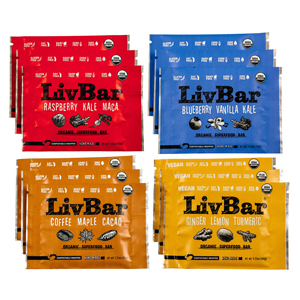
[00:06:33] Lisa Curtis: Live bar, yeah.
[00:06:35] Ray Latif: Okay. Is it a live bar or live bar? I don't know. I think it's live bar. Live bar.
[00:06:39] Jesse Wolfe: Is it live bar?
[00:06:40] Ray Latif: Yes. Well, Mike has been On The crunching over there. I'm crunching away.
[00:06:42] Lisa Curtis: What is that?
[00:06:43] Ray Latif: What's in there? Three great words. Lemongrass, cherry matcha. It's a seed bar. with a sustainable... With a compostable wrapper.
[00:06:52] Dang Hummus: Compostable wrapper. These are really tasty. The maple coffee one, which we don't have in front of us, because we ate them all.
[00:06:58] Lisa Curtis: Shocking, yeah.
[00:06:59] Ray Latif: That's my personal favorite. My grandfather had a compost heap, and he would take you out On The backyard. He was a chemist, and he would explain everything in pedantic detail. He'd be like, you know, so I put all my compost in here, and put your hand in there. It's really hot. Put your hand in there. Your hand would be on fire in this compost heap, because it is active. That's a passionate man right there.
[00:07:19] Jesse Wolfe: This is great. It looks like it has a one year shelf life. Cause it's, it says the expiration is June, 2020, which I think is, is fantastic for a compostable wrapper. I know the guys are regrained for, I've been trying for a really long time to be able to get a compostable wrapper that doesn't compromise their product and the integrity of, you know, the, the dryness, it can dry out your product or, you know, you can have all sorts of issues because, you know, the wrapper needs to protect the product more so than compost.
[00:07:47] Ray Latif: This product is not dry, and it's seeds too, and it's pretty moist. We talked to them at Summer Fancy Foods, and they told us about how they were challenging Clif Bar on social media to go compostable themselves, and Clif was all into it for like 10 minutes, and I guess they haven't done anything yet.
[00:08:03] Jesse Wolfe: I imagine that this formula for this bar works with this wrapper, but it probably isn't just a slap your whatever product you got in this wrapper. You probably have to be really specific with the formula. Well, they've done it. It is quite good.
[00:08:18] Ray Latif: This pouch that I'm holding in my hand from Rick's Picks, holding snacking pickles, is definitely not compostable. It was slightly opened by John Craven and now some On The brine is spilling out On The Taste Radio table. If you recall, we had the founder of Rick's Picks, Rick Field, On The last episode of Taste Radio, that would be 42, featured On The show. Good interview. And now we're going to do a taste test of his products, or John Craven is going to do one. This is that crunch. This is the cumin lime dill variety. These are cool. I really like these. And actually I took some of these on vacation with me and they were great On The beach.
[00:08:59] Lisa Curtis: Eating Pickles On a beach.
[00:09:01] Ray Latif: Pickles On a peach. That's a common use case. We're going to change the name of Taste Radio Insider to Pickles On a Beach. How about that?
[00:09:08] Dang Hummus: I'm getting a really strange picture of your vacation in my head. And certainly you have your blue shirt and your Man U hat on.
[00:09:16] Ray Latif: Just for the record. You're 100% correct. I mean, it will protect you from the sun's rays. Honestly, yes, very much so. Like I always cover up because it's, you know, it's... It's hot out there for a pimp. I'm just thinking that's pretty delicious.
[00:09:29] Jesse Wolfe: That ray. Sneak that one in there, I guess.
[00:09:32] Ray Latif: Ray needs to be protected from rays. I like that. Exactly.
[00:09:35] Jesse Wolfe: Hello.
[00:09:36] Ray Latif: I didn't bring any of these, these licks shots. L I Q S cocktail shot is the name On The brand. Jon Landis, do you bring any of these with you to any fish shows?
[00:09:45] Jesse Wolfe: No, I just stuck with the fireball. You know, if you're going to just kill yourself, you might as well go down swinging. What are these either it looks like a cream kind of whiskey shot similar to fireball But it has some kind of vanilla creme.
[00:10:04] Dang Hummus: Yeah, they have a whole set of different flavored shots which are On The other room, but this one is a Whiskey fire shot they come in little plastic individually sealed containers. I haven't tried them myself. Yeah, it's not really a guy
[00:10:19] Ray Latif: I don't know. It's a cinnamon whiskey, vanilla creme. These are called double-size shots, 20% alcohol or 20% ABV per. I can't see.
[00:10:28] Jesse Wolfe: It sounds like we've got to get an inspector Landis On The case.
[00:10:31] Ray Latif: It sounds like you guys need to do some shots.
[00:10:33] Jesse Wolfe: No, 13 grams of sugar per shot, 164 calories per shot. But they are gluten-free. I mean, I would do it if it was cold, but I'm not. It's got creme. I can't, yeah. I can't do warm creme.
[00:10:44] Ray Latif: How about the On The rocks that's in front of you, Jon Landis there?
[00:10:47] Jesse Wolfe: Yeah, I mean, I flew back from Wisconsin on Monday and they were advertising this On The rocks premium cocktail, the old fashioned crafted with Knob Creek on my flight, my United flight. Unfortunately, I had horrible, horrible hangover and it was like the last thing that I wanted. Isn't the hair On The dog that bit you a good thing? It was a very, very long day. I wasn't about to start going down that road. Did you use the bag and the seat back? I was already getting hair On The dog four days in a row. I needed to detox On The air. Oh God, it's like coming out of his pores On The plane.
[00:11:31] Ray Latif: Everyone loved you, Landis. I was going to say, On The answer to my question is yes. I think that is the answer. I haven't tried these, the On The Rocks. It's a pre-mixed cocktail. These are premium. They're blended with branded spirit products. The one I have in my hand is a Mai Tai crafted with Cruzan Rum. The one that Jon Landis has is an old fashioned with Knob Creek in there. John Craven, have you tried these before? I have not, but there's a lot of these types of products kicking around lately.
[00:11:56] Dang Hummus: We had one that at the Fancy Food Show called Straightaway Cocktails, which I have to say that like immediately went to my favorite ready to pour cocktail that I've seen so far. Definitely should check this stuff out on social media at Straightaway Cocktails.
[00:12:13] Ray Latif: Really cool looking design too. I love the design On The Negroni and then also the Shoot, what's the lemon one called?
[00:12:22] Dang Hummus: Limoncello, and they have an old fashioned, but it's all stuff from, you know, they've tried to source a lot of stuff from Oregon. So it's not like big name spirit brands in it. Cool stuff.
[00:12:31] Ray Latif: Yeah. Based in Portland, Oregon, we recorded an Elevator Talk with the founder On The company that's going to be appearing next week on YouTube and Instagram stories. Check it out. You know, we got some new Owen products. That's only what you need. O-W-Y-N, a maker of plant-based protein drinks. Yeah. Jason Cohen found time between his Wimbledon appearances at center court to send us some, uh, to send us some new Jason Cohen, the founder of Halen brands, uh, which backs Owen. I thought they did a rebrand with this product, but you guys are saying that it's not, it's a, it's a new product line. Mike Schneider, can you clarify? This is a new product. I was confused because I was looking at this saying, OK, it looks like it looks like their sort of muscle meal competitor, the recovery drink that I like. And I thought this was a new package for it, but it isn't a new package. It's actually more of a soiling competitor, a meal replacement.
[00:13:23] Jesse Wolfe: And I'll say I'm a lot happier after I figured out that it's a new product because I like it. The design has a soylent competitor because it's very two-tone. It's very minimalistic. I thought if they were just changing. I was like, oh, why would you change this way?
[00:13:40] Ray Latif: Same, because they had good call outs On The other one.
[00:13:42] Jesse Wolfe: It looks like a category appropriate. Now that I know that there's two lines, it definitely stands aside. It looks different, but it still looks the same. And now that I understand what it is, it makes a lot more sense to me. Same. You're going to have to get over that initial hump of, is this new packaging or new product?
[00:14:02] Ray Latif: Well, on Instagram, I did like a magic trick where I snapped my fingers and had the old one turn into the new one. And people were like, what is that? Why did they do that? Why did they take the plant-based call out off the package? And, you know. Was this On The official BevNET Mike Instagram page or was this on your burner account? The official BevNET Mike Instagram. Can anyone find Mike's burner account? You get a free t-shirt if you do. Oh God, my burner account. Uh, yeah, no, but the thing that stands out for me with the new Owen line is like the brand is vertical now and it really stands out. I actually like this honestly a little bit more than the branding for their flagship line, but the big, you know, the other big difference is this contains 300 calories per 12 ounces. Uh, whereas the other line, I think it's about half that. I'm not a big fan of, of vertical branding. And in this case, if you don't know Owen, it looks like IO. You know, Iowin or something like that. It looks like a 10. Oh, like a 10. You thought it looked like a 10. 10-10 wins. But I think at this point in, you know, where Owen is, they've done a good job with brand awareness that someone's going to see this and know that it's Owen.
[00:15:07] Jesse Wolfe: Yeah, definitely. If you know Owen, I don't think you're going to have any trouble understanding this product.
[00:15:12] Ray Latif: If you know Owen, you're definitely not going to have any trouble. We were talking about fermentation and we were talking about spice before. Have you guys tried Sichuan chili crisp yet? Fly By Jing? This stuff is crazy. Didn't you not share that with us and just take it home? I did take it home.
[00:15:28] Lisa Curtis: So then I got to bring some back.
[00:15:29] Ray Latif: No, no, there's definitely more here. So yeah, I've totally, totally tried it a million times. Thanks a lot, Mike. Didn't you use one of those Instagram features where it's like all hearts? I think I saw that in one of your stories. I did use the hearts. Yeah. This stuff's life-changing stuff, man. I make meals around this. I've made fusion tacos, classic Sichuan dishes. It's good because this category hasn't seen a lot of disruption. You don't see a lot of disruption On The classic Chinese sauces, and this one takes out ingredients that you don't like and you don't miss them, like MSG and sulfur dioxide. It doesn't have any of that stuff in it. Indeed. It tastes the same. Interesting you're talking about disruption because I think the entrepreneurs that we're going to be talking to right now represent brands that are quite disruptive On The market. As I mentioned at the top On The show, this episode features a series of interviews with the entrepreneurs behind three innovative brands, and focuses on how each landed placement in their dream retailers. Jesse Wolfe, the founder of dressing brand O'Dang Hummus, Lisa Curtis, the founder of Cooley Cooley, a brand of Moringa-based foods and beverages, and Tyler Noyes, the co-founder of meat snack brand Kalahari Biltong, each discussed their paths into popular chains, including Publix, Walmart, Sam's Club and Wegmans, and reveal key steps On The way. All right, I am joined by Jesse Wolfe, the founder and CEO of Dang Hummus. Jesse, thanks so much for being with me.
[00:16:57] Dang Hummus: Oh, thanks for having me, Ray.
[00:16:58] Ray Latif: Super excited. Did I pronounce it correctly? Is it Odang or is it Odang?
[00:17:01] Dang Hummus: We like to have a little more excitement behind it, like Dang Hummus.
[00:17:04] Ray Latif: I like that. Thank you. I like that. On The next time I introduce you, I'll be like, Oh, Dang Hummus, the founder and CEO, Jesse Wolfe. I like it. It's perfect. Tell us a little bit about your brand. What is what is Oh, dang all about?
[00:17:16] Dang Hummus: Yeah, so we're really taking chickpeas and elevate them On The next level. That's our mo right now. We started out as Dang Hummus dip company a couple years ago, and we've transitioned into wide On The grocery store. So we came out with a line of chickpea salad dressings. Dang Hummus based and what we found was hummus is super delicious a lot of people love it as we all know and people were starting to use it for other things ie salads and spreads and stuff like that On The problem is it was just very thick and kind of clumpy doesn't do well as a salad topping if you will So, we went back and I reformulated the entire recipes and created this line of salad dressings. And when we really dug into it, we created this completely new product. So, we're the world's first plant-based salad dressing, truly. We use real, whole-grown California chickpeas. We use only extra virgin olive oil. We're one On The few brands On The world that use that type of oil. And by replacing So much On The oils, fats, sugars that typical dressings have with vegetables, chickpeas and tahini and roasted red peppers or whatever you might put in there, we got a naturally low-calorie, low-carb product. So our products are full flavor, yet all of them are under 45 calories or less per serving. So we really kind of ran the gauntlet, if you will, with this first product. and have seen great success. And now we're moving on to all kinds of new products for 2020 and the coming years. So, it's really cool.
[00:18:42] Ray Latif: Very cool.
[00:18:43] Dang Hummus: Thank you.
[00:18:44] Ray Latif: Now, we're talking about getting into your dream retailer. Yeah. And for you, that retailer was Publix.
[00:18:50] Dang Hummus: Yeah. Why? So, we're based out of Orlando, Florida. That's where I started my business, actually, in my last year at the University of Central Florida. I went there for school, for business, entrepreneurship. Publix is our hometown grocery store. Right. And when I started my business, it was at local farmer's markets. I started at one single farmer's market selling hummus dips in 2014. You know, you're in that grocery store, you know, a couple of times a week, you know, and everybody, a lot of your friends work there in college. So that was always a dream of mine was to be On The shelves of Publix. I was like, how cool would that be? Again, very naive at the time to like how big this business could have possibly have gotten or has become. Um, but like my sites were set on one, you know, one public's grocery store, not realizing how the industry worked. Um, but you know, that's, that was like the kind On The crowning achievement for me at that time was laying on publics. I gotta be in there. My friends, my family, you know, my professors, everybody I know shops at publics. So, um, we did farmer's markets for about a year and a half and everybody kept coming up and saying, can I find you in publics? Can I find you in publics? Nope. We're sold here on Sundays. Come see us next Sunday. You know? So publics was a really big, uh, crowning achievement for us.
[00:19:56] Ray Latif: Publix is a big conventional grocery store. Where were you before you were in Publix?
[00:20:02] Dang Hummus: So in 2014, we were only sold in farmer's markets. Then late 2014, we got one, our first ever grocery store. It was called the meat house in winter park, Florida. Of course the meat house for a plant based dressing. We were laughing so hard then we actually, yeah, I was like, this is completely ironic if you will. But yeah, they gave us a chance and let us put our product in their store. Did really well, you know, but that was it. You know, then we started, with a couple whole foods stores On The Florida region. And then we went after Publix, you know, and again, super naive to how grocery works, how CPG works. I had no industry background again, coming out of college. So I did what everybody's supposed to do. And I got on LinkedIn and Googled Publix buyers. Cause that's how I thought I would tell it worked. You just call them and see if you get a meeting. got someone On The phone up at corporate office of publics and it was the completely wrong buyer. It was actually the floral buyer.
[00:21:00] Ray Latif: the person who buys, buys flowers for publics.
[00:21:03] Dang Hummus: Yeah. And ironically enough, we both had gone to UCF together around the same time. Okay. So I was like, you know, I'm sure we've had a class together. It's a huge campus, you know, psychology is a massive class. We all take, I'm like, can you point me On The direction, you know, On The buyer that I would need to talk to? And he starts laughing. He goes, this is not how this industry works. You know that. Right. And I'm like, honestly, I don't. I have no clue. I was like, you know, I'm, I'm in school business and I'm just a cold caller. So he was awesome. And he gave me an introduction to my first buyer. And as soon as she answered the phone, he literally transferred me to her office. She picked up the phone and I just started selling it. I was like, my name's Jesse Wolfe. I have this hummus company. We're at a UCF, we're local. And you could tell she was like under Tony, like how big is this company really? Like, is this guy calling me from a farmer's market kind of tone? And sure enough, I was. But she was crazy enough and gave me an interview for a meeting rather. And we went about a month later and pitched her our current products at that time. And she had actually passed On The dips, the hummus dips. But she was really excited about these hummus dressings we were just coming out with. So she invited us back about two months later for a different category review, if you will. And we had a chance to pitch these hummus dressings, which was kind On The door opening, if you will, to publics, but you know, it kind of didn't go in our favor, if you will, because really us not publics, which was kind of a whole nother story. What was wrong with that first opportunity? So again, you know, this is where sometimes being naive is great and sometimes it can be, you know, dangerous. So, you know, now that I've been in a CPG now for, you know, going on four years, I've really bumped my way through this industry and learned a lot. Cold calling buyers is really hard and usually not the direct route to go. know, we went in with no brokers, no sales reps, anything like that. And it was so fun. I'll never forget this, the meeting for the salad dressings. We walk into the buyers, the headquarters of publics were in suit and ties and we're holding our boxes. Everyone else is in like, you know, jeans or slacks on a polo. And we're behind, I think it was Campbell's Campbell's a craft and they must have had 15 people in their group. And I walk up with my box of salad dressings. You know, I felt like the new kid On The block for sure.
[00:23:14] Ray Latif: So I went up there and we had, this was just like a general meeting for food companies pitching to publics.
[00:23:19] Dang Hummus: Yeah. You know, so, you know, they do year round reviews. Yeah. So I'm not sure, you know, what they were pitching ahead of us, but you go up On The sign in area, you know, and I, there was that moment that hit me. I'm like, Oh my gosh, I'm a very small fish in a very big pond, you know? But yeah. So long story short, as we were pitching publics, we were also quietly auditioning for Shark Tank. So this like storm kind of brewed and hit it once. So publics initially had said yes to bringing our dressings in, in 2015, at the same time we landed Shark Tank and the delivery date for both publics and the time we had a Shark Tank fell the same exact week. So our poor manufacturing facility that we were again, we're just bootstrapping together. We made all this inventory for publics Shark Tank aired the week we were supposed to deliver publics. So we didn't want to look like a Bernie Madoff Ponzi scheme. So we had to send all the public's inventory out for Shark Tank. We sold about a hundred thousand dollars of inventory in seven minutes on Shark Tank.
[00:24:19] Ray Latif: Okay. So it was, was it, so online it was online.
[00:24:22] Dang Hummus: Okay. Wow. And again, we were very small, you know, at the time just coming out of farmer's markets and a couple of whole food stores, you know, we had publics where we thought we had publics locked down, you know, as far as the inventory side of it for ourselves, but Shark Tank, they don't tell you when you're going to air until 10 days before your episode airs. So we were just working and focusing on publics and that was it. And then we had the heads up, you know, so late On The game that we were going to air. We thought maybe there might be 10, $20,000 waters, a hundred grand. We did more in those seven minutes than we did our whole first year.
[00:24:59] Ray Latif: it, but it could have been problematic On The line because if you said no to public's then, well, they were like, well, that was your shot.
[00:25:04] Dang Hummus: Yeah. So, and then that's kind of what happened. So, you know, we had a good relationship with the buyer. The public's buying team is incredible. And I went to her just very straight up and truthful. And I was like, listen, We had an issue. Shark Tank just ran. You know, we have to ship out the little inventory we have, you know, I apologize. Like, what can we do here again? Young, naive, just trying to bump my way through the industry. So she gave us a two month extension, which never happens by the way. That's how great Publix was. We went back On The facility and we just tried to ramp up, but our, our demand from Shark Tank just kept coming in. So I had to go to her and I had to tell her, listen, I, I can't believe I have to do this, but like, this just is not the right time. I was like, if you can, you know, please, you know, we'll hold off. I'm so sorry to do that to you. I'm like, we weren't expecting the Shark Tank thing to actually go through. Like, what are the statistic odds you actually end up On The show? Right. And I'm sorry for that, you know, so we kind of walked away, you know, I was very disappointed. And again, we weren't expecting any of it. It was really heartbreaking because we got so close. We got a yes. They were working for us to bring us in to about 400 stores, which was great. And we spent that next year just bumps and bruises and getting kind of beat up with the growth. I mean, we've seen, we saw growth that year. Like I've never experienced in any business I had tried to start before. So that was my first kind of like rude awakening. Like, wow, we need to hire a lot of people smarter than myself, surround myself with people that know the CPG industry. And I had to learn as fast as I possibly can. So we spent the next year after that, we went, we met with the buyers again. Again, we were like, here's the product. Here's where it's at. You know, I don't think we're ready yet. So we went back the next year, they were a little apprehensive still, you know, cause they had seen our growth and then how fast we were growing. And they're like, we want to bring in, we want to commit you to 1200 stores. Our fear is, can you keep up? You know, so we talked about facility sizes. We were just moving to a new facility, trying to get, you know, up to speed with production. So they came back, they're like, let's hold off another year. So that was the year I thought this was 2000. It was last year, 2018. I thought we were going to get in and finally be able to grace the shelves of publics like we were hoping for. And that was the year that again, that kind of broke my heart, you know, but. Everything happens for a reason, and I'm so glad they held off because we're able to move into our new facility. It's awesome. Our production is where we've always dreamed of it to be. Our team there is absolutely incredible. So this year we went in, we had everything lined up, all the stars aligned. They had no problem giving us 1200 stores this year. It worked out awesome. We actually just rolled in to all 1200 locations about four months back, and we've had a great, great rollout.
[00:27:46] Ray Latif: And just for listeners, this is June 2019.
[00:27:49] Dang Hummus: So yeah, so we rolled in it was about March. Yeah, 2019.
[00:27:54] Ray Latif: Very cool. So it sounds like production and creating a solid foundation for keeping up with demand was really your route to getting into Publix. Yeah. Yeah.
[00:28:04] Dang Hummus: Yeah. You know, and I think there's a lot, and I meet a ton of entrepreneurs nowadays and I love the network and hear stories about everyone else got their start. And I, I tried to mentor a lot of new entrepreneurs because I made so many mistakes and I don't want them to follow that same path. You know, so that, that's the biggest thing is you never, Going into a grocery public seems like the dream, like a lottery ticket. And it is in so many ways. But if you're not ready for that, it's a lot of hard work. It's a lot of inventory and management of your inventory. You have to be prepared for that. You know, and my one advice is definitely be truthful with the buyer. If you can handle 1200 stores, great. If you cannot handle 1200 stores, ask for less. Hey, how about a 400 store rollout? Let's go there. Then the next year, you know, we can ramp up and allows our facility to grow and keep up with demand. You know, that's the last thing you want to do is over promise and under deliver. You'll get kicked right out of a store, you know, and thank God that's never happened to us. But you know, I've seen it and it's sad, you know, and that's heartbreaking for any entrepreneur.
[00:29:07] Ray Latif: You've got to support it on shelf too. I mean, you've got to have the people to be out there, right? promoting the product. I'm sure sent doing demos and, you know, pushing the other salad dressings aside off shelf or pushing them. The other ones competing ones On The back and pushing the old gang up front. So yeah, front facing it.
[00:29:22] Dang Hummus: Exactly. Exactly. Yeah. And then that's a big piece of it. You know, you have to make sure, I mean, the biggest thing is you're, you're in 1200 stores, right? you by yourself physically cannot hit 1200 stores and under a year, right? So you have to have a team to go out there to make sure that you're On The shelf On The right location, that it's front face properly, that your labels are all attached, right? The years prior, we didn't have a brokerage. We didn't have any sales reps. 2018, we were able to really build our business. We have a stellar team that hits the streets for us that, you know, make sure all of our product out there looks great, crisp, all of our labels are on properly. Cause we had some issues with that when we first started, you know?
[00:29:59] Ray Latif: The grocery industry is known for slotting fees, for markdowns, for promotional pricing, et cetera. What were some On The things that Publix asked of you?
[00:30:06] Dang Hummus: So it's funny. That's a great question. Again, when I was coming into the industry, Publix was a dream. You know, they don't charge slotting. We've now distributed nationally. So I've learned all about slotting and all that fun stuff. but public publics doesn't do any slotting, no slotting. They asked for promotional calendar, you know, and again, it's wildly up to you. And a lot of it's how successful do you want to be at publics with your launch and your rollout? So they really put it into your hands to do, you know, back in 2000, you know, 16, 15, 16, when we first tried to go in, we couldn't afford any slotting, you know? So thank God there was no slotting and really, you know, promotion was very limited, you know? So we did a couple of 50 cent off, you know, promotionals throughout the year. Again, thank gosh, because, you know, it's kind of one of those things. You only get a first introduction once. And for us to release our product, if you will, um, into 1200 stores, we did it the right way. You know, so we came out On The gates with publics, we let it load in, you know, for a couple of weeks and then we hit it right off the bat with a dollar off. you know, promotion immediately. And then we've got a whole promotional calendar ready to go right behind it. So we had the results just come in from that dollar off promotion. We were one On The highest in salad dressings for conversion, which was huge. Had a ton of dry trial from that had a ton of lift. You know, so that's, to me, very critical for the success of your brand. If you're not a really well-known product and you're launching into a new market or new region, new retailer, that first impression's everything, you know, for you, for the buying team at that store, and for your customer base. You know, the heartbreak that we kind of went through for the past couple years getting in this store, Yeah, it was not fun, you know? And it was, Oh, it was just the worst. You know? I mean, I cried on mid. I'm a big guy, but I cried, but it was worth it. You know, the way we went in, I regret nothing at this point in time about it.
[00:31:53] Ray Latif: I can imagine, you know, those years that you had to wait. You're like, Oh dang. Oh dang. Oh dang. And then 2019. Oh dang.
[00:32:01] Dang Hummus: We might've popped a couple bottles of champagne On The parking lot with the team. Nice. That was a big achievement, you know, because it was always that, you know, pie On The sky that we were just going after, you know, we almost had it and it slipped and almost had it and it slipped, but you know, you're not dealing with 10 stores. It's 1200 grocery stores, you know? So, I mean, that's a juggernaut of a business, you know, thank God we were not prepared for it. It was a blessing, you know, at the time and I see it now and you know, it's definitely better off for it.
[00:32:30] Ray Latif: Jesse, thank you so much for sharing the experience with us. Congratulations on getting into public.
[00:32:34] Dang Hummus: Thank you.
[00:32:35] Ray Latif: Congratulations with everything you're doing with Odeng. Appreciate that. It sounds amazing. And I look forward to talking to you again soon.
[00:32:39] Dang Hummus: Have a lot of fun, brother. Appreciate you having me On The show.
[00:32:41] Ray Latif: Thank you. Appreciate it. All right, I'm now joined by Lisa Curtis, the founder and CEO of Cooly Cooly. Lisa, great to see you again.
[00:32:50] Kuli Kuli: Great to see you.
[00:32:51] Ray Latif: This is your second appearance On The podcast.
[00:32:54] Kuli Kuli: Yeah.
[00:32:54] Ray Latif: Yes. For folks who might have missed that first appearance and aren't familiar with Cooly Cooly, could you give us a little bit of information about the brand?
[00:33:02] Kuli Kuli: Yeah, so Kuli Kuli is the leading brand pioneering the super green moringa. So moringa is actually a tree with leaves that are more nutritious than kale and provide potent anti-inflammatory properties. So we sell it as a green powder. We also sell it as bars, energy shots, and smoothie mixes.
[00:33:20] Ray Latif: And you have all in front of us right here.
[00:33:21] Kuli Kuli: I have them all conveniently right in front of us.
[00:33:23] Ray Latif: Yes. So we're here today talking a little bit about getting into your dream retailer. And one of those retailers for you and for your company was Walmart.
[00:33:34] Kuli Kuli: Yeah. So Kuli Kuli is about five years old now. And I always had this idea that I would know Moringa had made it mainstream and that we had made it mainstream when we were On The shelves of Walmart. And my goal, you know, in starting Kuli Kuli out On The Peace Corps and working with small Moringa farmers all over the world has always been, how do we get Moringa to go big? And so Walmart has been in my, I've had my eyes set On The for a while. And I knew who the buyer was. It was a guy named Tommy Reed and had met him at one show many years ago and kind of consistently emailed him every so often and said, you know, Hey, we're, we're doing really well. Check out our new spins numbers or check out, you know, this new press hit that we got. Often wouldn't get a response, but, you know, persisted nonetheless. And then we are at a show put on by VMG, where they invited sort of select food companies to meet Walmart. And so it was a meet and greet with the Walmart team. And I was like, great.
[00:34:39] Ray Latif: And VMG, for context, is a private equity firm based in San Francisco.
[00:34:42] Kuli Kuli: Yes.
[00:34:42] Ray Latif: It's known for its investments in things like Justin's, Spindrift, etc.
[00:34:46] Kuli Kuli: Yeah, so we were at this show and I was like, oh great, hopefully I'll recognize him right away. And we get into the show and we see all the Walmart folks come out and they're all wearing the same shirts. And I get worried because I don't exactly, I've never, I've met him maybe briefly in person once, but I don't exactly know what he looks like.
[00:35:11] Ray Latif: You didn't LinkedIn him? You didn't look him up?
[00:35:12] Kuli Kuli: I looked him up on LinkedIn, but it's still, you know, there's a lot of white men around the same age all in one room. It's sometimes hard. So you're going around like Tommy?
[00:35:24] Ray Latif: Tommy?
[00:35:26] Kuli Kuli: So I ended up making friends with this woman sitting next to me and said, hey, do you happen to know Tommy? And it was a woman who worked at Walmart, and she did. And so she pointed him out. And I was like, OK, that is the person I want to meet. So as soon as that overview of Walmart, what it's like to work with Walmart, ended, I went over to him and I said, Tommy, I'm so excited to see you.
[00:35:51] Ray Latif: Now, what was his role On The company? What is his role On The company?
[00:35:53] Kuli Kuli: So he is the buyer actually for the baking set. And, you know, it sounds like a strange thing, but it's where they keep chia seeds. It's where they keep kind of a lot of their superfoods with the idea that, you know, people who are kind of looking for baking, looking to get creative are often also looking for superfoods.
[00:36:10] Ray Latif: How did you know that he was the right person to talk to?
[00:36:13] Kuli Kuli: So I knew, well, I sort of, you know, consistently kept up to date with his LinkedIn. So I knew he was still overseeing that category. And we had been told from a few other, you know, potential brokers and such that that was probably the right category. given that we like to be near other superfoods. And actually, we're in that same category in CVS, and we're one On The best-selling superfoods there. So I knew that, you know, with more conventional audiences, if we can be near the chia seeds, near the hemp seeds, near the cacao powder, that that's generally where people are going to find us and want to buy us. And I also find sometimes when you sound really excited and you sound like you know the person, it's hard for the person to pretend like they have no idea who you are. So I'm not sure if Tommy actually remembered me, but I was like, Tommy, it's so good to see you. And he was like, yeah. Um, and I think he eventually did recognize me and, you know, recognize the person behind the consistent sort of three to four years of emails. And so I said, you know, we've, we've got our booth. It's right there. We've got some new products. Can I come show you? So I walked him over to our booth. which is where my head of sales was. And she's got years, decades of industry experience. She knows Walmart really well. And so I was like, all right, you know, Lynn, this is Tommy. He's, he's our buyer. Let's show him what we've got. And so she kind of immediately went into the pitch and everything. And, you know, then he, he mentioned at one point, he was like, well, I'm actually looking at this category right now. I'm On The, the sort of planning and review right now. And I was like, oh my gosh, we have to get in it. And so I was like, Tommy, what are you doing tomorrow? He was like, well, I've got a couple meetings, but I was like, well, what, what about like first thing tomorrow morning? Can we come? Can we, you know, sit down with you? And he said, yes. And so it was, it was amazing. You know, my head of sales went and closed the deal. And we ended up getting into Walmart launching this August.
[00:38:13] Ray Latif: Amazing. Congratulations on that. When you say close the deal, can you share some On The details that went into closing the deal? Because yes, you got the meeting. And yes, he was interested, but what were some On The things that were key to making it happen, deciding On The dotted line, so to speak?
[00:38:30] Kuli Kuli: So I think one On The really important things, especially for buyers in conventional accounts, is to show them that this is not just something that, you know, only like natural food shoppers are going to resonate with. So we actually had some really good data and we had data from spins showing that, you know, within that Moolo category, more conventional sets that we're selling twice as many units and two and a half times the sales dollars. of other green supplements out there. The idea being, you know, if you're gonna add a green superfood to your set, it should be Moringa and it should be Cooley Cooley's Moringa. And then we could also, like even broader than those numbers, tell the story of how we're doing in CVS, how we've sold 500 pallets to Costco last year, how we're really growing in places that, you know, aren't just natural food stores.
[00:39:22] Ray Latif: And which of your products will be sold at Walmart?
[00:39:26] Kuli Kuli: Yeah, so Walmart will be launching our Pure Moringa Powder. So that's the, you know, green moringa. You can add it to smoothies, you can add it to hummus, that kind of thing. And then also launching our Chocolate Peanut Butter Green Smoothie, which is nice. You know, you don't really need to add it too much. You can just add it to water or you can add it to almond milk and it tastes great and gives you all the benefits On The, you know, greens and moringa and also some added protein, plant protein.
[00:39:51] Ray Latif: Did you try to sell the whole line, the whole product line into Walmart? And if so, you know, how did you determine that the smoothie line was the right fit?
[00:39:59] Kuli Kuli: We didn't try to sell every single thing. Like I, I honestly am not sure that our bars are the right fit for the Walmart customer, for example. And so we've picked, you know, here are the products we're seeing resonate in accounts similar to Walmart. Here's why we think they're resonating. Here's what that shopper looks like. Here's how they think about it. And that really allowed us to kind of pick and choose within our line. Hey, you know, we think that these are the top two SKUs that would do really well in your set.
[00:40:30] Ray Latif: How many Walmart stores are you in?
[00:40:32] Kuli Kuli: So we are in 2,500.
[00:40:34] Ray Latif: Wow. So that's a lot to support.
[00:40:37] Kuli Kuli: It is a lot to support.
[00:40:38] Ray Latif: Did that play a role in closing the deal as well? Your ability to support the line across the country?
[00:40:46] Kuli Kuli: It is. I think it's one On The big things when people see smaller companies and startups, newer companies, they're like, how can you handle our volume, basically. And so us being able to say, hey, you know, we just raised a Series B, we've got Kellogg as one of our investors, we have Griffith Foods, we have some some pretty big name investors behind us. And we also have been working with retailers like Safeway, Albertsons Nationwide, we've been working with Costco, we've been working with CVS, and we've been doing really well at all those places, and we haven't had any out of stocks. That allows us to be able to say, like, we're ready.
[00:41:22] Ray Latif: And that gives Walmart confidence that you can do what you say you're going to do.
[00:41:26] Kuli Kuli: Exactly.
[00:41:27] Ray Latif: Great. You know, it's interesting you talk about Walmart because at a glance you'd say, Moringa, Walmart, how does that really fit? But clearly it is a fit and it's clearly something they're interested in pursuing. It's also interesting to hear that Sam's Club is interested On The same thing. And you have an interesting story about getting into Sam's Club as well.
[00:41:46] Kuli Kuli: Yeah, so Sam's Club was actually kind of a funny one where I was On The flight, on my way On The meeting with Walmart, and I ran into a friend, a guy named Rip, who runs Rip Van Waffles, and he told me that he was about to get off the flight and go straight to a Sam's Club meeting. And I was going straight to a Walmart meeting.
[00:42:10] Tyler Noyes: When was this?
[00:42:10] Kuli Kuli: This was a couple months ago.
[00:42:12] Lisa Curtis: Okay.
[00:42:12] Kuli Kuli: And so he, you know, we started chatting On The flight and then I was like, well, you know, we were probably going On The same place. We can, yeah, I'm about to call a Lyft if you want to jump in. And so he jumped in my Lyft and then he started looking it up and he's like, oh my God, they're not On The same office.
[00:42:30] Ray Latif: Oh no.
[00:42:31] Kuli Kuli: And so we had this really hard moment where we both were headed to different meetings, but because our flight had been delayed and my meeting was a little later, his was earlier, he was like, I'm already late for my meeting. And so I was like, look, you know, I want to help you out. So I rerouted our lift. And I said, OK, we'll go to Sam's Club first. We'll drop you off. And then, you know, maybe I'll be a few minutes late for my meeting, but that's OK as long, you know, we'll get you to yours first. And at the end, I was like, and hey, you know, if by chance you could bring up Cooley Cooley at the end of this meeting, that'd be pretty awesome. But I think he felt grateful that I had given him a ride and gotten him there on time. So he ended up bringing us up, and I handed him the samples On The Lyft, dropped him off, and then the buyer was like, hey, I talked to Rip. This looks really cool. Let's chat. So a good deed goes a long way. For sure.
[00:43:25] Ray Latif: I'm interested to hear what Sam's Club, a warehouse club retailer, thinks about the space that you're in, Moringa. It's an ingredient that's not really that well-known by most Americans, and Sam's Club feels like the kind of place where they're looking for brands and products that are commonly understood. by Americans.
[00:43:44] Kuli Kuli: I think that the thing that's really unique about Moringa and the thing that has actually allowed us to do really well in Costco and other club warehouses is that there are a lot of Americans for whom Moringa has a real cultural significance. So we find moringa sells really well among Hispanic Americans, that it's something that, you know, a lot of them think of as this medicinal plant, as kind of a natural treatment for diabetes, is sort of a way it's traditionally used and known. And so it sells like crazy in places, you know, that you wouldn't think of necessarily. Similarly, On The Philippines, moringa is actually the national vegetable. So in places with high Filipino population does really well there. It's also known as the drumstick tree in India. So a lot of Indian Americans are familiar with it. And so even though, you know, it's, it's new to a lot of folks, it's actually, it has a rich history and is culturally important in a lot of places. And I think we've also seen this just sort of like broader resonance of, You know, maybe On The natural food side, people are like, oh, it's an anti-inflammatory, like these B vitamins, like this holistic wellness, that's why I'm eating moringa. On a more conventional side, there's a simple message of, hey, there's, you know, two servings of greens in 10 grams of moringa. That's an awesome way to get your greens and give it to your kids, put it in their mac and cheese, ways to kind of boost your overall health without having to do too much work.
[00:45:15] Ray Latif: So what resonated most with the Sam's Club buyer? Because you said a lot of things there. You talked about the diversity of their customers, the nutritional value of Moringa. What were they most interested in your pitch?
[00:45:29] Kuli Kuli: I think the data, I think showing them, yeah, that some On The spinzita and some On The proof of concept and other similar types of retailers was like the first thing. And then hearing sort On The rest On The story was probably what convinced him to pull the trigger and make those roadshows happen.
[00:45:48] Ray Latif: Wow. Well, Lisa, amazing stuff. And I'm so excited for you because I think, what was it? I wrote a story about you for our magazine or your brand for our magazine. And this was about three years ago. And Cooley Cooley was tiny. And now you're in 2,500 Walmart stores and into Sam's Club. And I mean, it's amazing to see what you've been able to accomplish. So congrats on that. And thanks so much for joining us again on Taste Radio.
[00:46:13] Kuli Kuli: Thanks so much for having me.
[00:46:15] Ray Latif: Good to see you. You too. All right, I'm now joined by Tyler Noyes, the co-founder of Kalahari Biltong. Tyler, thank you so much for being with me. Hey, it's a pleasure to be here. It's a long time listener. This is a big honor. Welcome back, I should say. It feels like I saw you just recently. Yeah, maybe a day or two. So for folks at home who are not familiar with Kalahari Biltong, what's the brand all about? What's Biltong?
[00:46:41] Tyler Noyes: Yeah, okay, so quick and simple. Biltong is a South African style of air-drying meat with simple ingredients and then thinly slicing it. So kind of think about it between a cross between, say, a prosciutto and a jerky, for those who aren't familiar. The biggest difference between, say, a jerky or at least a traditional jerky would be the nutritional profile. So each bag has 32 grams of protein, zero grams of sugar, zero carbs, and six ingredients. And then from a texture basis, it's going to be, you know, really nice and tender, you know, kind of close to that prosciutto type style. So it's pretty incredible if you haven't tried it, I suggest it. But also On The flip side of this, I think it's equally as important for, you know, a brand like ours to answer this question, not just for what the product is, but for what the brand is. And it's kind of relevant for today's discussion about dream retailers because I think Knowing what your brand's all about and the ethos On The brand really helps define what a successful Dream Retailer partnership would look like. So, if you look at Kalahari and you ask that question again and say, what's Kalahari the brand? You know, Kalahari is a brand that, well, for lack of a better term, was born in a really exciting adventure. My co-founder and I, we went on down to South Africa and he had convinced me into this insane idea of racing an Ironman in an ultramarathon inside of a week. And he was actually my coach at the time, believe it or not. What's an ultra marathon? Technically, by default, it's anything that's one mile over a marathon. And then for those of us who are even crazier, I'd say it's more miles beyond that. Ours happened to be 35 miles. Wow. Did the Ironman, and then six days later, the ultra. But my co-founder, Brett, he is South African. So it was unbelievable to have this authentic experience from the eyes of a local. I mean, we stayed with his family. We went to local spots. And one On The first things that you discover down there is that Biltong is their unofficial national snack or treasure or both. I mean, it's everywhere. the airports, the delis, the vineyards, because you can make it in a lot of different ways, people's homes. And so at the time I was, and I'm still running it now, a company called Racepak, which is kind of an athletic food distributor. So it's pretty well versed On The snack market and consumer trends and meat snacks at that. I have one bite and I am floored. You know, I mean, this is nothing new. It's a centuries old style of making it this way. The nutritionals are better. And from my perspective, the Taste Radio texture blow everything we have out On The water. And that's where this fire of, wow, we've got to bring this back On The States. That's kind of like the genesis. But that trip, ironically, is more than just a discovery story. It's where the roots On The brand came from. It's definitely adventure, absolutely. It's about, you know, pushing your personal boundaries. It's about cherishing these earned memories. And kind On The tagline that comes out of that for us would be, you know, never waste a single bite of life. And we want to live that personally. We want the brand to emulate that. And those are the types of consumers that we, you know, we want to kind of attract and want them to see that in our brand and hopefully figure out those partnerships that make sense as a result of that.
[00:49:42] Ray Latif: Mm-hmm. Clearly, you're passionate about the brand. Clearly, you're passionate about Biltong. Want to share it with a lot of folks. As you mentioned, we're talking about dream retailers. Yours happens to be Wegmans. Why is Wegmans your dream retailer and why do you see it as the right fit for your brand?
[00:49:58] Tyler Noyes: So for me, perhaps selfishly, you know, Wegmans definitely has a lot of nostalgia, right? It was my childhood grocery store of choice. I loved going there. If there was ever an opportunity to go in our car, in somebody else's car, I was in it. It was this destination. I mean, it had an unbelievable amount of products. You could eat there. I mean, just the whole experience that they built.
[00:50:20] Ray Latif: Yeah, it's pretty amazing.
[00:50:21] Tyler Noyes: I mean, it's extraordinary.
[00:50:23] Ray Latif: I can feel your passion for Wegmans. It's so interesting because we had one come into the Boston area. Was it about four years ago On The Chestnut Hill area? And I walked in there for the first time and I was like, what is all this buzz about Wegmans for? And it's crazy because it's like a conventional grocery store. It's like a Whole Foods. It's like a dash of Costco in there.
[00:50:40] Tyler Noyes: And a little hint of specialty perhaps.
[00:50:43] Ray Latif: Exactly. It's a pretty amazing place. And ours here in Boston is one On The smaller ones.
[00:50:47] Tyler Noyes: Exactly. It's not even like what I call the Mecca where you need to make your pilgrimage at some point in time. But yes, I was one of those Wegmans loyalists that lined up when it came to Boston. So yeah, there's definitely that perspective. I love Wegmans to start, but kind of putting my brand hat back on for a hot second. One On The things that we like to use for our company is the idea of thoughtful retail expansion. I think there's a lot of pressure as a small brand that's growing to say yes, to hit revenue targets, to open new doors to distribution, to say yes to any PO that comes along. But I think when you actually say, okay, where could we really have an impact? How can we really be successful? You really have to have this intestinal fortitude to say no for retailers that might not be the right fit for you right now. And so we kind of developed this like thoughtful retail expansion checklist, if you will. And when we run Wegmans through that, and I'm happy to walk through that, I mean, it was just a check On The board. So first and foremost, is it a brand fit? Right? So, you know, we kind of talk about building the brand. I mean, we built the brand up and On The streets here in Boston. I mean, countless hot summer Sundays demoing at farmers markets and independents that were very, very impactful because you were able to talk face to face with your consumer. understand, you know, what they wanted, what they were, you know, what trends they were kind of hot on, where they were shopping, you know, what is your consumer and does it match with, you know, the brand we're trying to position. And so we said, okay, well, first and foremost, if you look up and you kind of grow out of that, you know, independent farmer's market phase and look at New England, What are the top retailers that come On The top of mind? Wegmans is going to be on just about everybody's list for a variety of different reasons. I mean, all On The pieces you just mentioned, that it's able to straddle successfully, you know, natural, conventional, specialty, and a hint of club. So geographically, check. Bingo. Two, do our consumers shop there? Yeah, from all that ground game we were able to kind of get done early, we were able to say, yes, our consumers are the same as theirs or there's at least a large overlap and they are going to shop at Wegmans. Man, that's great. Do they have a, you know, a commitment to high quality and top-notch customer experience? Definitely. Is this a place where you go as a destination to maybe explore and find new products? Hey, Biltong's a new product. And it's a little bit of a, hey, what is that? Discovery type. Absolutely. At least I went there as a kid for that. And then finally, you know, it kind of comes down to a little bit of an interesting one, which is door count. You know, Wegmans is about a hundred doors, maybe, you know, give or take a few. Total chain wide. Total chain wide. And, you know, that's a meaningful amount of doors. It's not 3,000, but for, you know, a small brand, that's a meaningful amount of doors. And what we actually loved about that was that we were going to be able to have an impact at store level for all of them. Whether that's visiting ourselves, friends and family, demos, I mean, you name it, we could actually really drive successful velocity and a great story at a store level. Whereas at 3,000 or something that big, it's kind of hard to have an impact or at least have your finger On The pulse of that account and what's going on. So we love the fact that we can really kind of bring our resources and time and energy to bear and have a great successful story there. So door count was a pretty big factor. So again, when you kind of look through that whole thoughtful retail expansion checklist, I mean Wegmans checks them all.
[00:54:12] Ray Latif: Tell us about that first meeting. How did you first get in contact with the folks at Wegmans?
[00:54:16] Tyler Noyes: You know, I feel ashamed just because I've heard so many of your podcasts where people have really great, awesome, interesting stories about how they got that initial meeting. And part of me wants to be able to give something On The audience listening of this magic silver bullet or some crazy idea where we flew a plane over the buyer's house and skyrode Kalahari. Ooh, subliminal messaging maybe. That would be a really good story, yes. It just comes down On The basics. It's the power of relationships and leveraging a network. So we were fortunate On The fact that we had a pre-existing relationship with the UNFI buyer. So we didn't really have a broker at the time that was helping break down that door for us, so we were kind of going at it ourselves. And we had brought on a CEO this past January, Chris Hickey, who had worked with Tom from a previous company. And Tom, for context, is? Tom Meiser is the UNFI buyer, UNIFI being, you know, one On The big national food distributors that supplies places like Wegmans. And Chris, you know, having worked with Tom before and having had success at Wegmans working with Tom before had kind of built some trust. And I think they'd also kind of built this great friendship. And as a result, you know, when we said to Tom, hey, we've got something new going on here, we'd really love to talk to you about it. he at least was willing to listen. And again, when you're that small, scrappy brand, you've got to pull out all the stops. And so we kind of knew early on that we really wanted to get Tom's buy-in. We wanted to almost transform him, whether he knew it or not, into this external advocate and get him fired up about Kalahari, because that was going to be our best shot. So to answer your question very simply, It's just the power of relationships and understanding that we want to be around for the long haul, and whether it's in this ride On The next one, building that network early and building those meaningful relationships early can really be impactful later On The road.
[00:56:06] Ray Latif: So Tom had the relationship, but you had to sort of feed Tom, so to speak, to get him to best understand how to sell the brand, right? Sure.
[00:56:14] Tyler Noyes: When you're, again, a small emerging brand competing against larger players, you've got to be thoughtful. I mean, you can't just walk into your dream retailer thinking that, you know, economics and making sure it works for them on that scale is the only thing that's going to get you On The door. you know, minimum standard. You kind of have to put together this cohesive story about, you know, your brand narrative and why you're successful, you know, how are you going to drive consumers to their stores, you know, how you're going to drive velocity, what's the go forward strategy. And so we were Like, okay, let's think about this. What can we give Tom? What can we present to this buyer to frankly de-risk his decision to bring on a Biltong, period, because he didn't have any Biltong in his set, and Kalahari of any potential Biltong choices? So we had a great story in natural, right? And we said, okay, look, look how fast Kalahari is climbing the ranks On The natural channel. And that was powerful. And obviously because Wegmans kind of sits or straddles rather conventional and natural, that resonated. And he said, okay, well, where else are we strong? Man, we've got a really great e-commerce story. And so we said, OK, let's use Amazon data. And you can kind of think of Amazon as the ultimate open-air marketplace that at least at some level is indicative of consumer demand or what trends are hot. And we said, look at this. We are not On The number one billtongue on Amazon, but we are one On The top meat snacks brands on all of Amazon. The players above us are massive monster players. You don't have us. You want this. And then we said, okay, let's take a step further. Let's pull out all On The Wegmans store zip codes and let's marry that against our e-commerce data to say, hey, and the buyer's name is Jim. You know, Jim, look at this. We've got consumers that are looking for Kalahari Biltong zip codes next to your stores. Let us drive them to Wegmans. So basically, all of those kind of pieces between, okay, there's a great natural story, success on Amazon, consumers On The area, and then, you know, it's a bit of a, what I call, combination of art and science, the relationship with Tom, you know, then there was the emergence of Bill Tong as a category, zero sugar was hot, simple ingredients was big, and so all of those pieces kind of come together to make that decision a little bit easier, but, you know, again, The power of relationships was big, just getting to be able to get into the mind On The buyer and understand that he's overseeing a crazy amount of sets, and Meat Sack is just one of many. So having that external advocate there was big, and it came down, honestly, to a final taste test. It was kind of a Pepsi challenge, if you will, and we were really thrilled to find out that the buyer liked our Kalahari's Taste Radio texture the best. Awesome. Awesome. So when did you get into Wegmans? Yeah, we got in this past spring. So it's still fairly recently. And again, that's pushing out to all stores, you know, instantly. So.
[00:59:07] Ray Latif: And as you mentioned, Wegmans has a hundred stores chain wide. They're spread all over the different parts On The country. How do you best support the brand in store when the geography is a little bit more spread out?
[00:59:20] Tyler Noyes: Well, it's definitely spread, but at least it's clustered throughout New England and there are kind of hubs throughout that, right? So, you know, you've got the upstate New York, you've got the D.C. area, and obviously it's kind of growing out here in New England. So it does help at least limit it from that footprint as opposed to something that's just a national chain that you really have to be spread thin. But to your point, it's actually a little bit more challenging than you think with a brand as iconic as Wegmans. So Wegmans has a clean four policy. So, you know, no shippers, no tags. They have an EDLP. And for those that don't know, that's an everyday low price. So there's not a lot of, you know, up and down super saver specials going on sometimes, but just not a ton. can't do many promotions. They have a couple of really interesting trial programs that we're going to be kind of launching soon, or at least piloting, that, you know, we can get the product into a Wegmans consumer's hand to just to try, where it wouldn't be an official demo. So that'll help drive that trial process. And then I think that we're also engaging on a number of things on our side On The fence, because the onus really is On The brand to drive consumers to these stores. So, you know, you kind of, you engage in a number of different strategies that span, you know, social, digital advertising, influencers, or maybe even events On The area. Where can I buy it? Wegmans. I can't tell you how powerful that is to, you know, we've done beer events, for example, that we said, oh, this is great. I love this. Where can I get it? And just be able to say Wegmans. They're like, oh, perfect. Can't wait to find it there. So there's a mix of things you can do, but getting into Wegmans is like step one. And as they say, that's where the work starts. It's not where it ends. So I think there are a lot of different strategies you kind of have to think about and employ, and that game is always changing.
[01:01:22] Ray Latif: You might save a few bucks not demoing, even if you wanted to, but what about slotting? Slotting is one of those. four-letter words On The food and beverage industry for a lot of entrepreneurs. What kind of slotting fees are you facing in Wegmans?
[01:01:35] Tyler Noyes: Yeah, slotting, the painful, painful, necessary evil of this world. There's no slotting with Wegmans. Oh, amazing. Right? So that's a really big one. Again, as a small brand, you know, you're resource conscious. And so it's really powerful for us to say, hey, you know what? We're going to On The extra mile for all of these other activities that certainly have costs associated with them because they're not hitting us with the slotting. But because we're committed to a long-term, successful relationship with Wegmans, we want to make sure that we don't just view this as, okay, cool, you don't need to pay it. No, we want to commit those dollars in other formats that I kind of just described to, again, drive the awareness, drive the consumers that way. So again, that's a big, big plus for Wegmans, not having slotting compared to a lot of other retailers.
[01:02:20] Ray Latif: Outstanding. Well, I love your story. You grew up going On The chain and who could have known that one day your product, your brand would be in store. It must be a trip when you walk in there and see it on shelf.
[01:02:33] Tyler Noyes: You know, it's running a small brand. I mean, every day just speeds by like a bullet train. And every once in a while you have one of those kind of magical milestones. Having your childhood retailer carry a brand that you helped found is crazy and it is awesome. And it's just one of those memories for me that I will savor for as long as I can remember, as long as I'm a part of this.
[01:03:00] Ray Latif: Outstanding. Tyler, thank you so much for joining me today. Good luck going forward with the brand and at Wegmans. Always a pleasure. Thanks so much, Ray. That brings us On The end of episode 43 of Taste Radio Insider. Thank you so much for listening, and thanks to our guests, Jesse Wolfe, Lisa Curtis, and Tyler Noyes. Please subscribe to Taste Radio Insider On The Apple Podcasts app, Spotify, Stitcher, SoundCloud, or Google Play. As always, for questions, comments, ideas for future podcasts, please send us an email to ask at Taste Radio. On behalf On The entire Taste Radio team, thank you for listening, and we'll talk to you next time.
[01:03:44] SPEAKER_??: you