[00:00:02] Ad Read: This week's episode of Taste Radio is sponsored by Project Nosh. The natural, organic, sustainable, and healthy foods community reads Project Nosh for product, innovation, and investment news. Project Nosh hosts the Nosh Live Conference twice a year in New York City and Los Angeles to gather the community to discuss moving the industry forward while finding partners to make it happen. To know what's happening in the industry, for advertising and lead generation opportunities, and to subscribe to the free daily newsletter, check out the recently redesigned projectnosh.com. And now, Taste Radio. Thanks for listening to BevNET's Taste Radio. I'm Ray Latif, and with me are John Craven, Mike Schneider, and Jon Landis. This is episode 89 of the podcast, and we're recording from BevNET headquarters in Watertown, Mass. This week's episode features interviews with Kurt Seidensticker, who's the founder and CEO of Vital Proteins, Brew Roth, co-founder and CEO, Soo-Ah Landa, and in this week's edition of Elevator Talk, we speak with Shakira Niazi, who's the founder of Zen Basil. We have a pretty snazzy new setup here. at Watertown HQ. It is a new, what do we got? This movable table, this table on wheels that contains all of our podcast gear. We've got a new board, we've got arms, we're mad professional all of a sudden. Mad pro. Yeah. Mobile studio. I'm sure Landis is going to come stumbling in at some point, just like push the thing and smash his chin. Actually Stern did that yesterday. He opened the door and bashed into the table and he spilled coffee all over himself. Yes, I remember. I heard him yell very loudly. Slammed a pen down. It was unpleasant. But this is a great setup. Well done, everyone. Well done, John Craven, for picking up this nice table. Love furniture shopping. Not true. No. Did you guys know that it was five years ago this month that Indra Nooyi, who's the CEO and chairman of PepsiCo, made a pretty bold statement that a way to grow New Beverage business Is It take foods and drinkify them? Yeah, I had that on my calendar. Of course you did. You're New Beverage guru now. You're New Beverage wizard, Mike, yes. But Indra caught a lot of flack for that statement. A lot of people thought she was talking about Pepsi making Cheetos water and like liquid granola bars. But what she was actually talking about is liquid meal replacements, oatmeal-based smoothies, drinkable yogurts, sippable fruit purees. all about this idea that convenience and nutrition would drive consumption trends over the next decade. And it turns out she was onto something. I mean, you know, we see drinkable soups, protein heavy smoothies, bottled yogurts. The question is, how New Beverage brands best market themselves as snacks and vice versa? Velveeta shot, of course.
[00:02:51] Mike Schneider: Velveeta shot.
[00:02:52] Ad Read: Yes, that's clearly the- Stump bomb, they don't have that one. That's how you start your day every day. It is. God help us all if that is actually what you do. I was thinking about this last night. It makes a lot of sense to me. I mean, carbonated soft drinks have been declining for a long time and those are heavy calories, but it's like you get nothing for those calories, right? And snacking is kind of the opposite. People just want to be satiated. So how about make more satiating beverages? You got products like Owen and Soylent and those that are meal replacements. Is that what you're talking about? Are you going down that path? Yeah, a little bit. I mean, you know, if you're thirsty, you're going to drink water, right? I mean, that's how I think of it. And then if you want more calories, you want more substance to it. You want more than just high fructose corn syrup delivering those calories. And that's when people turn to snacks. Do you want high fructose corn syrup? Does anybody want that? Lots of people do. I mean, there's billions of bottles of you know, soda sold every year. Is It's still a big driving force. With some beverages, it's been sort of an easy jump from snack New Beverage. It's, you know, think about drinkable yogurts, as I mentioned, five, six years ago, we didn't see a lot of those products on the shelf. Now there are plenty of products, plenty of brands in that space. You can get them in a variety of retail channels. Whereas soup, for example, you know, which could be sort of a snacking opportunity, you haven't really seen a lot of brands be able to make that jump effectively. And there's still a lot of question about how to articulate that message of whether or not a soup can be New Beverage. And a lot of those companies are still trying to wade through that process. Well, certainly the biggest question with those is what is the use occasion for it and where do you sell it, right?
[00:04:37] John Craven: So I think, you know, as products have created these new categories, like there aren't always kind of clear answers for that. I mean, soup, you know, when do you consume refrigerated soup that you buy in a bottle, you know? And obviously,
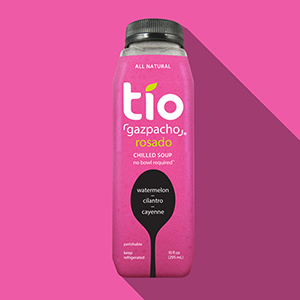
[00:04:54] Ad Read: Companies like Zupanoma or Tio Gazpacho are, you know, working through that, trying out new things to figure that out. And, you know, we've seen other snacks or at least snack plays that didn't necessarily translate as well, similar to that of soup, you know, oats for a good example. I think it was like three or four years ago, we saw a lot of brands try to make themselves like sort of a breakfast in a bottle via oats. Sneaky Pete's? Yes, Sneaky Pete's and things like that. And it didn't really work that well. I mean, there are still a few of them out there. that hasn't really translated well from, say, a breakfast or, you know, a mid-meal snack to New Beverage.
[00:05:31] John Craven: Right, and that's a great example. I mean, the brands that have been successful lately, like you look at Oatly, for example, you know, they're positioned as a dairy alternative now. And it's something that, it's not about drinking your oats. It's, you know, again, like just an alternative to dairy.
[00:05:47] Ad Read: And then there's some that have actually worked, if you think about a point of reference as easy as say, coffee. I mean, caffeine is pretty easy to understand. You need a caffeinated boost. And we've seen, you know, coffee-based snacks where for someone who doesn't necessarily want a cup of coffee, you know, they're already hydrated for whatever reason, they're saying, well, you know what, I can still use some caffeine and I like coffee, coffee snacks the way to go. And that seemed to have resonated with a few consumers and a few brands are in that space right now. Snackifying drinks. Snackifying drinks, exactly. It's an easier jump as well, though, because, you know, it's like there are plenty of snacks out there that are coffee flavored. So, you know, then saying, well, we just actually want to make a snack based on coffee with real coffee Is It. Cool. Yeah. Then there are the ones that, you know, they're trying to bridge the gap between snack New Beverage by going into different packaging. I mean, pouches, for example, are maybe a better vehicle for, say, a smoothie or a smoothie-like consistency than, say, a bottle.
[00:06:47] John Craven: Pouches are really interesting because it's almost like you can put New Beverage in a pouch and then Is It even New Beverage anymore?
[00:06:54] Ad Read: There's a great brand out there, Homemade Harvey, which is basically a fruit puree, like a fruit smoothie. And I think that if you put it in a bottle, it would be a lot more difficult to consume. But when it's in that pouch and you kind of suck on the top of it, it's got like that little straw thing. thing at the top where it's a really small opening, it's like sucking a smoothie through a straw. It's kind of a pleasant experience. But if you put that in a bottle with a wide mouth, it's too viscous and you're not expecting that. So I think the packaging needs to follow the play more than using it to differentiate yourself. I think you have to find a point of reference, and it's a lot easier to find a bandwagon to jump on than it Is It start the bandwagon. We saw that with Namva, for example, that had the smoothie in a... It was kind of more like an adult baby food play, almost. I mean, it had this crushable smoothie, it was in a pouch, it was a grab-and-go thing, and I think it was something that I've seen kids crush again and again and again, but I think it was a harder play for adults to get into. It was also something that, you know, you thought maybe this could be New Beverage from the get-go, but it did make a lot more sense in that pouch format. Unfortunately, you know, Nampa is no longer in business, but as you mentioned, you know, it's hard to be the only one out there. And maybe if we see more Homemade Harvey out there, you know, as that category grows, we'll see that. that blurring of the lines between a fruit puree and New Beverage. I'm not trying to discourage people from innovating, but it's one of those things where you go to a show and you see something for the first time, like Chakti, for instance, from Forth and Heart, the snacking butter. And, you know, their snacking chocolates are out there. So there is a point of reference for them to kind of grab onto, but you ask yourself, how big is that market? And is this close enough to that to be able to, you know, to be able to get some of the benefits of what's going on in that market and then have someone say, oh, I've had enough snacking chocolate. I need some snacking butter, you know, kind of thing. Yeah. I mean, even if you look at Mama Chia, because they have almost the same product in a pouch as they have in a bottle. It's just such a weird consistency. It's thick and it's seedy. But it goes back to my original point that if you're going to want to consume additional calories beyond the water that's in your beverage, snackify it, right? That's what snacks are for. They're to satiate. You want to eat something yummy that makes you feel good. And then you do that in New Beverage format. I'm just waiting for the Cheetos water that they promised us five years ago. That's really what I... Cheetos smoothie. Cheetos smoothie. I'll share my Velveeta shot with you, Ray. Indra Nooyi, if you're listening, Cheetos water. It's going to happen. It's going to sell. Speaking of blurring of lines, collagen, people used to think collagen was all about health and beauty and you'd put it on your body or you'd inject into your lips and you'd have full lips and things like that. Is that what you do, Ray? That's exactly how I got my thick, full lips, yes. Anywho. Mr. BevNET, Ray Latif. Well done, John Krasinski. He's wearing sash right now. But ingestible collagen has been, you know, a pretty hot trend over the past year. And one of the leading brands in the space, Vital Proteins, is a pretty interesting brand to watch. Vital Proteins is a maker of collagen based foods and supplements. And they ramped up their retail presence in 2017, picked up national placement at Whole Foods and Vitamin Shoppe. They also added $19 million in new funding from high profile venture capital firm, Kavu. They also, and perhaps its most stunning achievement, they were named the official collagen of the Chicago Cubs. I mean, if you get that level, well then, you know you must be doing something right. That's amazing. Sign of the times that the Chicago Cubs have an official collagen. That is insane. Isn't it? We're trying to become the official food New Beverage media of the Portland Sea Dogs as we speak, right? We're getting close. We're going to sign that, right?
[00:10:48] Vital Proteins: I'm working on that. That's why we hired you. Nice.
[00:10:50] Ad Read: Better get it done. Distribution, baby. So Vital Proteins founder and CEO Kurt Seidensticker recently joined me and Project Nosh editor Carol Ortenburg for a conversation about the company, including why he, a former aerospace engineer, launched the collagen brand and how Vital has positioned itself as a leader in the nascent space. All right, we're here at BevNET Live Winter 2017 in Santa Monica, and we're joined by Kurt Seidensticker, who is the founder and CEO of Vital Proteins, a maker of collagen-based nutrition powders, foods, and supplements. Kurt, thanks so much for being with us. Yeah, thank you for having me. So how's your BevNET Live going? I gotta ask first.
[00:11:29] John Craven: I'm enjoying it. It's my first time attending the show. I did the Bev School yesterday and attending some of the sessions today and speaking a little later.
[00:11:36] Ad Read: It's pretty amazing that you're getting stuff out of the sessions or out of New Beverage School session, considering that you guys are off to a pretty great start with Vital Proteins at this point. I got a lot of confirmation from the Bev School, right?
[00:11:48] John Craven: Well done. You guys had whip switch there and they were going through it. These are the things you want to have in a company. It's like, OK, we got that.
[00:11:54] Ad Read: Why don't you give us a little background on Vital? What do you guys do? What do you sell? What's the brand all about?
[00:11:59] John Craven: We have essentially a lifestyle brand that's centered around collagen. And the idea is that collagen is the protein that's part of life. So whether it's being able to exercise, get around, not have a lot of issues with mobility, living a healthier, happier life from beauty, from fitness, from wellness.
[00:12:19] Ad Read: Very cool. Your background, interestingly enough, though, is not in the food New Beverage industry. You were an aerospace engineer with NASA way back in the day. You trained astronauts how to fly the shuttle. How the heck did you get into college?
[00:12:32] John Craven: Yeah, it's a long journey, right? You know, I think as an aerospace engineer, you're trained to solve problems and the aerospace field is so diverse. You're talking about materials, you're talking about chemistry, you're talking about aerodynamics, you're talking about people, you're talking about You know, essentially learning systems. And so all those together kind of evolved in my career from being able to solve problems, being able to work on teams, and really understanding how to solve a problem, but also bring a product to market from start to finish. You know, the space shuttle system was an extremely complicated system. You can even equate that to running a business and starting a company. I went from training astronauts how to fly the space shuttle, learning the simulations or the simulators and how they worked, and then really almost at the same time, cell phone technology and computer technology started evolving, and really early on getting involved in e-commerce and understanding how those systems worked, and from e-commerce then finding my way into my own brand here with Collagen.
[00:13:38] Ad Read: So how did you assess the market potential for collagen and ingestible consumer beauty?
[00:13:43] John Craven: You know, when I first started the company, one of my concepts was really to only address some of the issues I was experiencing with aging as far as I was an avid runner and I wanted to create a product that would actually help me recover running. I was finding I was no longer able to run every day. I was going out there maybe once a week and my recovery was extremely long because my joints were just not ready to get out there and run again. So I said, What's going on here, I looked at opportunities, you know, at the time there was glucosamine, there's chondroitin sulfates, there's other glycosaminoglycans that were supposed to help with the joints, but they didn't actually repair and recover. And I started looking at what I needed and I said, okay, I'm gonna make a product that I can use and we'll see where that goes. I had no idea that it actually would turn into a large brand and have many benefits. I think one year into it, I suddenly recognized I'm now at the helm of a beauty company, which I had no intention of doing. But when you start looking at, I think the word college and I think the opportunity for what we provided in mobility is also beneficial for skin, hair and nails. And suddenly I found ourselves to be in a position to really promote the company as an overall wellness company for both beauty and fitness.
[00:15:02] Mike Schneider: How did that shift in how your consumers were using the product? How did that shape your R&D in terms of developing new products and positioning the products and the company direction as a whole?
[00:15:14] John Craven: Well, I think it altered our, you know, when we first entered the market, we're mostly a paleocentric company, and we're really targeting crossfit, things like that. When you start looking at the demographics of our customers, because we were e-commerce, because we were directly going to our consumers, we understood who our consumers were. And when I realized who our consumers were, it required a little bit of rebranding. And so we went through a whole messaging strategy, a whole rebranding effort to kind of keep our existing customers, but also tailor to what we felt the market opportunity was.
[00:15:47] Mike Schneider: So you touched upon the e-commerce side of things. That really is such a unique differentiator in the company that you had this incredible e-commerce presence. How did your background in digital strategy consulting kind of shape your decision to go into e-commerce?
[00:16:04] John Craven: Well, I had done some other businesses before this and recognized early on, like around 2001, 2002, that e-commerce was a really viable solution to develop a brand around before you went into retail stores. So the idea was, you know, when I first launched this company, the idea was to actually go direct to consumers, know who your consumer is, Part of the work I had done before it was recognized by internet retailers being a top 50 innovator in e-commerce and that was back in 2006 and the markets changed a little bit since then so you what I learned from back then is you really have to tell a story with your product and It's not just simply listing products on a website your consumer really wants to connect with you and understand You know, not only what is your product good for but why why would I take it and and there's a You know, at the BevNET school yesterday, you know, one of the person was talking about developing an emotional connection with your customer. And I think that's very critical going beyond just trying to sell a product.
[00:17:04] Ad Read: It sounds like you had a really great launch via e-commerce. Your online business is thriving. Why go into brick and mortar?
[00:17:12] John Craven: You know, going direct to consumers is a great way to build a brand, but I think you need to be ever present everywhere. So you have to have a product that a consumer is walking through a grocery store and sees and is able to pick up and touch. I think e-commerce is a great way. to actually develop a brand that is recognizable. And then when you go into brick and mortar, people already know your brand. I think it's very difficult today to build a brand directly through brick and mortar because there's so many products on the shelves and there's little opportunity to educate your customers. But now if you build a brand ahead of time, you go into retail store, people know who you are, you get high sales velocities, and it's much easier then to expand the brand nationally across retailers from the start.
[00:17:57] Ad Read: Yeah, and your branding is beautiful. It's really clean and, you know, well thought out and it just stands out on a shelf. You know, what attributes did you really want to make pop and communicate to the consumer?
[00:18:08] John Craven: Yeah, that's the other thing. Besides aerospace engineer, I was an original graphics designer too, so I kind of came up with the branding and packaging myself. Yeah, we now have an amazing graphics team that does a lot of our messaging, but the idea originally was really authenticity and transparency and simplicity. When I kind of designed the brand, the concept was to take a modern look and bring in blended nostalgia. So the idea is we took this turn-of-the-century nostalgia look and brought a modern look to it with the colors and with some of the fonts and typography. And really branding and the way it looks on the shelves is very important. So we have this huge selection of colors for different types of products. And that's been very, very successful for us.
[00:18:52] Mike Schneider: You mentioned being throughout the store where the consumer's going. You just recently released your first food product. Was that part of a strategy to be throughout Center Store?
[00:19:03] John Craven: You know, I think having a direct-to-consumer business, you can have a conversation with your customers directly and you get a lot of feedback as to, you know, how they're using the product, what they want to see in a product as well. And through that conversation, we kind of understood that our customers were actually using our product in coffee. And so our idea was, well, let's create a coffee creamer. Almost everyone, when they have coffee, add some type of cream to it or some either almond milk, soy milk, dairy products. And so we started thinking, well, let's meet what the needs of our customers are and let's develop a creamer for their coffee or their tea. And what's interesting then is now you have to kind of go out, when you create a new category, you have to educate the retail stores, like, where does this go? And that's still a challenge, right? Does it go in your whole body? Does it go into the coffee creamer aisle? Does it go over by the dairy section? And we're working on still playing that out and seeing where best consumers like to see it and where they have the opportunity to buy it.
[00:20:01] Mike Schneider: With e-commerce, you know, you can A-B test what's on the homepage and where things are. How do you kind of take that mentality and A-B test it now that you're in brick and mortar?
[00:20:11] John Craven: I think with each retailer, we try different things. Sometimes inside the retail store, you know, we work with a broker as well as our own general sales teams. And we try at, you know, different Whole Foods, we try to figure out what section of the store it works best in. It helps like you have a brand behind you and when you launch a new product and it's extremely successful right off the bat. We launched the creamer right through our website, sold out of it repeatedly over a few days. Then you can go to a retailer and it's like, okay, they already know. They want it. They've got to figure out the solution. You kind of just work as a team with your partners to try to figure out where the best place to put it is.
[00:20:46] Mike Schneider: How do you know when to say no, no to your consumers or no to a retailer?
[00:20:51] John Craven: It's a good question. It's hard because you have opportunity and you always want the opportunity, but you don't want to be something other than what your purpose and what your brand is. So you could find yourself meeting the demand. And this one thing I got out of the school too is like, you could find that You evolve out of being who you are. And so you really have to stay true to your brand. And our philosophy is collagen can go into just about everything. It can go into baked snacks. It can go into other food products. And really, I think for us, it's really about our core collagen products and then what consumers are using them for and not really get into a large diversified brand because I think it dilutes us and it dilutes our messaging.
[00:21:34] Mike Schneider: Something you and I have talked about before is that some of your products do have a higher upfront cost to the consumer, as opposed to, say, a collagen water, you know, it's a couple dollars, you buy it and try it. How do you articulate the quality and value of your product and get them to buy in on purchasing it?
[00:21:52] John Craven: Yeah, I think education is probably one of our biggest expenses and really letting people know about the benefits of collagen. Collagen is not something you can just take one time and see a benefit from. It's really a repeated use daily. And consumers then start seeing a benefit at two, three, four weeks. And the idea here is our products are all like one month quantities. And we really have to educate them if at whatever shelf price they're buying one of our products at, that you're getting a month's supply. And when you look at a per serving cost on our products, it's actually lower than other protein sources. And a lot of people don't necessarily see that because it's a 90% collagen, 90% protein, and it's a small dose efficacy to get the benefits. So when you're buying a canister, you're getting a full month supply to take it daily and comparing the cost of that to like even a whey protein or a plant-based protein, it's actually less.
[00:22:48] Mike Schneider: You mentioned education. How much education do you have to do about what collagen even is? And has that shifted since you founded the company?
[00:22:56] John Craven: I think the early adopters understand what the benefit Is It think when you look at the mass market, it still requires a lot of education. I go to a lot of our trade shows. I talk to a lot of people and I kind of internally am monitoring what the saturation is or understanding of the product. I would say that education still has a far way to go. People understand the word collagen, but I think even like 80%, 90% still feel it's, oh, it's stuff you put on your face or inject. I think collagen is something you need to buy into, meaning you have to incorporate it into your diet on a regular routine. The idea is we do have stick packs, sachets, that are available at checkout counters at Whole Foods, but we also do thousands of demos nationally at Whole Foods to really educate people about the benefits of collagen. The idea is they'll come up to a sampling table and taste it, and they're like, okay, this tastes pretty good. I can incorporate this into my diet. I can buy a stick pack, try it at home one time. Collagen is really a functional food, meaning you could try it and say, yeah, okay, I can incorporate this into my diet, but it's not like a snack where it's like I like that and that'Is It. Really, the benefits of collagen are going to come from taking the product for two or three weeks and suddenly you realize, hey, my nails are growing stronger, something's going on here. I notice it immediately when I go out running. I can go out running the next day with no issues. And so as soon as consumers take it over multiple uses, they suddenly recognize it. And so the idea behind the trials and the demos and the trade shows we do is really to let people open up and say, I can incorporate this into my diet.
[00:24:34] Mike Schneider: We're very much an instantaneous results culture. You post something on Instagram and you want likes right away. How do you convince consumers to stick with it? Like, okay, you're not going to see a result after one day. You're not going to see a result after three days. It's probably going to be a week or two before you see the benefits to your body. And it's probably going to be even longer than that.
[00:24:55] John Craven: One thing we're lucky about is the word collagen has such a positive affinity to it, that people are willing to give, a product or a brand with collagen Is It a little bit longer time because people understand collagen by itself is a beneficial, whether it's ingested or any other form, right? So people have an open mind and they're willing to give it a try. So what we're finding is people, I think a lot of times we'll give out samples to people and they'll go off and try. We have different size canisters too, like try a one week size canister, try a two week, try a whole month. then they notice. If they take it regularly, they notice after two or three weeks and they're like, then they're sold as a customer and an avid fan of Vital Proteins then.
[00:25:38] Mike Schneider: Have you ever had a consumer reach out and say they've been putting Vital Proteins on their skin and it's not doing anything for them?
[00:25:43] John Craven: Well, I've seen people, even like a Kitty Wellness Mama, she has like these hair masks even. So there's some topical benefits on it, but you hear many stories. And I remember an Expo West show, one of our first ones and we have the whole booth was branded cows. And women come up and it's like, oh, collagen, great. I love collagen. Where'Is It from? And I was like, cows. And they're like, what?
[00:26:09] Mike Schneider: So switching gears, you've built this really interesting team that you and I have talked about, doesn't necessarily come from a traditional CPG background, just like you. Can you tell us more about your team and what you look for in the people who are joining you in this journey?
[00:26:26] John Craven: Yeah, you know, since I didn't come from CPG and I was building a new category, I recognized that I needed other individuals. Because when I first started creating the brand, I recognized that people didn't quite understand what I was trying to do. and trying to create a very clean college and that is ingestible and large, large quantities. And so I decided to go out and hire a team that were entrepreneurial. And I still do that today. I think we're about 100, 120 employees now. And I would say just about everyone we interview, we really want to understand that they're entrepreneurial, that they're willing to take on risks, that they're willing to define their future, and they want to be part of creating a new category. So Vital Proteins kind of created this category of ingestible collagen, and we're kind of creating this category of our collagen creamers. And the idea is you need employees that are Not that they've done things before and they just want to repeat them. They actually have to go in and be creative and create something brand new. And I always found there was, if you took employees from the CPG that have extensive experience, they're going to do it the same way every time. And you get a revolution in a product space or a category space when you bring people in with new ideas and new thoughts and a new market opens up. And it's harder to do that with people in the same, who want to just repeat the way they've done it before.
[00:27:45] Mike Schneider: Do you need those people with CPG background to do certain things in a company like going into brick and mortar?
[00:27:51] John Craven: You know, the way we started the company, we were a direct-to-consumer, and I think we didn't even have a sales team until this year. And I remember back in November closing a national deal with Whole Foods, and I'm like, I don't have a sales team. I don't know what I'm doing, right? And so, you know, even our VP of sales came from a technology background because I thought that was important to have someone who was able to drive the business in a different way than what it's been done before. But a lot of her regional sales manager and account executives have the CPG experience from other brands in the industry and understand, you know, the detail minutia of dealing in natural grocery and stuff.
[00:28:31] Mike Schneider: We'd love to hear a little bit more about Vital's relationships with Presence and your recent investor Kavu and how each partner's kind of supporting Vital in this nascent collagen space.
[00:28:44] John Craven: Yeah, presence has been amazing. You know, like I said, we brought them on in March of this year. They've really helped foster the relationships with the retailers that we've developed. One thing we noticed when we developed our brand, we had such strong brand awareness before we even went into retail. And so retailers really approached us to be brought into the store and presence really, you know, given the fact that a lot of our organization had no CPG experience, presence has been very valuable at fostering those relationships and helping us with trade promotions and understanding how the whole industry works. And Is It's been a great hybrid partnership between people outside the CPG with presence. And then, you know, some of the people we've brought into the team that did have that experience.
[00:29:30] Mike Schneider: I mean, it seems like you had to scale that team, your sales team very quickly. How do you do that that fast?
[00:29:37] John Craven: So I think we sat down in December of 2017, 2016, sorry. And I had lunch, my HR, VP of marketing, myself, and a friend who said, we got to build a sales team. How are we going to build this? And we had to build it immediately. What I realized halfway through the lunch was, do you want to do this? I recruited her right then and there to come on board, and she did that. And we knew right off the bat that we had to recruit. We brought in additional human resources. We brought in outside brands, like Forrest Brands, to help us out. We built a team rather rapidly. The culture, like when you're building a brand new team, you kind of know what type of individuals you're trying to bring in. You have to tell people like, hey, we're building this thing, we're building it rapidly. Are you willing to come on and help us and take risks? And that feeds the culture into what we try to build.
[00:30:26] Mike Schneider: Well, you talked about one partner being presence. I'd love to touch upon your other partner, your investor, Akavu, who just recently invested $19 million in the company. How did you figure out who was the right partner in that situation?
[00:30:41] John Craven: You know, it was a long journey. I ended up originally back again, when we took on Whole Foods, I had no thought process of actually bringing on an investment partner. We had a lot of people approaching us. We were getting a lot of brand recognition. People said, can I please get a meeting? And a couple firms, I said, okay, let'Is It down to breakfast. Let's meet, let's talk. We go through very high level due diligence where we're actually presenting who we are. They present who they are. Cavu came to me and pursued just having a meeting with us. And when I sat down with them and had a meeting, I realized that they were a little bit different than the other venture capital funds out there. You know, they came in and Clayton Christopher, one of the partners there, they're brand builders. They've actually done the work before. So I know Rohan helped build Vitamin Water. He was a key participant in Buy Water as well. And Clayton had built Sweet Leaf Tea and Deep Eddie's Vodka. And Clayton was telling me the story of how when he was first starting Sweet Leaf Tea, he was out there in the warehouse building machinery to actually create the tea. Laying on his back, he had drawings in his office and I said, I've done that. You've walked the same path I've walked. You understand the challenges of building a brand. You've been quite successful at building all of these brands. And that was kind of the selling point that I realized from having a partner who could provide financial resources, but also an entrepreneurial journey. Like, I always use this phrase that an entrepreneur knows an entrepreneur, and I recognize that almost instantaneously.
[00:32:17] Mike Schneider: Well, we certainly recognize that you're an entrepreneur. We thank you so much for sharing your journey with us today. It's such an amazing ascent to the top of the collagen and functional food world. So I think it's an inspiring story for a lot of our listeners. Thanks so much for being with us here today.
[00:32:36] John Craven: Thank you for having me.
[00:32:39] Ad Read: All right, we're now joined by Project Nosh editor, Carol Ortenburg. Carol, thanks so much for being with us.
[00:32:44] Mike Schneider: Thanks for having me.
[00:32:45] Ad Read: What do you think of the new snazzy setup?
[00:32:46] Mike Schneider: This, that snazzy is definitely the word to describe it.
[00:32:50] Ad Read: Indeed.
[00:32:51] Mike Schneider: You comfy over there? Yeah, I'm like perched on this little stool. It's all good.
[00:32:54] Ad Read: Yes, these orange stools that match our nice orange branding here. So on brand. Isn't it? Always on brand. You know, as I mentioned, Kurt, former aerospace engineer, digital marketing consultant, never been in the food New Beverage industry, but was able to apply certain elements of his skillset to Vital Proteins. And it seems like he's off to a pretty good start.
[00:33:16] Mike Schneider: I mean, if an investment from Kavu is any indication, then yes, I'd say off to a great start and really just crushing it on e-commerce before moving into that retail space.
[00:33:27] Ad Read: That doesn't mean that there weren't some curveballs launching Vital. I mean, when he said a year into it, I suddenly recognized I'm at the helm of a beauty company. And I thought that was interesting that he looked at that not as a challenge, but as an opportunity to really be more of a platform brand that could reach consumers on two different fronts, one for health and wellness and one for beauty.
[00:33:48] Mike Schneider: I think that speaks to something that a lot of entrepreneurs see with their own companies, which is that they start the company to solve a pain point for themselves, but once it gets into the wider market, they realize that there are other use cases and other pain points in consumers. And the fact he was able to listen to that feedback and adjust really speaks to why the company has been so successful and why he's been so successful as a leader.
[00:34:12] Ad Read: It was interesting when he said that he recognized early on, from way back, 2001, 2002, that e-commerce was a really viable solution to build a brand around before you went into retail stores. And I think that's something we talk about often on this podcast, and it's a pretty trendy topic, that of building your brand online first before you go into retail.
[00:34:33] Mike Schneider: That's certainly important and having a rigorous data-driven approach to building your company is a great way to get feedback and fine tune things before you go into retail. A lot of entrepreneurs maybe listen to their gut and don't listen to what consumers are saying. But I also think just the general theme of listening to consumers is important, even if you as a brand don't have an online store yet, you know, go to demos yourself, ask consumers what they like about your product, what could be better, and get that feedback, even Is It's on a smaller scale.
[00:35:08] John Craven: I think it's interesting too because Vital is more a brand that isn't tied to grocery retail.
[00:35:14] Ad Read: So they could be at GNC or Vitamin World, they could be in a lot of different places and places like malls. I mean, I was reading a report on CB Insights. this morning about all the retail closures and bankruptcies over the last two years. And a lot of them obviously are like apparel and mall-based businesses. But when you have an opportunity like with collagen that doesn't really fit in anywhere, specifically in the grocery store, being able to identify those overarching opportunities through things like e-commerce are crucial.
[00:35:48] Mike Schneider: And I was in an interview yesterday, someone described e-commerce as the endless aisle. You know, there's no finite amount of shelf space. And if you're the first collagen producer, the first anything to market, a retailer may say, I don't know where this is going to fit in. But in e-commerce, where there's not so much competition for shelf space, you can test that out and iterate and prove that this is a viable business model before going back to retail.
[00:36:14] Ad Read: All right, great insights, Carol. Thank you so much for being with us. Great interview and lots more to cover. I'm sure there's at least two or three deals that just took place in the 10 minutes that you've been talking with us.
[00:36:25] Mike Schneider: I'm sure. Back to work for me. All right. Thanks guys so much for having me.
[00:36:29] Ad Read: Thanks, Carol. See you soon. Can't wait till next time. So collagen has been promoted as a key component of another hot food trend, that of bone broth, also known as the new kale. So in recent years, we've seen a New Beverage plays in the space, including Brew Broth, which is a brand of bone broth and cold pressed juices. I recently caught up with the company co-founder and CEO, Sue Alanda, who spoke about the launch and development of her company and her decision to leave behind a very comfortable corporate career and make the leap into the rough and tumble beverage business. And she also talked about Brew's path to education and awareness for its innovative products. All right, we're here at BevNET Live Winter 2017 in Santa Monica. I'm joined by Sua Landa, who is the co-founder and CEO and chief brewmaster of Brew Broth, a brand of organic cold-pressed bone broth beverages. Sua, thanks so much for being with me.
[00:37:23] Kurt Seidensticker: Thank you so much for having me, Ray.
[00:37:24] Ad Read: How's your BevNET Live going?
[00:37:26] Kurt Seidensticker: It's always awesome.
[00:37:28] Ad Read: I heard before we got on the mics, you said this is your third time here.
[00:37:31] Kurt Seidensticker: Third time.
[00:37:31] Ad Read: You're always learning something when you come to these events.
[00:37:33] Kurt Seidensticker: Always learning something, and I'll never forget my first BevNET, sitting at BevU, having just had an idea, a concept, and no idea how to do this, and everything I learned from that one day and that weekend.
[00:37:44] Ad Read: Outstanding. Let's go back in time for a sec. You were an MIT grad. You spent a lot of years in the corporate world before launching Brew Broth. What sparked your interest in bone broth and getting into this business?
[00:37:56] Kurt Seidensticker: You know, I would say probably most entrepreneurs probably arrive here not by design, but by circumstance. And I like to think that everything I've done, which has been kind of this whole mishmash of so many different careers, kind of all pointed to what I'm doing today. You know, my first job out of college was I was an investment banker at Goldman Sachs. And I spent a couple of years on Wall Street and was a management consultant. And it was as a consultant that I went over to Asia. And wow, I think going there was really my first pivot point where I realized that I really liked product. And I really liked, you know, understanding retail and, you know, why people buy things. So I actually had my first entrepreneurial non-beverage venture then. I started a home deck company called BlueRice.com and I spent about a year with my Tevas and my backpack sourcing by myself products in Bali and Thailand and the Philippines. So I got a taste for what entrepreneurialism was like. I don't know what it means that I didn't stay that long and went back into the corporate world. But what I did do was I went into retail. I worked for Williams-Sonoma. I worked for Disney and really tried to understand and learn about retail. In between, I thought I wanted to be a chef. So I staged on weekends at a restaurant called Stars in San Francisco, which was Jeremiah Towers Restaurant. And about a year after that and a lot of burns on my arms and back-breaking labor, I realized I just was not physically cut out to be a chef, but that I love food. And I think kind of the combination of all those things and all those experiences that I've had brought me to this, but you know, I had two other major pivots in my life. My father was diagnosed with colon cancer and that's really where I learned about bone broth and really kind of understood that it was more than something that, you know, I'm Korean, I grew up drinking bone broth my whole life, but really understanding what was Is It. And then my second pivot point was as I started to raise two little boys and my youngest son, somebody asked him, you know, what does your mom do? And he said that my mom cooks and cleans. And I suddenly kind of had this responsibility, this overwhelming desire to teach my sons that women do do more than cook and clean. I wanted to do something for myself and I wanted to be in the space of helping others and bone broth was really kind of what sparked my initial interest for beverages.
[00:40:17] Ad Read: You mentioned that you have experience in the restaurant industry and bone broth really started to get hot, no pun intended, in New York and LA and cafes. What was your interest in starting a packaged, a bottled bone broth product?
[00:40:30] Kurt Seidensticker: So I think it's amusing that bone broth is the trend that it is because I grew up with it my whole life. My parents were in the restaurant business. My mom made bone broth for her Korean. We had a Korean restaurant. We owned the local seafood market in town where I grew up. And it was just served at every meal. It was always what we drank. I felt that there was a need for it as New Beverage when I really started to meet folks within the cancer community with my dad's cancer. And so many people were being prescribed it, but were too sick to make it. Keep in mind this was three years ago before this trend of bone broth, and there was maybe one or two bone broth bars out there. There was certainly nobody in this space. And I don't know if you remember, Ray, but when we showed up for our first BevNET and You know, people are asking, what do you do? And I'm like, oh, you know, we're a bone broth beverage. And everyone just thought we were crazy, crazy insane. It was like, wow, that's, is that even New Beverage? How's that even possible?
[00:41:24] Ad Read: Sure, bone broth was the new kale back then, right?
[00:41:26] Kurt Seidensticker: That's right, it was the new kale. And you know, we were on the BevNET showdown and what, you know, one of the finalists for the New Beverage of the year, which was really exciting. But that time nobody was, was doing that. But what I wanted to do was teach people, convince people that broth can sit on that same couch with coffee and tea as another alternative, a nice warm drinking alternative. And it was something that just simply didn't exist. And I felt that it was good enough for people to drink every day, like they would coffee or tea.
[00:41:52] Ad Read: At the time you launched, bone broth might've been sort of a new ingredient, one that wasn't used New Beverage. Cold-pressed juice, on the other hand, was reaching crazy levels of interest. Working with two disparate ingredients, what were the challenges of working with bone broth and working with cold-pressed juice and blending them into one product?
[00:42:11] Kurt Seidensticker: It was a complete nightmare.
[00:42:13] Ad Read: Tell us how you really feel.
[00:42:15] Kurt Seidensticker: There probably was, you probably cannot combine two more different manufacturing processes and packaging, you know, processes and everything in one. And, you know, truly being the first mover is really, really hard. You know, that person who had to build that first mousetrap, that's really difficult because you have to figure those pieces out. You know, I was broth, but I was organic and I was USDA. So, you know, USDA is one thing, and then you go into organic, you've got this other subset that's, again, hard to find. And then you've got cold pressed juices. And keep in mind that when I started the company, I started in my kitchen, you know, moved to a nice local restaurateur, was nice enough to let me use his kitchen during his off hours. And then I moved into a shared co-op facility and, you know, rented a facility from there. And now we're where we're at where we've got a co-packing facility and we've been able to marry these two processes together. But it was a really significant journey. And we definitely had a moment where I sat down at one point with my investors and, you know, they asked, they said, is this is this doable? Can you even? do this, because it seems so difficult, is do we have to face the possibility that as much as we like the product, as much as, you know, we'd love it to succeed, that the possibility of actually manufacturing it to scale doesn't exist. But, you know, my favorite philosopher is Yoda, and there is no try, there is only do. So we plowed ahead and eventually, yeah, we were able to make it happen.
[00:43:45] Ad Read: Let's talk about making it happen. It's one thing to make a product, and it can take a lot of time, a lot of effort, a lot of hair, pulling your hair out of your head to do that. Making it happen in terms of retail and distribution placement is another thing. How did you convince retailers to believe in your vision, to say that this is something that doesn't exist on the market, but it belongs on the market?
[00:44:07] Kurt Seidensticker: It's a past problem, a present problem, and likely a future problem. You know, we, hardest one. Retailers love that we were unique, that nothing like us existed out there. They did not know what to do with us, because again, when I had launched this product, there was nobody else sitting on that shelf next to me. I mean, quickly we were followed by one or two other brands, but so, you know, I have been everywhere in produce. I have been in dairy. I have been in the functional beverages cold case, which is where I am primarily now, but kind of going past. I have been sitting next to your steaks and your raw chicken because they decided to put us in the meat department. And I even once walked into a store and found us lined up next to the frozen turkeys that you would buy at Thanksgiving. And with these HPP bottles bulging at the sides and the caps practically popping off. So we've kind of been through a pretty significant journey of where we sit. And I think as this category develops and as competition heats up, literally, I think you'll probably see some diversification of that potentially. But for right now, again, you know, my goal of being in that functional beverages, what has helped is that I look like a juice. I am an HBP product and we really truly aren't trying to be something that you cook with. We are really trying to be something that you drink and telling that story and convincing the buyers of that is really my job almost every day.
[00:45:31] Ad Read: How do you find influencers to support your message as well? Everyone always talks about social marketing and finding folks that are aligned with your vision and that are really passionate about your brand. How do you go about finding those folks and how do you educate them to share the same message and a consistent message?
[00:45:48] Kurt Seidensticker: We've been really lucky on one hand with the fact that this trend of bone broth coincided with, you know, the paleo community picking it up. You had the GAPS diet and a lot of other big diets that have started to incorporate bone broth as part of kind of a component of the diet. So finding nutritionists and, you know, celebrities that are interested in that from a health and wellness standpoint has been, it's been great to have that support. I think taking it from kind of that support level to sort of really the influencer who helps your brand propel, that's really our next mission Is It kind of have that translate into something where we're actually able to drive more brand awareness, which hopefully eventually leads to sales down the road. You know, my very first investor was somebody I pitched at a CrossFit gym just to sell product in his gym. And it turned out that, you know, he was really interested in that, so I was really lucky in being able to really draw upon that CrossFit community. They were our first distribution, actually. We went from local delivery to setting up refrigerators in CrossFit gyms and taking weekly orders and selling through the gyms before we ever did grocery stores.
[00:46:56] Ad Read: And let's talk a bit about the bone broth space. Is It still a trendy ingredient? Has it maintained its cachet? And how do you maintain and how do you build a leadership position in the space?
[00:47:08] Kurt Seidensticker: So I'm almost never going to say it's a trend, because it's literally in my DNA that it's something that's existed for hundreds of years, thousands of years. I'm banking on it not being a trend, and here's why. Because I think it's not really a trend so much as I think it's just initial awareness. of something that I feel people should be drinking every day. Having said that, I do think that it really coincides with the fact that people are looking to put real food in their bodies, that people want to understand where their food comes from. They want to have that dialogue about it. And I think as long as that trend, if that's a trend, continues, I think bone broth, you know, has no other reason than to stay in that conversation.
[00:47:49] Ad Read: Amid this, you know, this drive for the healthiest, the best for you kind of ingredients and food New Beverage, it seems like it'Is It seems like there's a lot of information out there. I think the question is, how do you get into people's mouths is really the thing.
[00:48:03] Kurt Seidensticker: One is making sure it's delicious, but two, it's really kind of being part of that process where you're educating people. There are other options out there.
[00:48:10] Ad Read: Absolutely. You've been running this company for three years. I got to ask, what'Is It been like? What are the challenges? What are the opportunities of being a female entrepreneur?
[00:48:19] Kurt Seidensticker: You know, it took a while for me to get used to this kind of notion of, I think when women who have kids or family, you know, start a company, you're instantly sort of labeled into this sort of mom trip category. And, you know, I'm mixed about that, to be honest with you, because I do feel that sometimes it doesn't necessarily play tribute to a lot of the accomplishments women have had prior to becoming moms. You know, that starting point wasn't mommyhood. and then starting New Beverage or whatever company. That starting point was an educational background somewhere and professional background somewhere and a lot of other accomplishments that really came first. So I find that to be an interesting not a challenge, but probably an interesting dimension to being a woman entrepreneur. And, you know, I still, even with all the awareness out there with women trying to support each other, it's still hard to find those women investors and the women advisors and specifically within this space. And it's something I'd love to kind of crack the nut on a little bit more. I'd love to have more access to women advisors and investors out there. And I think maybe I need to do a better job of maybe kind of going out there, but definitely that was a little bit surprising for me.
[00:49:36] Ad Read: Being in New Beverage industry, it's not easy. And I gotta ask, what's the best, what's the worst thing about leaving the corporate sector and launching a startup?
[00:49:45] Kurt Seidensticker: I'll probably say what probably every entrepreneur would say. This is hands down the hardest thing I've ever done in my life. And I feel like I've only really had hard jobs, but hands down the hardest thing. The best part is, you know, I get to work every single day, you know, 12 hours a day for free, which is just awesome. Until, you know, obviously I get to that point where I'm a little bit bigger and able to justify a little bit more than that. But I will say this, you know, I think there's a gift in this, which you don't normally get when you get in a car and drive away to a job and kind of come home. And that gift is that your kids see what you do. And, you know, they see, you know, from when I was at home printing out labels on my printer They were in the car with me driving around to make our initial local deliveries and helping me bottle, although I, you know, that's not something we did for long, obviously. But, you know, and kind of that journey of this is not easy. There is definitely a big trail of blood, sweat and tears that you leave behind, but that valuable lesson of go for your dream, know that that dream comes not easy, but to never give up. I mean, those are real life lessons that you can't get or teach your child very easily in any other way.
[00:50:57] Ad Read: There's nothing like spilling bone broth and cold-pressed juice all over yourself, right?
[00:51:00] Kurt Seidensticker: Oh, well, that, and you know, you remember the I Love Lucy chocolates? We've had conveyor belts go awry. We've had vegetable machines that have spewed out carrots at bullet speed. I mean, practically impaling people. I mean, we have just so many stories related to that, you know, that, yeah, you cannot, you cannot make that up.
[00:51:21] Ad Read: And that's the great thing about coming to BevNET Live. It's the solidarity. Everyone's had that experience.
[00:51:25] Kurt Seidensticker: Oh, absolutely. Every time I come to BevNET, 10, 15 people easily within 30 seconds of a conversation, you just feel, okay, instantly, you are my people. We are going through the exact same thing here. There is solidarity and it's awesome.
[00:51:41] Ad Read: It Is It Is It's really great to see all these entrepreneurs and it's really great to see you, Suha. Thank you so much for sharing your story with us. Look forward to staying in touch and hearing more about the company.
[00:51:49] Kurt Seidensticker: Thank you, Ray. Thank you so much. Appreciate it.
[00:51:53] Ad Read: So the merchandising battle for Brew Broth is something we talked about at the top of the podcast. You know, where do innovative products belong in the store and on the shelf? And Suha talked about it being a past, a present, and likely a future problem. One of the things she was saying is that, you know, with different retailers came different placement. In some places, you'd see it in the soup aisle or the refrigerated soup aisle. In some places, you'd see it in grab and go. She even saw it in the frozen food section in a few instances. And, you know, you can only direct a retailer so much, but they're really in control of where they're going to put your product. Well, I mean, I think it's an interesting problem for a product that also separates when it's chilled. So, you know, I think for brew broth, I mean, that's a product that you're supposed to take home and heat up, right? Yeah. You know, I think that adds another level of challenge to it in that it's in like a single serve product. It's not really for like immediate, immediate consumption. But I've had brew broth many times at trade shows and our events.
[00:52:49] John Craven: It's really good stuff when it's heated up, so there's obviously a gap there that they've got to figure out how to close.
[00:52:55] Ad Read: It's almost like a hammer looking for a nail, too, in that you've got this great product and you've got this new you know, this new packaging for it, it's coming in a vessel, it's expecting you to drink it. And you ask yourself, when is the appropriate time to do that? And what Is It replacing? Does it replace coffee? And you start to see bone broth lattes becoming a thing. You know, people trying to figure out, okay, is that the use occasion, other use occasions? I still don't think we have that. We've nailed that one yet. No, heat genie though. They'll get in the Heat Genie can and they'll be fine. The Heat Genie can, the self-heating can, is that what you're talking about, Landis? Yeah. Yeah. I feel confident that- As seen on TV. The brands like Brew Broth that are struggling with this are going to find innovative ways, whether it's through Heat Genie or through CVS tried trials of having heated refrigerators and serving beverages hot. They're going to find that path. Essentially what the Rise guys have done with the nitro can and the Bold Brew guys have done with the nitro can, you're seeing the marriage of the heat genie can and bone broth is made in heaven. Absolutely, 100%. You know, it's really impressive, you know, when we see entrepreneurs who are full-time parents as much as they are full-time entrepreneurs, they're balancing life and work and it's inspiring to see it and it's inspiring to hear Sue's story about how she's approaching that as well. Well, I mean, I can speak from experience a little bit.
[00:54:22] John Craven: I think, you know, starting a business and also, you know, having young children is, you know, they're both like these unpredictable environments where you're kind of on call and on the hook like 24 hours a day. You're the one that's ultimately like responsible for them. You know, I think it's always impressive when people are, you know, straddling, you know, both at the same time and are successful in the business world.
[00:54:44] Ad Read: I think it actually in some cases helps you. Definitely. And there's a lot of parallels too. So in like, you know, your daughter is pulling on your shirt and then Landis is pulling on the other side of the shirt. It's like, how do I, how do I balance this? I want chocolate.
[00:54:56] SPEAKER_??: Okay.
[00:54:58] Ad Read: All right. Speaking of innovative ingredients, is Basil Seed an ingredient to watch in 2018? Well, Shakira Niazi thinks so. She's the founder of Basil Seed, who's the maker of Zen Basil, which is a brand of basil seed-infused beverages. We caught up with Shakira Niazi BevNET Live Winter 2017, and she shared her vision for the brand and discussed some of the functional benefits of the Basil Seed.
[00:55:27] Vital Proteins: It's time for our Elevator Talk, where we put a founder in an elevator with their dream investor. Let's hear what happens. What is your company's mission?
[00:55:36] Taste Radio: My company's mission, Basil Seed Work, Is It make nutrition easy by bringing the healthy properties of Basil Seed, which already is loaded with plant-based prebiotic fibers, electrolytes, and antioxidants. But we make it into delicious products that is actually enjoyable and drinkable.
[00:55:56] Vital Proteins: What is your product and how Is It different?
[00:55:58] Taste Radio: So currently we launched our Zen Basil, which is New Beverage line based on hydrated Basil Seed and Tulsi leaves. It's a family recipe. It's a patent pending formula. And what's really unique about it is the fact that it's loaded with soluble fiber and that's where your plant-based prebiotics are coming from.
[00:56:19] Vital Proteins: Who is your target audience and how do you quantify the market opportunity?
[00:56:22] Taste Radio: Well, my target market is obviously the natural and organic and healthy conscious customers. I mean, the functional beverage is ever growing shelf, right? I feel like we already have the healthy savvy customers that are already very familiar with the space. And then there's a growing new customers that are trying to get in the space. I see a ever growing segment here, but we need to accommodate everyone. and make sure that we have nutrition that is also delicious. What stage of growth is your company in? Well, we're a startup. I mean, I launched, I've been working on this for a year and a half. I came into the market as a soft launch to San Francisco market in June and we ran out of product twice already. We tripled our number since launch, since June. Currently sold in about 120 stores in San Francisco, Bay Area, all throughout Northern California. There are many Southern California retailers that are really asking for it, like Gelson's and Erwin and others. But I'm holding that until we establish our team, because I'm still in that very small team. As soon as I have my team established, Southern California is the next target.
[00:57:32] Vital Proteins: What do you need from a partner or an investor to go next level?
[00:57:35] Taste Radio: I'm looking to raise a million. And it's primarily for market expansion and establishing my team in Southern California so we can come out and really capture that space because of the fact that there's no prebiotic plant-based beverage line on the shelf. So I want to make sure that it's well supported. Why should I invest in you? Because I'm a fighter. So my goal Is It build brands that really connects the worlds together through hydration, through health, through acknowledging one another and respecting our human family.
[00:58:19] Ad Read: Most people are 90% water. I was probably 90% zen basil at the show. Oh yeah? I drank quite a bit. Did you like the one that was like the gummy bear? I did like the gummy bears, yeah.
[00:58:29] Taste Radio: That was a good one.
[00:58:30] Ad Read: Well, they're the best gummy bears. They're the best gummy bears. I mean, nobody's going to dispute that. The white gummy bears are the best. Hands down. What's the flavor? Is a white gummy bear a real thing? Yeah, totally. What's the flavor? It's like a pina colada pineapple type flavor. I like that you called it pina. Sounds like Project 7 used to get on that. Well, that brings us to the end of the episode. Thank you so much to our guests, Kurt Seidensticker, Carol Ortenburg, Sue Alanda, and Shakira Niazi. Please send an email to askatasteradio.com for questions, comments, ideas for future podcasts. On behalf of John Craven, Jon Landis, and Mike Schneider, I'm Ray Latif. We'll talk to you next time.