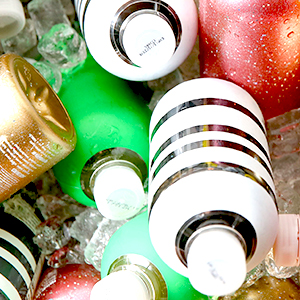
[00:00:02] Ad Read: This week's episode of Taste Radio is sponsored by Owen. A 100% plant-based protein drink with 20 grams of complete protein, Owen is made with only what you need and nothing you don't. Owen is gluten, nut, soy, egg, tree nut, and peanut free, and contains no sugar alcohols. So stop powering through your protein and start enjoying your wellness. Learn more at liveowen.com. That's L-I-V-E-O-W-Y-N.com. And now, Taste Radio. Hey everyone, thanks for listening to BevNET's Taste Radio. I'm Ray Latif, and with me are John Craven and Mike Schneider. Jon Landis is on location in Tatooine, but we're recording from BevNET HQ in Watertown, Mass. This week's episode features interviews with Chris Campbell, who's the co-founder and CEO of Chameleon Cold-Brew, and Meg Gill, who's the co-founder How Golden Road Brewing. And in this week's edition of Elevator Talk, we speak with Angela Mavidris, who's the founder and CEO of Tribali. Just a reminder to our listeners, for questions, comments, ideas for future podcasts, please send us an email to ask at Taste Radio. Guys, how was your Christmas holiday? Lackluster, it seems. No, it was good. Didn't travel. Didn't travel. Well, that's always good. You know, you can stay home, you know, with a fireplace and some cocktails. Something like that. Something like that. And I saw the Instagrams. Getting over a cold too, so. Ah, okay. Well, you feeling better? Yeah. Yeah. Yeah. I'm here. I'm here.
[00:01:38] Chris Furnari: Mike Schneider. Star Warsed it up, you know. Nice. Hung with the family.
[00:01:41] Ad Read: Well done. All that kind of good stuff.
[00:01:43] Chris Furnari: Question, Landis on Tatooine, did Jedi's vape?
[00:01:47] Ad Read: Oh, whoever said Lancer was a Jedi is literally the question.
[00:01:51] Chris Furnari: Right.
[00:01:51] Zest Tea: Okay. Got it. Got it.
[00:01:52] Chris Furnari: Tattooing, just another word for fish shows.
[00:01:54] Ad Read: Exactly. Exactly. He's getting, he's getting a tattoo, Ian. Oh boy. All right. As I mentioned, John Craven, I saw your Instagram account was once again chock full of cocktails. And you know, I was strolling through Instagram as well over the past week and I saw some interesting things from Dirty Lemon. And Dirty Lemon had a pretty cool collaboration they did with Vogue. So sparkly. So sparkly. They did this partnership, they called it sort of aligned with what Dirty Lemon is all about in terms of a lifestyle brand and what Vogue is all about in terms of their leadership in beauty and in the fashion world, and it seemed like a pretty interesting pairing. And Zach Norman, who's the CEO and founder of Dirty Lemon, which is this wellness-based beverage. They have detox. We've had them on the podcast. They have detox lemon-based products and they have other kinds of wellness products that are pretty interesting. Yeah, Adam Louris and the crew. Adam Louris, Adam Louris, who we've also had on the podcast. So Forbes covered the partnership in a recent article. There was a big party that involved Cardi B and some of the other high-profile folks, the in-folks as it were in this day and age. I think they did a really great job of getting their brand out there in that lifestyle. Yeah, and totally. I mean, it's also aligned with a lot of trends that are sort of hot with the in crowd, the influencer crowd, you know, Dirty Lemon markets, these wellness beverages that are made with things like collagen and activated charcoal, ginseng and matcha. I mean, if those aren't the hot ingredients of today, I don't know what is. Yeah, they want you to sparkle inside and out. Nice. What else do you guys see on Instagram this week, or perhaps in the cooler stuff that came in during the week?
[00:03:29] Chris Furnari: We just got the Zest Tea in, which has a couple of interesting flavors, masala flavor. I'm drinking the sparkling citrus hibiscus black tea, a lot of caffeine, 150 milligrams, just going to try to zing me.
[00:03:40] Ad Read: Zest Tea we've had featured on the Elevator Talk a few jumps back. It's a pretty timely kind of product. Tea continues to evolve as a category. And this is sort of the merge of tea and energy drinks. It's a high octane tea, at least that's how it's positioned. And it's got a pretty cool name. I like the packaging. I mean, this is a transition from being sort of this loose tea bagged company to an Tea Company now, or at least they have an RTD offering right now. I think we've done a pretty good job with the rollout so far.
[00:04:12] Chris Furnari: Yeah, it's got a pretty good flavor. I want to talk to him a little bit about some of the makeup here. I mean, you know, Sugar and Stevia, and I'd love to talk to him a little bit about some of the thinking behind that, but it's got a good flavor. Yeah. Craven, I saw the booze mailbag was blowing up. All right, well, I'm going to switch to the booze mailbag, which goes directly to my desk, by the way. The thing I've been really hot on over the past week is the stuff that I got from the Thomas and Sons Distillery, which is from the Townsend Tea, aka Brew Doctor Kombucha. The spirits in it are actually started from alcohol that they've extracted from the Brew Doctor Kombucha. So pretty neat stuff. Kind of been nerding out on the nice care package they sent me, but definitely worth checking out. How's the flavor of Booch Spirit? You know, I don't, I talked to them a little bit about kind of how that impacts it. And I think, you know, they have some really kind of funky stuff that they've created. It's not like they're just making vodka and whiskey. You know, they have some Amaro or Fernet. This really cool alpine liqueur and of course some tea flavored stuff. So, you know, I don't know enough about that end of spirit making to answer that question. You just have to get to the bottom of it. The stuff's pretty awesome and I'm enjoying consuming it, so. Awesome.
[00:05:31] Ad Read: Dad jokes. It's not distributed here. It's sent directly to your office and then to your desk, correct?
[00:05:35] Chris Furnari: Uh, something like that. I think it's in, uh, it's in Oregon and I think they said they're launching or have launched, uh, California as well.
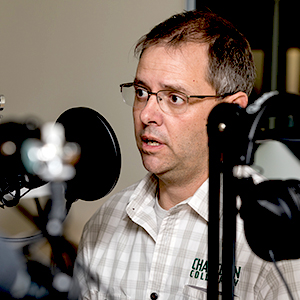
[00:05:42] Ad Read: So Matt Thomas, he's a chill dude. He's the CEO of Brew Dr. Kombucha, Tom's and Tea, whatever you want to call it. He was on stage at Bevanette Live Winter 2017. You know, who else was on stage was Chris Campbell from Chameleon Cold-Brew. And he sat down with us about a month after Nestle USA announced that it was acquiring Chameleon Cold-Brew. And Chris spoke with me and John Craven about Tea Company and its launch in 2010, how it established a leadership position in the fast-growing cold brew segment. He also explained the role of innovation in the brand's development and why Austin has been a hotbed for entrepreneurship in food and beverage in recent years. He also offers up his thoughts on new brands coming to the cold brew segment. That is a can't miss moment in this interview. It's now 4.30 p.m., the twilight of the first day of WebNet Live Winter 2017. We're in the Taste Radio studio here in Santa Monica. We're joined by Chris Campbell, the co-founder and CEO of Chameleon Cold-Brew, which makes some of the best cold brew coffee out there. How are you, Chris?
[00:06:42] Chris Furnari: Well, first of all, it's the very best.
[00:06:43] Ad Read: Okay, the very best.
[00:06:45] Chris Furnari: The absolute best. And I'm doing well. And it's 6.30 by my body clock, so you know.
[00:06:49] Ad Read: Oh, that's right, because you're awesome. Yeah, for us it's about 7.30 to be here.
[00:06:52] Chris Furnari: We don't even know where we are right now, let's be honest. Yeah, you guys have had a rough go.
[00:06:56] Ad Read: So what we're saying is, did you bring any product? No. Oh, thanks. Darn it.
[00:07:01] Chris Furnari: Somebody's got to start buying it sometime, you know?
[00:07:03] Ad Read: Indeed.
[00:07:03] Chris Furnari: The give-it-away days are gone. I'm kidding, I'm kidding.
[00:07:06] Ad Read: Well, Chris, we've wanted to talk to you for a long time. We've wanted to get you on the cast for a while. You and your company are coming off a pretty amazing deal with Nestle, which acquired Tea Company for an undisclosed amount of money. You want to tell us how much it was? No. No? Okay, fine. We won't go over that. But, you know, you've been a big part of the growth of Cold Brew Dr Chameleon as a brand has really had a large role in its development. And I want to talk to you about your background, how you got started in the business, get into how Chameleon really got its legs in and took a leadership position in the space. So let's start from the top. I mean, what really sparked the launch of Chameleon?
[00:07:43] Chris Furnari: So, you know, we launched it, we formed Tea Company in 2010, launched product in 2011, and it came out of a situation between my wife and I where we literally run into each other in the Atlanta airport last flight home on the East Coast when they called her up for a seat change. And that kind of gave us the notion that we were not on a sustainable lifestyle path at that point. So I started looking for a business to own, a business to invest in, but as an operator. I didn't want to just be a passive participant. A year later, I get to know my co-founder, Steve Williams, and then a year after that, one thing leads to another, and we decide to start Chameleon, and it was really... One of those situations where, quite frankly, I'd been riding my bike and traveling and having a great time for two years, and my wife kind of looks at her watch and gives it a tap and says to me, hey, buddy, it's time to get after this. And that happened to coincide with a moment in time where someone came into Steve's shop, showed us another product that was at Whole Foods at the time, and they couldn't keep it in stock. And so for us, we kind of said, look, we could study this. I came out of consulting, right? I want to study everything. Or for about the same amount of money or less, we could just go buy some equipment. We could give this a try. Steve educated me on cold brew. We found suppliers. And Austin's a great place to do this, right? Between access to vendors and supply, as well as really friendly retailers. We didn't start at Whole Foods. We started with all the mom and pops around town. And a buddy lent me a car, and we and made it ourselves and all that kind of classic story ultimately gave us the opportunity to really go with Chameleon when that kind of happened in the first year, year and a half. So when you started out in this business, cold brew was kind of this, I don't know, weird little niche thing, right? And, you know, from what I remember of trying Chameleon, which I'm a coffee guy, like I loved it, you know, finally a coffee that I could consume that was in packaged form. What was sort of the point where it went from being, you know, niche kind of weird thing to now it's obviously on the opposite end of the spectrum where it's like the darling of the industry, but like when did you know that it really had some legs? I think there were points where there was never a moment where you're like, oh man, this is the one moment in time where it's all kind of revealed. But there were moments, I would make it like a jigsaw puzzle, right? And there were moments where key pieces would fall into place and you could kind of see it coming together, coalescing. And so for us, the first big one was the purchase orders from Whole Foods. And it's not just that you got into Whole Foods, because that There's a lot of people who fail that accomplish that. But it's, hey, you got a hunting license for Whole Foods, go sell the stores, and this is the day that your ordering will go live. And I remember sitting at a bar, me and my one broker, we had no employees, saying, like, is anybody going to, like, what's going to happen? And literally, you know, Austin comes in, we're like, great, kind of expected, and then boom, boom, boom, boom, boom, and the whole region's in within a matter of a few hours. And we hadn't even called on stores outside of sort of Houston and Austin and Dallas. So Louisiana and Oklahoma. And so for us, we're like, OK, clearly people are into this, right? So that was the step one, which encouraged us to put more cash in the business. The next step was distribution. At the time, it was Green Shoots, which is no longer around. It was a great help for us. And that gave us the sense that, OK, other people who are industry veterans, who know this space, believe in this. And oh, by the way, they're selling at six regions of Whole Foods in the first sort of 18 months. And then the private equity investments is probably where we really said, you know, if somebody's really kind of beat up the due diligence, it's smart money. And that gave us a sense that it was really going. And at the same time, right, the numbers just keep doing great and not just for us. Right. So our competition is doing well. We're doing well. We've all got plenty of space to play. And that gave us the confidence that we would eventually get to the exit. And it's worth noting, I mean, we built Tea Company to do this. It's not Like Chris was grandma's recipe and it's just something we stumbled into at a farmer's market. I mean, I left consulting and my wife and I invested in the business with this intended outcome. And the fact that we get to continue fighting and competing in the space, but have kind of the 800 pound gorilla in our corner, that's super exciting at this point. It's the next chapter for us.
[00:11:54] Ad Read: As John mentioned, cold brew is a really hot trend right now, but it's still kind of a nascent trend. It's still an emerging trend. We're still trying to figure out where it's all going to go. How do you strategize around a nascent trend? How do you plan for the long term?
[00:12:07] Chris Furnari: I think you listen to yourself, number one. That's what got us here. And that's what didn't get Coke, Pepsi, Nestle, whomever here out of the gate, right? They're not gonna follow that kind of gut instinct. I mean, we've already seen that at Nestle, how they innovate and how we innovate. So follow your gut and then be smart about it. Don't freak out because somebody else is kind of knocking off your product. You've still got to be true to yourself and have plenty of room. And then I think for us, the thing that's most important is to try and drive or dictate and lead the category to where we want to go as opposed to chase everybody. That's probably the biggest thing. So we're big believers in the path that we're on. We have great conviction. Nestle has great conviction around that. And we're going to go for it. And we think we're going to be right, but we're going to stick to that path. And we think we can pull the category that direction as opposed to just react to, you know, Starbucks is good at what they do. Duncan's good at what they do. We don't need to be good at that. We're going to stay good at what we do.
[00:13:03] Ad Read: And you launched as a Concentrate brand. Concentrate is still your top selling product, your top selling line. You've since gotten to other RTD products and Whole Beans as well. What role does innovation play in your business? And you want to be the leader in this category. How do you do it in a way that is going to be sustainable, that is going to allow you to maintain that leadership position?
[00:13:26] Chris Furnari: Well, it's changing, right? So what is sustainable for us now is different than three months ago in terms of resources that we have available or routes to market or whatever. So I think for us, it's we're looking at the space as not just cold brew, but premium coffee or super premium coffee and. We want to play a role in that on a national level. So normally that space or traditionally that space is dominated regionally, right? Whoever the best kind of shop slash roaster slash retailer is within a particular geography. And then you have sort of the blue bottles and intelligences that are in the big urban centers, but kind of nowhere in between. So what does somebody in Boise do for great coffee? And so we want to be there for that occasion. I don't want to compete with those guys in the core urban markets. I know there's a lot of eyeballs and users in those markets, but For us, we're kind of going everywhere else as a platform for super premium coffee. I mean, I'm super proud of what we do. It's high quality, whether it's the pods, whether it's the whole bean, whether it's the liquid. And so we really want to be there for all those use occasions, whether you're on your way to the gym and you want a quick drink a couple of shots of concentrate, whether it's the weekend and you wanted like two hours with the New York Times on the front porch and a cup of hot coffee, whatever that is, we want to be there for that moment in your day. So we're very much focused on innovating around that and what are the use occasions and what are the products for those use occasions that are authentic to our brand. And that's kind of where we start. And then we also don't get bogged down. We're not going to do big studies that take 12 months and have tons of panels. We're just going to kind of go for it. Again, an advantage to Austin. We can innovate something, get it out the door, try it with some of our friendly retailers, and get a great sense of if it's spot on or not pretty quickly. So, you know, you've definitely created a lot of innovation over the years. You've had a lot of products that have been, you know, quite successful. And, you know, you've also sent us some stuff that isn't around anymore. And kind of going with what you, you know, just said about kind of knowing quickly, you know, how would you describe the innovation process from kind of that potential for failure? You know, are you okay with that? Like, how do you approach that? Yeah, we are, right. And I think it's one of the things that Nestle values as well. So, for instance, I think you guys saw our sparkling coffee at Expo East. You probably haven't bought it in a store yet, right? So the original launch plan for that was really large. And we had to kind of talk to the retailers involved and say, you know what? I think this is going to require a little bit slower process. based on some of that early feedback that we got. A lot of education, we have to explain what it is, it's very seasonal, so going into the winter, not the greatest idea. So being willing to back away from that, even though we got product in the warehouse and we've invested in packaging and materials and ingredients, and say, we're gonna scale that back, and that product's actually gonna be going to market in January this year, post-holidays, but just in Texas for now. And we're going to try it there. And we're going to incubate there. We're probably going to refine it. We might swap out some SKUs. We might 86 a SKU. But that way, we can really learn and stay close to the customer base. And there's no pressure to get it out next week, right? The other thing that we see happening that I think is a category play is that the category is just incredibly scattered right now. And we even have some great data about our own brand as well as some of our competitors that no one's the clear, absolute consumer definition of cold brew yet. And so when we look at that, we get excited because we think it's opportunity. We get excited because we also think it means there's a lot of diverse consumers in the market. So what Stumptown does, or what we do, or what Calafia does, or what any of these folks do, there's probably room to carve out those segments, at least in the near term, solidify those advantages, and then run. And so for us, when it comes to innovation, We're absolutely not afraid to fail, but you also have to manage that. You know, we're not innovating and spending a million dollars to roll out a SKU. You know, we're doing it on a shoestring, we're doing it small, and so far we're able to continue doing that going into, you know, sort of life with Nestle. So I think hopefully that addresses the question, but at the end of the day, no, it's part of how we have to do it, I think. Well, I guess the other question I have to follow on that is, you know, this category with so many, you know, companies coming at it from so many different directions, you know, I guess are there times where you're kind of like almost just waiting and seeing to see how Like Chris, I don't know, roller coaster of a category, like which way it's going to go? Or, you know, do you feel like you're in a position where, you know, you can help really drive the direction of it? I think we can. And that's not an ego-driven statement. I mean, based on what we're seeing in the data, and on our performance relative to our competition, as well as sort of the category dynamics, where it's selling, where it's not selling, right, what kinds of retailers, that we think we know the Colbrew set, whatever's in there. performs better when we're there, for everybody, not just for us. And so we believe that that's an indicator that we're pulling the category in a direction. We're pulling it into refrigerated, we're pulling it into less of the cream and sugar. Now, obviously, Dunkin' Donuts, the Coke collaboration, is selling a lot of coffee. And they're going to. And that's just fine, because I think our consumer is looking for a different experience and a different occasion, and there's lots of our consumers out there as well. So if I'm not dunking donuts or Coke and I'm here at BevNET Live trying to get into the coffee business, Do you think there's still opportunity out there for someone who's just trying to get their foot in the door today?
[00:19:03] Ad Read: Good question.
[00:19:04] Chris Furnari: You want the honest answer? I think it's late. I think it's late. You know, I mean, we could have continued to push and drive on our own, raise more capital, whatever. That was not going to be hard finally, right? It was going to be super easy to go get money. But we saw the opportunity and really a need to be aligned with somebody with a little bit of muscle, not just cash, right? And so when we looked at the landscape, kind of Coke's got a play or several plays in the space. Obviously, JAB is a monster in the space. La Cologne backed up with Chobani. They've got all kinds of strategic resources as well. Califia, though not strategically aligned with anybody, has got a pretty big war chest. And so when we looked around, we're kind of, looking at the top brands on a data perspective, we were the pure solo, purely independent, kind of smaller player, and yet we're not the smallest brand. And so when we looked at that opportunity, we said, listen, I think it's time to go get some help. And so what started as a capital raise for us turned into an acquisition, and I think it was the right move. And so for somebody new coming in, it's either gotta be super interesting, not just another fill-in-the-blank cold brew, And it's got to be really well capitalized and properly staffed because the sophistication level of the buyers is finally catching up to the companies. You used to be able to walk in and they just thought you were cool and it was kind of a groovy thing. And that's done. They're like, show me the data. Here's how all your competition performs. What are you going to add to my set? And those are professional beverage folks. Sure. So as much as I love seeing new folks come in, I think it's going to be hard to break out of being a regional star. I think that opportunity absolutely exists. to be the hometown hero. But outside of that, I think the national plays are going to get tougher and tougher.
[00:20:50] Ad Read: The name of your brand is Chameleon Cold-Brew. So you're representing not just the brand, you're representing the category in a lot of ways. And you've been outspoken about the quality of cold brew as being critical. And as John mentioned, there's a lot of different products out there, a lot of different brands. Sometimes the quality isn't necessarily there. Are you worried about that sort of quality muddling, the progress of the category?
[00:21:11] Chris Furnari: Yeah, we always do, right? I mean, a consumer has a bad experience. if it's one of our bottles that's bad or if it's somebody else's bottle, right? It sours that consumer on the rest of us. And so I think that's always been a concern. And the big fear used to be, okay, if Starbucks puts out a bad cold brew, like the category is hosed, but they didn't, right? And so now it's okay, these hundred other companies that are touching far fewer consumers each, but in the aggregate. And so of course we get worried, right? And you see the thing that happened with the, you know, maybe we won't mention who it was, but the sort of scare and risk around production. We know there's a lot of things that happen in the production side that are not sophisticated because it's, it's, It's a handful of folks in the bathtub, you know, kind of to use the old euphemism. And that's scary. You know what, though? We wouldn't be here without that kind of same entrepreneurship and bootstrappy scrappiness. So, man, I guess we get worried about somebody really screwing up and hurting somebody first, and then second, we get worried about a large-scale product that comes out. So, you know, pick a big strategic that launches something really heinous, and it sours the category, because, Ray, to your point, it's still small. Yeah. Right? So, there's a lot of mainstream drinkers that are not into it yet.
[00:22:29] Ad Read: There is a brand actually out there called Heinous Cold Brew. Oh, good. Yeah.
[00:22:32] Chris Furnari: You should... That was an interesting choice.
[00:22:34] Ad Read: Yes.
[00:22:35] Chris Furnari: It's all about how you spell that, because if there's a hyphen in there, it's not something you want to try.
[00:22:39] Ad Read: There you go. Exactly. You did talk about finding a potential suitor for Tea Company, finding the right investor for the brand. You must have had a lot of different paths to financing. Yes. What did you look for and why did you land on Nestle?
[00:22:55] Chris Furnari: I mean, I started at the economics and the deal structure and understanding my cap table and my investors. And some had been in for a while, right? And they were kind of like, five years in, and we don't know anything about this business. They weren't CPG investors, as well as my more sophisticated investors, right? And then, honestly, working back from that point and saying, OK, if we need capital to do these things, how much capital do I have to raise in order to buy those services or buy those products or routes to market or whatever? It's a pretty big number, right? And so the amount of dilution and then what we would have to, the performance we'd have to deliver to overcome that dilution and kind of end up either in the same place or better, it became pretty quickly apparent to us that if there's a strategic path available to us, that that would make a ton of sense right now. Because, yeah, access to capital was not going to be hard. I think the deal terms we were seeing were pretty, at the worst, they were fair, and at the best, they were favorable to us. But at the end of the day, it's two, three more years of that. kind of ground pounding war that we would have had to engage in and we couldn't cobble together some of the distribution and manufacturing and research resources that a strategic would bring to the table. And so as we got to know folks, we talked to a lot of different people. Nestle emerged as someone who wasn't directly in the space, obviously has a massive coffee business on a global scale, but very limited coffee business in the US. And, you know, we just liked them. I sent them some of the Shiner beer at Christmas and it went over well. They would come to Austin and not want to go out for, you know, shellfish tower and steaks, we'd go out for sausages and beers and queso. And that's much more our kind of people.
[00:24:39] Ad Read: From a business standpoint, it sounds like it was a smart deal. Did you want to sell Tea Company? Yeah, that's a tough question.
[00:24:45] Chris Furnari: I mean, I think I wanted to do what was right for myself as a significant shareholder and my family, for the other shareholders involved and for the employees. And so as we looked at that kind of calculus, selling the business to somebody who was going to allow us the opportunity to continue to do what we do and the economic upside in that was the right move. Selling Tea Company cheap to somebody that was going to strip it down or crush it, I think would have been the wrong decision. And so the only way we could get to that answer was finding the right partner.
[00:25:16] Ad Read: You've mentioned Austin a few times right now. Austin has, for the past few years, and for a while actually, I mean, been a hotbed for entrepreneurship in the food and beverage space. What makes Austin such a great place for entrepreneurs?
[00:25:30] Chris Furnari: other than the fact that we're there. So it goes back to tech, right? It's a great city for entrepreneurs and food has come out of that space or beverages come out of that space. So it's a great city for tech, which means there's access to capital, there's smart people, there's a very accepting kind of open sharing culture where getting mentorship or guidance is pretty easy to find somebody that'll talk to you, right? And then I think it really, from my observation, that changed with Sweet Leaf. And their exit to Nestle Waters, which put Capital in the place. And then you had Epic. Now you've got Kavu there. So now there's this culture. And there's been turnover in people, too. That's another key thing, is that we've got former Sweet Leafers on our staff. We've got former Zico people on our staff, Koch vets. having some of that talent in town that isn't like desperately looking for the next gig because they got laid off, which is what you might find sometimes in tech, but they exited. They got a check and yeah, they got laid off, but they're pretty happy and they're looking for the next thing and they brought some sort of skills and experience to that. So it's that intersection of A climate that's open and accepting and willing to share and mentor. Honestly, a business environment in Texas that's very favorable from a tax perspective and from a liability perspective as you start up, especially in food and beverage. For us, access to the port of Houston has been very helpful as we bring in a commodity that comes out of South and Central America. And then those people. And then, you know, for us, the cash, the first round of cash came out of Houston, oil and gas business. And then we got strategic sort of, you know, industry investors out of Boulder. But all of those things kind of came together and it works. And I think this is only going to, what we've done is going to feed that. I think Kavu's activity in the market is going to feed that. So we're excited about what happens next.
[00:27:16] Ad Read: So you've been doing this for some time, for about seven years. What have you learned about entrepreneurship that you wish you knew before you started Tea Company?
[00:27:23] Chris Furnari: Wow, I think you said we could talk about Colbert for an hour, we could talk about that for three. You know, a lot of the cliches are totally true, like the don't give up, stay true to yourself, be who you are, all those things. I think that the biggest one, the one that has benefited us most, and it's not a surprise, but it's a good thing to take a moment and step back, is integrity has been everything. We've always been really genuine, even with you guys, right? I mean, I think we got some love in the early days from your staffers just because we're nice people and we were happy to help out or we were happy to pitch in. I mean, I still will do crew drives and I'll still go out to the stores all the time and do demos and do that kind of stuff. And I think just being down to earth, not getting too self-important. At the end of the day, I said this to somebody earlier and you guys may not want to. put this in the tape, but there's nothing being sold or developed here that is necessary for life. I mean, I guess the waters, right? But any other products, humankind, we're all going to be fine without it, right? These are all things that are additive to our lives. And so keeping that in perspective, that what we do is we sell coffee, right? Deliver a little smile for a moment in the day for somebody. And I think that that humility has been incredibly helpful. for us and it's pervasive in our company. And so I think that's one of the key takeaways that I would have in addition to all the cliche stuff being true, quite frankly. But yeah, that's been a big key to success for us.
[00:28:45] Ad Read: For sure. What's the best advice you never got?
[00:28:49] Chris Furnari: Oh man, best advice I never got. You should really say thanks and pay attention to your family in this journey. They're more important than you think they are. They may not be in the trenches. They may not be coming into the office. You may not even want to go home and tell them about the day you've had because they've probably had a rough day too, right? Kids or work or whatever. But at the end of the day, none of this would work, at least for me, without that family support. It's not just your spouse or your significant other, but your kids or your dog or your parents or your best friends. It's that giving those people the credit that they deserve along the way, not just at the end. I should have said thank you more often. Great advice. Thank you.
[00:29:31] Ad Read: So, life after Chameleon, what's next for Chris Campbell?
[00:29:35] Chris Furnari: I mean, look, day after the sale, I showed up to work the next day like nothing had changed, right? I'm still wearing flip-flops to the office and people can bring their dogs. And so for the near term, I don't think anything a lot is going to change, right? We're going to, honestly, personally, we're going to absorb what's changed. We're going to get to know our new partners at Nestle. So far, it looks great. I mean, we're happy. We're the kind of folks who like to get together after work and grab a beer together, see where it leads us. I mean, we're not going to be shut off from any opportunities, but I'm also not necessarily out there beating the bushes looking for what's next. And so I think for us, that's going to be it. My wife gets a little more downtime.
[00:30:10] Ad Read: Well done. Nice. Chris, I really, really appreciate this. I mean, like I said at the outset, we've been wanting to sit down with you for some time. You've been great to BevNET, and I hope that this interview can shed some light on who you are as a person to our listeners and give them some advice on how to run a business and run it successfully. And I think they'll get something good out of it.
[00:30:33] Chris Furnari: Thanks. Congrats again on the success with Chameleon, and I'm excited to see what happens next. Yeah, and congrats to you guys, too. You guys have grown. We're trying. I know I'm going off script here, but it's been one of the things that there seems to be a class, not like a social class, but like a high school class of people, all of which everybody's growing, things are developing. There's sort of a group of a couple of dozen, it feels like, and you guys are part of that crew. It's kind of fun to watch.
[00:31:02] Ad Read: It is, isn't it? It's really interesting. Awesome. Thank you. Thank you so much, Chris. This is something we've talked about, I think, even from way back in the day from episode, I don't remember what number it was, but it was titled Cold Brew on Fleek. And so when we asked Chris about his thoughts on new brands getting into the category and this definition of cold Brew Dr how it's sort of being muddled at this point, he said, you know, it's incredibly scattered. No one's fully locked in on the consumer definition of cold brew, but he called that an opportunity, which I thought was pretty cool.
[00:31:31] Chris Furnari: Well, it's a great opportunity for them. And Chameleon has established a platform where they can communicate on their social media and beyond. And I think, you know, cold brew is kind of a confusing thing because is it just cold coffee? How did it make it? Is it more concentrated? And a lot of it is and some of it's cut. And so you don't really know exactly what you're getting when you go into a cold brew experience.
[00:31:53] Ad Read: And they're helping to define that, not just for their own brand, but for the entire category.
[00:31:57] Chris Furnari: Exactly. Similar to a GT's in the kombucha category, Chameleon's taking the lead.
[00:32:01] Ad Read: Indeed. I thought when he talks about being humble and humility as being really helpful to the brand's development was really interesting, I think. He said that, you know, there's nothing being sold or developed that's really necessary for human life. And, you know, taking that into account and, you know, keeping that in the back of your mind allows you to really believe that, you know what, you're doing something that's good, but it's not necessarily going to save any lives.
[00:32:25] Chris Furnari: Well, I don't know about that. I mean, it might save a few marriages, a few work days. Coffee is vital for many people.
[00:32:32] Ad Read: But it is, it's like, I think, you know, taking it from his perspective, Chameleon is doing some great work in driving and advancing the cold brew category, but it's not necessarily saving, it's not curing cancer, for example. And I think what he was saying is that kind of humility really has enabled them, has allowed them to take a step back sometimes and stop sort of patting themselves on the back and drinking their own Kool-Aid.
[00:32:54] Chris Furnari: It's allowed them to have fun as well. It is a really fun brand. I talked a little bit earlier about their Instagram stories where they do a good job of not only talking about their own product, but putting a spotlight on how other people use their product, which I think is, as someone building a brand, you should take a look at Chameleon as an example of how to interact with the community.
[00:33:20] Ad Read: Right. One of the other things that was great to hear about is selling Tea Company. And I asked Chris, did you want to sell? And how do you find the right partner? And he talked about the only way we could get to that answer was to really find someone that was aligned with our vision and our mission. It ended up being Nestle.
[00:33:39] Chris Furnari: Yeah, I think his approach just in sort of how he found, you know, Tea Company that's his, you know, now partner and owner, I think is pretty interesting just in that, you know, the priorities for him of, you know, making sure that he gets someone who will take the ball and run with it as opposed to just, you know, whoever's maybe got the biggest check today, I think is, You know, definitely goes back to that whole part about being humble as well. I mean, I think he's clearly trying to do right by his investors, his employees, his customers. So, you know, kudos to him for that.
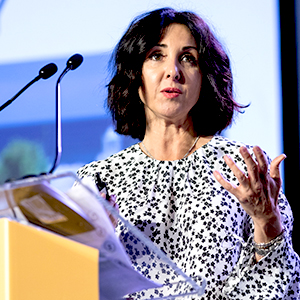
[00:34:11] Ad Read: Definitely. So a lot Like Chris, you know, Meg Gill's pretty familiar with selling an upstart beverage company to a global conglomerate. She's the co-founder How Golden Road Brewing, which is a Los Angeles-based Tea Company that launched in 2011 and was acquired by Anheuser-Busch InBev just four years later. In an interview with BrewBout editor Chris Furnari and Mike Schneider, Meg spoke about the brand's rapid growth and path to acquisition. She also explained How Golden Road, which has become Anheuser-Busch's fastest growing craft brand, is competitive among other brands in the portfolio, and her plans to press on the gas pedal in 2018.
[00:34:50] Chris Furnari: We're here at Nosh Live 2017, Santa Monica. I'm here with Chris Furnari, the editor of Brewbound, as well as Meg Gill from Golden Road Brewing. Thanks for joining us today, Meg.
[00:35:00] Meg Gill: Thanks for having me. It's great to be in sunny Santa Monica.
[00:35:04] Zest Tea: It's great to have you here. Yeah. Meg, it's been what, two years or so since you sold the brewery to Anheuser-Busch?
[00:35:13] Meg Gill: Yeah, just finished the second year transition. So I can't imagine life without them now that I've had them. And there's a lot of complexities involved with a big partner, but it's been an amazing journey for us and incredible growth. We can talk about IRI stats or I can put you to sleep or, you know, it will put you to sleep. We're about triple the size that we were when we sold in a couple years. Our IRI numbers, our grocery chain business is just incredible, so up over 300% year to date. We've expanded the brand outside of California, but still 80% of our business is local here in California.
[00:35:55] Zest Tea: So a little background for our audience and our listeners. Golden Road is a craft brewery that was launched in 2011 in Los Angeles-based in 2015, it was acquired by the world's largest brewing company, Anheuser-Busch. And I think that year you guys made about 45,000 barrels of beer, which is not insignificant amount of beer flowing out of your brewery. So now you've you've tripled in size. What's been sort of the biggest learning or biggest lesson from joining a large organization like AB?
[00:36:29] Meg Gill: Yeah, I mean, I think that the what my expectations were going in versus where we are today is that The challenges are the same, they're just on a bigger scale. So it takes all the same drive, even more drive, even more kind of teamwork to get there in a bigger organization. So a lot of our supply challenges that we used to have, we still have, but just on a bigger scale. It takes longer to do things, but when we do them, they're done in a bigger way, I guess.
[00:37:00] Zest Tea: Yeah. And one of the things we really like to hear from on Taste Radio are just sort of the founder stories. Can you bring our listeners up to speed on sort of the process of raising money, launching and scaling Golden Road up until the point that you decided maybe it's time to look for a strategic partner?
[00:37:17] Meg Gill: Sure. So when I was 22 years old, I moved to Boulder, Colorado to pursue my dreams in Olympic swimming after swimming at Yale University.
[00:37:28] Zest Tea: Were you a butterflyer?
[00:37:29] Meg Gill: Yeah. Were you a butterflyer? Oh, yeah. Yeah.
[00:37:32] Chris Furnari: Big time.
[00:37:33] Meg Gill: So butterfly and sprint freestyle and training at altitude in the mountains, it was a dream.
[00:37:39] Chris Furnari: I knew that because you're kind of a badass.
[00:37:43] Meg Gill: Didn't pay well. And one of my first jobs was, that was actually unpaid at first, was working for Oskar Blues Brewery at Alliance Colorado. And I went to work for Dale Koteches, who said, if it ain't fun, I ain't doing it. You're fun, let's do it. And let's figure this thing out. And so at that point, Dale was talking about expanding distribution of Oskar Blues and and their brands. So I went to work for Oskar Blues and fell in love with California while I was launching this state. I was approached by a swim team in San Francisco that wanted to have me, so I settled there. There I met another brewery founder who was in a position where he thought he wanted to sell his company. It's Tea Company called Speakeasy. Speakeasy. Yeah.
[00:38:28] Zest Tea: I do love Big Daddy.
[00:38:30] Meg Gill: There you go. Hopefully you can still get it. I'm not sure these days.
[00:38:33] Zest Tea: It's hard these days. No, they're back. They're back.
[00:38:35] Meg Gill: All right, good. So, you know, that founder actually approached me and said, and this is after I'd worked at Oskar Blues for about a year, and said, hey, can you come figure out our distribution and some of our financing needs and look at what our options are? Went on a crusade to turn around the speakeasy distribution as well as some of the brands, refocus the brands, Tea Company, and look at some help on the financing side. And that's when I met my partners who exited with Anheuser-Busch, my founding partners. And we actually looked at the speakeasy deal at the time and figured out that it was going to be a better opportunity to start something than take over a brand that kind of needed that much work. So those two guys were Tony and one silent partner were my founding partners. There was just three of us. I was the most active on the operational kind of startup of the business side. Tony was there for support and also had the restaurant experience. And those guys saw a nice return and exited with Anheuser-Busch three and a half years in, almost four years in. And I reinvested most of my equity into the new entity.
[00:39:48] Chris Furnari: So you sold to Anheuser-Busch. How did that happen? Did they approach you? Did you approach them? Our listeners will be really interested in hearing that process and the thought process in your mind that said, this is a good thing for us.
[00:40:01] Meg Gill: Sure. So the process actually started on our side, which is pretty unique. I think maybe one of the only breweries that AB didn't go after first, but they did say that we were on their list. They just hadn't called us yet. Who knows if that was true. But in June, right after Chris here announced that Firestone was selling to Duval, I realized that You know, since AB wasn't going after Firestone anymore, maybe they were looking for a brand in California who could use a partner.
[00:40:33] Zest Tea: And that was the word on the street that AB had been in at least some kind of discussion with Firestone, correct?
[00:40:40] Meg Gill: Yeah, so I heard that rumor whether it was confirmed or not at the time. I felt like I had enough speculation to have that conversation with my two partners. So I talked to them and I said, hey, do you guys want to sell this business? They said, no, but let's talk. Let's hear what they have to say. Let's see what the price is. Let's see what their strategy is, whether it'd be good for the brand or not. And they also said, we want to make sure it's good for you too. You're 30 years old. you know, what do you want?
[00:41:11] Chris Furnari: What do they offer in terms of resources, you know, in terms of production resources, marketing resources, the kinds of, you know, help that you would need to take your business to the next level that would make it really attractive?
[00:41:21] Meg Gill: You know, basically from a resource, from a supply side, It's not unlimited supply, but it is access. If you can get your brands to a certain quantity, access to their breweries where they do have amazing quality, the highest quality resources in the world from a knowledge and technical side. And from a marketing perspective, I don't know what the number is off the top of my head on what we were spending then to now, but there's a big number times on what they provide us annually. You know, basically, if you can show a marketing ROI for what the activity is you want to do, then they'll fund it. And so we have big challenges. And it's kind of almost like a Shark Tank type of situation that you go through within the high-end marketing team to pitch ideas. And once you show that there can be a return on those ideas for your brands, then they're quick to jump on them. And when you have a brand that has a buyer who wants the brand, if it's an innovation They're very quick to move to fund those types of activities.
[00:42:33] Zest Tea: When you say that it's a sort of a shark tank style, is that, you know, you're sort of competing against the other craft brands that AB has acquired? I mean, they have, what, 10 breweries now in the high end portfolio. So you've got to basically show a decision maker at the corporate level that, you know, they need to pick Golden Road for a specific investment? Or how does that work?
[00:42:55] Meg Gill: sometimes it does get competitive, but there's often a, you know, a resource that it gets beyond what that pool of money is for all the craft brands. So you're competing with all of North America, I think would be the right, the right way to say it. So obviously Bud Light doesn't have unlimited investment. Golden Road doesn't have unlimited investment. I would be very strong in saying that the growing brands are over-indexing their investment for what AB has given us. And I don't know, I'm not privy to what every Brandt Gehrs from a marketing level or whether it's one ad campaign to another, but they've been very gracious to us.
[00:43:38] Zest Tea: Now, you also mentioned this idea of if you get to a certain scale, you're able to leverage some of the brewing assets and some of the brewing resources that Anheuser-Busch has to offer at their many breweries across the United States. But I imagine that it's not just as simple as, hey, we've got this beer now, go brew it over here in L.A. or go brew it in Fairfield or go brew it in New York. Can you talk to me a little bit about the process of actually, you know, getting a beer on the production schedule and what challenges you face there?
[00:44:10] Meg Gill: Sure. So, you know, there's no kind of a flash in the pan, or I think the Brazilians call it a chicken on the bone or chicken wings. There's some kind of weird Brazilian analogy they use that I can never fully understand what it means, but basically a flash in the pan. They don't want a flash in the pan brand. So you've got to show that you have a plan for it, whether there are retailers with homes for it or some sort of expansion plan, some sort of marketing plan, reason to believe. to fund the thing. A beer really isn't going to get brewed at an AB brewery until you've got a base of strong distribution, can show those distribution points and show the growth year over year, not just in one year for the AB breweries to brew it. The reason that that happens is you look at the declines in the big brands and you think, these breweries have to have idle capacity. Well, they do have idle capacity, but they don't have a lot of the equipment needed to brew a lot of these craft brands or emerging brands or F&Bs. So they've got to invest millions and millions of dollars into these breweries every year. And they're making those investments, but you've just kind of proved that there's a need.
[00:45:21] Zest Tea: What happens if you have just a runaway train and a breakout success for a brand? How do you convince AB to be more nimble and react and say, you know, this is something we have to capitalize on?
[00:45:33] Meg Gill: Yeah, so we we kind of had that this year with a brand called Mango Cart, which is part of our fruit cart series. You guys were in L.A. You see the fruit carts up and down the street with awesome fruits. And then we use a wheat based beer. So Mango was our first one and it really it flew off the shelves and it made it into 40% of the grocery channel without even being ready in time for spring reset. So we have a lot of confidence in that brand. And so there is some kind of intuition and some kind of selling that I do internally to Felipe and Felipe Trust me, you know, usually when he sees the data and sees that a brand's kind of moving and will work outside of the normal process, outside of the normal calendar year process to expedite those plans. So for that brand in particular, it went to the head of supply. It went to the CEO of the zone. And it was approved within a couple of weeks to make sure that we had the equipment ready for this coming January so that we could make spring resets with the brand. So, you know, there's a lot of work that can be done if a brand is on fire. And AB is certainly willing to do it, you know, if you can prove the case.
[00:46:50] Zest Tea: And for our listeners, Felipe is the president of the high end, Felipe Spiegel. One of the things I also wanted to ask you, which sort of builds off of this last question, is just the idea of transitioning from being an entrepreneur that is sort of free to do, make decisions. Maybe it's a little bit of licking your finger and sticking it in the air. you know, kind of guessing at times. Within an organization like Anheuser-Busch, it seems like, as you sort of indicated, you have to be a little bit more methodical, you have to have a plan, and you have to be calculated about the risks that you take. So talk to us a little bit about making that transition of being, you know, an entrepreneur that's kind of free to do whatever they want, to being more of an intrapreneur within an organization that's trying to change the culture a little bit, but still has some frameworks that you have to work within.
[00:47:40] Meg Gill: Sure. You know, that's a big question. And I think that my focus as an entrepreneur was that entrepreneur doesn't mean startup chaos, sell it, you know, go make money, go start over. You know what I mean? Entrepreneur to me was more like a Phil Knight or a Jim Cook, somebody who has built a Brad Avery the long term, no matter who the partners are. So I saw myself transitioning into an entrepreneur within a big business. And that could be super beneficial to my learning and you know to the resources that would offer Golden Road and our team. So I think it's it's the bureaucracy is horrible as in any big company would be or small company. And, you know, I should mention, like, I have a great creative outlet, you know, called Beerland, where I host a show and produce a show. And some of that's great How Golden Road. Some of it's just great for me personally, because, you know, when I'm getting blown up by whatever supply, blah, blah, blah, blah, blah, out of stock issue, I'm able to get on camera and focus on really positive stuff for beer. you know, that's been a great change of pace for me. And I have an awesome team behind me that, you know, is kind of carrying a lot of the execution weight How Golden Road. But, you know, the cool, the cool part of Me being an entrepreneur and having the culture of this kind of ambitious young nature is that it really does make an impact within AB and within all their crafts to have kind of that really hungry young culture come in. And so I think within our organization, we've become more competitive. All of our commercial side of the business, all of our sales and marketing people, they want to be better than all the other brands. They want to be seen as best in class within the AB portfolio, whether it's calling on a wholesaler or coming up with a great label or whatever. So it's created this energy and this culture that these guys aren't being suffocated by bureaucracy and that one of my biggest jobs is to make sure that layers and middle management and bureaucracy and crap doesn't get to them and that, you know, we're free to continue to move quickly.
[00:49:55] Chris Furnari: You talked about the culture of Anheuser-Busch, and what kind of entrepreneur is going to work in that culture? I mean, obviously you're very competitive. You talked about the shark tank before, and you're a swimmer, so you can make your way through that. What kind of person do you need to be to survive at Anheuser-Busch, or to succeed at Anheuser-Busch?
[00:50:15] Meg Gill: Yeah, I mean, I think that the other craft breweries are good to look at, case in points. And it's all over the board on kind of what they're into and whether they've stepped out of the business, whether they haven't. But for me, I'll just kind of talk about the traits that where my passion is and where my investment is, which is all in growing craft share, growing Golden Road share. So that's kind of what I put my money behind, where my passion was. I'm into new business ideas and strategies and execution of, you know, great programs with retailers, all that will deliver volume for Anheuser-Busch. But within that, there are constraints such as we're trying to grow beer category volume. We're not meat growing Golden Road at Bud Light's expense really doesn't help Anheuser-Busch. So, I need to work within certain parameters there to make sure we're bringing new consumers, new occasions into the category.
[00:51:14] Zest Tea: So we talked a little bit about your sort of journey as an entrepreneur starting Golden Road, getting it to the point, you know, building it to the point where it was a viable business to sell to an organization like Anheuser-Busch. We've talked about your last two years within the Anheuser-Busch organization and what that process has been like. Do you feel like you've proven yourself to them yet? And if so, why? If not, what are you doing to prove yourself and how much work do you have left ahead of you on that front?
[00:51:49] Meg Gill: Yeah, so I would classify proving myself in Anheuser-Busch terms to mean full commercial integration into what they're doing. And the end goal, no, we're not there yet, but the end goal would be Golden Road has targets set within every department within AB so that everybody at AB is focused at Golden Road. You know, right now we are focused on in certain regions and certain percentages of the time and we're grouped into the high end. I would like Golden Road to get to a place that it's a focus like Estella, you know, and that's the big win is when you can get there. And that's, I mean, that's the mindset and the long-term thinking of trying to build a billion-dollar brand and not, you know, not just kind of stumbling along the way here. But I will say that we had a national rollout this year due to some national chain commitments. And in 2018, we'll be what's called a craft big bet for Anheuser-Busch. So you'll see us at SAMCOM, their big conference to wholesalers being showcased as one of the top crafts to support. And, you know, hopefully the wholesalers will.
[00:53:00] Zest Tea: Well, those are some pretty awesome accomplishments that you guys have had. I mean, being a young, aggressive, ambitious entrepreneur like yourself, it's really pretty impressive to see what you've built and what you've created. So congratulations on that. Congratulations on all your success. If you had to impart one piece of advice to all the entrepreneurs listening, what would it be?
[00:53:23] Meg Gill: You know, I think that what I've learned, and thank you for the kind compliment, is that there really are no shortcuts. And, you know, even with a Tea Company that is ready to support you, you cannot take your foot off the gas. I mean, maybe you take off the foot of your gas when you're either happy with what you've done and ready to retire or whatever, or you know, you're dead, you know?
[00:53:50] Chris Furnari: Crash into that wall.
[00:53:53] Meg Gill: I just haven't, I haven't found a better way to do it. And it's sometimes I can be called abrasive and tough to deal with, but that, that kind of forceful, you know, drive is what, you know, I continue to use. to lead Golden Road. And, you know, I look back on the help that we've gotten from AB, but also just the team that has grown from the acquisition. They're all the same people. They've just been promoted and given more resources. And those are the guys that, you know, I really have to thank. And, you know, I couldn't speak more highly about the team at Golden Road and what they're continuing to do to be as competitive as possible out there in a tough beer environment.
[00:54:39] Zest Tea: It's really awesome to see. Thank you for joining us. I'll be looking How Golden Road on the retail shelves wherever I travel next year, and I'll certainly be looking out for you on Viceland as well.
[00:54:50] Meg Gill: Awesome. Thanks, Chris. Thanks for having me, guys.
[00:54:52] Zest Tea: Thank you.
[00:54:55] Ad Read: And we are now joined by the aforementioned Chris Furnari. Chris, thanks so much for being with us. Yeah, thanks for having me.
[00:55:00] Zest Tea: What do you think of our snazzy new setup in here? It's pretty legit. I wasn't sure what to expect when I walked into this room and saw all three of you standing around a nice rolling table.
[00:55:09] Ad Read: And when you picked your job from the floor and came to the table, I knew you had a lot to talk about. So we're going to ask you a little bit about this interview with Meg. You know, I liked her when she talked about the definition of entrepreneur. And she said, you know, it doesn't mean startup, chaos, sell it, go make money, start over. She said, you know, her idea of an entrepreneur is more like Phil Knight or Jim Cook, someone who's built a Brad Avery the long term, no matter who the partners are.
[00:55:32] Zest Tea: Yeah. I mean, I don't know if that's the classic definition of an entrepreneur. I feel like an entrepreneur typically grinds away for a little bit longer time than say Meg did, but she clearly identified an opportunity for herself or her partners How Golden Road and capitalized on it, which is, uh, you know, incredibly uh... tremendous of her and she deserves a lot of credit for that and she's hunkered down over there to she's she's definitely ready to keep grinding and and i think in the interview i might have referred to her as uh... an intrapreneur So now I think her biggest challenge is, you know, taking that sort of entrepreneur mindset and existing in an organization like AB InBev and, you know, really trying to change the culture a little bit.
[00:56:16] Ad Read: Definitely. It was really, I guess, odd, but also really interesting to hear about her talking about competition among all the brands, the craft brands and the AB portfolio and the high-end portfolio and this sort of shark tank style process. to get marketing support. And I was really kind of surprised to hear that because you would think that they're all kind of on the same team working together, but it doesn't appear that way.
[00:56:39] Zest Tea: Well, I mean, I think they're all on the same team in the sense that they're sharing information and they're all, you know, kind of working together on best practices and learning from one another. But I think at the end of the day, you know, they do all operate independently and there is a sense of competitiveness and they want, you know, They want to be the best brand in the high-end portfolio. Meg certainly wants to be a national brand. And like she said, she wants to be a billion-dollar brand. So I think maybe for her, it might be more competitive than for others.
[00:57:12] Chris Furnari: I put my tech hat back on for a minute and think of the days of you know, tech companies being acquired by, say, Google, and thinking about, you know, it's not just one big happy pile of resources over there at Google. They're an advertising company, and the first thing that they think about is, how are they going to optimize that search algorithm for advertising purposes? And you don't just get to go into that and grab a piece of that technology and work with it if you're a Tea Company who's just been purchased by Google. It's very similar to that in that, and Meg has the right idea. She's over there, you know, putting her best foot forward and the interests How Golden Road first and, you know, clutch, claw, grab, grind, tear, try to get to, you know, the resources to make that the best product, but also, you know, understanding it's the Tea Company with the same mission, moving other cars on the racetrack forward as well. And I think that she's, you know, she's got a good attitude and the right attitude to be able to tackle that mission.
[00:58:07] Zest Tea: Yeah, and I would add that, you know, she has sort of the benefit of being a fast-growing craft brewery based in California, where, you know, I mean, that's a huge market. There's a huge opportunity, especially in L.A. So I don't know, I think perhaps just the geography plays a little bit into how competitive she is, because California is already one of the most competitive beer markets out there. So I think she's just kind of been, I guess, bred that way as an entrepreneur to think in a very, very competitive way, even if it's with, you know, some of her cohorts within the high end.
[00:58:43] Ad Read: And Chris, you've known Meg for some time, probably since 2011?
[00:58:47] Zest Tea: Yeah, I think actually she was one of our first speakers at our very, very first half day brew down session in Santa Monica.
[00:58:53] Ad Read: Yep. Long time ago.
[00:58:54] Zest Tea: Yeah.
[00:58:55] Ad Read: She has a reputation of being kind of tough, right? Do you think that's sort of helped her along the way or is it kind of created more enemies for her along the way?
[00:59:01] Zest Tea: Uh, that's a, that's a tough question to answer. You know, I think that she is, you know, going back to sort of the competitive comment, she's always had a vision for what Golden Road could be. And she's gone after that vision in a really hard way. You know, she runs at things really hard. She, I think she referred to herself as you know, being called somewhat abrasive at times during the interview. I would agree. I mean, she's definitely strong willed and tough minded, but that's sort of what it takes to build Tea Company that she's built and do the things that she's done in such a short amount of time. So kudos to her. Default, a fighter. She's ready to fight.
[00:59:44] Ad Read: Yeah, I think so. And yeah, I think kudos is the best way to describe it. I think, you know, building a national brand in about seven years and She alludes to the fact that they will be a national brand in 2018. It's pretty amazing.
[00:59:55] Zest Tea: Yeah. Yeah. You don't get to where she's at without being strong willed and a little bit competitive, right?
[01:00:00] Ad Read: Indeed. You know all about that, Chris, too, right? So thanks so much for being with us. Really appreciate the time. Great interview.
[01:00:06] Zest Tea: Thank you.
[01:00:06] Ad Read: Thanks, Chris. You know, I'm kind of bummed. I didn't get to try as much of the food as I wanted to on some of the products that I wanted to at Nosh Live, including Tribali Foods.
[01:00:15] Chris Furnari: I was laying in a corner with Honey Mamas all over my face, drooling. So I didn't get a chance to try The Tribali.
[01:00:21] Ad Read: Let's clarify that Honey Mamas is a brand of food. Yes.
[01:00:24] Chris Furnari: Oh yeah. Yeah. This is definitely a brand of food. Honey Mamas.
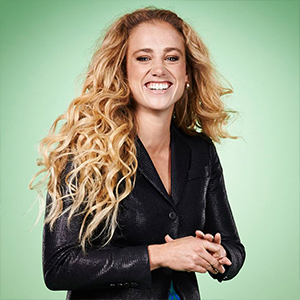
[01:00:28] Ad Read: As I mentioned at the event was a brand called Tribali Foods. Tribali Foods a maker of organic and grass-fed meat patties. The brand won the Pitch Slam competition at Nosh Live Winter 2017. And during the event, we caught up with Tea Company's founder, Angela Mavidris, who spoke about the origins of Tribali and how it differentiates itself from other meat patty brands, all included in this edition of Elevator Talk.
[01:00:56] Chris Campbell: It's time for Elevator Talk, where we put a founder in an elevator with their dream investor. Let's hear what happens. What is your company's mission?
[01:01:05] Chameleon Cold-Brew: So I'm a nutritionist, and my company's mission is really about educating people on how high quality, humanely raised animal proteins can have such a profound impact on the way you feel and perform. And it's really about just that educational component, that we do have a choice to clean up our food labels, clean up the supply chain, and really do good for the animals, the environment, and the people that consume our products. What is your product and how is it different? So we have three flavors to our product. We are ground, grass fed and finished or free range organic chicken or beef. And we grind them with globally inspired flavors. And the only ingredients you'll find on our back label list are fresh vegetables, herbs, spices, and purees. We never have any additives, preservatives, fillers, binders, or vegetable seed oils. So we grind our meats, we season them with flavors, and we make life easy for those who want a solution in the freezer section for a quick meal for under 10 minutes.
[01:02:07] Chris Campbell: Who is your target audience and how do you quantify the market opportunity?
[01:02:10] Chameleon Cold-Brew: So our target market is definitely the conscious consumer, those who care about what they eat and also care about what their eats eats. They are the icon seekers, the Whole30ers who are doing a Whole30 and care about eliminating irritants out of their diet. The paleo folks that do also care about more of an ancestral way of eating from natural, real, wholesome foods. The busybodies that want an easy, effortless, delicious, and clean label product that they can bring to the table for a mealtime miracle. Or just the health person that really knows the connection between diet and disease and cares about what is on that ingredient label and turning it around and having trustworthiness in a brand that delivers high quality nutrient density and free of all the irritating ingredients. What stage of growth is your company in? We are in the baby stage. We just gave birth in September. So we just launched, although this was in the making for a year and a half, we did launch on the markets in September. What do you need from a partner or an investor to go next level? We are looking obviously for a flex of both funds and connections, doors, knowledge, experience, expertise to add to our team and to add to our strategy of how we're going to roll this brand out and bring it more to a national level. Why should I invest in you? expecting more, demanding more. They're wanting transparency in their ingredients, in their supply chain. They should ask for and demand higher quality from the meats that they do eat. And that's our mission as a brand, to bring the best quality in the most convenient and effortless way to the consumer. And so by partnering with us or investing in us, we are rolling out that mission and we have a big message to give.
[01:04:18] Ad Read: Well, that wraps up episode 90 of Taste Radio. Thanks so much for listening. And thanks to our sponsor, Owen, a maker of plant-based protein supplements and drinks. Thanks so much to our guests as well, Chris Campbell, Meg Gill, Chris Furnari, and Angela Mavidris. Please send an email to askatasteradio.com for questions, comments, ideas for future podcasts. On behalf of John and Mike, I'm Ray Latif. We'll talk to you next time.