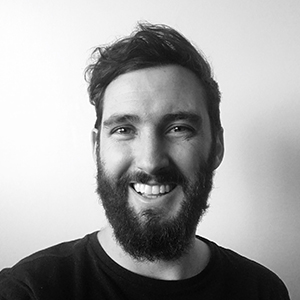
[00:00:10] Ray Latif: Hey folks, I'm Ray Latif, and you're listening to the top podcast for The Good and beverage industry, Taste Radio. This episode features an interview with Matthew Parry, the founder of better for you canister snack brand, The Good Crisp. Just a reminder to our listeners, if you like what you hear on Taste Radio, please share the podcast with friends and colleagues. And of course, we would love it if you could review us on the Apple Podcasts app or your listening platform of choice. We see it all the time. An upstart brand comes to market promoting itself as a better-for-you version of a legacy one. While these challengers boast clean and functional ingredients, category leaders, regardless of their nutrition labels, often hold a significant advantage that of consumer familiarity with their product's Taste Radio package design. But what if the key elements of a new brand could match those of the established player? What if it delivered a very similar look, taste, and feel, and could also identify itself as a healthier alternative? That was Matthew Parry's vision for The Good Crisp, a brand of clean label, gluten-free chips, stacked in canisters, and often described as, quote, the healthy Pringles. Launched in Australia, The Good Crisp made its U.S. debut in 2017, beginning at Whole Foods locations in Northern California. Riding a wave of consumer demand for better-for-you snacks, the brand has since expanded its retail footprint to over 11,000 stores nationwide. In July, The Good Crisp introduced its first brand extension, the two-skew line of cheese balls that are made with an immunity-boosting ingredient called Whelmune. In the following interview, I sat down with Matthew, who discussed the history of the brand, how he has carefully navigated comparisons to Pringles, and how the company's channel and merchandising strategies have evolved to reach more mainstream consumers. Matthew also spoke about the planning and launch of the new Cheese Balls line, and how he's balancing rapid growth with a conservative approach to hiring. Hey folks, it's Ray with Taste Radio. Right now I am speaking with Matthew Parry, who is the founder and CEO of The Good Crisp. Matt, how are you? I'm very well, how are you? I'm doing great. I'm doing great. I was just munching on your chips this afternoon. And I'm such an idiot, because I forgot, you know, for the video, I should have at least had a canister with me. But I finished the canister. I think I had like a half of a half of one left. They lasted 10 minutes. So sorry, I don't have it on video, folks. But but you're you're rocking the great logo on your t shirt there. So that that helps.
[00:02:52] Matthew Parry: I'll represent I've gotcha.
[00:02:54] Ray Latif: Well done, well done. Now, folks listening will certainly hear your accent, and most people will associate it with an Australian accent. I hope people don't think it's a Kiwi accent, because you are not from New Zealand. And there's a little bit of a divide there. Maybe not a little bit, but a big divide between the people of New Zealand and Australia, so.
[00:03:16] Matthew Parry: They're just very jealous of us, right? It's difficult, but we deal with it. Yeah. How long have you lived in the States? So I moved here with my three daughters and my wife in 2019. So two and a half years now.
[00:03:31] Ray Latif: Two and a half years. Are you enjoying life stateside or are you missing the life in Australia?
[00:03:37] Matthew Parry: No, we're loving it here. It's been good. We're here in Boulder, Colorado. It's a nice place to end up for sure. I mean, to be honest, like a lot of people, we've struggled a bit the last sort of 18 months, 12 months, obviously, with what's going on. That's been tough. not being able to have family visit or say people from Australia, you know, the kids haven't seen their grandparents in sort of two years now, things like that. So it's been the toughest part, but we're still enjoying it. We're spending a great time.
[00:04:03] Ray Latif: Yeah, as long as you're with family, that's the most important thing for sure, as long as everyone's safe and healthy. But I'm sure there are some things you miss about Australia. What are some of the biggest differences between living here and living in Australia? And what do you miss most about living down under?
[00:04:18] Matthew Parry: Yeah. Look, I mean, it's not too bad. It's not like it's a radically different culture or language or anything like that here in the US, but it's been alright. I think moving to Colorado, it's tough being in a landlocked state. We've never done that before. I've always lived by the beach. It's a big part of life in Australia. So that's probably one of the most difficult things that we miss here. But then again, we have amazing snow and we take full advantage of that here. So not a lot that we've missed. It's still been pretty exciting living here.
[00:04:46] Ray Latif: That's good. That's good to hear. I've never been to Australia and I hear amazing things about it. I've been to Boulder. That's an amazing place. Boulder, Colorado is a great place to live, I would assume, just from having visited there for a short time. But the idea for The Good Crisp originated in your homeland. Let's talk about that. What was the genesis of this brand? How did you come to found The Good Crisp?
[00:05:12] Matthew Parry: Yep, certainly. I've always worked in CPG. So I had another company back in Australia where we imported other food products from around the world and we sold them into Australia. And so I launched lots of different brands there in Australia and always knew I was going to launch my own food product, which is sort of waiting for the right idea and the right time. That came along probably about eight years ago when I started the company. I was originally helped launch some canister chips into the Australian market and took a deep dive in all of that and got to really understand the players in the industry and really saw this opportunity of, you know, essentially a better for you alternative to Pringles and the other canister chips out there. I myself was on a pretty strict FODMAP diet, I had some food intolerances, so I was really missing a lot of the snacks that I wanted to eat and also I wanted to give my kids. As a child of the 90s, I grew up eating all of that stuff and my parents, like a lot of parents, were enamoured with all of that junk food and putting all the science and all the chemicals into The Good, we all thought it was a good thing. We now know that that definitely isn't the case and so try to develop some of those familiar snacks but taking all of that nasty stuff out and I wanted to do it in the canister chip segment.
[00:06:28] Ray Latif: The decision to launch in the United States, what was the reason behind that?
[00:06:33] Matthew Parry: We always got interest even from day one when we launched in Australia sort of out of the US and people asking about it. I was familiar with the US market because I'd imported, you know, looked at it to import brands into Australia from it, so had been to Expo West, had done it. So the more sort of requests we got or inquiries, I thought, you know what, I think it was about 2016, I thought, look, let's just, I'll mock up some packaging, I'll get a table at Expo West, I'll go there, I'll just put my product out there and see what people think, see if there's a genuine interest here. I thought it was a good way to do a whole lot of market sampling with the thousands of people that come there, but also there's industry people there and they can give me some feedback as well. So I just went and did it and people would walk past and stop in the tracks and come back a bit and say, is that what I think it is? Is this a better for you Pringle or a better for you Cancer Chip? So by the end of the show, I just knew there was a massive opportunity for my product. There was nothing else like it in the market here in the US. And whether or not I could make it happen, I was the one that could bring it to fruition, still remains to be found out. But I just knew that definitely there was a big enough opportunity here. And there was the retailers here to make it work. One of the problems with Australia is we're a big country. We're physically the same size as the US. but with only 25 million people. So there's only a handful of grocery chains and things like that. So it is hard to get your foot in and to build it. Aus here in the US is such a strong established and natural network and natural category that were really interested in my product that it gave us the opportunity to really start to build it.
[00:08:08] Ray Latif: We love our snack food here in the United States for sure. Yeah, I'm sure listeners are wondering why I haven't asked about Pringles yet, because you've mentioned it a couple of times, and I'm sure anytime someone sees a canister of The Good Crisp, they're like, oh, it's a better for you Pringles. That being said, I'm sure there are questions about, well, what kind of due diligence did you do to avoid potential lawsuits from the makers of Pringles?
[00:08:37] Matthew Parry: Yeah, look it was certainly something I first, when I looked into it, as I mentioned, I did a bit of a deep dive into the category and those things became very immersed in it and it quickly became obvious that there was already, you know, Walmart had a canister chip all around the world, there's different sort of retailer private label out there of versions and that any trademarks or IP and things still expired or anything like that. So there's no real concerns from that side of things. We're not infringing on anything. So we had free reign to go out and develop a product, which is important.
[00:09:08] Ray Latif: You know, that's really interesting because if Walmart had a canister of potato chips and there were other private label varieties, one would think, well, why didn't anyone else jump on this opportunity for a branded better for you canister of chips? Were there other attempts to create a branded product like yours?
[00:09:25] Matthew Parry: There was one or two out, well, one out in the market that have sort of done something. But really, I mean, it's an obvious question. I get asked it a lot. I mean, I certainly wasn't the only one in the world that thought of this idea. I guess what helped me bring it to life was my connections in the industry. I mean, there's only a handful of canister chip manufacturers in the world. Pringles has done such a good job of sort of controlling that, that there isn't a lot out there and I had good relationships with those and was able to bring it to life. I think the other part of it is up until the last 5-10 years there hasn't been that big enough demand and better for you snacking and that macro movement into health that's allowed for you know to innovate above what was out in the market. So most of the innovation was around price and private label and when you know, the market leaders already $1.50 out there, it doesn't leave sort of much room for sort of change. So I think just it was a timing factor as well that now suddenly there's enough of a market that we can innovate above and be a better fuel alternative and still have enough mass appeal to make a company like this work.
[00:10:26] Ray Latif: Yeah, a better for you alternative, but to a specific brand. Again, I think, you know, the obvious comparison is to Pringles. Do you have to continue to use their brand name to describe yours? Is there another way to do it?
[00:10:41] Matthew Parry: It's one of those interesting sort of areas. It's like Kleenex or whatever, like where the brand is synonymous with the category to some degree. I mean, Canister Chips is technically the category, but there's one brand that owns 95% of that category. And so they are interchangeable to some degree. It's one of those situations. But we don't worry too much about it. We're running our own race to some degree. Our customers are not Pringles customers. And so we just do our own thing. It's just one of those situations where the brand can be replaced for the category in itself.
[00:11:11] Ray Latif: Now, early on, I think some people described The Good Crisp as a knockoff brand. And, you know, it's not a fair thing to say because it's certainly not the exact same thing as a Pringles. But how did you fight that stigma of it being sort of a fake kind of Pringles?
[00:11:35] Matthew Parry: What's interesting, Rosemary, we're part of this, you know, better for you snacking 2.0 sort of movement where, you know, traditionally there's always been this playoff where if you're healthy, you have to sacrifice taste or sacrifice something else. The reality is we beat every other canister chip, Pringles included, in blind taste testing. We taste better, we're better quality, and then also you have all the benefits of better ingredients there. So in fact, we're actually better than them. So if anything, they're the knockoff of us. And what we're doing, we're now the market standard and the highest sort of point there. So it's a really great position to be in. We no longer have to talk about sacrifice or, hey, yeah, it's healthy, it doesn't taste good, but it's better for you. There's actually no compromise from a consumer's viewpoint. And that's been a really powerful thing that we've been able to talk about instead of having to reference back about what you're mentioning.
[00:12:23] Ray Latif: Yeah, and that's a good segue to my next question, which is about the idea of The Good Crisp and where it belongs in retail, because it has all the hallmarks of a natural brand that belongs in conventional, and that kind of duality can be difficult, I think. How did you initially navigate the retail channels that you thought the brand belonged in and where it would actually succeed?
[00:12:49] Matthew Parry: It's been a journey for us. We're in our fifth year now here in the market. We're still learning through some of these things. Originally, right back in the day when I first launched here, I thought, look, if I could just get California, you know, that's a bigger economy than the whole of Australia. So I'll just focus Northern California. I can double my Australian business and that'll be launched at 30 Whole Foods stores in Northern California. And we start to go that. And that worked well for six to eight months until Wegmans called and said, Matt, we really love your brand. We want to put it into all of our stores. So suddenly I had to make a decision. Do I want to stick to California or do I want to take opportunities? So we decided to go into Wegmans and to open up other DCs across the country there. And then after two years, we thought, look, Walmart's trying to get into better for you, maybe we should just start, have a chat with them and come up with a two-year plan about how we could move into Walmart and things like that. And then, you know, a month after our initial meeting with them, they rang us back and said, look, we want to put you into four and a half thousand stores across the country. Are you okay with that? And sort of, you know, we launched there as well. So you can have all these great plans about what we wanted to do, but we also wanted to sort of take advantage of opportunities where they come. We've made some mistakes, definitely, in the last couple of years where we've probably outreached a little bit. But by and large, you know, we're now in 11,000 stores across the country, and the majority of those are in the natural channel. But we're now starting to make our move into more conventional. So we launched in HEB. This year Wegmans are mentioned. We're picking up 1,000-plus Kroger stores next year if we start to do that. So we've really proved ourselves out in the natural, like a lot of brands. and also dabbled in conventional and shown that Walmart four years later, you're still with them, we're still national, we're growing at 100% with them. So we know that our brand can cross over and work with consumers in conventional as well. It's just been about having the right time and resources to fully commit to that jump over.
[00:14:44] Ray Latif: Yeah, and those resources can be pretty limited when you're talking about three different retailers representing essentially three different channels, Wegmans and sort of specialty, Whole Foods and Natural and Walmart and conventional. You mentioned sort of overreaching. Did you ever sense that there was an opportunity where you should have said no? Did you feel like that was a really tough thing to say to a retailer, especially one as big as Walmart?
[00:15:10] Matthew Parry: Yeah, we've had to say it and other times maybe we should have. We haven't been in too many situations like that, which has been fortunate. So we've made it work or thankfully we haven't had to support it as much and it's gone well. I mean, that's been one of the great things about our product, particularly when we launched through the natural channel. you know, we were the only canister chip out there. Our product doesn't need a lot of education, doesn't need a lot of sort of support. So we don't do demos, we don't do any of that stuff. So even where maybe we've gone a bit over ahead of our skis, thankfully, you know, the brand has still responded and consumers have really taken to it and have been able to sort of grow from there without having to over invest. So it's been a good thing around our brand as well.
[00:15:52] Ray Latif: So from what I'm hearing, just retail placement and distribution is a big part of your marketing strategy in that if you have the brand on shelf, people are going to know what it is and interested in trying it.
[00:16:03] Matthew Parry: Definitely. I mean, that will change a bit more as we go a bit more into conventional and we'll have to start doing some of those demos and getting it in people's mouths and things like that. But, you know, we know that if we can get it on shelves, if we can promote, people will pick it up. You know, we see after every TPR we do, a 10% increase in our baseline, you know, every single time we do it. So we know that when people try our product, they'll come back and they'll keep buying and they'll do it. So that's just been our biggest thing is get it in front of their faces, get it into their mouths. And, you know, we can grow that way, definitely.
[00:16:32] Ray Latif: Was it best to merchandise the product in the salty snack set next to other products like a Pringles, like a Doritos, etc., or were you better served in natural sets within conventional?
[00:16:46] Matthew Parry: Yeah, like it's something we're still working through a bit. So when we go into obviously natural, there isn't any other canister chips really. So we stand alone in the snack set and we perform well there. So look, at the end of the day, Ray, we want to be the number two canister chip here in the whole of the US. And so that means we need to be up against Pringles and up in their canister set there and where people shop for that. So that's where we go into and that's proved to be successful so far.
[00:17:11] Ray Latif: You know, Matt, when I recall the communication about your brand early on, I think, and correct me if I'm wrong, gluten-free was a big part of the messaging, right? Why was that the case? And it doesn't really seem to be the case as much these days.
[00:17:25] Matthew Parry: Yeah, it's a good point. So unless you're celiac or following a gluten-free diet, you might not know that most other canister chips are not gluten-free. So Pringles, for example, you know, our product will be unique in canister chips where it's not like a potato chip where you just cut it and fry it and there shouldn't be gluten. We're made from potato flour and it's almost like a pasta mixture that's sort of done. So you can add things in there. And so people add flour and fillers and other cheaper ingredients to make their product cheaper. And so we end up with a lot of gluten in these type of products. So it is actually a really separating factor of ours that we don't use any of those fillers. We don't use flour. We just predominantly use potato. So that was really, to some degree, low-hanging fruit for us as we got out there. And it continues to be important. But as our consumer base has grown, so has our messaging. I mean, other than our cheese flavours, we're top allergen friendly or top allergen free. non-GMO, we don't use any artificial flavors, they're really good for people that are looking for sort of just better for your lifestyle and all of that stuff. So our messaging has grown to encapsulate those people as well. We have learned over the years as well though that it's really important to remain specific in your niches as well with your communications on social media. So we still talk about gluten-free and we hit that really hard within that niche but we also talk about as I said allergen-free and we go into that niche we go into sort of people that you know can't have soy or whatever and we talk about the fact that we're soy free in that niche and we really try and niche down in our communication but overall on a macro level we do tend to appeal to a broader audience. As I said we want to be the number two canister chip so that's not just the gluten free that's all you know everyday Americans and talking to them about feeling better about the snacks they buy is our macro message.
[00:19:08] Ray Latif: Well, one of the best forms of communication is the most obvious one is front of pack. You know, what does your label look like? And your label has gone through and your brand has gone through a pretty significant evolution, changed up your look about two years ago. Is that right? Yeah, early 2020, so about 18 months ago. Yeah, yeah. It looks, and sorry for me, I hope this doesn't come across as rude, but it looks significantly better than your original packaging. I'm glad. Yeah, yeah. I think when I look at it, and I think I mentioned this to you before, it comes across as much more inviting and fun. It's like a fun snack, much more than it was. I think there was a little bit more of a functional angle to it. I think there was an actual photo of a potato on your old package.
[00:19:55] Matthew Parry: I don't think there was, but you'd be forgiven for thinking that there wasn't. It's a fair point. When I first launched, I was obsessed with this idea of we have to be a healthy Pringle like we talked about earlier and sort of how am I going to get this message across that we're healthier and all of this and I definitely went too far that way and we missed that whole element you were talking around fun and Taste Radio engaging so people would look at us and probably you know to your early point that's how we got this idea of a knockoff because we sort of looked a bit private label we looked like a bit of a knockoff And so when I got here in 2019, it was one of the first things I realised now that I was living here and could shop it day in, day out, that we were getting lost on shelves and our packaging was muted. It didn't invite you to pick it up. And secondly, as well, we only had two flavours. So in a whole category, a whole sea of bagged chips, there was just these two little canisters sitting in the middle and we were really getting lost. So we wanted to go through and try and change that all up and fix some of those issues.
[00:20:51] Ray Latif: So was the primary reason to change up the packaging and undergo a rebrand, was it very much about going into conventional and expanding upon your presence in conventional? Or was it just we needed a whole refresh in terms of what we were doing, one that represented more of what we currently are and less of what we had been in terms of our vision and thinking about the brand?
[00:21:15] Matthew Parry: Yeah, look, I think, you know, as much as we do as a strategy about how we're going to win in natural and then move over to conventional, we don't see ourselves like that as a brand evolution. I mean, as I said, we see ourselves as helping everyday Americans feel good about their snacks. So we think about the conventional consumer just as we do about the natural consumer. So that does play a part in it, but I don't know if it was as specific as, hey, we need to rebrand to win in conventional. We just needed to rebrand to bring out what was on the inside to the outside of our pack. And to be honest, Ray, it's been phenomenal, the response. I've always known that packaging is important, of course, but once we rebranded and launched in March, April of last year, where nothing else changed, just our packaging, we've seen 200% increases in our sales from having more SKUs, that shelf presence, but also just people seeing us and picking us up. And then as I talked about, we know if they pick us up, they'll come back and keep buying us. So it's been one of the best things I've ever done.
[00:22:11] Ray Latif: Yeah, I would agree. It's certainly one of the best things I've seen you do since you launched in the United States. One of the other great things that you've done since you've been here is launch a line of cheese balls. Talk about a conventional snack. I mean, there's one brand, it's Planters out there, that was the original cheese ball. We've seen some other brands come out with a similar product as well. How long has that been in planning and what was the process behind launching Cheese Bowls versus, say, another salty snack?
[00:22:43] Matthew Parry: Yeah, so for us, I mean, I don't, you know, we don't see ourselves as a platform snack brand and going to be out everywhere. This is a really strategic thing for us. When we look at the canister chips, you know, which is a specific set in store, they have canister chips and then they have sort of some canister snacks and cheese balls is the second largest one of those. So it was this idea of, well, this is already in our category. It's already our consumers. We play very heavily in millennial families. They're buying this, you know, exactly what we've done with Pringles, why can't we do it with planters there as well and have a better for you canister snack here in this cheeseball format as well. So that was the rationale around us. It's always been there in the wings of something that we wanted to do to build out. But to your point around timing, we wanted to make sure that we had earned our spot on Shell so that we had, you know, we talked about we only had two flavours, so we launched another three flavours early last year. So we had the full five out there that really gave us the presence. We showed that we could exceed, that there was no cannibalisation when we put our new flavours in. In fact, the whole, all of our SKUs lifted when we put it in. We're continuing to perform over our COVID spike with 60, 70% you know, up. So now that we're sort of showing that we can bring value to a retailer, now's the time that we can go to them and say, hey, here's something else. The other side of it as well is, you know, for some of these natural stores now we've been, you know, in their store for three, four years, they've had, you know, two flavours now for, so all of our flavours now for two years. So it becomes about you know, just shelf presence. And they're saying to us, Matt, I don't know if I've got another room to put another flavour in of a chip or another flavour of this. There's only so much room. So when we go to them and talk about, hey, well, here's something that's similar but a little bit different that we can bring some incremental value to your category, that becomes a lot more interesting to them. And, you know, that's proven to be the case as we go out and talk to retailers this last month.
[00:24:34] Ray Latif: When do you initially have that conversation about a brand extension and who do you share it with? Because you have, it seems like, some pretty strong retail customers and I wonder if a retail buyer might be a little miffed that you didn't share your new product line with them initially. I mean, do you have to do it with all of them at the same time or how does that work?
[00:24:58] Matthew Parry: Yeah, we try to. We try to sort of show everyone and let them know. I mean, the other side of it as well is, I think, if you're coming to a retailer with a finished product, it's probably a couple of months late. You know, so when we're talking to them, like, you know, a year before their review, we're saying, hey, we're presenting these four products to you today, but just letting you know, these are in the wings. This is what we're working on. This is how we see the vision of our brand. And so, you know, for most of our key retailers, they've known about this for the last 18 months or so, as we've talked about it and involved it in them. with that process. So we don't tend to sort of take it specifically to one retailer, but just sort of involve all of our retailers and let them know that as just as part of our presentation over the years.
[00:25:40] Ray Latif: The cheese balls are also interesting in that they have an added functional benefit to them. They have an immunity boosting ingredient that's part of the recipe. Why? Why do cheese balls need function?
[00:25:55] Matthew Parry: Yeah, well, this is something I've been thinking about when I moved here as well, so since 2019, is part of what we're doing, we spoke to all of our customers as part of all of our branding and our messaging, and I kept talking about, hey, we're taking all of the nasty stuff out, we're taking all the fillers and the artificial and the chemicals and everything out, and I was just thinking, well, why aren't we putting good stuff back in? I mean, it's one thing to take the bad stuff out, but can we go that next level and put something good back in? And so even right back then when When I started talking to consumers and to families, most of our customers are, as I said, millennial families with young kids about what's important to them and what do they look for and what's a pain point for them. And being a father myself with three young daughters, it was also I was asking myself that question and the thing that kept coming up was around the sort of immunity. So this is well before COVID and all of those things which obviously now it's important but families have been dealing with you know colds and sicknesses flowing through schools and getting sick all the time and you know it sort of is a never-ending cycle of sort of colds and flus that go through, it's a real pain point for families. So we thought if we can help boost immunity and put some good stuff back in, that's maybe an important role that we can play as well as taking the bad stuff out. So that's what we did and we planned on it and then obviously it's become quite fashionable at the moment to do it sort of an even more top of mind for the rest of the world with these COVID issues. But for families, you know, immunity has been an important thing, you know, well before COVID was around.
[00:27:23] Ray Latif: Yeah, and you have a personal story behind, you know, introducing immunity function into these products as well. Can you talk a bit about that?
[00:27:32] Matthew Parry: Yeah, no, you're right. That was the other thing that, you know, got me realizing just how important our immunity system is. My youngest daughter Beatrix, when she was a couple of weeks old, was diagnosed with a very, very aggressive form of leukemia. So we spent you know, a couple of years in the hospital and going through chemo treatments and, you know, if you're familiar, chemo just wipes out all of your blood cells, all of your immunity and things like that. And so my wife and I would sit there with our blood tests, you know, after that and just watching the neutrophils, which is your immunity, sort of be zero. And any little time they came back up, that just meant that, you know, Trixie, our daughter, had made it through another round and now she can fight the, you know, the illnesses on herself. We're so worried that you know, she was going to die of a cold or something like that between these things. So I became very, very familiar with just how important our immune system is and the amazing life that it brings and allows us to have. So that was the other side of it when I was looking into this as well is that we use Wellmune, which is essentially an immunity booster that supercharges the neutrophils and helps them to do their work. And so that was the other element I was thinking about this is, you know, it's something that I know firsthand is so important and how can we help in that area as well.
[00:28:43] Ray Latif: Everything that you just shared with me is very moving and very motivating to buy your salty snack, to buy your cheese balls, versus another variety, natural or otherwise, or another brand, natural or otherwise. That being said, I wonder, did you undertake much research or a lot of research when you were looking at this opportunity? Do consumers at the end of the day really buy your products because it has this added function associated with it? Did they say, you know, initial research that this is a reason, you know, or at least a part of the reason why they would be buying your product over another?
[00:29:22] Matthew Parry: It's a tough one, Ray, because, yeah, you don't think I'm going to eat a tin of cheese balls so I don't get sick. That sort of is a bit counterintuitive. So we're being careful about it as well. I think what our research showed, and particularly now they're launched as well, is, hey, you know, I didn't necessarily know about Wellmute or Immunity Booster but the fact that you thought to put it in and the fact that it's there shows that you understand me as a consumer, shows that you know what's important to me and that you're trying to do something about it to make my life better and that's sort of what we were going for. We're not a functional snack company, that's sort of not what we are but it's more about how can we just sort of help families out. So that's been the overwhelming feedback has yet we're glad it's there, we appreciate what you're doing and we think it's good that you're even thinking about that rather than the alternatives that are out there on the conventional side.
[00:30:12] Ray Latif: It's an interesting thing because on the one hand, if you say you're too healthy or if you say you have too much function associated with your product, people will be like, oh, it's not going to taste great. Because that's traditionally been what the issue has been with functional foods and functional beverages is, oh, it has this benefit, it must not taste great. So I can understand why or how difficult it is to sort of tow that line. That being said, taste is going to be the biggest factor in any time you're snacking or any time you're eating or drinking, period. When you're comparing the texture and the flavor of a product that people are used to to one that you're creating, how close do you have to be? Are consumers willing to give you a little bit of leeway knowing that your product is going to be better for them?
[00:31:00] Matthew Parry: I think they are, but back to my earlier point is we wouldn't be happy with that. We don't give ourselves any leeway on that. We have to be the best tasting snack out there. We have to taste better than the market leader. Otherwise, there's no point doing this. I think for us, you know, we look at, a bit of background, The Good crisp company, I have it broken up into three pillars and it's good taste, good ingredients and good vibes is how I look at our brand. And I specifically have put good taste before good ingredients, which is strange for a better for you snack company and things like that, you would think ingredients would be the first thing. And it's not to say that they're not important, of course, that's the whole reason we do this, but we cannot sacrifice taste on that, we have to taste better than anything out there. Now we're not going to look, some things we do sacrifice, so like for example, you know, the bright orange colour, I'm not going to go and use artificial colours to get this, you know, match this amazing colour. Our ball isn't perfectly round every time because we sort of, you know, we don't use all these sort of fillers to get it all right and perfectly. So I think people will be forgiving in some of those side of things and they would prefer that rather than having this perfect machine made thing every time. but we won't sacrifice on Taste Radio that has to be the most important thing for us. Otherwise, we're not a snack brand.
[00:32:10] Ray Latif: You guys are growing really quickly. A lot of growth over the past couple of years that you referred to, a lot of growth over the past 12, 18 months, yet your team is still relatively small for a company that's expanding as quickly as you guys are. A team of seven, if I'm not mistaken.
[00:32:26] Matthew Parry: That's right. We have hired two people in the last 12 months and there's seven of us now.
[00:32:30] Ray Latif: So when you're thinking about expanding the team, how do you consider what you need? I mean, I'm sure there's a lot of things you guys need, but how do you think about what's most pressing in terms of those needs and how do you identify the talent for those positions?
[00:32:50] Matthew Parry: Yeah, look, it's a tricky one and we're still getting our head around it as well as we start to hire more and get into that. You don't necessarily need a big team to start in CPG is what we've learned. I mean, there's really great support like brokers, you know, we use presence and they're amazing and they're our boots on the ground. So we can do a lot with just a very small sales team and utilize our partners and do a lot of that and with 3PLs and co-mans and all of those things like that. I tend to look at it as how can we sort of walk someone into a role and by that I mean how do we sort of at least build up so we're doing at least 30 or 40% of their job for them so that when we bring someone in there's already a role there and then they can explode them and bring in that sort of extra support. 60% or whatever it is for their role and make that happen. So it does mean that for small periods of time, we're probably understaffed as we sort of try and make sure there's enough work and a very clear understanding of what this person is, and then we bring them in and that then expands for us. you know, as we, to your point, as we grow quickly and speed becomes an issue, we can't do as much of that. But that's typically how we've looked at it today and sort of really clearly identify what those roles are and what they bring to it. And being clear about it as well as this is what we want to do from a strategic perspective, as someone who's coming from Australia and outside of the industry and all of that, I tend to have some fresh eyes. around it and we don't just do it because, hey, this is what everyone does. You get a VP of sales and you get an East and a West director and then you go this and you go down, that's just the way you do it. We tend to think about it a bit differently and how long can we go without having to hire people but without sacrificing our feed and our growth as well. So it's a tricky balance but we're still trying to get a handle on it.
[00:34:32] Ray Latif: Yeah, I can imagine. But I mean, if outsourcing has worked for you, and you mentioned a few different things in terms of brokerage and logistics and co-manufacturing, if it's working for you, great. Then again, those folks don't really have skin in the game as much as some employees might, especially those that you are offering equity to or at least the potential for equity in the company. You know, do in-house folks Do you see a level of care that you should expect out of them versus outsourced folks? I mean, I guess what I'm asking is, especially with early stage brands, it feels like There has to be a passion for the company, for the brand, for what you're doing more than just getting a paycheck. Whereas, you know, with outsourced companies, it is a paycheck, it is money. They don't really, you know, they don't necessarily need to love your brand. So I guess, how are you thinking about that long term, you know, filling in those gaps where you are hiring as much for passion as you are for talent?
[00:35:38] Matthew Parry: I agree 100%. I think an in-house person is always going to be better than sort of a fractional person or outsourcing that, but it just comes down to resource allocation. Like, yes, I would love to have everyone in-house and everyone passionate and everyone doing it, but equally as well as a young brand, we don't have all the resources to do all of that. And so there's an element where we have to outsource for a while until we feel comfortable that we can bring that in-house and then benefit from that passion and that focus as well. I think there's also an element of education as well that happens. We look at our business even with partners that we use or service providers or whatever, we tend to go through this levelling up process where we'll start with sort of someone smaller and it helps us internally to learn. I mean take Ecom for example, that's blown up for most sort of CPG brands and we're all scrambling to learn and things like that from last year. we probably weren't ready to bring someone in-house to start with because I didn't know enough about it, Alex our VP of marketing didn't know enough about it. So we outsource, we learn and then we outgrow that person and we go to a slightly bigger agency and we learn some more and then maybe we go to a bigger agency and until we get to the point where we know that there's enough work there for someone, we know that there's opportunity that if we put money behind it it's going to work and it also allows us to be skilled enough in that hiring process so that where we do hire an in-house person, we actually know that they know what they're talking about and we can at least talk the lingo and help them. So there's lots of different factors in all of that that I think go into when's the right time to bring someone in-house. I think we're getting to that point now where we can start to bring some of these roles in-house and then further grow next year.
[00:37:15] Ray Latif: It sounds like you've learned a lot about the business, the business of food production, manufacturing, sales, marketing, et cetera, over the last five years. As a CEO, are those the biggest lessons? Are those the most important lessons that you've learned? Is the actual running of a business or has it been something else? Has it been related to leadership or vision, things like that? Because on our podcast, we do talk a lot about leadership and vision. But at the end of the day, the nuts and bolts of running a company is a big part, maybe the biggest part of what makes a business successful.
[00:37:53] Matthew Parry: It's a lot, and I think it's also around this role of, you know, this founder, CEO type sort of role. When you be sort of a founder and grow up into a CEO type thing as well, I think they are two very different roles. That's why we sort of tend to spell them out differently on our business card, because they're not the same thing. And I think to start with, you're a founder, and you're doing a lot of that work, and you're scrappy, and you're helping, to your point a little bit, so just going out and doing it all, and the nuts and the bolts of just making it all happen. But as you start to then hire and bring people in and build out a team and all that, you need to become less of a founder hands-on and maybe more of a founder leader and a CEO type role as well, which becomes around managing people and teams and projects and cash flow and all of those other really important things that sort of you just push off for the first few years. So I find myself a little bit in that position now, right to your point, so we've learned a lot. We're now sort of We're starting to get a bit more established here. And this is all new stuff to me as well. I've never had to run a team or do these things or manage people or work it out. I mean, I'm very blessed that our employees are just amazing. And there's very little that I actually have to do on that side, which is good, because I'm learning and making it up as I go along. But I definitely feel more of those responsibilities and those things that I need to learn, as well as sort of the founder stuff that I did at the beginning.
[00:39:13] Ray Latif: There's such a great story here about a challenger brand that is growing in a way that sort of defies the odds. I mean, as we talked about earlier, this idea has been there and people have taken advantage of the opportunity, but no one's really sort of broken through. And it's just remarkable to see what you've accomplished to date. is the goal at this point to align with the strategic company or do you kind of just want to see this thing grow as much as it can?
[00:39:47] Matthew Parry: coming once again from Australia, we don't have this huge VC sort of type, you know, build them up and sell them and, you know, pump and dump, not that brands do that, but that sort of mentality. So I've come in just with, how do I build this amazing brand that can last, you know, go the long term and has all the fundamentals in place? And what will be down the future will be, you know, and we'll work out there, but I'm not building towards that. I mean, we've got a great partner in Circle Up and some other investors. And so we are, we have gone down that path, but It's not something I necessarily focus on. It's more about, yeah, how do we build and fill out the opportunity of this brand? I think a saying that I have or that we have in the company is, you know, just don't stuff this up. Like, I think the opportunity is there. This brand is amazing. What we're trying to do and take on, you know, there's a billion dollar sort of Pringles and we can be the challengers to that. It's all there. All I have to do is just try not to stuff this opportunity up. So that's what I'm focusing on.
[00:40:43] Ray Latif: Well, I don't think you're doing that. I think you're definitely taking advantage of the opportunity in a very intelligent way. And this has been such a great conversation reflecting that. Matt, thank you so much for taking the time to be with me today. I really appreciate it. And I really appreciate you helping me to fill my cabinets with better for you snacks, because I was not a good snacker back in the day. And having your chips on hand, your cheese balls on hand is a godsend. So thank you.
[00:41:11] Matthew Parry: My pleasure. Thanks so much. I really appreciate chatting.
[00:41:16] Ray Latif: That brings us to the end of this episode of Taste Radio. Thank you so much for listening, and thanks for our guest, Matthew Parry. As always, for questions, comments, ideas for future podcasts, please send us an email to askatasteradio.com. On behalf of the entire Taste Radio team, thank you for listening, and we'll talk to you next time.