[00:00:02] Ad Read: This week's Taste Radio is brought to you by BevNET. The leading suppliers, service providers, investors, and brands grow their businesses and find talented employees through BevNET's advertising, event sponsorship, and job boards.
[00:00:15] Ray Latif: To reach hundreds of food New Beverage brands, become a sponsor of the Taste Radio podcast. Email us at podcast at BevNET.com to talk to our team about pricing and packages. And now Taste Radio. Hey everyone, thanks for listening to BevNET's Taste Radio. I'm Ray Latif and with me are John and Mike Schneider, and John the Hot Jon Landis. We're recording at BevNET HQ here in Watertown, Mass. This is episode 82, which features an interview with John Coogan, who's one of the co-founders of Soylent. We also speak with Olivia Ku, who's the creator of Love Health OK. And in the latest edition of Elevator Talk, we chatted up with Shayne Malone, who's the founder and CEO of Zavu. Guys, big news in the world of weed. Before we get to that, some very important reminders, Upcoming Deadlines. Landis, take it away.
[00:01:04] Ad Read: Yeah, I mean, today's actually the deadline for the Startup Brewery Challenge application. So we're getting that locked and loaded and we have the upcoming Nosh Live Pitch Slam and Bev net live New Beverage showdown. Those applications have a week left. So if you're looking to maybe get up on stage and give a little bit of a pitch, uh, your time's running out. I know there's a, I've been talking to a lot of folks who are interested in doing it and I'm still waiting on a handful of applications. So if I'm talking to folks who haven't applied, I know there's more out there.
[00:01:31] Ray Latif: Yeah. Check out our website, BevNET.com slash events, and you can find out more about the Startup Brewery Challenge and New Beverage showdown. And we've got some great prizes.
[00:01:40] Ad Read: Yeah. And we, uh, we also are hosting these events at the Lowe's and our room blocks for these events are filling up. So if you're looking to attend and stay with us, your time is really running out, especially for BevNetLive. I assume we have a matter of days left on that one. And we do also have a couple sponsorship opportunities still available. So if you're one of those last minute, end of the year spenders, hit us up because we still have some openings.
[00:02:05] Ray Latif: Good stuff. For those folks who are also interested in the Startup Brewery Challenge, Nosh, Pitch Slam, and New Beverage Showdown, the money is one thing. The prizes are one thing. The exposure is huge and a really big, important part of it. So if you're looking to get out there, get in front of a lot of eyeballs, influential folks, sign up, hit up Landis, apply today. As I mentioned, big news in the world of Mary Jane. They don't call it Mary Jane anymore, do they? No, they don't. Okay, I'm dating myself.
[00:02:31] Ad Read: Sorry about that.
[00:02:32] Ray Latif: And you sound old. And I sound old. We'll just call it marijuana. He's dating himself.
[00:02:35] Ad Read: That's my fiancee's mom's name. So perfect.
[00:02:41] Ray Latif: Anyway, Constellation Brands, which makes and markets a variety of well-known beer, wine, and spirits products like Corona, Ballast Point and High West, this week announced its foray into legal marijuana with the purchase of about a 10% stake in this company called Canopy Growth Corporation. which is a cannabis grower and producer based in Canada. The deal was for about $191 million, and the CEO of Constellation Brands, at least he told the Wall Street Journal that, the Point and High aim is to create cannabis-infused beverages that don't contain alcohol, and it gives them sort of a first-mover advantage, hopefully, when recreational use of marijuana has been legalized nationwide. What is the purpose of this when marijuana is still technically illegal in this country? That's my question. Well, Constellation Brands I suppose all of the other companies that are diving into this category clearly seem to be expecting relaxed regulation and a gold rush that's going to occur afterwards. Otherwise, you know, why would you take that sort of financial risk to do that or for companies to be launching products or trying to launch products in the U.S. when the market isn't totally figured out yet. Indeed. And I mean, Constellation Brands't the only one looking at cannabis infused beverages to this point. There's a ton of small brands out there that are looking for a piece of that gold rush as well. Landis, you speak to a few of these folks or you've spoken to a few of these folks over the past year or so, right?
[00:04:10] Ad Read: Yeah, I mean, there's there's a couple different types of companies out there right now. Most of New Beverage I've seen are coming from processors or extractors, people who are taking the flour and turning it into oil or something else. And they're really they New Beverage applications, but they have every application that you can think of. Some of those companies, they're just trying to find any old product that they can sneak this into and seeing what sticks. But we do now have a couple in California that I know and probably some in Washington and Colorado that I don't know, people who are looking very focused New Beverage, THC beverages. Right now the market for it is centered around the medicinal purposes, so they're very high dosage products. You know, Dixie Elixirs is 100 mg in a bottle and it's like, you know, you could do a one ounce shot of that and if you're not used to the effects of THC that could be more than enough. I don't know who needs 100 milligrams in New Beverage, but that's kind of the market that's out there right now is really just these heavy users and medicinal users. But, you know, January 1st, California opens up recreational usage in the state and, you know, there's a huge opportunity. In my opinion, the application New Beverage is far from realized. I mean, we could have cafes and bars that just serve THC beverages that are like spirits and make cocktails or maybe they have carbonated beverages like beers that are low dosages so you can drink a lot of them.
[00:05:45] Ray Latif: who's the person who serves that stuff? What's, what are they calling? You got a bartender at a bar?
[00:05:49] Ad Read: Well, I mean, you go to a dispensary and they're bud tenders. I mean, that's a, that's a whole profession now, you know, knowledge in all of the different products and people walk in, have no idea. If you go to Colorado, it's recreational and you can walk in and have a million questions and the bud tender will answer all of them for you and help you figure out what you want.
[00:06:07] Ray Latif: Well, another big part of this deal, as reported, is that Canada is on the cusp of legalizing marijuana for recreational use next year. And so even if in this country we don't see a big shift in the regulation and laws, Canada still sounds like it's going to be a big market for THC-infused beverages, cafes, whatnot.
[00:06:28] Ad Read: Beverages are really like one application, and there's a whole door that it opens. It's very popular with medicinal use right now because it's fast acting, but it acts in the same way that the edibles do, which is more for pain relief and feeling the body high, so to speak. So that's why New Beverage are attractive to medicinal use right now, but you never know. I mean, we'll see where this goes. I know the beer distributors in this country are anticipating marijuana being sold in a three-tier system. hoping to jump on that train as soon as it sets out from station.
[00:07:08] Ray Latif: Yeah. The dosages thing is interesting to me because you know, I don't necessarily partake in the Mary Jane, the, the bud, whatever you want to call it. But I am, I mean, I'm curious as to, you know, Constellation's interest in sort of replacing a beer or wine or a glass of whiskey. Did he say Mary Jane? Yes, with a THC New Beverage. I mean, what's the, I mean, you get, you get relaxed in the same way as you might have with a glass of wine or a glass of whiskey. I mean, is that kind of what they're thinking down the line is, you know, people are going to start replacing those types of beverages with THC beverages. Well, it seems like Jon Landis' point, if these are for heavy users, then there's certainly like some ground to cover just in terms of, what a more recreational use product would be. I mean, one of the things I asked Landis another time is like, all right, like, I don't know what 100 milligrams means. I'm like, is this like having a light beer? Is it like having a pint glass of whiskey? Like alcohol has this nice sort of ABV thing that is generally understood, right? Or things like caffeine. I think people generally understand that. But this seems like there's just an educational element that if we're talking about mainstream usage, like, we have to be able to understand that. And we probably need things that are, if a hundred's a lot, maybe, I don't know, five, three?
[00:08:27] Ad Read: I honestly, I don't know, you know? And to me, you know, Constellation Brands just kind of mitigating their risk here. I mean, last winter at Brute Brewbound Session, we had Vivian Azar from Cohen up on stage talking about marijuana already taking market share from beer, wine, and spirits. Certainly in certain regions. Yeah, in the states where it's legal. And really, who knows where that's headed in 10 years from now. You know, it's going to be a highly regulated product and Constellation Brands already a company that deals with highly regulated products. So they're set up in a pretty nice position to take advantage of that. So if people are going to substitute... I'm sure Constellation would love them to substitute with a product that they own as well.
[00:09:07] Ray Latif: There's also a price gap right now, too, between alcohol and what some of these products are going for, right?
[00:09:14] Ad Read: Yeah, and the margins are really high, much like in beer. Good choice of words.
[00:09:22] Ray Latif: Well, I got to say, you know, whatever Constellation Brands and in terms of their innovation pipeline, their marketing plan is going to need a few really influential folks to help drive sales and awareness and education. And if anyone from Constellation Brands listening, we've got someone over here who might be a good fit for the job. They're already going in the right direction with the High West brand. Exactly. And Jon Landis, I'm not trying to get you to leave.
[00:09:51] Canopy Growth: Trying to get rid of me? No, absolutely not.
[00:09:54] Ray Latif: I'm just trying to get you some side income, you know? Some incremental business for you. Some free product. Yeah, exactly. Good stuff. Marijuana's certainly a fast-growing business. Another fast-growing business is that of meal replacement products, and Soylent is at the top of the list in that category. So when Mike and John Craven were out in L.A. a few weeks ago, they met up with John Coogan, who's a co-founder of Soylent. Soylent, for those who don't know, is a fast-growing maker of meal replacement powders and ready-to-drink beverages that are chock full of protein, carbohydrates, lipids, micronutrients. It's a brand that's adored and has been for a long time by the programmer and gamer communities. The company was founded in 2013 by a quartet of software engineers, including Coogan, and he served as the company's CTO until stepping down a few months ago. And he spoke with John and Mike about his role with the company and how Soylent, which until recently was sold exclusively online, is positioning itself for massive growth at retail. For new brand owners who are listening, it's a really good conversation about direct-to-consumer business. And for new brand owners listening, pay attention to what Coogan talks about when he mentions direct-to-consumer and why it's super important for early-stage food New Beverage companies. All right, so Mike and I are here in Santa Monica, California, and we're joined by John Coogan, who is the co-founder and former CTO of Soylent. John, thanks for joining us. Thanks for having me. Really excited to be here. So before we kind of chat a little bit about what's going on now, I'm kind of curious if you can tell our listeners how you ended up as the co-founder of Soylent and how that all came about.
[00:11:36] Brewery Challenge: Sure, sure. So I had a really roundabout path to entrepreneurship as well as food New Beverage. I studied economics in college, but before that, my dad was a programmer, taught me how to code. And so shortly after I graduated, I decided to move out to Silicon Valley and kind of, you know, seek success in the startup world. So I co-founded a company with a friend of mine from high school who I'd known since I was a kid. And we started a technology company, but that quickly failed. And, you know, out of the ashes of that company, we joined forces with another tech company that wasn't really getting any traction with their traditional tech product. And the four of us kind of moved together, started working on new projects. And shortly after kind of getting everyone together and starting to think about new projects, Rob Reinhart, the CEO of Soylent, came up with this idea for a healthier, convenient, more affordable food, which became Soylent, the meal replacement that is available online and now in 7-Eleven and retail chains. So, that's kind of my basic path to Soylent, but I'm happy to dive into anything more there.
[00:12:44] Ray Latif: Well, certainly would love to hear more about, you know, what you did as CTO. And, you know, it seems clear that tech was a pretty big part of Soylent getting off the ground, right?
[00:12:54] Brewery Challenge: Yeah, absolutely. So I think because all four of the founders had light technology backgrounds, you know, Rob was actually a computer engineer. He has an engineering background. The other two co-founders, you know, at various points in time in the company history were actually writing software. So I think, The company culture was very much let's leverage technology in every possible avenue of the business. So anytime we were confronted with any problem, we would always be thinking of how technology could act as a lever to make our business more efficient and more successful. So that started with an online launch. We started talking about the product on Rob's personal blog. Then that turned into a crowdfunding campaign, which was hosted on a piece of open source software that we partnered with another tech company to help set up and run. We wound up raising $800,000 in a month and went on to raise $3 million over the course of the year on this crowdfunding platform for a food product that hadn't even been shipped yet. So that was pretty groundbreaking in terms of using technology to validate an idea. for a food New Beverage brand before even putting it in the hands of consumers. Well, I have to admit, I think it was the V1 point something that we tried. It was pretty gnarly. Yeah, but fortunately, getting those early versions out there allowed us to gain a lot of feedback and allow us to learn what customers liked and didn't like and really allowed us to work with this massive community. We only had a few product formulators on the team and it took us you know, a while to really engage with the top experts in the field because we were this young upstart and we didn't have a lot of credibility. But this community of basically open source enthusiasts online and people who were dedicated to this mission of cleaner, safer, healthier, more efficient food, they really helped us, you know, learn what was important to the customer as well as what was important in the formulation. And then that allowed us to draft off of all of that energy, go and start working with great formulators, great co-manufacturers, top experts, and finally deliver what I think is an amazing product right now.
[00:15:06] Ray Latif: It certainly came a long way.
[00:15:08] Brewery Challenge: Yeah, I couldn't agree more.
[00:15:10] Ray Latif: We have a lot of co-founders in our audience. And when you're thinking about the roles that you need to hire for, chief technology officer isn't the first one that pops into your head. So certainly not for a food New Beverage company. Right. So talk about the role of a chief technology officer. And then specifically, what is the role in a food New Beverage company?
[00:15:27] Brewery Challenge: Yeah, yeah. I actually, I remember when we launched our crowdfunding page, we had a little bit of, you know, team bios to kind of show everyone that was a potential customer that we were real people and we were going to be working hard on this. And even though we didn't have any great experience, we, you know, at least we're showing our faces and we got some critical comments. Why does this team have a chief technology officer and, you know, not a whole host of food scientists? And that kind of made me nervous. I was like, I don't know if I'm in the right place. Did they think you were the food scientist at first? No, no. I mean, they kind of understood that, you know, I would be handling software engineering and technology, you know, in the tech sense. But I started looking around at some other companies. I saw that, you know, there was a role for technology in food companies. And we started thinking about ways that we could, you know, apply technology to deliver a better customer experience ultimately. So early on, I think that the The role was very much just making sure that we're using the best technology to solve each problem. It wasn't necessarily design custom software for everything. The first thing you're gonna need to do is start sending business emails. So you're going to need to set up a Google Apps account. It's very, very basic. This is something that most companies would outsource. But as you go on, you get to more and more complex software tools. So it becomes your HR system plus your accounting system. And then how that integrates with your operations and forecasting system. And then does your e-commerce platform integrate with your fulfillment system and your warehouse management system? And then it becomes, are you actually pushing the envelope on the systems that are not available off the shelf?
[00:17:10] Ray Latif: How many places removed is when you start to look at customer data and bring that and integrate that with your operations?
[00:17:17] Brewery Challenge: Yeah, I mean, I think that that that started very quickly because even though we were on these third party systems that I was really just helping administer, you know, for the first year, I think every CEO is a glorified janitor at times, every CTO is a glorified Bottle washer. Yeah, yeah, tech support guy. But I think that having the mindset of having a voracious appetite for data as a company served us very well. We were constantly surveying our customers. That's not an extremely complex tech solution by any means, but we were able to get a lot of customer data just by the fact that we were collecting emails, talking to customers, parsing the data, and doing rigorous analysis on all of this before we made any business decisions.
[00:18:03] Ray Latif: So fast forwarding a little bit and Soylent has grown up a bit. It's now a ready to drink product, much less gnarly, by the way. Thank you. And you're at a position where you're thinking about departing and you eventually do. Can you tell us a little bit about that?
[00:18:19] Brewery Challenge: Yeah, yeah. So it had been about five years at that Point and High'd grown the engineering team to about 10 people. We'd set up a really rock-solid, pretty much best-in-the-industry subscription e-commerce platform, and things were really moving along quite smoothly. As part of our fundraising efforts, we'd continually brought on really high quality experienced executives to help us run the business and really kind of grow up as an organization. And I was one of the last people to be in this co-founder executive role. So at the end of the day, I really wanted someone to come John and Mike sure that we were doing all the things that were necessary to be taken seriously as not a food New Beverage startup, but as a food New Beverage company and as a mid-market company or a large business, ultimately.
[00:19:08] Ray Latif: What's it like as a co-founder to leave a company that you founded that's doing pretty well? And what kind of emotion goes into that decision?
[00:19:16] Brewery Challenge: Yeah, I mean, it's definitely bittersweet, but I think it's really just amazing to see what people are doing with the company that you helped create. So I think as a programmer, we're often thinking of how we can automate ourselves out of a job. And I think as entrepreneurs, we should be thinking of how we can kind of manage ourselves out of a job and find people that are essentially the right tool for the job and for a, you know, a mid-market business that's growing at such a quick pace, I think it's very important to have people that have seen these challenges before. One of the things that I love about entrepreneurship is that it gives me the opportunity to take on entirely new challenges. But those challenges at the early stage, while they're really fun, at the later stage, they can have really big impacts. There's a big difference between builder and operator, yeah. Exactly. And at the later stage, if I make a mistake because I was, you know, exploring and learning an entirely new business process, that could have a really big impact on someone's career. It could have a big impact on the bottom line. That's just something that, you know, I'm certainly not incentivized to do as a shareholder. So, you know, as a shareholder and a board member at the time, I really saw that getting somebody rock solid in this position was what was best for the business.
[00:20:27] Ray Latif: So now that you're out of Soylent looking for, I assume, the next challenges for you, what have you been doing so far?
[00:20:35] Brewery Challenge: Yeah, so I've had a lot of really great conversations with other food and bev entrepreneurs. I really wanted to kind of pull my head out of the sand. I feel like I stumbled into Silicon Valley in 2012 and then I pulled my head up and I was co-founder and CTO of a pretty large company, but in a completely different industry. So all of the people that I knew in technology had kind of gone off and maybe they went deep into Bitcoin and crypto and AI and self-driving cars, but that wasn't the industry that I was in. So I really wanted to learn who the major players were in this industry, who I should know, who I should talk to. That's a big reason why I started talking to people at BevNET and other kind of former operators and now investors. And then I also wanted to see if What I had executed on at Soylent would generalize to other companies. And if this, if it was just luck the first time, and if it was lightning in a bottle and we just got lucky, or if there really was a change going on in the industry and these patterns of, you know, using technology to improve your growth and improve the customer experience was really transferable.
[00:21:52] Ray Latif: So you've learned a lot about direct-to-consumer. What lessons do you have for the community at large and what trends did you find or what do you see happening next?
[00:22:00] Brewery Challenge: Sure, sure. So I think direct-to-consumer is super important for early stage food New Beverage companies because it allows you to iterate so much faster on your formulation as well as your marketing. With Soylent, we were able to get our message out so much faster and start collecting data on who our customer was, as well as actually get product in their hands faster. We had a very large beta tester community. And then we were able to appeal to a very broad audience because the internet allows information to propagate so kind of democratically. So I think that there are some real benefits to launching online first and then riding that wave into retail, you will have customers that can actually go and drive adoption at retail stores, because they've heard about you online. So I think that that's kind of one big trend is that in a, you know, in a world where there are ever more brands pitching Whole Foods and every other kind of traditional retailer, Having a book of customers online that will advocate for you to that buyer really sets you apart and can actually kind of act as a tailwind as you go and take on that extremely challenging task of being successful in retail.
[00:23:16] Ray Latif: I also really want to thank you for the Soylent subreddit. It's been really fun to read.
[00:23:20] Brewery Challenge: It's been hours of entertainment. Oh, yeah, yeah. I mean, I can't speak highly enough of that community or really just any online community around a product. I think it really keeps companies honest. I think it really keeps companies transparent, which is more and more. important as, you know, we add more and more things to our food and we modify foods and we modify beverages. It really is important to have, you know, these watchdogs there. And then it's also just a lot of fun to watch people and what they do with your product and how they experiment and feed off of each other.
[00:23:53] Ray Latif: So for a company that's early stage to take advantage of, you know, direct to consumer Do they just need to hire a CTO or do they need to have a big budget for tech? You know, what's sort of your take on it?
[00:24:06] Brewery Challenge: Yeah, I don't think it takes a big budget. I do think it requires a lot of attention and a lot of thoughtfulness. No, it's definitely a lot of work. We actually published a blog at one point about how we had only spent a couple thousand dollars on technology through the first year or two, merely because we were able to, it's not necessarily about, you know, paying a whole bunch of people to build a lot of custom software. Oftentimes it's about just picking the right platforms and oftentimes those platforms are very affordable or they operate on a very slim margin. For example, they might take 1% of revenue for a transaction fee or something like that. But I think more importantly is just to get buy-in across the entire organization, which hopefully is fairly small and agile, to really take online seriously and think about transferring everything that you do from the traditional retail model to an online model. So the people that you work with to do PR are going to need to change the way they do PR because they're no longer, their audience is no longer the retail buyer. So they actually need to get in front of customers. And where are the customers? Maybe they're on Facebook, maybe they're on BuzzFeed. They might be reading the trade magazines, but they also are on a whole host of new platforms. And it really doesn't matter which platform they go to, to get to your product.
[00:25:34] Ray Latif: So you had to remap the whole traditional customer journey.
[00:25:36] Brewery Challenge: Exactly.
[00:25:37] Ray Latif: Exactly. So this brings up an interesting path for us to go down. Speaking of paths and I think you're talking about the customer journey now and remapping the entire customer journey. Talk a little bit about the difference between pedantically the difference between those customer journeys.
[00:25:51] Brewery Challenge: Yeah. So. I think the customer journey online is very, very different. Oftentimes it starts with a press article that someone sees on Facebook or Twitter or any other social media site. It's either shared or liked by a friend and they kind of have some sort of social connection there. But the press articles that are really successful, they aren't just product announcements. Everyone is launching new flavors. Everyone's doing product line extensions. That's not enough. The articles that really take hold online are typically ones that are either controversial or thought-provoking or creative in some way or beautiful. Often things that are cute or funny or aesthetically pleasing are the articles that will go viral. Embracing that into your brand strategy and your PR strategy can really help you kind of ride the wave of these kind of viral articles and try and create a little bit more buzz around your product that stands alone from just we have a few better ingredients or we have a slightly tastier product. There needs to be more of a story behind your product. and who you are as a person. Oftentimes people forget that these reporters are people and they want to talk to people and they don't necessarily want to receive an email from a PR agency that's been subcontracted by another PR agency and then they're 10 degrees of separation from your CEO or somebody who really understands the entire business model and the entire kind of goal and vision for the company. So I think having Having co-founders or founders or CEOs really engage with these reporters directly and tell that story is also very important.
[00:27:39] Ray Latif: So you have this direct connection to the customer, which means that you have very different metrics that you're looking at. You're not just looking at sales going up and reorders and things of that nature to determine success. You actually have metrics that you use to determine loyalty and stickiness. What are some of those metrics that you should be looking at?
[00:27:56] Brewery Challenge: Yeah, so we would typically look at them, I like to think about them as falling into four key buckets, and that's PR, community, digital advertising, and e-commerce platform. So in PR, you'd look at, you know, general reach on your stories. In community, you could look at, you know, for example, the size of your Reddit, how many posts there are, how many active subs there are. Facebook advertising is extremely quantitative these days. You can look at how much money you're spending, exactly how many customers you brought in from that, how large your retargeting list is, which is the audience that has been to your website once, that you are then revisiting with ads, as well as the capacity for advertising for lookalike audiences, which are potential customers. They look a lot alike to your current customers. And then on the e-commerce platform, you have, you know, a bevy of statistics around site traffic, number of total site visits, as well as conversion rates, churn rates. All of those metrics are very similar to the metrics that would be used at a traditional software company or an app company. And you can kind of apply all of those metrics to get real kind of lifetime values for customers, which then you can further use to justify additional advertising spending.
[00:29:12] Ray Latif: without getting too far down the rabbit hole. So I guess as you put all this stuff together, you're now on the outside, I guess trying to get back in to some extent, right? We've talked a little bit about kind of the discipline that a company needs to have to do this. What about the actual types of products? I mean, are there certain types of products that you think are better suited to this than others or does it not matter?
[00:29:40] Brewery Challenge: Yeah, I mean, yeah, that's a good question. I mean, in terms of products, there are a few things that I think about when I think about what is a really great product for taking advantage of a direct-to-consumer model right now. One stat that I would look at would be kind of the economic density of the product, so the price-to-weight ratio. So things that cost a lot but are very light are easy to ship. So not bottle water, basically. No, I think bottled water will be probably one of the last brands to really succeed online. Although, you know, with advancements in delivery and Amazon and eventually self-driving cars and robots and automation, I think that the overall cost to deliver any package to a home will fall precipitously. It's just a matter of time. The ugly drone's here, bro. For sure.
[00:30:29] Ray Latif: Hey, well, I mean, I guess there are companies like Hint Water that's having some success, Accenture Water. But these are later stage companies that I think are coming at it, you know, maybe from a convenience perspective for, you know, heavy users. I guess that being said, where does, you know, and in the case of Soylent, Soylent eventually did go into traditional retail, right? Do you still look at this stuff as a strategy to eventually get to that? Or do you look at it as a strategy, you know, to your point of self-driving cars and so on? Like, are we just not going to shop in stores? Do you have a theory on that too?
[00:31:07] Brewery Challenge: I mean, I think stores will be with us for a long time. That's good. I was a little worried. But I do think that at the early stages, the benefits of the increased amount of data that you have, as well as the ability to lock in a customer for a certain kind of business model. And actually get them as a subscriber and keep them engaged through your community, through your advertising, really close the loop. Really allows you to create this kind of cohesive flywheel before you go into kind of the wild west of retail. All right.
[00:31:41] Ray Latif: So before we wrap up here, you know, first of all, thanks a ton for sitting down with us. Yeah. Thanks for having me. You're also going to be writing a bunch of articles for us.
[00:31:49] Brewery Challenge: Yeah. Yeah. I'm really excited to partner with you guys on that. So I'm going to be diving a lot deeper into kind of what it takes to be successful. with a direct-to-consumer strategy in food and Bev, as well as some of the market forces that are driving the trend of direct-to-consumer being the dominant strategy for early stage food and Bev companies. And then I'm going to highlight some of the kind of accidents, what, what happens when companies and startups miss one of these pillars or, and forget to have a PR strategy. I love that. I can't wait to read that. But there are definitely some big, some big cases where they just had one thing kind of not, not really hit and it didn't make a cohesive strategy and all falls apart, all falls apart.
[00:32:33] Ray Latif: And then, uh, I guess lastly, you're now out there as a consultant as well. I'm assuming you're probably not short on things to do, but maybe you can just quickly talk about that and how, you know, listeners can reach out to you.
[00:32:44] Brewery Challenge: Yeah. Yeah. So, um, I'm really, really excited about working with kind of new companies and emerging brands, talking to them about how they can think about online as a part of a strategy. And, um, I'm happy to talk to whoever is out there is listening and wants to talk more. So, uh, my blog is up at John Coogan.com and my email is John at John Coogan.com. So, uh, any of them can reach out to me.
[00:33:08] Ray Latif: Awesome. Well, Hey, thanks again for joining us and, uh, best of luck out on your own too. Awesome. Thank you. Thanks. Okay, that was a hell of an interview. I gotta ask, guys, though, how old is John Coogan? I don't know. He's a man of mystery. We don't generally ask our podcast subjects their age. We don't discriminate here. Just take a blood sample. I saw a photo of him and he looked pretty young. And I'm like, this guy looks wise. He seems really wise beyond his years. He's a young, energetic, you know, just one of those people who you can tell, really is like hungry for, you know, the next challenge beyond what he's already achieved, which those are always, you know, the most fun people to talk to. Yeah, I mean, and he talked about this too, is one of the reasons why he stepped down a few months ago. His quote about, you know, as a programmer, we're often thinking about how we can automate ourselves out of a job. He said, as entrepreneurs, we should be thinking about how we can manage ourselves out of a job. And I think that really reflects upon his maturity and his desire for the company itself to be a success versus his ego sort of standing in the way. Yeah, admittedly, he was the kind of guy who is a builder and he really enjoys the challenge of building. And then he thought that when the company got to a specific scale, that there would be someone better to take the reins from him. And I think it's really self-aware to know that you're not going to be the guy who can take it to the next level and that you're ready for your next challenge. And that's what he did. He mentioned that, you know, in an early stage, you can make mistakes that'll really affect you in the long term. And it was great to hear him say, basically, you know, look for people that are smarter than you, particularly when it comes to an industry that you're not completely familiar with. Yeah, that's the key to scale. And then also be willing to listen to those people. Right.
[00:34:59] Ad Read: I mean, I tell entrepreneurs that all the time, you know, that's why they're out doing demos at the very beginning. So they have to know exactly how they would do a demo. So when you hire someone, you have expectations and you want them to exceed them because you're not a demo expert. You're not, you know, and it goes all the way up to being CFO. You know, when you start a business, you're your own CFO. You have to know how to do QuickBooks so that when you hire someone, you know, they're better than you at it.
[00:35:27] Ray Latif: Yeah, getting back to what I talked about with direct-to-consumer and why it's so important for early-stage food New Beverage companies. Again, Soylent was basically a direct-to-consumer business for a really long time until basically this year when they got into 7-Eleven and now they're in some HEB stores as well. But John's comment about TTC allowing you to iterate so much faster on your formulation and marketing than you would otherwise speaks volumes as to what brands need to know about their consumer base from the get go and sort of developing this base of influencers and folks that you can rely on for real, genuine, honest advice. Yeah, and you have this direct relationship with the consumer, which is, you know, good and bad, right? Because you talk directly to them and they talk back to you. And so when you get that kind of feedback, you have to be quick to respond to that feedback or else or else. Well, there's also, I think another side to it that we didn't really talk about with them, which is that this is still not a method that can be used for every brand. I mean, you're losing the impulse, like immediacy of being in a store and a cooler, like all that sort of stuff a traditional beverage would have. And that, you know, applies to snack foods too. You know, Soylent was more that thing where, you know, they can market it online because like, you're not thinking, geez, I need a refreshing drink right now, or I need a Soylent now. stocking up and it's kind of indestructible too, so. Soylent is? Well, Soylent, I mean, it's a shelf-stable, you know, product that comes, I mean, we've had boxes of it here. I mean, it's just packaged in such a way that it isn't, you know, like yesterday we got a jar of exploding tomato sauce here, you know, that's never going to happen with the Soylent, right? Russians say never, but probably not, so.
[00:37:08] Ad Read: But I mean, this stuff isn't like some huge mystery, like the beer industry figured this out and that's why tap rooms have exploded, like, you know, you get all that immediate feedback and you get full retail price direct from your consumer without all the, you know, cuts from retailers and distributors. So the only thing is, is it like you say, John, it's been really difficult for beverage brands to capitalize on it because shipping costs on e-commerce sales are usually astronomical, but right.
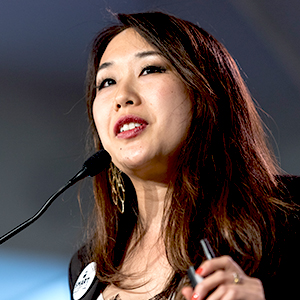
[00:37:34] Ray Latif: Well, we can, I mean, we could like legitimately count the number that have done it really successfully, like on our fingers, you know? I mean, it seems like, you know, just shows how much opportunity there still is to figure out really early for TTC as well. We're a little behind in New Beverage game. You saying Soylent should go tap room. Yeah, totally. Yeah, we should get Soylent on tap. Why not? I mean, this is something we talked about last week with Kara Golden. I mean, they have a huge e-commerce direct-to-consumer business as well. And they've also got a storefront in San Francisco where they interact with their customers as well and get some feedback from their folks about what's next in terms of flavors, what's next in terms of line extensions. So, you know, this is very much a workable thing. But there's a lot of different ways to interact with your consumer. Direct to consumer isn't necessarily the way it's a way. It's a good way. And it's a good way to figure out what kind of some of the usage patterns are. You can also do this. You can do a lot of this via social media or other channels. Yeah, definitely. And, you know, John also talked about, you know, ways to get viral, ways to get your brand seen online. And, you know, there are, as I mentioned, there are influencers out there that can help you get your brand and move it along the way. And Olivia Ku is one of those people. Mike, you met Olivia Ku in Los Angeles at the Califia Farms office in downtown Los Angeles. She's a pretty influential food and lifestyle blogger. She's got about 200,000 followers on Instagram. Jeez. And you guys spoke about her journey as a social media guru and how brands can best interact with influencers like her. One of the most interesting things about this interview is Olivia's note that partnerships between brands and influencers really require a true sense of added value for both parties. I'm Mike Schneider for Taste Radio here with Olivia Ku at Califia Farms. Olivia is also known on Instagram as lovehealthok and she has lovehealthok.com.
[00:39:28] Canopy Growth: I'm really excited to be here. It's one of my favorite brands.
[00:39:33] Ray Latif: Yeah, we've got some great product in front of us here. I myself am having the matcha. What about you? What do you got?
[00:39:39] Canopy Growth: I got cold brew with unsweetened almond milk. I drink that like almost every day.
[00:39:44] Ray Latif: Thanks so much to Arnold for having us and giving us some space to do the podcast. So this is a little different for us. We haven't had an influencer on the show to date. And so we're going to I want to talk to you a little bit about, you know, the state of influence and how you like to work with brands. But first, I think it's really would be great to start about the story of you and how did you go from being Olivia Coo to Love Health OK?
[00:40:10] Canopy Growth: Man, that's like a loaded question. I think where I want to start is probably going a little bit back to when I was younger. So when I was about 15 years old, I was over 200 pounds. So I went through this whole journey of dealing with being morbidly obese and, you know, losing weight and dealing with eating disorders and all of that. So everything that I've ever done in my life is kind of an extension of all the stuff that I've gone through in life. So when it came to social media. I think it was about four years ago. Before there were brands involved, before any of that stuff, I was just posting what I was eating and my workouts. And it started with, you know, friends following me because they knew that I had gone through this journey and like all the stuff that I was learning. I was making cauliflower crust pizza before you could buy it at Trader Joe's. So that's kind of how everything started for me. And then, um, I also went to school for business. My dad's a serial entrepreneur, so I think that kind of just rubbed off on me and I really saw the potential of what it could be. So that's kind of like, in a nutshell, what happened.
[00:41:12] Ray Latif: So let's talk about the potential and let's talk about your transformation from Olivia Ku to, you're a brand now.
[00:41:20] Canopy Growth: Yeah.
[00:41:21] Ray Latif: So talk to me about that. What's the brand stand for? I mean, I follow you on Instagram, so I know. You know, I know that it's about health and wellness and that you're, you know, just a really kind person who emotes that to everybody who is on your page. And you can feel it through the authenticity of it when, you know, you watch your story. So talk to us about that.
[00:41:40] Canopy Growth: I think where I started, I guess for me, everything kind of always has a mission statement. And when I started my social media, I thought about what I would have wanted as a 15 year old for someone else to tell me when I was so busy looking, you know, in magazines of what I'm supposed to look like and what beauty products that I need, what's wrong with me and all of this stuff. And as I got older, I realized really that, you know what, there's nothing wrong with me. It's actually all the other stuff that's the noise. It's not me. And when I really realized that, I was like, you know what? Someone needs to say this, because there are still 15-year-olds out there. And this is still happening, where now, in a sense, it's like all over social media, too, because you still have that, where it's like, oh, look at me, look at what I'm doing, and look at how amazing my life is. I kind of want to be that person that's like, well, you can have all of that, but you could still be a good person and you could still love yourself for who you are, as cliche as that is, you know, to say. And it doesn't mean that it has to be perfect. Some days are going to be better than other days. You're going to have like a bad hair day or you're like, why do I have a pimple on my chin today? You know? So I think that's kind of where I feel like I never want to stray away from is that at the end of the day, I want to make sure that whatever I am doing is actually helping people.
[00:42:59] Ray Latif: Well, for me, when I first saw Love Health OK, I didn't realize that the OK was for Olivia Ku. I thought it was, you know, Love Health and OK, you're OK the way you are. So that's kind of how I interpreted the brand initially. What have been some of the surprises from the response to you as a brand?
[00:43:16] Canopy Growth: Oh, I think what is really funny is most people think it's a question. Like, love health, okay? And I'm like, that's hilarious. I think, oh man, it's weird to think about, you know, being a brand because I didn't set out to do that necessarily. I incorporated out of necessity, out of, you know, liability reasons and all of that.
[00:43:39] Ray Latif: You were an actress.
[00:43:40] Canopy Growth: Oh yeah, actress for three years. I had a lot of fun doing that. My last year was not the best. And I was like, man, I need to do something else. And the year before I had realized that I did Instagram for about three months and gained about 3,000 followers. And I was like, you know what? There was something there. So then I started filming YouTube videos having to do with health and wellness. And that kind of just took off. And I think it was a timing thing, definitely first to market. with Instagram, health and wellness and fitness stuff just kind of blew up on there. And so it was a very first to market thing. So I think I was really lucky in that sense, but also because having my dad, I didn't necessarily watch him do business or anything like that, but I think maybe it's something that just was kind of rubbed off on me somehow.
[00:44:27] Ray Latif: So 3,000 followers, organic growth from good content, good quote on brand content, that's the secret?
[00:44:35] Canopy Growth: The secret, oh man, there are many different secrets, I feel like. I feel like it's kind of, I would say, two different boats in whichever one you're in. There's the boat of, look at my life, it's amazing, and I'm gonna do whatever the heck to get more followers. And then there's the other boat of like, you know what, I think this is a long-term thing, and I think it's about staying true to yourself, and having those people that really relate to you find you. It's probably gonna take longer, but I think That's the boat I'm in. I really believe in that.
[00:45:08] Ray Latif: And is there a plan like for the future? I mean, you're putting this great content out there and I've seen you do retreats and things like that.
[00:45:17] Canopy Growth: A plan for the future. So I am, I think this drives my parents crazy all the time. I literally had a conversation with my mom the other day and she's like, I can't with you.
[00:45:26] Ray Latif: It's adulting, right?
[00:45:28] Canopy Growth: Actually, I've been adulting since I was a kid. But I think knowing yourself is really important. Having that self-awareness is super duper important. And the way that I know myself is that I am someone who does something and I go 500% because I believe that the faster you fail, the better. And when you go 500% at something, you really get to learn everything that you really need to know about it very, very quickly. And when you do that, you can kind of go at the end of it, well, is this something I want to continue to pursue or maybe not pursue? So with the retreat that I did earlier this year, which was amazing, that was life changing for me. I know for other people that came, they were like, whoa, this like changed my life. And I was like, listen. You guys all changed my life. Like, that was the most amazing thing that I think I've ever got a chance to do. And so I think about stuff like that, and I'm like, I think what is really, really important when you're doing anything is to really understand why you're doing it, first of all. And then also going back to that, I just kind of take it as it comes. And if it's something that I want to do, then I'll do it and I'll go 500% into it. And then whatever the next thing is, is the next thing. It's not that I don't have a plan. My plan is just kind of go 500% on whatever the next thing is.
[00:46:46] Ray Latif: And the microcosm of that is your handstands, I think. Those are coming along. I mean, looking good.
[00:46:51] Canopy Growth: Oh my God, three months. Three months and I could do a handstand. But I love that. I love challenges in life.
[00:46:57] Ray Latif: So what's happening with influence right now? What do you think, what do you see as the current state of influence and how have you seen it evolve over time? Because I mean, in the early days of influence, it was everybody out there being fully transparent and brands would kind of come to them and there wasn't really a model to work with an influencer initially. So we had to kind of make it all up. And I'm curious, being somewhat removed from that now, how that's evolved.
[00:47:23] Canopy Growth: I think it's crazy. I think it's like the wild, wild west out there, I think. Because if you think about it, there still isn't exactly a model. People are becoming more aware of it and becoming more aware of how to work with influencers and how brands can get involved and all of that. I don't think that there is a standard. There's definitely like no minimum or you can't really gauge. someone's price point or their value. And so I think when it comes to that, it's really knowing your own worth and what you're providing and how that is different from everybody else. Because right now, everybody wants to be an entrepreneur on social media. That's like the coolest thing to do. And so they'll do everything to build a following from buying followers to, you know, being in pods, all kinds of stuff. And in the sense that people buy likes, I didn't even know about this until someone told me about this, where you could like buy likes from third world countries.
[00:48:17] Ray Latif: And they have like farming, farming likes for you.
[00:48:18] Canopy Growth: Yeah. And all of that. And then so brands end up working with those influencers and like paying them, but really what are you paying for? Cause no one's actually looking at it. So I think. it's definitely changing and it's definitely crazy. And I think with brands, one of the best things that I can think of, and this goes not even just in business, but in life, is to build long-term relationships with people. Because then you build community and then you build this entire system of basically, well, let's all help each other out. We can all win. There's room for everybody. Instead of this kind of like dog eat dog, like, well, I want to charge this much and like, you know, what can I get from this? And like, I really don't like that.
[00:48:59] Ray Latif: Well, you have the Love Health OK platform with all this, you know, health and wellness content and brands, there's a way that you, I'm sure there's a way that you like to be approached by brands. What works really well for you? And then maybe give us some examples of what doesn't work so well so that, you know, the brands who listen have a sense of how to engage an influencer.
[00:49:20] Canopy Growth: Well, I think what I say about any time you're doing business is if you're approaching someone, you need to give them value first. So you should probably tell them, hey, I want to give you this. And then they can decide whether or not they want to take it and what they provide. And I think with a lot of brands, it's not like that. It's kind of just like, well, hey, I'll give you 50% off my spiralizer. And it's like, okay, but you know, I have almost like half a million people that follow me on everything. How does that provide value for me if I get 50% off a spiralizer and I have to promote you? And that's just the reality of it. It's like, it is a business, right? And I think when it comes to that, the best ways that brands have worked with me is definitely coming to me and being like, hey, we want to give you these things and we, We really want to work with you long term, and we want to build a partnership where it's win-win for everybody, and we're going to repost anything that you create for us. And it's like, that's awesome, because any relationship in life should be like that, whether it's romantic, whether it's friendship, whether it's family. It's all about that kind of, hey, I'm going to help you, and you help me, and then you both win. And it's not necessarily like one person giving more or the other person giving less, because that changes over time, especially when you have long-term partnerships. But as long as both parties are giving and adding value to the relationship, I think that's what works really well.
[00:50:46] Ray Latif: So on the flip side, you don't have to name names, obviously, but have there been any sort of disasters in terms of, you know, working with brands or the way that you've been approached by brands? Do they have, you know, unrealistic expectations? And I guess, what should they expect?
[00:51:00] Canopy Growth: I think that you should just believe in people. I think that you should really just, if you want to get your stuff out there as a brand, instead of going like, well, I want to make this person say these 10 Ballast Point things. Well, let your product stand for itself. Send the product to them for free. Well, usually it's for free. And maybe you negotiate however the minimum is or whatever you want them to do. And then just let them do it. Because first of all, they're going to know how to, the best way to organically engage with their own audience. Yeah, and when you give someone all these Ballast Point things, like, people are not that stupid. They know that this person who doesn't talk in this certain lingo isn't going to suddenly like be like, yes, this like fat free, awesome, like, I don't know, just all these like crazy word verbiage that people normally don't use. It's not going to be organic. Versus if you like send them something.
[00:51:59] Ray Latif: Unless it's organic.
[00:52:00] Canopy Growth: Unless it's organic. But even at that, we're not necessarily writing those in our captions. Like, wow, check out this product. It's so organic. That's not, you know, usually it's going to be like, oh, I eat this at like 3 p.m. every afternoon because I really love chocolate. And like that is going to engage someone else much more because as an influencer, when people are looking at your page or your videos or whatever it is that they're looking at, they see you as a best friend. So they're going to take your advice anyway. But it's going to be really weird if your best friend suddenly starts like upselling you on this like random thing with all of these bullet points. Your best friend wouldn't do that. Your best friend would just be like, oh yeah, this really cool thing I tried yesterday. Take it or leave it. Yeah.
[00:52:43] Ray Latif: Olivia, it's been really great to talk to you about this and to have someone who's an expert come in and talk to our listeners. Is there anything that you're excited about that's happening in your life right now or with your brand that you want to share?
[00:52:54] Canopy Growth: So many things.
[00:52:57] Ray Latif: We've got some time.
[00:52:58] Canopy Growth: I think one of my, the most exciting things for me is definitely speaking. So this year alone, I think I've spoken at four different universities and then got flown out by Google to speak at YouTube headquarters, which was insane. I was like, is this my life right now, guys? How is this happening? Going down the YouTube slide, very cool.
[00:53:20] Ray Latif: What did they have you talk about?
[00:53:22] Canopy Growth: Oh my gosh, everything. A lot of the things that we're talking about, how to work with brands, how to work with YouTube, why the YouTube platform works, what works better on other platforms. We talked a lot about Instagram and what they're doing and how that's different than YouTube. And it was really amazing. to be able to give feedback to a company and have them really take it in. And if I were to actually give advice to social media platforms, that is huge when you really support your creators because they're the ones that are making your platform anything really. And so for Google to understand that was really amazing to me, to have their people come in and actually listen. Like one of the things that I, talked about on the panel was that when you're live streaming, the comments don't stay. Whereas when you're live streaming on Facebook or Instagram, you see the comments go. And I was like, I don't understand why, but it really sucks for people who are watching it later because they have no idea what is going on in the comment box. And their live team, there were people there from their live team, and they're like, we're working on that right now. And that was just like, whoa, to be in a space where people are listening about that sort of thing. other things that I'm working on. So I did a retreat earlier this year in July, which was incredible. People keep asking about when the next one is. And I don't know.
[00:54:46] Ray Latif: In the works?
[00:54:47] Canopy Growth: Not at the current moment. Currently actually working on a book and working on more speaking stuff. I think that's the direction that I want to take everything. One of my goals is to do a TED talk. So I feel like it's getting closer to that. It's getting close. Yeah.
[00:55:03] Ray Latif: Amazing. Well, how can our listeners reach you?
[00:55:07] Canopy Growth: You guys can follow me on social media at LoveHealthOK. Yeah. Anytime someone comments or direct messages me, I always answer. Like, I think that's so important because you have to really realize that it is a community and it is a two-way conversation. And I never really want to forget about that.
[00:55:23] Ray Latif: And with the number of followers you have, that's amazing. Well, thank you so much for being on Taste Radio. We really appreciate you coming in to talk to us.
[00:55:29] Canopy Growth: Yeah. Thank you for having me.
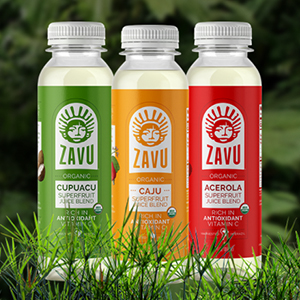
[00:55:33] Ray Latif: Olivia noted that, quote, everybody wants to be an entrepreneur on social media. And there are some folks out there with a few hundred thousand, tens of thousands of followers, but what are you actually paying for? You know, what do these numbers actually represent? And Mike, you know, you made a good point yesterday in our pre-meeting about really checking these references, checking the actual engagement and what it's doing for brands. One of the things that I thought was interesting about Olivia and why we had her on the show was that she's built her following organically and she's also a person who does what she says she's going to do. And that's not the case with every influencer that's out there. So I think the important thing to do is to, before you work with an influencer, look at their following, look at who's following them, and then check the interactions that they have with people and see if they appear authentic. So you have to go a couple of layers deeper into the person and their following to see if your audience is there. And then once you actually do engage that influencer, it's really about the long-term relationship. I mean, Olivia mentioned that Her followers often look at her as sort of a best friend. And she has to really walk a fine line between being a cheerleader and a salesperson for these brands too. And the way to do it and the way, you know, she mentioned this a few times was that authenticity is critical. She has to do it her way, basically. So if you're a brand who's engaging with an influencer, first thing you have to do is to look at the person's content. You have to really like the way that the influencer presents the content and the way that they bring your brand into their life or their lifestyle and give them the flexibility to do it their way. Otherwise, it's not going to appear authentic. And I mean, with Olivia, yeah, she has a business model. She's a business person and she has meetings with her clients to talk to them about what they're going to get and what they've gotten and what they want to do next. But at the end of the day, she's the creative director and she's the one who is putting the content out there. Indeed. One of the things I noticed about her content, though, is that she's got a great blog. She's got a couple hundred thousand followers almost on Instagram. She doesn't have a lot of followers on Twitter, relatively speaking. But it's about going where your audience is, right? Yeah. As an influencer, you have to go where... where the people are essentially. It's fish where the fish are. So she's on Instagram because that's the channel that works best for her. Twitter with 140 or less and the unthreaded conversation just doesn't work as well for her as Instagram does. And so she's developed her following there and she doesn't have to deal with any of that political noise. And there is a lot of political noise on Twitter. Instagram, yeah, you don't see as much of that. You see nice, wonderful pictures of food New Beverage. You see these jacked individuals who do like, you know, the CrossFit. The kids are doing the CrossFit these days. Well, you do because those are the hashtags that you're following. The more that you click on a hashtag or the more that you view a particular kind of content, Instagram will heavy up on that kind of content. And so that also benefits people like Olivia who, are in those hashtags and are the influencers within health and wellness and lifestyle and food New Beverage. So you're gonna see a lot more of her and that also helps her out. Twitter hasn't figured that out. Now, on Instagram, it's really about love, health, okay? Okay. All right. Thanks Olivia. Hey, this is a pretty cool show, isn't it? We got Coogan, we got Olivia Ku. It is. This is the Ku show. One thing about Olivia Ku that I didn't mention was that, I mean, her name is even on brand for her because Zhao Gu is like, the Ku is Gu in Chinese and it means to care for people. I like that a lot. Yeah, it's awesome. Yeah. We care about all of our listeners and we care about all the brands that are participating in our Elevator Talk, including our next one, which is Zavu. And Shayne Malone is the founder and CEO of Zavu, which is a brand of cold-pressed HPP juices made from indigenous Brazilian fruits, including kaju and acerola. So we caught up with Shane at Expo East 2017, talked about his upstart brand and the opportunities and challenges that lay ahead.
[00:59:50] Pitch Slam: It's time for our Elevator Talk, where we put a founder in an elevator with their dream investor. Let's hear what happens. So what makes your product unique?
[01:00:00] John Coogan: We offer an opportunity to travel through Taste Radio to taste the tropics. These are traditional recipes from Brazil, the acerola, cashew, and cupuaçu that we would always have when we're visiting down in Brazil, the northeast coast with my wife's family.
[01:00:12] Pitch Slam: What is your target audience?
[01:00:13] John Coogan: Honestly, we're targeting people like ourselves, people that are active, social, have a social consciousness, are very interested in organic and natural living, and also have had exposure to international cultures and appreciate the unique things that they bring.
[01:00:26] Pitch Slam: What do you need to go next level?
[01:00:28] John Coogan: So we're looking to increase our geographic footprint in regards to distribution. We're looking to partner with the right capital groups at some point in the future going forward as well.
[01:00:41] Ad Read: It's pretty timely that we had Shane on this episode, because he's one of those guys I'm waiting for a New Beverage Showdown application from. So, Shane and others out there.
[01:00:51] Ray Latif: Get your application in, buddy.
[01:00:52] Ad Read: We can only consider you guys if you send us those applications. So, get in touch with me, please.
[01:00:58] Ray Latif: That was the equivalent of, like, you kind of smacking him on the butt and being like, Shane, let's get to it, in audio form. So, well done. I like the Zaboo, too. Zaboo's great stuff. Yeah.
[01:01:10] SPEAKER_??: Yeah.
[01:01:10] Ray Latif: All right, so that brings us to the end of episode 82. Thank you so much to our guests, John Coogan, Olivia Ku, and Shayne Malone. For questions, comments, ideas for future podcasts, please email us at askattasteradio.com. Again, that's a new email address, askattasteradio.com. On behalf of John Craven and Mike Schneider and Jon Landis, I'm Ray Latif. Thanks so much for listening. We'll talk to you next time.