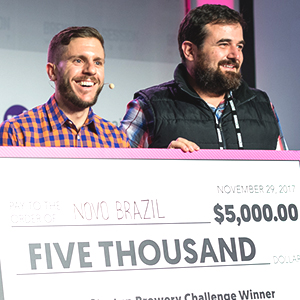
[00:00:02] Ad Read: This week's Taste Radio is brought to you by BevNET. The leading suppliers, service providers, investors, and brands grow their businesses and find talented employees through BevNET's advertising, event sponsorship, and job boards. To reach hundreds of food and beverage brands, become a sponsor of the Taste Radio podcast. Email us at podcast at BevNET.com to talk to our team about pricing and packages. And now Taste Radio. Thanks for listening to BevNET's Taste Radio. I'm Ray Latif. I'm with Mike Schneider, Jon Landis, and John Craven. We're at the Taste Radio studio sponsored by Owen here at BevNET Live Winter 2017 at the Lowe's Santa Monica Beach Hotel. This episode features an interview with Stephen Williamson and Hanley.C. Hanley, the co-founders of Forger. A Lessons from the Trenches with Brandon Partridge, the founder of Ibex. And in the latest edition of Elevator Talk, we speak with Maggie Patton and Buckley Buckley, the co-founders of Bitsy's Brain Food. Gents, we've been here in the Santa Monica area for about a week or so, and we're in the midst of BevNET Live Winter 2017, but we've already had Brewbound Session Winter 2017, Nosh Live Winter 2017. All the conferences have been fun, exciting, we're all exhausted, but I do want to talk about some of the great speakers, products, brands, people we've met. It's been fun. It's been a great ride. Santa Monica is like a prison that I just cannot escape. No, I'm just kidding. I was trying to be positive. I don't think I left Santa Monica since I got here. It is an amazing place. I was just thinking, whatever possessed me to pick this as our location for winter conferences, I guess, whatever it was, eight years ago. Thanks, man. This is great. Greatest decision I ever made, maybe. Indeed. It's amazing here. I'm like living at Dogtown Coffee, by the way. We started off a new delivery service called Brabhub. I just like, yeah, Craven's busy. I'm like, hey, I'm gonna go get some coffee. He's like, you want one? I'm like, you want one, bro? We'll bring you one. I have to give a shout out to the Lowe's staff because they are incredible people, super friendly and amazingly helpful. And I don't know that we could do these events without them. I'm gonna give a shout out to God for all the great weather we've had. It's been pretty amazing here. So thank you, God. Starting with Brewbound Session. I mean, it's been a tough, job for the staff to kind of come together and make all this work. And I think we've done it in a really positive way that's been really valuable for attendees. You know, Chris and his team at Brewbound created some really great content. We tasted some really interesting beers. The Startup Brewery Challenge went off with a real success. I feel like everything that that show has to offer really does a lot for the entrepreneurs in that space. The feedback I was getting is if you're in the beer industry and you're not a Brewbound Session, you're just basically out of the loop. And that's what a lot of the folks, that's just kind of how they felt when they were there. And yeah, shout out to Novo Brazil for winning the Startup Brewery Challenge. I put down a few of their beers. It's really good stuff. Yeah, it's an indication of the industry at this point that the judges are looking for something that's actually going to move the needle in beer. And that brand, that sort of Brazilian focused culture, the formulation, how it's brewed is really, it is differentiated. And I have high hopes for that brand. Yeah, they were really excited about building the category more. Instead of making more beer to appeal to your traditional craft beer drinkers, let's get some people from outside the category into it. And that's how we're going to continue building craft beer. And that's what they see in Novo Brazil. And honestly, it's really good beer. So that doesn't hurt. Indeed. The following day was Nosh Live. And Nosh Live was great. I really, we had a fantastic start. The first three speakers, veteran entrepreneurs, veteran executives, Adnan Durrani just blew me away. He was amazing. He really was. Yeah, he brought the thunder. He was talking all about, he was just dishing on. all the things you need to know to do a food startup. And so many people taking notes, so many notes taken. I think Neil Grimmer probably sold maybe 25 of his habit setups, you know, just from people buying it in the audience. So everyone was so amped about that. Everybody liked Neil. I was so confused watching that though. He had that chart that had a scale that went from bacon to avocado. When you do the habit thing, like, you know, and they analyze you, You might fall somewhere in the middle of bacon and avocado. What is that? I don't know. My head would explode. It's called the California BLT. We just went from beer can to bacon. You know what I'm saying? Bacon. You like that? At Nosh, obviously we had a great pitch slam and we were trying all the brands and the coolers and I grabbed this plastic bag. And I was like, I don't know if I should do it. So I opened this plastic bag. It turns out it's Honey Mama's started eating the coffee cacao nibs. And I was just like, and we grabbed Fleischmann, grabbed Landis, grabbed Kleiman. And this is the end of the night. Everyone's standing around. I was like, guys, this packaging, not great, but just taste this stuff. Everyone's like, Fleischmann's like putting it down his throat, Kleiman's all over that. It was so delicious. So many products blew my mind at Nosh. It was a great year. There was a product, a brand out there called Woats, which is a granola brand. And I met the founder and man, that is some tasty stuff. That is really, really good. It's well-named, right? Woats, because you're like, whoa, when you eat that stuff. Indeed, indeed. Yeah, and Justin at Woats is, you know, he's a trooper. He's a hardworking guy. And so is Christine Honeymama. And a nice guy, too. And I feel like that's something that I really enjoyed from all the conferences. I mean, everyone seems to have a smile on their face. I went and bought Honey Mama after I won, yeah, because I was just like, I might be an addict. I think I still got one in my fridge. Well, they got a sale out of showing up here. They did. I've been saving mine for the flight home snack, you know? I might steal it from you, Landis. Or you guys could share with me. I didn't get any. Yeah. Bra. Bra pop will get you some. Mike pointed out that they were amazing, and I'm like, where are they? And he's like, they're gone. I had already garbage mouth them. Sorry. I took them down. And then today, you know, with BevNET Live day one, I mean, we kick things off with the semi-final round of New Beverage Showdown 14. Mike, you were a judge. What was the experience like? I got to say, this was really, really a hell of a class at the New Beverage Showdown. Nice work, Landis, putting together this crew. I mean, you know, the ones that got into the finals, any of them could have. It was just like, they were all really great products this time. It came down to dotting I's and crossing T's and market opportunity, and we had to deliberate for a while to get to the finals. I'm really excited to see what happens going forward. We won't know, obviously, on this podcast. We'll know by the time the podcast comes out, but we don't know right now. We don't. I think to your point, Mike, the, it was tough, you know, in the liberation room when you guys were up there. How many times did things go into the top four and out of the top four? I mean, it was interesting to see that the judges really respected and, and loved, you know, the presentations because during the, and this is a little behind the scenes during the, The tasting part of it, I think there were some questions and some confusion about what the brands were all about, what they were drinking. And then the presentations from what all the judges said really elevated everything. And I think that speaks to the fact that entrepreneurs are getting more savvy. being more intelligent about how they can present in two minutes and really attract someone's interest and attention in a real elevator pitch. And so many of the entrepreneurs came up to me afterwards and said, well, what else could we do in that two minutes that might have tipped the scales? And in some cases, there just wasn't anything you could have done to tip the scales. You did the best presentation you could possibly do.
[00:07:46] Martín Caballero: But, but it's that thing where you just got to dot every I and cross every T and, and, and bring your best, you know, put your best foot forward, you know, figure out what product you're going to bring.
[00:07:55] Ad Read: Make sure you pitch that, you know, pitch that product, tell that story, send this, you know, send the video in advance and, and, and just bring yourself and bring the thunder. And they did, everyone did. It was fun. Yeah, it was really exciting. There was a moment today. I didn't get to go in the ballroom a whole lot. I've been running around behind the scenes, but I was in there for Matt Thomas was giving a presentation from Brew Doctor and he mentioned something about, you know, people coming into his place with a bunch of GTs all the time. And like, we got to look into what this thing is. And I look across the room and GT Dave is kind of standing there against the wall grinning. And he was on the stage two years ago and it's just such a really cool thing for him to, you know, be leading this category and inspiring people and, in essence, paving the way for all these other brands to grow up. And here he is just kind of attending. It was really nice. The Kombucha category, they don't all see each other as competitors. They see themselves as building a category to take down soda, you know? I mean, it's pretty interesting to hear that. across the board. We heard it from GT in the GT interview on a previous episode and we're hearing it in all the conversations we've had today. It's really cool to see. Kumbayucha. Now, one brand that hasn't gotten the kombucha yet is Califia Farms. I wonder if they're gonna get involved. I really liked, John, your interview with Greg Steltenpohl this morning. It was, I mean, I love that podcast we did with him. There's just something about that man that makes you believe in the future of the industry. He's seen it, he's been there, he's done it. And I just feel like comfortable knowing he's here to kind of guide the industry forward. And I really love the part when he's like, we're sort of, we're building an innovation strategy that's built on anti-acquisition. I thought it was pretty funny. Yeah, I mean, I think, you know, obviously with his past background, you know, with Odwalla, I think it's interesting that, you know, as someone is building something, you know, it's not their first time. They've seen how one path plays out, and they want a decidedly different path for, you know, what they're working on now. You know, it's pretty incredible just thinking about that brand and when it launched versus where it is now, which it fully as, you know, far as independent companies goes, I mean, it's one of the more impressive stories out there right now. And Calafia has so many good people. I got to talk to Arnold Ventura on the live streaming. We were talking about their direct-to-consumer business. and that they have a UX competency now, and they have to think of themselves as a product company, and also they've got to think about their user experience now. We're talking about tech metrics, and I don't know. Every time I see Arnold, he's a great guy, one of the great people in the industry. I don't want to call it a bromance or anything, but I mean, chill dude. We're so fortunate to be able to talk to all these people at BevNET Live. That guy's always a couple steps ahead. Yeah. Yeah. Can we talk about Hubble for a second? Yeah, absolutely. What's a Hubble? What's a Hubble? Landis, what's a Hubble? Fizzy juice. It is fizzy juice. It's cold-pressed fizzy juice. I got the orange, turmeric, apple, lemon bubbles. And thanks for sharing guys. Yeah, I did. I did here. We went, we rifle Hughes from McLean design and I talked about it on the live stream. We, we got, we, we dissected this brand. We both really liked it. How the, the, you know, the product draws you in. It's a really, it's a really clean, nice label. And then we were just, we were just drooling. Jon Landis, thanks. I finally got to try the product. Good stuff. Yeah.
[00:11:15] Martín Caballero: It pays off.
[00:11:16] Ad Read: Well, we see a lot of HPP juices out there, but I can't remember the last time I've seen a carbonated HPP juice. And it is really refreshing and tasty. It really is quite a different experience. It's a fantastic taste. I can't really explain it as any more than that. If you could see it on the shelf, buy it. Well, I just tried it. I would explain it. It's like what you want Argentina to taste like. Yes, that's perfect. Or San Pellegrino. And I want to give a shout out to Resilience Turmeric Elixir. You know, when we come out to these shows, I mentioned it, I really like to drink and eat turmeric products before I get on that flight, just sort of as an immunity booster. And I love their products. I love what they're doing. Hot water, a little bit of turmeric powder. It makes a huge difference. And also the folks from Vive Organic, I had one of their immunity shots. I bought it from Erewhon the other day. Oh man, that's a great product. I think I've had Health-Ade Kombucha in one day here.
[00:12:08] Martín Caballero: I had Mother, I had GTs, I've had Brew Doctor, I've had Better Booch. First time I tried Better Booch.
[00:12:13] Ad Read: I was wondering what that smell was in the studio. Now I know. It's me sweating kombucha, right? Yeah. That's what's happening. It's deliciously appealing. Thank you. Thanks again to the Lowe's staff for this delicious rolling rock. All I need right now. All right, full disclosure, we're back here in Watertown, Mass. at the BevNET headquarters, and we miss L.A., and we're thinking of L.A. with all that's going on out there. The show must go on, and we're gonna continue going right now with an interview from the folks behind Forager Project. That's Stephen Williamson and Hanley.C. Hanley. Forager's a maker of organic, plant-based food and beverages. They make cold-pressed juice, nut milks, dairy-free yogurt, and vegetable-based chips. And in this interview recorded via Skype, Bevanite Assistant Editor Martine Caviero spoke with JC and Stephen about their origins in the food business, how the company attempts to align mission with current trends, and why Forger's production facility is critical to its innovation strategy. All right, I'm very pleased to be joined on a Skype call with JC Hanley and Stephen Williamson, who are the co-founders of Forager Project. They're the makers of a range of organic plant-based food and beverage San Francisco-based company has built a brand platform that extends from juices to smoothies to snacks and yogurts, all based around the principle of simple, healthy and minimally processed food and beverages from nature. Thank you guys so much for joining us on the Taste Radio podcast. How are you doing today? Great. Thanks for having us. Hello, Marty. Nice to be on. Oh, it's a pleasure to have you guys on here. Well, we should probably just get started at the beginning, which is always a good place to start. Can you tell us a little bit about your backstory, respectively? How did you guys get involved in the food business and sort of what prompted the decision to launch Forager?
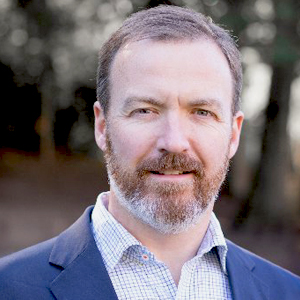
[00:14:03] Stephen Williamson: I guess I'll start, Marty to Steven. You know, I guess the best way to answer this question is to say, Forager Project is a name that is so right for this company. And if you think about my background, it is to some degree been foraging. I came out of Wall Street, invested in Odwalla when it was Santa Cruz based, five million in sales. And I invested in it when it was virtually insolvent. And over an 11-year period, we grew it up. And it was really a learning experience. We sold it to Koch. And about 11 years later, the next thing I know, I'm back in the juice business with my stepson and co-founder, John Charles, and a couple of other characters out of my foraging from the Odwalla days. And I really enjoy the name forager and think that the word Forager Project is exactly what we're about. It's wandering, it's seeking, it's being curious, and there's no question a food startup is a project. So, you know, that's sort of the quick two second overview of how I ended up here today. And John Charles has a unique experience that weaves into that. And that's why we worked as pretty, I think, exceptional partners.
[00:15:25] Martín Caballero: Yeah, I mean, for us, it was really about making juices and food that we believed in, that resonated with us, that was lower in sugar, that was organic. So we really started from the perspective of what we would want as consumers and made juices that we would want to drink ourselves and sort of went from there.
[00:15:47] Stephen Williamson: Marty, one of the things that I always like to point out with John Charles is that he was a employed, hardworking investment banker and his last job was at First Beverage Company and he was enjoying working in that environment. And I convinced him to quit work 24 hours a day. drive U-Haul trucks, get covered in beet juice, get paid nothing, and have no hope of a sustainable future and leave everything that he'd worked hard to achieve and jump into an insane startup environment, which he did.
[00:16:22] Ad Read: I guess, you know, talk a little bit about that because that's really interesting. You know, this is a family company that you guys founded. You know, how do you sort of work together and how do you sort of bring your respective experiences and different fields to the company?
[00:16:35] Stephen Williamson: Well Marty let's let's be clear. I work for John Charles and I think that in all seriousness a startup is a is an incredibly stressful thing. And having humor is pretty important to get through that. And then also having a complete belief and love in what you're doing. I mean I didn't start this to just do another food company. That wasn't that wasn't the interest here. And we wanted to create something that was broader than one individual and broader than than just one category and but sort of starting off with this ambitious mission to sort of focus on these simple healthy foods.
[00:17:19] Ad Read: Where did you sort of start? Can you talk about some of the early products that you guys were sort of playing with and some of the, you know, approach to categories as you were sort of getting off the ground?
[00:17:29] Stephen Williamson: Sure. And we'll tag team back on this on this one already. Again, I go back to the name Forager, Wander and Seek, and we embrace that. We are a believer that when you start a company, unless you happen to be incredibly successful, generally you're not sustainable and you don't know what you're doing. And we've kind of embraced that. And so we started making vegetable juices and it became pretty clear to us that we did more than four or five SKUs. And if you go back to our early days, we didn't even name the products because that was kind of the philosophy of the company, which was you are what you are. So if you are going to be a vegetable juice, you're going to lead first with vegetables and you're going to be every single ingredient we put on the front panel. And that's what we were, straightforward and transparent. But it was clear that it wasn't just going to be vegetable juices. So go back to that philosophy of of foraging and wondering, well, what else do we do? And John Charles?
[00:18:29] Martín Caballero: Yeah. So we had all this vegetable pumice from pressing vegetables to make juice and thought, you know, there's got to be a better way, you know, something better to do than compost it. So we spent over a year developing a way to make vegetable chips out of the pumice from our juicing process. And it was expanding into chips that really sort of was our first foray into more than just ready-to-drink beverages. And we've really focused on products around a diet of vegetables, nuts, seeds, and ancient grains. And so we've expanded along those lines into multi-serve dairy-free milks, which we make ourself at our plant. And thought, you know, in the foraging way, we thought, wow, you know, we could ferment this and make yogurt out of it. And so, that's sort of how we went from milk to yogurt and drinkable yogurt. So, it's certainly been a fun journey.
[00:19:38] Stephen Williamson: So, Marty, if you think about, again, going back to the foraging, we really try to learn from our product. Innovation in the company comes from thinking about nature and thinking about forging and really being willing to take a shot and see if it succeeds or fails. And we have a boneyard of spectacular failures.
[00:20:01] Ad Read: I think that certainly there's as much to learn from things that maybe didn't work and then there is, you know, from the ones that are big successes. So do you have any, you know, based on those experiences that you had, were there any takeaways that sort of helped inform the overall shape and maybe mission of the company going forward. I mean how did those early sort of maybe challenges affect that.
[00:20:24] Stephen Williamson: First of all Marty that's a great question and not an easy one to answer. Probably the most difficult thing for me is to every day have to remember and realize ultimately your fate whether you're going to be successful or not is how you turn on the shelf. If you forage and you listen and you're curious and you spend time in the marketplace and you enjoy food and love food and read, you're gonna see things and go, let's try it and seek to see if it's got legs. And that's really been our philosophy. We have to believe it. We think it has to have value. It's gotta be great tasting and try not to make it so obscure that no one's gonna taste it.
[00:21:04] Ad Read: Right. Well, I imagine that is when you're dealing with some of these categories and some of these ingredients, too, as you mentioned, sort of getting it out at the right time. You want to sort of be as close as you can as possible. You don't want to be too early. You don't want to be a me too product as well. So sort of how do you gauge where your innovation lines up with sort of the retail atmosphere to sort of know when is the right time to push ahead with something that may be a little bit more innovative than what's already on the shelf?
[00:21:34] Stephen Williamson: Marty, I think you're giving us credit for being smart. Don't look at it that way. I take it all back. Take it all back. We are great believers, as you said earlier on, in ready, fire, aim and learn. And I don't think we're smart enough to know what's going to work and follow the principles that we create products to. Less sugar is better. As John Charles said, nuts, seeds, ancient grains and vegetables are the key from what we develop from. taste is so important and we spend a bunch of time on process as a small company. You need to be careful about doing too many things. You're going to get yourself in trouble but leverage what you do well and try to go broad with it. So we have tried to leverage anything where we've seen success go. OK well what else. What can we do more in that category. What's similar to it. And so for instance when we went into yogurts it was pretty clear that we should go into kefir. And you'll see a bunch of innovation Ibex Yogurt coming out in the first quarter of next year Ibex Yogurt. And it's learning from what we did in cashew yogurts. And then you'll see innovation coming in our 12 ounce line, learning from what we've done in nuts. And it's all trying to take what we've learned and leverage and be careful about not entering too many different spaces. Because as a small company, the one thing you don't have or two things you don't have is you don't have a lot of money. And you don't have a lot of time because you don't have enough people. And so you're always resource constrained.
[00:23:05] Ad Read: Sure. And you guys are really right in the middle of a very exciting space and food and beverage sort of plant based is very big right now. And I imagine it's getting a little bit more competitive. We're seeing more people enter this space. So, you know, you talked about differentiators for the brand. What are some of the things that you feel are the strongest, you know, aspects for your company in terms of how it differentiates itself and how it can compete against this growing field of other brands in the space?
[00:23:35] Martín Caballero: So going back to organic, plant-based delicious, it is really core to what we do. And there's not a lot of organic dairy-free products out there. Everything we do Vive Organic. But the biggest differentiator for us, I mean, it all comes down to taste. Consumers have to not feel like they're sacrificing. Otherwise, they're just not going to buy it again. So when somebody tries it for the first time, the goal is to really wow them with the fact that it tastes like regular yogurt or tastes like regular milk. And from a production perspective, we're just starting with cashew milk instead of dairy milk and going through the old-fashioned process of fermenting the food. Number one for us is taste. Organics important. And then we always seek to be lower in sugar than what's out there because I think of our taste profiles and what we can tolerate. But because we think people consume too much sugar and it'd probably be easier if we had more sugar in our products. But it's something we just don't want to compromise on.
[00:24:55] Ad Read: Can you talk a little bit about expanding with your different offerings into different use occasions? You know, at Expo East, we saw some products from you guys that are sort of more positioned as maybe more indulgent sort of offerings relative on the spectrum of what you guys do. So, you know, it seems like developing different use occasions would be important to help the sort of plant-based space grow.
[00:25:19] Stephen Williamson: Is that something that you guys are focusing on? So we have focused on, if you look at the sort of sequential development of the company, it went from vegetable juice to nut drinks to looking at the waste stream from the vegetables and making chips to going back to the nut drinks and going, hey, we could actually make a really good nut milk. And then from making the nut milk, the cashew milk going, hey, I don't think there's really been a cashew yogurt out there that has worked. And we remember the early days of soy yogurt, thought there were some pretty good soy yogurts, but obviously soy is not, as a category, has had big problems. So we simply went into the cashew milk going, cashew yogurt space and said, hey, we could make a really great product here. And again, if you go back to the philosophy of how we operate, learn from your food. I mean, it teaches you a ton. And we jumped into the cashew yogurt space and feel like the learnings have been steep. You learn a lot from culturing. And where that takes us next, you saw the innovation at Expo East with the more indulgent, but really what it is, is mixing coconut with cashew and doing it in a way that has a high fat. And we love fat. We think good plant fat is great. And we love this rich product. You'll see us embracing that and other things we do. We're excited by it.
[00:26:44] Ad Read: Being that you guys are so, you know, mission forward and very defined about, you know, what you're presenting. How do you get a consumer who normally is not sort of aligned with those kind of things? How do you get them to pick up the product, try it and become a Forager customer?
[00:27:01] Stephen Williamson: That's not an easy task. I mean, let's be clear about that. We have very limited number of things we can do to engage a consumer. One is, does your product look good on the shelf? So you've got maybe a 128th of a second to entice someone to pick up your, or at least look at your package. Where we have the opportunity to get people to taste, that's been the most successful way to engage our consumers, our potential consumers, taste this product.
[00:27:33] Martín Caballero: I think when people look at the dairy-free category that maybe haven't purchased it a lot in the past, dairy-free milk can seem scary, right? But if they try it and they love it and realize that, wow, this tastes a lot like milk, it's a lot easier for them to make the switch. And what I'm seeing is that a lot of people are moving to more flexitarian lifestyle, which is reducing their consumption. of animal products and being more plant-based, but maybe not exclusively plant-based. And the hope is that we can help people do that by making products that make them excited to make that sort of transition.
[00:28:20] Ad Read: With such a large family of products, both in food and beverage and multiple different categories, how do you guys gauge whether something is working, you know, in terms of a product within that family? You know, is it turns? Is it the consumer feedback that you're getting? Because it seems like you guys are innovating in a lot of different categories where maybe there's not a maybe clear landmark or a clear idea of what this is supposed to be or what would define a success in this particular field. So how do you guys sort of gauge what's working and what's not working?
[00:28:55] Martín Caballero: Well, so I'm pretty data focused. And I look at our unit velocity per store, per SKU, per week, and dollar velocity. And so I can tell pretty quickly if something has legs or not. We've typically launched products in Whole Foods, and they obviously provide visibility into your sell-through. And so I pay close attention to that and have a pretty good understanding of what's considered, you know, successful and, and, you know, what's considered really successful. And it varies by product category, but if your unit velocity isn't high, it doesn't matter. If you scale it, it's not going to work. I mean, you can show revenue, but you're not going to stay on the shelves for very long. So it all comes down to in the grocery business. I mean, they're, they have space and, and they want to turn that space as quickly as possible with product. And you know you have to perform on the shelf. So yeah that's that's really what we're what we're focused on.
[00:30:10] Ad Read: But you know it's obvious that you guys are really passionate about food as you mentioned and really pushing in a lot of different directions which is exciting to watch. I know you probably get asked this a lot, but is there any particular thing that's just exciting you right now about the food and beverage space? Maybe that we'll see Forager Project pursue, maybe not, maybe it's just more something that's interesting to you, but sort of what is really sort of catching your eye as people are really passionate about this business?
[00:30:37] Stephen Williamson: I'm going to answer that sideways, okay? What right now I'm particularly passionate about is the amount of time and capital we've been spending on our plant. to take our plant to the next level. I mean, how you treat food has such an impact, how it tastes. I'm so enjoying working with the team down there as we've invested the most amount of capital we've ever invested this year in our plant. And I love making food and I love making Better Booch and I love making processes that make Better Booch. And we've certainly enjoyed yogurt. I mean, yogurt's been fun for us because you learn from it. It's so alive and all these cultures are so active and what they do to the product is pretty amazing. So it's a humbling experience and there's a lot to learn. So those would be the two things that I would mention.
[00:31:28] Martín Caballero: I mean, for me, it's just amazing how the natural food and beverage industry has grown. Going to Expo every year, it seems bigger than the previous year. It seems like the accessibility of natural products has grown just throughout the country in different classes of trade all the way into food service. And e-commerce is fascinating. I mean, companies are building their businesses entirely online. I mean, it's not something I would have expected five years ago to sell food directly to consumers online on a subscription basis. There's definitely been a ton of change and innovation, and it's just exciting to be a part of.
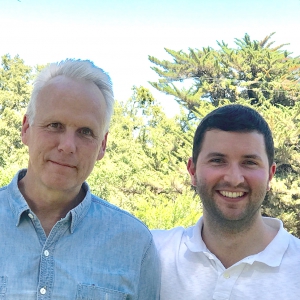
[00:32:20] Ad Read: Well, listen, JC, Steven, thank you so much for your time and for joining us on the Taste Radio podcast. We really look forward to seeing the innovations to come from Forager Project, and hopefully we can catch up again soon in the future. So thanks again, guys. Thanks, Marty. We're now joined by Bevan and Assistant Editor Martín Caballero. Martine, how are you? Hey guys, thanks for having me back. We call you Marty, but I know Martine is your full name. Yeah, the listeners out there, they can call me Marty if you ever roll up. Well done, well done. We were all talking about Stephen's comment that Forger has a little bit of a ready, fire, aim approach to innovation, which was pretty interesting. Yeah, they really embrace the identity of foraging and what that word really means, which is wandering, seeking, and really having that curious perspective on learning from the food industry. So yeah, it's really interesting to hear them really go forward and really embrace challenges and learn from the food as they go along. They don't have too much of a structure, even though they have some core principles, vegetables, nuts, seeds, ancient grains, less sugar. So they have a very mission-driven outlook, but at the same time, they're not afraid to try to fail. And that's why you see so many refinements over the years and so many different SKUs and different avenues that they've gone down. It's a really interesting way to go. It's really pretty bold, I think. It's kind of been who they are from the very get-go. Because I remember, I think it was 2013, JC left First Beverage and was introduced to me as this guy starting this juice company. And they wanted to do products that were focused very much on the ingredients of the region and seasonal ingredients. And they wanted everything to be fresh and straight from the farm. And we were all at the time saying like, you know, that's not really scalable. And they're like, we know that, that's why we have to go wide with everything. And it seems like that's been pretty successful for them in the way that they've executed on it. At the same time, when I first heard about Forger and saw their first couple of years on the market, they were primarily a cold press juice company. And cold press juice has certainly become a crowded, difficult category to stand out in. And as brands get squeezed on price. A lot of them have done what Forger has done, which is extended to other categories. I think Forger has really shined brightest in some ways, getting into cashew milk with their yogurts, with their snacks. They've done a really, really good job executing. Yeah, I think it's interesting to look back that, you know, this is a company that kind of started as, you know, like you said, a cold press juice brand in this like, you know, gold rush that existed a few years ago. And, you know, I think it's interesting, like, just to see all the stuff that they've done. And, you know, for me, I don't know, like their chips are my favorite thing, right? I mean, it's like they have all this different stuff that to their credit, you know, I don't even know if like pivot is the right word, but, you know, they've been out there like looking for whatever's going to take them to the next level. And I think, you know, as a result, they've found a bunch of different products that, you know, it seems like a company with a lot more substance than, you know, it had just as a cold press juice brand. it's not a playbook that we always talk about because, you know, expanding skews can sometimes get you into trouble, but these guys have, you know, skew after skew has been, has been brilliant. And they were part of my Erewhon trip. Anecdotally, I had to, I had to get those vegetable chips. It's hard, hard to find them sometimes, but when you do, when you do, it's like finding gold. Did you ask Erewhon if you could open an office like the Mike Schneider office, like in Erewhon? I got it. I got a, I got a stall. Nice. Very cool. The restroom. It's a little place to sample your goods as your wares, as it were. It's a little weird. One other thing, Marty, I wanted to talk to you about was this concept of learning for the food. You touched on this earlier, both Steven and JC talked about this. Yeah, absolutely. I mean, you can see from the growth starting from nut milks and then going into cashew yogurt and drinkable yogurts. At Natural Products Expo East in September in Baltimore, we also saw some forthcoming products that have a little bit more of an indulgent side to them, coconut milk and sort of healthy plant fats. So I think it's really interesting because they're learning from their customers sort of where their interests lie, but they're also not afraid to bring customers along on where they think the next area might go. So healthy vats being a great example, still falling in that low sugar, nuts, ancient grains, still in that sort of core principles that they operate with, but moving to different kind of use occasions, different presentation, as I mentioned, maybe something a little bit more indulgent. So they really play across the spectrum and you can sort of watch in real time how they're learning from all the different, you know, sort of avenues they go down in terms of innovation. You know, I mean, that that word gets thrown around a lot, of course, innovation and vision. But these guys, I think, are really, really embracing that on a real level where they're not just waiting. They're not being reactive. They're also being proactive and and not afraid to take it in new places. Fantastic stuff. Marty, thanks so much for being with us. Really enjoyed this interview and looking forward to hearing more. All right. Thanks, guys. See you next time. Thanks. Speaking of yogurt, we recently met up with Brandon Partridge, who is currently the Senior Vice President of Industry Development at American Frozen Food Institute. Brandon is also the founder of Ibex Yogurt, which is a brand of drinkable yogurts that was unfortunately discontinued in 2014. Mike and I caught up with Brandon at Nosh Live Winter 2017 and spoke about his journey as an entrepreneur and some of the learning lessons from his journey. All right, we're at Nosh Live Winter 2017 in the Taste Radio studio. To my left is CMO Mike Schneider. To my right is the pool. And in front of me is Brandon Partridge. Brandon is the founder of Ibex Yogurt, which is an innovative brand of organic drinkable yogurts that was founded in 2011 and unfortunately discontinued in 2014. Brandon's currently the Senior Vice President of Industry Development at American Frozen Food Institute. We're going to talk about some of the learning lessons from your journey as an entrepreneur, talk about some of the stumbling blocks, the pitfalls, which ones might have been avoidable. Talk about some of the great things that came out of your journey as an entrepreneur as well, and what you've been able to translate into your current career now. Well, I appreciate it. I'm happy to talk about it and glad to know that some people think some great things came out of it. It definitely did. I remember when we first met you and we first saw the brand in the office, it definitely was one of those things where it was like, grab it out of the cooler as quickly as you can before it's all gone. And I used to love crushing those, and I don't know, maybe one day Ibex will rise again. Well, let's talk about the early days. Looking back at your initial concept and business plan, what did you see as sort of critical points for success and maybe some ones that were potential problems? The inspiration for IBEX was really born while I was in business school. I had worked at a consulting firm that specialized in food and agriculture broadly, but especially with dairy companies. And I often say that the company was sort of the natural offspring of working with dairy companies during the day and going to business school at night, which is how I was doing my MBA. It was clear to me that the next breakthrough Ibex Yogurt was not going to come from Dannon and Yoplait. I often say that part of my thesis was correct and it turned out the breakthrough was not drinkable yogurt, it was Greek yogurt. But I felt the premise at the time, which I still frankly stand by, is that yogurt was a growing category, still is a growing category. Americans basically do everything in their power to make something more convenient, but by and large yogurt in the US still requires you to have a cup in one hand and a spoon in the other hand. and that a well-branded, single-serve, drinkable yogurt had a place. And then, you know, we were targeting a consumer with an organic product and less sugar was also an important part of the proposition. And a pretty solid, I think, frankly, in hindsight, the concept was solid. You know, there are individual tactical choices that maybe we'd do differently, but coming at it as a general premise, I still feel pretty positive about. So right now it's funny, in 2017 we see a pretty solid shelf of drinkable yogurts out there right now. And I'm kind of wondering about the timing of Ibex. It was around for about three years, 2011-2014, clearly a concept that had legs. Do you see Ibex as a victim of right place and wrong time? Was it an opportunity to wait out the emergence of the trend? I think that's possible. You know, maybe the most positive spin on that is that I was like just ahead of my time as a visionary. But one of the things I think a lot of people who haven't been through this sort of vortex don't always see is that from the time you get an idea to the time you have a product on the shelf, there's all these variables that are playing out in the universe around you. And I think, you know, when we were conceiving of it, when we were trying to put it together, when we were kind of assembling the pieces, if you will, it was sort of as Greek was taking off. I mean, this is even like, you know, when you're talking about the initial thinking process, it's pre-2010. And Lifeway Kiefer was an example of a product that, you know, was growing, was still a little below the radar, but was growing when we were aware of that. I saw that as a little bit of an early validation of the notion that a drinkable cultured product had a place. That was then and is still now mostly a larger format package, so it didn't really have that single serve aspect that we were targeting. But clearly there is... I mean, the protein trend, which was sort of emerging at that time and has continued strongly, helped these drinkable products and other kind of breakthroughs Ibex Yogurt. I mean, the yogurt is now, a lot of it comes from what I call the national style. So, you have the Icelandic yogurt, the Greek yogurt and these other sort of ancient formulations of kind of an otherwise standardized product. I would say that maybe we would have if we had come along maybe two years later, the environment might have been more accepting or more ready for us. But I mean, I certainly wouldn't say I wouldn't delude myself to say that the principal reason was that we missed the window. If anything, I think if we'd done it right, we would have we would have had a little bit of a first mover quality. And, you know, we just made some choices that different choices that I maybe would do differently now. One of the things you mentioned before we hopped on the mics was that chasing volume earlier might have been a better way for you guys to establish yourself in the category. What do you mean by that? And what were you trying to do to establish a leadership position that you weren't able to ultimately do? One of the approaches we took early on was something you hear, advice you hear in this industry is sort of like, learn the game in your backyard, sort of try it out, figure what works. We did that. We found a co-packer that was able to work with us on some relatively small volumes by dairy processing standards. and we were distributing largely in sort of independence in sort of the D.C. mid-Atlantic area for a while. One benefit of that was we did end up learning things. I mean, the idea of that whole approach is that you learn about pricing, you learn what works with the consumer, you test flavors, you can do these things on a smaller scale. And we actually did do some reformulations based on that experience. So in that regard, we benefited from it. But just from the standpoint of the economics, with a highly perishable product like dairy, I feel like we would have gone further if we had sort of pursued volume more quickly. The economics of dairy products really flip in your favor when you get your volumes up. I mean, that's largely true of most products, but the perishability is what really hurts you on the dairy side. If you're making, you know, there's even with a cooperative supportive co-packer, early on you're making more than you can use. And you can live through that for a while. We all understand that's part and parcel of kind of trying to build a product. But at some point that turns against you, and I think if we had, you know, pushed out to more regions more quickly, gone after chains more than sort of incubating an independence for a while, we might have given ourselves a little more running room. Was lack of refrigerated shelf space an issue at the time? Honestly, not shelf space, just access to the shelf generally is always a challenge. I didn't think of that as a limiting factor. I mean, that's more about just, are you making the case to the buyer? I will say distribution and truck space on a truck was challenging. That's an instance where, you know, moving product around, getting in front of people where you're still low on volumes, that you can still earn people's, the willingness of people to make an effort on your behalf is a challenge. And so I do think that We lived too long in that early sort of low volume stage. We were figuring out, we did learn something. And so that's, you know, whenever I'm sort of look back on this experience and I sort of rethink or if I imagine what would I do differently, inevitably there's always something that you benefited from from the way you did it that if you'd done it differently, you wouldn't have. Right. And so that's why, you know, I mean, you've heard me say this before, Ray, but I often say that, like, companies at this stage, they sort of live on a line between sort of success and extinction. The things that help you succeed, you know, you're sort of riding along this very sort of vulnerable ridge for quite some time before you really get that sort of scale that, you know, everyone here at Nosh is trying to pursue. Mm-hmm. I have a couple of questions about the brand itself, and I wanted to start with the name of the product, Ibex. It could be a drinking yogurt. It could also be, I think what it's used now for is a Merino wool company. It's a very strong animal. It's a bighorn goat. The name could also be a publicly traded enterprise software company on NASDAQ. So talk to me a little bit about that. Was that a hit or a miss? Well, it's funny, first of all, when you mentioned the Merino wool, the very first, we were at Expo East in 2012, and of course people were coming up to your booth all day. And this guy came up and he was a venture capitalist. And, you know, so that was interesting to me. I was in this conversation and I realized partway through the conversation, he was invested in the Merino wool Ibex brand and was very curious about what we were up to. But, you know, the idea of the Ibex brand, as you acknowledged, it's this very athletic sort of intrepid kind of cool animal. And part of the brand story we were going for was the extent to which, you know, eating food that, you know, caring for your body through the food that you choose is a way to sort of bring out, you know, sort of the best version of yourself. We used to say, unleash your inner Ibex. If you, as a side note, go on YouTube, there are unbelievable videos of ibex like running up the sides of mountains and stuff, super cool thing. The choice of the ibex originated from a conversation with a friend of mine who thought we should have an animal mascot. Having started my career at Nestle, I initially thought of like the Nesquik bunny, and he redirected me towards, which I was not interested in, but he redirected me towards something like the ibex. He was a big soapy water drinker, like the gecko on the soapy bottle.
[00:46:42] Forager Project: The lizard, yeah.
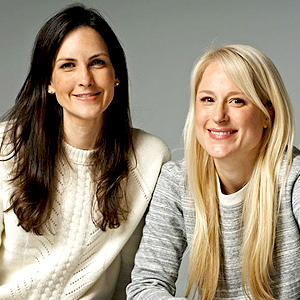
[00:46:42] Ad Read: Something like that. So we went after the Ibex. I thought it was a cool animal. I liked that the name was short and punchy. We were going to have a single serve package. It could kind of show up on the label. The one thing that we sort of learned, again, this is something you learn in the process, but we were pretty far down the road on the Ibex brand concept at this point, was an Ibex is a member of the goat family. And not a high volume of people, but enough that it would start to bother us would ask us if it was a goat milk yogurt. We began internally to refer to that as the G word. The G word. That was certainly not a fatal flaw. It was something that I wished I could wave the wand and make that go away. But, you know, the other thing about the brand generally was that the package, everything about what we approached with Ibex was about doing things differently than they were done in the dairy category. I definitely want to talk about the package. Yeah. one of the things that I tell people when I think about marketing and branding is that you kind of want to pick from the bush that's already grown. If you have a rose, you should say, hey, this is a rose versus making up a new word for it and re-educating people. The dairy category tends to be very bright and you see a lot of white because milk, white. And what you did was very different. You went for negative space, dark. Ibex could be Ibex body spray. It could sit with Axe. And I think Axe also, if you look at the Axe brand, they did something very different in their category too. So talk to us about that. everything we were trying to doing was about kind of contradicting what was happening. And I think the one thing in terms of understanding our mindset at the time, you have to- Because we're rebels. Well, yeah, that's what everyone, that's a word everyone associates with me immediately. If you can port yourself back to 2010 and think about what the dairy case looked like then, it was not nearly as evolved and developed and modern and- It wasn't Ciggies. I mean, Ciggies was just coming, but I mean, it was- Forager. The average American's experience of the dairy case was undifferentiated plastic, you know, jugs of milk and Dannon and Yoplait. Right. And a yogurt proposition that was largely characterized around low fat, low to no fat, and often artificial sweeteners. So, you know, our approach was, you know, we were targeting a consumer that really valued taste. that was, you know, sort of scrutinized the nutritional aspects of a product. I mean, Stonyfield is a tremendous brand and a company for which I have a great deal of admiration. But the drinkable Stonyfield product is a 10-ounce bottle with 39 grams of sugar. Now, I often always remind people that the sugar in dairy is not all added sugar because there is naturally occurring sugar in milk. But, you know, the nutritional proposition of yogurt that really draws people to the category is really diluted by the presence of all that sugar. And as a practical matter, if you make it right, you don't need that much sugar to make it taste great. I say that just to express that around the brand, I mean, the package, the name, the formulation, what we were emphasizing, we were really just trying to say, we're going to zag compared to the rest of the category. Did that hurt you or is that not what the problem is? I don't think that's the problem. I mean, I think if anything, the Food and Drug Administration has what's called a standard of identity for yogurt, meaning you literally can't call yourself yogurt unless you meet these certain characteristics. So, you know, every time you sit in front of a buyer, people want to say like, how are you different? Well, I mean, when you're making something Ibex Yogurt, you can only be so different. And so I think for us, it's more about what is your case for being on the shelf? And I just felt like going as a yogurt with a white package and an agricultural sort of agrarian theme on the brand, that was just a case for being a me too, and was not gonna bring additional people to the category, wasn't gonna give us sort of that sort of breakthrough opportunity in the case. Well, the black package was certainly disruptive to a sea of white, for sure. I want to get back to this point you made about living at the edge of success and extinction, because I do think that that is pretty much the perfect quote for entrepreneurship, especially in those first few years. At what point, though, did you realize that IBEX wouldn't make it? And at what point did you realize that you were closer to extinction than success? Well, interestingly, and you may know this, but the first time I ever used that phrase was in an email to you. Yes. So at the 2014 Expo East, BevNET came to our booth and interviewed me. We had just brought on some new brokers. We had introduced new flavors. We were very bullish. I'm about to be organically. Yeah, we had just become organic. And within a few months, I was sort of sending out the notice that we were closing up the tent, so to speak. And I sent out a message that was very kindly received by all my friends in the industry and just sort of let people know what was happening. And I actually, I think, I don't know if it was you or someone from BevNET reached out to me to kind of ask me about it. And after we spoke, I began to feel a little self-conscious about the fact that just a few months before I'd done this interview where my chest was really puffed out and I felt really excited and optimistic about the future. I mean, I remember thinking to myself, like, I hope they don't think I was making that up. And so I think I emailed you back and was just like, you know, I just realized that we're not that far removed from my very bullish interview with you at Expo East. And I just want you to know that Everything I said that day was true. And the thing that really caught up with us at the end was really the lengthening of the sales cycle. When you start with independents and smaller chains, you're often able to talk to a decision maker immediately. The decision can come more quickly. You can add new locations more quickly because you're The window within which the decision is made is much shorter. When you start dealing with larger chains, you have a meeting and you might not know for three and a half months whether or not you're going to get on the shelf. And then when they tell you you're going to be on the shelf, you're actually not going to be on the shelf for two more months after that. And I just think our financial plan didn't contemplate the length of that process. And so, you know, our cash position was just not going to sustain us to the point where we had tried to go with it. You weren't able to run up that mountain like the Ibex. Yes, if only the secret had been to consume more drinkable yogurt, which sadly I had stacking up around me everywhere I looked. We should have drank more, right? Fair enough. Except that the stuff you were drinking, I was shipping out for free. Speaking of which, if you'd like to say... I do. Like I said, I mean, we all, we very much appreciated it. So, but to go back to your question about success and extinction, I mean, I do think that, you know, a brand that is new, that is doing well in its home market, that is expanding geography, can go from being, you know, sort of a story really on the come, the kind of person that everyone wants to talk to at Expo East or at a BevNET event. And then, you know, within a few months, you know, kind of the tables turn. You can try and go out and raise more money. You can kind of lengthen the runway. And many people are able to do that and pivot and buy some time and get to where you want to be. But my whole point was you just live in a constant state of vulnerability. And the thing that I think interesting when I think back to when we started is. when you are small, the size that you imagine you need to be to feel impervious is actually way too small. I mean, when you're in 50 stores, you just think, oh, if I was in a thousand stores, oh my God, my life would be made. And then you get to a thousand stores and you're like, oh my gosh, I just hope I can live to next month. you know, that's just something that I sort of feel about the process. It's one of the reasons that I have so much regard and admiration and why I feel so much affinity for the people who come to Project Nosh and BevNET events and the people at Expo East and Expo West. And it's why, you know, even though my career has sort of spanned both the very large part of the food industry and the very small part of the food industry, I often say I've worked at the largest food company in the world, Nestle, and the smallest food company in the world, that I just have so much affinity for people in this kind of entrepreneurial part of the industry because, you know, of the degree of difficulty involved and just the, you know, the risk attached to sort of giving that a try. Brandon, you alluded to this a little bit earlier on about what you've learned and the decisions you've made. And I do want to go back to that email and that article that I wrote three years ago. And, you know, you said that, quote, I'm sad about this outcome, but given the opportunity to relive the last three years of my life, I would do what we did every single time. Do you still feel that way? Oh, 100%. I mean, when I say I would do what we did, I mean by the general principle of pursuing this business. Of course, there are sort of tactical things that we would do differently. I often tell people that sort of I got my MBA when I was younger and I spent a bunch of money to have the experience of going to business school and getting the MBA. I can safely say that much more of my money walked out the door in pursuit of a drinkable yogurt business than I did at business school. But that was also an experience that I had. I mean, the things that I've done since are things that I wouldn't have been able to do without having done that. So, you know, certainly the financial outcome wasn't what we hoped for. I mean, even though we go, we all pursue these businesses with very sort of high ideals and aspirations, there's clearly also an economic outcome that we're all aspiring to. But it was a fulfilling part of my life. My children were pretty young at that time. They remember that whole experience very fondly. They loved going to stores on the weekend to do demos and being there with me and showing up at Saturday on Expo East when it's kind of slow. And they were off school and they would come up to Baltimore from D.C. and stand in the booth with us. So just as an experience, it's something I wouldn't want to live without. When I sort of finished IBEX and was packing up that part of my life, you know, I was trying, I'd actually, the email that I sent out announcing that was like two weeks before my 40th birthday. So I was already in this kind of place where this was this kind of like milestone moment in my life. And then it became this milestone in a whole other way that I wasn't planning on. Immediately after there was some opportunities to go back into early stage food and beverage. It was a juice company I talked to at that time and actually came pretty close to doing something with them. I kind of got this feeling, I had this sort of awareness in the back of my mind that if I just replicated this experience right away, there was going to be a lot of PTSD, frankly, around that experience, about sort of just sort of reliving that over. And so I kind of pumped the brakes to just figure out what was the thing for me to do. And I ended up sort of investigating some opportunities to sort of work at industry trade groups. Because I'd been at Nestle, I'd seen the large size, the large side of the industry. I'd been in this entrepreneurial startup side and I developed, you know, unlike some people in the kind of early stage part of the industry, I have a great deal of affinity for the big blue chip publicly traded companies, too, because I knew people at those companies. And so to me, I sort of feel like the project of my professional life post IBEX is kind of trying to build bridges between the entrepreneurial early stage challenger emerging brand part of the industry and the more established large scale kind of often legacy brand part of the industry. There are clearly all these really dramatic changes that we were trying to kind of tap into with IBEX that a lot of the big companies are also trying to crack the code on. That's obviously a great deal of what we talk about here at Project Nosh. And, you know, there were other ways for me to do that and still kind of sort of tap into those interests and utilize my experience and my knowledge. I've been at the American Frozen Food Institute for about a year. I oversee membership and industry affairs and a lot of the programs and events we run for members. And it's a chance to really advocate for a category. Interesting thing about frozen food is that, you know, unlike other aisles of the store, literally every type of food is there. What they're united by is sort of the temperature at which they're stored. But, you know, here at MOSH Live, we've had Adnan Durrani from Saffron Road. whose company has done amazing things in frozen and I think is sort of showing a path for other companies about how to innovate and be relevant to the new consumer in the frozen food aisle. You know, so if the whole Ibex experience, even though that wasn't a frozen item, the exposure that I had to this part of the industry, kind of the principles on which that was based, you know, if I can pass that on to people who are, you know, in this category, then, you know, then that's giving me a chance to still kind of live that out. Yeah, definitely. And, you know, it's really admirable that you're doing what you're doing. And we've always considered you to be, you know, a great friend of BevNET. And, you know, it was sad when IBEX was discontinued, but it's great to see you land on your feet so firmly and to be able to be an advocate for other food and beverage companies. So thank you for that. Yeah, I appreciate it. And I think, you know, not to do mutual admiration society here, but I mean, I think, you know, BevNET and the programs and the stuff that you all publish and produce, it's nice for people who often toil kind of alone to feel a sense of community with other people who are doing this. You definitely get that at trade shows, but you get that for three days a year, you know, a couple of times a year, you know, this podcast, these productions, these meetings, they do kind of build a community and kind of connect people in ways who have these common interests and are kind of going about this project in different ways. And so it's fun to be a part of it. And I'm glad that even in a post-IBEX world, I'm able to kind of remain in that universe and contribute in whatever way I can. You're a big part of it. Thank you. Yeah. Brandon, thanks so much for being with us. Really appreciate the time. Good luck in your future and please stay in touch. Absolutely. Thanks. Enjoy being here. I love Brandon's quote about entrepreneurship being the equivalent of living at the edge of success and extinction. It's a really perfect concept. It's a really perfect phrase, I think, for this business of beverage and food in particular. And it just goes to show, you know, one day you might be flying high, the next day you're done. Yeah, I mean, I think, you know, consumer tastes change so quickly. I mean, even some of the companies that we see raise capital and get an early start and then, you know, it's hard to really get that kind of lasting or build a lasting brand, you know, even in kind of the medium term. You know, I think another thing that, you know, he talked about just kind of being in the right place at the wrong time. I mean, you know, I think it was a brand that if it launched in 2017, the story probably would have been different whether or not it would have succeeded, who knows. But I think he was someone who Was that or launching his brand at a time where there was still a lot of consumer education that that needed to be done, which that part certainly would have been less, you know, a few years later. So even then, if he would have launched later and you've got, you know, the Siggy's of the worlds and the forges of the world in play already. He probably doesn't have the black bottle. He might not be called Ibex. Maybe he would. Who knows? I mean, these guys tried to start the market, so they had to envision the entire marketplace. And it's a lot different to start a marketplace than it is to enter one. Definitely. And, you know, Brandon talked about the sales cycle for retailers as being, you know, an impediment to growth as well. And, you know, one of the biggest reasons that he wasn't able to continue moving forward You know, the timing is wrong for to get into a store. You don't have the revenue to, you know, for production, for marketing, for all the things you need to make a business successful. I mean, let's face it, you know, yogurt has a very short shelf life. It's very volatile. It's a very difficult product to produce on a shoestring budget and then sell and have turns and make sure and with all the education involved that you mentioned, John. across the board. He was, he set himself up for a very difficult challenge, you know, right from the get go. But he, he came from big CPG and, and big yogurt it in fact. So kind of knew what he was up against and took it on anyways, which I think is probably one of the more admirable things about what he's did with the brand. How was the product compared to today's product? You liked it, loved it. It was good. It was, it was sweet. You know, like a lot of drinkable yogurts are, are sweet. A lot of yogurts in general are sweet, but I mean, it was gulpable for sure. And it was the packaging was really, really tight. And maybe it was the wrong market too. I mean, there was a, there was a boom of drinkable yogurts in like 2002, but it was in the UK. I mean, he, he, he really was in a, in a strange spot for a timing wise. One last thing I'll say, Brandon, if you're listening, bring back Ibex. All right. He was you're trying to get him to do it during the interview. I was like he had some in his back pocket. All right. All right. This week's Elevator Talk features Maggie Patton and Buckley Buckley who are the co-founders of Bitsy's Brain Food. Bitsy's Brain Food is an organic food company that makes allergen friendly and vegetable based snacks and cereals targeted to children. Let's listen.
[01:02:55] Taste Radio: It's time for our Elevator Talk, where we put a founder in an elevator with their dream investor. Let's hear what happens. What is your company's mission? We're a mom-owned company with a mighty mission, to give families a smarter, happier way to snack. We want to empower kids and families to choose Better Booch by allowing them to experience vegetables in a new way, like in cookies and crackers. What is your product and how is it different?
[01:03:19] Forager Project: I'd say at the end of the day, what makes us especially unique is just making food that's both great for kids, but also great for kids to eat. It's a very bold claim, we realize, but we're not messing around when we come to making our snacks as great and as fun as possible for kids. So we pack in the good-for-you ingredients, take out all the junk, no empty promises. and really put a lot of effort into making snacking easy for families.
[01:03:45] Taste Radio: Who is your target audience? Well, I mean, as you've said, our products are loved by many, from grandparents to college-age kids, but I think our core audience is really kids. Everything we do is with them in mind. From the colorful packaging to playable shapes, we've designed our products with kids front and center. What stage of growth is your company in?
[01:04:06] Forager Project: I'd say we're still really, you know, in that startup space, but we're kind of starting to cross the chasm a little bit where I think people are really getting to know our brand and trust it and know what we stand for. And it's exciting to feel like you have real partnerships with retailers and also with consumers and kids and families that are buying your food and now have a true awareness of it.
[01:04:30] Taste Radio: What has been the biggest surprise since starting your company?
[01:04:32] Forager Project: I've been very surprised maybe by the continuous just space for innovation and hunger for that from kids, from families, from the industry, from retailers. I think people really are so passionate about trying to create Better Booch and offer better products. And it's neat. I think it's a very, very, very collaborative community.
[01:04:58] Taste Radio: That's definitely been part of it. What do you need from a partner or an investor to go next level?
[01:05:04] Forager Project: It's really about the right, I think, industry partners and people who share this passion with us kind of coming to the table. and seeing and believing, continuing to believe in what we're all about and helping us really grow the brand. I think that the biggest thing to get to the next level is really just that authentic partnership and investment around growing Bitsies to reach more kids. That's really what we're about.
[01:05:37] Ad Read: Great stuff from Bitsy's Brain Food. All right, thank you so much to our guests, JC Hanley, Stephen Williamson, Martín Caballero, Brandon Partridge, Maggie Patton and Buckley Buckley. And thank you all so much for listening. If you have questions, comments, ideas for future podcasts, please email us at askatasteradio.com. On behalf of John Craven, Jon Landis, and Mike Schneider, I'm Ray Latif. We'll talk to you next time.