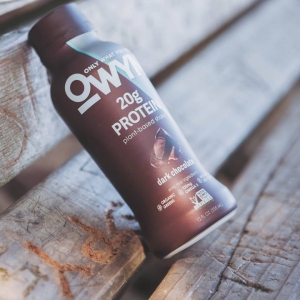
[00:00:02] Ad Read: This week's Taste Radio is brought to you by BevNET. The leading suppliers, service providers, investors, and brands grow their businesses and find talented employees through BevNET's advertising, event sponsorship, and job boards. To reach hundreds of food and beverage brands, become a sponsor of the Taste Radio podcast. Email us at podcast at BevNET.com to talk to our team about pricing and packages. And now Taste Radio. Thanks for listening to BevNET's Taste Radio. I'm Ray Latif, and with me are John Craven, Mike Schneider, and Jon Landis. We're here in Watertown, Massachusetts, recording at BevNET HQ. This is episode 86, which features an interview with Nikhil Arora, who's the co-founder and co-CEO of Back to The Roots. We also speak with Mark Young, who's the CEO of Beer Board. And in this week's edition of Elevator Talk, we chatted up with Kareem Elhamasy, the co-founder of Nitro Beverage Company. Guys, More and more stuff keeps coming into the office. It's piling up, and I love it, and we all love it, and it gives us an opportunity to Taste Radio experience some of the brands that we write about and talk about. One of the things that continues to come in and that I wouldn't say we're overwhelmed with, but I'm getting to a point of saturation here, is protein products, protein-infused drinks, snack bars, chips, you name it, it's protein-infused, it comes to the office. And, you know, it's definitely one of the hottest ingredients in food and beverage, and it's being marketed in a lot of different ways. We're seeing milk-based drinks, pea-based protein powders, meat jerky, whey-infused waters, nut bars. It runs the gamut. But I'm just wondering how you guys are sort of wading through this and, I mean, how are you consuming all these products? I'm just enjoying the gun show around here, man. Everybody's just... The gun show. Indeed, indeed. It's definitely a more swole team than it was a few years ago. But there's definitely a question of, you know, do we need this protein? I mean, how much protein is enough protein? How do we optimize protein in our diets? And I think that's sort of incumbent on these producers to really teach that. And I don't know if we're really getting that yet. We don't really see that yet. I mean, proteins out there, you see 20 grams of protein and you say, hey, that's a lot of protein. I need protein. I'm a person who likes protein and I should eat that protein. But you don't see a lot of brands saying, okay, hey, stop for a second. Think about the amount of protein that you need and here's how we fit into your diet. Right. I mean, you know, we see milkshakes and drinks that say exactly 20 grams of protein. And if you drink the entire bottle, I mean, am I overdoing it or, you know, and it kind of makes sense in these protein shakes and these smoothies, but at the same time, like we're seeing, Cookies with 20 grams of protein and right Landis. I know you love a 20 gram Protein cookie 20 grams of something else. Maybe no I mean, you know, listen, I understand where these guys are coming from right because a lot of people have restrictive diets. They want to eat cookies, but they can't consume all the butter and fat and sugar and everything for their diet. So here's a healthy, better for you product. And by the way, we know you love protein, so we just chock full of protein in there. But is that really a cookie anymore? It doesn't taste like a cookie. And I don't know. I mean, To me, it seems like a short-term play for people with all these diets that are happening right now, these keto diets, all these other heavy protein type diets. There's a couple of opportunities here for brands. I mean, they could go out and put their own program together and say, hey, here's how you use protein person. But I also see some of the influencers like Shut the Kale Up, for instance, she'll every once in a while just stop and take a bunch of questions about you know, how she uses specific things like, like protein and say, Oh, this is what works for me. And this is the amount that I use. It might not work for you, but here's how I do it. And I think there's an opportunity for a brand to say, Hey, talk to those influencers about the uses of protein, their use of protein, and encourage them to have those conversations with people. Because I think that's going to resonate more than a brand being the voice of that conversation. There's also a two-pronged approach there where you could do both of those things. I think the brands need to be careful. They're walking a fine line here because protein is obviously very hot. It's in the numbers. It's in the discussion. But that doesn't mean that you can just take any old thing and, like, take a lemonade and throw 20 grams of protein in it, and it's going to all of a sudden start selling. Now, there is, like I said, that kind of fine line. We had the folks from Nothing But The Fruit in a couple weeks ago, and they brought in their new fruit jerky that was infused with protein, and I thought it was great. I mean, you know, you have a product that's called Jerky. You're going to want You know, some kind of nutritional benefit that the jerky would provide you, and immediately you think of protein. Well, that, to your point though, is not what I'd call jerky, right? I mean... No, it's like fruit leather. It's like we call The Fruit leather or jerky now. And then since they infuse it with protein, it's not jerky. So it's like, you know, it's an interesting concept and certainly an interesting proposition to the consumer. But they're also working with the word jerky and saying, okay, someone, when you think of jerky, you're thinking of protein, animal flesh, of course. You know, my point would just be, you know, to follow on that, that, you know, I think a lot of these labels have, you know, been used in different ways such that, you know, what a jerky is or a cookie or, or I don't know, I feel like there's probably an example of almost like any type of food Nitro Beverage where it's been twisted to become something else. And then on top of that, obviously food and beverages have become a lot more complicated thanks to things like protein or all these different diets that people are catering to. And my only point with that is just that I feel like there's still just such a big gap in how these companies explain it and the consumer education. And I think it's pretty hard for a lot of these startup companies to be out there and to be the educator that's going to change that. Like that's probably not something that's within their means. So, you know, it's an interesting dilemma of, you know, how do you kind of balance all these things? I mean, obviously you don't want to just make an indulgence product if, you know, you're setting out to do something specific for a diet or whatever, but it's, yeah, I mean, it's challenging, so. And to the point that you both made there, you said jerky and you talked about the attributes of jerky and what you expect from jerky. And we're using the word protein and there's a question of, there's all these different kinds of protein. Now you've got whey isolate protein, you've got plant protein, you've got... You could probably have a podcast entirely on protein. Broadcast! Broadcast. Landis, not to call you a jerky boy, but you're kind of a jerky fan at least. Yeah, wear your glasses. I can't find them. My name is Sol Rosenberg. But I mean, I think it makes a lot of sense, you know, what John Craven was talking about, you know, some of these things, you know, are naturally understood as having protein, you know, beef jerky and meat jerky is one of them, you wouldn't necessarily think, you know, fruit by The Roots is going to have. you know, 20 grams of protein. And I know, I mean, you think it's less processed as well. You talk about meat jerky as being a less processed sort of form of protein than others. Yeah, I think that meat has naturally occurring protein in it. So if you're just going to cure it and make it into a snack and say, oh, here's the nutritional benefits of, you know, eating meat, then that's one thing. There are people, entrepreneurs and brands out there that completely deconstruct an entire product and then add all sorts of new things to it to give it these functional benefits and it bastardizes what that product once was. So that's why I personally, if I'm looking for protein in my diet, I would look towards meat. I don't think that it's a bad thing. I think that a lot of the plant-based options out there right now really, really excellent and there's some brands that are doing amazing things making it taste great. Finally, thank you, Owen. I mean, we've seen people struggling with pea protein in beverages for a very long time. That stuff is really good. And now we're finally getting guys who are doing it right. But yeah, if you ask me personally, yeah, I probably just eat something where the nutritional benefit is inherently in the food that I'm eating. That's what I would go for. It's naturally sourced functionality. Sure, yeah. Well, folks, if you are a manufacturer of protein-infused food or beverages and you haven't sent samples to the office, please do so. BevNET, 44 Pleasant Street, Suite 110, Watertown Mass, 02472. And we'll try it, we'll put it on Instagram, and we'll do all sorts of other things with your protein that are probably not legal in 48 states. Anywho. And that's what happens Jon Landis' office. That's just Ray. The Landis Labs, and Ray. It is, it is. Speaking of natural functionality, let's talk about Going Back to The Roots, and talk about the brand, Back to The Roots, and a recent interview that we did with Nikhil Arora, who's the co-founder and co-CEO of the company. Back to The Roots is a maker of indoor gardening kits, aquaponics fish tanks for producing organic mushrooms, herbs, and vegetables at home. The company also sells organic and biodynamic breakfast cereal at grocery and in schools. So Project Nosh editor Carol Ortenberg recently met with Aurora at the Produce Marketing Association's Fresh Summit in New Orleans, and they discussed the company's origins, close relationships with Whole Foods and Amazon, and how it's navigated the food service business in schools in New York City.
[00:09:21] Carol Ortenberg: Carol Ortenberg reporting here from the Produce Marketing Association's Fresh Summit in New Orleans, Louisiana. And I'm here today with Nikhil Arora, who is the co-CEO and co-founder of Back to The Roots. Thanks so much for being with us today.
[00:09:37] Whole Foods: So nice to be here with you.
[00:09:39] Carol Ortenberg: taking some time out of this busy day. The show floor is full of awesome produce and really interesting products like yours. So tell our listeners a little bit about what Back to The Roots is and what sort of products you guys make.
[00:09:52] Whole Foods: Yeah, so back to The Roots. For those who aren't familiar, we started off as an urban mushroom farm in Oakland after graduating from UC Berkeley and just fell in love with this adventure of like growing our own food and reconnecting with it and have since kind of created this whole line now of indoor gardening kits and then organic cereals and snacks to just reconnect families and kids back to where their food comes from. So whether they're growing their own or they're knowing where every ingredient comes from, we just want to reconnect the generation back to their food.
[00:10:18] Carol Ortenberg: And where are you guys sold now? How many stores are you in? I know you've had a lot of growth over the past couple of years.
[00:10:22] Whole Foods: Yeah, we're in thousands of stores now, which is pretty amazing and humbling to say. Home Depot is one of our largest partners, about 1,200. Home Depot is nationwide with Whole Foods. We're in Kroger and Sprouts. And then eCom's a big channel for us too. So Amazon's a really big partner of ours, as well as our own website, backtotheroots.com, for our direct-to-consumer sales.
[00:10:43] Carol Ortenberg: And you guys were an Amazon Launchpad partner, right? Can you tell us more about that program?
[00:10:48] Whole Foods: Yeah, Launchpad has been just an incredible platform for us. I mean, for a small brand, Amazon has given us so much reach in like literally every home in America with their distribution. And I think it can be a challenging, large company and complex to navigate. And what Launchpad has done is kind of helped kind of create a easier access point for startups. And I think they're also kind of bringing this curation feel of like brands that they want to help grow. And so it's given us a lot of fun access to being able to understand and grow with Amazon. And actually just about two and a half weeks ago, we were up in Seattle and had a chance to do a Facebook Live on the global Amazon page, which is like one of the most incredible experiences. I mean, they have 27 million fans there. And so Amazon's been really supportive and just a really cool vehicle for us to take this mission and reach a lot more people.
[00:11:35] Carol Ortenberg: It's really interesting to hear you talk about Amazon that way because I think for a lot of food brands, nurturing small brands was what Whole Foods is sort of known for as well. So you have both of those channels.
[00:11:46] Whole Foods: It's been exciting to kind of see and I'm really curious to see how they come together because, you know, we were launchpad partners on Amazon and then Whole Foods were local loan recipients. So kind of both their incubation, you know, curation pieces of both companies. We've been really close. So they've been two of our closest partners since our early days. And so we're excited to kind of see how that all comes together.
[00:12:06] Carol Ortenberg: What as a small brand did each of those partners bring to Back to The Roots?
[00:12:12] Whole Foods: Whole Foods was our first partner. We walked our first paint bucket of mushrooms. We grew in our fraternity kitchen into the Berkeley Whole Foods. That was the one retailer that believed in us, that supported us. That was our platform to grow. We started off in one store, five stores, and it gave us our first customer base. I think everything we know about retail now, we learned through Whole Foods and Amazon gave us the opportunity to do thousands of demos in stores. So I think that's where people ask us, like, how do you go from mushrooms to aquaponics to cereal? It was talking to our consumers and being able to kind of have that opportunity. You know, Whole Foods is huge for that. I think Amazon now is letting us take what we've built, that foundation, and reach... A big part of our brand is accessibility, and that's through our school system. You know, we just want to... How do we take the good food movement and make it, you know, really accessible? I think Amazon has a chance to democratize organics, and that's exciting.
[00:13:03] Carol Ortenberg: Yeah, they're both fantastic partners. And I know you have some exciting news coming up with Whole Foods.
[00:13:09] Whole Foods: Yeah, it's been, you know, so as we've been, and really actually here at the PMA show, which is all around produce and fresh, you know, as we've been selling into produce and floral, you know, for some time, but really as like individual units, like our mushroom kit, our gardens in a can, our water garden, I think what we've really seen is that there's just you know, really quickly growing new category in stores is all around edible indoor gardening. And actually really cool, like blew my mind, like edible gardening now is a bigger category than floral gardening for homes. So like edible garden is now three and a half billion dollar industry. And, you know, we've seen this opportunity that stores that have maybe 200 square feet dedicated to floral, like, hey, let's take two, three, four feet of that and dedicate it to edibles, growing herbs, growing peppers, growing tomatoes. And we just launched actually with the Home Depot in 1,200 stores, an indoor gardening section, which have been super fun to kind of bring that into their lawn and garden center. And then we're doing that this November nationwide in Whole Foods. And we're building out in between produce and floral, this new indoor gardening section.
[00:14:07] Carol Ortenberg: That is super exciting. I think it really brings something experiential too, to both departments.
[00:14:13] Whole Foods: Yeah. And I think that's, I mean, so much of where retail is going is people, especially the whole Omni kind of merging of e-comm and retail. I think people are walking into brick and mortar for finding unique things, finding experiences. And we talk a lot about local starts at home. There's nothing more local than that. And a great way too, to kind of get, especially like get kids growing their own food and appreciating produce. And you know, what a fun way to grow shishito peppers at home. And then hopefully they're that much more aware and excited about what they're, you know, when they're walking on the pepper aisle then.
[00:14:43] Carol Ortenberg: maybe one day we'll have like, you know, grow your own peppers right next to the peppers you can pluck off the shelf.
[00:14:48] Whole Foods: That's the vision. I mean, that's the, I mean, it's crazy. The stats too are just, they're all pointing the same way. I think the last US census data was like, backyards in America are down 33% in size over the last decade. So, you know, new homes coming up are just, they're small, there's less backyard space, but this new generation, we still want to grow food and we still want to connect back to where it comes from. So you have this, you know, lack of space, busier than ever, lack of time, but still this desire to connect with food. And so I think that's where we see this opportunity that we're trying to solve with our indoor gardening kits is let's make it fun, let's make it easy, but, you know, you can bring the garden inside and it's doable.
[00:15:22] Carol Ortenberg: What do you kind of attribute this excitement around indoor gardening? Is it traceability? Is it like getting your hands dirty when we're all stuck in our iPhones?
[00:15:30] Whole Foods: There's a piece of it, probably at the highest level, which is like, we talk about this pendulum around our connection to food, and that's kind of really, our entire brand is what our whole team is excited about. Like, this pendulum around we're connection to food, we think it was at one extreme of this total disconnect, and it's Going Back now. I think it has to come back because it was to the point of not knowing where apples are coming from, you know, and everything coming in as packages. And I think there's a growing mood and people wanting to reconnect with their food. That's coming from the clean label trend. I think it's being experienced in indoor gardening. I think a lot of it too boils down to trust and transparency, and you can't trust anything more than what you grow yourself.
[00:16:08] Carol Ortenberg: So talking about accessibility, you guys are really interesting in that you are trying to be everywhere the consumer is. You're in Whole Foods, you're in Home Depot. How do you juggle all those retailers? Because I imagine a Home Depot is not necessarily the same type of retailer as a Whole Foods or a Sprouts or a Kroger.
[00:16:26] Whole Foods: Yeah, no, that's true. And I think we've tried to go, you know, Home Depot is really our anchor in that lawn and garden, like they are, we're focused on building with them. And that's let us focus a lot more too, by really honing in there. But I think for us, we just see food as like, what excites us, like, can we be a brand that bridges the garden and the kitchen, right? Bridges grocery and lawn and garden centers, like it's all just food. And sometimes you're growing it. and sometimes you want someone else to make it for you. But we think there's artificial disconnect, and it's all just food, and we've just put up barriers between it. So we think as a brand, we should be able to connect The Roots between produce and grocery.
[00:17:02] Carol Ortenberg: Also on connecting The Roots, you also have a line of cereal, which is very different than produce. What inspired you guys to go out of this gardening-centric space and move into Center Store?
[00:17:16] Whole Foods: Yeah, it started at Whole Foods. We were selling at Whole Foods with our mushroom kit and our water garden. We were in the produce section, and we were doing thousands of demos, like I was saying, after we built our brand around. And we were in stores, and over and over again, you know, you have all this trust, this transparency in the produce section. You'd walk five, six feet over to the first grocery aisle, and it felt like a whole different world, a whole different level of transparency, of rules, of expectations. And, you know, you can produce, ask the guy to, hey, I want to try an apple, they'll cut it for you right there. You open a bag of chips in the grocery aisle, you know, you'll get kicked out of the store. Totally different ways of approaching food. And we were inspired to try to bring the same food values from the produce and from the gardening side to the grocery aisle. And as we were looking at different categories, just kind of fell in love with cereal because a lot of our brand too is about not looking at food as like kids food or adult food. We'd love a kind of like, We kind of talk about building a Pixar of Food, where like, how do you make food like an eight-year-old or a 38-year-old can both enjoy, maybe for different reasons, but they're both going to smile. And cereal is the first time kids are cooking, but it's also 90 plus percent household penetration. We're all eating it still, have boxes in our cupboards. So a chance to really like create something that can impact every family. And then also it started off as a health food, the whole history of like cereal from the Kellogg's brothers, who were first, you know, created as a health food, rolling corn, and then slowly and slowly sugar got added more and more and more. turned into a candy category, so we're like, let's undo this massive category. That was a fun challenge.
[00:18:41] Carol Ortenberg: Okay. So that's the mission behind how you started it. How as a company do you prepare to go into an entirely different channel? Did you have to bring on new talent? How did you get yourselves ready for that and how did you know you were ready for that challenge?
[00:18:55] Whole Foods: Yeah, it's definitely, I think we, from the, I think the sales and marketing side of it, we would joke around a lot, Alex and I were like, trying to build a business starting off on the mushroom kit. We learned a lot about how to, like how to sell, like if we could sell a mushroom kit in the stores, we can sell cereal. But there is a lot more complexity around, we learned around distribution, around, you know, it's a whole different, it's a whole different game. But I think the basic fundamentals that is the most important of like, what's the hierarchy of communication and what's the problem we're solving for consumer? I think that's what ultimately, you can learn everything else. You can bring people on. There's mentors that have helped us navigate the grocery part of the business. But I think the fundamental piece about is the hypothesis of what consumers are looking for now. I think coming at it from the produce lens gave us a real opportunity there. And I think that's been validated. But it's definitely, it's complex and there's no denying that in terms of grocery is very different and we've learned a lot of lessons there.
[00:19:51] Carol Ortenberg: They do want to touch upon the school business you talked about. Food service is a really important channel. So not only are you guys in Home Depot, not only are you in grocery, you also decided to go into food service and go after schools. Why say yes to that one?
[00:20:05] Whole Foods: Yeah, that hits home though. I mean, we talk about accessibility and impact. Even on the gardening side, we've been working with schools. We had a partnership with Sodexo. We launched 1,000 schools with indoor gardening kits and curriculums. And we have a Grow One Give One campaign. For every photo someone posts of one of their gardening kits, we donate a kit to an elementary school classroom of their choice.
[00:20:23] Carol Ortenberg: I'm going to have to go take a picture of my gardening kit.
[00:20:27] Whole Foods: We got a pepper planter right here. Can't wait for you to grow that one. But it's been a big... A huge part of our mission is connecting kids back to real food and getting them excited about it. And we talk a lot about, you know, if we just get every kid in America to grow one thing, right, or turn the label around and just get curious about food, like how impactful that can be. And I think you think about the school system, I mean, for us, one of the most exciting inspiring pieces of our business story so far is the fact like with this New York City deal, this kindergartners now who their first impression of what food should taste like is a four ingredient, organic, biodynamic, stone ground cereal. It's not Cinnamon Toast Crunch.
[00:21:04] Carol Ortenberg: That was not what I was eating in kindergarten, I'll be honest.
[00:21:07] Whole Foods: And like the chance to reset taste buds, right? That's what's so exciting to us is that to have kids grow up, that's the norm. And then so when you get some stuff that's, you know, artificially flavored and four times the sugar, it's like, that doesn't feel real anymore. And because it's about resetting taste buds and kids are the norm, like the stereotype around kids need more sugar. The whole grain is too gritty. And yet you take the label off and they voted in a biodynamic, 100% stone ground steel, and a third of the sugar is what they used to have. That to us is like, that's the future right there. These kids are asking for it. They're telling us.
[00:21:40] Carol Ortenberg: So how do you continue, you guys have focused a lot on accessibility on the gardening kits and mushroom kits and curriculum. How do you continue with that accessibility on the CPG side of things so that these kids can go home regardless of background and say, mom, I want that cereal on the weekend?
[00:21:57] Whole Foods: Yeah, that's a really good question. And I think expanding into school districts is going to be a big, continue that expansion. continue to go really deep into natural and other core grocers. But I think, you know, it's been really fun is that's where, you know, e-commerce is also coming up. And you look at, you know, we're partnered on Thrive or on Amazon, obviously is going to be a huge piece of that now moving forward. And I think especially shelf-stable grocery, there's a stat and it's approximate, I think. It's something like 10% of cereal in the UK is sold online, and it's less than 1% approximately in the US. And there's no reason it shouldn't be. That's gonna keep the trends absolutely in that direction. So when we can start also now making through Amazon, you know, a bio-dynamic cereal accessible at the cost of a click for free shipping, that opens it up. And so we're really excited about the kind of the Omni experience. Kids seeing it in schools and you're gonna buy it in stores, or maybe it's gonna go on Amazon and their parents can buy it there.
[00:22:50] Carol Ortenberg: And what have you kind of learned through working through the food service channels? Was there anything that was like really different than being in retail?
[00:22:58] Whole Foods: Yeah, I think it's the real challenge that the people there work and have. And there's amazing people working on the food service side and in New York City public schools, people who really care about what these kids are eating. But it's a huge challenge. It's like feeding a nation. I don't think you fully understood that. You know, 1.1 million kids a day, like what does that... feeding a small country, and it's a tough job to make sure it's consistent, it's safe, and so just a lot of respect for the unsung heroes who are pushing this change from internally and trying to move a massive ship. Like, that's such a tough job, and you know, we're at Expo West, you're here, and... the folks on the stage, or the buzz, or the entrepreneurs, the marketers, but there's so many unsung heroes who are every single day chipping away at moving that big ship towards, let's just buy one more thing, let's buy, you know what, we can't buy all of our cereals, buy two days a week, let's buy organic cereal, then three days a week. That's putting your neck out, that's taking initiative, and it's, I mean, it's so cool to see that. I think there's not enough awareness and spotlight on all those folks.
[00:24:01] Carol Ortenberg: Did you learn anything and have to change Nothing But your product from working in the school system? Was there anything like you took away that you kind of needed to reframe or redo? or at least for that channel.
[00:24:14] Whole Foods: Yeah, one learning there too, because we were exploring other ways to just use our bulk cartons. And again, I think just realizing the challenge of feeding kids and we developed that line of individual single serve cups and for that channel, we were initially looking at, can we just do bulk bags? But these mornings move so quick. You have 300 kids coming in and out in 10 minutes. organized chaos in the morning, but you're there.
[00:24:36] Carol Ortenberg: A slew of kindergartners sounds like chaos, I'm going to be honest.
[00:24:39] Whole Foods: And they're coming in, it's got to work, it's got to be there, it's got to be clean, it's got to be safe. So I just don't think I fully appreciated how tough that is to do. And, I mean, New York City just made free breakfast and I think free lunch now available to every student. Like, that's incredible. Like what we all, I think, being in the space, know what good nutrition and just having a full belly, like what that does for everything else, for learning and focus. And that's a huge initiative that was stated. And now it's, that's, that's a big step one. And now step two is going to be, all right, that's there. Now let's incrementally make each one of those items better and better and better. And it's moving in that direction. I think, I hope this isn't turning backwards. I think there's enough momentum now where we've hit that tipping point and where this is going to be accelerated.
[00:25:25] Carol Ortenberg: Also, I assume expanding from urban centers like New York to the rest of the country schools that will also assist with that tipping point.
[00:25:33] Whole Foods: Yeah, absolutely. I think we're there. This is a separate point, but I have to share as a small brand that's come into this, the amount of gratitude and gratefulness of the brands who built this space. We talk about, Organic Valley, Earthbound, Annie's, you know, these Amy's, like, even how, like, Unify is complicated and complex as it is, like, the fact of how that story started up as, you know, one person driving a truck of oranges back and forth in Northern California. It's crazy how far this has come in just 30 years, and it's from the long-haired Berkeley hippies that people thought were crazy to now being able to feed a biodynamic cereal in New York City, or, you know, all the growth we're seeing, and We all, us as emerging younger brands in this space, get to stand on the shoulders of all these people who for decades had to prove it that there's a market there. It's a cool, inspiring moment right now. I think those companies also prove there's no more excuse about you can't make money and do good at the same time. They prove that you can give back, you can be socially conscious, you can invest in the right things and still grow a billion-dollar company in food. It's just a cool example that they've set for all of us.
[00:26:43] Carol Ortenberg: I mean, and I think we see large strategics paying attention to that and recognizing that lesson as we see venture arms of General Mill and Kellogg's, you know, investing in brands like Cooley Cooley making Moringa shots.
[00:26:55] Whole Foods: They're paying attention and... Shout out to Lisa, by the way, Oakland entrepreneur.
[00:27:00] Carol Ortenberg: Fellow, fellow Bay Area entrepreneur. But yeah, investing in them or acquiring young brands like RX Bar, you know, it seems like they're paying attention and want to find a way to be involved.
[00:27:11] Whole Foods: Yeah, it's super exciting. I mean, we're all, it's, I can't imagine being in any industry right now and in a place like, I mean, food itself is just, I think, seeing, one of the things that makes it so fun for Alex and I, while we love it, it's like, it's so personal, it's so tangible. It's like nothing more, there's apps, there's technology, there's things that can scream, but there's what you're putting into your body three times a day, and the fact to like, the amount of trust that consumers give us to let, like, hey, I trust you to feed my kids and put food into their, like, that's just such a personal, It makes it fun because it's a serious challenge, you know, but it also makes it fun and you connect that level of like the tangibility of how real and tangible food is with now the changing consciousness and the growth. It's just, it's exciting. It's a fun spot.
[00:27:57] Carol Ortenberg: Well, it is a very exciting time. And speaking of, you know, personal connections, thank you so much for sitting down with us. It was awesome to hear your thoughts on the industry and looking forward to seeing what else the company does in the rest of the year in 2018.
[00:28:11] Whole Foods: Yeah, no, thanks for having me on this show and huge fans that will read your guys' newsletters. And for anyone who doesn't subscribe, we highly recommend it. It's one of our, for a lot of our team, our sources of news and insights and industry. So thank you for all the hard work you're doing. Anyone listening, if you're interested in indoor gardening, check out a Home Depot Whole Foods, this Q4. Thank you.
[00:28:32] Carol Ortenberg: Thanks so much.
[00:28:33] Whole Foods: Thank you so much.
[00:28:36] Ad Read: All right, so now we're joined by Project Knowledge Editor, Carol Ortenberg. Carol, thanks so much for being with us. Thanks for having me. That was a fun interview. I feel like Nikhil is a very exciting kind of entrepreneur in a very exciting space. One of the things that I wanted to ask you about was this idea of them wanting to be The Pixar of Food. I didn't really understand what that was. Can you give us a little context?
[00:28:59] Carol Ortenberg: Sure. We've talked about this a couple times and, you know, he really loves that when you watch people come out of a Pixar movie, they walk out smiling, whether they're four or 40 is the way he says it. And, you know, maybe they got different jokes, maybe certain humor hit with different age ranges, but they both walk out happy. And I think what he wants is that regardless of age, when you use a back to The Roots product, you have a joyful experience. So again, it might be for a different reason. For a child, it's the joy of, creating something from scratch and watching it grow and seeing where your food comes from. Whereas for an adult, maybe it evokes ideas of cooking and culinary experiences and really getting their hands dirty. But together, they both have had a really positive experience.
[00:29:44] Ad Read: Well, I mean, that's a great goal and a great way that they could reach out to more folks and appeal to a broader audience for sure.
[00:29:51] Carol Ortenberg: And I think the other thing that's really important about that message is that, you know, food accessibility and growing your own food can sometimes get very serious and very bogged down in the details and the policy. And while Back to The Roots is certainly heavily involved in the policy side of things, they worked very hard to get their cereal into public schools, they also don't want to lose the joy of their products and like want it to be fun and carefree and not always so serious about like all the different, you know, unique ingredients you're eating and what it does for your body and all that.
[00:30:28] Ad Read: One of the other really interesting points that Nikhil made was when he talked about edible gardening as being a bigger market than floral gardening right now. And it was cool to hear about that new section they're building in Whole Foods in between produce and floral. This amazing opportunity to reach folks that don't necessarily have a backyard, that are living in an urban-centric area. And this allows them to sort of grow their own food, but on a really small scale.
[00:30:51] Carol Ortenberg: Yeah, I mean, I think we have a lot of urban gardeners on the BevNET & Osh team. I know, John, you usually grow a bunch of veggies, and you've got a nice side deck. I've got, you know, more of the urban setting where it's a tiny little deck on the front of my building.
[00:31:07] Ad Read: We even grow a ton of tomatoes here at the office. And it sounds like Whole Foods is taking more of a page out of the Russo's book here. Sure. Russo's is a small company that has a relatively big farmers, markets, stands. Russos is a produce distributor here in Boston, and they have their own marketplace at their distribution warehouse. And they have all sorts of seeds and plants and soil and everything. So it's kind of like, you know, you could do all your grocery shopping as well as some of your home gardening shopping there too. And it's very, very popular here in Watertown.
[00:31:40] Carol Ortenberg: I mean, it's kind of the ultimate in traceability, right? You're not only like picking if your consumers are asking to know where their food comes from. Well, sure, they can go buy a pepper on the shelf where they see the country of origin labeling, or they can pick up a plant and grow it themselves. You know, for Thanksgiving, I had my choice of already picked herbs or herbs and little planters. I actually picked up the planters and figured I'd keep growing them for the next couple months.
[00:32:06] Ad Read: Yeah, it sounds like a real serious opportunity for, again, as more people move out of the suburbs and into urban-centric areas, into cities basically. One last thing I want to talk about with this interview is a talking point that we had last week with Barry Nailbuff, who talked about solving a real problem. And Nikhil kind of mentioned this as well in this interview with talking about when to introduce brand and line extensions. And he said, you know, What problem are you solving for consumers? And I think really that's become the key to an innovation strategy is you can't just make something for the sake of making something interesting or different. It's what are you trying to do to address your consumers' needs?
[00:32:44] Carol Ortenberg: Yeah, I think that's a great point. You know, if you can't solve a pain point for consumers, then they have to figure out where your product fits into their life. That can sometimes get a bit tricky. It's easier when you are very clearly expressing something that quickly meets a need that they have.
[00:33:02] Ad Read: Definitely. So, Carol, can you tell us a little about your experience at the PMA show? I mean, it's not a show that we've been to in the past, and I think it's something that brands often overlook and from what you've said, it was a pretty engaging and exciting show.
[00:33:15] Carol Ortenberg: It certainly has a reputation as being a produce-centric show. And yes, you can go and find every type of onion or tomato or new hot kale on the market. But at the same time, there was a lot of packaged food and a lot of packaged beverages. Because as consumers are shopping the perimeter of the store, which produce is part of, brands who aren't necessarily just a fruit or vegetable, want to get in that section of the store and want to connect with those buyers. So you saw really interesting things like a booth that had dang coconut chips and peeled snacks. and Rhythm Superfoods, all kind of banding together to say, build this healthy snack destination and produce. There was also a lot of kombucha and a lot of juices because those are brands that want to get in the fresh coolers. I think it was really a unique experience and I'm curious to see how this grows, especially as we see more and more packaged foods enter the produce section.
[00:34:19] Ad Read: Yeah, it doesn't surprise me to hear that there were a lot of juices and kombuchas, because they're the few packaged products that I actually see in produce, because the beverage cooler, it's just not big enough for all the refrigerated beverages in the store nowadays. But I hope to go to that show maybe next year, and one of my favorite brands in the store is definitely in the produce set, Love Beets, and they have such great stuff. And I know that they've been in that produce set for a long time before a lot of packaged brands got any traction in there.
[00:34:48] Carol Ortenberg: And I think they're a great example of a brand that has taken something that was maybe a commodity product, like a beet, and found a way to create a brand and create a personality around it. And now you see other, even produce brands, embracing that with specialty branded grapes or apples and really trying to create a buzz about their specific product.
[00:35:09] Ad Read: Indeed. Well, I hope to attend that show as well, Jon Landis. So maybe I'll be there next year. Carol, thanks so much for being with us. Really appreciate the time. Great interview and I look forward to talking again soon.
[00:35:19] Carol Ortenberg: Thanks so much.
[00:35:21] Ad Read: You know what we don't see enough of in the produce section is beer. I really want to see more beer in the produce section. You can have a beer while you browse the produce section? In some places, yes. Like in Italy, I think you can do that, actually. We don't have enough beer signage in the produce section either. Yeah, and maybe we've found the guy to help us get there, and that's Mark Young, who's the founder and CEO of Beerboard. Beerboard is a beer management platform that lets breweries and restaurants and bars make real-time marketing decisions about their beer selection. And Mark recently came to BevNET HQ and met up with our very own Mike Schneider and Brewbound editor Chris Fornari to talk about the brand, what they do, and the environment for craft beer and beer as a whole. This is Mike Schneider here with editor of Brewbound, Chris Fornari, and we've got our guest, CEO and founder of Beer Board, Mark Young. Mark, welcome to Taste Radio. Mike, thank you for having me on. Thanks for being here. I think we should start off with what is Beer Board and how did you get started? Well, Beer Board is everything beer for on-premise bar owners. So Beer Board, the real heart of Beer Board is to help operators sell more beer. And selling that beer, we want to help them make it easier. That's really the short of it. It's everything, it's a total end-to-end platform that helps operators, you know, monitor the product, to merchandise it, to helping them understand it after they pour that beer. And Beer Board wasn't, it didn't start off as a platform. I mean, you didn't start off as a total solution for the operator. You guys started with a piece of that operation. Talk to me a little bit about just the genesis of this idea and how it became what it is today. Yeah, I came from a distributing background. So I was a craft beer distributor for about seven years in upstate New York. And really the idea behind Beer Board came from inefficiency that I saw in the marketplace. Meaning from a distributor standpoint, it was hard to service accounts with draft beer because it's an archaic industry where you have to get in the coolers and check quantities and inventory levels. And on the front end, on the operator side, it was very difficult for them to count and manage inventory for all draft beer. In my beer, you know, our business was focused on draft beer on the on-premise, so 90% of our sales were in kegs as opposed to bottles.
[00:37:50] The Pixar: And I imagine that's, you know, just gotten even more challenging as the entire craft segment has evolved and, you know, now we're dealing with a situation where, You know, bar owners are rotating their tap handles constantly.
[00:38:05] Ad Read: Correct. Right. So Beer Board, the platform now, handles over 40,000 different products. So with 40,000 products and rotating handles with different styles and trying to communicate those brands as well as track them from an inventory perspective, it's very difficult. So you got into the business to minimize what? Minimize waste? Yeah, the first focus after we did some research on it was looking at the operator for how much they're losing. They typically lose about 20% of the product at the bar. So we were looking for a solution that could help operators and then help the supply chain.
[00:38:44] The Pixar: Why? Is that just a function of the equipment that they're using? Is it server training? Where's all that gear going?
[00:38:52] Ad Read: They have a little bit from themselves? It's really a combination of all those. There's overpouring. I mean, there's actually underpouring. So, there's inaccuracy on pours. And then in the bar business, unfortunately, there's what we call unauthorized comps. So, those unauthorized comps can cost a bar owner quite a bit of money. me and Chris came, came into the bar. That's what I, that's where I live.
[00:39:20] The Pixar: We showed up a few too many times. Yeah, that's my bread and butter, man. So actually please don't, don't expand to any of the bars that I'm going to.
[00:39:29] Ad Read: The almighty buyback, right? So you're a data play then for the bar owner in a sense, and you're giving them a sense of what's going through their lines and how efficient they are. And that's a back office kind of play. How do you convince someone that they need this kind of technology and that it's going to pay off? Right, that's the almighty challenge right there is to really bring attention to that piece of the business and that component that there is something that can make their life easier. So that's really our challenge is to explain how technology fills a gap that's in the marketplace. And that gap comes in a couple ways, right? There's controls where they cannot monitor that. And then there's the understanding of that actual volume movement, like you're going, Mike, in terms of the analytics and understanding the movement of that product. So technology is simple. Technology should fill a void and a gap. for it to be valuable and something that that somebody would want to purchase to make their life easier. So that's really what we focus on and that's that's the challenge is to explain this is a product that can help you sell more beer and make your life easier. And I think we've we started to catch on to that with the last couple years we got into some pretty large chains where we could show how we can make that bring that efficiency and get more rings at the register. So let me bring this back just a second. There's a piece of the product here that makes the offering very interesting, and it makes it a front to back kind of product, which is the menu system.
[00:41:05] The Pixar: Right.
[00:41:05] Ad Read: So you're able to control what's on the menu digitally, right? Correct. Yeah, as Chris was alluding to about how many crafts have entered the market, now we're in, you know, we're up to what, closer to 6,000 breweries now, Chris?
[00:41:18] The Pixar: Yeah.
[00:41:18] Ad Read: Chris probably has the up to minute number.
[00:41:20] The Pixar: He's got it. I think it's like 5,900 as of last week. Right.
[00:41:25] Ad Read: Right now, 5931. Yeah. 59.
[00:41:27] The Pixar: Oh, 5932.
[00:41:28] Ad Read: Yeah.
[00:41:30] The Pixar: 11 hours, it'll be, you know, another one will have opened.
[00:41:33] Ad Read: Right. And one will close. The challenge, again, that's a challenge of operators where they need some efficiency because there are so many breweries opening, and every bar owner wants to offer a good local product. So in order to accomplish that, and you got so many seasonals, so many new styles, there's so many trends, and you're trying to keep up with your competitors and keep up with consumer demand, that's difficult to do because you end up rotating a lot of lines.
[00:42:00] The Pixar: It's impossible to track any of that, especially at scale, without some form of technology, correct?
[00:42:07] Ad Read: Correct. The technology really is helping them to Track each product that they put on and as Mike was talking about How do you communicate those products to guests? So one of the biggest pet peeves that I had as a distributor was selling a product to a bar that never made the menu So that's really a huge hole that we fill is to provide technology to operators So every brand that has actually offered at the bar makes it on the menu Yeah So you have this platform and you know what's going through the lines. You must have the ability to crowdsource some information here. Talk a little bit about that. It's twofold, right? Retailers are looking for trends to stay on top of it. So at their exact location, what brands should we put on or could we put on that could help me sell more craft beer? So retailers, they all would love to upsell the client base and provide the best products that are out there, right, that are in demand. At the same time, in the behind the scenes or in the supply chain, as you move up the supply chain, there are breweries who are trying to also track those trends and understand their position against competition. So we really are right now focused still on retailers and providing that operational efficiency, helping them make sure each brand actually makes it on the menu on a daily basis. So those brands are often rotating weekly or daily. We want to help them get them on the menu. And on the back end, track those trends so that they have quality products on tap and they're actually recognizing products that probably warrant a tap line.
[00:43:44] The Pixar: And you're doing that on an SKU basis or on a style basis or both. What are people asking for? What kind of data?
[00:43:54] Ad Read: I think they're looking at it to cut the data in a couple of ways. One, definitely by brand. There's a need to understand brand movement at the granular level down to the location. So it's granular data that you can track the actual brand. You bring up SKU is a good term in the grocery business, right, where there's there's item codes and barcodes, so there's no uniform system until Beer Board, right? So Beer Board really brought in a uniform system as we start to build scale and what we've done is built some of this initial scale that we could put operators on the same brands, right? So we can uniform, give a uniform system to tracking individual brands and then roll those brands into styles and then into categories. So what's the trend in IPA versus Belgian Wit?
[00:44:44] The Pixar: And then break it out by sub-region and demographic and everything else, I'm sure, as well.
[00:44:49] Ad Read: Bar segment, exactly.
[00:44:51] The Pixar: Yeah.
[00:44:51] Ad Read: So you must be eating a bunch of your own dog food. I mean, in the early days of data warehousing, the big payoff was you're going to be able to find, you know, You're going to be able to find in a convenience store that, you know, people buy beer and diapers together because, you know, some guy goes out at, you know, 8 o'clock at night to buy beer and his wife sends him out for diapers at the same time, or you send him out for diapers and he buys beer at the same time. So what kind of insights are you seeing in your data right now that we'd find interesting? Well, I think there's a couple key industry trends. I think the marketplace is very crowded. So you guys, being industry leaders yourselves, understand of how many entrance new products are coming into the marketplace, but how many new tap lines exist, right? So the consumption per location isn't necessarily coming up, but the marketplace has gotten more crowded. So that's gonna be a dynamic that the industry as a whole has to work through. And what I mean by that is retailers have to look at, rationalization, right? Like the grocery business. There was SKU rationalization is always a term that's looked at. What warrants the shelf space? What warrants the tap line in this case? So I think that's a really, you know, an important trend that I think Beer Board really is on the forefront of providing that data. And, you know, we're moving towards the predictive analytics models where we can help on that.
[00:46:15] The Pixar: And at the end of the day, I mean, it's really just a function of real estate, right? Like you could put 10 more faucets into the wall, but that doesn't mean you're going to sell 10 times the amount of beer. Exactly.
[00:46:27] Ad Read: Unless you put 10 Pliny faucets on the wall.
[00:46:30] The Pixar: Well, yeah. You and I are there. Speaking of which, can you help us find Pliny? And then we're not having unauthorized comps. Speaking of which, can you help us find Pliny? Now, there's another interesting component of your business, which I think we touched on before, which is this issue of scale. And it really seems like you're structured and you're set up and you're designed to work better with chains and with the retail accounts that have multiple doors. So it's not like you can't go up and down the street with a beer bar to you know, every, you know, sort of mom and pop craft beer shop. You guys are really more focused on the chain segments. I think there's two things that happen there. One, I mean, there's tremendous upside for you to penetrate some additional chains, the ones that you're not already in. But two, does it skew the data at all? Because they're pretty limited in what they can actually serve because they're working on, you know, national programs with a lot of national brewers. Talk to me just about the challenges and the opportunities that you encounter working in the chain set?
[00:47:36] Ad Read: Yeah, from a data perspective, absolutely. Scale and more locations will make a better data set, that's for sure. But by penetrating the casual dining segment, like you're referring to chains, the casual dining segment, we're building a critical mass so that our retailers, our retail partners themselves can understand that better. So by aggregating that data, those are the types of insights we can provide back to see, you know, one, recognize challenges, but also opportunities. What are some good brands that might work? And that goes down to a location basis. So there is a from a full marketplace data set, absolutely you would need some additional bars, which we are working on. And that's something that is really secondary, as you pointed out, to the plan. First was to build scale through national accounts for obvious reasons, right? Economies of scale that we can all understand and appreciate as entrepreneurs, right? That there's gotta be a model that can make money. But by getting that initial scale, we believe that'll help us with bringing the technology to the independent marketplace.
[00:48:46] The Pixar: Interesting. And as you guys, I guess, you know, sort of work downstream, then back to the craft breweries and the craft beer-centric bars, what's the response been from that group? And, you know, how interested are they in adopting this technology and implementing it into their businesses?
[00:49:07] Ad Read: It's a good question because I think what's happened is, I think as a whole, the industry is getting more educated on technology and ways they can benefit from it. So I think operators are getting more savvy and it's become, I think with the generation change too, with newer, younger bar owners, I think looking at technology as a solution is a lot more prevalent today than it was even five years ago. So I think Operators are looking at it from that perspective and bottom line is we really already have some great bars that you guys would recognize. Craft beer bars as well as brew pubs like Southern Tier and Victory that we're proud to have on as clients. and really value the information the way a good operator and their strong operators who see the value of having information even from a brewing standpoint of forecasting and understanding what volume they are moving out of their tasting rooms. It is catching on. I think technology as a whole is becoming a little more acceptable, let's say, in the restaurant business, and that helps us. And again, having a track record with national accounts who've adopted it in a large scale definitely helps our credibility.
[00:50:25] The Pixar: So I've seen, I guess, some products out there that at least feel similar to Beer Board, thinking of the times I've been to breweries that use Untappd for some of their menu boards or Digital Pour at some bars. Can you talk to me just about the competitive set? Who else is out there? And, you know, what are the key sort of differences and, you know, I guess how this world of technology at the retail level is going to continue to evolve even, you know, beyond beer board and how you guys are evolving.
[00:50:58] Ad Read: Yeah, I think there are quite a few beer applications and different apps for bars that are out in the marketplace, which a lot of them are great and I think are helping consumers get information and understand even localized information, which is where I think it really needs to push. You care about what's available in your neighborhood and actually at the bar that you're in right now. I think that the technology will continue to move in that direction to give consumers better information, you know, when they need it, where they need it. Our competitive set, I mean, our focus really looking at our product and kind of the uniqueness or the differentiation I think is is really looking at the end-to-end solution. So for a bar operator, the challenge they always have is they're crushed for time, right? There's a time crunch for bar owners. So they actually having to manage multiple platforms is not going to work. So being able to publish a menu on one site and then add it to another app and then put it onto a digital screen and then print a menu, if you're doing that from multiple platforms, they're not going to work. So that's really what we recognize. So we're open. We wanted to really focus on how could we provide an end-to-end solution that will save their GMs and those bar owners time, but connect with all those different different applications. So you also got into the integration game as well.
[00:52:30] Taste Radio: Right. So we're working on, yeah, we're working with integration. Switch, flip a switch.
[00:52:33] Ad Read: Exactly. So I think that's where it really needs to, you know, where you move, you definitely want consumers to have information they're looking for when they want it. But for a bar operator, how am I going to get it to them when I can barely keep up with ordering food and beer and getting my bartenders here on time and running a bar, right? So the independent market doesn't have dedicated resources for marketing and technology. So our goal was to really provide them an end-to-end solution that could integrate with whatever you want to use, you know, whatever they have.
[00:53:07] The Pixar: So that they could meet with the 6,000 breweries that are all trying to sell them beer. Right.
[00:53:12] Ad Read: Yeah, that's a time crunch right there.
[00:53:15] The Pixar: We talked a lot about, you know, saving bar owners time, and that's clearly a focus of the technology that you bring them, as well as, you know, hopefully helping them generate additional revenue and operate on better margins. But, you know, one of the key sort of challenges in the restaurant space right now is just foot traffic and getting people in the door. I mean, you have other platforms and other technologies like a drizzly, for instance, that allows consumers to just stay at home and get their beer delivered. And I know that a lot of restaurant operators are trying to solve that problem. Where does Beer Board fit into that, or does it? And if so, how can you help them tackle that big challenge?
[00:54:02] Ad Read: Mike was asking about what could be coming next. We are focused right now on one product that we think could draw more traffic in. We developed a technology, and I'll release it here on Taste Radio, called Beer Chip, where we can provide incentives for a consumer to come in really on any brand because we can, again, our theme is location-based. So down to the location, we could put a local brand, provide an incentive or a discount for that specific brand, and then on our platform track the volume throughput of that product so you can see the effectiveness of that campaign. And we can accomplish what you just asked, the other question was, how can we bring more traffic in? But we want to provide beer chips through integrations to other applications. It doesn't necessarily have to come through a beer board app. It can come through any way that a consumer wants to find out about that incentive and learn about it. We can integrate to it. So we would like to push out that technology, which It comes back to, you know, our platform does have some patents on it, and it's really about the consumption patterns and the flow of that tap, right? So how much product is moving? How do we help them move more of it? And Going Back to your point about driving more traffic, we think there's a way to kind of help breweries promote their products and also help retailers drive some traffic.
[00:55:31] The Pixar: And you guys don't want to make it more confusing for the end consumer having to download another app or to, you know, register or sign up for something new. Just, you know, layer it on to something they're already using and add additional value to the retailer essentially.
[00:55:47] Ad Read: Right. So we want to embed the technology in our platform, just extend it out to the other consumer applications. So we are working on some of that. It's on the radar. Again, our focus, I mean, I would bring it back to a couple of points. One, like I said in the beginning, Beer Board's focus is to help operators sell more beer. And when they're selling more beer, do it more efficiently because they're all crunched for time. But beyond that, you know, you look at your traffic problem, right, that the industry as a whole, that's independence because new apps and the new trends of consuming at home, right, those are on the rise. So we look at it as what traffic is in your bar, how do you optimize it? How can you upsell them? And how can you make sure that you're getting the profit from each of those transactions that are happening? So we really look at, you know, before even moving to driving more traffic, let's optimize the traffic that you currently have.
[00:56:44] The Pixar: Right. It's loyalty and retention.
[00:56:46] Ad Read: Right.
[00:56:46] The Pixar: Absolutely. World's colliding here for me.
[00:56:48] Ad Read: Location-based marketing, beer, Taste Radio.
[00:56:51] SPEAKER_??: It's really great.
[00:56:53] Ad Read: Founder and CEO of Beer Board, Mark Young. Thanks so much for being on the show. How can our listeners get in touch with you? Pretty simple. Beerboard.com. Contact us. We'd love to hear from you. Great. Thanks for being on the show. Yeah, I appreciate it, Mike and Chris. Thank you. Thanks, Mark. So that was an interesting interview. I think Mark made a really good point about how the industry as a whole is getting more educated about technology and the ways they can benefit from it and the efficiencies that can come from the implementation of technology. Yeah, for sure. I mean, this is a place that, you know, we've seen a lot of companies trying to, you know, figure out how to plan the space from things like, you know, just whatever, fancier beer menus to, like Mike said, check-in apps and stuff like that. So, you know, it's neat to hear from someone who, you know, it actually has a business, you know, value that it brings too, so. And as Mark talked about, it's not just a thing you can dream up and do. I mean, he had this idea of being this backend company that you know, helps you manage waste. And it's hard to get traction with the back office. So they had to invent more things within the platform to make it a bottom line driving front of the office full package that they could implement within, you know, these, these, these large restaurant chains. Yeah, and I mean, he talked about overpours and sort of these unauthorized comps. I think the thing that I was most concerned about is these underpours, because I feel like I'm getting underserved at some of these places, maybe intentionally, I don't know. You're getting cut off. Yeah, I think that's maybe what it is. Probably that Manchester United hat. Well done. Well played, Landis. One of the things that he mentioned was that, you know, we have seen the rise of craft beer over the last few years, but, you know, consumption isn't moving as fast as it has been in previous years. At the same time, we're seeing a really crowded marketplace for beer. And the question that Beer Board seems to be trying to solve is similar to one that they have in grocery, as he mentioned, which is, what warrants shelf space? For bars, what warrants tap space? And I think it's a good question, particularly as we come up against 6,000 breweries in this country. it's not an art project alone anymore where craft beer came in and it could be, you know, this cool thing with a new Taste Radio now that it's becoming somewhat commoditized. And so you have to look, you have to bring in the science aspects and that's what Mark's really trying to do here. I'm really interested in how they start to gain insights with the crowdsourced information. You know, they have this ability to roll up data across bars, across the nation and be able to say, here's what's popular, nationwide, but then also drill into regions. And I think this is the thing that we haven't seen at this level before. Now, the interesting part about this is who's going to allow that information to be combined in such a way that we can look at it from that perspective, because most sellers are going to be really protective of their data. So that's another challenge that you have in a data business. Well, it's a really interesting way for them to approach that type of data because, you know, they could approach it from the distributor side, they could approach it from the manufacturer side, or from the on-premise side. So, whether or not, like, the per ounce per pour and everything is going to matter on a national scale is going to be interesting because they are attacking it at that. place of consumption, gathering the data there. Can we get beer board installed here in the office, John Craven? I'd like to know.
[01:00:15] Nikhil Arora: No problem.
[01:00:17] Ad Read: Right next to the slurpy machine and the ping pong table. On that note, well, that was a fun interview with Mark. I really appreciate the time. Mike, great interview. Chris Fennari, unfortunately, was unable to join us, but he will for the next beer conversation, I'm sure. Yeah, thanks. It was really great to work with Chris on this one, and I can't wait to do it again. Yeah. Speaking of the bar, we had a very fine gentleman come to the office and join us at the bar a few weeks ago, and that is Kareem Elhamasy. He was the co-founder of Nitro Beverage Company. Kareem is from Asbury Park, New Jersey. He drove up to Bevan & HQ and introduced us to his brand, which makes nitro kombucha and coffee. And in this edition of Elevator Talk, he discussed the company's origins and growing profile. Really cool. Before we roll this Elevator Talk, can we talk about how this went down? Because it was so quick. I mean, you know, we're out there on Instagram. We're trying beverages or putting them on Instagram and beverage companies, food companies contact us because Kareem contacts me on a Sunday, says, Hey, I'd love to share some product with you. And he's like up here on Monday with his product in the office. And the next thing you know, he's on Elevator Talk. It was, it was pretty amazing. And I think it was, it was a Monday, like at 9am when everyone like was sort of walking in and all of a sudden, you know, Slack was blown up and like, oh man, there's nitro kombucha on tap. You got to try this stuff. Guy brings in nitro everything. Everyone, half the office rushed into the kitchen and we were loaded up on nitro coffee and nitro kombucha for the rest of the day. It was fantastic. It was amazing. Thanks for coming in, Kareem. Let's listen to this Elevator Talk.
[01:01:57] Taste Radio: It's time for our Elevator Talk, where we put a founder in an elevator with their dream investor. Let's hear what happens. Who are you and what does your company do?
[01:02:07] Ad Read: My name is Kareem. I'm the co-founder of Nitro Beverage Co and we infuse cold brew coffees, kombuchas with nitrogen and just makes it super smooth.
[01:02:17] Taste Radio: What is your company's mission?
[01:02:18] Ad Read: Our mission is just to provide good coffee without all the additives, without the milks, the sugars, and even our lattes. It's just a plant-based latte.
[01:02:28] Taste Radio: What is your product and how is it different?
[01:02:30] Ad Read: Our products are different because the kombucha is very low in sugar. Our coffees, for the most part, we don't add anything except the latte. And even with that, that one's plant-based.
[01:02:41] Taste Radio: Who is your target audience and how do you quantify the market opportunity?
[01:02:44] Ad Read: Our target audience is basically anyone that drinks cold brew coffee or kombucha. Millennials, younger generation, looking at the nutrition facts and being conscious of what they're drinking and being mindful.
[01:02:57] Taste Radio: What stage of growth is your company in?
[01:02:59] Ad Read: Currently, we're still in our first year. So far, it's been awesome, all positive feedback. We're looking forward to this future year and starting to get into the ready-to-drink beverages.
[01:03:10] Taste Radio: What has been the biggest surprise in starting your company?
[01:03:13] Ad Read: The biggest surprise is all the reactions to the kombucha from the people that were kind of scared or timid to drink kombucha based on what they drank before. But being that it's nitrogen infused, it changes the beverage completely, makes it way more palatable and easier to drink.
[01:03:29] Taste Radio: What do you need from a partner or an investor to go next level?
[01:03:32] Ad Read: Currently, we would need an investor to scale the company for the ready-to-drink beverages, whether it be for the kombucha, which is ahead of the curve, and the coffee and the lattes, so that it's not only just La Cologne with the draft latte. We would love to get into the lattes and be the first plant-based latte.
[01:03:50] Taste Radio: Why should I invest in you?
[01:03:52] Ad Read: Our team is around the clock, listen to BevNET every week, stay on top of everything. We love what we do, we love our beverages, and just give it a taste. I would definitely encourage folks to follow Cream's lead, come into the office, come visit us, come see us, give us a few hours advance notice, and we'll leave the lights on for you, open the door for you, especially if you've got some outstanding product like his. That brings us to the end of episode 86. Thanks so much for our guests, Nikhil Arora, Carol Ortenberg, Mark Young, Chris Frenari, and Kareem Elhamasy. Once again, if you have questions, comments, ideas for future podcasts, please email us at askatasteradio.com. On behalf of John Craven, Jon Landis, and Mike Schneider, I'm Ray Latif. We'll talk to you next time.