[00:00:02] Ad Read: This week's episode of Taste Radio is sponsored by Ruby Rockets. Ruby Rockets is adding fruit and veggie better bars to the lineup as it continues to create delicious low-calorie and low-sugar snacks for consumers. Ruby Rockets better bars combine fruit and veggies with creamy coconut milk. resulting in a dairy-free, plant-based frozen snack bar. Ruby Rockets's fruit and veggie Better Bars contain only 60 to 70 calories and 5 grams of sugar per bar, lower than competitive frozen novelties in the category. This line is one of its kind in the market, bringing together dairy-free and calorie-conscious for the first time. To learn more, please visit Ruby Rockets.com. And now, Taste Radio.
[00:00:52] Ray Latif: Hey everyone, thanks for listening to BevNET's Taste Radio. I'm Ray Latif, and with me are Mike Schneider, Jon Landis, Jeffrey Klineman, Carol Ortenberg, and Martín Caballero. We're recording from our studio in Watertown, Mass., and in this week's episode, we feature interviews with Joe De Sena, the founder and CEO As Spartan, the fast-growing and influential obstacle race and endurance brand, and Kevin Rutherford, who's the CEO of Noon, a burgeoning brand of hydration tablets and powders. Just a reminder to our listeners, for questions, comments, ideas for future podcasts, please send us an email to askatasteradio.com. Folks, we are testing something out, something a little new this week, where we're gonna go with two episodes of Taste Radio. One today on Tuesday, for those of you listening on Tuesday, and another one at the end of the week on Friday. That'll be episode 104. So please don't be thrown off by the new schedule. It's something we're testing out. More Taste Radio, we think, is gonna be good for everyone.
[00:01:47] Ad Read: Woo-hoo! Let us know what you think at askatasteradio.com.
[00:01:50] Ray Latif: Well done. As I mentioned, we're joined by Carol Ortenberg and Martín Caballero, who have their respective fingers on the pulse of the food and beverage industry. So Project Nosh recently reported on the news that Whole Foods Market has laid off a swath of store-level and regional marketing teams. Carol, you wrote the story. Who were these employees and what were their responsibilities?
[00:02:11] Carol Ortenberg: So while Whole Foods hasn't confirmed exactly how many employees have been laid off or what roles, through different sources and different mediums like Instagram, social media, LinkedIn, it seems that the store level graphic artists and community marketing teams were laid off, as well as some of the regional lower level coordinators.
[00:02:34] Ad Read: And isn't that something that you used to do at Whole Foods?
[00:02:37] Carol Ortenberg: Yeah, I think if I was still there, I would no longer be employed. So I'm real happy to be sitting at this podcast table right now.
[00:02:43] Ray Latif: I'm sure they would have found a spot for you, Carol. You're way too valuable. So how will these layoffs impact the in-store shopping experience? And, you know, what's the impact on brands?
[00:02:53] Carol Ortenberg: Well, I think that's a great question. First, the in-store shopping experience, something that's really defined Whole Foods is that every store has kind of a different feel. When you walk in, there's those chalkboards behind each counter. There's unique end caps. Some of the folks creating that artwork were really talented artists that had college degrees in fine art and wanted a job that married sort of the digital side of art as well as the more artistic chalk drawing sort of side of things. So as a customer, you may see a little less personality when you walk the floor of a Whole Foods. Some stores had some really witty signs. I remember one that said breaking bread when Breaking Bad was really popular. So that's from the consumer perspective.
[00:03:44] Ad Read: The separators on the conveyor belt, those changed to Amazon branded and they actually changed back, which I was pretty happy about. Are we going to go all sterile Amazon design here? Is it going to become all white in Whole Foods?
[00:03:55] Carol Ortenberg: I think it depends on if the folks on the regional level and on the national level can continue to embrace that wit and whimsy and lightheartedness that the company once had. Now, if it goes to corporate branding, yeah, you might be seeing more Amazon branded products. What Mike's referring to is when there was a new Amazon Whole Foods credit card that rolled out. And I actually, as someone who used to work there and as a shopper, when I walked in, saw that rollout and the branding throughout the store and said, wow, like this is the first time I've seen a campaign executed from top to bottom in every store I walked into. So maybe that's a good sign that with this higher level oversight, you'll see more consistency in messaging around things like sales, or product opportunities or new products on shelf. From a brand perspective, this has the potential to dramatically change the landscape. I've always told brands, one of the best things you can do when you're a small brand is go into your local Whole Foods Market friends with the employees, because as a marketing team member, I felt really empowered to make creative displays that involved products that were really cool and innovative and that we only had at Whole Foods. If what those displays are and what those signs are is coming down from national, it's yet to be seen if that will only be brands that are represented on a national scale.
[00:05:20] Ad Read: And also for brands, there's a huge opportunity if you're hiring, you know, there's a lot of marketers out there that worked at the retail level and natural worked at Whole Foods and they could be a valuable addition to your team. You might be able to find them via the BevNET job board. I'm sure that they're looking at the job board. So if you post a job, you might get a couple of resumes.
[00:05:39] Ray Latif: Great. Great stuff, Carol. I'm sure you'll be continuing to follow up on that story. On the BevNET front, Martín Caballero recently penned an in-depth article on hydrogen water. Marty, what is hydrogen water?
[00:05:52] Martín Caballero: Hey, well, thanks for having me, Ray. Well, hydrogen water, most people are probably familiar with two parts hydrogen, one part oxygen. That's sort of the classic water formula. So here we just dial up the H a little bit is really the key. A little extra H. Is it H2 and a half O? There's many H's.
[00:06:11] Carol Ortenberg: 2.0?
[00:06:12] Martín Caballero: Many, many. H2.0. So hydrogen water, just as a product, is basically molecular hydrogen infused into water. Now, what does this do? That's of some debate, I think, and we discussed that in the article, but...
[00:06:26] Carol Ortenberg: Gives you a really high voice, right?
[00:06:28] Martín Caballero: I think everything in the other H, but we'll put a patent on that soon, I'm sure. So this has existed in Japan for some time, but basically, Hydrogen is used as a treatment for, as an anti-inflammatory, as an antioxidant. So that basically opens the door to treatments for a lot of different diseases. Basically repairing cells is really the main thing that's going on here when we're talking about antioxidants. And I think we'll get into a little bit further, and obviously we discussed in the article, but the way that brands are sort of positioning that essential offering is sort of changing. And there's a little bit of diversity within that that is kind of interesting to watch.
[00:07:04] Ray Latif: Yeah, you highlighted four brands in this article. How are each presenting the functional attributes of their respective products sort of based on what you had just said?
[00:07:13] Martín Caballero: Well, I think that's interesting because the functional benefits are sort of open and can be interpreted in different ways, and that's sort of filtering down into the approaches that each of these brands is taking. Some are sort of not pushing the throttle too hard on the functional benefits and sort of presenting it as a overall health and wellness product that can fit into your everyday sort of use occasions. Hyvita being one of them, which has sort of a more fun marketing style, colors, flavors. It's the only sparkling hydrogen water. So that kind of fits in with, you know, various different use cases throughout the day. Then we have something like H2, which through its packaging, through a little bit more of a frontal message to consumers about what the functional benefits are, is really going harder on the science, on sort of the various different things that this can help you with. as an everyday thing or as a, you know, specifically related to treatments. And then another one that's really interesting is just coming out is Dr. Perricone's hydrogen water. Now, he is a best-selling author, an expert in skincare and sort of anti-aging treatments. He has a line of cosmetic products that sort of fit into his philosophy about antioxidants as being the key to unlocking anti-aging and skincare and things like that. So, his product, you know, using his sort of credibility in that sphere is sort of being positioned more as a health and beauty product. It may not be stocked with other bottled waters, retailers and things like that. So, because of the various different functionality that hydrogen water has, it really can be interpreted and sort of moved in different places in different ways.
[00:08:44] Ray Latif: Yeah, it's interesting with the Dr. Perico and that you're supposed to drink that can and within 10 minutes of opening it.
[00:08:48] Martín Caballero: Yeah, it's really interesting. I think that's another sort of quirk about hydrogen water is when you open your can or, you know, release the enclosure, basically the efficacy starts to decrease almost instantaneously. So you're recommended to drink it anywhere between sort of 10 and 30 minutes. And, you know, when you factor in things like that, it will be interesting to see how this category develops, because are we essentially creating a more complicated version of something like, you know, buys antioxidant water, you know, sort of same sort of benefits, but with a more sort of complicated, more science-based background in it. Will that work? Are people going to see the efficacy difference? It'll be interesting to see.
[00:09:27] Ray Latif: Yeah, I mean, I guess the $64 million question on this one is... Is it $64 million or $64,000 question? $64,000. We'll go $64,000. Okay. I guess the $64,000 question on hydrogen water is timing. We've seen four brands come to market all relatively around the same time. What is it about now that makes sense for these brands?
[00:09:48] Martín Caballero: Well, I think it really fits in with a lot of the other trends that we're kind of seeing throughout the beverage industry. I mean, we're seeing a definite increase in attention on functional beverages across the board. Antioxidants and anti-inflammation are definitely two other trends that we're seeing with the rise of ingredients like turmeric and ginger and sort of bringing that sort of functionality forward. And water in general, you know, it fits with clean label, no sugar. Water in general has been doing extremely well, premium water especially. So I think it fits in with a lot of sort of landmarks that we're seeing in sort of what's going on right now. And that's not to say that sort of this is a sort of a guarantee thing, far from it. But there seems to be a gathering of momentum, a little bit more, I think, commercial interest and backing and support with it as well. So, you know, I think it has a better shot now. And with this increased competition that's going on, as we mentioned, there's going to be a bunch of different ways that consumers are going to get this message and we'll see what they cling on to.
[00:10:45] Ray Latif: Yeah.
[00:10:46] Martín Caballero: Great stuff, Marty.
[00:10:47] Ray Latif: A wealth of information on hydrogen water. I'm sure you'll be following up on the burgeoning segments and maybe we'll follow up later in the year.
[00:10:54] Martín Caballero: All right. Thanks for having me, guys.
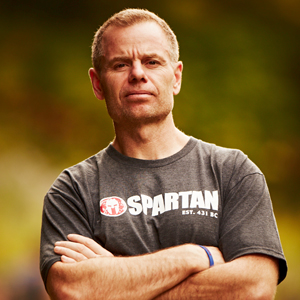
[00:10:55] Ray Latif: All right. A lot of food and beverage entrepreneurs are refugees from other careers who get into the business because they're seeking nutrition for their extreme sports activities. Well, guess what? Some of the founders of these extreme sports, like Joe Desina, a former Wall Street trader who pushed himself so far athletically when he wasn't at his desk that he decided he needed to start his own league in order to satisfy his goals. Jeffrey Klineman, who's the editor-in-chief of BevNET and Project Nosh, recently met with Ticina to discuss his creation, Spartan, the world's largest obstacle race and endurance brand. Spartan runs more than 200 grueling races a year. It's got a television contract with NBC and has become a fitness and lifestyle movement that's attractive to participants and sponsors alike.
[00:11:42] Foods Market: I'm Jeffrey Klineman, editor-in-chief of BevNET, and I'm here for Taste Radio with Joe DeSena, the CEO and founder As Spartan Race're going to talk a little bit about some of the advances that the company's made over the years and what accounts for its popularity. So, Joe, tell me As Spartan is.
[00:12:07] Joe De: Yeah, I just want to let the audience know that I have two earphones in at this point. I'm listening to a conference call talking to you and we're in a gym all at the same time because that's what it's like running this business.
[00:12:18] Foods Market: And I believe that's what it was like for the original Spartan Race well.
[00:12:21] Joe De: That's right. Yeah, right. Hike a hundred miles with your sword and shield and then go to battle with minimal food and water. Really short iPhone batteries too. Yeah, they didn't have beverages back then. Spartan is three miles that'll transform your life forever. So it's our shortest distance race is three miles. Then we've got an eight miler. We've got a 13 miler. We call it a beast, which is a half marathon. We've got the ultra beast, which is a full marathon. We've got the agogi, which is 72 hours. We introduce people to themselves.
[00:12:56] Foods Market: What kind of person does this kind of experience appeal to?
[00:13:01] Joe De: You know what, we've got 72-year-olds, we've got 7-year-olds, big, small, 42 countries, doesn't matter the culture. This appeals to human beings. We have not tested it on Mars yet, but anywhere on this planet, people want to sweat, they want to get grounded back to the Earth. They want to find out what they're made of. And so, you know, there might be certain people attracted to hockey, certain people attract the basketball. Everyone is attracted to being, you know, acting like a human and like living and pushing limits.
[00:13:34] Foods Market: And that's, that's what we do. But you're marketing basically people inflicting a certain amount of pain and discomfort on themselves in ways that haven't been novel for a long time. So what are they looking for?
[00:13:51] Joe De: So I would argue, and maybe I'm making your argument for you, in the first world we learn helplessness, right? So like these technological advancements, indoor plumbing, climate control, this beautiful gym we're in, sounds like they've got some sense in here, right? All these wonderful things. It smells wonderful in this gym. And so I think the pendulum swung too far, and people are not feeling as good with all these things, even this wonderful smelling gym. And actually, when they strip some of those things away, and they feel a little discomfort and a little pain, because we're meant to feel those things, right? You feel alive. It feels really good. So when you talk about the imagery and the videos and the things people see, I think deep down inside, it appeals to all of us.
[00:14:44] Foods Market: So, tell us how your extreme fitness practice evolved, because you're a consumer as well as a provider.
[00:14:54] Joe De: I always felt alive because, again, I was working with my hands from a very young age at 12 years old. I lost that feeling when I landed on Wall Street. I wasn't working with my hands anymore. I was making a lot more money. I was feeling like I was on top of the world because of the people I was mingling with, right? But I didn't feel good physically and mentally. And the elevator was busted one day in our building, and I had to take the stairs. No big deal. And I'm in the stairs, and I run into this guy who's a fitness model. He's on the cover of Men's Health, really good-looking guy, jacked, six-pack, the whole thing. He's carrying dumbbells, walking up and down the stairs, which was something I hadn't considered, right? Because the kind of work I did was brickwork and cementwork and all those things. I didn't have to carry dumbbells up and down the stairs, I carried bricks, right? So I was intrigued, and we started talking to each other, and he said, you know what, meet me. 6 a.m., I work out every morning, and so I started meeting him. I was hooked. But I think the reason I got hooked was if you back up 20 years from that moment, my mother was into health and wellness and yoga and meditation. She had met a guru when I was five years old, but I thought she was crazy because 1970s in Queens, that was just not normal. And so I didn't buy into anything my mother was trying to preach and teach about fitness and health and wellness. mental well-being, but you gotta meet people where they are, and I happened to meet that guy in the stairs who looked good. and that was the trigger that maybe had me accept all those things my mother was pushing.
[00:16:30] Foods Market: What was the building?
[00:16:31] Joe De: Where was it? 280 Park Avenue South. Oh, okay. It was 32 floors, 14 steps per floor, and that became my gym, that stairwell.
[00:16:43] Foods Market: That's funny, I used to run the stairs on 33rd and 3rd. Oh, nice. In Lawrence Town. I was 22nd and Park. That's really funny.
[00:16:52] Joe De: Yeah.
[00:16:53] Foods Market: So you start running stairs and soon you're running marathons and... Ultra marathons and going across Alaska and you name it.
[00:17:04] Joe De: I signed up for every possible race known to mankind that I could do. As long as it was dubbed impossible, I wanted in. And how's this affecting your trading career? It definitely hurt our business financially because whenever a business person is not really on top of their game and overseeing the people and keeping everybody motivated and on track, things hurt. But I felt great physically and mentally. So you don't get everything in life, right? When you're really succeeding at one thing, there's a couple of things that are being sacrificed. And so health and wellness was at the top of my list, but some of the other things were definitely falling off.
[00:17:44] Foods Market: And when do you say to yourself, well, I need to monetize what I'm doing?
[00:17:49] Joe De: Well, I was an entrepreneur from a young age. Again, I started running my own business at like 12 years old, 11, 12 years old. So I naturally see a business in everything I do. And I've got to actually slap myself and say, no, you're not doing this. And so running around and doing these events and falling in love with them and feeling great, I wanted to to have a business that did this. And so I bought the URL in 2000 called PEAK, P-E-A-K.com and paid a fortune for it, overpaid. And my idea was, could I put 50,000 people together that were crazy, that would climb Mount Everest, that would run across the Sahara desert? I figured there were about 50,000 of them that would do, that would meditate for 30 days straight, right? Just really, movers and shakers in health and wellness. And I had fits and starts. I tried to do it. I couldn't get it right. I couldn't get it to work. And for about a decade from 2000, from the time I bought that URL to 2010, I bled and I lost a ton of money putting on events, trying to recruit these crazies. And in 2010, 2009, 2010, I had the idea to lower the distances of the things I was doing, to lower the threshold. Because you were doing death races. Death race, adventure races, 350 miles long, crazy stuff. And it was just... Although it was appealing to me and a couple of people, it just wasn't for the masses. And I just couldn't get it to work. So I was going to lower the threshold 2009-2010. We were going to gamify it a bit by adding military-style obstacles, which seemed to appeal to people, or at least that's where I was making the bet.
[00:19:39] Foods Market: How much did you fear that you were diluting your message? I mean, so you're an entrepreneur, you've worked in this hardcore stuff for a long time. A lot of guys and women get sort of wedded to their core premise. So for you, it's we're going to beat the crap out of people, we're going to make them bleed, and then they're going to feel alive. Was there a concern on your part that you're diluting the message?
[00:20:07] Joe De: Yeah, that dissonance was going on in my brain for a decade. Because in 2009, I didn't have the idea. I had had the idea the whole time, but I just couldn't get myself to do it. So to your point, I fought myself on this. And in 2009, sitting at my in-laws' house at Thanksgiving, because I just can't sit still, I came around to finally succumbing to the You know, mentally, that's where we were supposed to go, but my heart couldn't get there. My emotion couldn't get there, right?
[00:20:40] Foods Market: And just out of curiosity, when you made that switch, was it easier than you thought it should have been?
[00:20:48] Joe De: 700 people showed up to the first event. And it was like, oh my God, I thought I knew what the market wanted. Yeah. Right? I was trying to make the market accept my thing, but actually the market wanted something different than what I was producing, and so I pivoted, and then 1,500 people showed up, and then 3,000 people showed up, and now we have a million participants per year entering 200 plus events in 40 countries, so clearly the market was smarter than I was. Now, before you ask that question, The thing that gave me solace, that got me okay with this, was the name, right? Spartan is such a badass name. And so, you know, if we had a silly name associated with it, if it wasn't going to be a sport, if we weren't timing people, I just couldn't do it. But by putting those roadblocks in place, you know, those guardrails, I felt good about it.
[00:21:52] Foods Market: So let's talk about how you've managed to scale this thing. into 200-something events, a million people. What are the elements of running a business, this sort of widespread event-driven, and how do you figure out what you want to focus on revenue-wise?
[00:22:12] Joe De: I don't even know how we got to where we are. It's really unbelievable to me that we made such leaps and bounds to get to this place where I can go to an event in Hong Kong or Brazil, and I am just blown away at how well they're, I mean, they're, 10X what we put on ourselves back in 2010, right? If you go to anywhere in the world. And so I'm just blown away. And ultimately it's going to sound cliche, but it's the team. I mean, we've got an incredible team and we're really lucky because the brand attracts people that bleed for it, right? So like, it's not, I was going to say, it's not the money that we pay people because we don't pay people very much money. But in the early days, people worked for free because we didn't have the capital to go very far. But they believed in the mission. We want to change 100 million lives. And so there are people that will bleed for this brand. So it could be 11 o'clock at night, and they're set in a course, and it's pouring rain. They're not done till it's perfect. By the way, I never sent that message, right? I didn't teach our team that. Our team just took on that responsibility and act that way. So from a product standpoint, 100% it's the team. We got really lucky. The brand attracts amazing people and they crush it. The second part of that question was,
[00:23:34] Foods Market: How do you determine what your core revenue source should be in something that's event-driven, participation-driven, sponsorship-driven? There's so many possibilities and so many places where you can devote your energies and have it be too shallow.
[00:23:54] Joe De: Yeah. So for me, again, this had to be authentic. It had to be legit if I was going to be involved with it. And so like Warren Buffett says, you got to build a moat around your brand. And so we're lucky because I'm doing this from a really authentic place. This wasn't a business plan that was pumped out at Harvard. And we sat around and said, how are we going to make money? This was like a passion project. So that part, is easy, right? I think people recognize, consumers recognize that we're authentic. As far as where to focus our time on what potential revenue sources, ultimately, I want this to be a lifestyle brand. If I want to change 100 million lives, I've got to change lives of the people that don't do the races, that are sitting on the couch, but somehow get our message and get motivated and throw on sneakers and get outside. It's a bit like Nike, right? it's even deeper than Nike because we actually put people out on a course, right? Like Nike's selling something a little more superficial, not like they do a lot better than we do, but you get the point.
[00:25:00] Foods Market: Like this is- Yeah, you're selling an experience and they're selling the equipment for the experience. Yeah. The big question that I wanted to ask you though is when you look at this and you look at CrossFit, and you look at the November project, and you look at these sort of participatory extreme sports, are you all still building a category together, or are you all in competition with each other?
[00:25:32] Joe De: Well, listen, on any given weekend, people have so many hours, so if there's other events going on, we're in competition in that respect. But I think we're building a category. Again, I think back to the 1970s, where my mother was introducing a lot of these activities and principles, and no one was doing them. I mean, people weren't even running marathons. It was very early days. Yeah, it was the start of Nike. It was the very beginning. So I think together we are building this category of like bodyweight exercises. And who cares if it's raining? You're not going to drown. Get outside and just being active. So in that sense, we're all working together. But from an event perspective, the reality is I'm in competition with anybody that has an event going on that weekend. Sure. Because I want them with us.
[00:26:17] Foods Market: Sure. So it's a delicate idea of building the lifestyle and searching for participants in that lifestyle, and then making sure that you own those participants afterwards for their events. Yeah. This is a battle all day every day. So tell us about the way brands should think about reaching this group of people.
[00:26:40] Joe De: So if a brand wanted to reach this group of people, the most obvious, or maybe it's not so obvious way, is through stories. Like we are a storytelling machine. And those stories are typically transformational. And so brands would have to align with us and create content that we can then push out together to either our audience or an expanded audience. So, you know, the old days of being at an event and having a booth in the festival area are just not as effective as telling stories. I mean, I was just telling you, Apple is using us to tell stories, right? And so the number one brand, arguably the number one brand in the world finds value in taking our story and sharing that with the world.
[00:27:30] Foods Market: Yeah, so you'd like to see brands then that are fueling racers?
[00:27:37] Joe De: Well, I mean, listen, taking back what I just said, The other beautiful thing about our product, our experience is if you and I were racing and we're seven miles in and we are thirsty and we had just climbed a mountain and smart water is sitting, smart water just saved our lives. Certainly. Right? Consciously and subconsciously that becomes our water of choice. But the problem for these brands is I need 3 million bottles of smart water. Like, I've got a million participants. They're going to drink three, like, right? Like, so it's hard to activate at our scale.
[00:28:15] Foods Market: Yeah. And what are your nutritional requirements?
[00:28:19] Joe De: I'm very particular. My investors want to kill me. Everybody wants to kill me. NBC wants to kill me because I am, like, if I had my way, it would be celery and water. So I'm really particular, probably the way Whole Foods is particular about the stuff they sell. And I'm just not going to. We could take the money. We they knock on our door every week. The guys that have stuff that I just don't believe in. And so it's got to be healthy. It's got to be natural. Right. Or I'm not interested. And I just wouldn't feel good. I just wouldn't feel good. I wouldn't feel good about myself if I made a bunch of money with this business and there were a bunch of people sicker because of it. So if I'm not getting people healthier, I'm not doing it.
[00:29:05] Foods Market: Right. And so that leaves... a good number of brands on the sidelines. Well, it's interesting. And opportunities for the right brands to align.
[00:29:17] Joe De: It's interesting, right? Because some really smart people that I stay in touch with from my Wall Street days have said, Joe, actually, you shouldn't rule out the big guys. You shouldn't rule out McDonald's. Or you have an opportunity and an obligation to talk to some of these big guys and actually change them. Right? Because think about it. McDonald's will actually have more impact on getting people healthy than a small startup brand will if they make some changes, right? Because they've got the reach and the distribution and then the customer base. So I think we have, I think we got to get after these small brands and help them, prop them up because they're doing great things. But I think we also have to talk to the big guys that are a bit analog and have been around for a long time and fat and happy.
[00:30:01] Foods Market: And who are good at building scale. Yeah. You don't have a Super Bowl ad budget yet. But I've been, we've had a Super Bowl ad, believe it or not, but I don't have a Super Bowl ad budget. What is your Super Bowl ad if you had the budget? That's a great question.
[00:30:19] Joe De: I think if we had the budget, I would have... I don't know if I want to give this away to your listeners, because I think they'll steal my idea. I got a really good idea, so maybe I should wait until we have the budget. But I've been playing around with some really fun ideas, steeped in this idea of celery and water and healthy eating and just being completely contrary to consumerism and all the things that we are as a culture.
[00:30:49] Foods Market: So let's talk about Contrary, and I thought of this as I was waiting for you. So we're sitting in this beautiful smelling gym at the Intercontinental in downtown Boston. And I think it's probably the kind of place that most of your race participants don't imagine... That I would ever be at. You would be working out in. So how do you stay... How do I reconcile As Spartan fit in this kind of setting?
[00:31:22] Joe De: Well, our office happens to be right across the street, and this hotel is awesome in the sense that they gave us a rate that we just couldn't say no to. The thing As Spartan is it gets you into any boardroom anywhere. Even the most least likely Spartans want to talk As Spartan. Intercontinental's been awesome to us, but you're right, it's a little fancy here for our image and what our brand stands for.
[00:31:46] Foods Market: Still, when the Spartans would win the battle, they would certainly enjoy the spoils, right? They would. They would. I don't know if they'd ever go to an Intercontinental. I hear there's a great buffet.
[00:32:02] Joe De: Yeah. So, no, it's great for me because I have meeting after meeting after meeting in a place like this, and then I get to come up in the gym and do some pull-ups and do some things. But I guess our audience would prefer to see me sleeping in a tent outside the office. We actually got in trouble because we were sleeping in the office, and we have an HR department now. None of that's allowed to happen, so I had to take a hotel room.
[00:32:24] Foods Market: Yeah, the Spartans never had to deal with HR. They didn't have to deal with HR. So Patagonia started making its own food and beverage. Are you guys going to do that?
[00:32:33] Joe De: I would love to. I would love to. If anybody out there is listening and have stringent rules and guardrails like I do, I'd love to collaborate.
[00:32:42] Foods Market: Spartan chow?
[00:32:43] Joe De: Yeah, well, the Spartans only had black soup. Like, you could eat anything you wanted as long as it was black soup. It was brine, like pig's knuckles. It was barley. So I'm not suggesting we do that, but it is gonna be very basic.
[00:32:59] Foods Market: All right. All right. Joe, thanks so much for joining us here on Taste Radio. Thanks for having me.
[00:33:06] Ray Latif: All right, and we're now joined by Jeffrey Klineman, the editor-in-chief of DevNet and Project Nosh. Jeff, thanks so much for joining us. Thanks for having me here, Ray. So Joe, a pretty intense guy, he had a vision and it took him 10 years to actually realize that that vision wasn't going to work for the company.
[00:33:22] Foods Market: It was working, but it wasn't getting the kind of draw that's going to power a movement. It's interesting. You see stories about the death races that they were having up at this massive compound in Vermont. And it was terrifying and really titillating at the same time to see these people just going through these 24-hour, 48-hour survival marches. But that's not really for you or me. And it kind of parallels the journey that a lot of the food and beverage entrepreneurs, work with in that they come in with this really pure idea of what they want to do. And sometimes it's too perfect for the audience that they could ultimately reach. And they have to figure out where they want to, not break, but where they want to bend a little bit in order to do the greatest good.
[00:34:34] Ray Latif: Right. And a death race doesn't necessarily lend itself to a lifestyle brand.
[00:34:40] Foods Market: Not at all.
[00:34:41] Ray Latif: And, you know, and Joe talked openly, he talked about that wanting Spartan to be a lifestyle brand. It already has a nutrition and lifestyle component, but how does he reach a broader audience at this point? Absolutely.
[00:34:54] Foods Market: It's interesting because now he's in this mode where he's got a TV contract, where it's enough of a sport now where they're starting to draw sponsorship offers from brands that traditionally would want to sponsor a sporting event. And for a guy who, as we heard repeatedly, wants to be sponsored by celery and water, there have been some changes in the way that the company is funded, in that they recently signed a deal with Body Armor, a sports drink, and they've had a long-standing relationship with GT's Kombucha and Cliff Bar. They also brought on FitAid, which is a lifestyle beverage that really caters to both CrossFitters and other extreme sports athletes. The point is that he's finding the right kinds of celery and water brands to team up with. It just remains to be seen how many of them are really out there that can continue to support the platform's growth.
[00:36:10] Ray Latif: And we've talked a few times on this podcast about creating an experiential moment for consumers. And Joe had said the old days of being at an event and having a booth in the festival area are just not as effective as telling stories, which I thought was a notable part of the interview.
[00:36:25] Foods Market: Yeah, absolutely. And he actually creates a compelling story for a brand in the interview we had when he's talking about, you know, having thousands As Spartan Race run up the side of a mountain and having a million bottles of smart water there for them. I mean, I can't think of a more compelling piece of Brad Avery. So if you're out there and you've got a million bottles of something to rain down, on a bunch of really thirsty extreme athletes, I'd suggest you give Joe a call.
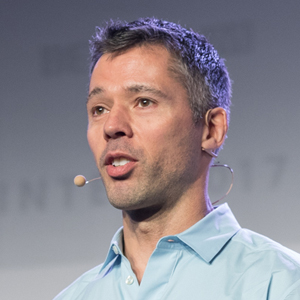
[00:37:01] Ray Latif: Yeah. If you have a million bottles and they're filled with celery and maybe a little bit of water, you're good to go. Yeah. I mean, Whole Foods was charging a lot for that a while back. Good point, Jeff. Well done. All right. That was a great interview and I really appreciate you taking the time to be with us and look forward to talking to you again soon. Thanks a lot, Ray. So as brands like Spartan Race cultural counterparts, CrossFit and Tough Mudder have emerged, their participants and active consumers as a whole have increasingly sought convenient sources of nutrition and hydration. Noon, a fast growing maker of hydration tablets and powders, has become part of routines for many athletes, drawn by the product's portability and fast acting benefits. It's taken some time for the company, launched in 2004, to find its stride. Carol and Marty recently sat down with CEO Kevin Rutherford, who spoke about Noon's development as a company and brand and its approach to marketing and innovation.
[00:37:55] Carol Ortenberg: Carol here, and I'm joined with Martin from the BevNET side and Kevin Rutherford of Noon Hydration. Thanks so much for being with us today.
[00:38:02] Joe De: I am stoked to be here.
[00:38:05] Carol Ortenberg: Well, let's dive right into this. What is Noon?
[00:38:09] Joe De: What is Noon? Probably best known if you think of the format, it's an electrolyte effervescent tablet. Think of it as rapid or ultra hydration that really helps replenish what you sweat out. And that's how we started is through that active endurance space. It was targeted at long distance runners and triathletes.
[00:38:29] Carol Ortenberg: And when did the company start? Like how did it get its founding legs and come about?
[00:38:34] Joe De: So Noon started roughly 13 years ago. I definitely won't fall in the trap after seeing the documentary, The Founder, as I'm not the founder. I have the privilege of taking over as the CEO or self-proclaimed chief eternal optimist. But it started 13 years ago, and here's really what was happening on that and why it came about. At the time, if you go back 13 years ago, there were really few options when it came to sports strengths and hydration. The big ones that most people know, you know, Gatorade and I guess Powerade as well on the Coke side. And the founder at the time was working on a business case, doing his MBA, and he was also training for an Ironman. And he's like, there's got to be a different way. And so there was some research that came out from someone by the name of Dr. Stacey Sims, who I am now partner pretty closely with. And Stacey said, you need to separate your hydration from your fuel, meaning don't have all these carbohydrates and sugars in your drink because it's going to mess you up. And so that's how it started is what basically it's like sports drinks have it all wrong. And that really took off from there.
[00:39:42] Martín Caballero: You know, I think it's really interesting about Noon is you mentioned, you know, you guys are looking to disrupt the sports drink category, you know, deliver something that, that is not there currently, or, you know, wasn't there currently when, when you guys launched, how do you do that as, you know, in a category that is mostly ready to drink, obviously Gatorade is in the cooler, you guys are a, you know, supplement that is dissolved in water. How do you sort of go about breaking into that segment when you're in a completely different format than a lot of the established players in there?
[00:40:09] Joe De: Great question. It's not an easy path. You know, there are no shortcuts in business in my mind. And I think when you're disrupting a category that is mainly ready to drink, like almost entirely ready to drink, the odds are against you on disrupting. But we just felt like it was the right thing to do. You know, the product was designed for portability and athletes are on the move, right? And so for those of the folks that are listening that may not be familiar, it comes in a really condensed tube that you can fit into a back jersey pocket. So if you're going on a long bike ride, that was the mentality behind it. And a ready-to-drink, you can't do that. You can only carry so much fluid with you. So we really try to play off of the advantage of that. I'll tell you, you know, you also try to think of if Gatorade and ready to drink is this, then what can we do and push off of it where it's an advantage versus a disadvantage? Because there's clearly a disadvantage. You can't just grab it and drink it right away. You need another vessel to put it in. But the merchandising opportunities of this very condensed product is pretty interesting. You know, walk into an REI or a Whole Foods and you'll see quite frequently Noon is merchandised in several areas of the store. And the reason is just it's easy to do that. And so I think that's an advantage that Ready to Drink can't do. Sure. So a lot of it is get in front of the consumer through grassroots effort. It is a challenge because you have to constantly educate on the form because it's different. It's not quite as intuitive. But then also then get in store and find secondary merchandising that can help get incremental sales for the retailers. And when you show that, they get behind it. But it's definitely been a long road. Like think about it, it's 13 years in the making and it's now. were the number one product in sports specialty stores. I believe the number one hydration supplement in the natural stores across the country, but it took a long time to get there before that tipping point seems to have hit.
[00:42:08] Carol Ortenberg: It goes beyond the store though, right? When I have a Gatorade in my hand, not that that happens all the time, but if I have a Gatorade in my hand and I'm walking down the street, everyone sees me with that bottle in my hand. I'm making a statement about myself, who I am, and I'm kind of becoming a mini brand advocate. How do you achieve that when you have a product that doesn't get the spotlight like that between human to human connection?
[00:42:32] Joe De: Yeah, great question. One, I would say we thought about the bottle as a bit of a, you know, your personal uniform, because it's a statement of who you are, as I think I see a really cool swell bottle in your hand, right? So they're fashionable. They're fashionable, right? It's not a bad thing. And one of the things that we've done is we've given away tens of thousands of reusable water bottles. So we have got the vessel out there. We're not out there trying to be in the water bottle business, but we know that you need that and we do want people to reuse their water bottles. So that does exist. But if I were to step back, I would think about it this way. We started really through grassroots effort, and how do we do one-to-one marketing, getting to one-to-many. Today that's very commonly known as influencer marketing, but arguably we were probably pretty early adopters on this. And so how do we get people talking about it that are already raving fans, then creates more. And so it started that way. From there, in-store we talked about, and then from there, right, what can we do around getting on screen in everyone's everyday life? So the phone to the computer, like digital and getting scale. So those are the three tenets that we focus on, but that guerrilla warfare, if you will, one-to-one marketing or one-to-many over time is kind of the approach that we've taken.
[00:43:49] Carol Ortenberg: And you spend a lot of time on the road at events around the country. I imagine that's part of that strategy.
[00:43:56] Joe De: Yeah, for sure. You know, to be fortunate to be the face of the brand, I live and walk the talk in terms of, you know, we're on a mission to inspire everyone to move more and hydration is a key tool to help you do that. So as an example, you know, I was just in New York this week and we did two ridiculously crazy early and tough classes while we were there. So try to keep the routine, share the brand, live the brand, spread the love. And then that word of mouth continues. So I meet with retailers, I go to major events, probably two out of four weeks a month.
[00:44:32] Martín Caballero: What are you hearing when you're at these events? What are you hearing from the core users, the real fitness enthusiasts, the people who are running marathons and sort of a lot of strenuous activity? What are they telling you about what they're responding to from the brand and maybe what they'd like to see maybe in terms of innovation further down the line?
[00:44:51] Joe De: So here's what we're hearing is, I'll start even with an anecdote that happened this week in New York. something's changing in terms of the receptiveness of Noon. It was a real feel good moment this week is on, I think it was three different occasions. We were in meetings, whether it was in a restaurant or a coffee shop. And so Noon was sitting on the table and we'd have people come up to us and say, wait, are you with Noon? And then we would tell them and they would tell us what raving fans they are by saying,
[00:45:20] Carol Ortenberg: I love noon. You only paid them how much to do that?
[00:45:24] Joe De: Well, it was all in Canadian dollars.
[00:45:26] Carol Ortenberg: Oh, okay. There we go. Loonies.
[00:45:27] Joe De: Loonies. It was in loonies, for sure. But really not much. Just kidding for my Canadian friends. I am Canadian.
[00:45:34] Carol Ortenberg: Just some maple syrup you had to pay them. I'm Canadian as well, so this is some shared love.
[00:45:39] Joe De: Well played. So that love is interesting that's happening. But what I would say is this, is consumers are looking for a better way. What ends up happening is as you start in exploring and pushing yourself in an active lifestyle, you'll realize that the old way is really disruptive, almost, if you will, or upsetting to your stomach. Gut health, as we've heard a lot of, and as I have my kombucha right here, is becoming very important in the active lifestyle space. So they're looking for that and Noon is so easy on your stomach that I think that's where we're seeing a lot of love. What they'd really love to see us do differently or more of or something different, they're asking us almost to enter new categories that they're used to. We get it around bars, like think energy bars. We get it around like gels, right? And can you do anything around that? to date that we've stayed hyper-focused on hydration. So I think they're stoked about what we're giving them. They're saying, now can you serve some of these other needs within the sport environment?
[00:46:46] Martín Caballero: Sure. Well, we've seen a little bit of that already. I mean, you guys do energy as well. sort of daily vitamins and stuff like that. So there seems like there has been a little bit of movement in sort of that general area. That's true.
[00:46:57] Joe De: So when they ask, they go very sports, kind of sports specific. When we look at it, we think of what are the other day parts that you need? What do you need to fulfill? So when you think of the vitamin product or the energy product, those aren't necessarily for those in motion. It's more about daily health. Right. And noon can really be a part of your life every single day at many different points. And it's growing up at this point to really be about like events, races, training. And you're right. And vitamins, the vitamin product that we have continues to surge. The energy product, both of those are growing faster than the based noon product that's out there that we started with.
[00:47:36] Carol Ortenberg: I want to touch upon this idea of consumer feedback. First, how do you know when to say no? How do you know when to stay laser focused on one form factor, not to rush other categories? Because that's a hard thing to do sometimes when a retailer or a consumer is asking to say, I get that this is what you want, but it's not in the best interest of the business.
[00:47:58] Joe De: I don't know if I have a magical answer to say this is when you know. I'd probably be lying if I said, oh, come on, please, people, you know. Because we struggle with it all the time. You're right. Retailers are asking us for some of these products saying, guys, just do this, do one of these, and we'll take it. For us, it's a balance of speed to market, innovate, expansion, but while not adding too much complexity to the business. And that's more my biggest concern is I just don't want us to add too much complexity too fast, because I've seen brands spread themselves so thin, they don't stand for anything at the end of the day. And which is part of the reason why everything we've done, even including the energy and the vitamins product we talked about is all through the hydration lens, as opposed to going to food.
[00:48:46] Carol Ortenberg: I think the other part of that consumer feedback is I could imagine that athletes are very focused on themselves and their training is very personalized to what they themselves need. So how do you figure out if this is something that's catering to the individual or is really something that has the momentum to cater to the masses in a crowd?
[00:49:06] Joe De: I think we started catering to that individual that has personalized goals, as you said, you know, that endurance athlete is spending a lot of time by themselves. That includes me running and swimming and biking. That being said, you know, if you were to look at some of the most research terms or questions on Google within the space of hydration, People are going to say, how much water should I drink? How should I drink it? When should I drink it? It's a universal need. And to bridge that gap of starting with almost the torture test of an individual that's pushing their body and then saying, if it's good enough for them, this is going to be good enough for you, Jane and Joe out there. So like the massive opportunity is there. And so what we found is when we really work with and treat our raving fans with love and gratitude, they spread that and it becomes much more of a movement. In case an example, I think what I would share is this is When you look at Noon, if you go look at the hashtag NoonLife, which is made up, well, we generated it originally, but it's really consumer-generated content, there's well over 100,000 posts on this hashtag alone on Instagram. And to me, if you look at it, it's all about what I or we high five accomplished, and you'll see a lot of team and individual. So there's this sharing of, I've learned this. I want you to know this too. I want you to accomplish your personal best. And I think that's where the viral part has really started to kick in.
[00:50:40] Martín Caballero: With that, you know, the viral part of it and sort of the, you know, natural organic growth that you've had, you know, how much do you think of that is because it's, it's a tablet that dissolves. It has a little bit of a different flair to it. It has a visual element. It's not just a drink that you're, you know, putting back.
[00:50:57] Joe De: I think from a product attribute perspective, I think there's two things that are driving the new love, if you will. I think one is exactly what you just said. I think the form is very differentiating. Emotively, it's almost uplifting, right? Because you've got this thing bubbling and fizzing. And so it's an experience. There's something about that. I think the other thing is what we hear a lot is it's how it made me feel, right? And you feel the difference when you have Noon because it's optimized for you to not have muscle fatigue. It's optimized to reduce things like cramps, which can apply, by the way, to anybody. And people just feel differently. So when you combine this attribute and then how I feel, I think those are the two things from just a pure product standpoint where I think that love and experience is thoroughly taken off. For sure.
[00:51:48] Carol Ortenberg: So when we were getting ready for this interview, I was talking to our editor in chief, Jeff, and he told me a little secret that I don't know how big a secret it is that you are a big fan of Sun bum, the sort of a skincare sunscreen brand. I have to know what makes them a brand you look up to and a brand you really want to emulate and how they handle their business. I mean, besides the fact they have a really fun name and a cute monkey.
[00:52:16] Joe De: Cute monkey, fun name, great packaging. I'll say this. The thing that hit me about Sun Bomb is they, at least the way I see it, I don't know if they would agree with it because I haven't talked to them about it, but I will say this. When I discovered it, I actually think it was in a surf shop. But when I discovered it, and then I've seen it multiple times post that, they treat the brand like it's a lifestyle apparel brand, yet it's a consumable good. And very few consumable goods have pulled that off so simply. And you know what it is right away. I love the spirit of the brand. It's fun. It doesn't take itself too seriously. Yet it's quality ingredients, quality product. I just think the potential is just so massive. And I connected with it from the moment I saw it. Maybe I just want to be a beach bum.
[00:53:07] Carol Ortenberg: Maybe in the next career, next life.
[00:53:08] Joe De: There we go.
[00:53:09] Carol Ortenberg: There we go. I think one of the struggles for brands though, especially when you're young, is figuring out what lifestyle you cater to early on. So there are brands that have told me, oh, I thought I was a functional health brand, but then I realized it was more of a beauty brand, right? In terms of improving the way you look. How do you figure out what that lifestyle is that you should be appealing to when you yourself are trying to figure out who you are as a brand.
[00:53:35] Joe De: Yeah. I think the biggest miss in my mind that happens to a lot of companies is they forget that the biggest raving fans of a brand is your own employees and your own team. And when you look at Noon as an example, everybody at Noon, every single person embraces an active lifestyle. every single person. And so when you think of that, when we start developing our innovation and where we want to go, right, and when we develop our communication strategy and how we want to communicate it, it's always through this active lifestyle lens. And not unlike other companies, when we're in conference rooms and thinking this through, there's a lot of challenges saying, but what about the people that aren't active, right? Like, how are we going to talk to them? And my comment is we should be true to who we are, and that's what will make us aspirational, hopefully, and hopefully inspire other people to follow along, because we think it's the right thing to do. I recently spoke at a conference, actually it was with our friends over at Coke, and they asked if I could speak on culture. And here was the question that somebody asked me in the Q&A and it caught me off guard. And they said, how do you make sure that your company isn't seen like a cult? I laughed and said, I'd never really thought about that. Well, here's what I would say is if a cult is defined by it's something that you're passionate about, you live by, it's like it's work life integration and it's constantly on your mind. I go, we might be a cult. And I go, I really didn't define it that way before. And I said, maybe that's what we are.
[00:55:18] Carol Ortenberg: That's an interesting point. And actually, I just saw a debate on LinkedIn about this in that a recruiter was saying, you know, I'm tired of companies saying, you know, this person's not the right cultural fit or they're too different so they can't work here. Her argument was that by bringing in people who are different, you're encouraging a wide range of points of view in your meetings or discussions or marketing campaigns. So if you have all these people who lead active lives and are similar, how do you make sure you still have that diversity of thought that you need to succeed? Or do you not even need diversity of thought?
[00:55:52] Joe De: Well, I think you need diversity of thought, but it shouldn't be inconsistent with your mission and what you believe as a company. And I think that's where it gets confused, right? So I believe that moving is really not that important. I hope for the day where you can just pop a pill and do that. It's like hiring someone like that would be very counter to the culture of Noon, right? And that would be inconsistent with what we believe. However, you can get diversity through different backgrounds in terms of where they've worked, gender, ethnicity, you know, there's extrovert versus introvert. So I think you can get that, but the fundamental beliefs and the mission everyone has to believe in. And I really think that's the danger is people go, well, they don't have to necessarily believe that. No, no, no, no, no. They do because this is what we're about and we're going to live, eat, and breathe this. By the way, Carol, you think very differently on your approach to that or you have very different perspectives on many things than I do. And that's going to add a lot of value. And I think that's where you get your diversity. I truly believe you need to all be at one, team first, team united on what's the future state of the world that we want to create.
[00:57:04] Martín Caballero: On a personal level, is there anything that you see out there that sort of stokes your competitive fire or anything that you see that, you know, with or without naming names, you know, another company that's doing something that is okay, that's something that we can compete with or we can shoot for or is sort of motivating you to push that innovation pipeline further and keep growing?
[00:57:25] Joe De: I would say in like in the sport nutrition world, maybe more specifically.
[00:57:29] Martín Caballero: Exactly.
[00:57:30] Joe De: Yeah. So if I were to say if there was a company that I would admire that we compete with, but is maybe a little more indirect, but somewhat would be Cliff Bar. So if Cliff, if you're listening, thanks for inspiring us. And here's why. I think they are very true to their mission. I believe they walk the talk. Here's what we're going to do. And I think they absolutely are trailblazers when it comes to quality of ingredients, the sourcing of the ingredients, the impact on the planet while doing good for humanity. And I'm a big believer in purpose-driven companies. I think you can do very well by doing good. And I think Cliff is a role model for that. And if we can grow up to be like Cliff one day, I think the world will be a better place and everyone will be pretty darn happy over at Noon.
[00:58:19] Carol Ortenberg: It sounds like they're pretty darn happy there now already that you've got a pretty copacetic team that really works well together and is helping push the company forward. We're excited to see what comes from the company and thank you so much for joining us here today.
[00:58:34] Ray Latif: Yeah, thanks for having me. It was awesome. Appreciate it. So as I mentioned, Noon first came to market 14 years ago. It was really when Kevin took the reins, the brand really started to take off. Chill dude.
[00:58:46] Carol Ortenberg: What's amazing about Kevin is while he's led the company to such success, he's incredibly modest. And if you ask him, he'll say that it's all thanks to the great team that he has working with him.
[00:58:56] Ray Latif: Yeah, Kevin spoke at BevNET Live Winter 2017 and gave a great presentation about company culture as a competitive advantage. And in this interview, he touched on the subject and noted, I think you need diversity of thought, but it shouldn't be inconsistent with your mission and what you believe as a company.
[00:59:13] Martín Caballero: Yeah, I think absolutely. That's really the tricky balance that every entrepreneur and CEO really, I think, wants to walk is getting those different opinions in, but not having such a too many cooks in the kitchen type situation where you're sort of being pulled away and distracted from what the main mission is. And I think we've clearly seen evidence that Kevin has done a great job with that. And I think his keen understanding of that is really what has helped Noon, as you mentioned, hit its stride maybe a little bit later, it's been able to sort of maintain that sort of long term trajectory because of attention to things like that. I think it makes a big difference.
[00:59:49] Carol Ortenberg: As we said, he really values the team and builds this strong community culture. But you're right. It does take someone leading the team and leading the pack when it comes to the long term vision for the company to make sure that that culture and team is able to succeed.
[01:00:05] Ray Latif: And from an innovation perspective, Kevin talked about how Noon's customers have asked the company to launch new formats like bars and gels. And while it stayed focused on tabs, Noon's expanded its line in ways that meet consumers at different day parts, including a new line that just launched last week.
[01:00:23] Martín Caballero: Yeah, I think the launch of the immunity line really fits in with a lot of trends that we're seeing overall in the beverage space. It really makes sense for them to sort of extend into different parts of the day where it's not just about maybe post-workout recovery or, you know, related to sort of fitness, this is something that you can work into your everyday consumption habits and really enjoy some of the great benefits. And, you know, I just think as a rule, you know, when your consumers are asking you for more products, they're asking you to get into gels and bars and different things, it's clearly an indication that they're responding and resonating with your brand and really trust your brand to go into other products that are outside of the core line.
[01:01:02] Ray Latif: Definitely. All right, great stuff, guys. Great interviews. And this brings us to the end of episode 103. Thank you so much to our sponsor, Ruby Rockets, a maker of delicious low-calorie and low-sugar frozen snacks. Thanks to our guests, Joe De Sena and Kevin Rutherford. Once again, for questions, comments, ideas for future podcasts, please send us an email to askatasteradio.com. On behalf of Mike, John, Jeff, Carol, and Marty, I'm Ray. We'll talk to you next time.