[00:00:00] SPEAKER_??: you you
[00:00:10] Ray Latif: Hey Taste Radio listener, applications are now open for the Chobani Incubator Spring 2019 class.
[00:00:17] John Craven: The Chobani Incubator is looking for startup companies who are taking on broken food systems to bring better food to more people.
[00:00:23] Ray Latif: And they provide a $25,000 equity-free investment to up to six companies, as well as access to their network and expertise to help you scale operations responsibly.
[00:00:32] John Craven: What's being offered is a carefully curated three-month program that dives deep into every aspect of your business. The program includes visits to Chobani facilities, meetings with top national retailers, and opportunities to pitch for more capital.
[00:00:45] Ray Latif: If you're ready to grow your startup with the Chobani Incubator team, head over to ChobaniIncubator.com to apply today.
[00:00:52] John Craven: Applications are open until January 31st, so don't procrastinate and good luck to all those who apply.
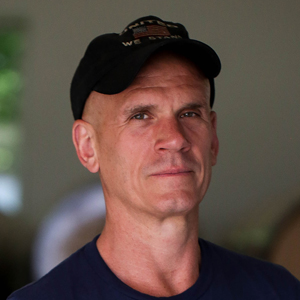
[00:00:57] Ray Latif: And now, Taste Radio. Hey everyone, I'm Ray Latif and you're listening to the Top Podcast for the food and beverage industry, Taste Radio. This is episode 144, which features an interview with Steve Grasse, the creator of iconic spirit brands, Sailor Jerry's Rum and Hendrick Gin. Tune in on Friday, January 11 for episode 16 of Taste Radio Insider, which features interviews with Madeleine Hayden, the founder and CEO of fast-growing creamer brand Nutpods, and Nicole Coogan, the gluten-free social media maven behind No Bread. Just a reminder to our listeners, if you like what you hear, please share the podcast with friends and colleagues. And of course, we'd love it if you could rate both Taste Radio and Taste Radio Insider on iTunes. It's challenging to keep up with Steve Grasse, the founder of Philadelphia-based creative agency Quaker City Mercantile, but it's certainly fun trying. During our interview, Steve, who burst onto the advertising scene three decades ago and made a career out of rejecting the status quo, was often hilarious, sometimes introspective, and occasionally crass and confounding. His personality seemed to reflect his approach to marketing and design, particularly in the spirits industry. Steve created the iconic Sailor Jerry's Rum and Hendrick Gin brands, each of which upended traditional branding and formulation for their respective categories and have since become standard-bearers on backbars and liquor shelves. Sailor Jerry's netted Steve a fortune when it was acquired by Spirits conglomerate William Grant & Sons in 2008, yet he wasn't content to sail off into the sunset. Far from it, he used the proceeds to launch boutique distilling projects Art in the Age and Tamworth Distilling, each of which take a quirky and historical approach to spirit making. In our conversation recorded at Quaker City headquarters, Steve revealed the roots of his perspective in branding and design and how he built Sailor Jerry's Rum and Hendrick from early concepts to best-selling brands. He also discussed Quaker City's work to revitalize Guinness and how he's maintained a filmmaking career despite making just one movie. All right, folks, it's Ray from Taste Radio, and I am in Philadelphia at the headquarters of Quaker City Mercantile with the founder of the company, that's Steve Grasse. Stephen, thank you so much for having me here.
[00:03:27] Steve Grasse: Thanks for coming down.
[00:03:29] Ray Latif: This is my first time in Philadelphia, true story. Really? Yeah.
[00:03:33] Steve Grasse: But you're from Boston.
[00:03:34] Ray Latif: Yeah. Bostonians, I think, stay away from Philadelphia. Not that I did it intentionally, but I'm just, you know.
[00:03:39] Steve Grasse: Well, we kind of stay away from Boston.
[00:03:42] Ray Latif: There you go. Well done. Yeah.
[00:03:44] Steve Grasse: Boston's not nearly as interesting as Philadelphia. Isn't Boston half the size of Philly? And what's interesting about Philly is much more diverse, has a lot more going on. Boston kind of sucks. Wow. Although my family came to Massachusetts Bay Colony in 1637.
[00:04:04] Ray Latif: Okay.
[00:04:05] Steve Grasse: And we're instrumental in founding the state of New Hampshire, served in the Continental Army, descendant of Franklin Pierce, president. So I have New England in my blood.
[00:04:15] Ray Latif: Okay. Well, I only thought I'd hear the Boston hating from a New Yorker, but you know, Philly, it's... Oh, come on.
[00:04:21] Steve Grasse: Everybody hates Boston. Everybody hates Boston.
[00:04:26] Ray Latif: Now, you are an ad man, or have been for a very, very long time.
[00:04:30] Steve Grasse: I don't like the term ad man. Okay. There's a famous book, I forget when it was written, I guess in the 60s, it says, don't tell my mother I work in advertising. She thinks I play piano in a whorehouse. So that's my view. When somebody says ad man, I'm like, oh God, no. I mean, back in the day, yes. But now, no.
[00:04:52] Ray Latif: So what do you do here at Quaker City Mercantile? I read somewhere that you said your company is a spirits company that does corporate gigs to pay for experimentation. Would you say that's an accurate representation of what you do?
[00:05:05] Steve Grasse: Yes. I mean, what we do corporately, this is our 30th. We're going into our 30th anniversary, 2019. We were founded in 1989. What we do is create spirits brands and we're really good at creating the worlds that go around those spirits brands in terms of like the brand worlds. And we work with all the big guys. And we're famous for hanging on to our clients for many years. We've been with William Grant and Sons for 24 years. The fees we make from that go to do ridiculous things like building our own distillery. And, you know, it takes a long time to grow spirits brands. So it's interesting. My mother's side of the family is from New England and they were Puritans. My father's side of the family is from Germans from Pennsylvania. Came to Philly in 1708. And the Mennonite side of the family does not believe in borrowing money. So we are steadfast and frugal and completely self-funded. So the corporate gigs pay for everything and we don't owe a dime to any bank. ever.
[00:06:10] Ray Latif: So how would your Puritan ancestors have felt about you as, I'm not going to use the word ad man, but creating ad campaigns for say the cigarette industry, which you did a long time ago.
[00:06:21] Steve Grasse: I think the Puritan side of the family would be very happy and joyous at me partaking in the spirits industry and the tobacco industry because they're both agricultural products. I think my Puritan side of the family and the Mennonite side of the family would be aghast at me working as an ad man.
[00:06:42] Ray Latif: Now in terms of, let's go back to how you founded the company. It was originally called Gyro Worldwide.
[00:06:52] SPEAKER_??: Yes.
[00:06:53] Ray Latif: You got a lot of attention doing some racy things, doing some things that were sort of outside the box for the advertising industry.
[00:06:59] Steve Grasse: I can't believe I got paid to do the things we got away with. What's that term in Hollywood, failing upward? Like, we didn't fail. We were very successful, but it was like, punking our clients. We have a book out called Virus that goes through the early days. We put it out at our 20th anniversary, so 10 years ago.
[00:07:23] Ray Latif: I saw the cover. It's crazy.
[00:07:25] Steve Grasse: Yeah, it's ridiculous, and it was a different time, and I'm glad the world changed. Well, I'm glad I was wise enough to change when the world changed. I mean, we had a lot of fun, and I can't believe we got away with it for as long as we did. When we sold Sailor Jerry, which we're coming up on the 10th anniversary of, we changed the name of the company to Quaker City Mercantile. We did this for two reasons. One, I wanted to be a different company and show a new level of maturity. But two, the funnier part of it is there was an agency in London called Gyro International. And they were, I guess they got bought by some private equity or something and they were going to grow internationally and they wanted to come to America. And they said, we can peacefully coexist, right? And I said, oh no, it's America, I'll sue your ass. So the dude ended up paying me a half a million dollars for my name, Gyro. And I gladly handed it over to him.
[00:08:23] Ray Latif: That was a good decision, I think.
[00:08:24] Steve Grasse: Because it didn't mean anything. You know, in the business that I was in, the name of your company didn't matter. Advertising didn't matter. What mattered is what you did for your clients. So I gladly changed the name. I also felt like we really wanted to But when we sold Sailor Jerry, I made more money in a single transaction than anything I had done in the previous 20 years of my career. And I was like, what the hell am I in advertising for? The day you win an account, you start to lose it. And you also work on products that you can't possibly believe in. I can't believe anyone working in pharmaceutical advertising actually gets up in the morning and says, yay, I'm selling opioid addiction. I can't imagine that. Although I'm not shitting on anyone who does that for a living, because I'm in a lucky position. I don't want to, anyway. Speak your mind, Steven. I'll backtrack. I just want to say I wanted the company to focus on something that we actually believed in. I mean, at the end of the day, what we're good at is coming up with stories, brand worlds, things with depth and layer and meaning. I'm sure we'll get into talking about Hendricks and Sailor Jerry, but that's what we did so well with those brands. And that's what we specialize in.
[00:09:43] Ray Latif: So let's talk about Sailor Jerry. You've mentioned the name a number of times. One of the top selling rum brands in the world. Originally a clothing line that you extended with a rum. And I'm curious about the creative process you took with both Sailor Jerry and Hendrix Gin, which you also created. How did you approach ideation and how did you go from vision to execution?
[00:10:07] Steve Grasse: Well, I'd say, you know, it's interesting because we started working for William Grant & Sons probably in 96 or 97.
[00:10:15] Ray Latif: You're working on other brands, other parts of the business?
[00:10:17] Steve Grasse: We started with them working on Glenfiddich.
[00:10:19] Ray Latif: Okay.
[00:10:21] Steve Grasse: We used to work with Paddington before they became Diageo.
[00:10:25] Ray Latif: Diageo, the global beer and spirits conglomerate.
[00:10:28] Steve Grasse: And we worked on Goldschlager. Remember Goldschlager?
[00:10:32] Ray Latif: Of course, yeah. I went to college.
[00:10:33] Steve Grasse: We did an ad that said, it just said, because plutonium schlager would kill you. And we also created Black House, which was a- That I'm not familiar with. Blackberry schnapps.
[00:10:49] Ray Latif: Okay, yeah, definitely not familiar with that.
[00:10:50] Steve Grasse: And we had a furry bikini clad warrior woman riding a grizzly bear. It was like a heavy metal poster. And it was ridiculous. But the guy we did that with left Paddington and went to Grants. And he called us and said, come over to Grants. So came over to Grants, did some work on Glenfiddich. And then he said, we need a rum and a gin in our portfolio. We had just started Sailor Jerry as a clothing company. And I thought, I'm going to get this guy to buy Sailor Jerry rum as a name, because that's going to help me sell more clothes. Lo and behold, he bought the idea. So we launched Sailor Jerry Rum and it was a total bomb. We launched it in Florida.
[00:11:41] Ray Latif: And what was the premise behind Sailor Jerry? I know.
[00:11:45] Steve Grasse: Well, I mean, okay, so the reason... There was a guy who worked here at the time who was into old-school tattoos, and he introduced me to Norman Staley Jerry Collins' artwork. And I was like, oh, this is really great, because I'm a big history buff, and it reminded me of American folk art as opposed to tough-guy West Coast choppers. You know, to me, it felt more like something from the Smithsonian than it did... So I identified with it. So we... reached out to Ed Hardy and Mike Malone, were the two tattoo artists that inherited Jerry's estate when he died, and we negotiated a deal to buy the estate. We, okay, so when it first came out, Sailor Jerry Rome came out, it was a bust. It didn't work because Grant's launched it the way they launched everything. So they actually, after a few months, said, it didn't work. We're going to give the brand back. We're just going to kill it. I'm like, shit. Well, just hold on.
[00:12:45] Ray Latif: What's that going to do to your clothing line?
[00:12:47] Steve Grasse: I know.
[00:12:48] Ray Latif: How am I going to sell more t-shirts? There you go.
[00:12:50] Steve Grasse: But what we did, and what's interesting too, because when I signed the deal with Grants, so I retained ownership of the brand, of the intellectual property. And I also said, uh, I have total creative control. Okay. So when we do a brand, we're not like an ad agency or a packaging design agency or a PR agency. We do everything. And we, we had started a sale, we had a clothing store. So when the brand launched in Florida, it didn't work, but then a couple of magic things happened. We kept plugging away at our marketing for the clothing. And we started selling a lot of clothes. We started getting the clothing brand into a lot of boutique clothing stores. We would always do this show in Vegas called Magic, which is a sportswear show. And we would always go and we'd have bands play and stuff like that. So the brand started taking off from the clothing perspective. We also owned a store, Sailor Jerry's store in Philly. And there was a guy working here at the time. He was useless in every respect, except he knew all the bands. So he worked at the store and he goes, hey, like, do you mind if Social Distortion stops by? I'm like, you know them? He goes, yeah. And they were like, hey, the Buzzcocks are coming by, do you mind? I'm like, hell yeah, bring them in. So they would come into the store and he would cleverly put bottles on the, like we didn't ever ask to pay them to endorse anything, right? So we would cleverly put bottles on the coffee table on the couch And invariably they'd sit down and we say, I just want to get your picture, hang on the wall. And they'd sit down and I'll pick up the bottles of rum. So it always looked like they were endorsing the brand.
[00:14:29] Ray Latif: Clever.
[00:14:30] Steve Grasse: And then we would give them a ton of product to put in the back of the van and drive to the next city. It's the kind of bands that stay in people's houses, right? They're not staying at the Four Seasons. So they would travel city to city. And the brand grew like this is before the internet. So this is 98, 99. And the brand grew virally. pure guerrilla style. And in the meantime, like all of our clothing stores around the country, we'd get them some cases of rum and they'd have parties in the store. So it really had this underground feel to it. The same time, Diageo was being formed. And they gobbled up Hugh Blind and Paddington and a few others. And in the process of Diageo being formed, a bunch of distributors that carried Captain Morgan suddenly lost Captain Morgan. So suddenly a lot of distributors were looking for a Captain Morgan replacement. Along comes Sailor Jerry, 92 proof for a buck more, it's 92 proof. Whereas Captain Morgan, I think is what, 80, right? So for a buck more, 92 proof, and it tastes better. And suddenly all these distributors who had lost out on their key moneymaker, Captain Morgan, were like, what do you got? So we were in the right place at the right time. And then we always say it's like you see in those old movies when the rock band is like down on their luck and then suddenly a DJ in South Dakota puts the record on and that's what literally happened to us in Madison, Wisconsin. For some reason, the brand took off in Madison, Wisconsin. And then it spread throughout the Rust Belt. It spread to the Dakotas. It spread to Minneapolis. Like, I've gotten in trouble for saying this before, but down on their luck place, it wasn't the Glamour Spots. We stayed out in New York.
[00:16:14] Ray Latif: It wasn't on the coast. It wasn't in New York.
[00:16:15] Steve Grasse: It wasn't LA, Miami. We were in the Rust Belt. We were in Michigan, Philly. People always say, what was the inspiration for Sailor Jerry? I'm like, if you've been to Philly, it's not like Boston, right? Philly's gritty and it's scuzzy, right? It's for the working man. It is. We don't have our tech and our Harvard. We actually work here, right? Engine of America.
[00:16:40] Ray Latif: Well, what's interesting is that it seemed like you had an idea for who the consumer for Sailor Jerry would be.
[00:16:47] Steve Grasse: We know exactly who our consumer is, but we look at them different. We create these, I wouldn't even say they're psychographics, they're like tribes. But those are the early adopters. So Sailor Jerry was like, you know, people that worked here. It was like people with tattoos and beards and now they're hipsters, but back then they were just Philly scumbags. Talk about the early days. We were going to tattoo conventions. We were doing house parties. And the weird thing is, okay, so the brand, like I had total creative control, which created friction with me and the head of grants. Because he was like, well, if you're not going to let me touch it, I'm not touching it either. They literally, grants put no money into the brand. So all the marketing was through the clothing. And what that did was it created this true sense of guerrilla authenticity. because it wasn't being rammed down your throat with billboards and television. That came later, that came after they bought it. But it was really a homegrown phenomenon. But what we didn't have, see a lot of startups have an issue of, which I found out when I started Art in the Age, when I actually created my own brand and had to order and make the product, was with grants making the product and distributing it, we didn't have that enormous cashflow issue. So when you're suddenly going from like 5,000 cases to the next year you're doing 30,000 cases, next year you're doing 60,000 cases, that would break the bank. You'd be borrowing money out the wazoo. It'd be terrifying. Grants took care of that. We took care of the brand, but we weren't talking to each other. So it was really an interesting thing. So this is the other weird thing about Sailor Jerry. It grew. I think we're still like 95% off-premise versus most brands grow in the on-premise. We grew on the off-premise because Grants wasn't doing anything with it. And the sales guys were selling a ton of it at the liquor store. And our consumer was learning about it through guerrilla events and word of mouth, and they'd go to a liquor store and buy it.
[00:19:02] Ray Latif: Steve, I had read that your hero growing up was a British visual artist named Malcolm McLaren. Who is that and why was he so influential to you?
[00:19:10] Steve Grasse: How do you not know who Malcolm McLaren is?
[00:19:12] Ray Latif: I don't know. Created the Sex Pistols, Bow Wow Wow. He created the- The bands. He created the bands.
[00:19:19] Steve Grasse: Yeah, he had a shop called Sex with, what's her name, designer Vivian Westwood.
[00:19:24] Ray Latif: Okay.
[00:19:24] Steve Grasse: They were at a shop together called Sex. And he thought it'd be good to start a band and he called it the Sex Pistols and he recruited Johnny Rodman and Sid Vicious to be in the band because they looked good. And he did the same with Bow Wow Wow and I think he had something to do with Adam Ant. It's not- him being a visual artist, it was interesting. It was more, I've always approached brands like bands. I'm really into music, and as a kid, bands got me excited. I hate sports. I hate sports. It's one of the reasons I don't like Boston. Sports aren't my thing, but bands, when I was a kid, and I was always thinking, nobody draws the name of a brand on their notebook. They draw the name of bands. Nobody gets a tattoo of a brand on their, you know what I mean? They do about bands. Why? Because bands create passion and excitement, and they're not always trying to sell you something, right? The content is what you're excited about, what the band makes, and you become part of their circle and their lives. And that's the way we approached The brands we created is they're really like bands.
[00:20:36] Ray Latif: Now, the bands have the music, but they also have the association of being famous, cool, whatever.
[00:20:42] Steve Grasse: Well, but they got famous because they created an identity that was visual, that was audible, and it was also visceral. And then they toured to get you to sign up and be part of their group. They didn't buy a TV commercial and say, Van Halen, right? They came out with something that caught on that you didn't have to pay for the advertisement. The advertisement was the song, but the song was an earworm that got into your head, right? So if you can create a brand that operates that way, And then he got something really powerful, and Sailor Jerry, boom. So was Hendrix, but Sailor Jerry was specifically that model.
[00:21:26] Ray Latif: Do you still think that way in terms of bands and brands?
[00:21:30] Steve Grasse: Yes. Yeah, and I think, you know, it's interesting, a lot of these... hipster Brooklyn brands that started in the 2000s aren't going to work because they all have the same graphic design, they all look the same, they all have the same story. There's nothing sticky about them. There's no mystery or arcane secret knowledge or it's all the same and they all have the same credentials. Again, you're an idiot if you don't keep learning from the stuff you do. So each time we do stuff, you learn from it. Yeah, exactly. People always say, how'd you make Sailor Jerry work? I'm like, we tried everything, but we never spent too much money doing anything. So if something worked, oh, do more of that. If something didn't work, we'd stop, but we hadn't spent a million bucks on it. And when opportunities came calling, The big change on Sailor Jerry happened when the head of Converse visited Dick Hain, who owns Urban Outfitters in Philly. Urban Outfitters is based in Philly. Boston doesn't have cool companies like that. Urban Outfitters is based in Philly. The head of Converse went to visit him and he said, you should really go down and check out Gyro. They have some cool stuff that might be good on your sneakers. And the head of Converse came down and we cut a deal right then and there to do Converse Sailor Jerry sneakers. Again, we had full creative control and we sold over a million pairs of shoes. By the end of the deal, we had done 20 different pairs of different designs of Converse. And that's what got us in all the magazines and got us tons of press, opened tons of doors. So we sold a lot of rum because we signed a sneaker deal. So just say yes to stuff, figure it out.
[00:23:22] Ray Latif: BevNET Live and Nosh Live are both in early registration mode. Plan ahead and save. Visit BevNetLive.com and NoshLive.com to get your tickets at the most budget-friendly price. Let's go back to Hendrix for a sec. What was the initial idea behind Hendrix? And then how did you create a concept around it?
[00:23:42] Steve Grasse: Okay, so again, this was in 97. Same week we got the brief for Sailor Jerry, we got the brief for Hendrix. And Sir Charles Gordon Grant, who passed about, I think, four years ago, he called and said, I want you to come see my djinn palace. And I'm like, what's the gin palace? And so I went to Girvan, Scotland. You know, it's where they make Grants blended. And in this tiny garage were these two anachronistic stills, a Bennett and a Carterhead still from the 1840s, I think. He had bought them at auction in the 50s. And he's like, it's time to do something with these. The idea was to create a gin. I looked at the stills and immediately thought, wow, this was like Jules Verne. So it's like a stream of consciousness with me, Jules Verne. Victorian apothecary, and then you sort of go from there. A lot of it was the tutorial about how gin is made as well. It's like, again, the naivety at my point at that point is 20 years ago. How do you make gin? Well, you put botanicals in this basket and it runs. Oh, you can put anything in there? Yeah, you can put anything in there. So I think a lot of it too with Hendrix was not knowing what couldn't be done or not even knowing what the norms were for gin. So the idea of putting it in glass that wasn't green or blue was blasphemous. We didn't know. When I got back to Philly, I sent my team on a mission to go find old apothecary bottles. And we found a small apothecary bottle, antique apothecary bottle, and I'm like, that's it. Blew it up to a 750 ml size, and that's what the bottle was. The bottle we found had dark green glass, so we kept the same bottle. You know, we did one label. That was the original label. It's the only label we did. The name Hendrix was arbitrary. That's the one thing that came from the client. I think they had that name. I don't know. I don't know. We've looked into whether there's a backstory, but I don't think there... They might dispute that. I don't think there is a backstory to the name.
[00:25:49] Ray Latif: Well, it's interesting enough because Hendrix, the name, I don't think sells as much as a gin as does the imagery and the dimension of the bottle. Again, it's all connected.
[00:25:58] Steve Grasse: I look at it and say, you're attracted to Hendrix. Chances are you're going to see it without the brand world, you're going to see the bottle first. The bottle's curious. Especially 20 years ago, it was freaking ridiculous, right? So you're attracted to the bottle, and then I think if you do see the Brad Avery, you're attracted to the Brad Avery. You might go to an event. The events are the Brad Avery come to life. And once you taste it, we got you, because the liquid's amazing. And the master distiller from Hendricks, Leslie Gracie, has also been on this from the very beginning. And I think it works that way where all the pieces come together. But if you think, the Hendrix liquid was differentiated from all London dries that were out there. So when we came out with Hendrix 20 years ago, we were the only gin to come from Scotland. We were the only gin to have a different flavor profile. So it was easier to stand out. Like I've often thought, could you do Hendrix again? The way the world's gotten with media and the fact that there are literally three or 400 gins a year coming out. And I think, again, we were at the right place at the right time because we were the first esoteric gin. I would say we were the first craft gin. And we were also at a time before the world was turned upside down by the internet.
[00:27:19] Ray Latif: Were folks in the industry surprised that you took that approach to the branding, you know, sort of whimsical, quirky, as opposed to the sort of refined approach that gin normally has?
[00:27:28] Steve Grasse: Well, what's funny is, again, we only did one focus group for this brand. We had a bunch of gin drinkers sit around a table put the bottle on the table and they all sat up immediately and said, we hate this. And the president of grants at the time, he said, did you see how they just sat up and reacted? I'm like, yep. And he goes, it's gonna be a hit. And I was like, very smart, because I think the way a lot of companies are run today, again, at the time, Grants was much more of a family-run company, and flying by the seat of his pants. Grants is still a family-run company, and they're a great client, but I think the spontaneity and the lack of intense research on this brand actually helped it. Again, it was a different time.
[00:28:21] Ray Latif: So if you had only sold, say, a hundred pairs of shoes.
[00:28:24] Steve Grasse: No, we wouldn't have.
[00:28:25] Ray Latif: No, you wouldn't. It wouldn't have mattered.
[00:28:26] Steve Grasse: We would have said, okay, well, but we didn't spend any money on it. What I'm saying is opportunities knocked and we answered.
[00:28:33] Ray Latif: So what's the opportunity for Tamworth Distilling? I mean, we haven't gotten into that yet. And that's, that's your baby. I mean, that is so much of that experimentation that we're talking about.
[00:28:41] Steve Grasse: It's one of my babies.
[00:28:42] Ray Latif: It's one of your babies. What's your biggest baby right now, right?
[00:28:46] Steve Grasse: Ah, it's the one that's costing all the money.
[00:28:50] Ray Latif: Tamworth is interesting because it's this distillery in New Hampshire. You bought a property and then decided to start a distillery. Is that accurate?
[00:29:01] Steve Grasse: Yeah. Okay. So, as I was saying, when we sold Sailor Jerry, one of the things I did do was bought a farm in New Hampshire because my family's from New Hampshire, from way back. I spent every summer in New Hampshire. So, we bought a farm. And then we bought the general store. Then we bought the inn. Couldn't stop buying stuff.
[00:29:22] Ray Latif: You own most of the town, right?
[00:29:24] Steve Grasse: Yeah. Okay. Well, we bought the general store and we thought we would put the distillery there. And the fire marshal said, are you crazy? You can't put a distillery in this building. So we bought the inn out of foreclosure that was falling down. We tore down the parts of it that were condemned and we saved We did a lot of work down there.
[00:29:43] Ray Latif: When you were building the distillery, I mean, what was the, what's sort of the overarching mission of a Tamworth?
[00:29:49] Steve Grasse: There's two answers to that. One is we want to see what's possible. We want to challenge our team and see what's possible. And two, there, how many, 1,500 craft distilleries in America now?
[00:30:01] Ray Latif: I think that sounds about right. Yeah.
[00:30:03] Steve Grasse: I mean, it's Disney World, right? I got to build an attraction. So part of it in a crass way is I have to come up with products that draw you there. I love that our company is multidisciplinary. It's interesting, some of the teams, when they work on the bigger brands, like Hendrix or Sailor Jerry or Guinness, when they have go-to-market questions, we actually bring our teams in, our different teams who work on the more scrappy stuff, and they consult with the bigger brands. Because the bigger brands know how to do marketing, they don't know how to do street stuff, or they don't know how to do liquid stuff. But we have all of it under one roof. If I was at BBDO or some big agency, I mean, you don't know how to do any of that. And you're working on this brand today, and tomorrow you're working on tampons. So what do you know about anything?
[00:30:59] Ray Latif: I mean, I think that's an interesting point for sure. Mixing beer and tampons, not a very good idea, or liquor and tampons for that matter. At least I've heard that anyway.
[00:31:08] Steve Grasse: One day you're working on global warming, next day you're working on pharmaceuticals, next day you're working on beer.
[00:31:14] Ray Latif: And it doesn't work. You know, working with some of these big brands, it's interesting because, you know, Diageo and Guinness, they're not looking for you to tweak too, too much of the story, right?
[00:31:25] Steve Grasse: We approach it very differently.
[00:31:27] Ray Latif: So tell me a little bit about the Brewer's Project that you helped work on here, that you helped create here in this country.
[00:31:33] Steve Grasse: In this country? Well, we created it first in Dublin. Right. When we got a call from Diageo saying, can you come to London and have lunch with someone? Yes. Get there and they're like, fix Guinness. What do you mean fix Guinness? We can't innovate, fix Guinness. I'm like, okay. So we went to Ireland and we went to the storehouse, which is what, the number one tourist attraction in Ireland? I think in Europe. In Europe. Yeah. And we're like, where's the beer? You guys got a lot of t-shirts in restaurants, but where's the actual brewery? Our idea was like, how many acres do you have here? Like 60 acres in the center of Dublin. We're like, most of it's unused. Yeah. Can we build a craft brewery within here? Yeah, I guess. So it was kind of like more of a strategic look at it. And I mean, our big thing was to tell Guinness, stop thinking like a marketer and think like a brewer again. Focus on the beer. While you've been making TV ads, American craft brewers have revolutionized the industry and it's about to go global. So let's focus on the beer. The Brewers Project in Dublin was very successful. We started making, going through their historical archives, and we made two historic recipe beers, West Indies Porter and Dublin Porter, and they were instant successes. And then they challenged us to come out with a lager, which they haven't had success with, and we named it after one of their old hop houses called Hop House 13. And it was deliberately designed to go after the global beer market of Heineken. And it was a smash success in Ireland, blew up in the UK, now it's gone across Europe. So huge success. So question was, can you do the same in the States? We had talked about, could we build an open gate brewery in the States? And they wanted to put it in the old Seagram's distillery down in Baltimore because they had the space. And they actually use that space for barrel aging for Bullet and some other brands. I mean, I was like, man, this is a big project. But our company, again, worked very closely with the architects and the interior firms. Our team was intimately involved in the whole thing. We got that open in August, and it's done extremely well for them so far.
[00:34:00] Ray Latif: I want to go back to something that we talked about when we did a pre-interview a few weeks back, and that's that you wanted to be a filmmaker.
[00:34:08] Steve Grasse: Yeah, I am now, but I make booze.
[00:34:10] Ray Latif: But you tested out, you tested the waters with a movie. Bikini Bandits. Bikini Bandits that got a lot of interest. And I can't not ask you about it because our creative director for BevNET, His name is Matt Kennedy.
[00:34:24] Steve Grasse: He was a big Bikini Bandits fan?
[00:34:26] Ray Latif: I don't know if that's true, but he said I'd have to ask you about Bikini Bandits.
[00:34:32] Steve Grasse: Yeah.
[00:34:32] Ray Latif: Moreover, and this is just a little behind the scenes here, Matt actually once applied for a job at QCM. Oh, really? Way back in the day, before BevNET. And he said he didn't get a call back, so... I don't know what it was. I think he was right at a college. He did go to Syracuse too. Oh, okay. Yeah, and I know you're a Syracuse plum as well. Back to Bikini Bandits. What was your interest in becoming a filmmaker and why have you not pursued that more fully?
[00:34:56] Steve Grasse: Well, okay, I really like telling stories.
[00:34:59] Ray Latif: Okay.
[00:34:59] Steve Grasse: What I learned about film is too many people are involved. And when it finally comes out, you've got like a couple of weeks to make your money back, right? Whereas with booze, what's interesting about spirits is you're creating this story, rich story, this rich brand world. The product never goes bad. And there's always demand for more of it. So I always feel like I got my storytelling career. but it's on products that keep growing as opposed to stuff that comes out and is soon forgotten. This might be my Philadelphia part of me, but Ben Franklin was a famous tinkerer. He would always try different things and see what worked. I feel like we've done that throughout our career, is just try stuff and see what happens. We also have done several book projects. Similar to the movies, it takes so much effort to get these things out. Eh, unless it's a breakout hit, nothing really happens.
[00:35:59] Ray Latif: So, it sounds like spirits offer a longer legacy.
[00:36:02] Steve Grasse: Yeah. And I guess what I'm getting at is a lot of the same disciplines. Hendrix is like a really great Tolkien book. Or a Marvel universe, right? There's a whole universe to this brand. And it's got deep, rich layers and it goes sideways and backwards and forwards. And it just keeps going. And it keeps building over time, as opposed to a film that comes out and slips through the ether very quickly. Plus, I really sucked as a film director.
[00:36:37] Ray Latif: So there's going to be no Bikini Bandits 2?
[00:36:40] Steve Grasse: No. No, the other thing, thank God. Oh, my God.
[00:36:43] Ray Latif: And I'm not... The world changed. No. Terrible. Well, the world has changed. And actually, I wanted to bring that up because Bikini Bandits, well, back in the day, didn't seem politically correct. Certainly now, it's not politically correct to, I guess, produce a movie like that. And I won't talk about what it is. Folks listening will have to go on YouTube and they can look at the trailer and whatnot. But does it make it harder for you to develop creative strategies when there is so much of a... emphasis on speaking the right way or doing things in the politically correct way. But I'm not saying that in a negative way. I'm just saying that there's a lot more opportunity for people to criticize what you do, especially if you are trying to be edgy.
[00:37:23] Steve Grasse: Now, but think about it this way. So a lot of what we do, we work in a highly regulated industry. So all that's regulated for you. Like you can't say anything anyway, right? So there's no temptation to be irresponsible because it'd come back to bite you in the ass in a million different ways. It's interesting, we got a phone call maybe six months ago from a French company that was looking to possibly acquire Bikini Bandits. They were calling it Le Vintage. They thought it was like 20 years old. It's like, there was some fashion. I thought it was like, interesting. Somebody could do something with it, but not me.
[00:38:06] Ray Latif: You've changed.
[00:38:08] Steve Grasse: It's not interesting to, no. Yeah, it's like, yeah, that was 20 years ago.
[00:38:13] Ray Latif: You've been at this for a long time. Yeah. About 25 years. 30th year. Amazing. Do you envision a legacy for yourself? Do you see a word or a phrase that people will associate with you when all is said and done?
[00:38:30] Steve Grasse: Well, you know, it's interesting. My parents, my dad passed two years ago, three years ago, I think. But he, my mom and my dad, spent all this time making, my dad was a master craft furniture maker, and my mother makes quilts. And I have so many things of theirs that my kids will have and their kids will have. And so many things that I have were my grandmothers and great grandmothers. It'd be nice if some of the things we're creating are handed down in that way that they continue. My daughter is going off to college next year. She's expressed interest in running the company. We'll see if she does it. It'd be nice to do that. I'm not specifically looking for a legacy, but I'm creating things that I think endure. Put it that way.
[00:39:24] Ray Latif: What would you want people to say about you, say, after you're gone? And I hope and pray that you're with us for a very long time, Steve. But it's interesting because you do, I mean, there's a lot you could say about you. I mean, you are a creator and you're a big personality and you have accomplished a lot. You know, out of all that, what would you say you're most proud of?
[00:39:47] Steve Grasse: I'm proud that I've given meaningful employment to so many people. Proud that we've created things as a team that are really famous. It's cool. And I think I'm a relentless creator. I often think, I feel sorry for people that aren't creative. And I know some people aren't. And it's not their fault. They're just not built that way. But to me, As I get older, my creative passions and desire to make things keep me company and keep me engaged and excited in the world. So I would never retire, just keep making stuff. I think one of the blessings about selling Sailor Jerry and stuff is that I don't have a lot of the worries that a lot of people do. I don't ever want to come off as arrogant or judging other people's career choices because I'm lucky enough to be able to do what I do. But that being said, I find it annoying when people judge what I do.
[00:40:47] Ray Latif: In all seriousness, Steve, thank you so much for taking the time to be with me. This has been really great. Thank you for having me in your wonderful city of Philadelphia.
[00:40:54] Steve Grasse: Boston's pretty good.
[00:40:55] Ray Latif: All right. Thank you very much for saying that.
[00:40:57] Steve Grasse: A little uptight, but pretty good.
[00:40:59] Ray Latif: And thank you very much.
[00:40:59] Steve Grasse: Philly's got more soul. Okay.
[00:41:02] Ray Latif: Philly will always have more soul. This is true. I've heard this. It's true. Thanks so much again, Steve. Really appreciate it. Thank you. That brings us to the end of episode 144. Thank you for listening, and thanks to our guest, Steve Grasse. You can catch both Taste Radio and Taste Radio Insider on Taste Radio.com, iTunes, Stitcher, Google Play, SoundCloud, and Spotify. As always, for questions, comments, ideas for future podcasts, please send us an email to askatasteradio.com. On behalf of the entire Taste Radio team, thank you for listening. We'll talk to you next time.