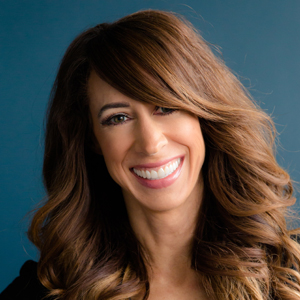
[00:00:10] Jason Shiver: Hello and thanks for tuning in to the Top Podcast for the food and beverage industry, Taste Radio. I'm editor and producer Ray Latif and you're listening to episode 184, which features an interview with Melissa Hartwig Urban, the co-founder and CEO of popular lifestyle brand Whole30, who discussed its influential role in modern food culture. Tune in on Friday, October 18th for episode 56 of our Taste Radio Insider Podcast, when we're joined by Jason Shiver, the CEO of fast-growing sparkling water brand Waterloo, who shares his strategy for winning within a crowded and highly competitive category. Just a reminder, if you like what you hear on Taste Radio, please share the podcast with friends and colleagues. And of course, we'd love it if you could review us on the Apple Podcasts app or your listening platform of choice. Melissa Hartwig is going to make a couple things clear. One, Whole30 isn't a diet, and two, it isn't for everyone. It is, however, a phenomenon in the food and beverage industry, and Wheel's incredible influence in how brands market and formulate their products. Millions of consumers participate in the Whole30 community, and the company, which Melissa co-founded in 2009, has the power to sway their collective buying habits through its selective certification program and vast social media presence. In the following interview, I spoke with Melissa about the origins of Whole30, why she describes it as a short-term experiment, and why she rails against the idea of moderation. She also discussed the highly selective process for brands to become Whole30 approved, why no coffee brands are part of the program, why most of her work time is spent direct messaging with members of the Whole30 community. She also addresses pushback about promoting processed foods, why being a parent gives her street cred with her community, and why opening up about past challenges allows her to have a more authentic connection with Whole30 followers. Hey folks, it's Ray with Taste Radio. I'm on a call with Melissa Hartwig, the co-founder and CEO of Whole30. Melissa, thank you so much for taking the time to be with me. Ray, it's my pleasure. So this year marks the 10-year anniversary of the launch of Whole30. What was the initial vision behind the program?
[00:02:35] Melissa Hartwig Urban: Oh, man. So 10 years flies by really fast. But initially, when I wrote about this 30-day dietary experiment that we had just completed, it was on my CrossFit training blog. And I just thought I had such a cool experience over these 30 days, and it was so profoundly transformational. I wonder if anybody would want to follow along with what I did. And I remember calling my friend Melissa and saying, I did this thing. It was really cool. It worked out so well for me. Do you think anyone would be interested? And she was like, yeah, I bet some people would be interested. You should write about it. And that was really how the whole 30 began as me just sharing my own personal experience on this training blog and a couple hundred people at the time back in 2009 saying, that sounds kind of cool. I would like to do it too, if you wanted to write up kind of some structure and rules.
[00:03:27] Jason Shiver: So how did you come up with those rules and structure? You know, how did you determine which foods to include in the program and which foods to reject?
[00:03:34] Melissa Hartwig Urban: So it was based on the loose framework of a paleo style diet, which also happened to coincide and overlap really well with some research my original co-founder Dallas was doing into inflammatory factors. in conditions like rheumatoid arthritis. He had had a shoulder injury that just would not heal. And even as a physical therapist, he couldn't see progress in this injury. And his sister had rheumatoid arthritis. So we started digging into some of the literature and found out that there are some foods that could be inflammatory and contributing to those conditions. This is around the time that a paleo-style diet began to become popular. Someone named Rob Wolf had put on a seminar about a paleo-style approach. So we decided to eliminate foods that the scientific literature showed were really commonly problematic to varying degrees across a broad range of people. We thought, we'll just pull them out and see what happens and see how problematic these foods are for us.
[00:04:35] Jason Shiver: And so for folks who aren't familiar with the Whole30 diet, what are some of those foods that are not part of the diet?
[00:04:41] Melissa Hartwig Urban: So what we do on the Whole30 is eliminate foods that are commonly problematic. But we're not saying they're bad. We're not saying you should never eat them again. We're just saying, hey, these foods can be troublesome for lots of people. Let's figure out how they work for you with this 30-day structured experiment. So an example would be gluten grains, really commonly problematic to a large degree across a pretty broad population. Dairy is another food group that many people find problematic for a variety of reasons. Things like soy and legumes and peanuts, added sugar, very commonly problematic for things like, you know, mood and breakouts and cravings and your emotional relationship with food. And of course, alcohol can be problematic in a variety of ways. So those are the main food groups that we pull out for 30 days just to see how they work for you.
[00:05:32] Jason Shiver: Speaking of which, when was the last time you ate added sugar?
[00:05:36] Melissa Hartwig Urban: Oh, I had Justin's peanut butter cup last night.
[00:05:39] Jason Shiver: Oh, okay.
[00:05:40] Melissa Hartwig Urban: We don't eat Whole30 all the time. We just use it as an experiment to help us figure out what works for us. And then we take what we've learned and create the perfect sustainable diet for us, which for me includes peanut butter cups.
[00:05:51] Jason Shiver: You mentioned that it's a structured experiment, but in essence, I mean, it's become a lifestyle diet, right? Or just a lifestyle. You know, if it's a short term thing, how can it also become a lifestyle?
[00:06:03] Melissa Hartwig Urban: That's a wonderful question because one of the criticisms I often hear about the Whole30 is, well, it's not sustainable. And it's not meant to be sustainable. We're not saying this is how you should eat forever. We're not saying these foods are bad and you should never eat them again. You know, every dietician in the world says there is no one size fits all. You have to figure out what works for you. And everybody's like, cool, that makes so much sense. How do I figure out what works for me? And Whole30 is the how. If in these 30 days, you can eliminate these foods, then reintroduce them very carefully and systematically, one at a time, and compare your experience, you will learn a ton about how these foods work for you. And then based on what you've learned, you then take that information and decide, OK, I'm not going to eat dairy anymore, because every time I eat it, my stomach hurts and I break out. but I'm going to eat white rice and I'm going to have the occasional peanut butter cup and once in a while a glass of white wine is fine for me because I've reintroduced and I realize that I can get away with these foods in my everyday approach.
[00:07:05] Jason Shiver: I was looking up Google Trends and in the first week of 2018, Whole30 had the highest possible Google Trends score. It was 100. And I assume that interest was aligned with New Year's resolutions. So once people try Whole30, I mean, how do you feed that initial interest and retain them as followers?
[00:07:22] Melissa Hartwig Urban: It's so funny that people want to stay connected. We don't have to do these really complicated like marketing plans or outreach. People do the whole 30. They have such incredible results. And we really reinforce on the program things like a growth mindset that you are a healthy person with healthy habits. and stay connected to your health-minded community and the Whole30 community so that in your food freedom as you're making decisions about whether things are worth it or not, or if a vacation or a holiday throws you off your healthy eating game, you've got this group ready and willing to support you and offer resources and accountability and motivation So people want to stay connected long after their Whole30 is over. They help new Whole30ers through their process by answering questions, they navigate their food freedom together, and we talk about a lot more than just food on Whole30. So they're sticking around for things like self-care and boundaries and some of the things I talk about in my podcast.
[00:08:23] Jason Shiver: And that following has given you tremendous influence in the nutrition space, so much so that it feels like Whole30 has impacted the way that some products list nutrition labels or formulate their products. Have you experienced that? I mean, are you starting to see a shift in how brands come to market and how products are formulated based on Whole30?
[00:08:46] Melissa Hartwig Urban: Oh, I absolutely am. And it's the coolest thing ever. You know, when you have companies like Applegate who are willing to reformulate their products specifically so they can become Whole30 compliant, when you have OrganicVille who went back to the table and reformulated more than two dozen products to remove all the added sugar so that they could jump on board as Whole30 approved, You know, we've got companies like Chipotle who now offer whole 30 salad bowls where they had to go back and change the cooking oil they were using for their fajita vegetables in order to make it fit the program. But they did because they are seeing the tremendous value in aligning themselves, not necessarily just with the brand, but with a community that is so fiercely loyal and so thankful and grateful that these companies are willing to go above and beyond just to serve them.
[00:09:38] Jason Shiver: Yeah, one brand that seems to have benefited from Whole30 is NutPods, which is a maker of nut-based creamers. It's one of several brands in the Whole30 certified program. And when did Whole30 certification come into being and what does the process entail?
[00:09:56] Melissa Hartwig Urban: Sure. So we call it Whole30 approved. It's like an official stamp of approval that the product meets all of the rules of the Whole30 program. But even beyond that, that we have personally vetted the company and their philosophy and the spirit and intention and how they show up. You know, I probably turn down like nine out of every 10 requests we get to become Whole30 approved because we really want to make sure that you're here to serve our community the way that we're going to promote and support you. Nutpods is absolutely one of my favorites. We've had such a close relationship since day one and I really think that the Whole30 community helped them grow and be so successful and in turn Nutpods helps my community be really successful by giving them delicious ways to, you know, make their coffee a little tastier without any added sugar. Whole30 approved, I think our first partner who's no longer in business came about in 2011 or 2012, but the program has grown quite a bit just in the last, I'd say, three or four years.
[00:10:53] Jason Shiver: You've mentioned your community a few times. How many people would you say participate in the Whole30 community on an active basis?
[00:11:01] Melissa Hartwig Urban: you know, at any given point, it's millions of people. And I know that from book sales, and I know that from website traffic and social media engagement. It's really hard to gauge who is doing a whole 30 at any given moment, because unless you're buying a book, visiting my website, or commenting on social media, there are so many people out there who are just doing it that I don't know about. But yeah, at any given moment, like our community has more than three million combined fans and followers alone at this point, and it's growing even faster.
[00:11:29] Jason Shiver: Yeah, I want to talk about your followers and how they interact with the company or the program on social media, but I want to go back to something you mentioned. You turn down nine out of every 10 brands that apply to be Whole30 approved.
[00:11:43] Melissa Hartwig Urban: Most of the brands we turn down probably do have products that are technically compliant with our rules. But I want to see a couple things when I'm evaluating you for Whole30 approved status. I want to know that you aren't just looking at the label as something that's good for your business. So there are obviously people who apply where I'm like, okay, you recognize that Whole30 approved would be valuable for your company. but I don't see any vested interest whatsoever in supporting my community. And like, that's not something I'm interested in. I'm going to give a whole bunch of people, you know, advice and recommendations and information to support your brand. I want to see that you're just as interested in giving back to my community as well. If you don't have enough products in your portfolio, so if you've got 20 products and only two of them are compliant, that's not enough for me to recommend the entire brand to my community, you know, so it's a very kind of case by case basis. I like to have personal conversations with and or meet in person, the founders and the people who are running the company. And I've got very close relationships with most of our partners. And we always want to leave space for the really young brands who are just up and coming, just getting started, you know, running the company out of their garage. But they've got a great idea and tons of passion, and they're really invested in our community. I love working with those companies.
[00:13:01] Jason Shiver: How many brands are Whole30 approved at this point?
[00:13:04] Melissa Hartwig Urban: I think products wise, we have about 120 brands that offer Whole30 approved products. And then on the restaurant and meal delivery and catering side, we've got another probably 50.
[00:13:16] Jason Shiver: So going back to that reciprocal relationship between brand and the Whole30 program, you mentioned that, you know, if they only have one product in their portfolio that meets the standards, that's not enough. But what else do you need to see from a brand for it to be the right fit with your standards and your community?
[00:13:35] Melissa Hartwig Urban: I want to see that they've got incredible community engagement on their side. So I want to see that they're serving their community really well, that they're personal, that they're really invested in making sure that people who are buying their products and providing feedback are getting the attention that they deserve. So that's kind of one really nice sign for me. I want to know that you know something about the Whole30. So, you know, if you've come to me and you don't know that much about the program or the rules, or you're trying to argue for a product being compliant when it clearly isn't, or, you know, if nobody on your team has done a Whole30, it's going to be difficult to convince me that you're really invested in serving our community. So those are just kind of a few small things. So again, you know, one of the things I'm looking at is not just is it technically compliant, but is it really in the spirit and intention of the Whole30? So for example, we don't have any Whole30 approved coffee brands. And it's not that you can't drink coffee on the Whole30, it's that if I put my Whole30 label on it, people see it as licensed to consume mindlessly. like, oh, this is Whole30 approved. I can turn off all critical thinking. And we don't want people, you know, mindlessly consuming even more coffee. So that's a category that we just don't include in our Whole30 approved family. So people are appreciative of the thought and the time and energy that goes into this approval process. They love being able to walk into a grocery store, seeing the Whole30 approved logo on a bottle and knowing that this is something that they can have in their Whole30. It benefits the brands because they get exposure to this fiercely loyal community who will be so excited that they're taking really good care of them. And then, you know, we get to partner with all of these incredible brands who are only making my community more successful. So it's winning all around.
[00:15:18] Jason Shiver: So it sounds like moderation is a key component of the Whole30 program, but isn't moderation in itself a lifestyle that doesn't require a special diet?
[00:15:28] Melissa Hartwig Urban: You know, I would not say moderation is part of the Whole30. In fact, I often rail against this idea of moderation. People often say, well, everything in moderation, and that would be fine if the foods we weren't eating in today's modern society weren't designed to make us crave and over consume and be super normally stimulating and calorically dense and nutrient poor. The idea of trying to moderate something that is designed to make us feel addicted to it is a really difficult place to be. So we don't practice moderation on the Whole30. The rules are in place. You know, during the course of the program, your only job is to put Whole30 food in your mouth. You're not counting in calories, you're not portion restricting or portion controlling or weighing or measuring. And in life after your Whole30, the food freedom approach that I created is essentially about conscious, deliberate decision making. But once you reset things like your blood sugar regulation and your hormonal balance and your cravings and your taste buds, this idea of being able to make a conscious, deliberate decision about something. Do I really want it? Is it really going to be worth it? And then being able to eat only as much as you need to satisfy the experience is a whole lot easier than it was before you were eating, you know, when you were eating all of these like frankenfoods and attempting to moderate.
[00:16:46] Ray Latif: Guessing your margins? That's risky. Belay Financial gives CPG brands the clarity to scale smarter, faster, stronger. Get your free inventory ebook by texting TASTE to 55123 and start making data work for you.
[00:17:06] Melissa Hartwig: Tune in at the end of this episode for an exclusive interview with Matt Lin of Belay Solutions. He sits down with Melissa Traverse to break down the biggest inventory and accounting mistakes CPG founders often make. You'll learn how to bring clarity to your numbers so you can scale with confidence.
[00:17:24] Jason Shiver: Satisfy the experience. I want to dig into that phrase. How does one know when the experience is satisfied?
[00:17:32] Melissa Hartwig Urban: You know, I offer a lot of tips in Food Freedom Forever. Sometimes satisfying the experience is just about being present and sharing in the experience. And it does not matter what is on your plate or in your glass. That's a really powerful lesson to learn during the whole 30, that you can still toast at a wedding, celebrate the victory with your team at happy hour, or share a really special dinner with your family with sparkling water in your glass instead of wine. So sometimes the experience is about recognizing that it's about the people you're with and the memories you're making and the traditions you're creating, not the food or drink. Other times, it is about the food or drink. It's something that's so delicious, so special, so satisfying that you just want to enjoy every moment of it. And I offer strategies for just staying present. If it's so special and delicious, you don't want to eat it while you're watching TV or distracted at the counter. sit down with it, have a moment with it, take your time, chew thoughtfully, continue to ask yourself, like, do I need more or was this enough? It sounds a little, I guess, time consuming or thought consuming, but in the beginning, reestablishing a healthy relationship with food is going to take a little bit of effort. But I can do this in the moment now where it's like, do I want one of my mom's cookies? Yeah, I do want one. And then I eat one and I ask myself, was that enough? Do I need another one? And I can very quickly arrive at a yes or a no.
[00:18:56] Jason Shiver: You mentioned alcohol. This notion of sober curious has popped up quite a bit over the past year, and we're seeing a lot of new products that are targeting those folks come to market, or at least that's how they're promoting their products. You know, can you see, can you envision a moment where, say, a non-alcoholic beer or a non-alcoholic cocktail or cocktail alternative product would be Whole30 approved?
[00:19:23] Melissa Hartwig Urban: interesting because it's a little bit of a slippery slope. Like I don't want people replacing something they're not having on the Whole30 with something that's designed to like Taste Radio feel exactly the same except just without the alcohol. So like a non-alcoholic beer I probably wouldn't bring on but you know Waterloo is one of our Whole30 approved partners and we make mocktails with Waterloo all the time. You know they're in all of my recipe books where you're taking a sparkling and you're adding maybe a little bit of fruit juice and some fresh herbs and like rose water and hibiscus tea and all of these really wonderful concoctions. So it's not designed to taste just like alcohol. It's just a festive kind of special feeling beverage that is a lot more exciting to put in your glass than plain old ice water when everyone else around you is drinking wine.
[00:20:13] Jason Shiver: Waterloo, like a lot of the brands you're associated with, actively promote their participation in the Whole30 program. And the reach you have on social media is incredible. I searched for the hashtag Whole30 on Instagram recently, and it showed over 4.2 million posts with a tag. It's a half a million with the hashtag Whole30 approved. and millions combined for offshoots like Whole30 Meals, Journeys, etc. So with all that interest and excitement for Whole30, I mean, how do you harness all that? How do you gather all that information and use it to your benefit and the benefit of your community?
[00:20:52] Melissa Hartwig Urban: So I think the most important thing is that I stay personally very closely connected to the community. Probably the most amount of time I spend in a day is in my Instagram DMs and responding to comments. This is where I hear people's stories. This is where I read between the lines with some of the things they're still struggling with. It's where I hear their great ideas, you know, I make a joke that like, Every good idea I've ever had about the program comes from the community, except I'm dead serious. Every book I've ever written, you know, the newest book, Whole 30 Friends and Family, came out of watching my community do the program and seeing that there were still some pain points and wanting to solve them. So, you know, I stay really closely connected. I'm very involved in people's stories and testimonials. I want to hear them. I'm talking to them all the time. I'm offering advice all the time. And I think that makes it easy to kind of figure out where to take the program next, because all I'm doing is listening to what my community needs and then trying to give it to them.
[00:21:52] Jason Shiver: I'm curious about how many DMs you get a day.
[00:21:55] Melissa Hartwig Urban: Oh, it's like hundreds, hundreds, hundreds, hundreds, sometimes thousands.
[00:21:58] Jason Shiver: And you respond to all of them?
[00:21:59] Melissa Hartwig Urban: No, you know, I can't do all of them. I do have very healthy boundaries around my time on social media and my time working and my time with family. But I do as many as I can. I try to touch every comment. I try to respond to as many DMs as possible. And it's funny, because when I meet people in person, almost universally what they'll say is, you responded to one of my DMs. And I'm like, yeah, I do that. I try to respond to as many as possible.
[00:22:25] Jason Shiver: I assume you probably get some negative comments on Instagram or via DM about Whole30. You know, some people might say, oh, it doesn't work. Obviously there's some dietitians out there who say they disagree with the program and which foods you should be eating and shouldn't be eating. And then there are some people that say you shouldn't participate in any kind of diet or lifestyle diet, be it primal or paleo or keto. You know, how do you address that content? How do you address the authors of that content?
[00:22:53] Melissa Hartwig Urban: You know, I mean, the short answer is I don't. The Whole30 is not for everyone. Again, there is no one size fits all. And I don't think the Whole30 is a one size fits all. There are some populations for which it's contraindicated. There are some people for whom it just doesn't work as well as it does for the majority. So I encourage people, and I've written so many articles about this and answered so many questions. People are like, I think I want to try a vegan approach. I think I want to try a keto approach. I think I want to try intuitive eating. And I'm like, go do it. Go try it. Take these self-experiments on for your own. Do them by the book for long enough so you can know whether they're actually working for you or not. But I want everyone to figure out what works for them. If the Whole30 is part of that approach, fantastic. If you know you find something else that works even better for you, great. But my job is not to go out there and convince everyone that the Whole30 is like the absolute perfect plan. I will say that our 10 years and like hundreds of thousands of testimonials speak for themselves, so I don't really have to say much. The community often says it for me, but if you discover that the Whole30 isn't right for you or your doctor wants you on a different plan, then I'm all for it. I'm not trying to convince anyone. I have enough people in my own community who are looking for help and support in doing the program, and that's kind of just where I focus.
[00:24:13] Jason Shiver: If the Whole30 isn't right for everyone, do you ever advise or recommend perhaps another lifestyle diet? Or do you advise against those that you disagree with on an active basis?
[00:24:25] Melissa Hartwig Urban: you know, I would never try to prescribe something for somebody. I'm not a registered dietitian or a doctor. So if somebody says the Whole30 didn't work for me, very often what I'm saying is, well, then I think it's time for you to work with an RD or to work with a functional medicine doctor. Maybe do some kind of behind the scenes lab work to figure out if you've got some underlying gut infection going on. You know, I recommend people going to therapy all the time. One of my most common DM responses is like, OK, cool, but are you in therapy? So, you know, if you've done the whole 30 a couple of times and it's still not working, you still feel like your relationship with food is unhealthy or you still feel like you're slipping into unhealthy patterns or eating habits, then it's like, go talk to someone about it. You know, changing the food you put on your plate sometimes isn't enough to override some of these deeply seated emotional relationships we have with food. And sometimes what's going on with our food is just a symptom of other stuff like trauma or past hurt. So I don't know that I'd necessarily point people to any one specific plan, but I would encourage that people get the help and support they need to find a path that's right for them.
[00:25:31] Jason Shiver: Convenience often comes into play when people are making decisions about food and beverage, particularly in our modern society. And one interesting avenue that Whole30 has pursued is meal delivery. You're aligned with a number of meal delivery companies across the U.S. and recently launched a virtual restaurant called Whole30 Delivered. You know, what do you see as all the runway for all this?
[00:25:52] Melissa Hartwig Urban: Yeah, I think frozen meals and meal delivery companies and like the Whole30 Delivered concept in Chicago, which is in partnership with Let Us Entertain You, I think that stuff is only going to take off more in the future. People want to do the Whole30, they want to maintain their healthy habits long after the Whole30 is over. But yeah, there are a lot of people with more money than time. You know, they're working parents, they're running kids from lessons to you know, school and after school activities. And they don't necessarily have the time, but they do have the desire to eat home cooked meals. And that's where these meal delivery companies really come in spades. They help you eat, you know, entire like fully compliant Whole30 approved meals. They're delicious. The Whole30 delivered meal menu is incredible. I've had every single dish on it and every single one is a winner. So it lets you, you know, maintain your healthy lifestyle. while saving really valuable time. So yeah, I think, you know, these convenience options are only going to get bigger, and I think more appealing. But at the same time, we also want to make sure that the program is accessible to anyone who wants to do it. And not everyone can spend $8 on a jar of mayo. So, at the same time, we're committed to offering resources like how to make your own mayo with five simple ingredients in three minutes a day. And it will save you, you know, 75% off what you'd buy in a store. How to make your own sparkling water if you don't want to buy a case of Waterloo. How to have your own emergency food if you don't want to buy, you know, grass-fed beef jerky. So, we're trying to approach it from both ends, the convenience factor, but also focusing on people who want to do the whole 30 on a budget.
[00:27:30] Jason Shiver: But wouldn't you run into problems with your brand partners by doing things like that, saying, you know, instead of buying this mayo that's Whole30 approved, you can make it at home or, you know, instead of buying a case of Waterloo, here's how to make your own sparkling water.
[00:27:44] Melissa Hartwig Urban: No, not at all. Listen, you know, my job with bringing these partners on and providing the resources I do is making sure that every single person who wants to do the Whole30 is supported. And so if that means explaining to someone that you can save $6 by making your own mayo, instead of buying a jar of Whole30 approved mayo, then absolutely I'm going to share that information. And I will tell you that our partners are 100% supportive of that. You know, these are the kind of people we're bringing into the program. Primal Kitchen and the New Primal and Waterloo are all like, look, we're all in this to help people. So if you can't afford my mayo and Whole30 can provide a resource on how to make it yourself and it helps keep you committed to your healthy habits, like they are all for it.
[00:28:30] Jason Shiver: You know, we just talked about convenience as being a key component of how people with resources think about or make food choices. But at the same time, have any folks called out a potential disconnect between processed foods and frozen foods with the Whole30 program, given that fresh is always going to be better?
[00:28:52] Melissa Hartwig Urban: Yeah, you know, some people have, and I would actually say that I used to be far more dogmatic about it and far more of a purist in the early days of Whole30. It was like, look, you can bring your hard-boiled eggs and roasted sweet potato to the gym, and that's your post-workout meal. Or you can plan your own meal to bring on an airplane. And in the early days of Whole30, this was out of necessity because there was no nut pods. There was no Whole30 delivered. There were no Epic bars. Like, we didn't have the convenience foods. But what I've realized along the way is that you can't let perfect be the enemy of good. So, you know, we're not recommending some of the really crappy ingredient like bottom-of-the-barrel products, but if you're talking about 100% grass-fed Applegate hot dog, and that helps you get dinner on the table and stick to your Whole30 commitment, a little bit easier than I'm all for it. You know, our Whole30 approved great value meals in Walmart are helping college students do the Whole30 on a serious budget without access to a health food store. So sometimes people will say, you know, but that's processed or shouldn't you be cooking yourself at home? And my answer is always, look, if you have the capacity and the time to cook every meal for yourself from scratch from home, I'm so proud of you and you should do that. But I also don't want to leave people out of the program who travel for work, who have very busy schedules, who have serious budgetary constraints, who don't have access to health food stores, who want to complete the whole 30 and get all the benefits the program has to offer and has to work some convenience foods into their diet to do that. Like if the 100% grass fed hot dog is the worst thing in your diet, you are doing just fine.
[00:30:31] Jason Shiver: Well, I don't know if that's the worst thing in my diet, but maybe it should be. Certainly more convenient to buy pre-made baby food than it is to make it at home, even though a lot of folks do like to make their own baby food at home. And in July, you made an investment in a baby food brand called Serenity Kids. Was that your first investment in the food and beverage space?
[00:30:52] Melissa Hartwig Urban: No, no, no. I've got quite a few investments in food and beverage. I tend to invest in companies that are also Whole30 approved because I believe in the company so much and most of the time the Whole30 approval comes first and then once I get to know the company and I get to know the founders and the products, If they have an investment round coming up, I'll definitely put in a little bit. But Serenity Kids one of the special ones. We, Whole30, approved them before they even launched. That is how excited we were about this concept. There was nothing else like it on the market. A protein-rich, natural fat rich baby food that wasn't super sugary that I could feel really good about giving to my kid. And I eat them too. So their baby food pouches that are just veggies, their roots or their squashes, those are in my bag at all times. That's my like whole 30 emergency food. If I get stuck in a meeting or on the road, I have a meat stick and I have one of those and I'm good to go. And that company I think is just going to absolutely change the baby food game.
[00:31:53] Melissa Hartwig: Do you want more repeat buyers on Amazon? Well, this free resource in collaboration with Straight Up Growth will help your brand turn first-time buyers into long-term subscribers. Download Winning the Repeat Purchase Game on Amazon now at Taste Radio slash SUG. That's Taste Radio slash S-U-G to start building retention-driven growth for your brand on Amazon. Scaling a beverage brand into major retail comes down to operational readiness. From packaging lead times to co-manufacturing strategy, the details can make or break a launch. In a new ebook in collaboration with Octopi and Asahi Beer USA, industry leaders share what they've learned in helping brands scale. Download it now at Taste Radio slash octopi. Do you need to scale your team faster without compromising on talent? Join Oceans for a live webinar on April 20th and learn how leading companies are hiring top global professionals who are ready to grow with your business. Register for the webinar now at Taste Radio slash oceans. That's Taste Radio slash oceans.
[00:33:04] Jason Shiver: So it sounds like you're advocating Whole30 for kids as well.
[00:33:09] Melissa Hartwig Urban: You know, I'm not a doctor, I'm not a pediatrician, so you should always check with your doctor first. But I guess the way I think about it is if eating whole real nutrient dense food is the healthiest choice for us, it's probably not going to hurt our kids either. You know, when you think about what our kids are eating these days and kind of what passes, you know, in school celebrations and for school lunches, as opposed to like my son who's eating like you know grass-fed beef chili with sweet potato and a variety of vegetables and maybe taking some sea snacks to school or some chicken chips kind of fun options that I also feel pretty good about. Every parent has to decide this for themselves but I have seen some pretty incredible stories come out of families who change their kids diets and all of a sudden things like behavioral issues and attention issues and mood and sensory processing issues get a lot better.
[00:34:02] Jason Shiver: You've mentioned your son a few times. Has being a parent changed your outlook about Whole30 and how you operate the business?
[00:34:12] Melissa Hartwig Urban: It has a little bit. My son is six and a half. You know, I think the understanding of like, sometimes you just have to let good enough be good enough. The microwaved grass fed hot dog and leftover roasted sweet potato on a plastic dinosaur plate is coming straight out of my recent history. And there are definitely nights where it's like, that's all we can manage, kid. But I feel pretty good about letting that be good enough. So I think it has given me a little bit of perspective on how hard it is to eat really well and cook your own food and meal prep and grocery shop around things like working a full time job and having a child who needs you to take care of him or her. So yeah, I think it has given me some perspective on that. At the same time, I now have a little bit of street cred when parents say, you know, what do I do? My kid won't eat this whole 30 food. And, you know, one of my answers is always just like, look, your kid doesn't have like a driver's license or a credit card. So if they're six, they're gonna, you know, eat what you put on their plate. And like, if they don't like it, they might go hungry for a little bit, but they're not going to starve. And now I have kind of this street cred to back it up. Cause I've had to have those battles with my own kid.
[00:35:18] Jason Shiver: Has it changed your perspective on what foods should and should not be part of the program?
[00:35:22] Melissa Hartwig Urban: No, it really hasn't. We haven't changed the Whole30 rules in a significant fashion in a while, in part because the science that backs up the things we eliminate and the things we eat still really holds up. I mean, I've got a team of registered dietitians and medical doctors who are on my advisory board who are always looking at the new research, and none of that has to change. The only rules we've had to change lately are because these food companies are coming up with more and more creative ways to, sometimes I'm like, are you guys just trying to stump me? Like the, you know, plantain chips or the cauliflower crust pizza or the cauliflower gnocchis. It's like, is this Whole30 compliant or not? And we've got to go back and like really critically evaluate, all right, this product didn't exist a year ago. And does it, or where does it fit in the Whole30 program? In the case of plantain chips, like store-bought plantain chips, we just ruled out store-bought chips entirely about two years ago, because I was watching people mindlessly hoover them. They were just the new potato chip and because they were plantain chips, they were quote healthier, but not necessarily healthier if it's just reinforcing that habit of like mindlessly consuming something salty, crunchy and fatty.
[00:36:36] Jason Shiver: I mean, do you see a point where the Whole30 program will have to evolve in terms of what foods are acceptable and what foods should end up? I mean, it sounds like you're already having, you know, some internal debates about some brands and some products, but I mean, how does Whole30 evolve and should it?
[00:36:56] Melissa Hartwig Urban: You know, it should evolve if the research evolves. If we understand more about some of these foods that we eliminate or some of the foods that we say are a healthy choice now, if new science comes out, new research comes out, we have a new understanding of these foods, then yes, of course, the program should evolve. You don't want to be so dogmatic that you're just like clinging to rules that no longer make sense or no longer serve the community. But one of the things that I'm really cautious about is changing the program due to popular demand. So lots of people were really happy that plantain chips were part of the Whole30, but in watching and observing the way people were using them and the results that they were getting, you know, we just had to say, this is not what you need. So sometimes what people want and what they need are two different things. Another good example are dried fruit and nut bars, you know, Lara bars, RX bars, RX bars used to be part of the Whole30 approved partner family. But we watched how people used them. And because they were officially Whole30 approved, people were eating them like candy. And it was mindless consumption, and it was only feeding their sugar cravings. And so between that and the direction of flavors that that company decided to go with their bars, we just had a really honest conversation and said, like, we're going to pull you out of the program. You know, your bars will still be compliant. But we've now got this big educational campaign around how and where and when to include them in a way that I think serves most people for their Whole30.
[00:38:22] Jason Shiver: Did that negatively affect your business in doing so? I mean, it's, I mean, RXbar is a massive brand with a huge following. I mean, how did that impact what you're doing?
[00:38:34] Melissa Hartwig Urban: Yeah, we were actually one that was one of the very few affiliates we had meaning if someone bought an RX bar using our code back in the day we made money that was our biggest affiliate revenue generator and yes yanking them from the program had an impact on our bottom line but you know. I'm not going to say it was, we didn't have to think about it, like it was definitely, this is going to hurt a little bit, but it was in the best interest of the community. And I had a very good relationship with the founders, we had a few conversations, they completely understood. I still have a great relationship with the company today. And we still, you know, stay in communication, but like, ultimately, The way I've thought about growing the business is always putting the community first. I don't do anything unless it's in the highest good of the community. And it does mean passing up on some pretty lucrative offers and probably some big sponsorships and, you know, maybe some things that would be really good in terms of like publicity. But if it's not serving the community, ultimately, it's not serving our long term goal.
[00:39:31] Jason Shiver: One of your key partners is Whole Foods. How does that relationship work? I mean, is it just about getting Whole30 approved products into stores? Are you helping them determine what should be on shelves? Can you talk a little bit about that?
[00:39:45] Melissa Hartwig Urban: Yeah, it's not that close of a relationship, although I'd like to think that they do. Whole Foods does keep whole 30 in mind when they're thinking about bringing products. And we've heard from a few brands like 10 star foods, key and Mesa Davida cooking sauces like whole 30 was really happy to see the whole 30 approved logo on my jar and they're now picking us up. across all of their regions. We did run a few Whole30 approved campaigns with Whole Foods markets nationwide. So, you'd be able to walk into a Whole Foods store and see a Whole30 approved end cap and little shelf tags that pointed out the Whole30 approved products on their shelves. And that was always really cool for the community. Again, it made them feel really special, really welcomed. If you were new to the program, it made it a lot easier to make choices. But you know, the relationship is not necessarily ongoing. Like I'm not whispering in Whole Foods ears about what products they should or shouldn't put on shelves, but they are very, very supportive of our Whole30 approved brands like the New Primal New Primal Kitchen. It's a wonderful opportunity. opportunity for us to kind of raise awareness of Whole30. You know, the thing I like about the Whole30 approved logo is that it's like the lowest common denominator. So you don't have to be on a Whole30. If you just eat gluten free, or if you eat paleo or primal or dairy free or peanut free, or you want to eat low sugar for your family, that Whole30 approved logo meets your requirements by default. So it's really nice to be able to introduce it to people in a store and then let them know like, hey, you don't have to be on a Whole30 to benefit from seeing this logo on a product. Like you can just assume that it's good for your family based on the way that you are choosing to eat when you see it in a store. So yeah, I love working with retailers like that.
[00:41:30] Jason Shiver: In terms of the relationships with a Sprouts or a Costco, you know, how does that work? What are the parameters of those relationships?
[00:41:39] Melissa Hartwig Urban: It really depends and we like to work with retailers just from a very personal and organic level. So, you know, we've done promotions with Whole Foods markets that were just sort of ongoing for like a few months in the Rocky Mountain region. And then we did a very concrete promotion with them where it was okay, you know, just in January. from the 1st through the 31st, we're going to have this like signage up and this kind of campaign going and we're going to run these blog posts and these social media posts. So it kind of just depends, you know, we're in contact with various retailers. Sometimes they'll come to us and pitch us ideas. Target, for example, it has a special edition of the newest Whole30 book, Whole30 Friends and Family. So if you buy it at Target, you're going to get three extra menus and a special preface I wrote just for Target and no other retailer has that. So it kind of just depends. I like working with retailers in the way that they want to work with us. And I like being creative about it because, again, all of these different relationships and different promotions and different partnerships just serve the community.
[00:42:43] Jason Shiver: Over the past couple of weeks, there's been a lot of buzz about an interview you did with People magazine, and you shared quite a bit about your past. Is it challenging to open up? Is it challenging for you to be vulnerable with your community?
[00:42:54] Melissa Hartwig Urban: I mean, yeah, it is. Yes, I had like three days where I wanted to just like crawl under my covers after that People article came out because that was a lot. I've been very open about my drug addiction since day one, because what I realized was that in the early days of Whole30 before I kind of came out about my experience with drugs and being, you know, in recovery, I would have people who would say, okay, but you have no idea what it's like to feel out of control with food. You've never had a problem with food or an eating disorder. You've never been overweight. So you have no idea what my experience is. And my answer was like, yes, of course I do, because I spent five years as a drug addict and drugs and food are not really that different from a psychological perspective. So I've been very open about my past and my addiction and my recovery, but What I've come to realize over the last maybe five or six years, really specifically since my divorce, which was also kind of public because he was also my co-founder and business partner, is that, you know, if I'm showing up as this like perfect Whole30 Melissa version of me where I'm always eating perfectly and my meals are always balanced and I'm always exercising and I'm always really groomed and polished and well-spoken, I'm relatable to exactly zero people. Like nobody lives like that. And so what I realized was that if I wanted to stop feeling like an imposter in my own life, if I wanted to truly connect with my community, if I wanted them to feel empowered to like open up and share with me and then share with each other, which only enriches the community, I had to go first. So it's not always easy to get out there and share some of the things I've shared so openly. It's not always easy, but it's the right thing for my integrity. It's the right thing for my own personal growth. And it's helped me make really genuine, authentic connections with my community, which is the best part of my job.
[00:44:45] Jason Shiver: 10 years in the books for Whole30, you know, how do you consider the next decade? You know, how do you approach the next decade?
[00:44:52] Melissa Hartwig Urban: So you know I've never really had like a five-year plan for Whole30 because things change so fast and opportunities come up so fast. You know this the idea of like a Whole30 bowl salad bowl with chipotle like that's something that maybe I had dreamed about but the fact that it you know showed up in my inbox about a year and a half ago was definitely nothing I could have predicted. So, you know, we have some plans in place. Obviously, I think our group of Whole30 certified coaches are really the future of Whole30. They're the boots on the ground in-person social support that's been missing from the program. you can connect online, we have a thriving, loyal, welcoming, positive online community, but there's no substitution for doing the program with other people in your local community and having that in-person accountability and support. And that's what our coaches are providing. So I think that's a really fabulous way I think to move the program forward. We're continuing to work with brands and retailers and partners who we think want to serve the community and those partnerships are really exciting. I'm continuing to stay connected to figure out what the community needs to be successful but also at the same time through my Instagram channel and my podcast I'm starting to talk a lot about things that maybe are tangential to food or maybe things that come up you know, you get your relationship with food in a really good place, and it gives you energy and self-confidence and self-efficacy, and then you're ready to tackle other things like boundaries, or self-care, or relationships, or entrepreneuring, and those are all the things I'm kind of talking about in my podcast. In terms of staying relevant, the only thing that's important to me is that I have a community that feels like they're being served, that I feel like is being successful with the program and that anyone who wants to do the Whole30 feels welcomed and represented. So, you know, those efforts in terms of diversity, inclusion, and representation are huge on our plates right now. And that's really where I'm going going forward. I don't really care about staying relevant for like People magazine. Am I still doing a really good job for my community? And does anyone who wants to do the Whole30 feel welcomed and represented? That's what I'm focused on.
[00:47:01] Jason Shiver: Amazing stuff. Melissa, just incredible what you've been able to accomplish in this past decade. And I wish you the best of luck going forward. I know that there's a lot of people interested in Whole30 and I hope they can continue to learn from you and learn from the program.
[00:47:18] Melissa Hartwig Urban: Thank you so much. Hopefully a few more people will be interested after this really good conversation.
[00:47:23] Jason Shiver: Indeed. Thanks again.
[00:47:25] Melissa Hartwig Urban: My pleasure.
[00:47:29] Jason Shiver: That brings us to the end of episode 184. Thank you for listening and thanks to our guest, Melissa Hartwig Urban. You can catch both Taste Radio and Taste Radio Insider on Taste Radio, the Apple Podcasts app, Stitcher, Google Play, SoundCloud, and Spotify. As always, for questions, comments, ideas for future podcasts, please send us an email to askattasteradio.com. On behalf of the entire Taste Radio team, thank you for listening, and we'll talk to you next time.
[00:48:09] Taste Radio: Hello, I am Melissa Traverse here for the Taste Radio podcast, talking about some of the biggest tension points that CPG brands and founders face when they're scaling a brand, and those are financial accounting and inventory management. I am joined by Matt Lynn, inventory accounting guru from Belay Solutions, and he is going to shed some light on all of this that is going to help everybody out quite a bit. Matt, thank you so much for joining us today.
[00:48:39] Epic Provisions: Thank you for having us, Melissa. It's great to be out here at Expo West and it's great to sit down and be able to chat this because it's kind of a passion project of ours, working mainly with CPG brands and hoping to help them scale.
[00:48:51] Taste Radio: It's been such a pleasure chatting with you and the team and learning all about what you do over there at Belay Solutions. Can you tell us a little bit about yourself and what your role is and the kinds of solutions that Belay gives to CPG brands and founders?
[00:49:07] Epic Provisions: Yeah, absolutely. My role with Belay, I'm actually our inventory accounting manager. I run our inventory department, so we work with CPG brands, taking them from spreadsheets, putting them on inventory management systems, and really helping connect their tech stack between their sales online marketplaces to that inventory management system, even down to their financial systems like QuickBooks. Belay overall is kind of an outsourced accounting firm. And with that, we're helping teams. We have different levels with bookkeeping, controller level work, even high level into CFO type items. So we really help those brands in any way that they need financially. And then I just have a subset of a department where we're really just laser focused on inventory.
[00:49:50] Taste Radio: It's certainly a complex topic and there are plenty of places to go wrong. Let's start by going right and start super simple. Can you tell us what some of the biggest red flags are that would help a founder understand or, you know, the person running a brand understand that it really is time to get some help with some of these areas?
[00:50:10] Epic Provisions: Yeah, absolutely. I think some of the early red flags is just everything is chaos. So when they're looking in their financial software, maybe they don't really have an accounting background and they're kind of just piecing it together and doing their best. And what they'll see is that reconciliations take forever, if they even happen. They have a lot of transactions that don't get coded or they just put them into placeholders to just get rid of it so it's not an eyesore. they'll notice they have revenue but no cash or they notice that they have a good amount of cash but their blind spot is really seeing the vendor invoices that are sitting there just needing to be paid and so they just lack that clarity that's going to really be around the corner.
[00:50:47] Taste Radio: You know, you were talking about one of the red flags that comes up that I think makes so much sense. When somebody asks you what your numbers are and you can't come up with the right number, that's a big problem because that's something that you really should be able to share with decision makers who, you know, you're ideally looking to do business with. What should you be able to call up at a moment's notice?
[00:51:12] Epic Provisions: Really at any time, you should be able to know an accurate margin. It's amazing how many founders we end up talking to that they can tell you their revenue numbers, they can tell you their selling price, and then the minute you start talking about cost or their cost of goods sold, they just get a deer in headlights look. So really it's very hard to tell, am I even making money? Or if you don't know your entire landed cost. Maybe you know what the freight cost is, the duties separately, but you're not really getting that as part of your unit cost. So it's really hard to tell. Am I even making money or am I losing money from the very beginning?
[00:51:45] Taste Radio: And do you recommend that founders are able to call up a margin by channel?
[00:51:49] Epic Provisions: Absolutely. And depending on the number of products and channels, you kind of want to know what are your best sellers, which ones are making the most and which ones maybe you're not making as much. But especially if you're branching out and you're doing D to C with B to B, absolutely want to know that.
[00:52:06] Taste Radio: Gotcha. You mentioned that when things feel really chaotic, that's probably a red flag. I would say that it probably almost always feels chaotic if you're running a CBD brand. And I know this may be hard to quantify, but is there a revenue number? Is there a number of doors number that would help a brand understand whether or not it makes sense to bring on a partner like Belay? Understanding that so many brands are bootstrapped or they might be tight for cash. What is that friction point?
[00:52:36] Epic Provisions: 3 3 3 3 3 But as you're growing, as you're getting to those six-figure revenue numbers, and especially as you're approaching seven, you want to make sure you've got good financials. Because as you scale to that point, most likely you're going to be looking to raise capital. And investors, the first thing they're going to look at is your books. And are they clean? And do they show a clear picture of your business?
[00:53:09] Taste Radio: You know, another area that folks might look to to organize some of the chaos are their systems. So many folks stick with Excel spreadsheets for a good amount of time. How do you know that you need to outsource some of your accounting to an organization like Belay Solutions versus maybe signing on to a Synth7 or NetSuite or something like that?
[00:53:32] Epic Provisions: Well, that's actually something we really help with when it comes to that cost question. That's something that trips people up. And sometimes if you just have a turnkey business, you buy and sell a finished good, you can maintain with spreadsheets. And we've had clients with million dollar revenue that can do that. But we see so many brands nowadays are using contract manufacturers. and they're just sourcing certain parts of their product. So when you start talking costs, they have no idea exactly what their unit cost is. So that's where we come in and we kind of understand, we'll speak with the customers and the clients and get their needs. And then if we think they're ready for a system, then we'll help put them on that system so they can get some of that clarity. And it's not something we force on anybody. There are plenty of times where founders come to us and we'll tell them bluntly, you're not ready for it right now, but we'll let you know when we think you are.
[00:54:18] Taste Radio: That sounds like excellent advice. What should a founder or somebody running a brand look for in an outsourced accounting partner? Are there certain checklist items that they should make sure that their partner be able to execute or be able to help them understand?
[00:54:35] Epic Provisions: Absolutely. I think one of the keys, there's, there's a lot of outsourced accounting firms out there. Some focus on service-based SaaS companies, but if you're a CPG founder, you really want to make sure that your accounting firm has CPG experience. I would ask them, you know, what kind of brands have they worked with? And even beyond that industry specific, because there's so many subsets of CPG. And that's something that I think is great about what we do with Belay is that we kind of run the gamut. It's kind of like the insurance commercial. We know a thing or two because we've seen a thing or two across a broad spectrum.
[00:55:05] Taste Radio: Probably getting references is always helpful, right? Absolutely. All right. So this all sounds great. I think we have a really good understanding of would it make sense to hire an outsourced partner? You know, what some of the things you should be looking for are. What does offloading this kind of work mean for the brand? What can this do for lightening the load of a founder or lightening the load of a brand operator? Like, how does that help them in their everyday business?
[00:55:34] Epic Provisions: It just tries to really help quiet the chaos. So what we're looking to do is just take some of the weight off that founder's shoulder. Let them focus on building the brand, building the business, getting that exposure. If you don't have sales, you really don't have anything. So we want them to be able to focus on that while we take care of your back-end office work. And we can just present that to you on a monthly basis. You can help make decisions. You can take that to investors. And really, you can just focus on growing your business.
[00:55:59] Taste Radio: I feel like I felt founders and the folks who are running brands collectively sigh a breath of relief just hearing that. How can people learn more about Belay Solutions?
[00:56:11] Epic Provisions: So people can text TASTE to 55123 for their free inventory guide to get started.
[00:56:16] Taste Radio: Matt Lin, Inventory Accounting Guru at Belay Solutions. Thank you so much for joining me here at Expo West. It's been such a pleasure to chat with you and learn about what you all do over there to help founders and brands with their financial accounting and inventory management. For everybody else out there, thank you for listening to the Taste Radio podcast. I am Melissa Traverse, and we'll see you next time.