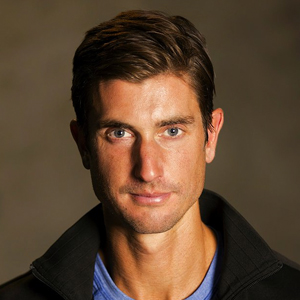
[00:00:10] Ray Latif: Hello, and thanks for tuning in to Taste Radio, the number one podcast for the food and beverage industry. I'm producer and host Ray Latif, and you're listening to episode 215, which features an interview with plant-based food pioneer Brendan Brazier, the co-founder of protein platform Vega, and Pulp Culture, an innovative brand of adult juice beverages. Just a reminder, if you like what you hear on Taste Radio, please share the podcast with friends and colleagues. And of course we'd love it if you could review us on the Apple Podcasts app or your listening platform of choice. In recent years, few trends have impacted the landscape of food and beverage as significantly as that of plant-based diets. Things were certainly different in 2004, when there were just a handful of brands that were focused on and promoted plant-based products. One of those was Vega, an ahead-of-its-time brand of protein powders made with vegetable-based ingredients. Brendan Brazier, an endurance athlete and expert in plant-based nutrition, co-founded Vega and was the original formulator of its products. A decade after it launched, and amid a growing number of consumers adopting plant-focused eating habits, Vega had become one of the leading brands in the fast-growing business of nutritional powders and bars. And in 2015, the company was acquired by Whitewave Foods for $550 million. Last year, Brendan rekindled his entrepreneurial spirit as the co-founder of Pulp Culture, a first-of-its-kind brand of fermented cold-pressed juices anchored in the emerging business of better-for-you booze. In the following interview, I spoke with Brendan about the roots of his passion for plant-based foods, and how it culminated in Vega, why the brand's heavy investment in consumer education paid off, the reason he launched Pulp Culture despite avoiding alcohol for 14 years, and how he's drawing upon lessons from building Vega to support the brand's development, and also offers his perspective on the evolution of plant-based foods. Hey folks, it's Ray with Taste Radio. I'm going to call right now with Brendan Brazier, the co-founder of Vega and Pulp Culture. Brendan, how are you? I'm doing well. Thanks. How are you? I'm doing pretty good. You know, I wonder about your routine, your daily routine, because you have been known for a long time as an endurance athlete, and I have not been known as anything close to an endurance athlete. So when I wake up in the morning, I have my little daily routine, which is usually a cup of coffee, throw some water on my face, and then get down to my office and start working. I assume yours is a little different.
[00:02:49] Brendan Brazier: Yeah, that doesn't sound bad either, though. That's a pretty good routine. I, you know, I certainly don't have anything super structured. When I was racing full time years ago, I mean, it's been 15 years now since I've raced full time. And yeah, I was pretty regimented. And I had very much a structured program, you know, every minute of the day was accounted for. Now, it's not like that as much. I like things. I like a little flexibility. I like to keep some variety in the day, keep some surprises in there too. I don't want to make it like a template where everything is predictable and exactly the same anymore, just for change. And I think mentally, it's kind of nice to just kind of have a bit of flow and a bit of flux in the day. So yeah, I'm not on a super tight regimen now. You know, I just know what works well for me. And right now, sort of a little less structure is helpful, I think. Do you drink coffee? Once in a while before a workout, I can certainly not drink it if I'm not going to be doing a pretty intense workout because I just get too jittery and I find it really affects me quite a lot. I certainly can't drink it for more than one day in a row. I could maybe have two cups a week max, but yeah, I find I'm quite sensitive to it and it does help with workouts for sure. That's been proven in science and I can also speak to that just from personal experience. But yeah, you pay a price, you know, you fry your adrenals, it's kind of like borrowing energy, you know, you get energy from the future, basically, that you have to pay back, and you get it now, which can be helpful, like you say, for workouts, but it's tough on the adrenals.
[00:04:28] Ray Latif: You are way ahead of the game on plant-based foods. Tell me about your initial interest in that type of diet.
[00:04:36] Brendan Brazier: Yeah, well, it started when I was around 15, so in 1990. And it was really just me trying to find food that would help me feel good. And I started training full time back then. My goal was to be a professional athlete. I just thought that would be an amazing career to be able to have. So I really started taking it seriously. I guess it wasn't full-time, because I was still going to school then, but I trained before school and then twice after school. So it kind of felt like full-time, but that's where my focus was for sure. And I tried a whole bunch of different ways of eating to speed recovery, because I knew that if I could recover more quickly, I could do more training in less time, which would mean I would improve in less time. So, yeah, I became obsessed with trying to get my body to rebuild and regenerate after exercise. tried a whole bunch of different ways of eating and eventually settled on plant-based. And at first it didn't work great for me. I was often hungry and tired and fatigued. It just didn't feel great, but I was doing it wrong. I was making common mistakes, eating tons of carbs, lots of pasta and refined foods, and really not very many nutrient-dense foods. So Obviously, back then in 1990, there weren't a lot of options for athletes and not a lot of information either. It was very hard to find information, you know, go to the library as opposed to now you just Google something. So, It was slow. It took me a while to figure it out, but I kept a really good training log and nutrition journal, and I could see the correlation. When I was feeling good, when I was training well, when my results were getting better, I started to see a pattern in what I was eating. And when I ate more plant-based, I performed better and I felt better. So I really started to go that route. And then just found plant-based sources for things that I thought I was lacking based on some of the limited research I'd done at the time. So complete protein, vitamin B12, iron, calcium, omega-3 fats. found sources for each of those from plants, blended them together and had a blender drink every day. And it didn't taste very good. It was just function. It was all about function back then. And it worked. I would improve more quickly than I had in the past. And I just stuck with it. And then people started asking me what I was doing, because I was improving more quickly than most people. And it was really just attention to detail and nutrition. It was that simple. And that's really what my first book was based on was really just frequently asked questions put into book form that I talked about a nutrition program that that I found that worked really well for me that kind of evolved as I went along.
[00:07:12] Ray Latif: And the name of that nutrition program is?
[00:07:14] Brendan Brazier: The book is called Thrive. I did a self-published version in 2004, and then it was published by Penguin in 2007. Basically, it just outlines my nutritional philosophy. I talk about high-net-gain nutrition. I talk a lot about hormonal health too. which different adaptogens can help with lower cortisol, which means you sleep more deeply. So you wake up and you're fresh and you're rested and you actually don't crave coffee or sugar. So you've treated the cause of fatigue, you don't have to treat the symptom, things like that. So it's more long term. It's certainly not a quick fix. It's more of a lifestyle, for sure than it is a diet. So yeah, that's that's kind of how that happened. And of course, the nutritional philosophy that I used and put in the book is reflected in Vega and how that started when we basically took the blender drink I was making and made a commercial version, which is now called Vega 1. And it's been out almost 16 years now. So it's, you know, it's been a while.
[00:08:13] Ray Latif: It's truly amazing to see how Vega has evolved on the market since it launched in 2004. and more so how plant-based eating has evolved in that time as well. Did you anticipate the emergence of plant-based food as a macro trend or did you see it initially as being a specialized diet that would appeal to a select few folks?
[00:08:37] Brendan Brazier: Well, it's an interesting question. In the early days, I certainly didn't think beyond myself. It was really a very selfish endeavor, to be honest. I just wanted to perform well. But then, of course, I learned about the environmental impact of eating more plant-based and cutting animal products out, the social benefits of that as well, of course, and the health benefits in the US and Canada and other parts of the world. human health is declining. We're overfed yet undernourished, which would have been a paradox in the past. Food used to be synonymous with nutrition. The more we ate, the better nourished we became. But the modern industrial food system has really in some cases, depleted food of nutrition, which seems like a strange thing, but food ought to be made up with vitamins, minerals, phytochemicals, antioxidants. And today, it's not always a guarantee that it is. Often, it's just basically refined, starchy food. You know, I could theorize back then that obviously, you know, human health and environmental health, food production, fixing both those things are huge issues and doing it with a plant-based diet, just eating more plants, producing more plants as opposed to animals is going to solve both those problems. It was certainly my hope that at some point it would catch on. And I do think we're at that point. You've got films like Game Changers and obviously all that's going on in the world today, people are looking at other ways of feeding themselves and concerned about the environment, concerned about their own health and so on. So yeah, it's the last three years in particular has really been, it's felt like things have really started to fall into place. So it's great to see.
[00:10:21] Whitewave Foods: Guessing your margins? That's risky. Belay Financial gives CPG brands the clarity to scale smarter, faster, stronger. Get your free inventory ebook by texting TASTE to 55123 and start making data work for you.
[00:10:40] Pulp Culture: Tune in at the end of this episode for an exclusive interview with Matt Lin of Belay Solutions. He sits down with Melissa Traverse to break down the biggest inventory and accounting mistakes CPG founders often make. You'll learn how to bring clarity to your numbers so you can scale with confidence.
[00:10:59] Ray Latif: When Vega made its debut, how was the brand received, particularly among athletes like yourself? I mean, were those the consumers that you were initially going after?
[00:11:09] Brendan Brazier: Yeah, it was interesting because I would go around to a lot of Whole Foods stores and little tiny health food stores in Canada and talk to 10, 15 people, sometimes four people, very, very small numbers. So it was slow. It took a while because it was different, it was new. And back in the day, it was $75 for one tub. which was only 15 servings as well, if you can believe that. So people had to really buy that and then rebuy it, because it usually took three weeks before people would actually feel better. So they had to buy this expensive thing that didn't taste very good and then rebuy it before they noticed any benefits. So as you can imagine, it was kind of a hard thing to get going. But when people actually understood it, and if they took the time to read my book or listen to one of my talks, they understood why that that could be helpful and how it could help them have more energy and feel better and help them with focus and sleep quality and get leaner and so on. So when they tried it, it worked. And then they felt great. And other people would notice and say, Hey, you know, you're looking good. What are you doing? And then they talk about Vegas. So It spread that way, but yeah, it took a while for sure. And I think, you know, being an Ironman athlete coming off seven years of full-time racing, going straight into trying to build a brand was actually the best training for me because Ironman training is, it's just about slogging it out. You know, it's just about showing up. And some days you don't feel great. And in fact, most of the time you're tired, which is the whole point. That's what training is for, is to tire you out. And if you're not tired, you haven't trained enough. So going with that mentality into trying to build a brand was really a perfect storm. It had me in the right mental space to know that I'm about to do something that's going to be hard. I'm going to be tired most of the time, and it's going to be an uphill battle. But yeah, I can deal with that, so bring it on. It actually worked out really well that way, the way it just sort of flowed from full-time Ironman racing into full-time brand building, essentially.
[00:13:11] Ray Latif: Vega worked as a functional product. At the time in 2004, you mentioned this, great taste was a luxury attribute for protein-centric products. You, as the formulator, achieved eventually better taste. How do you get to that balance of Taste Radio function?
[00:13:32] Brendan Brazier: Yeah, that's, you know, it's an interesting question, too. It's because, yeah, in the beginning, from day one, I mean, it was all function, like, I didn't consider taste at all, or even texture, for that matter, when I was making for myself, like it was clumpy, and gritty, and would settle to the bottom and stuff. And for me, I didn't care. Like that was, you know, I was all about the function. But then of course, yeah, as a commercial product, people can't gag when they're drinking it. So there has to be this evolution there. And luckily, we haven't had to compromise in formulation or function, because technology has improved. Flavor, technology has improved the ability to take food and mill it more finely and extract oils that are very flavorful better than was available 16 years ago. And like I say, milling technology is a huge one. So it's far, far, far smoother now and dissolves better. Even spray drying technology that has allowed us to do that and just make it really smooth has really come a long way. Yeah, the great thing is there hasn't had to be a compromise just because technology has improved, mechanical technology of preparing it. So that's kind of a nice type of food technology that has helped us get both that way.
[00:14:54] Ray Latif: How long did it take before you were comfortable with the flavor? Me personally or for? Well, you and your consumers. And by your consumers, I mean new consumers who started to buy Vega because they realized they didn't need to gag to drink your product.
[00:15:12] Brendan Brazier: Yeah, well, you know, really the first several years, it was pretty hardcore. You had to recognize that it was going to work and that you're going to get benefits. And I think there's almost like a badge of honor. Like I actually think some of the early Vega consumers and they, you know, still around today, I think it was sort of like a club, you know, you join the club, it doesn't taste good, but hey, if you can stick with it, you're gonna feel great, your skin's gonna clear up, you're gonna be at the top of your game. So it was almost like a pride thing, I think. And now, you know, that's sort of removed. And I actually kind of really kind of liked those days. Like I liked the fact that it was the way it was, it was so primitive that way. And now, you know, it's mainstream, right? It's in Costco and Walmart and, target and all these places, which is great. The intention is to get more good, high-quality plant-based foods to more people at a lower cost. And those things have happened. So that's the evolution that we've wanted. But personally, I liked it when it was kind of like dirt myself. It felt like it was doing you more good, whereas now it's almost like a treat. I mean, It tastes pretty conventional, which is great. Like I say, I mean, that's the plan, right? We want people to have better plant-based options, even if they're not as committed to drinking stuff that doesn't taste good. It should be for everyone. It shouldn't just be for those who are willing to put up with that. So that's where the real change comes from. Beyond Meat has done amazing with that. you know, they've made this amazing tasting product. So that's where the real change comes when meat eaters start eating beyond meat, because they feel better after than if they were to eat animal meat. So, you know, like I get it, that's if you really want to make change in the world, that's what you got to do. And so that's, that's what we're doing.
[00:16:54] Ray Latif: Did you have a sustainable business with those hardcore consumers that you were talking about? Or did you really need to change what Vega was all about from a texture and flavor perspective to achieve the real kind of revenue and profitability that you wanted, you and your co-founder?
[00:17:13] Brendan Brazier: Yeah, well, it's like, we could have had a really, you know, just kept it small, kept it tight, kept that club alive that, you know, actually enjoys drinking things that are sometimes hard to drink. And yeah, no, I think there absolutely could be a profitable business around that. But we got to the point where we had to decide like, what is our goal here? Like, why are we doing what we're doing? Is it to kind of have this sort of inner circle group of folks? Or is it to try and make a change and to try and get more high-quality plant-based foods that are very nutritious out to a broader group of people? And of course, then the volume increases, the cost comes down, it's more accessible. And that's where the real change comes from. And that's what we decided, that's what we want to do. That's why we commercialized it in the first place, is to make a change, not to just sort of indulge ourselves in it. But that can work too, you know, like it was just, there's not one right or wrong. I think you can definitely have a sustainable business and keep it tight that way. You don't have to always go more mainstream, but then of course, you know, there's pros and cons to both.
[00:18:14] Ray Latif: You talked earlier about education. There's a lot of education getting folks to understand the benefits of a plant-based diet, of plant-based protein, of Vega. There's also the element of competition because there's plenty of protein powders out there. How much education did it take and how much do you have to convince consumers to buy your product versus conventional ones?
[00:18:38] Brendan Brazier: We always said back in the early days, Vega was part education company, part product company. The education wing of Vega, we talked about that being the why, and then Vega was the how. It was very much education-focused because we really felt that a consumer who knows more will buy Vega like we were that confident in the product. So like we had the saying it's like ignorance is our only competition. Like obviously sounds super arrogant and cocky. But the idea was that if the consumer knows more he or she is going to be more likely to buy Vega. Therefore It's in our best interest to put out factually based information and do it in an entertaining, fun way. We actually made a whole video series called Thrive Forward that was free to everyone. It had all these videos and PDF downloads, their recipes and meal plans and all types of good content to help people eat more plant-based foods and transition to it and make it part of their lifestyle. We really focused on that and didn't really look at like product competition. I mean, sure, there's some other products out there now, you know, there's some really great plant based products out there. It's come a long way. Back in the day, there was Vega and it was really whey-based products that were competing with and now there are a lot of great plant-based ones. I'm about the mission. If people are eating plant-based products, I'm happy. It doesn't have to be Vega. Vega was just one of the ways to get people thinking about fueling with plants as opposed to animal products. I'm just happy to see where the industry's gone. And those companies that bring new innovation to plant-based, I'm really grateful to them because that's what we want. We want to be competitive, but we want then others to say, hey, we can compete here too. And then that's great. It pushes it forward for everyone. Then there are other companies that have the business model, just make a knockoff, don't educate, and just try and skim off the companies that are you know, putting the work out there. Don't love that as much, but I get it too. You know, it's business and that's some business models and that's just kind of the way it works. And as long as it's plants, I'm happy with that.
[00:20:47] Ray Latif: That's pretty expensive to have two units within a company, one focused on education and one focused on the product itself. How much of the education wing, we'll call it, contributed to overall costs early on?
[00:21:02] Brendan Brazier: I don't know as a percentage, it was quite considerable. But of course, we looked at it as an investment. We didn't look at it as a loss. And of course, when we started in the US, we started the company in Canada. So Vancouver, it got going there first and kind of spread across Canada to Toronto, another big market. But yeah, the US for the longest time, we were losing money, but we didn't look at it that way. We looked at it as investment, you know, to get market share and educate people. And then our thesis was, or hope at least, it was that, you know, at one point that would flip and we would have reached a critical mass and enough folks would be educated well enough and understand the benefits of plant-based nutrition and therefore Vega. and try it and see the results and keep buying it and be repeat buyers and talk about it, that eventually that would flip. And it did, you know, it took a while. It took, like I say, I mean, we're in year 16 now, you know, this is not a new company. So I think it took, you know, it took seven or eight years. It was not quick. But then of course, the benefit to that is then, you know, you own that space, like you're known in that category, like as a category leader, and that's the reward, but the cost is pretty great. So yeah, it just depends what type of business you want to build.
[00:22:20] Ray Latif: You must have had some pretty patient investors.
[00:22:23] Brendan Brazier: Well, that was a great thing is we didn't have any, it was just myself and Charles. You know, we didn't take in any investment until year seven. And VMG, if you're familiar with them, but amazing folks in the Bay Area and Southern California. They were our only investors came in at year seven, we sold the company at year 11. And they're phenomenal. So couldn't have asked for better partners there. But yeah, before that, it was just just myself and Charles.
[00:22:50] Ray Latif: When did you realize that the brand was really hitting its stride? How did you define those metrics for saying, okay, this is now a brand with a lot of potential to be an iconic mainstream brand?
[00:23:04] Brendan Brazier: You know, it was such a slow burn, like there wasn't one moment where it's like, oh, okay, this is flipped. It was so slow over many, many years. You know, when I would start to go to some of the bigger Whole Foods in the US, like in New York, for example, at Columbus Circle, seeing NCAPS there, Union Square, I know the big New York stores that I would go to four, sometimes five times a year visit. Yeah, when I started to see that, and then people in New York, for example, which is a long way from Vancouver, just walking up and picking it up off the shelf and, you know, going up and talking to them and saying, Hey, you know, you just walked in and pick that up. Do you? Why? And then they would tell a story, usually about a friend who they'd heard about it from who started using it, and it helped help that person feel good and feel better. And it's kind of spread that way. So a lot of it was word of mouth, because it really did work, right? really does work. It just takes time. And sometimes, as you know, of course, people want quick fixes. And this is not that. We don't pretend it is.
[00:24:12] Ray Latif: Let's talk a bit about your new company, Pulp Culture, which is really interesting to me because when I found out you were involved in the brand, Frankly, I was a little surprised given your history of nutrition, balance, the fact that you're an endurance athlete. And I did learn that you weren't a consumer of alcoholic beverages for a very long time. What drew you to Pulp Culture? What drew you to the brand?
[00:24:37] Brendan Brazier: Well, that's that's good. That's the right reaction to have because that's the reaction I had myself. It's like if someone had said even two years ago, your next business is going to be in the alcoholic beverage space, I would not have believed you like it just not at all. And you're absolutely right. Like I had not had an alcoholic drink in 14 years. And I was actually I was in Whole Foods in the Venice Whole Foods. And I saw a can of one-on-one cider, and I just picked it up and I looked at it, and it had one ingredient. Apples, not even water, just apples. And I thought, how is that possible? Zero sugar, it says right on there, it's probiotic, and it has one ingredient. I didn't understand that, so I, first time I've ever done this, actually reached out to a company after seeing something on the shelf, totally blind, knew nothing about the company or the founder, emailed info at one-on-one cider dot com, Mark responds 20 minutes later, he's like, hey, yeah, I know a few from Canada and Vega, and I'm in the fitness industry, and I used to live in Canada, and so we met up and became friends, and he explained fermentation to me. He explained how when you let fresh juice sit, it ferments. It's just ambient bacteria that basically eats all the sugar, turns that into probiotics and organic acids, and what we call full spectrum alcohol. It's the whole outcome of fermentation. It's not just alcohol. That's just one of the things. So I thought, how bad can it be to drink a fermented apple? It can't be that bad for you. So I tried it, and it felt great. It's super clean, helped with digestion. I felt focused. I felt really good. I went to the gym an hour and a half later, no hangover whatsoever, no dehydration, but felt really good. It just kind of took the edge off, just felt focused and productive and calm, almost like a nootropic. I actually started using it as a way to focus on work and emails. I would sit there and I would drink some and I would crush a whole bunch of emails and get through stuff. Two hours later, I'm like, wow, it just got a ton of work done. So that was the introduction to me. And then so like I say, Mark and I became friends and then business partners, I invested in one on one, I just think it's such a great concept. I just love the simplicity and the elegance of the solution. While folks are trying to make hangover cure pills and labs and stuff, just ferment juice. And it's so simple. And he got the idea in the Basque region, northern Spain, and then brought it back to the US and put kind of an American California spin on it, put it in cans. and I thought it was just brilliant. I thought it was just so smart because a lot of people don't realize, and I didn't at all at the time, Mark's taught me a ton about alcoholic beverages and how they're made and alcohol is isolated and it's distilled obviously in spirits and beer has its own process and it's and hard seltzer, which is malt liquor. It's a very harsh process of making alcohol unless you do it this way, which is so simple. So I love that. I just thought it was, again, the simplicity really appealed to me. So then we partnered and created Pulp Culture together, which is the same base, that wild fermented full spectrum. fermented juice. And then we blend in fermented super fruits for nutrition, obviously, and botanical adaptogens. So it's not only not bad for you, like a lot of alcohols are bad for you, obviously, this is not only not bad, it's actually good for you. So I thought that was really cool. And the fact that all the people I know are label readers. They will not eat food if they don't understand what every ingredient is, where it came from, how it's processed. And I'm that. I've been that for most of my life. So I thought, why is it that people will then totally disregard that standard when it comes to drinking alcoholic beverages? Why will they then drink these things that are really not good and just at least not bad? People will drink vodka and soda or whatever things that are in their mind less bad. So our goal, of course, was to raise the standard of quality of alcoholic beverages. And so that's what Pulp Culture is.
[00:28:52] Ray Latif: I was chuckling there when you said it didn't give you a hangover. I'm trying to think about if you've ever had a hangover in your life.
[00:28:59] Brendan Brazier: Oh, sure. I mean, not like, you know, in my early twenties and stuff, a bunch of us, like when we, you know, I had roommates and stuff, we were training full time, but you know, 21, 22, and that's just part of it, right? You train hard, but you also go to these parties and things and, and then you don't feel good the next day. And you, you learn pretty quick that, That's just not something that you want in your life. Some people learn it faster than others. That's true.
[00:29:26] Ray Latif: That's true for most things. In our industry, when I'm talking to early stage entrepreneurs, one of the first questions I always ask is, you know, what's your reason for being? Why do you exist on the market? And I'm sure you get this question all the time. Why not just drink a cold pressed juice and have a traditional alcoholic drink separately? You know, isn't this idea of a better for you alcoholic beverage kind of an oxymoron?
[00:29:55] Brendan Brazier: Well, I love that you brought that up. And again, like similar to Vega, you know, there's that education that we need to do, which is, you know, the challenge, but also the opportunity. So creating a category, the hard pressed juice category, we're going to get a lot of questions. And that's great. We love it because we love talking about it because we believe it's a better approach to quite a big problem. And yeah, you know, it's interesting, like some people they've asked us, they're like, so this is juice, like from juice press or whatever. And then you add alcohol, what type of alcohol do you add, like vodka? And so it's just helping them understand that we don't add alcohol, like alcohol is just a natural byproduct of fermentation. So we don't actually in our head, think of these alcoholic beverages, we think of them as fermented beverages. Fermentation is a great process, right? It's a natural process, kimchi, sauerkraut, These are all really healthy foods that have been eaten for centuries with different cultures that help with digestion and are just generally very good for you. So why not just ferment juice and also, you know, embrace the one of the other byproducts of fermentation being alcohol and have it as just a very healthy alcoholic beverage. Again, zero sugar, naturally, because it just eats all the sugar and you get 6 billion CFUs of probiotics. So, like I say, with a meal too, and if you're athletic, your body is pretty tired after a workout. That's the whole point. Obviously, like I said before, you break down your body and it gets tired. as it should and it rebuilds and overcompensates to become stronger than it was before. That's why training works. So if you can take digestive strain off your body, you will recover more quickly. So dinner, every dinner now, you know, I have a Pulp Culture because it helps with that digestion and that helps with recovery and that helps you feel better the next day too. So Yeah, it's just a different approach, you know, it's and again, this is not something I would have thought I would have gotten interested in, even just a few years ago, but it really just makes so much sense. And I I've, you know, live the benefits, I feel, you know, I feel great.
[00:31:59] Pulp Culture: Do you want more repeat buyers on Amazon? Well, this free resource in collaboration with Straight Up Growth will help your brand turn first-time buyers into long-term subscribers. Download Winning the Repeat Purchase Game on Amazon now at Taste Radio slash SUG. That's Taste Radio slash S-U-G to start building retention-driven growth for your brand on Amazon. Scaling a beverage brand into major retail comes down to operational readiness. From packaging lead times to co-manufacturing strategy, the details can make or break a launch. In a new e-book in collaboration with Octopi and Asahi Beer USA, industry leaders share what they've learned in helping brands scale. Download it now at Taste Radio slash octopi. Do you need to scale your team faster without compromising on talent? Join Oceans for a live webinar on April 20th and learn how leading companies are hiring top global professionals who are ready to grow with your business. Register for the webinar now at Taste Radio slash oceans. That's Taste Radio slash oceans.
[00:33:10] Ray Latif: There is a good amount of interest, consumer interest and demand in this quote unquote better for you alcoholic space. The fermented beverage category is also a growing space as well. How did you determine that going the alcoholic route was the best option for a brand? I mean, I assume that you could have removed alcohol from Pulp Culture and just had a non-alcoholic beverage, right?
[00:33:36] Brendan Brazier: Well, it's interesting and I wonder that myself too, but then that involves processing. It's quite a process to remove alcohol because when you ferment something, you get alcohol. That's just nature. So, I mean, there probably is a way to remove it, but know, that's kind of a whole different thing. And we figure too, you know, like White Claw, for example, hard salts are like good for those guys, you know, they've built an amazing brand, a very popular brand, and really help people to start thinking about drinking better and drinking things that are less bad for you. So we think that when consumers are ready for not just not bad for you, but actually good for you, then they're going to come over to us. Like, to be honest with you, I think we're a little early. Kind of like with Vega, you know, there was no demand for hemp, pea and rice protein in 2004. So we helped with the education around that and helped create that demand for it because we truly felt that those synergistic proteins together were better And I think we've proven that to be true since, you know, 16 years later now. But I believe the same with this. I believe that fermented juice is just an expression of better. And again, coming back to the elegance of the solution, just the simplicity of just letting juice sit there in our tanks for three months. We make it all downtown Los Angeles too, by the way, and just have these huge tanks and it just sits there. You know, it's a new thing, so it's somewhat unknown, but that's our theory, is that when people are ready for alcoholic-containing beverages that are actually good for them, we'll be there.
[00:35:13] Ray Latif: It's opportunity costs. You're deciding how and when to spend your time and resources. And, you know, you've been involved in other startups and made investments into other emerging brands. Is Pulp Culture similar or different in how you've assessed opportunities to invest, again, your money and time?
[00:35:34] Brendan Brazier: So if I invest in something, it's got to be trying to solve a problem. And the problem that I'm interested in trying to solve, one, the food system, like we all know that the current food system is not as good as it should be, like we ought to be getting more nutrition, vitamins, minerals, phytochemicals, antioxidants. while spending less of each natural resource, land, water, fossil fuel, like nutrient to resource ratio, I call that. So it has to have a very compelling story around how it helps environmentally and how it helps nutritionally and that getting that ratio right. So spending less environmental resource while getting more of each nutritional component that we ought to be getting more of. So that's really what I look at. And Pulp Culture, of course, embrace that. And then founders, too, of course. I mean, the founder has to be passionate, has to truly believe what he or she is doing is making a difference, has to be obsessive, to be honest, like really thinking about this 24-7, living and breathing it, and smart, ambitious, you know, just the things that you look for in a great business partner and entrepreneur and, and also rounding out things that I'm not as good at. Like if I partnered with someone like Charles, for example, back in the early days of Vega, you know, he had skills that I certainly didn't have. And, you know, I had some that he didn't have. So we were very complimentary. And I see that with, with Mark as well, with building up Pulp Culture. So picking your, your co-founders well, I guess is also a very important thing, just finding ones who are complementary and you're not kind of stepping on each other's toes and, you know, just have the same kind of view of the world and grand vision and mission too. And I will mention too about Pulp Culture, like environmentally, and one-on-one cider, how something that really interested me, and Mark taught me this too, is so the base is apples. And apples, of course, grow on apple trees, and apple trees have a very deep root system that find groundwater. So the irrigation they need is minimal to zero. Whereas if you're growing barley or wheat or these types of crops to make beer, for example, they have a very short root system, and it needs constant irrigation. So the amount of water consumed to make beer or kombucha, which is pretty much all water, or hard seltzer, anything else uses far more water than what we use to make hard-pressed juice. And being a California company, we got to be mindful of that. We have to be conscious of our water use for sure. So another reason that I really liked this approach.
[00:38:08] Ray Latif: Can you imagine ever having founded a company without a co-founder? Because this is your second one, and in each case, you've had a partner who you mentioned has a complementary skill set. Do you think you'd ever be able to go at it alone? And also, I talk to entrepreneurs who say, you know, I'd love it if I had a co-founder. How do you go about finding the right fit for someone that you're going to be working with potentially for a long time?
[00:38:33] Brendan Brazier: Yeah, I mean, you hear these horror stories of people starting businesses and having clashes and fighting over things and stuff. I guess I've been lucky. But yeah, no, the value of your partner, your co founder is, you know, can't be can't be overstated. And no, to answer your question, like founding a company and doing it by myself, honestly, I don't think I have the ability, like just to be totally truthful. I, I have blind spots. But I think my advantage is I know I do. And you know, there's some folks who who don't know that they don't have the ability. But I think I know enough and I know myself well enough to be honest. And I don't think I have the ability to just found a company and completely do it all myself. There are shortcomings. And the only reason that I've been able to succeed is that I'm aware of those shortcomings and then find great partners to fill those. So I consider myself very lucky to have had that support.
[00:39:35] Ray Latif: Now in your second startup, do you feel like it's a little bit easier given your background and history with Vega and the fact that you knew about being patient as an entrepreneur? I think that might be one of the hardest things in this business of CPG is that it takes time to build things. Do you feel more comfortable? Do you feel more confident that Pulp Culture can be successful and potentially as successful as Vega?
[00:39:59] Brendan Brazier: Well, I do, because back in the day, you know, we had no connections, Charles and myself, we didn't know the industry, we knew no one, we just went at it blind. And I think that was part of the bit that I actually look back on with actually great fondness, because we didn't know how hard it would be. And if we had, we may not have started, like we kind of went blind, we just sort of walked into it. And then it was sort of like getting out on a long run, you know, you get out, you know, 20 miles, and you realize you're out 20 miles from home. And you know, you got to keep running, you can't stop like you're, you're out there now kind of thing. So I look back on that as a really good learning lesson. But now we have contacts, you We know a lot of amazing people. We raised a strategic round last year, kind of the who's who of some CPG folks and amazing founders and great friends and just really good, smart people, which never would have been able to do had Vega not come first and having met some of these people. So I consider myself very fortunate to have this network now, and it's definitely easier than it was before. So yeah, I'm thankful for that.
[00:41:09] Ray Latif: What's the one mistake that you made with Vega that you promise that you're promising yourself you won't make with Pulp Culture?
[00:41:17] Brendan Brazier: I think actually it's a mistake that's very common, and I understand why it happens. But we definitely tried to expand geographically too quickly with Vega back in the early days. So being a high education product, we needed to be doing demos in stores and there talking to people, explaining the benefits, being very patient. And we went into regions because, so for example, Whole Foods is probably a lot of folks know it's broken into regions. So we would do well in one region because we would have the team there. And then another region would see the sales and they're like, wow, these guys are really doing well. We got to bring this in. So it was hard to say no to purchase orders. But we should have because we didn't have the ability to scale our education team to that new market. We had so few people involved. And we didn't want to just hire demo companies, of course. I mean, you need to like with this high touch type thing, you need to really treat it carefully. So Yeah, we did that. We accepted orders that we probably shouldn't have in the beginning, but you see money coming in and you want to take it. And then a lot of the time in those new markets, without our high touch, our education teams, it just didn't do well. People didn't understand it. Understandably, it was more expensive and it didn't taste good. That was a mistake we made trying to go too fast geographically. So I think keeping it tight like we've done with Pulp Culture, you know, it's available in all the Whole Foods in California now and BevMo. So we're starting with California. We'll move to Arizona and New York. We'll go to other states where we feel we can allocate the team and get the education done there. Plus, direct-to-consumer now, we can do that with Pulp Culture because it's able to be sold direct-to-consumer, whereas hard seltzer, kombucha, beer is not due to liquor laws, but this is considered wine as a category because it's fermented juice. So we're able to sell direct, which is a huge benefit too. So we can help educate through emails and an education series that we can do obviously online.
[00:43:24] Ray Latif: You've been involved in the plant-based food business for a very long time. And there's a lot of folks that are thinking about the next evolution of this trend. We'll call it plant-based 2.0. How do you see the next decade playing out for plant-based food? You know, what will it entail and how can brands best prepare for change?
[00:43:49] Brendan Brazier: Well, I think, you know, you look to companies like Beyond Meat, you know, I'm a huge fan of what they've done, what they continue to do. Ethan's a great friend. And, you know, I look to what they've done and the barriers that they faced in the beginning, you know, like wanting to put their product next to animal meat in supermarkets. That was just, it just, people didn't get that. And Ethan really pushed for that, because he knew that's where the change would come, is meat eaters eating plant-based for a change, not just making food for vegans. There's no change. There's no evolution that comes from that. So I think having that sort of attitude, really mission-driven, really, really caring about your mission, not just seeing, hey, this plant-based thing's hot. Let's try and jump on that trend. If you can add something to it and evolve on something, whether it's through education, technology, science, a better product, then absolutely do it. But I would caution people who just see it as a business opportunity as a growing trend to hop on. I don't think that's good for the industry as a whole. I think if you've got something really sincere and genuine to bring to it, absolutely, that's great. Then do it. But Yeah, you know, I see these big companies now, they've let the small ones like Beyond Meat go and become big companies, but they look at them and they've kind of broken down the doors now, all these companies that it wasn't even on their scope or are seeing the market just dollars and cents, you know, they're just looking at it as a money thing. And so they want to get involved, which is also, you know, it's not all bad. It's good, because there are now more plant based options, but I would say to those new companies, just make sure it really is aligned with your personal values and your mission and be doing it for the right reason. It's going to make it so much easier to get up in the morning and go to work if you actually feel like you're making a difference and a change. If you're doing it just because you see this industry is hot, you want to get in, you want to get a piece of it. then, you know, it's going to be harder. It's like, I couldn't do that. I couldn't just go and start trying to sell something to what I saw as a hole in the market or whatever. But I guess in that sense, I'm not really a pure entrepreneur. I'm more of a mission based entrepreneur who will just use entrepreneurship as a means to kind of nudge the world in the direction I feel it ought to go. So I guess that's kind of a difference too. Are you like knowing about yourself? Are you using capitalism and entrepreneurship as an extension of your values and your worldview? Or are you simply trying to fill a hole in the market and make some money? Not that one's good or bad, they're just different approaches and just knowing which category you lie in, I think is helpful before starting a business.
[00:46:32] Ray Latif: Absolutely. And that's such great advice to anyone listening, whether they're a veteran entrepreneur or someone who's brand new to the industry. Brendan, it's been so great speaking with you. You have such a great perspective on our industry and your career has been a real bright spot for folks who are trying to make a difference. And I congratulate you on Vega and wish you the best with Pulp Culture. It's a great product. I've had it a few times and I think you've got a great runway for success.
[00:47:04] Brendan Brazier: Oh, thanks. I really appreciate that. And yeah, thanks for having me on. And thanks for spreading the word of entrepreneurship and startups and small business. Talk to you soon. Thank you. Thanks.
[00:47:20] Ray Latif: That brings us to the end of episode 215. Thank you for listening. And thanks to our guest, Brendan Brazier. You can catch both Taste Radio and Taste Radio Insider on Taste Radio, the Apple Podcasts app, Stitcher, Google Podcasts, and Spotify. As always, for questions, comments, ideas for future podcasts, please send us an email to askatasteradio.com. On behalf of the entire Taste Radio team, thanks for listening, and we'll talk to you next time.
[00:47:59] Vega Pulp: Hello, I am Melissa Traverse here for the Taste Radio podcast, talking about some of the biggest tension points that CPG brands and founders face when they're scaling a brand, and those are financial accounting and inventory management. I am joined by Matt Lynn, inventory accounting guru from Belay Solutions, and he is going to shed some light on all of this that is going to help everybody out quite a bit. Matt, thank you so much for joining us today.
[00:48:29] Taste Radio: Thank you for having us, Melissa. It's great to be out here at Expo West and it's great to sit down and be able to chat this because it's kind of a passion project of ours, working mainly with CPG brands and hoping to help them scale.
[00:48:40] Vega Pulp: It's been such a pleasure chatting with you and the team and learning all about what you do over there at Belay Solutions. Can you tell us a little bit about yourself and what your role is and the kinds of solutions that Belay gives to CPG brands and founders?
[00:48:56] Taste Radio: Yeah, absolutely. My role with Belay, I'm actually our inventory accounting manager. I run our inventory department. So we work with CPG brands, taking them from spreadsheets, putting them on inventory management systems, and really helping connect their tech stack between their sales, online marketplaces to that inventory management system, even down to their financial systems like QuickBooks. Belay overall is kind of an outsourced accounting firm. And with that, we're helping teams. We have different levels with bookkeeping, controller level work, even high level into CFO type items. So we really help those brands in any way that they need financially. And then I just have a subset of a department where we're really just laser focused on inventory.
[00:49:39] Vega Pulp: It's certainly a complex topic and there are plenty of places to go wrong. Let's start by going right and start super simple. Can you tell us what some of the biggest red flags are that would help a founder understand or, you know, the person running a brand understand that it really is time to get some help with some of these areas?
[00:50:00] Taste Radio: Yeah, absolutely. I think some of the early red flags is just everything is chaos. So when they're looking in their financial software, maybe they don't really have an accounting background, and they're kind of just piecing it together and doing their best. And what they'll see is that reconciliations take forever, if they even happen. They have a lot of transactions that don't get coded, or they just put them into placeholders to just get rid of it so it's not an eyesore. they'll notice they have revenue but no cash or they notice that they have a good amount of cash but their blind spot is really seeing the vendor invoices that are sitting there just needing to be paid and so they just lack that clarity that's going to really be around the corner.
[00:50:37] Vega Pulp: You know, you were talking about one of the red flags that comes up that I think makes so much sense. When somebody asks you what your numbers are and you can't come up with the right number, that's a big problem because that's something that you really should be able to share with decision makers who, you know, you're ideally looking to do business with. What should you be able to call up at a moment's notice?
[00:51:01] Taste Radio: really at any time, you should be able to know an accurate margin. It's amazing how many founders we end up talking to that they can tell you their revenue numbers, they can tell you their selling price, and then the minute you start talking about cost or their cost of goods sold, they just get a deer in headlights look. So really it's very hard to tell, am I even making money? Or if you don't know your entire landed cost. Maybe you know what the freight cost is, the duties separately, but you're not really getting that as part of your unit cost. So it's really hard to tell. Am I even making money or am I losing money from the very beginning?
[00:51:34] Vega Pulp: And do you recommend that founders are able to call up a margin by channel?
[00:51:39] Taste Radio: Absolutely. And depending on the number of products and channels, you kind of want to know what are your best sellers, which ones are making the most and which ones maybe you're not making as much. But especially if you're branching out and you're doing D to C with B to B, absolutely want to know that.
[00:51:55] Vega Pulp: Gotcha. You mentioned that when things feel really chaotic, that's probably a red flag. I would say that it probably almost always feels chaotic if you're running a CVG brand. And I know this may be hard to quantify, but is there a revenue number? Is there a number of doors number that would help a brand understand whether or not it makes sense to bring on a partner like Belay? Understanding that so many brands are bootstrapped or they might be tight for cash. What is that friction point?
[00:52:28] Taste Radio: a little bit different for everybody depending on where you're at in your process and sometimes just your level of understanding of financial aspects. You know, when you're first starting and you're really cash conscious and don't want to spend that much money, you may keep it on yourself. But as you're growing, as you're getting to those six-figure revenue numbers, and especially as you're approaching seven, you want to make sure you've got good financials. Because as you scale to that point, most likely you're going to be looking to raise capital. And investors, the first thing they're going to look at is your books. And are they clean? And do they show a clear picture of your business?
[00:52:59] Vega Pulp: You know, another area that folks might look to to organize some of the chaos are their systems. So many folks stick with Excel spreadsheets for a good amount of time. How do you know that you need to outsource some of your accounting to an organization like Belay Solutions versus maybe signing on to a Synth7 or NetSuite or something like that?
[00:53:21] Taste Radio: Well, that's actually something we really help with when it comes to that cost question. That's something that trips people up. And sometimes if you just have a turnkey business, you buy and sell a finished good, you can maintain with spreadsheets. And we've had clients with million dollar revenue that can do that. But we see so many brands nowadays are using contract manufacturers. and they're just sourcing certain parts of their product. So when you start talking costs, they have no idea exactly what their unit cost is. So that's where we come in and we kind of understand, we'll speak with the customers and the clients and get their needs. And then if we think they're ready for a system, then we'll help put them on that system so they can get some of that clarity. And it's not something we force on anybody. There are plenty of times where founders come to us and we'll tell them bluntly, you're not ready for it right now, but we'll let you know when we think you are.
[00:54:07] Vega Pulp: That sounds like excellent advice. What should a founder or somebody running a brand look for in an outsourced accounting partner? Are there certain checklist items that they should make sure that their partner be able to execute or be able to help them understand?
[00:54:24] Taste Radio: Absolutely. I think one of the keys, there's, there's a lot of outsourced accounting firms out there. Some focus on service based SaaS companies, but if you're a CPG founder, you really want to make sure that your accounting firm has CPG experience. I would ask them, you know, what kind of brands have they worked with? And even beyond that industry specific, because there's so many subsets of CPG. And that's something that I think is great about what we do with Belay is that we kind of run the gamut. It's kind of like the insurance commercial. We know a thing or two because we've seen a thing or two across a broad spectrum.
[00:54:54] Vega Pulp: Probably getting references is always helpful, right? Absolutely. All right. So this all sounds great. I think we have a really good understanding of would it make sense to hire an outsourced partner? You know, what some of the things you should be looking for are. What does offloading this kind of work mean for the brand? What can this do for lightening the load of a founder or lightening the load of a brand operator? Like, how does that help them in their everyday business?
[00:55:23] Taste Radio: It just tries to really help quiet the chaos. So what we're looking to do is just take some of the weight off that founder's shoulder, let them focus on building the brand, building the business, getting that exposure. If you don't have sales, you really don't have anything. So we want them to be able to focus on that while we take care of your back end office work. And we can just present that to you on a monthly basis, you can help make decisions, you can take that to investors. And really, you can just focus on growing your business.
[00:55:49] Vega Pulp: I feel like I felt founders and the folks who are running brands collectively sigh. A breath of relief just hearing that. How can people learn more about Belay Solutions?
[00:56:00] Taste Radio: So people can text TASTE to 55123 for their free inventory guide to get started.
[00:56:05] Vega Pulp: Matt Lin, Inventory Accounting Guru at Belay Solutions. Thank you so much for joining me here at Expo West. It's been such a pleasure to chat with you and learn about what you all do over there to help founders and brands with their financial accounting and inventory management. For everybody else out there, thank you for listening to the Taste Radio podcast. I am Melissa Traverse and we'll see you next time.