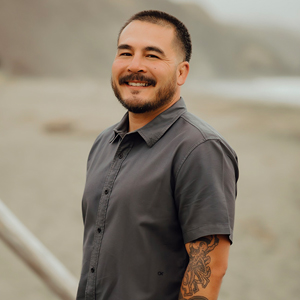
[00:00:10] Ray Latif: Hey folks, I'm Ray Latif and you're listening to the number one podcast for the food and beverage industry, that's Taste Radio. This episode features an interview with Justin Gill, the founder and CEO of Bachans, a unique brand of Japanese Barbecue sauce that has grown at an extraordinary pace and shows no signs of slowing down. Just a reminder to our listeners, if you like what you hear on Taste Radio, please share the podcast with friends and colleagues. And of course, we would love it if you could review us on the Apple Podcasts app or your listening platform of choice. There are fast-growing brands, and then there is Bachans. Launched in 2019, Bachans markets a line of soy-based condiments that it describes as, quote, Japanese Barbecue sauce. Admired for their versatility, the products are commonly used for barbeque cooking and also as a marinade, finishing sauce, and stir-fry sauce. Founder and CEO Justin Gill developed Bachan's based off of an heirloom recipe and named the brand as an homage to his grandmother. The company touts a cult-like following, one that has led an ambitious retail strategy and growth trajectory. The brand's four flavors, The Original, Hot and Spicy, yuzu, and gluten-free, are available at over 11,000 stores across the U.S., including Costco, Whole Foods, Publix, Sprouts, Target, Kroger and The Fresh Market. Nationwide distribution has sparked surging revenue. Just three and a half years after its market debut, Bachans expects to generate $35 million in sales by the end of 2022. Investors have taken note. In September, the company announced a $13 million Series A funding round led by private equity firm Sonoma Brands Capital. The investment will be deployed to expand Batchon's retail footprint and is also being used for new product development. In the following interview, I spoke with Justin about how six years of preparation and planning prior to Batchan's debut has impacted his rapid start, the intentionality of the brand's label and package design, why he credits a focus on high-quality ingredients as a key to consumer loyalty, his thoughtful approach to demand planning, and how the company evaluated potential investors.
[00:02:42] Justin Gill: Hey folks, it's Ray with Taste Radio. Right now, I'm honored to be sitting down with Justin Gill, the founder and CEO of Bachans. Justin, so great to see you. Great to see you too, Ray. Thanks a lot for having me. I'm excited to be here. Yeah, absolutely. I am really excited to speak with you. So many amazing things happening with your brand. Before we get to that, I want to note for folks who are not watching the video, you have a beautiful surfboard behind you with the Bachans logo right on it. Are you a big surfer? I am. Yeah, I love surfing and yeah, it's been fun. We've done some collaborations kind of in that space and we shaped a board with with chemistry surfboards down in Oceanside. And it was a really fun project. And we're actually gonna do a little giveaway here pretty soon too. You're based in Sebastopol, California, right? I am, yeah. I'm in Sebastopol, California. So Northern California in Sonoma County. Nice. I didn't realize, I mean, Sebastopol's a little bit further inland, isn't it? Do you have to drive out to the ocean a ways? A little bit, yeah. So we're like in West Sonoma County. So the beach from my house is 15, 20 minutes. Okay. Not too bad. Yeah, not too bad. Yeah, I love I love that area of the country. I love that area of California. People who haven't had a chance to visit Sebastopol really should. But what's one thing people should see in the town when they are visiting? Definitely go to the Barlow. It's a really cool area. Lots of great food, breweries. There's distilleries, winemakers, some artists. It's a really cool place to visit in Sebastopol. You have some really good restaurants too. Ramen Gaijin is excellent, right next to our office. So I'd highly recommend going there too. Nice. Can folks swing by your office and get a drop or two of bachans? They can. Come on by. Yeah, people definitely come by. Do they really? You guys have an open door policy when it comes to visitors? Yeah, pretty much, man. Yeah, we do. Guy Raz, from how I built this, he stopped by about a month ago, and that was really cool. Got to spend some time with him, and I listened to his podcast, you know, for many years, so. A quasi-rival of Taste Radio, but very good at what they do, for sure. Guy's great. We need a radio to come by next. You know, prior to launching Botchons, I was checking out your LinkedIn profile and I saw that you were a co-founder of a brand of jujitsu pro gear, which is really interesting. I'm assuming that you are skilled in the martial art as well. Um, yeah, I think I mean, I'm proficient in martial arts. I trained in jiu jitsu and other martial arts for a long time. It's a big part of my life when I when I had our kind of our, our lifestyle clothing brand that we launched in that space. I've done some mixed martial arts. Yeah, it was it was a fun time. I learned a lot about business and brand and sales and all those things during that time. And you know, took those things with me to watch on. So but yeah, I love martial arts. I don't get to train as much as I used to and sustain some some injuries and things that kind of keep me out of the gym. But I still love it. Yeah. Are there any parallels between martial arts and entrepreneurship? Absolutely, man. There's, I mean, you need, you know, endurance, creativity, dedication, collaboration with your training partners, you know, passion, all those things. So those are direct parallels to business. And I think, you know, you really need those things in all all sports or all kind of real pursuits in life. And so, yeah, absolutely. And those are parallels. to business and I kind of look for those things everywhere in life, really. Entrepreneurship is one of my biggest passions in life and kind of always has been. So everything I've learned outside the world, I kind of draw parallels back to business just by nature, so. Can I call your grandmother a deep passion in your life as well? Yeah, yeah, she has, man. She still is. She lived on the same property as us growing up. I used to talk to her about all my little business ideas I had as a kid. We used to make little prototypes of things and, you know, she's a huge inspiration. She actually got sick when my mom, my auntie were young. when she was in about her 30s, and it caused her to have a handicap in her legs. So she's always walked with a cane. And the crazy thing is, I've never heard her complain about it once, like never in my whole life. And so that's just always just been hugely inspirational for me. She's an incredibly positive person. And she kind of just takes whatever life gives her and keeps going with a positive attitude. The name Botchons is an ode to your grandmother too, right? It is. Yeah, absolutely. I mean, it's named directly after her and really to honor her and honor my whole family. She's who taught my parents and then myself how to make our sauce. We used to all get together and make it as a family growing up. So some of the best memories I have from growing up, we're doing that with my Botchons and my whole family. So yeah. Bacchan means, loosely means granny in Japanese, right? Yeah. Yeah. It's, it's Japanese American kind of slang for grandmother. It's like, yeah, it's exactly, it's like saying granny. Um, in Japan it's, you know, you, you call your grandmother an Obasan and then here in the U S Japanese Americans will either say Bacchan or they'll say Obachan. Obachan is a little bit more formal. Um, and Bacchan is a little bit more just casual. We're a pretty casual family, so we just call her Bacchan. That's beautiful. Have you had a chance to visit Japan? Have you been out there? I have. Yeah. We, so, and this is kind of a, really inspirational trip for Bachans too, but we took a heritage trip in 2017, took my whole family to Cambodia and Japan. And my wife is Cambodian, so we took our family there to go just learn about the culture and the heritage of her family in Cambodia for a couple of weeks, went all around. It was just an amazing, amazing trip. and then went from there over to Japan to just learn more about, you know, the culture and heritage of, you know, from my family. And, uh, yeah, it was, it was an incredible trip. I mean, it really answered a lot of questions that for myself, I didn't even know I had about kind of why I am the way I am and why my family is the way they are. And, uh, it was just incredibly inspiring, man. There's so many artisans out there. People are so dedicated to their craft and, um, you know, almost in like an obsessive way and which I can relate to. And they take a lot of pride in what they do. So I love that. I came back incredibly inspired. And really, that's what triggered me to, to finally get Green Botchons to market. It still took a couple of years after that, but it was an amazing trip. I love Japan. I want to go back every year if I can. Have you been back since? No. We're planning on going back. We've actually been talking here and our company that, you know, if we can hit our goals for 2023, we're hoping to take our whole team over there. Wow. That's pretty amazing. That's a great incentive for your team to hit their goals for sure. Yeah, absolutely. You know, and just to go see, you know, like he'll learn about the culture and that we're kind of represented here at Botchons. So we actually haven't told them yet. So if they watch this, they're... That's gonna be pretty cool. You'd be like, there's an Easter egg in the interview we did for Taste Radio. Listen in. Yeah. Good stuff. You know, you had mentioned that it was 2017 when you took that trip to Japan. Botchons as a company was started in 2013, but didn't really get to market until 2019. So there was a lot of planning and preparation. I assume in those six years between when you started the company, when you actually got to went to market. Can you talk about that timeline and the brand's development? was a pretty long timeline, 2013 to 2019. And because this, this business and this brands product is such a, um, so, so close to me personally, I really spent a lot of time and did a lot of thinking and, and, uh, concepting and research. And, and so I got pretty obsessive over very small details and, you know, didn't know anything about food and beverage industry, had zero experience in it. So had to kind of learn about it and familiarize myself with, you know, product formulation and retail and all these different facets of the business. And so it took some time and What took the most time was really formulating the product and sourcing the ingredients and creating this, our production process that we still use today, which is a cold filled and shelf stable production process. And that's really one of the main things that gives our products such a fresh and bold flavor. And so that took me multiple years, really. And then during that time, I was also working on finding the best ingredients that I could and working on packaging and working on design and the creative and brand and everything. So yeah, it took a while. But I think all that effort and work and thinking that went into it eventually paid off. obsessive over some details, you know, sometimes the smallest details make the biggest differences. What were some of those details that you felt like were so important to the core of the brand that they couldn't be overlooked, they couldn't be not obsessed over? The formulation, I think was one that, that I really obsessed over for a long time. Once I learned about the cold fill process, it really intrigued me. And then I started to kind of see other kind of patterns in the market of other products, you know, that were at the top of their categories that, you know, didn't have any added water. And can you explain what is it about cold fill specifically that is so critical to the brand and its formulation? Cold filled, it means that we don't pasteurize. We don't thermally pasteurize our sauce. And so it really allows all of the ingredients and the flavors to shine through and in the most natural form. So it's kind of almost like a, like a fresh juice, you know, compared to like, you know, a bottle of juice. You told me that by the time Bajans launched in 2019, that you felt like the brand was pretty buttoned up. And I think a lot of entrepreneurs, when they go to market, are pretty excited about where they are in that stage of development. They feel like they've done the work, they've done the legwork. 99% of the time, there are changes that need to be made. There's, in some cases, a lot of changes that need to be made. How did you know, or how did you feel? Why did you feel like Botchons was ready for market at that time? Yeah, I worked hard for a long time. So by the time we were ready, To bring it to market, I feel like I thought about pretty much every detail and felt really good about where it was. The concept for the brand was to bring something to market that was new and innovative and exciting, but also authentic and approachable and inclusive. And so I felt like we achieved that with our packaging, with our brand, with our product, even with the naming of our product and all those things. So I felt like when we finally brought it to market that it was ready.
[00:14:44] Japanese Barbecue: Guessing your margins? That's risky. Belay Financial gives CPG brands the clarity to scale smarter, faster, stronger. Get your free inventory ebook by texting TASTE to 55123 and start making data work for you. Vibrant Ingredients is the natural ingredient partner powering food and beverage innovation, delivering flavor, function, and protection through a science-backed portfolio. Vibrant delivers purpose-driven solutions that help brands create extraordinary experiences. Discover what's possible with Vibrant today. Visit VibrantIngredients.com.
[00:15:31] Justin Gill: Let's talk about your branding and your label design, which is fantastic. You know, I think a lot of people probably are taking cues in terms of how they're designing their package from botchons now, which is pretty, pretty exciting stuff. I'm sure. You know, when you think about the brand, the logo and the package design, what were you trying to convey? All those things I just mentioned really like you know something that was exciting also you know something that something that's fun, something that people want to pick up, you know, off the shelf and hold something that was interesting. And again, approachable and inclusive, and to achieve that. It has to be something they can understand. So by calling our product a Japanese Barbecue sauce, that was something that the American consumer could, I think, pretty easily understand and be interested in and drawn to. Yeah, in terms of label hierarchy, I want to get to that. But, you know, in terms of product quality, you spent so much time perfecting the formulation getting the ingredients right. So ultimately what you want to tell consumers is that this is a high quality product. How does the label convey high quality or product quality. Right. Yeah. We thought a lot about that too. So you know the label itself And the design, I think, is there's simplicity that's part of the design. And then it has a, I think, what we hope is kind of like a timeless classic look. And it does have, in my opinion, a premium look. And we took that and we paired it with a kind of less premium packaging in our plastic kind of chef's squeeze bottle. And so that was a challenge to kind of get that right. But I feel good about where it's at today. And during that time, there was products coming out and there still is today where, you know, the packaging is beautiful, but it can be more expensive than the actual product of what's inside the package. So that's something that I really didn't want to do. I wanted the product to be what was really premium. That's really going to be what's going to get the customer to come back and kind of fall in love with the product and the brand. So that was the thought on that. Let's talk about Japanese Barbecue sauce. That is the big, bold call out on the front of the pack. It's the largest font on your label. It's the top in terms of label hierarchy. It's the first thing you see. You know, when I think about barbecue sauce, I think about something that is easily understood, especially in the United States. Barbecue sauce is ubiquitous. Japanese flavors are becoming more well known in the United States as well. I think people have a somewhat of an understanding of what they're going to get. Combine the two, however, and I wonder if that's as easily understood. I wonder if it's as intuitive as people think it might be, or as maybe you thought it might be. Has that been the case? And why is that the lead-in for the brand and product? You know, that was something, all those things you just mentioned, we really thought about those. I really thought about those things. And, you know, the hierarchy on the label of our packaging was very intentional. And I think, you know, all really good design has a very clear hierarchy. So we chose to put Japanese Barbecue sauce higher in the hierarchy than our actual brand. because it was something, again, the consumer, I think, could understand and would be interesting and exciting to them and get them to pick up the bottle and give our product a try. Whereas if we would have put botchons higher in the hierarchy, I think our logo is pretty cool and people seem to love it and they're drawn to it. But I just felt like it was a lower risk kind of proposition to put Japanese Barbecue sauce first. And then it is something that was totally new. You know, we created Japanese Barbecue sauce as a category. And so we wanted to really like lean into that, I guess, and put that up front. Yeah, the viscosity of your product, though, is thinner than I think most people expect barbecue sauce to be. Has that impacted the trial strategy? Is that something where when someone tries your product for the first time, there's a sort of disassociation or maybe even perhaps, you know, confusion with what they were expecting to get from a Japanese Barbecue sauce? Yeah, I mean, that definitely happens, you know, and we see it like in the comments of our social posts and ads and things. And I think when people see that they are expecting kind of a thicker or kind of higher viscosity sauce because, you know, I guess the most ubiquitous barbecue sauce is kind of probably a tomato based kind of thicker sauce here in the US, although there are different types of barbecue sauces that are more vinegar based that are actually probably less viscous than our sauce. And so, yeah, that's something that we kind of meet head on with our consumers and we talk to them about it and kind of do our best to educate them. And most of them just kind of end up falling in love with it. What we found, we're not going to win them all. Some people just, you know, really want that kind of really viscous sauce. And so they kind of go back towards that direction. You're not going to win them all. You're not going to win them all. No, but Rare is a product for everyone. There's very few products that speak to every single consumer out there. However, your product has spoken to many people in a really positive way. How do you encourage and enhance word of mouth marketing about botchons? I've heard a lot of people tell me about the brand as much as I've seen it written about or, you know, in store, it feels like there's a big word of mouth component to your success. So, you know, again, how do you, how do you enhance and support that part of your marketing strategy? You know, I think it really just comes down to the product quality. I mean, at the end of the day, you can market to somebody once or maybe twice, but like really to get that word of mouth, organic marketing, that kind of is the holy grail of marketing. You have to create an exceptional product that people love, you know, it goes back to making something people want and then doing it consistently. So you don't break down the trust with the consumer. And that's what the best brands in the world do. So I kind of took a page out of that playbook and really focused on the product quality. And so that's really what we do. Justin botchons is sold in a variety of retail channels in a number of big name retailers. And, you know, going from natural to conventional is a pretty big leap as it is, but you've gone from natural to conventional to club pretty seamlessly. And Costco is from what I understand, one of your biggest brand partners. In fact, before we hopped in the mics. One of our AV coordinators was talking about how he learned of the brand through Costco. Now, you know, a lot's been written about how Costco is surprisingly great for consumer trial. But when I think about botchons and, you know, the package size you have in Costco, you know, I'm wondering how it's been so successful for the brand. Yeah, I mean, I think we went into Costco a little earlier than Sonoma Brands maybe. And, you know, there was some debate around the timing of that internally, you know, whether it was right or wrong. And once we kind of made the decision to do it, we went all in with it, created custom pack size, which I think is an important piece of the puzzle for Costco, in my opinion. What is the pack size in Costco? It's a 34 ounce. Just our regular pack size for The Fresh of the market is 17 ounce. Yeah, I mean, Costco, it's an incredible driver of trial. I mean, the Costco consumer has a high level of trust for Costco because they've built that over years. So they go into Costco expecting that the products on their shelves are very high quality, which they are. You know, there's not a ton of products in each category of Costco. So to earn that shelf space, you know, it's an honor and it's great. And there's a lot of Costco's in the country. There's a lot of people that go through their doors and they're great consumers, you know, both demographically and yeah, it's helped us drive a lot of travel. Did they reach out to you? Did Costco reach out to you? Or were you considering them as a potential retailer? We actually reached out to them. And so we went, you know, to the Northern California, the Bay Area region, and we were reaching out to them. And we actually, you know, got turned down by a broker that didn't, you know, didn't think our brand was ready. I have a feeling I know who that broker is. So you went above him or essentially above him, you went right to... Yeah, we went above him and said, okay. So Mike Kiefer, who's our VP of sales, he tried to email, tried to call the Bay Area buyer, didn't really get a response. So he drove down there, just old school style, brought in a bottle. and still didn't get in touch with her. He came down again and then actually got a meeting. From there, she loved the product. She gave us a shot. We pretty quickly became a top-selling item in the Bay Area and then scaled out to other regions from there. We had a concern. I think there's this old guard thinking around Costco that it could damage, you know, your other channels and other retail partners business. So we were very conscious of that. And what we saw was the exact opposite. So like I said, it's just drug trial, like nothing else for us, you know, right now. This is your third year on the market. And from what I've read, and you mentioned this in an article that I read, that Botchons is on track to generate $30 million in revenue this year in 2022, a 5X increase over 2021. This is uncommon. These are not common numbers for the food and beverage industry. You also are in 11,000 retail drawers. And according to one of your investors, John Sebastiani, the brand is wildly profitable. Okay. In a word, how? How? Oh, man. A lot goes into it. It's been an incredible amount of work. But it all goes back to just, I think, the quality of the product and everything that went into that. And then again, having an inclusive, approachable brand that was made for everyone, not just one consumer segment. And then, as we scale the brand, doing it in a very intentional and conscious way, going from, you know, natural into kind of a conventional channel into mass, which we always wanted and planned for the brand to do. But we did that, again, kind of in an intentional way where we scaled it along with our brand awareness. And then we did it, you know, at a premium price point, but at a price point that was still approachable for customers in those channels. And then, yeah, I mean, we, you know, we doubled down on on things that worked and, you know, took some risks here and there, brought in some great partners, surrounded myself with an amazing team of, you know, brilliant, ultra talented people, and then just really held the trust and relationship that we have with our customers, with our brand loyalists in the highest regard and just treated them how we want to be treated. So that's kind of, I guess, how we did it. Let's get to even more specifics about this jump. I mean, you know, again, going from, if I'm getting the math right, going from $6 million in revenue in 2021 to 30 million, hopefully at the end of this year, doesn't happen without a lot of legwork. Doesn't happen without a lot of preparation and planning. Sustainable growth is really important. I know it's really important to you. You've talked quite a bit about it. What does sustainable growth entail and how do you maintain that focus when you are building a brand so quickly? Yeah, I mean, sustainable growth starts with, you know, having unique economics that are profitable and then being able to also sustain velocities, you know, velocities on the shelf are a huge part of sustainable growth and creating a win-win win because we're able to be profitable. Our customers win because they get a product that they love and make part of their lives and they're happy about. And then our retail partners win because we're driving dollars and profits for them. So if you don't have one of those pieces, I think your business eventually won't be sustainable and the growth will slow and things will start to break down. Did you have a sense of unit economics and what you wanted to see out of the brand prior to launching it? Or is it something that became a little bit more learned and understood as the brand was on market? Yeah, I mean, I had an understanding in the back from the very beginning. I mean, I did some research. I went to some seminars at a specialty food show I went to back in, you know, 2013. And, you know, you want to be above a certain margin number. What did they tell you for that number? Uh, 40%, 40% seems to be the gold standard. Sure. Yeah. If you're below 40, I mean, it's tough, you know, because you have to reinvest in your marketing and your supply chain and, and all of those things. And then, you know, ingredients costs go up and, and, and you want to have a little buffer there. So you don't have to always take price increases in your retail apartments. We'll appreciate that. And I did want to say, John said that we're wildly profitable. I saw that. And I love that he said that. But I think that's kind of relative to how fast that we've grown. So for a brand that's grown 400% a year, 500% a year, coming off of a significant base, I think to have any profitability is kind of wild. So I just want to put a little context on that. But, you know, John is a brilliant entrepreneur and an investor. And if he says something like that, then I think it speaks volumes for what you guys are doing. You know, again, going from 6 million in revenue to about 30 million in revenue, that takes a lot of production. I mean, you got to ramp up production very significantly to get to that point. How do you do that while maintaining the product quality that you've talked quite a bit about and that you're known for? Yeah, a lot goes into that. I mean, one, one thing that was instrumental, I think for us was bringing in, you know, team members that had deep experience there. So I brought in Nate Moore, who's our chief operating officer, who has, you know, 25 plus years of experience, working in operations, supply chain, you know, on kind of both ends of the spectrum, you know, on the ingredient supply side and also on the brand side. He's been instrumental there. We put a lot of work into modeling, forecasting, all those things. But when you're growing at a large rate, you have to take some risks with your supply chain and you have to just hope that your forecasting is spot on as you can possibly get it because we're contracting our ingredients because we use fresh ingredients and these things have crop cycles. We have to contract them a year out. To plan your production at least a year out is tough and there can be some risk there. We try to minimize that, but we do put a ton of work into that. Then ingredients or packaging materials that are hard to procure or there's less supply of maybe, we do larger buys into those ingredients as well. Yeah, it's pretty amazing to think about your demand planning and how it's paid off. How do you think about carrying inventory, especially again, when there is so much demand for your product and so much expected demand for your products? been one of the bigger challenges, both space-wise, cash-wise, and then creating fresh product. All those things go into it. So we went from early on having what's called just-in-time inventory, which can be extremely risky. And then now, we carry more inventory. But I would say that There's still a little work to be done there. You know, here in Sonoma County, it's hard to get warehouse space. So we've been working now to get, you know, one larger consolidated warehouse space that we've finally been able to secure and that we're going to move into next month. But up until now, you know, we've had to just get four or five different smaller warehouses that we're putting our product in and moving it around. And so it's a constant chess game with that. And we have team members that are dedicated to just that. So that's how we manage that. And then the product quality, I didn't speak to that too. Managing that at scale also has challenges. We're fortunate that we have a really great partner. co-manufacturing partner there that really is a partner and extension of our team that we work closely with. We're there for production runs. We still produce in small batches, which is a little unorthodox. We make a lot of batches, but that helps maintain the product quality and integrity and really just the simplicity of our ingredients too. And working with one partner over the course of multiple years, they really know how to make our products. And, you know, they take pride in it just as much as we do. How and when did you find your co-packing partner? So I found them late 2019, I believe. So we started with kind of, you know, multiple kind of smaller co-packers. Tried to work with some here even before 2019, before it launched. Couldn't get someone to kind of, you know, produce the quality we needed. I actually built my own little commercial kitchen very early on. and tried to go that route of being self-produced too. But luckily, I figured out early on in a very small-scale, low-risk scenario that that wasn't a great model for us. And then to scale with that type of model, you need an extreme amount of CapEx and a whole different team. It's like running two different businesses. So I think we got lucky there and fortunate that we found the right partner when we did. And then, you know, we built a really great relationship with them. So they've been a key to our success and will continue to be too.
[00:34:51] The Original: Do you want more repeat buyers on Amazon? Well, this free resource in collaboration with Straight Up Growth will help your brand turn first-time buyers into long-term subscribers. Download Winning the Repeat Purchase Game on Amazon now at Taste Radio slash SUG. That's Taste Radio slash S-U-G to start building retention-driven growth for your brand on Amazon. Scaling a beverage brand into major retail comes down to operational readiness. From packaging lead times to co-manufacturing strategy, the details can make or break a launch. In a new e-book in collaboration with Octopi and Asahi Beer USA, industry leaders share what they've learned in helping brands scale. Download it now at Taste Radio slash octopi.
[00:35:41] Justin Gill: The past two years have been riddled with issues regarding the supply chain. Supply chain issues seem to have been the biggest hurdle, the biggest headache for so many brands. Have they been as impactful? Have they been as much of a headache for you guys? Have you had to raise prices because ingredients have cost more and how has that impacted your trial strategy? Yeah, I mean, the supply chain stuff challenges affected us for sure, too. But, you know, what we did is when we saw those things starting to kind of happen, we invested pretty heavily in the harder to procure materials. And that ended up paying off. And then just really having a direct relationship to each one of our ingredient and material suppliers, kind of owning that supply chain was critical. And I think is, you know, if you can do that, it's a, it's a big advantage because relationships are important, you know, in business and in every aspect. Relationships are really important with outside partners inside your company. Culture is really important too. I hear from so many entrepreneurs that, you know, if a person is not the right fit, they can really be damaging to a company and how people feel about working for that company. You know, you talked about bringing in a COO who has tons of experience, is really good at what he does. But, you know, in terms of cultural fit, how do you vet that? How do you balance cultural fit with experience when you're hiring new employees? That's a great question. It's something, you know, that we're working on a lot right now. And, you know, we're, we're interviewing for some, some pretty high level positions for people that have, you know, tremendous experience. that are way smarter than me, that are very educated. And so, we're looking for those types of people. But we also want people that are very entrepreneurial, that are collaborative, that have a passion for our brand and our product. That's kind of one of the first things we ask people. And you can tell pretty quick if sometimes they haven't even tried the product. So that's kind of an automatic red flag for us. But yeah, being entrepreneurial, being scrappy, hardworking. And we're all working really hard. And so you got to be able to have some fun while you're doing it. So there has to be somewhat of a personality fit there as well. And then for people that have maybe just worked in like big CPG or that there's kind of a playbook, I think that a lot of companies have used. And one of the advantages that we've had is we haven't used that same exact playbook. So people have to be able to kind of think outside the box. And that's important too. It's astonishing that people who are applying for a job at Batchans haven't tried the barbecue sauce. I don't even think that's something we need to say. I was thinking, oh, maybe we should make that clear to people who are listening and applying for jobs at brands. Make sure you try the product. That's something that should be unsaid, or just don't apply for the job. Good Lord. It doesn't happen often, but it's happened a few times where it just seems like that. Are your investors involved in this hiring process? Do you have people speak with them? Do you have potential employees speak with them as much as they do with the day-to-day operators of the company? Yeah, I mean, sometimes our investors are thought partners for us. We talk with them often. They help us solve problems. They've been amazing partners. So we have had definitely some potential hires speak with them. And I think that's important, too, because they're part of our team. Yeah. You've clearly vetted your investors. You guys have raised $17 million of the past two years, which is amazing to say, you know, when you think about your capital needs on the one hand, you know, you need capital to scale, or in most cases, people need capital to scale. On the other hand. You definitely don't want to take money from people that may not be that trustworthy in the end, or that you have any questions about, or you're any concerns about. I mean, sometimes you're in a scenario where you have to take the money, but you never want to be in that situation. So, you know, how do you think about assessing your capital needs on the one hand, and then taking money from the right people on the other? It's more important to get the right partner that's aligned, that believes in your vision, that believes in you and your team, than it is to get the highest valuation. You always want to get a fair and strong valuation for your company, and we got that in every round that we've raised. But getting the right partner is the most important thing. And so when you're vetting out investment partners, I think just being really honest and open with them about where you want to take the company, about what the vision is, and making sure that you're aligned on that. If you're not, it's going to create friction and problems going forward. You're not always going to agree on everything with your investors because at the end of the day, you're the one that's running your business. You're the one that's in the trenches of the business every day. So you want them to challenge your thinking because sometimes they might see something that you don't. But at the end of the day, you want someone that believes in you and that's usually reflected in the terms of the deal. That was the most important to me to structure, have, I guess, terms that were fair and that weren't overly structured. Of course, there has to be some structure in every investment deal because they have LPs and they have guidelines they have to follow and they want to mitigate risk too. Again, creating a win-win where the best deals are when both parties are a little bit uncomfortable. If one party is just completely comfortable with the deal, then they probably took advantage of the other party. Interesting. You need both parties to be a little uncomfortable for the deal to work, is what I'm hearing? That's what the best deals are made, yeah. If both parties are a little uncomfortable, then that's what I've found and also heard, and I think it's definitely true. Justin Gill loved every minute of our conversation. It sounds like another conversation will be in order in the near future. And I'm excited for it because again, this has been a great conversation. And I thank you so much for taking the time to be with us today on Taste Radio. Thank you, Ray. I would love to talk to you again, man. It'd be an honor. It's an honor now. And yeah, it's been a great, fun conversation and I really appreciate it. Appreciate you. Thank you so much for saying that. Thank you.
[00:42:37] Ray Latif: That brings us to the end of this episode of Taste Radio. Thank you so much for listening. And thanks to our guest, Justin Gill. Our audio engineer for Taste Radio is Joe Cracci. Our technical director is Joshua Pratt, and our video editor is Ryan Galang. As always, for questions, comments, ideas for future podcasts, please send us an email to askatasteradio.com. On behalf of the entire Taste Radio team, thank you for listening, and we'll talk to you next time.