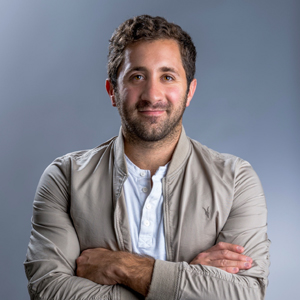
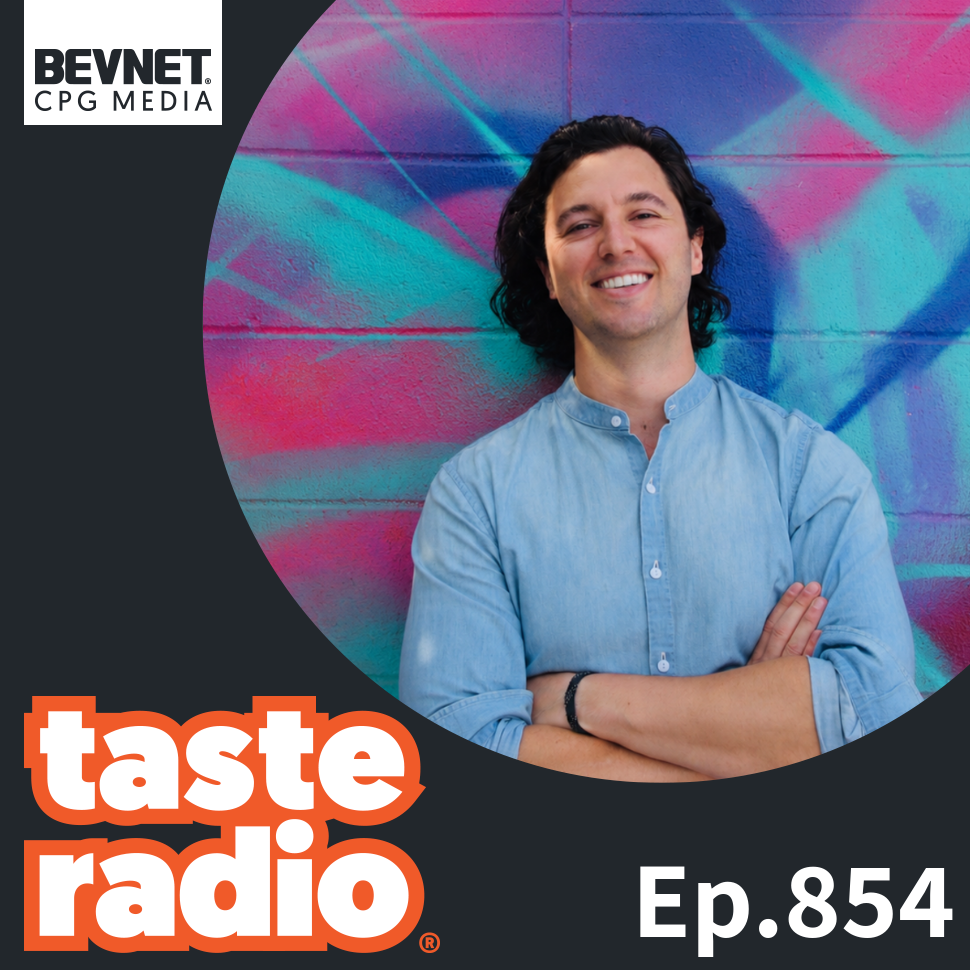
[00:00:10] Ray Latif: Hey folks, I'm Ray Latif and you're listening to the number one podcast for the food and beverage industry, Taste Radio. This episode features an interview with David Greenfeld, the founder and CEO of Dream Pops, an innovative and fast-growing brand whose mission is to reimagine all cult classic desserts with 100% plant-based ingredients. Just a reminder to our listeners, if you like what you hear on Taste Radio, please share the podcast with friends and colleagues. And of course, we would love it if you could review us on the Apple Podcasts app or your listening platform of choice. DreamPop's initial go-to-market strategy almost bankrupted the company. Founder and CEO David Greenfeld admits that launching the brand via a direct consumer model was a mistake, but the lessons learned and shared have given the brand a foundation to shake up multi-billion-dollar categories. Launched in 2018, Dream Pops markets a platform of plant-based indulgent desserts and candy, including its flagship coconut milk-based popsicles and a recently launched line of coconut-coated snacks sweetened with coconut sugar. The overarching goal is to challenge legacy confectionery brands by giving consumers better-for-you options. Retailers are buying into that vision. The brand is sold in over 6,500 stores, including nationally at Whole Foods, as well as Wegmans, H-E-B, and Harris Teeter locations. Bolstering Dream Pops's innovation and retail strategy is the brand's robust and active presence on social media, one that David says completely changed the trajectory of the company. David himself has over 44,000 followers on LinkedIn and points to constant engagement on the platform as driving significant interest Dream Pops among industry professionals. Meanwhile, the brand's early embrace of TikTok has helped it attract over 181,000 fans and millions of views of its short videos. In the following interview, I spoke with David about the origins of Dream Pops, how he navigated a myriad of challenges in the frozen aisle, addressing the duality of better-for-you and intelligent food, and how he used the Popsicles as a proof-of-concept and springboard for shelf-stable products. He also explained why every CPG company needs to be a content company, the importance of investing in merchandising, and why consistency is critical for any social media strategy. Hey folks, it's Ray with Taste Radio. Right now, I'm honored to be sitting down with David Greenfeld, who is the founder and CEO of Dream Pops, great to see you. What's up, Ray?
[00:02:58] David Greenfeld: Thank you so much for having me. Been a day one fan and supporter of BevNET. You guys were our first believers and brought us into Nosh a handful of years ago. So it's nice to close the loop and be back here with you. So thank you.
[00:03:12] Ray Latif: Well, thank you very much for saying that. And to be just a small part of all the success the Dream Pops has had over the years is really meaningful to us. I always tell people, The most exciting part of my job is meeting people who are really early stage, you know, brand new to the industry and seeing them grow and seeing their brands turn into these fantastic national and very well-respected brands. And that's exactly what's going on with Dream Pops first met you and the brand in 2017, in December of 2017, when you participated in the Nosh Pitch Slam for our Nosh Live event that month. And you did really, really well. Unfortunately, you didn't win the competition Dream Pops didn't win the competition. However, I would say, and I don't think there's any argument about this, that Dream Pops become by far the most successful brand within those five brands that participated in the Pitch Slam. So congrats on that. I mean, that must be a good feeling for you.
[00:04:15] David Greenfeld: I mean, look, bottom line, we went in there, we had zero experience in the food and beverage industry. And I think it was just really helpful to be able to, you know, have really intelligent people on the panel, you know, call out very obvious mistakes, whether it was pricing, packaging, you know, we went on there very green, and it was a great learning experience. But just getting our name and brand in front of people there and learning, that's what it's all about. But it was a great, great kickoff. for Dream Pops.
[00:04:47] Ray Latif: Yeah. Well, since then, you've become pretty well known in the food industry, I would say. Very influential on LinkedIn. You have over 44,000 followers on that social platform, which is pretty amazing. How did you become so well known on LinkedIn?
[00:05:05] David Greenfeld: You know, three years ago, I started, really, our team started looking at social media opportunities. I was lucky enough to work for a guy named Jesse Itzler at 100 Mile Group and interned for him while they were building Zico and Sheetz Energy Strips and a handful of other products. And I watched them leverage Facebook and Twitter and social media at the time to compete with Zico with some of the largest beverage brands, Coca-Cola, et cetera. And I noticed that you could use social media platforms Facebook fan pages and tweets at the time to get millions of impressions. And so we built Dream Pops on Instagram. That's initially when 2016 started creating that Instagram account with the Swim Social team. Shout out to Elena. She's, you know, really taught us a lot in the early days with their team. So we built the brand on Instagram and then eventually started to notice that Instagram was plateauing. We'd get like 300, 400, a couple hundred likes and we grew it pretty significantly, but there was only so much upside. And so started hearing whispers about Musical.ly, which was then just changed to TikTok, LinkedIn as these two new opportunities that were a lot like Facebook and Twitter in 2010. And so it was really uncomfortable three and a half or so years ago on LinkedIn. But I just said, you know what, I'm going to post. I started to notice that there was an opportunity to network on LinkedIn. I started to post some content. And one post I put up got like 6,000 views of a picture and talking about Dream Pops. And so there was some really, I was like, we're getting hundreds or maybe a thousand impressions on Instagram. This is really interesting. The same thing happened on TikTok. We put up a post three years ago, it got 70,000 views with no paid marketing. And so it was very obvious that these two channels, one was our B2B channel and one was our B2C channel, one for brand awareness, one for business development. If we created a ton of content on the platform and story where we're storytelling there. We thought that we could have the same opportunity that some of these brands in the 2010s had in Facebook and Twitter.
[00:07:09] Ray Latif: How did you think about content strategy on LinkedIn early on and how has that evolved since?
[00:07:14] David Greenfeld: I love the idea. I mean I constantly am watching documentaries of athletes and entrepreneurs. You know you name it. I like to watch those stories. And so I'm also just a huge fan of building in public. And I walked. I love watching other businesses or people show the process in public. And that was kind of a you know what I'm just going to When I was posting on LinkedIn in the early days, a lot of people were like, you know, I was getting some crap. People were like, you know, you still have to run your business, like maybe you shouldn't post so much on LinkedIn, or are you sure you're comfortable sharing that? And at the end of the day, I just, you know, I thought to myself, okay, instead, I'm just going to everything that I'm thinking about, or the process of us building this business, I think is valuable, we're going to share it. On top of that, something that I was doing in the background, because even in 2017, I just didn't know a lot about the industry, but I realized if I reached out to other founders, I could have two, three, five years of really amazing advice. And so I was LinkedIn messaging other CPG founders. Whenever I want to learn something, I just try and get in touch with, or buy lunch for, buy a coffee for. people who have done it, people who are brilliant that can share and add value. So on top of the content creation on LinkedIn, I was LinkedIn messaging a ton of folks. We also started a podcast called Stick With Your Dreams where we did about 70 episodes. So the early days was sitting down for coffee with amazingly talented founders who I could, you know, get 15, 20, 30 minutes of their time. Then I was like, wow, these conversations are so valuable. We should share them on LinkedIn via a podcast. And then we started doing LinkedIn lives where we would bring on Mike Cesario from Liquid Death or GT Dave or just people who would be willing to come on and talk about CPG. And then I realized that there was this amazing CPG community of folks trying to help each other and learn from one another because it's so damn hard. So that kind of cultivated this fun ecosystem on LinkedIn.
[00:09:09] Ray Latif: And they've been so effective, these videos and the content that you've produced. I remember watching some of these videos and I'm like, you know, it's interesting because, you know, David is running a food company, yet he's a heck of a interviewer too. So, I mean, I think the content really resonated with me and I have a feeling it resonated with quite a few founders as well. You know, as noted on your LinkedIn profile, you're an investor in a number of early stage and upstart brands. Did those relationships originate on LinkedIn?
[00:09:39] David Greenfeld: Yeah, I mean, many of them did. Some of my closest friends now I met through LinkedIn, you know, Ross Mackay from Daring Foods, we met on LinkedIn and through the podcast. You know, I think naturally, I have a lot of friends who are in the consumer packaged goods space. But back to your question. As I started connecting with hundreds of founders and learning and helping and making these introductions, I started to notice a lot of synergies and how beneficial a 30-minute chat with two founders in the beverage industry, one who's five years in, one who's one year in or two years in, how quickly that could shortcut or accelerate their growth or help them avoid mistakes and mistakes that I made. So on your question, you know, I was, we've been building Dream Pops and there have been a couple, you know, Dylan and Brett from Chubby Snacks is a great example. That was the first one that I got involved with. That's a business that's in Frozen that, you know, we were working out of the same kitchen across the hall from each other in the early days. Those are guys that I'm just so bullish on what they're building. Very similar, we're, you know, building a better few confectionery business. They're taking, going after like the Nestle's dibs and other candy products. they're going after Uncrustables and really these cult classics. So that resonated with me and there was an opportunity to write a small check into the business and then add value based on my experience, you know, a couple of years ahead of them. And so whenever those opportunities present themselves, you know, and I really believe in the founder, I just get excited to share the knowledge and get involved and see if I can be helpful as an investor or advisor.
[00:11:14] Ray Latif: Well, it seems like new funding opportunities are probably coming your way more often than not, given that you are invested in several early stage brands. How do you assess, you know, as a founder, but also as an angel investor, how do you assess these new funding opportunities?
[00:11:29] David Greenfeld: I think it comes down to one is is I have to the brand and the product to the founding team. A lot of people get really excited about the CPG space. It's sexy. It's fun. A lot of people want to have a beverage or a food product. But you know we've been building this for six Dream Pops for six years and we're just starting to hit an inflection point in my mind. So it's like is this founding team all in. Are they going to be here in a decade like there. It's very rare that you see someone that is like OK I'm going to go build this food or beverage company for the next 10 plus 20 30 years. It needs to be someone that's that's ready to die for their product and so obsessed. almost to an insane degree. So that's two. Three, for me, the opportunities I get the most excited about like, you know, Mezcla and Griffin. He's really looking at Rice Krispies and Better For You plant-based snacking like that. Look at a cult classic or, you know, a product that it has a cult following or an audience. If you can make it better, cleaner, efficiently at margins and scale, That gets me excited. And then how are they thinking about brand building in 2022. Because the big food and beverage companies aren't necessarily taking on some of these new opportunities. LinkedIn, TikTok, YouTube, Pinterest, like there are so many ways that you can create noise and create a following that the Fortune 500 plus food and beverage companies, they are not able to take on every day.
[00:12:55] Ray Latif: We've talked a lot about LinkedIn. I definitely want to get into TikTok because you mentioned that platform. And in fact, the last time we spoke, you said that LinkedIn and TikTok completely changed the trajectory of our company. But before we get deeper into social media as a topic, I want to get to the story itself of Dream Pops talk a bit about the origins of the brand. First of all, I love your name and I'm obsessed with brand names. I feel like the brand name can be so overlooked and it's shocking to think that sometimes, right? Because this is how you're going to be introduced to the public in so many ways. This is how the people are going to communicate the brand to other people in so many ways. And it's like, don't overlook how important the brand name is. First of all, you know, how'd you secure the trademark? Cause I got to think that might've been a little tough. And then two, I just said, you know, in my opinion, how important the name is, you know, did you sense that early on? Or was that something that became more clear as the brand was growing?
[00:13:53] David Greenfeld: I think it's one of the hardest things that you could do when starting a company. It's so challenging to get a name that resonates that you think has the ability to, like, if you want to be a product that's in every household in America, a global brand, to create a name that's going to resonate at that level, I mean, and there are a lot of great names that have been taken or protected or, you know, that you just, you can't protect. So, you know, early, early innings, we were going into, you know, the American Dream, Dream Pops, a lot of people too. And, you know, some folks who took a look at our business in the early days were like, well, Dream Pops is so limiting, it can only be popsicles. And our counter to that was you know, pops can be more than just a category the same way that, you know, I know Perfect Bar went into Perfect Snacks or Kind Bar is now Kind Snacks. There's the ability to always evolve a Brad Avery time, right? And we've seen a lot of people in CPG do that. But the name Dream Pops, there's something about the way it rolls off the tongue. It's hard to explain it. You know, if you've seen the founder documentary when they're talking about McDonald's and the way McDonald's sounds like, it does sound like the true Americana brand. And it's sometimes an art form as opposed to, you know, you being able to dissect it scientifically.
[00:15:10] Ray Latif: Yeah. And again, I think there's a question of, can you even access the name that you want? And, you know, that's also challenging because you want to be buttoned up in that regard. Plenty of companies have made a mistake, not trademarked their brand name or not gone through the right process to make sure that they can get it legally. You know, what was your process like?
[00:15:34] David Greenfeld: Yeah, I mean, I had some great mentors and people involved early on that had these experiences. And so people kept saying to us, you're going to pour everything into this IP. If you can't protect it or own it, it's not worth anything. And I saw other brands that didn't protect their IP. I was trying to be a student of the game, making changes three to five years in. But you built all that brand equity. So now to get someone to jump into a new brand name, that could be one of the hardest things you could possibly do. So in the early days, it was really about IP, trademarks, You know, worked with a couple of great attorneys that, you know, I jumped out of investment banking and took most of my savings and went into and invested in green pops. And so I was like, if I'm going to make this huge career decision, I need to be buttoned up. If this, I needed to act in the early days, like this is going to be a billion dollar, a global company. And that was honestly one of the best investments early on.
[00:16:35] Ray Latif: An investment that is kind of hard to make is the investment in production and capacity for Frozen. And I wrote this down in my notes. Frozen can be hell. I thought that was clever, so I'm going to pat myself on the back for that.
[00:16:54] David Greenfeld: It is.
[00:16:54] Ray Latif: Yeah. It's especially hellish if you're trying to be a D2C brand, or at least make that a significant part of your go-to-market strategy, which you did. Eventually, D2C was dropped. It's since come back in the last few weeks for the brand. But what were some of the lessons that you learned early on about selling direct to consumer for a brand like yours?
[00:17:19] David Greenfeld: It's a great question. Look, beverage, frozen, fresh, anything with a 60 to 90 day shelf life, you're asking for torture, you're asking for the most complicated supply chains and logistics complexities that you could potentially deal with, more so in frozen and fresh. I like to say in the early days when we couldn't really raise capital and we're having a tough time finding product market fit and figuring out the system, it was one of my biggest challenges because so many folks, so many prospective investors were like, well, if you guys had a DTC product, a shelf stable product, a powder, a candy, something that could be sold on the internet, it might make you a lot more appealing as a brand. The truth is I didn't feel like we like Dream Pops was that popsicle was our product. And so we had to prove that this thing could work. And as tough as it was in the early days we launched we wanted to be the daily harvest of ice cream. When we first launched out the gate we had DTC set up for for our Dream Pops. We had ice cream melting in boxes on people's doorsteps asking for returns. We had dry ice that wasn't making it through the 48 hour shifts. We did not have the pick and pack facilities the frozen three pills in place that allowed us to scale. And so in three months time looking at that plus the cost to acquire customers the long term opportunity it was so capital intensive that eventually our team got together and we were like We sell ice cream. Most ice cream is sold at the grocery store. While it's not the trendy, sexy path for building a CPG brand, we're going to have to sell in the grocery store. Let's give that a shot. And so, you know, Erewhon was the first retailer. They brought us into four stores at the time. And, you know, we just started thinking about retail instead of being hyper-focused on Facebook and Instagram ads and DTC. So four stores. Then Bristol Farms, those two retailers believed in our product. 15 stores, 50 stores, Whole Foods came in and quickly started to think about, OK, how can we manufacture this product and get it to the shelf in time? What other POS opportunities are there? OK, the margins are looking a lot better. We don't have to worry about customer acquisition on the internet. We just need to focus on demoing, sampling, and getting brand awareness to get trial. and took that model, a couple hundred stores, then we launched the Bytes, which took us from four or 500 stores to about now close to 6,500. And so investing in that retail channel, learning retail, and then exploring maybe there's room with Crunch for D2C for Amazon to expand outside of that retail game.
[00:20:00] Ray Latif: Well, timing is right. It seems like now for D2C or for D2C to come back, Was that a scary proposition for you? Was that something where you're like, I felt so burned the first time that, you know, I got to be really, really cautious this time. I mean, how did you think about the opportunity and the timing and also all the challenges that go along with C2C?
[00:20:20] David Greenfeld: Yeah, I mean DTC almost put us out of business when we first launched in 2018 online. And so even now we're extremely conservative. I have a lot of friends who've built amazing direct-to-consumer businesses in CPG and Beauty. I think there's still such a great opportunity for it. I just think it comes down in food and beverage. Specifically, the margins are so slim that the AOVs, the average order value, the cost to acquire the customer, you need to have such high volumes so that your ad spend across channels makes sense. after the iOS update, the cost to acquire that user, the accuracy of it, it became so limiting that there are businesses that built models on that customer acquisition strategy that no longer scales. And so now you're seeing a lot of folks pivot to retail. So on your question, I think that yes, I'm insanely conservative, but I'm also excited because I'm seeing opportunities outside of Facebook and Instagram, Pinterest, Snap, YouTube. There's a lot of new places that you can get attention and convert it onto your direct site, but also Amazon is a beast and a lot of brands are seeing success on Amazon.
[00:21:36] Dream Pops: Guessing your margins? That's risky. Belay Financial gives CPG brands the clarity to scale smarter, faster, stronger. Get your free inventory ebook by texting TASTE to 55123 and start making data work for you. Vibrant Ingredients is the natural ingredient partner powering food and beverage innovation, delivering flavor, function, and protection through a science-backed portfolio. Vibrant delivers purpose-driven solutions that help brands create extraordinary experiences. Discover what's possible with Vibrant today. Visit VibrantIngredients.com
[00:22:23] Ray Latif: One of the things that really stood out Dream Pops early on was the fact that it was a plant-based brand. And back in 2017, I think plant-based was just the hottest term trend out there in food and beverage. Everyone wanted a piece of plant-based. Nowadays, and correct me if I'm wrong, or correct me if you have a different opinion, I feel like plant-based can be kind of confusing for some consumers, especially those who have already been exposed to things like plant-based meat, where there's just a stigma that, I don't know if brands in that space are going to survive because of the stigma around, you know, what's in these products, or do they actually taste like they're supposed to taste? How did you use that term to the brand's advantage? And how do you, I guess, how do you think about it today?
[00:23:11] David Greenfeld: Yeah, when we first started in 2017, we were a vegan brand. We've never had dairy products. So, you know, we've been all in on plant-based. In the first couple years, it didn't really resonate with the masses when we would say we were vegan or plant-based or non-dairy. It wasn't as popular or sexy as it is today. where it was maybe a couple of years ago. I think that we benefited from the popularity and the way that the industry reacted to plant-based. I see a lot of similarities between keto products, low-calorie, low-fat. Over the last few decades, there are always these waves of popularity. Now lab-grown is getting a lot of attention. For us, it's in our logo, so it's very important. but it's about integrity and transparency in the products. It's about we are trying to create a competing or a competitor to the Hershey's, Mars, and Ferrero's of the world with, yes, plant-based products, but we're less than 10 ingredients. We're coconut milk-based. We use coconut sugar. We are really thoughtful on the ingredient label and the ingredient stack. That's a lot harder. I think a lot of people forget that It's very, very difficult to use more expensive ingredients and compete with the biggest companies in the world. And yes, it's so fundamentally important to use the best raw materials. Now, it's also important that your business stays alive. And so the challenges I see most founders facing these days is how do you guarantee the integrity of your product and your brand Make sure your customer appreciates the mission that you're staying true to, while simultaneously competing with the biggest incumbents in the world with the deepest pockets and the best distribution. And there is a way to do it. It's to really spend time sourcing those ingredients, having redundancies in your supply chain, and just figuring out what you're going to bet on and stand for in the long term. I don't know if that did that answer the question.
[00:25:14] Ray Latif: Yeah, it does. I think, again, going back to this term that is a bit more amorphous, I think, than what it should mean. Plant-based should mean plant-based and nothing really else. I think the question is, do you want to continually be aligned with it if the term or the trend continues to be mangled or misunderstood?
[00:25:40] David Greenfeld: Yeah, and on to the term plant based I think this is where it's really important to educate your customer as to, you know, in addition to being plant based what else are you doing, clean ingredients less than 10 ingredients coconut milk as opposed to, you know, dairy. whether it's coconut sugar or organic ingredients or being non-GMO. But yes, I think it's going to become fundamentally important. You can't just stand behind plant-based because if everyone else is plant-based, you're going to have the same issue that organic is facing. Some people look at organic and that mark doesn't mean as much as it used to. This is where storytelling and community and staying true to your ingredients, elevate the additional marketing behind plant-based, and I agree with you. I think as we keep seeing more growth in the industry, it's going to mean less and less.
[00:26:32] Ray Latif: It sounds like you are taking direct aim at some of the biggest companies in the world. You mentioned a few of them earlier. You've been doing this for six years, but the brand's only been on the market for about four. Is that ambition that drives you to target these companies? Is it opportunity?
[00:26:51] David Greenfeld: I think it's less, I'm not trying to attack the names that I discussed. Like I don't like the direct attack. I think it's about education and ambition. And as our team believes that we can create a company that has followed in the footsteps or that can be at the level, you know, in 50 X number of years, you know, I think kind bar is a really great example. That's a player that has stayed true. You know, Dan Lubeski and that team, they've stayed true to their ingredients. to their product, and they've been able to get to the highest levels and eventually were acquired by Amars. So the question is, can a brand with a couple people in a garage, which we're in right now, build a product that resonates with every American household, is a global brand. is truly cleaner and better for you. I would recommend this. I don't know if you've seen the show on the History Channel, The Food That Built America. They have Milton Hershey's story, the Mars story. I wish they had Ferrero because I love that company. Those are like some of the most nostalgic products that have been ingrained into my life over 31 years. And so I just want to create something that gives the same satisfaction that I had, but with ingredients that I believe in and that I think might be better for all customers. And I love them. I aspire to be at that level and at the same time, I think that there's a way to do it a little bit better with alternative ingredients.
[00:28:22] Ray Latif: Well, you know, I asked that question because you've made no bones about how, well, at least early on, that you wanted Dream Pops to be known as sort of the Willy Wonka for plant-based desserts. And was that actually you? Did you want to be the Willy Wonka or did you want the brand to be known as that?
[00:28:40] David Greenfeld: I think combination of the two. There's a lot that we've been working on behind the scenes. I mean, I love Pixar and animation. I love the mascots, whether it's Tony the Tiger or Chester Cheetah. So there's a lot more to just the food and the products behind me. I think you can see some little characters. on the screen, but yeah, I love the idea. I've been enamored by Willy Wonka, and I think that why can't a food brand act like a Disney or a Pixar and take a brand or a product or a mascot and be in this day and age? You know, why can't they have a short form series on Netflix or Disney Plus in addition to selling amazing products? I mean, the M&M's characters are staples. We watch them at Super Bowl ads. You know, Mr. Peanut basically lives in our home. I think that there's an opportunity for brands to maybe take it a step further and add some dimension to just being sold in grocery stores.
[00:29:40] Ray Latif: So should people who are listening to the podcast turn to the video, go onto YouTube, watch the video, zoom in on some of the images behind you, and will they have a better sense of what you're creating for the brand in the future?
[00:29:53] David Greenfeld: Yeah, I mean, these are just some early ideas. I like to just put creatives on the back. But, you know, I don't know. I love what Tony Ciaccolone has done. Ciaccolone, they have an amusement park. You know, Angry Birds was a mobile game. They had, you know, a movie and an amusement park. So I really see Dream Pops as a franchise that, you know, who knows where it can go. And that's why that Willy Wonka kind of resonates with that goal and vision.
[00:30:21] Ray Latif: Characters aside for a second, you know, being a Willy Wonka means that you're creating a lot of different products. You started out with the pops, you've since expanded into several other lines of products, both frozen and shelf stable. At the outset of the brand, did you have a roadmap for that type of innovation? Or is it something where, you know, as you learned about the market, as you saw what consumers wanted and how they were interacting with the brand, did that help establish your innovation strategy?
[00:30:54] David Greenfeld: Yes, if you look back to some of the ideas that were tossed around when building this company day one, we really wanted to go after all dessert experiences or the occasions, dessert occasions. So looking at opportunities to surprise and delight that customer in a way that maybe wasn't done in that category before. or taking these really popular products and creating a replacement or a substitute. With Bites, that's our take on the Nestle's dibs product, which has been every movie theater, I just have that emotion attached to it. With The Crunch, looking at Butterfinger and Whoppers and malted milk balls, and asking if there was a way to create a better plant-based cleaner, coconut milk-based product line that had far less ingredients that delivered on the same taste profile. And then with Dream Pops Drip, looking at Hershey's chocolate syrup, thinking about all the times making chocolate milk as a kid, and instead of high fructose corn syrup, could we use coconut nectar? Could we use other ingredients that might be a little bit better for you? And that kind of ties into that broader message of, I think about myself as a customer first, because that's the easiest to relate to, but others around, you know, other people who in the 90s, you know, I love 90s commercials, by the way. But you think about how many times did, as a kid, did I consume Hershey's chocolate syrup, Nestle's dips, Snickers, malted milk balls. If those had been products, those thousands or tens of thousands of times that I was eating those products with high fructose corn syrup, if that had been a cleaner ingredient stack, that compounding for 10 to 15 years is going to make a serious impact on your health. And so that is the thing that gets me most excited and up in the morning is a quick replacement times 10 years has a really strong impact for a lot of kids, consumers, and individuals.
[00:32:54] Ray Latif: Quick tangent here, I'm a Snickers fiend. I love Snickers bars. No one, as far as I know, has come up with a better for you Snickers. The closest I think is Snickers itself, or the company that makes Snickers, which make Snickers without artificial ingredients for other countries. So I'll go down to a local ethnic food store, pick up those Snickers bars because they don't contain any of the artificial ingredients that the ones in the United States do, or the ones that are typically sold in the United States do. Do you know of any brands that make a good Snickers bar or a better for you Snickers bar?
[00:33:31] David Greenfeld: I've been getting paid ads with high-protein Snickers, and it's a different color, and I've been really intrigued just to see how they're really trying to get that customer, that new customer in. I think Little Secrets has a cool product that's in that realm, but frankly, no, I don't. But Snickers, let's talk about Snickers for a second. A lot of people were asking why we wanted to do both frozen and candy. That's insane. It's impossible. Snickers is the perfect example of a company that has done that. The frozen Snickers bar and the regular Snickers bar, I actually think I like the frozen even better as a kid. But that is a product that has been able to jump channels. It's been able to find success in the freezer as well as a shelf-stable product. And I was really inspired by that with Bites and Crunch as can you create a product that transcends both categories and that can be successful outside of just shelf stable or outside of just frozen.
[00:34:33] Ray Latif: I think it transcends its original category, that of shelf-stable candy, because it's developed a really strong brand name and brand recognition, and it also tastes amazing. So when people see it in the frozen aisle, they're like, I know I can trust this brand because the taste is probably going to be great. You know, Dream Pops has built a strong brand in frozen, but it was a still pretty limited distribution in comparison to legacy brands. But being in Frozen and being a well-recognized brand in Frozen, how much faith did you have that they would translate to Shelf Stable, to that ambient shelf? I guess, did you have enough belief that people knew the brand well enough to go and start looking for it elsewhere?
[00:35:23] David Greenfeld: A great question. I mean figuring out timing with these types of extensions is everything. We're not just launching crunch into every retailer that we're already in and frozen. You know I will argue that when we had popsicles only and we extended into bites that was pretty early to launch a brand extension and that worked out for us. We're in 6,500 doors right now. You're right, it's very small in terms of ACV and where we are as a company. That being said, I'm very excited to be able to sell and expand in the fall and winter cycles that typically are pretty painful for ice cream brands, and to exist outside of the limited real estate and frozen in the grocery chain. So now being able to have a snack sized brunch at the register, being able to sit in the candy section, being able to maybe get some product discovery that happens outside of the freezer that might convert over to the freezer. That's the broader goal. Our team has been very confident in it working. But you're right, there's still a lot to be proven. And I think now it's up to us over the next year to show that crunch deserves to be on that candy shelf and can perform the way that some of our other frozen products have.
[00:36:40] Ray Latif: The other part of that Snickers example is, again, the taste. Indulgence is so important. When someone wants a really delicious product, when they want that sweet satisfaction, they want it pretty quickly and they're going to go to the brands that they know. Alternatively, we're seeing so many new brands pop up that offer that, I guess, duality of indulgence and better for you, which is exactly where Dream Pops. But marketing and communicating the fact that you're both really delicious and better for you can sometimes be kind of tricky. I've seen some brands do it really well, some not so much. How do you navigate that duality?
[00:37:21] David Greenfeld: Yeah, I like the term responsible indulgence or indulge responsibly. For us, looking at mainstream ingredients like high fructose corn syrup, dyes, artificial flavors, a lot of people get inflamed by dairy. So not using those products front and center, that's one. Two, your question was, sorry, how do you communicate wellness and indulgence, right? Reminding folks that this is not a health product. This is a dessert. This is an indulgence. We're not a supplement. you know, it's a cleaner way to indulge. And I think that that's really important. You know, you shouldn't eat ice cream every day, like multiple times. You can have it, you know, at night, but the idea on bites that I love is portion control. You know, you can have two to three bites instead of eating an entire pint of ice cream. Entire pint, and that happens, you know, entire pint can be over 1,000 to 1,500 calories. A couple bites, sub 100 calories. And just being thoughtful and a popsicle even, you have to commit to the entire bar. But being able to snack in frozen now, I think, is becoming a lot more popular. And you're seeing the format continue to trend.
[00:38:35] Whole Foods: Do you want more repeat buyers on Amazon? Well, this free resource in collaboration with Straight Up Growth will help your brand turn first-time buyers into long-term subscribers. Download Winning the Repeat Purchase Game on Amazon now at Taste Radio slash SUG. That's Taste Radio slash S-U-G to start building retention-driven growth for your brand on Amazon. Scaling a beverage brand into major retail comes down to operational readiness. From packaging lead times to co-manufacturing strategy, the details can make or break a launch. In a new e-book in collaboration with Octopi and Asahi Beer USA, industry leaders share what they've learned in helping brands scale. Download it now at Taste Radio slash octopi.
[00:39:24] Ray Latif: You know, you mentioned point of sale earlier, and point of sale and frozen is so important because there's a door between the customer and your products. And this came up in a recent LinkedIn post that you published when you mentioned, never underestimate the power of merchandising. And I couldn't agree more. Can you talk about it in the context of the frozen aisle specifically and how that also taught you about what you need to effectively reach that consumer in the ambient aisle?
[00:40:02] David Greenfeld: In frozen. So first off merchandising is expensive like to do it continuously throughout the year. And it's still up for debate. Should you cycle through merchandising. Should you do it for a couple of months during peak seasons. Should you know on and off check in and maintain your shelf or your channels. We had to invest in merchandising because you're in frozen, which is such limited real estate. You're up against huge companies that typically own the distribution. So you've got to get your placement at eye level. If you're in the bottom of the chest or at the top, you're going to have a tough time putting up velocities that buyers will want to continue to believe in your brand. So one is eye level. There are good velocities and frozen, but if you're out of stock, you know, other brands are going to take that space. And if you're not, you know, every week we're getting some perspective on voids and where the product is, where it's out of stock, what we need to work on, what our assortment looks like. If you're not combing through data, You know, there's no way that you're going to be able to put up numbers that compete in such a coveted and competitive category. So for us, it's working with great merchandising partners, you know, the base makers of the world, relentless tracks. There's a ton of really great merchandisers. You know, other companies like the Lonnie demos, like these demoing in addition to just merchandising the shelf. And, you know, the way that we look at it and frozen and it applies to every category is that shelf is a billboard. If you don't have that billboard up looking beautiful every day with ideal and optimized placement, you're doing your brand a disservice. And it's going to be really tough to convert and to build a loyal customer base.
[00:41:43] Ray Latif: It's so true. And I think back, you mentioned Zico and Jesse Itzler was an investor in the brand. And I think back to the days of the battles between Zico and Vitacoco. I'm sure you've heard about these when merchandising was so important. A customer is probably going to buy one coconut water that they see. Which brand is it going to be? Well, it's probably going to be one that they can see most easily and they can reach for most easily. It's interesting because that was such a big part of the early days of the category. But branding is such a big part of it too. I mean, branding and merchandising seem to go hand in hand. When you're thinking about your branding and your packaging in particular, was there something that you thought needed really to stand out first and foremost, you know, for the brand to sort of help the merchandiser, to help the consumer understand why they should buy the product, why they should be picking it up?
[00:42:39] David Greenfeld: Yeah, we, our first iteration, I mean, I guess even a little after the Pitch Slam was this, you know, this pattern that you see on the pack. It was just a pattern and a little logo with the Popsicle, with the Dream Pops. And, you know, a quick learning was if you're not showing the actual product on the front of pack, you're going to be at a disadvantage. It might work well on Converting DTC, or it may have previously on Facebook and Instagram, but showing an appetizing product is really of fundamental importance. Two, it's that five second rule, like from far away, can you see the product? Can you see the name? We had a small font for our name. Yes, we had a nice pattern, but it was never going to convert. And we're constantly looking. Even what we have now is fantastic, but there's another level that we'd like to take that to when the time is right. So being super thoughtful on pack architecture is really important to make sure that customer, you know, even touches your product.
[00:43:42] Ray Latif: Yeah, I was speaking with Ibrahim Basir from A Dozen Cousins and he talked about that, well, he talked about six and six. So it's like, can they see it from six feet away? And then can they understand what it is in six seconds? And I think that's such an important lesson or at least a tenant really for consumer brands, six and six, or maybe even five and five in the case of Dream Pops. You've talked about your desire Dream Pops to be a content company. I'm using that phrase that you used. That's a bigger undertaking than I think it might seem. And I've spoken with the team at Midday Squares about this. I know you're close with the team over there as well. Why is that such an important part of the plan for your company?
[00:44:32] David Greenfeld: Yeah, I also would say I don't think it's even necessarily part of the plan. I just think it's a necessity in 2022 and onward. I think every brand is a content company or needs to be if they want to maintain relevance and, you know, acquire customers and build a community. You know, that's why I look at some of the biggest brands in the world that have 5000 followers on Instagram that haven't posted since 2016, and they're not communicating with their customers. So In this day and age, brands are tweeting about current events. People are reading newsletters from brands about how to build their company or how to, going deeper onto how to consume their product or how to live a healthy lifestyle. People are watching shows sponsored by or even created by brands. And that's the level of obsession that I think is required. It's table stakes if you want to build a company. in this category, even in general, is kind of what it feels like. So, it may sound absurd to say, like, we're already a content company. You should, you know, if you see how many pieces of content a day are going out on TikTok, LinkedIn, Instagram, Pinterest, Spotify, YouTube, across the channels, like, I would argue that that is Midday Square's is best in class. I also, Ray, believe that all these brands, you know, are basically TV shows or documentaries. And I won't be surprised when somebody ends up producing a lot of these shows oriented around these companies, because I think most of them deserve to have their own series and to share just how the ups and downs of building a company like this.
[00:46:16] Ray Latif: You know, I think people love to watch the content as long as it stays compelling. And, you know, as long as the content is something that they can incorporate into their lives relatively easily, and it sort of fits into their daily consumption of that content. However, I wonder, again, going back to the question of, you know, why does this matter? It's probably difficult to figure out analytically what the return on an investment might be for content. How do you, you know, think about that? How do you think about what you're going to get back or, you know, if there's something specific that you're going to get back from all the work and the effort that you put into content?
[00:46:58] David Greenfeld: Great question. The thing that I also try and touch on is it sounds expensive to be a content company. I would challenge that all you need is this, to be a content company.
[00:47:12] Ray Latif: And you're holding up your iPhone for listeners. Sorry, sorry.
[00:47:15] David Greenfeld: I'm holding up my iPhone. You don't need cameras and podcast equipment. All you need to be a content company is just a phone, point and shoot. You can write LinkedIn posts, you can create reels, YouTube shorts, TikToks, you can do a podcast on your phone or computer. So it sounds like a really expensive undertaking. I also not a huge fan of the agency model for marketing like me, myself and Josh, and a couple freelancers or banking content, and then we're distributing it. And it's that simple. And I think It's effective in the sense that sometimes I hear brands or other businesses spending, you know, five to tens of thousands of dollars, you know, if you just put in a little extra time, every single day and you create a daily content schedule eventually that can compound. Yeah, sorry, I don't know if that answers your question, but I just think that there's a way to be a content company without all of the capital required that might be tied up into some of those assumptions around it.
[00:48:17] Ray Latif: So what you're saying, it's a pretty limited investment in this space, but the returns are great because you're getting a lot of people watching and consuming this content, right?
[00:48:27] David Greenfeld: I just don't think that there's another way in 2022 or another opportunity to get tens of millions or millions of organic impressions for free or for your time texting or creating the content if you do it for two to three years straight. Now that everyone says, I don't have time. I can't like, OK, then, you know, before you wake up in the morning, It's the same as working out or committing to a healthy lifestyle or diet. I really think it's a necessity. And so it may seem absurd to create calendar invites for yourself for five minutes a day where you need to create a LinkedIn post or put up a single TikTok. But I also would argue with you, Ray, when you do it enough times, like you can look at our LinkedIn, when you do it enough times for years, this is just what I'll, it's social, it's social compounding. It's community creation. It's how the biggest creators in the world, it's how Mr. Beast has 100 million subscribers on YouTube. He's been creating content for 10 plus years. It's that simple.
[00:49:31] Ray Latif: So from what I'm hearing, consistency is even more important than trying to understand what the algorithm is for a particular platform.
[00:49:41] David Greenfeld: I think creative consistency creates efficiency if you're studying what you're doing every day, because then you have a hundred posts on TikTok and you can take the top 20 and you could say, why are people resonating with this? Or on LinkedIn, you know, we have hundreds of posts that we analyzed. Oh, wow. A static image with a caption. typically performs five to ten times better than just written word or video. And you get data that you can then double down on what's working. And so while it may seem like a waste of time to be creating content mindlessly, it also gives you data which you can then act on.
[00:50:21] Ray Latif: Yeah, it's interesting you say that because whenever we post videos on LinkedIn that have captions, they typically do better than the ones that don't. People like words, whether it's on a photo or a video or an image or a video.
[00:50:35] David Greenfeld: Static images with a little writing. Those are, from what I've seen, perform the best on LinkedIn. It's really just the concept of long tail content creation. I feel like some of the best content creators, they just, even artists, musicians, they've created so much content and they've tested and learned and iterated that they've become so effective with delivering what works.
[00:50:59] Ray Latif: I promised we'd get to TikTok and well, here we are. You were ahead of the game when it came to TikTok. You were publishing content on that platform well in advance of brands that are just starting to do it now. How long ago did you start doing that and why did you recognize it as an important platform going forward?
[00:51:21] David Greenfeld: Yeah. So it's it's definitely been about a little over two years that every day we've been creating content on the platform. So it was right as the musically to tick tock transition was what had happened. I was hearing about it. It was definitely covered as well. So there was some extra time to look at content creation and marketing. But it was it was Very simple, like the second we had one video that had some virality, there was this understanding that this is free attention and a huge opportunity. And I honestly don't think I did enough. And that sounds crazy. I wish I had gone even harder and done more. But look, being an early adopter was great. I think there are brands now that are doing an impeccable job. We could probably step up our game because there's just so much room for improvement. And I know we spoke before about this TwoRay. I don't think it's too late at all. I think it's, once again, a consistency problem. That platform requires a high volume of content in order for you to really get started. There are some times where a video could go viral in the early stages of building it, but it's a platform that rewards volume.
[00:52:32] Ray Latif: Interesting. I think that's really great advice for folks who are listening in. know, a little worried about whether it's too late for them on TikTok or not, just get on it and start producing content consistently again and see where it goes, I think is pretty darn good advice.
[00:52:47] David Greenfeld: The other one that's like Facebook fan pages out of nowhere has gotten, you know, hot is a new place to look. YouTube and YouTube shorts has gotten hot. Pinterest is really interesting. These channels all ebb and flow, even Instagram Reels. So Reels get far more reach than a static post. So trying to put up more Reels, like we're getting 3, 5, 10,000 impressions, if not more on a single Reels post. So just finding those angles on how you're going to communicate your message to more people at scale and studying that data.
[00:53:20] Ray Latif: You've mentioned Pinterest a couple of times, and I think people just completely overlook that platform. What's so intriguing? What's so interesting about that, about Pinterest?
[00:53:30] David Greenfeld: We're starting to dabble with it. I just have other close friends that have seen a lot of success with their ads platform. Snap as well has some interesting ads platforms. Google, it's been around forever. Google search, display, discovery. lot of opportunity. So many people found Facebook and Instagram and got comfortable with it. But that's why I think you just have to constantly be testing and dabbling and learning. It's a lot of work to, you know, contextually understand all these social platforms and find the opportunity. But I do think it's important if brands want to get discovered by millions of people. How else do you do that?
[00:54:10] Ray Latif: Well, it's good you don't self-produce your own products. I feel like you wouldn't have time for a lot of social work that you're doing. Yeah. You've been such a great resource to the food and beverage community. And I thank you for that. And I'm sure that there's going to be a lot more people knocking on your door, sending you DMs, and it sounds like you'll be there for them as well. So thank you.
[00:54:32] David Greenfeld: Yeah, and Ray, thank you for everything that you do. I mean, I've listened to so many Taste Radio and just the knowledge that you share has helped me and so many other CPG founders and builders and marketers and salespeople just take this on. So, you know, once again, really appreciate you sharing our story and having us on and I look forward to seeing you at Expo East.
[00:54:56] Ray Latif: Absolutely. Thanks so much again.
[00:54:57] David Greenfeld: Awesome. Cheers.
[00:55:03] Ray Latif: That brings us to the end of this episode of Taste Radio. Thank you so much for listening, and thanks to our guest, David Greenfeld. As always, for questions, comments, ideas for future podcasts, please send us an email to ask at Taste Radio. On behalf of the entire Taste Radio team, thank you for listening, and we'll talk to you next time.