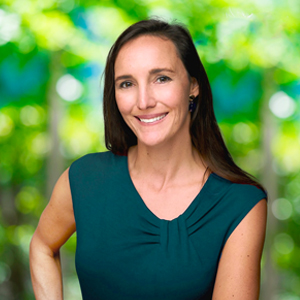
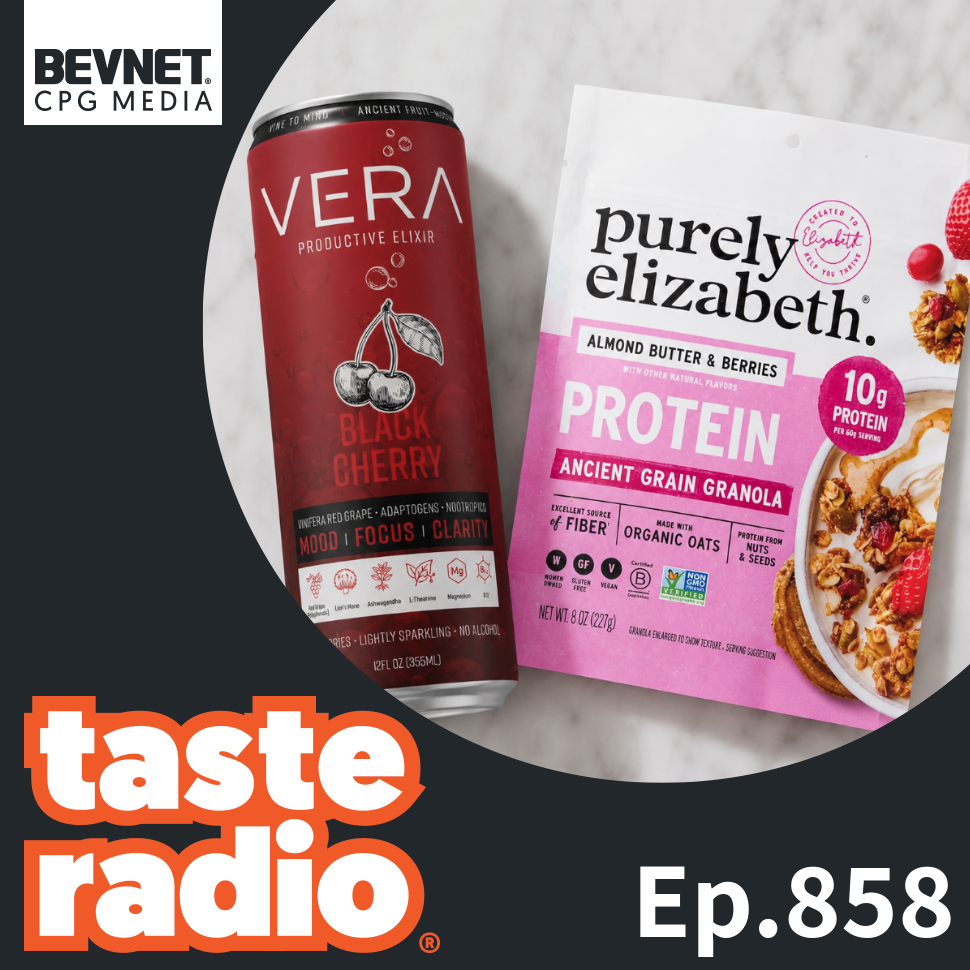
[00:00:10] Ray Latif: Hello friends, I'm Ray Latif, the editor and producer of Taste Radio, the number one podcast for the food and beverage industry. In this episode, we sit down with the founders of three emerging and innovative brands. Susan Buckwalter, the co-founder and CEO of Recoup, Dr. Juan Salinas, the founder and CEO of Peanut Crunch, and Michelle Razavi and Nikki Elliott, the co-founders of Alavi, each joined us for interviews that were recorded at Natural Products Expo West 2022. Just a reminder, if you like what you hear on Taste Radio, please share the podcast with friends and colleagues. And of course, we would love it if you could review us on the Apple Podcasts app or your listening platform of choice. We kick off the show with Susan Buckwalter, the co-founder and CEO of Recoup, an upstart beverage brand that markets wellness drinks for post-workout recovery and immunity. Formulated with all-natural ingredients, including organic ginger juice and maple water, Recoup has made strides in the two-plus years since its launch and found a receptive audience among consumers seeking alternatives to traditional sports and hydration beverages. In the following interview, I spoke with Suze about how her co-founder's personal health battles inspired the brand, how their respective backgrounds supported their alignment as a team, how Recoup set out to create a foundation for success, why leaning into both flavor and function has supported trial and sales, and why she encourages entrepreneurs to build and engage with a network of like-minded founders. Hey folks, it's Ray with Taste Radio. I am in Anaheim, California at Natural Products Expo West 2022. Sitting in front of me right now is Susan Buckwalter, the co-founder of Recoup. Susan, how are you? Doing well, how are you? I'm doing fantastic. A beautiful morning here in Southern California. It is. We're lucky to be outside. I found a nice little terrace for our conversation where it's not the madness that is happening right now inside the convention center. This is your first Expo West, yes?
[00:02:28] Susan Buckwalter: I actually was here in 2019, but I had just started with recoup, so I really had no idea what I was getting into.
[00:02:36] Ray Latif: And now you do know what you're getting into?
[00:02:38] Susan Buckwalter: Still a surprise every time, but it's been great so far and just wonderful now to have some friends to actually see at the expo and have some connections. So that's been a nice piece of it.
[00:02:49] Ray Latif: Yeah, it's really cool because I first met you virtually in 2020. You joined us as a participant in our New Beverage Showdown competition. which I thought you did amazingly in. Thank you. Your presentation was fantastic. Your stage presence, you know, it's really hard to have a great stage presence virtually, but I was really impressed with that. So congratulations again on that competition and through to where you are right now. For folks who may not be familiar with Recoup, talk about what you guys are, what you represent.
[00:03:19] Susan Buckwalter: Recoup is a ginger-powered hydration and health drink. You can think of us as a healthy alternative to a sports drink that uses a clinically proven dose of ginger to support muscle recovery, digestion, and immunity. We also use sustainably harvested maple tree water that has clinical benefits as well. It's actually clinically proven to hydrate twice as fast as regular water, and it has 46 bioactive minerals, nutrients, and amino acids.
[00:03:44] Ray Latif: You're certainly not the first entrepreneur to get into this isotonic sports drink hydration beverage category or categories. Your ingredients, they were quite impactful. I think that was one of the things we noticed immediately when the BevNET team tried your product and heard your presentation is we haven't necessarily seen this combination in this formulation. And I think that's really what stands out. How did you go about formulating this product?
[00:04:10] Susan Buckwalter: Sure, so the origins of Recoup actually go all the way back to my co-founder's childhood. He spent the first three years of his life in the hospital. He had 10 major surgeries before he was 12. And his mom is Thai. She would make him these ginger-based home remedies just to help with his recovery after surgery and help in his digestion. So he grew up sort of having ginger as this great beneficial thing. He went on to study physiology, got a master's in physiology, and he was actually working in the hospital that he grew up in, working with kids with heart and lung disease and who had also gone through surgeries. And he thought, you know, if I could take ginger and make it into something that was actually more palatable than my mom's recipes, but a little bit more commercial, we could get it to more people's hands. And so Recoup started with that vision of just helping people feel better and live well. And he started out of his kitchen in Manhattan and kind of with a blender and a bunch of friends over playing with different concoctions. And then, you know, eventually we moved to a more commercial kitchen. I'll tell a little bit later about when I came in, but then we've actually moved to now a shelf-stable formula, so something that can be a little bit more easily distributed and get into more hands.
[00:05:28] Ray Latif: So was the initial vision for the beverage more like a functional beverage or, you know, something for digestion or gut health?
[00:05:35] Susan Buckwalter: When he first started it, I mean, the gut health world hadn't exploded as it has now, but he was really thinking of it as people who are going through chemotherapy, people who just had surgery, like very specific women with pregnancy related nausea, all these great use cases in which Ginger has a ton of clinical research. But it's very hard to reach those people. And so he started selling in hospitals and was doing all right, but it was a small business. I came along, so I have a background in CPG brand management. I was also a college athlete and very much in kind of the sports world. I'm still an athlete. I kiteboard and surf and do a lot of that sort of stuff. So I came in a little bit more with this. hey, ginger is an amazing anti-inflammatory ingredient. It's got all these uses and it's great. It's delicious. People love it. So let's broaden the target a bit and let's think of it as something that someone could have after a workout to help with their recovery or even just first thing in the morning to kind of kickstart your digestion. So one of the things that I feel like is an amazing piece of our success so far, and we're still building that success, In terms of our mission, our mission is to help people feel better and live well. And that initial focus of helping people who are going through actual real medical issues, we're selling in that same hospital system, New York Presbyterian system, where Siwa grew up and lived as a kid. So to be able to be reaching the people that really need it and can really benefit from this in all walks of life is just an amazing piece of being an entrepreneur and building a company that actually is making a difference.
[00:07:15] Ray Latif: That is amazing. And that is seemingly fulfilling a mission that you initially set out to do while setting yourselves up for success in another part of the industry as well.
[00:07:24] Susan Buckwalter: We're rooted in the sports recovery, but it's also a very versatile drink. And so really seeing that there were a lot of great benefits in general, we expanded the target and made it something that was a little bit more easy to get into people's hands.
[00:07:39] Ray Latif: You mentioned you came into the picture after the product, after the brand was originally conceived. You're a college athlete as well. What was your sport in college?
[00:07:48] Susan Buckwalter: I was in the women's decathlon, so seven events in track and field. And so I spent most afternoons of college, one training and then with ice packs taped to my shins from having, you know, just shin splints and kind of that repetition related injuries and inflammation. And so for me, I actually saw ginger as this really amazing ingredient. In college, I got an ulcer from being overprescribed ibuprofen. And yeah, I know it's like 20 year old with an ulcer. And so to have something that's natural, that's way better for your system, like ginger for people in athletics, I thought was a great opportunity. And so for me, it was very personal and I saw it as a great way to just get a healthy ingredient into more people's hands. How did you guys meet? So we both went to Cornell for business school, but we were in different classes. And so one of my classmates, knew Siwat, I guess through an alumni event, and had tried Recoup, loved it, but knew that he needed some marketing help. And so just asked me to meet with him. And I'm a big beverage fan anyway. So I loved the product immediately. And just said, Hey, I'm happy to give you free advice. Like, let's meet once in a while. And so we probably met quarterly for over a year. And then he came to me one day and said, hey, I could really use a co-founder with your skill set. And so I was ready at that point to take the leap into entrepreneurship. I'd been actually trying my own beverage concoction and it wasn't going that well. I don't think I'm meant to be a single founder. I think I'm a great co-founder. And so we had a very complimentary skill set. We get along well. It just made sense. And so I joined right as we were working on a formulation to make it shelf stable. So I got to really work with him to create the shelf-stable formula that we have today and to reposition the brand as something that was a little bit more broad than he had originally created.
[00:09:46] Ray Latif: Your complementary co-founders, what was Siwa's skill set and what was yours and how did they work together in a way that was harmonious to the development of the company?
[00:09:55] Susan Buckwalter: So Siwat had a background in physiology, but also in a little bit more of the sales and operational side. He had been building the company himself, so he had already done some of the kind of basic building blocks. I had a background in brand management, so I spent four years at Unilever. I was working on Dove Men innovation, so actually creating new products, and then went to a medium-sized company, EOS, which is lip balm, lotion, skincare, and was doing innovation for them. So really developing products. leading it through the development stages and then bring them to market and then doing the marketing side. So for us, he had this great background and kind of boots on the ground connecting with the retailers. And I was able to take it up to the brand level and build a brand that I think would be more relevant to consumers.
[00:10:47] Ray Latif: The story of creating a beverage in your kitchen. is one I've heard before. The story of launching a beverage brand is certainly one everyone's heard before. The story of having enough money to do a first production run, finding a co-packer to make your product, also been done before. Success, or at least getting to a place where you have built a foundation for success, is I think where a lot of folks stumble. Because those first few steps, easily replicatable. Everyone knows this. It's just like, it's easy to start a beverage company or a food company, very difficult to scale one. What was your strategy? You know, given your experience, given your expertise, your background in launching new products, how did you set about creating a foundation where you could scale this brand?
[00:11:29] Susan Buckwalter: So there are a few pieces. One, we knew it had to be delicious. I think there are a lot of products out there that have- I'm going to open this up, by the way, because this is delicious. I need some right now. Thank you. There are a lot of products out there that they get to market and they don't taste good. And so I think that's a big piece of especially having worked in formulation before that I really wanted to make sure we nailed before we put anything out in the world.
[00:11:52] Ray Latif: It also smells incredibly good.
[00:11:54] Susan Buckwalter: Thank you. That's the watermelon blood orange variant.
[00:11:57] Ray Latif: So damn good.
[00:11:58] Susan Buckwalter: Thank you. It's got a good ginger kick, so I'll get you going.
[00:12:02] Ray Latif: I'm feeling good just after that first sip.
[00:12:05] Susan Buckwalter: Thanks. So one was nailing the flavor, and then a second piece was just making, from the beginning of my reign with Recoup, was making sure it was shelf-stable and it was commercially viable. And so having something that looked professional, looked like a Natural Products, and then actually, if it didn't sell in the first few weeks, wasn't going to come back to us as expired goods. So that's moving from a HPP, a cold press juice to a shelf stable was a huge step in us being able to scale.
[00:12:37] Ray Latif: Again, you know, we met about two years ago and I think the question was at the time, how are you going to convince people that this is a beverage brand that can supplant other beverage brands in that hydration set, in the sports drink set, in the isotonic set? How have you set about doing that and what have your successes been to this point?
[00:12:59] Susan Buckwalter: One of the things that makes us differentiated, especially to some of the sports drinks, the traditional sports drinks that are out there, is that we are a clean label. We are natural ingredients. We're actually in the functional space. So we're hydration and health, which is unique. And then we are, as our primary target is a female target. There are so many hyper-masculine, broed-out sports drinks there.
[00:13:26] Ray Latif: Tell it like it is.
[00:13:28] Susan Buckwalter: And so I really see that there's an opportunity to reach a primarily female demographic. not with just, hey, it's the same thing, but zero sugar. So you'll like it because that's the only thing we think you care about, but actually something that is really relevant. And so that I see as a good opportunity. It's not a female drink, right? It's a drink, anyone can have it. And so we do have a lot of men who use it and love it as well. But I think having that initial target and really voice to the female consumer makes us unique in that space.
[00:14:02] Ray Latif: Have retailers seen it that way? I mean, have you been able to convince them that there is an opportunity for a female sports drink, female hydration drink, and that there's not only white space for it, but demand for it?
[00:14:13] Susan Buckwalter: I don't know if I would have that be the initial pitch to retailers because again, I don't want to pigeonhole us. It's just, if you look at the space, there's so much that is just fake and not that healthy that just the wellness-minded consumer and the health-conscious consumer is sort of that broader narrative that you tell. But then when it comes to our marketing and it comes to our Instagram, we do speak more directly to the female consumer.
[00:14:40] Ray Latif: So what has been your pitch to retailers? What has been your pitch to investors? And I know that's a question that gets asked a lot, but it seems to be working. And I only say that because, you know, even though I haven't seen your product out on shelf in a lot of places, you guys have a presence that is somewhat unexpected for a brand of your size and age. And that's one of the reasons I want to talk to you. So I guess what's been working for Recoup?
[00:15:09] Susan Buckwalter: So one, we're still self-distributing, and we're in a few hundred stores in the tri-state area, so Manhattan, which is a tough market, as well as New Jersey and Connecticut. One of the pieces that works is really telling that brand story, telling the ingredient story, which is highly differentiated. I don't think we got into it earlier, but our two key ingredients both have a huge amount of clinical research behind them. So Ginger has enormous clinically proven benefits, but the muscle recovery, digestion, immunity are the ones that I hit on. And then we also use sustainably harvested maple tree water. And that actually has research that hydrates twice as fast as regular water. So from a recovery after workout, it's a great benefit. And then it has 46 bioactive minerals, nutrients, and amino acids. So it's just naturally a more hydrating type of water. So they're really compelling from the ingredient side. And where we see ourselves in the beverage category world, which is not necessarily how consumers think of the world, but sitting between this hydration space, which is dominated by sports drinks, and the health space. which includes the kombuchas and the more functional beverages of the world. So combining those two really compelling benefits in something that's clean label and healthy, I think that's compelling to retailers. And then the way it looks, the kind of unique brand story that we have has been really helpful.
[00:16:39] Ray Latif: Those two beverage categories, kombucha and hydration drinks, don't necessarily sit next to each other in the store. Typically they're separate shelves. They're merchandised in separate places in the store. When you're talking to retailers about merchandising your product, I know you can say, we kind of want to be in between both, but what is better for you guys?
[00:16:59] Susan Buckwalter: Our goal right now is to be in the cold case, right? And that tends to be in, I would say, a combination of most drinks, especially if they only have one cold case. If they have multiple, then sitting next to the other plant-based waters, the coconut waters of the world, is where we most naturally fit because that's That's hydration. It's sports drink-ish, right? But it's plant-based and it's a natural. So I want to sit next to ones that are priced at a premium that are more similar to Recoup Beverage. And so the plant-based waters of the world are kind of the closest.
[00:17:32] Ray Latif: As you learn about your customer base, as you learn about how consumers buy and use your product, I have to think that it's given you more information in terms of where you have permission to go with the brand, where else you can go as it relates to new products, line extensions, et cetera. Talk about what you've learned from how consumers drink your products.
[00:17:52] Susan Buckwalter: It's interesting because we have a, I would say a diehard set that does drink it after every workout and really loves us as their post-workout. It's almost part of their cool-down routine. So they stretch and they have a recoup and they say they feel it working because the ginger, you really do, you get that healthy glow from the inside. This is the aura that I'm pointing to. That's my face right now. I feel like that's one piece that we hear. But then we also have a lot of people that drink it first thing in the morning because they want that digestion boost. It's really common for people to make a ginger honey lemon thing. And so we actually all heat up a cucumber lemon recoup in the morning and have that as kind of a just a warm digestion Kickstarter. So we have a few different usage occasions where we started to see, and one of them was this refreshment. Like, I just want to drink it on the go. I just like it. I have it in the car with me. And so we saw an opportunity to go into a sparkling canned line and really take those wellness benefits into a more broad usage occasion or a different usage occasion than kind of the traditional non-carbonated sports drink. What we've found is that Ginger, it's so versatile and it has so many different benefits that leaning into the functional piece and the sparkling has been a great opportunity for us. We're actually launching in a month or so. So this is still pre-launch, still a little bit secret, but I'm happy to talk about it. And we are sharing some samples with select people at this show. I think it's a great opportunity. I read that 66% of sports drink usage occasions actually have nothing to do with sports. It's people running errands or picking up their kids from school, and they're just thirsty, and they want something delicious. And so we saw as an opportunity to really take that concept of hydration and health, and it doesn't have to only live in a non-carbonated version. We can be hydration and health and be in the sparkling set.
[00:19:54] Ray Latif: One of the cool things that you guys have done is that you've built a community around Recoup. Before we got on the mics, you talked about some of the other founders that pitched in the New Bayward Showdown alongside you. You have a group that you can talk to on a regular basis, which is awesome. And then you're also part of another group called the Female Founder Collective as well. Could you talk about that emphasis on building a community, particularly as it relates to bouncing ideas off each other, learning about some of the challenges, learning how to navigate certain situations and certain folks in our industry.
[00:20:27] Susan Buckwalter: Sure, if there's one piece of advice I would have for other founders, it's to join a founders group or build a founders group. So after our appearance on the New Beverage Showdown, I got a call from a man, Jim G. Grande, who's in Connecticut, who is just, he's a great connector. And he had put together this founders group with a lot of food and beverage entrepreneurs, Taika, Helicocktail, Hoplark, a bunch of us are all in this group, and it's been amazing. We're at different stages in our companies, so some people are, you know, they just landed Costco, or they just landed Walmart, and so they're talking up, and that's Azarazi, actually, congrats. They're able to share some of the learnings. It's been most people I think in this industry are very open and very willing to share. And so it's been hugely helpful as a small brand and as early stage entrepreneur. Entrepreneurships can be kind of isolating. And so to have other founders that are going through the same drama and going through the same headaches that you are. One, to just vent, but also to be a great resource and to help you through whatever challenge you're facing. So that's been an amazing group. I also, through the Female Founders Collective, had a few great opportunities. So, one, I was asked to be involved in this HSBC Roar program.
[00:21:41] Ray Latif: And the Female Founders Collective, if you could just give us just a brief synopsis of what it is.
[00:21:45] Susan Buckwalter: It's a group for female founders. There's an app, there's a community online around it, and then there's also LinkedIn groups and different ways that you can participate in their programming, but also just a way to connect with other female founders through this virtual network. And it's also a database. So if you're interested in working with female founders or bringing in female led brands, it's a place that anyone can go and see this whole list of female led brands. And so I'm on that database. And one of the things that I got picked up, I'm pretty sure through that was this HSBC Roar program, which was building women's brands to connect and scale. And so we had a founders group of just female founders from that, which was great to share some of the unique challenges that come with being a female founder. And then another great opportunity is someone from Rebecca Minkoff's team found us on that and actually included us in a PR mailer that they did one summer with you know, all different kind of pink themes. And we had our pineapple coconut variant because it's got this kind of purply pink hue and included us in that. So great kind of free PR opportunity that I wouldn't have discovered otherwise.
[00:22:59] Ray Latif: Well, both groups sound pretty amazing and I feel like, you know, you hit the nail on the head when you said find people who can help you find a group that you can work with and lean on on a regular basis because it is very isolating. To go back to a point earlier when you talked about You know, you couldn't be a founder on your own. I hear that all the time. I hear that all the time from founders who are like, don't do this alone. You need a co-founder because doing it on your own is hard enough. Doing it with two people is really, really hard, but it's still not as hard as doing it on your own. In that community, that group, you know, people want to help each other. And I think in our world, in the media world, so often we talk about the good. But there's so much, I don't want to say bad, but maybe ugly that happens behind the scenes. We talk about it here and there on the podcast, but it's not nearly as much as it actually happens. All that being said, I've been very excited about Recoup since I saw your brand and since I started speaking with you, Susan. I think you've created something that is fantastic, really. And I'm excited for the future of this brand. I'm excited for the future that you and Siwat have, you know, laid out for yourselves. So please let us know how we can help in any way as you continue along your journey. And you are, by the way, you're raising money right now, aren't you?
[00:24:14] Susan Buckwalter: We are. So we have raised over 500k. We actually, we're going to cap it soon, but we have left one or two spots open for the right strategic person. around another 50 to 75 is where we're going to close the round. And we've had this amazing response. We shared our story on LinkedIn, and I probably got 40 direct messages from people who are just interested in helping and actually a ton of meetings. It was the week after my wedding, and my husband had just started a new job. So we're both kind of working honeymoon in Florida. And I was just on calls all day, just fielding fundraising calls. But it was amazing and very energizing. Did want to get to the beach a little bit, but certainly worth it. We actually, from our Cornell network, Lindsay Boyd, who founded the Laundrus, Her and her husband, who's also an entrepreneur, has built and sold a company. They've invested in Recoup. And so it's been great to have another female founder as a stakeholder and just have this great support from all of our different networks, no matter how we met people. It's amazing how much that can grow.
[00:25:21] Ray Latif: Well, you have to have a great product and you have to have a great brand. And I think you just have to be a person who you said at the outset, a passionate person. And you know, the other interesting thing that you said was that you're a fan of beverages. It's, you know, we're kind of nerds. Like we're very like Bev, the whole idea of BevNET is like one big nerd community, right?
[00:25:39] Susan Buckwalter: I wrote a letter to Ocean Sprite like 15 years ago, way before I even went to business school on, on just how they could be better with their energy line. So yeah, beverage nerd.
[00:25:50] Ray Latif: Susan, it's been so great sitting down with you. Thank you so much for taking the time. Enjoy the rest of Expo West, and I know we'll be catching up again really soon.
[00:25:57] Susan Buckwalter: Thank you.
[00:26:00] Juan Salinas: So great to chat. Vibrant Ingredients is the natural ingredient partner powering food and beverage innovation, delivering flavor, function, and protection through a science-backed portfolio. Vibrant delivers purpose-driven solutions that help brands create extraordinary experiences. Discover what's possible with Vibrant today. Visit VibrantIngredients.com.
[00:26:47] Ray Latif: Let's continue with Dr. Juan Salinas, the founder and CEO of Peanut Crunch, a brand of baked peanut puffs made from navy beans, rice, and, of course, peanuts. Drawing upon his education in food science and sports nutrition, and as a project manager with global food companies including Kraft and Nestle, Juan launched Peanut Crunch in 2015 with a focus of making snacks made from simple and natural ingredients without any added flavors or preservatives. The brand gained national attention in 2020 following Juan's memorable appearance on Shark Tank, where Pinoff landed investment from Mark Cuban. In this interview, Juan spoke about the opportunity he saw to launch a brand like Peanut Crunch, communicating the benefits of its key ingredients to consumers, how he prepared for Shark Tank, why he's bullish about brick-and-mortar retail despite the brand's strong e-commerce sales, and why he wants the company to be known for nutrition first and foremost. Hey folks, it's Ray with Taste Radio back here in Anaheim, California for Natural Products Expo West 2022. Sitting with me right now is Dr. Juan Salinas, the founder and CEO of Peanut Crunch. How's it going, Ray? It's going great. I was debating whether to call you doctor or Juan. Which do you prefer? You can call me doctor. It's fine. I love it. You have a PhD, hence the doctor title. Yes.
[00:28:20] Michelle Razavi: I'm not a medical doctor.
[00:28:21] Ray Latif: I'm a PhD doctor in food science. Your background also incorporates a sports nutrition element as well.
[00:28:28] Michelle Razavi: That's correct. That's correct. Yeah.
[00:28:30] Ray Latif: So having a background in food science and sports nutrition, it would seem you're pretty much set up to launch a CPG company. Yet at the same time, I mean, they're not one-to-one concepts. How did you initially think about launching or getting into the food space?
[00:28:45] Michelle Razavi: My background, like you said, is in food science. And so when I got out of school, I basically got a job at one of the CPG companies, you know. And then I moved on from one to the next, up to say that some of the largest CPG companies in the US. So I learned a lot about product development. I learned a lot about innovation. And it just so happened these companies were making snacks. So I learned how to do a lot of different types of snacks in different categories. Like you mentioned, you know, I have a sports nutrition background as well. That's my passion. That's my personal passion. I'm really into exercise and fitness. And I was always trying to figure out a way to bring in that passion into the product development. So making snacks that were not just tasty and delicious and whatever, but I wanted them to have something, some sort of substance that was actually beneficial for someone like me, that's active, that's into sports.
[00:29:43] Ray Latif: Why did you decide that you wanted to go into crunchy snacks? It's a tough business for sure, but where did you think you could find some point of differentiation there?
[00:29:52] Michelle Razavi: So, I mean, wherever snacks are primarily made from navy beans, which is very different from other snacks in the same category. You know, if you look at the puff category, you know, you think of Cheetos and cheese puffs, all of these products are made from corn. There's not a lot of nutritional value in corn. When I set the criteria to make a snack, I wanted it to be basically high in protein. The protein had to be a very high quality, even though, you know, it had to be from plants. So there were some challenges there because plants inherently don't have high quality protein in them. And, you know, it had to be high in fiber, low in fat, things basically that someone that is active needs. The snack category was always interesting to me because that's the area that always worked. All my career in the large companies was developing snacks. And I sort of knew that there was a lot of, there was a lot of research done around snacking and some of the gaps that there were currently in 2015, there was a lot of gaps in terms of the category. And one of them was this active nutrition snacking. which is where I wanted to get into. At the time, I was working for a very large nutrition company, and we were working on sports nutrition products. And some of this research actually came about, you know, and I read about it. I was like, why are we not doing this? And the company I was working with was not interested in that space. So I was like, hey, you know, this is a really good opportunity to get in there. But yeah, it's been challenging. You know, as you know, this category is a challenging category, but I think we have something different, you know, very differentiated than everything else. Not just the audience, which is more of a, you know, someone that really wants to be active and is looking for products that could sustain their active lifestyle, but also in the ingredients that we're using, you know, maybe beans. Peanuts, you know, everybody's starting to stay away from peanuts because of the allergen issue. Yet peanuts have a highly nutrition inherited into it. So the protein is great. It's high in leucine. Leucine is great for muscle building and recovery. So that, you know, by mixing navy beans with rice and with peanuts, now you're creating this new, you know, high quality protein that has got a PR of one, which is what you want on a protein product. So it's actually beneficial for someone that is active.
[00:32:25] Ray Latif: Who is this for, though? Because it's a high-protein snack. Navy beans, however, aren't necessarily, like, even if this does taste great, you might have a difficult time convincing someone to pick this product up and try it because you're gonna say, I don't want, you know, navy beans. I prefer a corn-based snack. So who are you trying to reach with someone like this? They seemingly have to be a little bit more educated about the ingredients in your products, right?
[00:32:48] Michelle Razavi: I think the navy beans inherently, you know, there's something that people really feel it's a healthy product. You heard navy beans, you know, you think beans are healthy. There's some negative, you know, things with navy beans. For instance, oh, you know, some people are sensitive to it. You know, maybe they get upset stomachs from eating a lot of beans. But this is something also that our product has, which is pretty cool. We're actually now testing for this product to be a low FODMAP diet, you know, good for low FODMAP diets, which means that it's very sensitive in your stomach. And, you know, there's some technology that we have on the beans that we purchase and that we use that actually have a lower level of this sugars that are the ones that are fermenting in your intestine and causing all these problems. So it's actually a really good snack for anyone that has this issue with FODMAPs, you know, with fermentable sugars.
[00:33:45] Ray Latif: So that being said, do you see Peanut Crunch as something that is catered toward a specific group of consumers? Or is this a brand and a product that has mainstream appeal, that has broad appeal?
[00:33:59] Michelle Razavi: I mean, the main thing, just like you probably know, flavor is king, right? Everybody wants to Natural Products that are flavorful. If it doesn't taste good, unless it's something that you really need because of your diet. You're not going to buy it again.
[00:34:14] Ray Latif: This is like literally the 20th time I've heard that this morning, since this morning, actually.
[00:34:19] Michelle Razavi: It's true. I mean, this is what we did.
[00:34:21] Ray Latif: This is Xcode West 2022. So like, maybe you could have gotten away with that like in 1998, but like, you know.
[00:34:27] Michelle Razavi: Exactly. That's right. Exactly right. You know, so there's a lot of alternatives out there and. your competition, if they taste better than you, they're going to go after your competition. So that's the first thing. The cool thing for us, you know, when we do any marketing or who we try to reach to, we put that spin of the active lifestyle because we know that the ingredients that we have are actually beneficial for someone that is active. But our consumers are anywhere from a 70-year-old grandmother that doesn't do much to couch potatoes to someone that actually goes to the gym and has a before or after. The main thing is that it tastes good and it's clean ingredients. You're actually having something that, no matter whether you're active or not, is good. But we do promote stay active, which is kind of one of the personal things for me is just, you know, I want to promote health and fitness. You know, I want to promote people being active and get out the couch and go out there and play.
[00:35:27] Ray Latif: Now, Peanut Crunch was featured on a pretty popular show, a little show called Shark Tank. And I've spoken with other entrepreneurs who've appeared on the program. They've had varying degrees of success. Let's talk about your experience. First of all, how'd you get on the show? To be honest, I just apply. There you go, folks. Just apply. You'll get on Shark Tank.
[00:35:52] Michelle Razavi: Get online and look for the application and send it in.
[00:35:55] Ray Latif: Once they did accept you to be on the program, what was your preparation like?
[00:36:01] Michelle Razavi: Well, yeah, I mean, the preparation takes a little bit. I think I would estimate we sort of prepared about three months pretty heavily, gathering all the basically everything about your company. Which is kind of cool, actually, because you keep going on your company and sometimes... What year was this again? 2020. Okay. So I think it was October 2020 that we were there. But it kind of makes you think back about all your objectives from the beginning, you know, and kind of like, all right, this is what we started with. This is what we were doing. You know, here's how we've grown. You know, the preparation is pretty heavy, but it's well worth it doing. And then, you know, then it's the preparation about being in the actual show. So getting on camera, trying to be entertaining on camera, coming out with that pitch, you know, that was part of the preparation as well.
[00:36:52] Ray Latif: what was your, what was your fire pitch? What was the first 30 seconds of your pitch? Like, cause I know you got to come out strong.
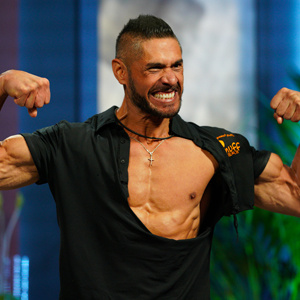
[00:36:58] Michelle Razavi: You got to go strong, man. You know, one of the things to tell you is like, Oh, a smile. Yeah. Even when you're talking, I was like, how do you do that? But if you look at the show, it's season 12, episode 2. Check it out. I have a background in bodybuilding. I used to be a professional bodybuilder, a natural bodybuilder. And so when we were talking about the pitch with the producers, they were like, notice you were a bodybuilder. I was like, yeah. So you think you want to take your shirt off on stage? I'm like, is this for real? And he's like, hey, no, it has to be you. You know, if you're not comfortable, I'm like, hell yeah, I'll do it, you know. I've been on stage with my shirt on a little trunk, so it's fine. So, you know, I won't spoil it, but if you check it out, it's actually pretty funny. And you got that body, obviously, from eating peanut crunch right there. Well, you know, that's my main point. You know, we got some good reactions from Barbara and, you know, Lori and a few good laughs from Mark Cuban and, you know, the other guys.
[00:38:07] Ray Latif: Well, the most important question, you know, were they willing to offer you investment?
[00:38:12] Michelle Razavi: Well, I'll tell you what, no one turned me down, which is kind of cool. So no one said, you know, for the reason I'm out, I didn't hear that. And I actually got investment from Mark Cuban. Congratulations. Thank you. Thank you. Yeah. Yeah. What were the terms? Uh, 400,025%. So we had a 1.6 million valuation.
[00:38:34] Ray Latif: How actively is he involved in the company now? Are you, do you speak with him on a regular basis or his team?
[00:38:39] Michelle Razavi: Yeah. You know, mostly through email. Guy is pretty busy, but it's amazingly how available he is to, you know, everyone that reaches out to him. Basically, uh, he will do as much for you as you want him to do. If you don't contact him, he won't contact you. You know, it's not going to bother you. So, you know, his team, he's got a team that helps us out. And we meet regularly with them, weekly basis. Whenever we need, you know, one of Mark's is a genius ideas, you know, because he's a genius, then, you know, we'll reach out to him.
[00:39:12] Ray Latif: You told me something interesting before we jumped in the mics, which is that a majority of your sales come from online at this point or online sales. Although that's not what you want. I think you said 80% of your sales right now are from online. Yeah, that's correct. The question I have is, if you're doing that kind of business, Why not double down on it? I don't know too many snack brands that have existed as long as yours, where so much of their revenue is coming from e-commerce. So, you know, why not go even deeper?
[00:39:43] Michelle Razavi: I mean, I think one of the reasons why we want to, you know, be available on the brick and mortar stores is because it's a snack, right? So a lot of people want to... And it's different. It's not something that... It's very well known already, like a cheese puff, but you're making a cheese puff with a different brand and you know, you sort of know what you're going to taste. You sort of know what it's going to taste like and everything else. With a peanut puff, it's sort of like a new thing. You know, there's not really a lot of peanut puffs out there. Well, the Bama snacks, I think is the... Right. That product is pretty popular in Israel. It wasn't really popular here in the United States until maybe the last couple of years. Yeah. Trader Joe's, I think, introduced some Bama snacks. Right. So before then, you know, I mean, I still ask people today here at the trade show, have you ever tried a peanut puff? And 95% of the people say no. So I think being on the shelf and being able to pick up just one bag, it's a lot easier for a trial than it would be to do it online. Because online, due to shipping, as you know, you know, we need to sell more than one bag. So, you know, we offer a six pack and we offer a three pack. But, you know, it comes with a cost because we have to add the shipping to it. So someone that has already tried it, they come back and they continue to buy it. But someone that hasn't tried it, it's a little bit harder sell to do it through online sales. So having it in the brick and mortar stores, I think will increase that trial. And it's just snacks are sometimes impulsive too, right? So you just wanna walk by the aisle and you feel hungry, okay, I feel like having this. So I think eventually what we want to be is more of a 50-50 online versus brick-and-mortar retail.
[00:41:37] Ray Latif: The parent company is called Perfect Life Nutrition. That's right. How do you walk that line between we are a nutrition company and we are a snack company?
[00:41:46] Michelle Razavi: And that's the thing. You nailed it. Because the first thing we started to come is we are a nutrition company. You know, if you look at our mission and vision, it's all about nutrition. Every snack that we have, Not only does it have to taste good and be convenient, but it's got to have positive nutrition in it. If it doesn't, then that's not us. And whatever format, you know, we come up with in the future right now, we're doing puffs. In the future, who knows? You know, we could be doing bars. We could be doing some other type of hand-to-mouth snack format. But they're all going to have to adhere to the criteria that we set. the plant-based, certain amount of protein, certain amount of fiber, very low in sugar and fat. It's, I think, something that people are looking for right now. These healthy choices from what normally would be considered bad for you and feel bad about eating a whole bag at the end of the day. This is what the consumers are telling you. We want to have a product that tastes good, just like a a Cheeto or whatever else, but I don't want to feel bad at the end of the day. I want to feel like I actually have something healthy, you know, and that's where we come in. I don't think, besides the price, because obviously healthy snacks are a little more expensive than your traditional puffs. Besides that, I think from a flavor perspective, we're right there with the conventional snacks. And as long as they feel that they're getting that satisfaction from the Taste Radio everything else, and knowing that it's healthy. I think we can reach to any consumer really. What's your price point per four ounce bag? So this bag, which is a four ounce bag will be $399 retail.
[00:43:27] Ray Latif: Yeah, the bag I'm holding in my hand is your Peanut Crunch cinnamon variety. They're described as peanut puffs, even though navy beans are the main ingredient here. Why do you call them peanut puffs again?
[00:43:38] Michelle Razavi: Well, the characterizing flavor of it is peanut. And when you try it, you don't taste the navy beans. And that's kind of by design, right? You don't want to taste beans. You want to taste something that is delicious, like peanuts.
[00:43:52] Ray Latif: But a lot of people are leaning on beans and leaning on legumes as, you know, a healthier base ingredient for snacks. Have you thought about going in that direction and being like, yes, we're a bean based brand. We are a better for you ingredient company, or we're a better for you brand that uses better for you ingredients.
[00:44:17] Michelle Razavi: We just went through a packaging change. And if you look at the old packaging versus the new, you know, we weren't highlighting anything about our ingredients in the old packaging. Now you can see Navy Beans is our first ingredient right there, right in front of you. Yeah. Right in front of the pack. Yeah. And we call it out. That's by design. We wanted to show that, you know, to the consumer. There's actually really clean, nutritious ingredients in this bag. But, you know, the name of it is peanut puffs, so they can expect a peanut puff when they try it. It's interesting what you asked me about navy beans. And, you know, I told you about a little bit of perception of navy beans. And in some cases, some people might have a negative I haven't had maybe a negative experience with beans in terms of the taste. It's kind of like an acquired taste for some people. Broccoli, right? Or cauliflower. Or it's like, when you're a kid, some people don't like it. Same thing with beans. But what's really cool about beans is that they're very complex when you cook them. You develop a very complex flavor profile. And that flavor profile what we're doing right now is we're actually studying other ingredients that could actually complement that flavor profile. So navy bean and a peanut actually complement each other. If you do an analysis of the chemicals or want to call it chemicals, because every component in food is a chemical. Right. You know, as a scientist, that's what we call chemicals. But basically every component of that flavor, you can actually map that out and describe it specifically, every individual flavor component in it. and what you can find is it's almost like a puzzle where you can start to find complementary flavors or more than ingredients that enhance some of those good notes that you get from beans and mask some of the bad notes that you get from beans. Peanuts, for instance, actually do that. Peanuts are roasted and they develop this mild reaction type of flavors that are very complementary with cooked beans. So when you put them together, you actually enhance the good flavor of peanuts and beans, and you reduce the negative flavors that will come along with beans, for instance. So what we're trying to do now is mapping other type of ingredients that can go along with this matrix. So peanuts and beans, what else can we put to it? So cinnamon is a really good one. Cocoa, which is another flavor, is a really good one too. And the savory side, barbecue, for instance, will go really well with it. anything like roasted jalapenos or roasted chilies.
[00:47:08] Ray Latif: You got me smiling now. Roasted jalapenos and chilies in your peanut puffs or as a peanut puff flavor. I think that's such a great idea. Is it just the two flavors right now? Right now we have three.
[00:47:16] Michelle Razavi: Three, okay. Yeah, we have a cinnamon, the original, which is just roasted peanut, and then we have a cocoa.
[00:47:22] Ray Latif: Cocoa, wow. Yeah. That sounds pretty cool. You've been doing this for seven years. This is your seventh year in business, right?
[00:47:30] Michelle Razavi: Yeah, 2015, so yeah.
[00:47:33] Ray Latif: You had to think about that. You're like, wow, I've been doing this for a long time. You know, what's been the toughest part of being an entrepreneur at this point? You know, you haven't done it for a long time.
[00:47:41] Michelle Razavi: When you first start, you always think things are going to be a lot easier than reality. Once you start doing it, you realize that you know so little. You know, I came from working on some of the largest food companies in the United States. I worked for them for over 25 years. I sort of felt like I got a pretty good handle on this. Wow. Was I wrong? Was I wrong? And, you know, being also on your own and a small guy, you know, you don't get the attention that you get from, you know, from suppliers and, you know, ingredient companies that, some of the larger companies get, you know? So you have to fight through that stuff. I think you have to be very passionate to keep it going. I always tell people, I mean, if you want to start a company because you want to make money, that's the wrong reason. Because you're going to struggle, you're going to spend a lot, and who knows, you know, you might not make a penny and spend a lot of money, but it's the passion that really keeps you going. That's for me, that's the main thing, you know? I always wanted to do this. I wanted to be in this space. And I'm happy doing what I'm doing. You know, we're still growing. It's still very painful, but I'm happy doing it.
[00:49:04] Ray Latif: You know, in the short term, what are your most important goals? I mean, I would think that in seven years in, you're at least close to profitability or, you know, already there, but maybe not. I mean, is taking that into consideration, you know, what are some of the things that you really want to achieve in the short term? Yeah.
[00:49:20] Michelle Razavi: I mean, for us really, it's about sales right now. It's funny because I think two years ago I was profitable and now I'm not. It's called COVID. COVID and it's also, you know, the more you make, the more you spend. You know, you got to spend to grow. You know, I could be making $50,000 and make $10,000 in profit. But it's just me. I have no, don't have many people working for me or anything else. Now we have a big team, you know, we have marketing, we got sell, we got payroll, you know, and so. it's sort of the expenses have gone up, you know, greatly. But for me, you know, the ultimate goal really is to see if there's an opportunity to, you know, eventually sell the company, see if, you know, someone with more resources can take it to the next level. And so, you know, for us, being able to grow sales to a point where it could be attractive for acquisition, that's important. Obviously, you know, profitability is important, but right now my main thing is I want to continue to grow sales. I think the profits are going to come as the sales go up.
[00:50:37] Ray Latif: Well, I'm rooting for you, because, you know, I've had a limited interaction with your brand. I think we first encountered, or I first encountered, Peanut Crunch just before Expo West. We were planning to meet back then. We didn't really have an opportunity to do so. But I'm glad we have an opportunity to sit down now, because we're in California. We're in Southern California. And where it was rainy and dark and cold in Philadelphia, it's a beautiful day out here right now. And this has been a great conversation. Thank you so much, Dr. Wan. I'm going to call you Dr. Wan, both.
[00:51:05] Nikki Elliott: Can I do that?
[00:51:07] Ray Latif: I'm excited to see where you take your brand in the next seven years, if it's still yours in the next seven years. But in the meantime, enjoy the rest of Expo West, and I'm sure we'll be talking again soon.
[00:51:18] Michelle Razavi: Awesome, man. Thank you very much. Thank you.
[00:51:21] Nikki Elliott: Do you want more repeat buyers on Amazon? Well, this free resource in collaboration with Straight Up Growth will help your brand turn first-time buyers into long-term subscribers. Download Winning the Repeat Purchase Game on Amazon now at Taste Radio slash SUG. That's Taste Radio slash S-U-G to start building retention-driven growth for your brand on Amazon. Scaling a beverage brand into major retail comes down to operational readiness. From packaging lead times to co-manufacturing strategy, the details can make or break a launch. In a new e-book in collaboration with Octopi and Asahi Beer USA, industry leaders share what they've learned in helping brands scale. Download it now at Taste Radio slash octopi.
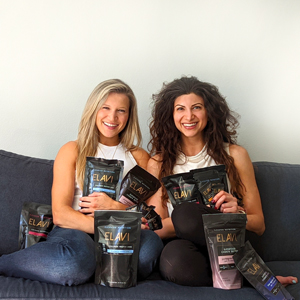
[00:52:11] Ray Latif: Finally, we're joined by Michelle Razavi and Nikki Elliott, the co-founders of Alavi. Presented as a brand of functional, decadent snacks to boost energy, recovery, and focus, Alavi debuted in 2019 with a line of collagen protein bars that were designed to be a premium alternative to existing brands focused on flavor and high-quality ingredients. The brand recently added a new line of superfood cashew butters that are similarly positioned and described as protein frosting. Both experienced fitness instructors with years of experience at Equinox, Michelle and Nikki spoke about how their training and work supported their vision for a protein brand for modern consumers, why they sought to position Alavi as a luxe brand, why video has been a key medium for communicating with consumers, why patience and taste were critical factors prior to launching the nut butters. Hey folks, it's Ray with Taste Radio. I am in Anaheim, California at Natural Products Expo West 2022. Sitting in front of me right now are the co-founders of Alavi, Nikki Elliott and Michelle Razavi. Ladies, how are you?
[00:53:27] Taste Radio: Good. Excited to be here. Yeah.
[00:53:29] Ray Latif: I am excited to be with you as well. I saw you at Nosh Live Winter 2021. Outstanding. It was a lot of fun to see you guys. You were part of our Nosh Pitch Slam as well. And Alavi is one of those products that I think a lot of people were like, what is this? What is this? I want to know more about this. Because your branding is awesome. And you guys are just so excited and passionate about your brand and your industry, as you should be. But for folks who aren't familiar with what you guys do, tell us about Alavi.
[00:53:55] Taste Radio: Yeah, so Alavi is a modern wellness brand on a mission to deliver convenient, delicious products that are catered towards smart energy and recovery. You know, our backgrounds as Equinox fitness instructors who were juggling corporate jobs is really the core of the founding story. You know, we struggled ourselves and keeping our bodies strong and nourished and really created a product to solve our own needs. And now we're just so excited to innovate in the space of functional snacks that deliver in so many different ways so that our consumers can feel their very best to take on anything.
[00:54:32] Ray Latif: I think a lot of people might see that opportunity, but then actually chasing down that opportunity and executing upon that vision. Altogether different. Altogether different. It takes a lot of guts. It takes a lot of money. A lot of pushing back. Yeah, a lot of that. At what point did you decide this was something you were going to do? And, you know, what was the research that you did prior to launching Alavi that made you think that this could be something that could get off the ground and scale?
[00:54:56] Taste Radio: I mean, I'll be 100% perfectly honest, I kind of jumped into it a little blind. And I think sometimes not knowing what you're getting yourself into is sometimes a good thing because knowing the whole path ahead of you, I think that would be paralyzing. And so I just took it one step at a time of, you know, researching co-manufacturers, learning more about, you know, formulation and kind of what it would take to formulate and put a product into market and mass produce that.
[00:55:23] Ray Latif: Did you guys have to convince each other to do this? Were you guys both on the same page or did you both have the same sense of what this would look like? What you're trying to achieve for a brand like this?
[00:55:35] Taste Radio: We had so much fun thinking about it. But then, and Michelle's really great at like the engine pushing us forward, like just having kind of the courage to just jump in. I'm like more of the like, let's run the numbers. Let's look at the logic. So it's a good balance between the two of us. And we were both actually at points in our careers where we really wanted something different. We were thinking about actually going back to business school, get our MBAs as like the master pivot, and ended up putting those grad school savings into the first production run. And that was in the fall of 2019. And at a time when the protein bar category was still growing exponentially, and before the pandemic, you know, really shifted that category significantly. So how do we go to ask, like, would we have done it? Had we known? I mean, there's a lot ahead of us and a lot of challenges. I think it proves our resiliency that we made it through the pandemic in a category that was hard hit by it. But we kind of just jumped in headfirst and learned along the way. I would say Nikki was pretty on board from the beginning. So I was creating the formula, the original ones in my kitchen. And when I was telling her about it, you know, she had this very clear need herself and understanding of the protein bar category. She's an endurance athlete. She's done triathlons. She's done Ironman. And so she knew all the pain points from an athlete level in terms of, okay, taste, texture, macros, functionality. And she was very early in understanding, you know, the busy consumer, the office consumer, she was working in a corporate job. So it was really helpful, but there was a little bit of convincing, I would say, just because Nikki was, you know, studying for her GMATs and she had this like traction. So it was like a very, very like quintessential locker room chat, like in the locker room of Econox, where, you know, I told her, Why go to business school when you can just come on board and fast track it and figure it out. And you know, once that idea was planted, then it was pretty, pretty much a quick jump on board. Let's go. Yeah.
[00:57:24] Ray Latif: Why pay for business school when you can pay a co-packer?
[00:57:26] Taste Radio: Right. Exactly. Literally. Put in some inventory. Yeah. Yeah. It was really fun.
[00:57:30] Ray Latif: Let's talk about Alavi in terms of what you wanted to promote and project on the front of the pack, in the packaging, in the logo itself. What was your vision there? How did you set about creating those brand elements that you thought not only complemented what was inside the package, but were striking enough to stand out within that protein bar category?
[00:57:51] Taste Radio: Yeah, no, and I love this question because we obsess over packaging and branding, especially in CPG. That's really all you have is your brand because you can't really get an IP. You can get a trademark, but there isn't as much intellectual property, for instance, if you're in tech or software. when we were asking people, you know, what are you looking for, they would tell us, I want to know the calories, I want to know the amount of protein, I want to know if it's gluten free, and you know, dairy free. And you can see on our front of our packagings with a rebrand that it's very sleek, very minimal, kind of like Rx in terms of telling you everything up front on the front of the packaging. And we listed this is how many grams of protein it has, this is the amount of calories. So you have this in this very easy to read chart. And that was very intentional. And the backdrop is this sleek, modern black packaging, which in the protein bar category, it's usually colors and whites and pictures of like donuts or muffins. Just trying to emulate. Yeah. And ours is very much like, you know, sleek and modern, something that looks like a Chase Sapphire credit card that looks so sexy. You want to take a photo of it. You want to pull it out. You want to show it off. The Rolex of protein bars. And it was really challenging this, you know, cheap race to the bottom category of, okay, well, how much can you discount a protein bar? I want a protein bar for a dollar. And we're like, you know what, we're going to play on the other side where we're going to make this so luxe, so premium that consumers know the form factor, they're familiar with it, but they're so impressed by the ingredients, the amount of protein, the thoughtfulness that we obsess over in that end to end experience. and the ability to get their daily collagen in this form factor that they do recognize. That was something that we didn't see a lot of in that really oversaturated bar category was the ability to integrate collagen successfully and tastefully.
[00:59:36] Ray Latif: We talked about this the last time we spoke. You're not a collagen-specific company, though. Correct. How did you factor that into the brand identity, knowing that you weren't going to be collagen-centric throughout the brand's lifecycle?
[00:59:52] Taste Radio: Yeah, and I think that brand identity is something especially for emerging brands that we're constantly thinking about and to be transparent, you know, we're still evolving. We still are figuring it out. I think it's impossible to say exactly what you are because things are always changing. One thing that's really core for us in our brand identity is trust. and communicating that trust to our consumers, both in the packaging of what you're getting in your product and the ingredients we're seeing and the fact that us, the founders, we consume our product every single day and we're obsessed with our health and wellness and we have to be healthy. And that is at our core, our brand identity is trust and that responsibility we carry for being a trustworthy brand. Yeah. And the bird's eye view of that, we think about it as modern elevated nutrition. How can we continue to iterate and develop new products kind of under that, that mission of, of convenience on the go, better for you, but taste forward products that consumers can trust. That's how we're going to continue to think about the brand moving forward as we develop new products. I would say we really kind of like your favorite luxury brands, they provide that concierge level VIP service. We do that with our text message ordering. We do that with our website or customer service. We respond really quickly to everyone. It's very personalized. And that's really what as a consumer people love. They love to feel VIP. They love to feel like they're buying into something that is luxury for them, right? They're investing in something like you're investing in your health. And that's, you know, what we see as our brand identity is you're investing in your health by consuming Natural Products. Yeah, and something that they continue to like ritualize into their, their everyday life, something that they're going to reach for, you know, maybe at this time every day, and they have a different product at this hour in the evening, like we want to be a part of people's routines. We want to have a product that they keep coming back to again and again, where they just like almost can't imagine their life without it just because of the amount that they love it and that it fuels their busy lives.
[01:01:51] Ray Latif: Well, it sounds like you're definitely setting yourselves up for a subscription-based service where people are constantly or consistently ordering your products on a regular basis. And certainly during the pandemic, I feel like the whole world was direct-to-consumer, direct-to-consumer, e-com, online, etc. It has to be in so many ways. Yeah. And the fact that you are, you know, this luxe-positioned product, that you are more expensive than the average protein bar, certainly more expensive and much more of an elevated kind of brand. Is that really your focus? Is that where you're putting a lot of your emphasis on? Or is traditional retail a big part of the future of Alofi?
[01:02:29] Taste Radio: I would say our DNA is in digital, given that that's the most convenient way that we can reach our consumers. We can interact with them and provide that personalized experience with our consumers. We just launched these new superfood nut butters and it's exclusively on our direct-to-consumer website. And customers can subscribe to that as well. Our VIP subscribers get extra access to unlock. That being said, you know, we understand that Omnichannel is really the place to play, mostly because trial is different for some people. Some people like to try in a store and then they fall in love with the product and then they go subscribe online. We know that different customers like to shop different places. Some really love Amazon. Some really love Whole Foods or Erewhon or gyms as well. That's been becoming a bigger part for our discovery. But the core, I would say, is online direct-to-consumer because of that connection we can have with them.
[01:03:26] Ray Latif: The cool personal touch that you guys have that you incorporate into your messaging with your consumer base, I assume, has a lot to do with their sense of connection to the brand. And, you know, you guys have such a magnetic sort of feel about yourselves. I think, you know, you can't help but see you guys in a crowd be like, I should talk to those guys. I should talk to those guys. They seem really interesting and cool. But how do you do that digitally? I mean, I think that's the hard part, right? Is how do you share your personality? How do you be that person in the room that everyone wants to talk to online?
[01:03:59] Taste Radio: Yeah, I would say video is king. And we've invested in that from day one. Very active presence on Instagram. We would first start out in the pandemic by doing workouts, Instagram workouts live for our customers when all the gyms were closed. And us as fitness instructors, that was a way for us to serve and connect. And then from there, you know, we showed the behind the scenes and I was very adamant of lifting the veil and showing what is going on. We're up at three in the morning, not sleeping, pulling all-nighters for rebrands of our website where we're running to our facility or driving seven hours from San Francisco to LA because there was a delay because of COVID. And we would do whatever it took, even if it meant losing a night of sleep to deliver at least even three days earlier to our customers. And I think that's where just watching the story and seeing the video content, even 15 seconds, people were able to see us behind the scenes. And we're very passionate about showing the hustle because it's not only fun, but it's inspiring, right? For anyone who wants to change their job or wants to find their purpose, it's really cool to see other people doing it in real time alongside you. And we put photos of ourselves all over our social media, over our website. We want people to know that there's real humans on the other side, and we're consuming the product with you. We're on this journey of self-development and wellness with you. And it's fun to share the video content on platforms that normally aren't having video, like LinkedIn. We love showing our videos on LinkedIn. And I think that's the best way to show ourselves is in the most dynamic way through video. It's a fun part of the business right now and we've come so far and we still have so much further to go, but like really scrappy. And so it is, I think people do enjoy seeing kind of maybe what it takes or how the kind of our unique approach to running the business is. And so it is, it's fun storytelling, especially at this stage. And as we continue to grow, those stories will shift and will look a lot different. But right now it is very boots on the ground and it is just the two of us with help from a lot of people that we surround ourselves with, but the story is unfolding and people really love to hear it, especially kind of during times like these when they want to just be inspired and connect with brands and be part of the journey.
[01:06:10] Ray Latif: Having a group of folks that you can talk to on a regular basis is extremely helpful. Having people who can offer the kind of feedback that will help you to make decisions that are going to influence your business in the short term and in the long term is really, really important. And I think about that when I think about your new nut butters, right? Because these are amazing products, and I know you guys took a long time to develop them. When you decided to go into that space, another really competitive space.
[01:06:39] Taste Radio: Yeah, we like to be competitive.
[01:06:42] Ray Latif: How do you get the feedback that you want to get for the products before they land on shelf?
[01:06:48] Taste Radio: We were looking for a product line extension that made sense for our brand, right? We weren't going to create something just to create something. The nut butters were a natural progression of, okay, it's a natural source of energy. It's clean. It's delicious. People know what it is.
[01:07:03] Juan Salinas: And...
[01:07:03] Taste Radio: It could be paired with our bars as well. Like they can be taken together. You're making me very hungry, Nikki. They're going to butter your bar. Right. Yeah, we wanted something that could integrate well together. It wasn't super random and people questioned, what are they thinking with this? You know, we wanted it to be very seamless. We wanted to essentially take a superfood smoothie and condense it into a convenient form factor that you could put in your pocket and enjoy any time of the day. You don't have to worry about consuming it right away. You don't have to worry about it melting in your bag. You don't have to worry about liquids or anything like that that you're traveling with. And so that was something that was our dream. And so with our collagen protein bar, it was kind of like a superfood collagen smoothie in a convenient form factor. So same with our nut butters, it was a plant-based version of that. And we hadn't seen much innovation in the nut butter category. So you go to a grocery store, you look at the nut butter aisle, and the color you see is brown, right? And we love the idea of eat the rainbow, plants that are rich in color, rich in phytonutrients and antioxidants. And so we're seeing this in other categories and beverages and in other superfoods, but we hadn't seen it in nut butters. And so that was a really cool process to be like, well, what if we do this? And so we were looking at Amazon reviews of other nut butter packets. We were Googling to see if something like that existed. And we hadn't found anything like that. And that was our early point of, okay, this didn't exist of colored nut butters. And using a nut butter that didn't have any inflammatory oils is also really important, Because a lot of them use palm oil, hydrogenated oils. So it's either bad for the environment or bad for humans. And so the innovation came in the ingredients and the form factor and the colors. And it was something that we had an idea, we went with it. And we hit a lot of roadblocks and obstacles because a lot of people told us it wouldn't be possible or co-manufacturers told us it wouldn't run through their machines. But we stayed really persistent. kept to the course and knew that it had to be out in the market and we were going to be the ones first in the market. And we're going to take the time to put that same amount of intention into this new product line that we had with the bars. We weren't just going to rush to market for the sake of wanting to put something new out there. So we definitely took our time and ensuring that the formulation was perfect. And we still have a ways to go, but we are so excited with how it turned out.
[01:09:22] Ray Latif: There's another aspect to the nut butters that I really love, and that's indulgence, right? Nikki, I think you called it protein frosting.
[01:09:29] Taste Radio: It's like protein frosting.
[01:09:30] Ray Latif: It's like protein frosting, which is incredible. I think people who hear this are going to be like, okay, I need to go to the Alavi website right now and start buying this stuff. Where did that idea come from? Where did this concept of we need to make it, you know, indulgent. We need to incorporate indulgence into this new line.
[01:09:43] Taste Radio: I would say the best piece of advice we got when we were starting our company was just make sure it tastes delicious. Because no matter how sexy your packaging is, or how many cool superfoods or functional ingredients you have in your product, if it doesn't taste good, you're not going to get that second purchase. People buy based on their taste buds and they will remember you for that. And so that has always been our core tenet is make it delicious. So people come back for more. And that speaks to the fact that we have a really high repeat purchase rate for our category. The way we started out with our collagen protein bars, we're like, okay, well, collagen is something you want to take every day. When we are doing surveys and our research, a lot of people had the collagen protein powders But a lot of them are saying, you know, I don't take it every day or, you know, it clumps in my coffee. And we noticed, okay, that's a pain point, right? It's like, how do we make something ritualized that they'll take every day? And the key is to make it delicious. If something's delicious, you're going to have it every day. So that was really how we formulated our bars were make collagen delicious and palatable and easy so that people can be consistent with it. And so with the nut butter, is that through line carried over? How do we make, you know, superfoods that are really good for your body, such as blue spirulina, cacao, pomegranate, beet, in not only a convenient form factor, but delivering it in an indulgent way.
[01:11:02] Ray Latif: There's been so many lessons, I'm sure, that you've learned over these past few years. And just the fact that you've been able to get through COVID and get to this point is, you know, and we're still in the midst of COVID, but, you know, get to this point is pretty amazing. But in hindsight, what are some of the things that you wish that you hadn't done or had kept a closer eye on?
[01:11:22] Taste Radio: Yeah, I would say early on, we got some advice from a very amazing, well-known, respected person in the bar category. And he said, you should try to get 60% margin on your products. And, you know, we didn't know, you know, what to do at that time. And this was pre-COVID too. And so I think when we are pricing our product, granted we are bootstrapping, so we need to get back a healthy margin. We priced Natural Products so that we can make a 50, 60% margin, because that's how we were advised. Looking back, I think that held us back in terms of having larger share. I think we're not the most accessible to everyone's budgets because of that premium price. And I think that probably held us back a little bit in growth. because we were prioritizing margin versus top line revenue. Or just chatting with investors when we're going through fundraising, we noticed that a lot of investors cared more about top line revenue over margins because their thought process is, well, as you grow and scale, you'll make back your margins. So it was on the revenue.
[01:12:21] Juan Salinas: Yeah.
[01:12:21] Taste Radio: Yeah. And so that was really interesting for us to learn. And that was something that it's interesting to think about, you know, where do you kind of fall in between? Every investor wants you to have high margins and high top line revenue and they don't realize all the time that, you know, that's very hard.
[01:12:36] Ray Latif: Yeah. The term I hear a lot of times now is a path to profitability. Right. And a path to profitability means getting to a point where your gross margins are healthy enough to scale. That being said, if you don't sell any product, you won't have any margins. So there's that. Right.
[01:12:50] Taste Radio: Exactly. Yeah. Right.
[01:12:52] Ray Latif: I hope that folks listening get to meet you guys at some point.
[01:12:56] Taste Radio: Work out with us. We love working out with people. We ask people and they laugh, but we're serious. We love working out with friends.
[01:13:04] Ray Latif: Yeah. Well, you know, I have a feeling there are a lot of folks here that would want to get that early morning workout at Expo West before they hit the floor. So maybe you guys for the next one can like plan out with new hope.
[01:13:14] Taste Radio: Love to host a workout class. There you go.
[01:13:17] Ray Latif: Thanks so much for taking the time to sit down with me. I really, really appreciate it. I've enjoyed this conversation from minute one. I'm excited for the future of your brand. So let's definitely stay in touch.
[01:13:27] Taste Radio: Absolutely. Thank you so much for having us.
[01:13:28] Ray Latif: Thank you. That brings us to the end of this episode of Taste Radio. Thank you so much for listening, and thanks to our guests, Susan Buckwalter, Dr. Juan Salinas, Michelle Razavi and Nikki Elliott. As always, for questions, comments, ideas for future podcasts, please send us an email to askattasteradio.com. On behalf of the entire Taste Radio team, thank you for listening, and we'll talk to you next time.