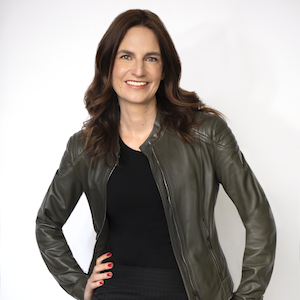
[00:00:10] Ray Latif: Hello, friends. I'm Ray Latif, and you're listening to the Top Podcast for the food and beverage industry, Taste Radio. This is a special edition of the podcast, which highlights interviews with six founders, creators, and innovators who joined us on the show during the first half of 2023. Let's kick things off with Tara Bosch, the founder of pioneering, better-for-you candy brand, SmartSweets. In this clip, pulled from an episode published on January 17th, Tara spoke about why the brand's early growth strategy was built around, quote, patient urgency, why the company prioritized a lean business model and highly specific annual objectives, and the value of first-mover advantage. A term you've used to describe the development of SmartSweets is patient urgency, which on the surface sounds like an oxymoron, but it was so critical, that term, to how you built the business. Can you explain what you mean by patient urgency?
[00:01:18] Tara Bosch: what it means to me is running like hell every single day and in the sense of having an urgency that you're just doing everything you possibly can in every given day. So when you're going to bed at night and staring at the roof, you're like, you know what? I did everything in my being today to move this forward. And then at the same time, having the patience to keep the context that you're working towards something that's not going to come to fruition overnight, that's going to take 50 days, 100 days, a year, two years of patient urgency to really bear the fruits of what you're working so hard on in the day to day. But that was something that really helped the squad and I keep the context that And the times when it would get really hard and that sort of thing, that if we just kept remaining steadfast and had the patience, that the dedication and discipline and the day-to-day, we would begin to bear the fruits of. And really celebrating the wins and all the small moments was a huge part of that as well.
[00:02:30] Ray Latif: And, you know, being sort of ahead of the game in terms of non-sugar or low-sugar candy, I mentioned that I grew up, you know, and tasted some of those types of products and they weren't very good. Now you can go into a grocery store and find a lot of different products and there's even more coming to market. Was first mover advantage with a great tasting product, you know, a key pillar of the eventual success of SmartSweets?
[00:02:58] Tara Bosch: Absolutely, I think, being a first mover is certainly helpful I think you have the gift of time in the sense of you have. whatever extra chunk of time that is to really hit the ground and to make progress, build your distribution and brand awareness, all of the things. So that definitely was helpful. I think though, in combination, just really being obsessed with having a value proposition that can't be out exceeded, that I think was just as important because even early on in SmartSuite's journey, there were products that launched into market that's intent was the same as SmartSweets. But when we just stayed true to our value proposition and what we really felt was creating the most radical value for the consumer, at the end of the day, I think that's really what carried us through a lot in our growth. But being first was certainly helpful.
[00:04:01] Ray Latif: Now, a phrase that I often hear from founders, but I think is somewhat misunderstood, is building the plane while you're flying it. Taken literally, it's impossible. Taken with a grain of salt doesn't sound like the best idea, but it is an apt term to describe the development of SmartSweets. How do you fly with an incomplete jet?
[00:04:24] Tara Bosch: was a super delicate balance with looking around the bend and this is kind of I guess what I mean by building the plane as we are flying it for us because we would look around the bend and be like okay what what is working right now that is going to not work any longer in three months or six months whether that was a system or that we needed a new team member, whatever the case was, always asking ourselves that question and looking around the bend was so beneficial and served us so immensely well. So that as we rounded the corner on those things, we had invested in different things just enough so that the systems and all of the things, the plane didn't break. We were able to continue flying and then continue looking around the bend and making our bets and our hypothesis on what we need to build around the bend so that we're set up to continue flying.
[00:05:24] Ray Latif: What's an example of something where you invested just for three to six months and realized that you would need to take a different tack? How did you go about planning for growth and planning for the future?
[00:05:39] Tara Bosch: Yeah, the concept that we used in our Candyland brand language was reverse executing. And it was kind of just peeling back the grand vision, which is to be the global leader in revolutionizing candy. And then it would be all of us sitting together as a team and peeling that back and being like, okay, what does that mean 10 years from now? What does that mean five years from now? Okay, so that means we need to be the leader in North America and US and Canada first. Okay, so that means that we need to be an XYZ and have this XYZ brand awareness. So really peeling back those layers was extremely helpful to become very, very specific and to be able to make one page plans that had really clear, concrete things that we were working towards. That was kind of how we peeled back the layers. And then I guess just funneling into that was all of the executional stuff, like having commands that we could scale with and things like that.
[00:06:40] Ray Latif: Being really clear about what you wanted to do, being really clear about your objectives. Can you talk a bit more about that? Because I think that's such an important point is not just knowing what you want to do, but being super specific about it.
[00:06:58] Tara Bosch: So we would annually make these one page plans and on them, they were just super, super simple, but they were very specific about each department and then overall as a company, what it was that we were going to achieve. And it would get down to be like, as specific as noting like the average velocity in every retailer across the board that we were going to achieve or what new partner was going to come on board and how we were going to execute that partnership and what success would look like to us with that partnership. And so having very few I'd say it was always like three to four max but specific items, it allowed us to all kind of rally together to know in the day to day what we were charging towards and to bring that to fruition.
[00:07:53] Ray Latif: I also want to go back to the point of running lean and staying lean and being focused on costs and expenses. Now, you had mentioned that you brought on, essentially within the first year and a half, a COO and a CFO. These roles are not cheap. I think anyone listening would know that. So when you talk about running lean, what do you mean, what were some of the things that you could pull back on that you could reduce in terms of expenses to achieve the kind of margins and profitability that you're chasing?
[00:08:30] Tara Bosch: Yeah, it was definitely a balance. Even like the head of finance and CEO that came on board, they came on board at probably like half of what the market rate would have been. And we compensated for that in equity. So all the team members that we brought on board had equity, which to me was incredibly important that everybody knew that they were owners in the company and that they really felt that sense of ownership. And from that stemmed dedication and loyalty to the mission and all of the things. But that was really helpful also from a team perspective in terms of running lean, because equity did make up for what a lot of standard salary would in those early days, as well as we had an amazing bonus program. So if we were executing and hitting and achieving our goals, then that would also compensate for the lower base salary people we would have. So we'd find creative ways like that to stay lean on the people front. And then on other fronts, I mean, it was really just of the mindset, we would often say like, okay, how can we hack this or look at things from a perspective that a lot of tech startups kind of wouldn't kind of how they ideate and then the other part of it was just. having the conversations with people, with our retailers, we would get creative and we'd be like, Hey, we literally cannot pay for a free fill right now. However, what if we do a giveaway on social and we push our partnership through our e-news? And so that was a big part of it as well. And just building great relationships.
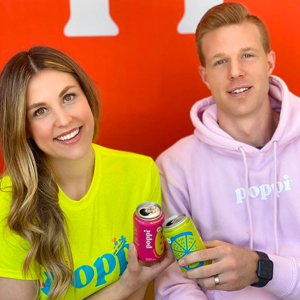
[00:10:15] Ray Latif: Next up, we have Allison and Stephen Ellsworth, the co-founders of fast-growing prebiotic soda brand, Poppy. In a clip pulled from an episode featured on May 30th, Stephen Ellsworth spoke about the professionalization of Poppy's organizational structure, the decision to hire a CEO from outside the company, the drivers of the brand's remarkable trial conversion and repeat purchase rates, and their perspective on how entrepreneurs can make the greatest positive impact via their brands. Understanding that you need to go from where you were when you launched Poppy in March 2020 to an organization that is aiming for 30,000 doors by the end of 2023 requires an understanding that you need to professionalize at every level. What did Poppy need, you know, past that first year? What did Poppy need in March 2021? Because that first year, so much of the business was direct-to-consumer, so much of it was Amazon, just because of the pandemic and just the difficulty in getting into retail. But how did you know and what did you think you needed to have throughout the organization and at different levels of the organization to get to where you are today? We just needed more structure, just like you scale supply chain, right? You've got to lay down some processes and structure as you scale the organization. So I think that that was the biggest thing that we saw as an opportunity to really professionalize the organization. We wanted to make sure that we had the right people on board. When you're young and you're starting up, Everybody in the company has a relationship with the founders. So it's easy to like instill that in them and get them all fired up. And they're, you know, they're on mission. They're working for a purpose. We're building something together. And so I think people, you know, feel that they see that it's like this tight knit group. And as you scale the business, it's just not scalable. While we want to work with everybody and get to know everyone, we get to know them, but we don't work with them. That's just not the way you scale the company. And so. I think that that was the biggest thing, is just providing that structure, you know, so that people can ultimately be held accountable. We're no longer in this small situation where people are just fired up because they're working for the founders. They're now looking at Poppy as this once-in-a-lifetime career-building opportunity. So it's a bit of a different dynamic, and they're here because they believe in what we do, but there's also an element where they believe that this is a great opportunity for them as well to build their career.
[00:12:54] Stephen Ellsworth: I would say, just for context, Poppy had two employees in February of 2020, and that was Steven and I. Now, three years later, we have 100. And then on top of it, we're growing at a rate that nobody really is seeing, including Rohan. We're growing faster than by vitamin water and Red Bull, Munster. No one's seen this kind of growth from zero to three years in such a quick time. So to put those processes in place so early on was really effective in allowing us to scale to where we are today. To that point, it was a joint decision to bring in Chris. We talked to the board. We talked to Rohan. It wasn't something that was like forced on us that I think is on a lot of other founders. And I think that's a lot of advice that we give to other founders is like, it's almost like detrimental if you hold on too long. What that is, is that's your ego at the end of the day. And it's really, really hard because I wouldn't even say it was it was hard.
[00:14:02] Ray Latif: Yeah, it was really hard.
[00:14:03] Stephen Ellsworth: It was a hard transition to have a seat at the table and be part of that transition is really nice Versus being pushed out not knowing what's going on because that would be really really I don't know just really hard Yeah, for sure.
[00:14:16] Ray Latif: And I think I think you said it best. It's like There's been plenty of examples where a CEO is brought in for a turnaround situation, where the company is hemorrhaging cash, velocities aren't what they thought it was going to be, sales are based on new distribution as opposed to actual velocity gains. You know, and that just, it wasn't the case of Poppy. Things were trending in the right direction, path towards profitability, velocities are increasing, you know, so I think it was, it was a really good time. It's not to discount for, you know, like I said, for all of the other founders out there that it's not to say that it was an easy transition, but it was the right transition and it was the right decision ultimately for the business and ultimately for me and Allison and our family longterm.
[00:15:01] Stephen Ellsworth: We've done a lot of studies now to date to dig into who our consumer is and why they're drinking poppy. And consistently in every study across the board, the number one reason people drink poppy is because it tastes good. And that's intentional through everything that we do. Yes, we are better for you. We're great for gut health. We have all of these other amazing attributes, but it goes back to we're going after big soda. And to truly be a soda, you have to taste good. And I think the consumer, they're finicky, especially Gen Z, right? They aren't as loyal as, say, like millennials and baby boomers. And it's one of those things that if you taste good, that's why they're going to drink you. And we do that through our marketing, through our packaging, right? With the beautiful colored cans and in store with the merchandising of it. We're getting data back and 86% of people that try poppy moved to conversion, right? And then we have...
[00:15:59] Ray Latif: Wait a second. Let's back up for a second. You say 86% of people who try it buy it.
[00:16:04] Stephen Ellsworth: And then we have a crazy repeat rate of over 66% after that. So basically if you hear about it, you're going to move 86% of those people are going to move to conversion to trial. And then after that, they're going to stick around at a really high rate. You know, and we see that online with our monthly subscribers to in-store, and I think it goes back to, we taste good, they feel authentically connected to the brand, and the brand, at the end of the day, it's cute, right? It's the branding, it's part of fashion, it's part of culture, it's modern soda for the next generation, and it's now that it's time for disruption, and we're seeing it in culture.
[00:16:47] Ray Latif: I think sometimes the simple is the most brilliant. It's not difficult to understand what you're selling. You use words that everyone understands. Soda, fun, and flavors that everyone knows. Grape is your latest flavor. But it surprises me sometimes when entrepreneurs make things too complex, make things a little too sophisticated for the mainstream consumer. with flavors that they may not understand, mainstream consumers that is, with functional benefits that they may not understand, with sort of a stayed and unfun kind of approach to branding and marketing. And if you want to go broad, if you want to go big, you can't do any of that. It's been proven over and over again, simple, easily understood, and great tasting sales. Think about poppy as a simple proposition or trying to make it as easy for a consumer to understand. You think that's as much of the genius behind the brand as anything. I do, and I think we had the benefit of old brand, new brand, right? And those transitions were very intentional. We had a pretty heated conversation when we were going from glass bottles, white label, to super colorful labels, design, and cans, right? That heated conversation included whom? Oh, just a few small personalities.
[00:18:08] Stephen Ellsworth: Yeah. We were split against like half were for the white and half were for the color. Because if you think of like the white, you think of like healthy halo. It's better for you. Apple cider vinegar. Founder story. I started this because of my health problems. Right. And then you have the color, which screams taste, fun, flavor, you know, all those things that you guys were speaking to. And I'm glad that the flavor and fun worked out. And I'm, you know, I say now I was wrong.
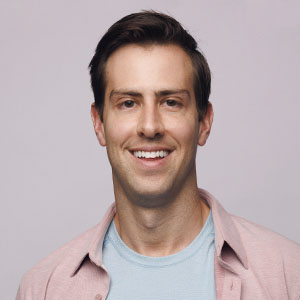
[00:18:35] Ray Latif: Yeah, it was very intentional that we took apple cider vinegar off the front of the pack and we moved it to the back. And it goes back to meeting the consumer where they are. We want consumers to look at the packaging and pick it up because it looks amazing. We want them to then crack the can open and drink it. And they're like, oh, my gosh, this tastes incredible. And then as they're drinking it, they turn it to the side. Oh, my gosh, this has prebiotics. This has apple cider vinegar. Wait, only five grams of sugar? Like, this is insane. Sometimes there's a lot of consumers that if it's marketed and pushed to them as healthy, it's automatically it's going to taste bad. So it's basically tricking them saying like, this product tastes amazing. And oh, by the way, these ingredients are actually good for you. Not just the absence of bad, but also the presence of good. And I think that for us as entrepreneurs, we've always wanted to make a positive impact on the world. In order to make the greatest positive impact, people have to buy into it. If you have a product that's so hard to understand, or the taste is so off-putting, how many people are ultimately going to try it? How big of an impact can you ultimately drive if it's not meeting the consumer where they are? Let's keep it going with Jake Bullock, the co-founder and CEO of cannabis-infused beverage company, Cann. In this clip from our episode published on April 25th, Jake discussed how Cannes sits at the intersection of Canna and Sober Curious, why early-stage fundraising is about finding the one, and how Cannes' commitment to innovative advertising and video-based content has paid off. The idea of someone being canicurious or sober curious, I would think are mutually exclusive, but are they the same consumer in so many ways? They intersect. We talk a lot about can sitting at that intersection point between the sober curious and the canicurious. In the beginning, we thought a lot about, you know, are we building a mainstream cannabis product? Is that the idea here, right? Some people will never smoke. We had the vaping crisis. People are afraid of vaping. We don't really know what's going on there. Edibles seem like a natural entry point, but are often way too potent, right? And so could we create a product that was a microdose beverage that keys off of the heuristics of alcohol, that really would be the product that brings a mainstream consumer that's walking down the street today thinking about the glass of wine they're going to have later tonight to flip the switch and think about a cannabis product, right? And we started down that track. As we got down it, we started realizing so much of what the sort of salient emotional touchpoint that our product solved didn't come from cannabis being unapproachable. It actually came from hangovers. It came from that physical pain of a hangover, the emotional regret of the choices that you made and then the consequences the next day. So we really thought about tapping into can as a social beverage company. That was our goal. It was how do we really make these products social? And if you're going to live in the world of social, you have to deal with alcohol. We try to deal with it in an inclusive way. Our view is that what might be right for one person is not necessarily right for another person. So Luke and I drink quite a bit of alcohol. Now we probably drink half as much. We haven't given up entirely. We'll continue to drink it. But that 50% reduction in alcohol consumption for us is really healthy and really positive. For some people it will be 10%, and that's also great. For others, they'll give it up entirely. And I think really seeing, especially the millennials and the Gen Zers, you can see this in the data now as well, looking at cannabis as an option to help them drink less alcohol. They definitely are drinking less alcohol. Now, are they mixing up with cannabis, other potential sort of sources of buzz? It appears like they might be. And that may be healthy. I think there's a lot we still have to learn about, you know, these younger generations and particularly the Gen Zers that are old enough to consume our product, how they're really growing up into this industry. But we think that our product provides real opportunities there. And what's interesting is it doesn't shut off the opportunities of older generations, right? Because there are people that are still saying, you know, your doctor is telling you, hey, you know, for your health right now, you should really just cut back on the booze. And we help people do that as well. So I think curious. is a parallel to choice in so many ways, right? Choice is the key here. You're not just giving someone an opportunity to try something, you're giving them choices. So they don't have to choose between vodka or nothing or wine or nothing. They have vodka and wine, can and nothing. Yeah, exactly. And I think one of the big differences, so there are a lot of products out there that are alcohol alternatives. most of them do not have a buzz source, right? Or functional ingredient, there may be no functional ingredient, or the functional ingredient is something like caffeine or taurine, some sort of stimulant, right? Which we've been, you know, we've got red bullet behind bars for decades now, people drink espresso at night, you know, for various reasons for energy. So it's not necessarily new, the idea of having an alternative with with a sort of caffeine based type of stimulant. And a lot of them also are trying to mimic the flavor experience of alcohol. And so they add a lot of sugar, and they add a lot of sort of adaptogenic or sort of bitter type things. Like, oh, let's make it taste like a cocktail or cinnamon to make it to get that.
[00:23:48] Jake Bullock: Yes, right.
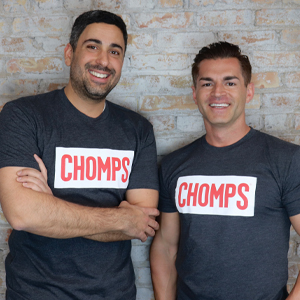
[00:23:49] Ray Latif: Not working. There's exactly it's always interesting to us because you try some of these products. Like I get what they're trying to do. They're trying to make this taste like alcohol. The problem is, When you remove the alcohol taste, you actually free up an amazing potential set of opportunities. You don't have the sugar from the alcohol, so you way more caloric space to create something that tastes delicious, but with like less than 10 grams of sugar, our products are 30, 35 calories. That's, that's important to a lot of our consumers should drink a bunch of them and still be much, much lower from a caloric standpoint than alcohol, but you also don't have to mask the taste of alcohol. And so some of the stuff that we like associate with. Ah, that's what I think of as a cocktail is actually a burn that comes from, from the alcohol. And so we pushed back a little bit on this idea that it is a real choice if it doesn't deliver the buzz. And if all it's really giving you is the same calories and a kind of unpleasant flavor experience, then maybe that's not actually what consumers want. We're a product like cars and there's other examples I think of, of ways you can incorporate a functional ingredients effectively into beverages, but really having that buzz is what our consumers care the most about and that that is the right sort of potency for them. We talk a lot about our product being the same strength as a beer or a glass of wine. It was intentionally designed that way. So we think about how long does it take the body to metabolize two milligrams of THC is roughly about the same time it takes the body to metabolize one beer or a glass of wine. Without the hangover. Right. I don't even know how you start with an investment plan or strategy for a brand like this, at least early on. Data is possibly, I guess, one way to start, you know, just showing the potential for a brand like this. Was data as important as I think it might be when you're talking to an early stage investor? Yeah, it's interesting. So we think about it a lot, as in the beginning, when you're pitching an investor, there's a couple of important things. The first is, is absolutely how can you use data to show the potential, right? Because they're, they're evaluating how big could this be possibly, like, if I believe you, and you're successful, like, what are we talking about here? And we, you know, investors, especially early stage investors need that number to be really big, because they're, you know, they're, they're gonna, most of these are gonna fail. And so that's important. The other thing is they're assessing you and sort of, are these the right folks to do this? You know, they could believe every single thing we have down on our slides and still say, I don't want to invest because I'm not sure you're the ones that should do this, right? Like what uniquely makes you capable of executing on the plan that you've created. Now, some of it is that you created and you know it, but a lot of it is sort of the second piece, which is how do you make it more than just a presentation, more than just a set of pages that you share, walk through. And for us, that was easy. I think a lot of beverage companies have this Weirdly, it's an advantage because we bring the product to the pitch. It's in the room. You know, we can make, we can build this because it's sitting in front of you. And now maybe we'll change the branding. We didn't have it right in the first, which we didn't, but smart investors get that. They'll say it like something to the effect in the room is like, well, we know you'll figure out the branding. That's, that's the easy part. You just need the money to do that. Right. but having the liquid, having them be able to crack open a can and taste it. Again, this is why we hand seamed like 18 times every single can, which took hours and hours, but that experience helped investors understand that we actually are able to make this product because we did, we made it. How we did it was, you know, they didn't need to know at that point, but that really helped bringing it away from just a presentation that's on a set of pages and into the room in a real way. Did you ever encounter an investor who said, I don't think you're the right guys to lead this brand, this company? They never said it in those exact words. I'm sure there were investors that thought that. We got a lot of no's and no's are never really no's. They're kind of like, yeah, let's keep chatting or like best of luck with things. You should meet this founder or whatever. Yeah. Everyone wants to be nice and play nice and they want to be helpful because ultimately they don't know either. Right. Like a lot of times people would in the very early days when we were fundraising, we would be sometimes halfway through a pitch and we'd realize, oh, they think we're a CBD company. Like they don't even realize that we have THC in here. Right. And that was like, Oh God. And we had a bunch of those. I mean, I would say maybe 20 pitches where Luke and I, we, you know, going back and forth between Bay area, New York, LA, and everyone was just kind of like either using us to get smart on the industry or thinking we were CBD when we weren't, or trying to push us to become CBD when we didn't want to. And so we struggled a lot with that, but it only takes one. And once we had one, it was amazing how many other folks that we had talked to before came back being like, Oh, we want to get in. And so that's kind of the last piece of fundraising, right? Which is, There's a lemming mentality to it. You need to get one. Once you have one, it changes the conversation. Once you have one, do you tell the other investors or does that one tell the other investors? We did at least, right? We were, we were like, great. We've got somebody who wants to take the whole round and we think you'd be really strategic and helpful. Let us know if you're interested. We're going to close this out in a week. And then most of them come back saying, yeah, we're at how much can you give me? You've invested pretty heavily in media and content. Why? Number one. And how have you gotten so good at it? Number two. Yeah. So initially why is because we have so many restrictions in terms of what we can and can't do from a marketing standpoint. And in some ways it's good, right? So we were, we were not forced to go down the race to the bottom performance marketing, digital ads world because we couldn't Facebook. Instagram terms of service don't allow cannabis advertising. Now, maybe they should, that's a different conversation, but because they didn't, we weren't spending tons and tons of money on performance ads alongside a bunch of our peers, all trying to compete for our eyeballs. We had to do a different approach. We had to be more local. We had to be more community based. Although then we had the pandemic. So we're like, okay, you can't even do events. So we were in this weird world of how do we tap into the story around the brand, do real culturally relevant, authentic narrative storytelling, which is like what is in Luke and my DNA. And do it in a world where we can't really have live events. We're not really in person. We can't be digital. Like, how does this actually show up? And so the way we thought about that was we have this amazing cap table of celebrity investors that want to help us. They're also sitting around in the pandemic, kind of with nothing to do. How do we tap into that and tell stories, tell stories around holiday? holiday, tell stories around pride, which is really important to Luke and I being queer founded company and do it in an authentic way, right? Where there's real representation in front of and behind the camera, do it in a professional, like high production context. I think that was also important to us because this content was going to live sort of on its own on a streaming channel, right? Or in little video clips that we put on our owned social media presence, it had to be really good. I think that's what drew people in. That's what really got the headlines and the earned media and the stories around it was the quality behind it. It's also what gets people like famous celebrities to show up, right? Cause they're not going to come to a shoot that's being done with my iPhone, for example. And so there's a balance there. We got good at it by kind of trying in a bunch of different ways. We started out really small, it was like Luke and I doing video stuff, like what's behind the camera talking about how to make cans, growing up a little bit bigger, getting some of our talent partners involved, our celebrities involved. And then also really thinking about what is the message we're trying to get across, right? So the holiday campaign we did. two years ago was really about the combination of alcohol and cannabis, which is controversial, right? Most states in their regulatory regimes don't allow those combinations. And so that was like a big idea that we had. Most of our consumers do mix them. Like I said, we're very inclusive. This is not like no alcohol and only can, it's actually these things can work together in healthy ways for people. Everyone's gonna be different in what that wellness looks like. And so we did a campaign with Kate Hudson, Barron Davis, Darren Criss, all around sort of like a holiday experience with Cannes and King Street Vodka, which was really fun and exciting. In the following clip, pulled from an episode published on March 21st, the entrepreneurs shared key drivers for the brand's remarkable growth over the past five years, how hiring the right people has given the company a leg up in forecasting supply and demand, and how data informs their innovation strategy. Pete, I spoke with you about four years ago for Taste Radio, and a few things have happened with the brand since. You're on pace to generate nearly $200 million in sales this year. That's about 10x from 2018, essentially. Might be generous, but yeah. Okay, fair enough. It's not too far off. Not too far off. Again, this is not common. I know this is going to be kind of a broad question, but if you were to say there were three things, three things that got us to where we are now from four years ago, what would those three things be?
[00:32:09] Pete Maldonado: Ooh, is it like one word each one, or is it just like three things? Sure. Okay. Yeah, you can say, yeah, it doesn't necessarily need to be one word. Okay. So I would say scrappiness, I think discipline and our team.
[00:32:23] Ray Latif: Okay, Rashid, would you agree? And the overarching theme is we have a great tasting product. I think you have to have that too. That's table stakes. But I think at the end of the day, the way we approach the company is really somewhat unique and different than some of the other folks in the space. And I think one of the key drivers is rooted in the fact that we never took outside money early, and we were forced to make decisions that would build a sustainable business, making sure we're on the shelves, that we know the product would perform and the customer's already kind of gravitating that. But I would, I'd agree with Pete's points. When you are forecasting demand, when you're thinking about how much you need to grow this business, I mean, let's talk about that. How do you plan for production, you know, for 2024, 2025 and beyond? Because I know that is, it's got to be top of mind for you guys at this point. I'd be lying if I said that P and I are involved in that, but I think the team's approach is a bottoms up build. We estimate forecasts based on like doors and points of distribution within those doors, and they build it all the way up based on estimated velocities. We've continued to invest heavily in data and analytics and being able to get as good as possible. We used to be okay at forecasting, but we were typically forecasting more at the store level, but we realized that we were really missing from a product mix perspective. It was always a challenge to kind of get that right. But I think the way we think about it is we look at the door, we look at the retailer, we look at velocities and we think about like as we grow and as we scale, what that will mean to the, to the top line. And then we also always consider each of these retailers as adding door counts as well. Right. And so it's other ways to think about like what other variables are going to continue to impact what we're seeing. So it's a pretty granular process and we have a really amazing team that kind of drives it forward now. That's great to hear that you have partners you can rely on within the company to determine how you can build and scale for the future. When did you realize that you needed those kinds of people in the company?
[00:34:19] Pete Maldonado: We realized that very early on. So if you think even this is the way we built our sales team, we had two sales people on the team up until about three weeks ago. What? And, and yeah. You had a sales team of two? So like, like boots in the ground sales people that would actually go, you know. Were you outsourcing sales? No, but what we did, we actually built like sales ops and category management insights first. So that's what we brought in that team very early on. And most brands, I think, when they're smaller, they think like, well, we don't have the money for this data. We don't have the money to bring in these category management insights. I need people kicking in doors, just selling, selling, selling. Like we brought in, her name's Claire. She was the first category management and insights person that we brought in. And it was such a game changer. And I was still doing sales for a while when she joined. But I would just say, once she joined, my sales meetings were completely different, right? She had, you know, it's all fact-based selling. She's building this beautiful deck with amazing data that no one can argue with. And it was allowing us to really show the incrementality and, you know, reasons for a category manager to really believe in the product. It just made, again, sales meetings go so much more smoothly. And it opened up a ton of new doors for us because of it. Yeah.
[00:35:36] Ray Latif: And I think what we realized is the easy part of the sales cycle is closing the deal and getting the first PO. The hard part is getting the reorders, driving velocity off the shelf and really performing. And that's why we invested more in the sales ops side is to better tell the story, but also make sure we have folks monitoring the situation constantly to make sure that we continue to perform. And I think We're about depth, right? We want to have the fewest points of distribution as necessary. And we want to make sure we're on the shelf that is going to perform. Like the way we think about it is we need the customer already moving in the direction. Like we shouldn't have to over-invest in trade to convince them to buy the product. They should get the value prop or at least be moving in that direction. I think that's what the sales ops and the category management team has helped us do. And you can see it in the data. How do you trust the advice you're getting? Because I'm sure there were people advising you to get into different categories earlier than you have when you haven't yet. But when people told you you need to do that, I have a feeling retailers were like, hey, can you guys create a different kind of meat product? I mean, how did you sort of fend that off?
[00:36:41] Pete Maldonado: How did you know that, by the way? It was really just kind of out of necessity. We always operated very lean. And back, I think, when we were probably having some of those early conversations, it was really just still Rashida and I running the business on our own and a lot of outsourced partners. Yeah, we just really didn't have the bandwidth to do it. But again, we just can't do it.
[00:37:03] Ray Latif: Well, I would say it's, we also, like the word that comes to mind is incrementality. Like a lot of times, like we, we have a snack stick. We could launch a jerky, we could launch a bar, we could launch a bite, but is it going to bring incrementality to our business? Or is it just going to cannibalize on existing sales? And that's where we kind of struggled. It's like a lot of the other folks out there are just doing different formats, but it's all the snacking space and that's likely taking, share away from, you know, what they would have done on their core. And that's what we're trying to think about is we want to bring real innovation to the table that drives incrementality, helps the buyer bring more people to the set. And so the way we think about it is you think about like Apple, Steve Jobs, you know, they had so much innovation on the shelf, they can pull it out whenever they needed to. Like we have a lot of exciting things in the works, but it's just it's not we don't need to launch anything right now. We have a lot of work to do with our existing set. And I think that's where, again, prioritizing what's going to move the needle now, but being ready for the future. the subbis explained why they have long relied on self-manufacturing, and the effectiveness of influencers, Instacart ads, and instant-redeemable coupons on driving trial and sales. Owning your own manufacturing could go either way. I've heard horror stories about manufacturing, self-manufacturing. I've heard some very big success stories. So when you're thinking about taking that next step from commercial kitchen to your own manufacturing facility, what was that conversation like?
[00:38:42] Jake Bullock: When we took that step, we stepped back and thought about this strategically. Part of writing our business plan was evaluating CPG as a whole. And we looked at what are the risks of success for CPGs and what makes them successful, what doesn't, what does it mean to be manufacturing? So we addressed a whole list of questions before we embarked on this journey. And even then, when we talked to different people in the industry, knowing that both of us are not from the food industry, we said that we wanted to do our own manufacturing, and they would laugh us off. They were like, oh, you guys are crazy. I mean, running a CPG is a big undertaking by itself, let alone you starting manufacturing alongside with it. And it's very capital intensive.
[00:39:24] Ray Latif: As we talked about, it's two different businesses, sales and marketing and manufacturing. You essentially own two different businesses.
[00:39:31] Jake Bullock: Correct, yeah. It's literally that level of work. But in hindsight now, when looking back through COVID and supply chain, A lot of the same people that were, laughed us off, looked at us and said like, that was very insightful. That was very smart what you guys did. Because the position we are in today, even though we are in over 3,000 retail doors, With all of COVID supply chain issues, we have not shorted a single retailer, a single case to date. We are in 100% control of our production, our supply chain, ingredients, the whole line. Not to mention it's a higher margin business, long-term. Initially, it's very capital intensive. You have to figure out how to get the money and all of that, but long-term it pays off. So if you're in it for 10, 20 years, from my perspective, and strategically, we looked at it, we're like, this is a family business for us. It's not just, you know, you build a brand and then eventually some strategic, you know, bigger brand will come and buy you out. We wanted to be in it for the long term.
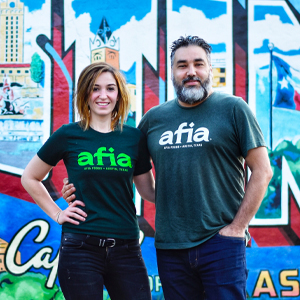
[00:40:35] Rashid Ali: In addition to what you're saying, another thing that we've seen has really helped us with, you know, controlling and owning our own manufacturing is the ability to perform R&D on our own time, on our own machinery. You know, with our product, we don't have to schedule time at another co-packers and when they're available and pay for days because R&D could take days and days and days. you know, you're working on a specific ingredient or, you know, it's a long process. So having the ability to do that in-house for our current line and for future lines has been, you know, a huge advantage for manufacturing in addition to being able to offer our offerings in so many different ways. We just recently hired a food service team, so we're able to take our products now with retail, but we're able to introduce them to food service as well because we self-manufacture, we can pack them in different size. Bags and boxes, you know, we can work with chains out there specifically on Falerfil if there was any modifications, because we are in control of the line. So there's a lot of advantages that come with it. It's not easy to scale manufacturing. As you did the tour today, you know, you saw a fully automated line, but it's taken us several years to get there. When we first started out, it was all manual. And then, you know, we scaled a certain piece of machinery as we went and we identified bottlenecks and we scaled that piece of machinery. It was a challenge, but the positives definitely outweigh the negatives, at least in our case. When we launched with H-E-B, the retailer after that, I mean, we were in H-E-B for about two years before we expanded further out. And in those two years, not only did we validate that there is a demand for this product, but we also, we learned how to market it potentially. We learned how to, you know, what best ways to sell it, even at a very small scale. I mean, we still didn't have that much money back then. So how we market the products today is very different to how we did back then, but we learned a lot, which helped us in our scaling and helped us in our conversation with the next retailer.
[00:42:33] Ray Latif: Are demos still the best way to sell your product or is word of mouth getting interest and demand for your brand?
[00:42:41] Rashid Ali: I would say demos are amazing. They really are just because of what I saw firsthand and how much we could shift and the interactions that we could have with the people there and then on the ground. But there's two issues or two problems with demos is they're very difficult to scale when you're selling nationally. And it depends on the amount of money you have. But in our case, it's very cost prohibitive to be able to scale scale demos on a national level. So there are other ways that we work to get the word out there, whether it's brand awareness, whether it's through influencers, whether it's through trial programs, whether it's through online shopper marketing through Instacart. So we're having to really home in and lean on that side of marketing to raise awareness for the brand versus demos.
[00:43:28] Jake Bullock: And also the world did change with COVID. Even the retailers stopped allowing demos. So toward the end of 2019 or early 2020, even H-E-B said no more demos. So we had to stop, rethink, and pivot. We're like, okay, if we can't do demos, how else could we reach our consumers? So that kind of allowed us, and it spurred a whole set of other agency businesses that kind of catered to companies like us that wanted to market, but we not only could do demos.
[00:44:03] Ray Latif: So post-pandemic, or I guess, I don't know what kind of world we're living in right now, but what has driven trial the most beyond demos? What is really engaging the consumer the most?
[00:44:14] Rashid Ali: I would say a few things that we're working on. And again, you know, it's a learning curve. I think marketing is, it's really difficult. You have to try things and some of them work and some of them don't work. What might work for Althea might not work for another company. But as it stands right now, you know, one thing that we've really leaned into is getting the word out there, brand awareness and, you know, product awareness. And, you know, we're homing to influencers a lot. We have influencer partnerships. where they can target our demographics or certain retailers, and they talk to Aafia and our products to their whole platform of followers. And a lot of people know of Fil Aafil, some of their followers know of Aafia, but a lot of people still don't know what it is. So it's through these influences that they are able to educate their followers, whether it's how to use it, its versatility, its great attributes, you know, the fact that it is a great source of plant-based protein, it's a clean ingredient, you can, you know, adapt it and use it in any of your meals. So using, you know, and partnering with influencers has been a huge, you know, huge advantage to us whereby we can really get the word out on a national scale. In addition to that, I would say online ads, specifically on platforms like Instacart, where we've done a lot of A-B testing, we've learned how to optimize our ad spend there with a great ROAS. We actually captured 10% of customer acquisition on Instacart for frozen vegetarian meals. We've quadrupled our sales on Instacart from 2022 till now just through A-B testing and optimization. But the great thing about that is that that's a sale there and then, you know, when they, when they put it in their basket, it's a purchase there and then. So that has been really helpful to us. And another thing which actually leans into self-manufacturing that we've started campaigns on this year is IRCs. If we wanted to run a campaign in a certain retailer and have IRCs stick it on our products.
[00:46:01] Ray Latif: And for, for folks who don't know the acronym, what it stands for?
[00:46:03] Rashid Ali: instant, redeemable coupons.
[00:46:05] Jake Bullock: There will be a stick-on coupon on every bag that we put on the shelf.
[00:46:10] Rashid Ali: So to execute that out on the ground, if we weren't self-manufacturing, would cost a lot of money. And I'm talking tens and tens of thousands to, you know, stick on our product in any one retailer. The beauty of self-manufacturing is that we're able to do that in-house. So we're able to stick these IRCs on the product in-house before it gets packed, sealed and shipped out. Also being able to target what region or what retailer we want to send this IRC out to and, you know, track it, track its sales, see how it affected, you know, the reordering or the sales within that retailer or that region.
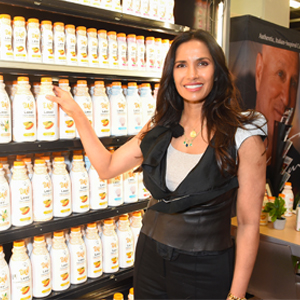
[00:46:45] Ray Latif: Finally, we hear from culinary icon Padma Lakshmi, who is an investor in lassi brand, Dahi. In the following clip, Polterman episode published on March 28th, Padma spoke about her approach to building interest and awareness for Lassie, how the brand aligns with her advocacy for ethnic cuisine, and her criteria for investing in consumer brands. As you mentioned, you're not just an investor, you're an ambassador, you're as much about, you know, the face of the brand as much as anything else. You know, when you are promoting it on Instagram and talking about it on social media, on The Today Show, elsewhere, I mean, how do you feel like your role has evolved since you joined the brand? Honestly, it's not very hard for me. I don't feel like I'm promoting it, as you say. I just feel like this is a great product that's come into my life that I don't have to make from scratch. And I want to share it with my followers. You know, when I was on the Today Show, I didn't even say the words dahi. I just said lassi. I didn't mention our brand. I didn't whip out a bottle of it. I just used it in a natural way to show people how much they can gain from it. You know, and I think that is the sign of a good brand, when you don't have to shill it really hard. You just have to say, look, this is how I use it. This is how I enjoy it. Try it for yourself. And it's the same attitude I have when I make those little Instagram videos to show people, you know, how approachable and how easy cooking can be. I think we're all leading busy lives. I think we want to eat eclectic, delicious food. I think we want to be mindful of putting only good, healthy things in our body. And I think that's hard with how busy we all are with kids, with work, with our personal lives, whatever. And I think Lassie is a great thing to have in your fridge. It's been a great thing to have in my fridge. And as I said, I get exposed to every food product in the world. You know, everybody sends me everything. And this product is one that I really believe in. You know, and it's very easy to talk about because I honestly feel like I'm doing my followers a favor because it is really versatile and delicious. Now, I feel like there's a lot more interest among mainstream Americans for ethnic food. Yeah. And when I think about Indian food, it's really some of the best food you'll ever eat. Yeah. Has Lassi, has this given you license to really introduce ethnic foods, more specifically Indian foods, to more everyday Americans? I mean, look, this is something that I've spent the last 20 years of my career doing, and I think the most exciting aspect of the food business, you know, the large food industry, is that ethnic food business, because it's where all the exciting new flavors are introduced, it's where most of the action is. You know, food is different, and things don't just trickle down, they actually trickle up. And so that to me is what's most exciting about exploring food in America today. You know, and I kind of put my whole career on it with Taste the Nation. And that's exactly what we do. You know, we go out and we meet people where they are in their communities and we hear how they eat. And there's a lot for everybody to learn about that. And I think what's great about American culture in general is that we're able to have contributions into what American food is from all over the world. American food is so exciting because it incorporates all of those world flavors into it. I mean, it's what interests me the most. Absolutely. Now, I assume when you're going to walk the show floor in a bit, you're going to hear a lot of pitches about joining as an investor, as an ambassador, and I have a feeling that not many things are going to move the needle for you. You know, if something does catch your eye, you know, what would it take for you to get involved with, say, another CPG brand? I mean, it would be very hard for me to get involved with another brand. I think this happens so organically and it's so part of my DNA and a part of how I eat naturally, you know, whether or not the cameras are on or not, that for another CPG brand to penetrate that would be really difficult. It would have to be additive. I mean, you can look up my track record. I don't really endorse a lot of things. I don't get involved. I'm very risk averse. And I, you know, pardon my French, my bullshit meter goes off really easy when people try to, you know, when I see other celebrities doing stuff. And I don't want to be like that. Like, I feel like I should be the advocate for the working parent who's just trying to feed their family. well and deliciously and healthily. I try to put myself in their shoes and say, well, what would help that person? I'm coming at it more from that point of view, because I'm a parent. I'm a home cook. I'm not a chef. You know, I'm a food writer. I've spent my life being a food journalist and writing recipes for average Americans and trying to help them cook on a daily basis. And so being involved as an investor with Dahi is kind of a very natural extension of that, if that makes sense. It totally does. That brings us to the end of this episode of Taste Radio. Thank you so much for listening. Taste Radio is a production of BevNET.com, Incorporated. Our audio engineer for Taste Radio is Joe Cracci. Our technical director is Joshua Pratt. And our video editor is Ryan Galang. Our social marketing manager is Amanda Smerlinski, and our designer is Amanda Huang. Just a reminder, if you like what you hear on Taste Radio, please share the podcast with friends and colleagues. And of course, we would love it if you could review us on the Apple Podcasts app or your listening platform of choice. Check us out on Instagram, our handle is BevNetTasteRadio. As always, for questions, comments, ideas for future podcasts, please send us an email to AskAtTasteRadio.com. On behalf of the entire Taste Radio team, thank you for listening, and we'll talk to you next time.