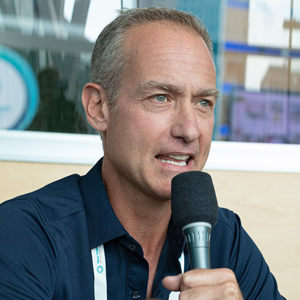
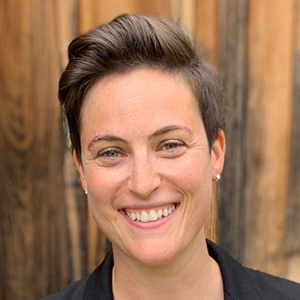
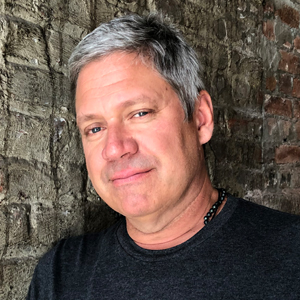
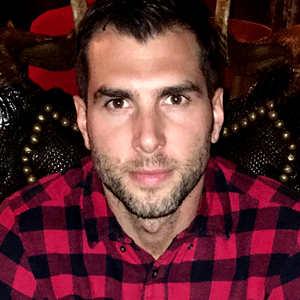
[00:00:04] Ray Latif: Hello and thanks for tuning in to Taste Radio Insider. I'm Ray Latif, the editor and producer of Taste Radio, and you're listening to episode 66 of the podcast. This is a special edition of the show, which highlights interviews with six founders, creators, and experts who joined us on Taste Radio Insider during the second half of 2019, including Zico founder and Powerplant Ventures co-founder Mark Rampolla. Zoe Feldman, the director of the Chobani Incubator, Rick's Picks founder and CEO Rick Field, Mike Cessario, the founder and CEO of Liquid Death, Harbinger Ventures founder Megan Bent and Chris Kirby, the founder of Ithaca Craft Hummus. A quick request, if you like what you hear on Taste Radio Insider, please share the podcast with friends and colleagues. And of course, we'd love it if you could review us on the Apple Podcasts app or your listening platform of choice. Let's kick things off with Mark Rampolla, the founder of Zico Coconut Water and co-founder of plant-centric investment firm, Powerplant Ventures. In the following clip, pulled from our interview with Mark in episode 53, he discusses how he sets and reviews long-term goals, why it's critical to write them down and look at them daily, the importance of thoughtful communication and alignment with employees and colleagues, why daily huddles are key for highly effective organizations.
[00:01:23] Mark Rampolla: When I was in my 20s, I started writing long-term life goals. What are the things I want to do in the next 20, 30 years? And then I would back those down to five-year goals. And then I would back those down to year goals. And I got to a point, believe it or not, Zico arguably, not arguably, Zico was the result of that work. not the other way around. And so I can remember, and I was looking at this recently, I pulled out, I turned 50 this year, just a couple of days ago. Which is impossible. I know.
[00:01:59] Ray Latif: Happy birthday, but impossible.
[00:02:00] Mark Rampolla: Thank you. Looking at you right now, impossible. I pulled out a list that I had made with my sister in 1996, eight years before starting Zico, that had life goals on it. but it also had a five-year plan. What kind of, you know, it's had things like, you know, find a partner, buy a first home, you know, save X dollars in savings, you know, pretty modest goals. Personal goals. Personal goals. Personal goals. And on that list was being an entrepreneur. At some point in my life, I wanted to be an entrepreneur. On that list was live in a foreign country. It was speak another language. And those goals, you know, and I went through a process of looking at those goals, you know, once a month, and certainly on an annual basis, but really on a monthly basis for years. And I developed the habit of setting these long-term goals, breaking them down into a five-year plan, and then on down. By the time I started Zico, this was, and I still have this from that time, a spreadsheet that had life values, life goals, annual goals that were personal, financial, spiritual, and community. And so really had a very rigorous process. And through doing that work, I came up with the idea that, my God, I want to start a business. I want that business to have social impact. I want it to be health and wellness. And Zico came out of that. Now, what was interesting is for probably the first eight years of Zico, I never went back to that. I just got so enmeshed in building the business, I forgot all about that. And so since 2013, when I left Zico, I've been back in the habit of starting, once again, to set life goals, five-year goals, and kind of work that down. And the result of that has been power plant one, power plant two, you know, a lot of the social impact stuff I'm doing has come from that.
[00:03:59] Ray Latif: Have you tried to teach that to your employees? I mean, you, as the CEO of Zico, and then you've been an interim CEO for a couple of companies, you know, how do you instill that kind of discipline to your organizations?
[00:04:09] Mark Rampolla: That's a great question. I think as you asked me that question, I realized I have done a disservice to those that have worked for me and with me. that I should have shared more of that. You know, frankly, I think I was a little embarrassed. Like, I used to get made fun of by my family and friends, because I was always the planner. You know, I always had a life plan, life goals, and stuff like that. I think I thought it was soft and weak. So I think I shared it. I think if you talked to the people at Zico, they would have heard some of that. But I wish I had done more of that, frankly. And I'm trying now. You know, Powerplant's a small team. But we, before we started Powerplant, My original partners and I, and when Dan Gluck joined recently, we did the same sort of habit. We spent months on values, personal objectives, mission, vision, to make sure we were aligned. And Powerplant was a result of that. Because to me, that's the only way to live this life. It's your own life, right? How do you want to live your life? What we found is when there was alignment among the four of us as partners on how we want to live our life, then everything else started to flow out of that. And we're doing that with our associates as they join and everyone when they join. But one thing I have always done, and I think everyone at Zika would recognize this, is the early conversations I had with every employee was, what are you trying to do with your life? right? What are you trying to accomplish? What do you want to be? So I can understand and we can understand how this fits in for you, right? And so I've always had those conversations with employees, you know, where are you going? What do you want to achieve? What are you after? And how does this align? Because the extent that I always knew the extent that we could get alignment between, you know, me achieving my personal goals, the business achieving its goals and individuals achieving their goals, you're going to get the best results. And it's also going to be a great place to work.
[00:06:03] Ray Latif: The forms of communication have evolved pretty dramatically over the past decade. You know, at one point, in-person meetings, a phone call, an email, now you have text messaging, Slack, Instagram direct messaging, LinkedIn messaging, et cetera. And there's a lot of different ways that you can interact with your colleagues and your employees. Are there any bad ways to use digital communication? And if so, I mean, and this is all your opinion, but if so, why and how?
[00:06:30] Mark Rampolla: Yeah, I'll give you a few thoughts. You know, I don't have a perfect formula, right? But what I would say is I think everybody understands this email's a disaster right now. And I'll tell you the reason why is most people don't have a freaking clue how to use it. You know? And this is like, I got trained in the 90s by the corporation I worked through how to stop and think about an email you sent. Who needs to be on it? What do you want to achieve? Is it action required? Is it information only? And be thoughtful about that. The problem is that that needs to be applied to everything, right? And what annoys me the most is, yeah, I've got a lot of our businesses use Slack. We use that sometimes. There's a lot of other ways to communicate that are amazing tools when used the right way, right? So, yeah, I find with most companies where Slack is really helpful is you have a specific project you're working on, a department might use it, or you might use it for something like real-time communication on crew drives, on merchandising. There's sort of themes that you can use that on, right? But in general, I find that most people are not just thoughtful of which medium they're using, when, and how, right? So what's the proper use of email? What's the proper use of text? What's the proper use of pick up the goddamn phone? You know, I have that conversation a lot with people. Like, your job is not done when you send an email, right? Your job is done when the assignment or the objective is achieved. And it just infuriates me to see this massive email chain or hear all this text chatter go back and forth and nobody picks up the goddamn phone just to talk. And the other thing I highly recommend is I have really not been in or seen a highly effective organization that doesn't have a daily huddle. And that is at the executive level and at every key team level. Usually no more than, you know, five to seven people, whatever that sort of operating group is for that team. And it's 15 minutes, right? It's what are the key issues? What are the big problems? What do you work on today? Where do you need help? You don't solve problems. You don't debate. You're just teeing things up real time.
[00:08:44] Ray Latif: Next up is Zoe Feldman, who is the director of Chobani Incubator, which invests in and supports purpose-driven early-stage companies. We spoke with Zoe for an interview featured in episode 63, and in the following clip, she speaks about how prior experiences as an executive at PepsiCo and in Venture Capital shaped her perspective on the importance of diversity in business, how she's using her voice and platform to support marginalized communities, and shares the advice she has for brand owners and executives that might be afraid to have the diversity conversation.
[00:09:18] Taste Radio: Representation matters. It's hugely critical. And every time I walked into a room of all men in VC, I got, you know, I went to a women's college. I got this little kind of chill down my spine where I was just thinking, y'all are going to fund the companies who are founded by the people who look exactly like you. That's confirmation bias. What's my role in this? And I realize now it's about speaking out and speaking up. And it's about making people understand that diversity is not just race or ethnicity or gender identity or sexual orientation. It's a lot. It means a lot of things. Political, you know, opinion and religious background. And, you know, were you raised in this country? Did you go to college? Did you not have the ability to go to college? I mean, a lot of it's about class. It's very intersectional. I think we're lucky because now's the time when our generation is really pushing back on the generation above us and the generation above them to just say, look, we need to be more inclusive. And that means a lot of different things to a lot of different people. So I know that it's scary, but I just keep coming back to this notion that I know it's really hard to feel like you don't belong and to feel like you're the other, but if you don't live your life authentically, whatever that means to you and kind of speak your truth, like nothing will ever change. Ever, ever, ever. There were people who were fighting for my rights since, you know, the 1950s, right? And you have to recognize the people who have come before you. I mean, think about women in our industry or just women in business in general. Glass ceilings have been broken for a long time and you almost never hear about the quiet trailblazers. It's a lot of people who don't necessarily get recognized or get a public platform who are working together collaboratively to make change. You don't hear about them all the time. Sometimes the stories come out 20 or 30 years later, but I think it's about elevating your own voice in whatever way feels comfortable and authentic to you.
[00:11:04] Ray Latif: What's your advice to figure out if you are in a place where you can make a change? Or do you have to say, it's time for me to find something new where I can be my true self?
[00:11:15] Taste Radio: Well, I banged my head against a wall for 10 years at a Fortune 500 company, so I would not recommend that to any of our listeners for emotional, psychological, or mental well-being. I think you know your own limitations, and if you don't, you'll figure it out. You know, you'll find your people, and that was something I learned at Pepsi. A lot of those people were not my people, but The people that were my people, they're still my people. Over 10 years later, they're still my people. You have to find your tribe, your crew, your people, your community, whatever it's called. If they support you in this and you're able to have these conversations with them freely, then maybe it is the right place for you. I think alternatively, you know, the good news is 2019, almost 2020, there's a lot of companies out there that are pretty progressive in how they think about diversity and how they support diverse employees and initiatives and, you know, how they want to be in the world, whether it's with the social mission and vision, or they want to make some kind of impact. It's not just about, you know, profitability or the bottom line, you have to figure out what's important to you. and then use that information. And I would just say more than ever, like talk to the people in your community and not just like your, you know, one degree of separation, like go to events, you know, go to the little micro community events and just talk to other folks and see what it's like to work at other companies, not just in our industry, but in other industries as well. Why do you think it's so hard to talk about this sometimes in our industry? I think, I don't think, I know for a fact it's hard in every industry. It's hard for everyone to have this conversation. It's uncomfortable. People don't want to say the wrong thing, especially people who identify as progressive. People are afraid that they're going to use the wrong words or they don't have the right language. And I completely understand that. And I have a tremendous amount of empathy. But part of me is also like, well, just get your shit together and, you know, figure it out. I mean, it's not that difficult. You just have to have some empathy and realize that different people get treated in different ways in different circumstances, like full stop. And that's why I think looking at things from an intersectional lens, which just means, you know, there's a lot of different factors. There's a multitude of factors that all rely on one another. And basically we've been living in this sort of oppressed system for a long time. Like things are not equal. Things are not equal from a gender perspective, a sexual identity perspective, a rural versus urban perspective, race ethnicity perspective, like things are not equal. We all know that. And that makes people very uncomfortable, even though I think people fundamentally understand that. So to your earlier question, like where do we even start? I think trying to educate folks and have those conversations internally in your organizations, just start with that. You have to start somewhere or nothing will ever change. If we keep doing the thing that we've always been doing, nothing will ever change.
[00:14:13] Ray Latif: guessing your margins, that's risky. Belay Financial gives CPG brands the clarity to scale smarter, faster, stronger. Get your free inventory ebook by texting TASTE to 55123 and start making data work for you. Tune in at the end of this episode for an exclusive interview with Matt Lynn of Belay Solutions. He sits down with Melissa Traverse to break down the biggest inventory and accounting mistakes CPG founders often make. You'll learn how to bring clarity to your numbers so you can scale with confidence. Rick Field, the founder and CEO of premium pickle brand Rick's Picks. Rick joined us in episode 42, and in this clip, he urges potential and early stage entrepreneurs to understand the minutiae that comes with building a food brand, why it's not a part-time endeavor, why he describes entrepreneurship as being, quote, an army of one.
[00:15:11] Powerplant Ventures: Being an entrepreneur is a fairly lonely pursuit at times. There's no doubt about it. A lot of people have been very kind and gave me advice on the way in, so I'm always eager to help anyone who comes to see me and answer questions about what they are thinking of doing. One of the things you have to recognize is that if you're going to really do this, It's not a half-step and part-time endeavor. So I say to people, are you prepared to jump off a cliff and see what happens? Because that's really what you're doing. You have to do that. The other thing too is that a lot of people imagine that they're incredibly intimate, incredibly delightful experience in their home kitchen, making stuff that they share with their family and friends is what they're going to be doing when they bring it into the market. And so generally, I start all discussions with people who are thinking about starting a business with one simple question. And I say, I'm going to ask you a question. If you answer it yes, we can talk for an hour. If you answer it no, the interview is over and you'll know why. You know what the question is? I don't. Do you love paperwork? Because if you don't love paperwork, you're not going to make it in the grocery industry. And I'm dead serious. It's a very, very sobering thing to realize that a lot of the sort of fantasy elements that people associate with their culinary lifestyle and their experience give way to a really difficult business that's filled with, frankly, a lot of people who could care less about your fate. You're just a data input, you know, in a spreadsheet. So you have to resign yourself to that. I mean, I'm not trying to come off like a bummer. It's just a fact. So once you make your peace with that, you can really flourish.
[00:16:49] Ray Latif: Certainly, I don't know the ins and outs of being in the grocery business, but the paperwork doesn't sound like a very nice part of what you do, yet you deal with it. Going back to this concept of an army of one, is part of the reason that you've been able to do this on your own for so long, is it because trusting other people is difficult or is it just that you can't find the right people to manage some of the things that you can do on your own and do well?
[00:17:16] Powerplant Ventures: Well, yeah, I mean, you know, now you're getting into the psychology part of it, Dr. Ray.
[00:17:22] Ray Latif: No one would ever mistake me with a doctor.
[00:17:26] Powerplant Ventures: So, but I mean, part of it is like, you know, you're obsessive. need to control things, which is oftentimes a very healthy characteristic for an entrepreneur. But I've had to be actively talked out of things by people who are either working with me, investing in me, or looking out for me. A classic one being the farmer's market. We started this interview talking about how important it was as a linchpin for getting things going. Eventually, once our products started to get into broad distribution, it was a pure marketing vehicle, and we were actually losing money there. because my stuff was available in so many other places. So at a certain moment, I had to set the farmer's market aside and that was hard and sad, but necessary for the evolution of the business. I think that for me, there was a second period, a second wave, once we were established as a national brand where we kind of hit a little bit of a plateau and I knew that there was something more exciting out there. And I had seen, you know, what was in the marketplace for pickles and pouches and felt like there were opportunities to differentiate from that in ways that were similar to the ways that I originally differentiated with the glass jars, but didn't have the wherewithal for a variety of reasons to do it. And until I met these folks up in Toronto, marketists, and they kind of had one half and I had the other half. And that really changed things.
[00:19:01] Ray Latif: Next is Mike Cessario, the founder and CEO of Liquid Death, a canned water brand whose heavy metal vibe and edgy marketing has generated considerable online buzz and attracted funding from a range of prominent investors. In an interview from episode 51, Mike explains why upstart CPG companies must stand for something, the importance of conveying small, why customer acquisition is about getting people to quote, invest in your brand, why truly innovative ideas seem almost comical and how to establish proof of concept for an untested idea. I think what it is in 2019, when you have two to three seconds of someone looking at your product to make a decision about it, The only way you can instantly convey, this is small, or this is not big, or this is not corporate, is you have to do and say things that big brands would never do. It's not just enough anymore to just put some handwritten type on it so it looks like it's from a farmer's market, because it just doesn't work anymore. It's too saturated. It's already been done. And I think more and more in 2019, people care a lot more about what brands are doing outside of the product itself, even down to political affiliation. They want to know, do you support you know, the right or the left. And they'll, Nike just made that huge bet, right? With the Colin Kaepernick ad. They looked at the landscape and they said, hey, we're going to put our stake in the ground here and support this guy where we know that there's a good portion of the country that's going to burn their Nikes. But then we know there's another good portion of the country that's going to wear Nike like a badge, like I stand for this. we think about our brand a little bit more like an entertainment company. And I think that's sort of what our vision is, is sort of blurring the lines between an entertainment company and a CPG brand. At the end of the day, if you want repeat purchases, in our opinion, you need kind of two things. One, the product itself has to be a good experience. When someone buys Liquid Death and they have an ice cold one in their hand and they crack it open and they drink it, They have to enjoy that experience. If it's like, oh, this is weird, or I hate this, or this is too hard to open, or the water tastes really funny, then, yeah, you're only going to get one purchase. But if the water is good, and they really like, oh, hey, I actually like drinking water out of a can, or wherever they're drinking it, they have three people come up to them to ask them about it. And they start all these conversations. And they realize, oh, wow, this thing actually gets attention when I'm drinking it. then you're going to have people that kind of invest in the brand and want to keep buying more of it. And the other part of it is, yeah, what is making people want to, you know, invest in your brand beyond just the liquid itself? Because almost any brand, I don't care what product category you're in, you can't almost ever own your liquid. Like anybody can create a similar recipe. They can eat whatever trendy little ingredient that you're putting in your thing now, that you're one of the only ones with it. 50 other million companies are going to start using it too, then you don't have much difference between you and everybody else. And then why is someone buying you over someone else when it's not really strongly based on taste? It's not strongly based on you've got some proprietary thing that nobody else can even come close to. It is based on brand. And it's about, why do I want to give my $2 or whatever to this company that I perceive is kind of the same as the one next to it? And I think that's really where where the rubber meets the road in terms of building a loyal kind of keeps coming back fan base is it goes far beyond just the liquid itself. It's got to be a brand that people want to support, continue to invest in, and you have to kind of keep that fire going. Like you can't just make one funny video and that's it. You got to kind of keep evolving and making things and putting things in the world that hopefully there's enough people who say, hey, I like what this brand's doing. I want to support it.
[00:22:55] Zoe Feldman: You've taken some seed money now you go into the room with the investor How do you pitch Liquid Death to an investor who maybe is trading in these all these other normal CPG brands? How do you make that pitch to say this is something that has legs to sustain itself?
[00:23:10] Ray Latif: It's not a one-off gimmick That's a that's a good question, and I think the way we created Liquid Death is I think very different than the way most sort of CPG brands are formed, which was, I knew this from the beginning. I knew that putting spring water in a tall boy can that looks like beer called Liquid Death with a giant kind of dripping skull on it, there's nobody from a, you know, with a checkbook that's going to probably write you a check for that just as purely the idea. I listen to the Masters of Scale podcast a lot with Reid Hoffman. One of his things he always says is, truly innovative ideas are almost laughable at first. Because if you're doing something that almost seems like it makes a lot of sense right now, that probably means that there's 10 other companies that have already been working on it for four years. It's like the truly innovative things that haven't been done yet almost seem comical or crazy at first. And they're hard to find funding in the early stages. You know, like Uber. When Uber came out, it was like, people thought this was crazy. Like, yeah, who's going to get in a stranger's car? Like, yeah, that's never going to work. Or the first credit card processors on the internet. Oh, who's going to ever put their credit card information on the internet? That's crazy. You guys are crazy. I kind of took that approach. I said all right what is the least capital intensive way that we can test this idea just to see if it's even viable because we know that we're not going to just go immediately raise money for something like this. So let's prove it first. And I think that's something that more entrepreneurs should try to do is rather than just kind of stick with your idea and go shop around for capital hoping someone's just going to give it to you to take off. Find some kind of way to test it in market to get some kind of read on what the public's or whoever you're talking to is reaction is going to be. So what we did was we came up with an idea for a video, which was the original video. We spent $1,500 to shoot it. We had a designer create the original can design on a 3D-looking, it looked very much like a real can, but it was all Photoshop. And let's make a Facebook page, no Instagram page, no Twitter page. Let's just put it on Facebook and let's just kind of pretend it's a real brand and sort of see what happens. And, you know, we maybe spent a thousand bucks in paid media over the course of like three months just sort of pushing the video out there and a couple, you know, funny little Facebook posts of the product. And then three months later, the video has three million views. We've got more Facebook followers than Awkwafina. We're getting direct messages from, hi, I work for a big non-ALK distributor called Big Geyser. Can we talk to a sales representative? You know, we get another DM. Hi, I own four 7-Elevens. How do I get this in my stores? Hey, I own a beer distributor in Utah. How can I get your product? And that was kind of what we used like once now we had ammunition like hey look at all the views we have like look how many people are following us like look how many people are commenting on this saying this is the greatest thing I've ever seen. How do I get this. How do I get this. Oh look distributors are actually reaching out to us which is a rare thing. That was what we had to kind of get together as a proof point before you actually get kind of the money guys to say all right I'm willing to kind of start taking a bet on this. We'll continue with Megan Bent, the founder and manager. Scaling a beverage brand into major retail comes down to operational readiness. From packaging lead times to co-manufacturing strategy, the details can make or break a launch. In a new e-book in collaboration with Octopi and Asahi Beer USA, industry leaders share what they've learned in helping brands scale. Download it now at Taste Radio slash octopi. partner. Do you need to scale your team faster without compromising on talent? Join Oceans for a live webinar on April 20th and learn how leading companies are hiring top global professionals who are ready to grow with your business. Register for the webinar now at Taste Radio slash oceans. That's Taste Radio slash oceans. We spoke with Megan in episode 64, and in this clip, she explains how Harbinger Ventures potential portfolio companies, the trifecta that she looks for in growing brands, and why she encourages entrepreneurs to establish a common language with potential investors. We believe that the best thought leadership comes from organizations that show a diverse set of thinking that's across gender, but it's also across backgrounds, it's across experiences, it's across ages. If you look across our org charts, for example, in our portfolio companies, you'll often see that they're unusually constructed. They're over-indexed in certain functions that maybe don't make sense in terms of historical best practices in CPG. If you look at our boards, we try to really thoughtfully curate a mix of different experiences, ages, and gender. So we're big believers that this is best business practices and wanted it built in from day one. You know, the other thing that I'll say is when you're in an environment like we are today, where there's such incongruency between female leadership representation on the entrepreneurial senior leadership level, 30 to 40% of entrepreneurs are women, and then capital, where 2% of capital goes to women. An exaggerated approach in terms of the thesis really makes sense. You know, our mandate is every single one of our portfolio companies has to have a female founder core to the DNA. The outcome of that is that we have 50-50 in terms of male to female CEOs. So exaggeration and intentionality is driving median outcomes because of where the market is today. And, you know, that's something we're just really thoughtful about and purposeful about. So what makes a company the right fit for Harbinger? For us, this is, I think, the difficult answer that many founders don't like, which is because we're so concentrated, because we're so focused on a very specific value creation model, because we truly believe no one should be on your cap table unless they can add value, we don't invest in what we don't understand, we don't invest in what we're not passionate about, and we don't invest in businesses that sort of don't contribute to the broader portfolio thesis. So as a result, we cheer on many brands. I'm a huge consumer. I love exploring and discovering and sharing, but we invest in very few. So businesses that are a really good fit for us meet our life stage criteria and that they're really ready for that early growth equity check. They've figured out their value proposition. They have positive unit economics. They have a vision and a strategy for where growth is going to come from and a willingness to invest our capital behind that. These are businesses that have a unique and significant perspective on brand and product and business model innovation to go disrupt a category from multiple different angles so that there's a sense of speed and urgency and leverage in what we're doing. And ultimately, organizations that share our values and are willing to have the tough conversations around How do you scale not only the business and the brand, but also the culture in unison? Because that sort of trifecta, we think, create the best sustainable businesses. It seems like a lot for a company to have, you know, a firm grasp on. Is it okay to say this is something we want to do, but we don't know how to do it right now? Absolutely. A mentor of mine once said, that the role of the entrepreneur is not necessarily to have the answer, but it's to continue to solve iteratively towards the answer before they run out of time, before they run out of resources, and before they've run out of goodwill. And so when we get involved in a company, we have zero expectation that everything's been figured out. You know, many founders are product-centric or brand-centric in nature. Selling that mission and vision is a big part of what they do. the weakness and the story often is in translating that vision and mission into a common dialect. And the common dialect of an investor is around the business model, the growth plan and strategy. And so, you know, as you really show up to those numbers, make sure that you're as articulate and well-versed in the mechanics of the business, the financials of the business, the reality of the category, the risks in the category, so that you are almost bilingual in that conversation. Again, it sort of loops back to that concept of trust, but it also, I think, finding that common language can really accelerate a partnership. While you do want to be grounded in the realities, you know, you have to be a bit of a storyteller and say, here's the potential and be the cheerleader for your brand. It can be difficult to do both at the same time. Definitely. There's a story that I always love, which is why is country music so able to make people cry when rock and roll is not? They talk about the same themes. And the research that was done around this is because country music is so specific. You know, it's a red truck and a bumpy road with mud spraying. And so when you go out and tell your story, you need to be able to sort of up-level and down-level and bring that investor into the vision at a high level, but then make it very specific to them, very relatable to them. When somebody shares an experience and they can connect it back to something really important in their life, an emotional need state, a practical need state. As an investor, you have this aha moment, this sort of click where you think, I get this, this is a big idea. So that relatability is so critical. I want to talk about what listeners can do who are motivated by the idea of helping the issue of gender diversity or just diversity in general. Not everyone has a fund that they can invest. So what are some things that listeners can implement in their own lives, whether they're a marketer, an operator in their own businesses to try to assist with this issue? So I always like to start with the data. Let's rationalize this discussion and really get a clear picture of what we're talking about. So whether you're a marketer, whether you're a CEO, a board member, an investor, take the time to do even a quick and dirty audit. of your stakeholder universe? What percent of my employees or my board or my investments are representative in different areas of diversity that are really important to you? Quantifying the landscape, I find, is a really helpful way to sort of diffuse any emotional response to this question, because it can be touchy. And that gives you a clear picture of where do you want to start? What are the priorities and what are bite-sized goals you can put against each of those? Wrapping up this episode is Chris Kirby, the founder and president of fast-growing brand Ithacraft Hummus. In this clip, polls from an interview featured in episode 55, Chris explains how he identified white space in a legacy food category, why carefully crafted success stories have been key to landing placement at new retailers, why he advises entrepreneurs to be very intentional about what you're spending and why. Why hummus? Why'd you get into the hummus business?
[00:35:37] Chobani Incubator: Well, when I got to Ithaca, I went to the local co-op. I went to the farmer's market and I was really looking for a void in the local food space. I was shocked when I did that kind of market tour and did not find a locally produced hummus. And I said, well, that's my niche right there. And, you know, as I learned more and more about the category on a national scale, I felt like the problem that I was solving locally in Ithaca was one that needed to be solved nationally as well.
[00:36:10] Ray Latif: How do you educate yourself about the hummus category? It sounds like you took a lot of steps to prepare yourself to get into the business before you said, hey, I'm just gonna make a hummus brand.
[00:36:19] Chobani Incubator: Yeah, I really, you know, learned by doing, to be honest with you, and going out in stores and seeing what the other brands look like, what they tasted like, you know, a lot of primary market research on my part. You know, the other part is I started at the farmers market. So I was literally standing in front of my consumer, selling directly to people who would give me feedback. And that was really a key piece of experience for me early on because not only did I get to hear what they enjoyed about my product, but I also got to hear what, you know, some of the things that they that were missing for them when they went to the supermarket and bought bought hummus. What were they missing? The freshness. I mean, if you go to a restaurant or make hummus at home, you really make a product that's typically made with all fresh ingredients, fresh lemon juice, fresh garlic, and the texture is just lighter and fluffier. And when you go to the grocery store and you buy some of the national brands out there, that's just not the same experience that you get from a sensory perspective. So that's, you know, as the business evolved and started to grow, that really became the white space that I identified on a national scale as well.
[00:37:30] Ray Latif: growth goals can only be achievable if you get on shelf and actually get pull from consumers. Have you seen the homestead expanding? And if not, you know, how's that work jostling for position with the big brands as big national brands and some of the smaller ones like yours, which there are a number of?
[00:37:47] Chobani Incubator: Yeah, the category right now is not growing as fast as it once was, but it is still growing, and it's big. It's an $800 million category, so there's a lot of opportunity for small brands like ours. That being said, it is difficult to go in and convince a buyer who has seen you know, 50 hummus brands in many cases, why yours deserves a space on the shelf next to the national brand that owns 60% of the category. And the way we've done that is to really take one retailer at a time and focus on driving velocity and building a great story and taking that case study to the next retailer and say, you know, here's what we did here's how we did it and we're ready to do it with you and this is something that's going to grow your category instead of just cannibalizing everything else that you have on shelf. We look at the regions where we're strong and try to tell a story about why that is and get buyers to you know really get on board with with our brand that way.
[00:38:51] Ray Latif: Is that story translatable from retailer to retailer though? Does it work every single time? You and I were talking earlier about a retailer that isn't performing as well as you would expect it to be. So, you know, what went wrong?
[00:39:04] Chobani Incubator: Yeah, I think. It doesn't always work. And as an emerging brand, you have to be very careful about what retailers you partner with and your channel strategy overall. It's limited resources and you're really looking for the best ROI out there when you go and spend those marketing dollars. I would encourage brands to really be careful with what retailers they partner with, especially in their infancy.
[00:39:31] Ray Latif: One of the things that we talked about is that Ithaca Hummus is a profitable company. This is incredible. I thought nobody makes a profit in this business. That's what I'm told too. Were you always focused on turning a profit? Was this always a business where you said, okay, if I'm going to be all in, I have to make sure that I'm financially responsible and that we're doing the things that aren't common in this business?
[00:39:55] Chobani Incubator: Absolutely. I mean, the way that I, you know, I really bootstrapped the company from day one. And the minimal investment that I took came from people that I knew well, my friends, my family, my dad, in some cases. And so, That's money that you have to be really conscious and responsible about making sure that you're able to return that to people one day.
[00:40:18] Ray Latif: Otherwise, Thanksgiving is going to be kind of awkward.
[00:40:20] Chobani Incubator: Thanksgiving would be awkward. Yeah, exactly. So that's really something that's built into my DNA and that's kind of built into the DNA of the company as well. So I've always strived to be profitable. We weren't always. I mean, at the beginning, we were because it was a cash business at a farmer's market. So that was great. But then when we started getting into retail and working with distributors, you start to see how things can shift and change. And it's a little bit more difficult to follow the dollars and where they're going. and where they're coming from. And so I think during that period of going from a small cash farmers market business to the trial by fire of like, oh, wow, we're losing money here working with distributors and retailers that we're not experienced with working with. and manufacturing ourself too, by the way. That's also something that's difficult to do profitably at a small scale. You know, I rode the line a lot. And as I mentioned earlier, not being able to pay all of your payables and all of your vendors is a very stressful scenario to be in. And it's much more fun to run a business that's profiting than it is to run one that's losing money. And so, you know, it's always been a really important piece for me.
[00:41:37] Ray Latif: What are the keys to running a profitable business to achieving profitability for you for a small business like yours?
[00:41:44] Chobani Incubator: I think you just have to be very intentional about what you're spending and why and what you expect in return for the dollars that are going out the door. A rule of thumb that I like to think about, we don't, we're not perfect. We don't always use it, but for like marketing expenses for, as an example, for every dollar that we spend, you really want to see $2 come back within 60 days or else you just got to, you've got a bunch of marketing dollars out there that are not as productive as they need to be. Is that your rule or is that a general business strategy rule? It's actually a rule that my dad taught me.
[00:42:17] Ray Latif: Okay.
[00:42:18] Chobani Incubator: So that's one of his rules. He actually was a CPA and so accounting and making sure that businesses are telling the right story on the financial statements is something that he's been strong at throughout his career and I've been able to lean on him as well.
[00:42:37] Ray Latif: That brings us to the end of episode 66. Thank you so much for listening, and thanks for our guests, Mark Rampolla, Zoe Feldman, Rick Field, Mike Cessario, Megan Bent and Chris Kirby. Please subscribe to Taste Radio on the Apple Podcasts app, Spotify, Stitcher, SoundCloud, or Google Play. As always, for questions, comments, ideas for future podcasts, please send us an email to ask at Taste Radio. On behalf of the entire Taste Radio team, thank you for listening, and we'll talk to you next time.
[00:43:10] SPEAKER_??: you
[00:43:16] Ray Latif: Hello, I am Melissa Traverse here for the Taste Radio podcast, talking about some of the biggest tension points that CPG brands and founders face when they're scaling a brand, and those are financial accounting and inventory management. I am joined by Matt Lynn, inventory accounting guru from Belay Solutions, and he is going to shed some light on all of this that is going to help everybody out quite a bit. Matt, thank you so much for joining us today. Thank you for having us, Melissa. It's great to be out here at Expo West and it's great to sit down and be able to chat this because it's kind of a passion project of ours, working mainly with CPG brands and hoping to help them scale. It's been such a pleasure chatting with you and the team and learning all about what you do over there at Belay Solutions. Can you tell us a little bit about yourself and what your role is and the kinds of solutions that Belay gives to CPG brands and founders? Yeah, absolutely. My role with Belay, I'm actually our inventory accounting manager. I run our inventory department, so we work with CPG brands, taking them from spreadsheets, putting them on inventory management systems, and really helping connect their tech stack between their sales online marketplaces to that inventory management system, even down to their financial systems like QuickBooks. Belay overall is kind of an outsourced accounting firm. And with that, we're helping teams. We have different levels with bookkeeping, controller level work, even high level into CFO type items. So we really help those brands in any way that they need financially. And then I just have a subset of a department where we're really just laser focused on inventory. It's certainly a complex topic and there are plenty of places to go wrong. Let's start by going right and start super simple. Can you tell us what some of the biggest red flags are that would help a founder understand or, you know, the person running a brand understand that it really is time to get some help with some of these areas? 3 3 3 They have a lot of transactions that don't get coded or they just put them into placeholders to just get rid of it so it's not an eyesore. They'll notice they have revenue but no cash or they notice that they have a good amount of cash but their blind spot is really seeing the vendor invoices that are sitting there just needing to be paid and so they just lack that clarity that's going to really be around the corner. You know, you were talking about one of the red flags that comes up that I think makes so much sense. When somebody asks you what your numbers are and you can't come up with the right number, that's a big problem because that's something that you really should be able to share with decision makers who, you know, you're ideally looking to do business with. What should you be able to call up at a moment's notice? really at any time you should be able to know an accurate margin. It's amazing how many founders we end up talking to that they can tell you their revenue numbers, they can tell you their selling price, and then the minute you start talking about cost or their cost of goods sold, they just get a deer in headlights look. So really it's very hard to tell, am I even making money? Or if you don't know your entire landed cost. Maybe you know what the freight cost is, the duties separately, but you're not really getting that as part of your unit cost. So it's really hard to tell. Am I even making money or am I losing money from the very beginning? And do you recommend that founders are able to call up a margin by channel? Absolutely. And depending on the number of products and channels, you kind of want to know what are your best sellers, which ones are making the most and which ones maybe you're not making as much. But especially if you're branching out and you're doing D to C with B to B, absolutely want to know that. Gotcha. You mentioned that when things feel really chaotic, that's probably a red flag. I would say that it probably almost always feels chaotic if you're running a CVG brand. And I know this may be hard to quantify, but is there a revenue number? Is there a number of doors number that would help a brand understand whether or not it makes sense to bring on a partner like Belay? Understanding that so many brands are bootstrapped or they might be tight for cash. What is that friction point? 3 3 3 3 3 3 3 3 3 3 3 3 But as you're growing, as you're getting to those six-figure revenue numbers, and especially as you're approaching seven, you want to make sure you've got good financials. Because as you scale to that point, most likely you're going to be looking to raise capital. And investors, the first thing they're going to look at is your books. And are they clean? And do they show a clear picture of your business? You know, another area that folks might look to to organize some of the chaos are their systems. So many folks stick with Excel spreadsheets for a good amount of time. How do you know that you need to outsource some of your accounting to an organization like Belay Solutions versus maybe signing on to a Synth7 or NetSuite or something like that? Well, that's actually something we really help with when it comes to that cost question. That's something that trips people up. And sometimes if you just have a turnkey business, you buy and sell a finished good, you can maintain with spreadsheets. And we've had clients with million dollar revenue that can do that. But we see so many brands nowadays are using contract manufacturers. and they're just sourcing certain parts of their product. So when you start talking cost, they have no idea exactly what their unit cost is. So that's where we come in and we kind of understand, we'll speak with the customers and the clients and get their needs. And then if we think they're ready for a system, then we'll help put them on that system so they can get some of that clarity. And it's not something we force on anybody. There are plenty of times where founders come to us and we'll tell them bluntly, you're not ready for it right now, but we'll let you know when we think you are. That sounds like excellent advice. What should a founder or somebody running a brand look for in an outsourced accounting partner? Are there certain checklist items that they should make sure that their partner be able to execute or be able to help them understand? Absolutely. I think one of the keys, there's, there's a lot of outsourced accounting firms out there. Some focus on service-based SaaS companies, but if you're a CPG founder, you really want to make sure that your accounting firm has CPG experience. I would ask them, you know, what kind of brands have they worked with? And even beyond that industry specific, because there's so many subsets of CPG. And that's something that I think is great about what we do with Belay is that we kind of run the gamut. It's kind of like the insurance commercial. We know a thing or two because we've seen a thing or two across a broad spectrum. Probably getting references is always helpful, right? Absolutely. All right. So this all sounds great. I think we have a really good understanding of would it make sense to hire an outsourced partner? You know, what some of the things you should be looking for are. What does offloading this kind of work mean for the brand? What can this do for lightening the load of a founder or lightening the load of a brand operator? Like, how does that help them in their everyday business? It just tries to really help quiet the chaos. So what we're looking to do is just take some of the weight off that founder's shoulder, let them focus on building the brand, building the business, getting that exposure. If you don't have sales, you really don't have anything. So we want them to be able to focus on that while we take care of your back end office work. And we can just present that to you on a monthly basis, you can help make decisions, you can take that to investors. And really, you can just focus on growing your business. I feel like I felt founders and the folks who are running brands collectively sigh. Breath of relief just hearing that. How can people learn more about Belay Solutions? So people can text TASTE to 55123 for their free inventory guide to get started. Matt Lin, inventory accounting guru at Belay Solutions. Thank you so much for joining me here at Expo West. It's been such a pleasure to chat with you and learn about what you all do over there to help founders and brands with their financial accounting and inventory management. For everybody else out there, thank you for listening to the Taste Radio podcast. I am Melissa Traverse and we'll see you next time.