[00:00:02] Ad Read: What we want is we want this goal, this experience with delicious coffee that people have and everything else is cluttered and anything that could possibly be in the way of that, we want to remove it from somebody's path, whether it's their sight lines or the things they touch or see or smell. This week's episode of Taste Radio is sponsored by BevNET Events. BevNET Live takes place on June 6th and 7th to analyze the current challenges and trends in the non-alcoholic, ready-to-drink beverage space.
[00:00:28] Melissa Mutterspaugh: We know you guys spend a lot of money and time at the big trade shows, and those events do a fantastic job at connecting brands with retail buyers. But let's face it, there's a lot more to your business beyond retail relationships. BevNET events focus on the decisions you make every day.
[00:00:44] Ad Read: The quality of these decisions ultimately determine the success or failure of your business. We gather the community to provide you with forward thinking, case studies, lessons learned, and industry connections that enable your brand to make the best decisions.
[00:00:56] Melissa Mutterspaugh: Want to learn more? Head over to bevnetlive.com and noshlive.com. And feel free to reach out to us directly by emailing sales at BevNET.com if you have any questions. We hope to see you there. And now, Taste Radio.
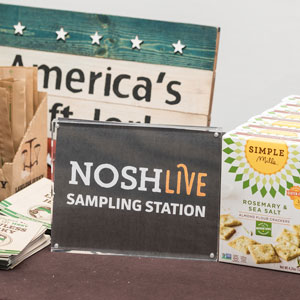
[00:01:22] Ad Read: Hey everyone, thanks for listening to BevNET's Taste Radio. I'm Ray Latif and with me are John Craven, Jon Landis and Mike Schneider. We're recording from Nosh Live Summer 2018 at Metropolitan West in New York City. And in this week's episode, we feature an interview with third wave coffee pioneer James Freeman, who's the founder and chief product officer of Blue Bottle Coffee. We also speak with Jesse Merrill, who's changing the perception of cottage cheese with innovative and fast-growing brand Good Culture. And in this week's edition of Elevator Talk, we're joined by Melissa Mutterspaugh, the founder of Mountain Mel's, a maker of medicinal herbal teas. Just a reminder to our listeners, for questions, comments, ideas for future podcasts, please send an email to ask at Taste Radio.com. As I mentioned, we're here at the nerve center of Nosh Live Summer 2018. That would be the Taste Radio Studio, helmed by our esteemed colleague, Joe Krejci, who's right by our side. I feel so good that you're to my left right now. I really do. That's no knock on mic who handles our board. I know, it sounded like a knock on mic. There's been plenty of knocks on Mike today already in the livestream studio. Sorry about that. How are you doing, Mike? How are you enjoying Nosh Live? I'm loving Nosh Live. You know, meeting founders and suppliers, service providers, investors. I'm on overload right now. You can tell he's a marketing guy, right, folks? Landis, what are you chewing on over there?
[00:02:40] Melissa Mutterspaugh: We're just getting underway for the sampling. And I'm trying to keep the radio away from the microphone right now. I have it just in case there are any fires. I don't think I'm going to have to run away.
[00:02:49] Ad Read: Five seconds ago, Landis had like one of those one of those weightlifting belts on. He's like he's like calling cases of health aid into the coolers for that. Now, I love it.
[00:02:57] Mountain Mel: I love it. I'm going to get your workout in.
[00:02:59] Ad Read: This is what we've got to do. I mean, everyone's got to wear different hats and everyone's pulling their weight and pulling others weight as well. In some cases, Landis's case.
[00:03:07] Melissa Mutterspaugh: Well, we got this sampling experience. We're really excited. It looks really good. And I can't wait for all the attendees to come down here and check it out.
[00:03:14] Ad Read: Yeah, we've got some of those samples on our table right here. A bunch of really cool things. Got some Smoshmallow.
[00:03:20] Mountain Mel: Smoshmallow? Strawberries and cream.
[00:03:23] Ad Read: Yeah, I tend to drop my A's like that. Yeah, I know your English accent now. Yes, yes.
[00:03:28] Mountain Mel: Cockney.
[00:03:28] Ad Read: John Craven, you're chewing on some watermelon jerky. This is interesting. And not doing a very good job sharing it, I might add. Yes.
[00:03:36] Mountain Mel: What is this brand? It's Watermelon Road Dried Fruit Jerky Watermelon Road. Oh, very cool. It kind of looks like prosciutto. It does look like prosciutto. But it tastes pretty awesome. It's like dried watermelon snacks. Indeed.
[00:03:49] Ad Read: Want some, Ray? No, I'm working. Thank you. You want some? We've also got some Hippies. Hippies. Of course, most people know what Hippies is. We've also got some Bohana, which makes these popped water lily Peeled Snacks. Great stuff. And we've got some Peeled Snacks. Peas Please is the name of this product. Very cool. Got some Peeled Snacks. We got some cauliflower pretzels. I was just eating these with Landis. I didn't even know they were cauliflower pretzels. They're pretty amazing. They're made out of cassava flour. From the ground up. And we've got a pork bar. This is literally called a pork bar.
[00:04:20] Melissa Mutterspaugh: Pork bar.
[00:04:21] Ad Read: It's from Country Archer Jerky Company. It looks exactly what it says it looks like. We've got Rind Snacks here. We've got honey mamas. We've got so many great brands at the sampling experience. We've got so many great brands. We've also got so much great information. People were talking a lot about Seth Goldman's presentation this morning, the executive chairman of Beyond Meat, the co-founder of Honest Tea. People really seem to like what he has to say. And I mean, that's par for the course for Seth, but I think he really made his mark here at Nosh Life. I liked how he did a category overview. He wasn't all about his own brand. He gave us an overview of the entire space in a way that I thought was really giving to the community. Indeed. Seth has been on our podcast before and another former guest on our podcast, Natasha Case from Coolhaus also gave a kickass presentation. She talks about MVP, minimum viable product, and it had a very tech feel to it. She talked about, you know, getting your product into the market fast and being able to iterate on it. And she also talked about how some of their seasonal flavors that they've just kind of been going with, like the milkshake and french fries flavor just had been flying off the shelves. They're like, why don't we just make this a full-time thing? So the whole test and learn mentality from technology is really bleeding into the food space and it's working. Although MVP product works pretty well when you're selling ice cream. I've also had some really good discussions with some of the early stage folks that are here that they're trying to absorb as much as they possibly can. Jon Landis, you've done a great job getting some of these folks to the show. What are they saying to you?
[00:05:48] Melissa Mutterspaugh: I think people know that they need a lot of help, but sometimes they didn't know to the extent of the help that they needed. And at this event, it's very clearly laid out for them. Some ideas that probably are a little abstract to your day-to-day operations, but are really, really important to continue to work on. And that's really what this conference focuses on is just about everything else besides those retailer relationships that it takes to run your business. And it covers a lot of different categories. And right now I'm just hearing nothing but praise from a lot of the folks here. They're super thrilled with all the content that's been presented so far. I've seen a lot of networking, like rock star networking happening. Yeah, totally. People just bouncing around the room, dishing out cards. And one other thing that was really surprising to me, seeing all these people interact around the room, is we have some like large institutional financial investment vehicles here that are talking to really small brands and giving them really good advice. And I'm seeing like Morgan Stanley and Wells Fargo and some of these big banks and some of these larger VC funds talking to like, you know, sub-million dollar companies, which I find to be really, really exciting.
[00:07:04] Ad Read: I was talking to Sean Kelly from Snack Nation who was saying that he really appreciates the intimacy of the event. And he said it's big, but it's small enough to have really meaningful conversations. And from a guy like that, that means a lot. Definitely. I had a conversation with Matt Weiss, who's the founder and CEO of Rind Snacks. I really like their brand, like their product. Good stuff. I'm glad to see that he's part of the sampling station as well. John Craven, the first two-day Nosh live event. How do you think it's going so far?
[00:07:29] Mountain Mel: So far so good. People seem happy. That's the most crowded room. I don't know. No one's throwing stuff at us. No, no. I mean, it's running smoothly, which is just a testament to our team who, you know, certainly not the first event that we put on. And I feel like each one, rather than just getting easier, it's like we make it more complicated. which ultimately is just us trying to, you know, provide more to the attendee and make it, you know, something where they feel like it was time and money well spent.
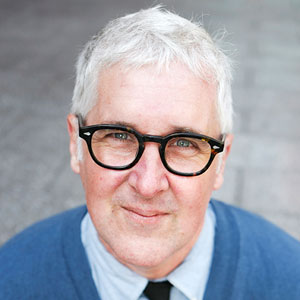
[00:07:58] Ad Read: Yeah, huge thanks to Jeffrey Klineman and Carol Ortenberg and Megan McGinnis who have been killing it up on stage and who put all this content together. And Ashley Harding, who's our events director. She's been on the podcast once before, sort of intro the team. She is the calm, I mean, it's it's it's it's it's it's it's it's it's it's it's it's it's it's it's it's it's it's it's it's it's it's it's it's it's it's it's it's it's it's it's it's it's it's it's it's it's it's it's it's it's it's it's it's it's it's it's it's it's it's it's it's it's it's it's it's it's it's it's it's it's it's it's it's it's it's it's it's it's it's it's it's it's it's it's it's it's it's it's it's it's it's it's it's it's it's it's it's it's it's it's it's it's it's it's it's it's it's it's it's it's it's it's it's it's it's it's it's it's it's it Yeah. And now through the magic of audio engineering, we're actually going to go back to Watertown Mass at BevNET HQ. All right, we're back here in the studio in Watertown, Mass. And let's talk a little about Blue Bottle. Blue Bottle, from its humble beginnings at the Oakland Farmer's Market through to present day, has followed the same philosophy of roasting premium coffees from around the world in small batches. James Freeman is the founder and chief product officer of the Third Wave Coffee Roaster and Retailer, and has steered the company to its prominent and influential status in the business of premium coffee. On the strength of over $100 million in investment from a broad range of partners, including investors like Instagram founder Kevin Systrom and venture capital firm True Ventures, Blue Bottle has since grown to encompass a line of ready-to-drink products in cafe locations in cities across the U.S. and Japan, in addition to expanding its subscription home delivery operations. In September 2017, Nestle paid a reported $500 million for a 68% stake in the company in order to bolster its U.S. presence within the premium coffee segment. In the following interview, recorded via Skype, Freeman sits down with Bevin & Assistant Editor Marty Capiero for a conversation about the origins and development of Blue Bottle, his perspective on innovation and thought leadership, and the premiumization of coffee and his vision for the future of the company.
[00:10:06] Mountain Mel: My guest on this episode of Taste Radio is James Freeman. He's the founder and chief product officer of California-based third wave coffee roaster and retailer Blue Bottle Coffee. James, thank you so much for taking the time to speak with me today and welcome to Taste Radio.
[00:10:20] Ad Read: Thank you very much. Thanks for having me.
[00:10:22] Mountain Mel: I see you sipping a cup of coffee. What are we having today?
[00:10:25] Ad Read: Oh, it's a pre-release of a very interesting co-op in Tanzania. It's just super bottom heavy. It's like drinking a cello basically.
[00:10:36] Mountain Mel: And you know, it's great. I know that, you know, coffee is obviously a great passion of yours. This is not a hot take. But I was wondering, you know, how did coffee first enter your life? And I wonder, was it from the beginning a passion of yours? Or was there a moment or a sort of event that sort of caused a shift when you became more interested in coffee?
[00:10:57] Ad Read: As a very, very small child, three or four years old, I was fascinated by the ritual, the adult-seeming ritual of coffee. That was very interesting to me, and I would ask to be able to open the can of MJB ground coffee with a can opener. That seemed very adult, to be able to use a can opener. And then as an adult, just as a hobby, I started roasting coffee on a perforated baking sheet. And that's when that moment of coffee being an actual fresh food, being the seed of a tropical fruit, that's when it started to come together, because I could taste the freshness, I could taste it getting more interesting for a few days, and then there would be a peak, and then it would be less interesting. And this was in San Francisco at a time when you really couldn't find a roasted bag of coffee beans with a roast date on it. It sounds so basic and so simple now, but the late 90s was a very different time.
[00:11:54] Mountain Mel: Absolutely. And you know, when you're when you're getting started, you're in the Oakland farmers market, you know, you're sort of first getting into the into the business of selling wholemeal coffee. What's the sort of atmosphere around it? I mean, you know, you mentioned that there hadn't been anything with a roast date right on the bag. You know, how far ahead of the curve were you kind of trying to take the coffee business when you first started in that farmers market atmosphere?
[00:12:17] Ad Read: Yeah, I don't think about being ahead of the curve or not ahead of the curve. I wasn't really interested in the curve. But what I did spend a lot of time doing in those early days, Pete's was very much the predominant player in what was specialty coffee. They had done an amazing job of creating this taste, this very distinctive taste, and getting a committed group of coffee enthusiasts to gather around this specific taste. I spent a lot of time telling people that it really wasn't as dark as Pete's what I was roasting and it really was quite a bit different from Pete's, but maybe you should give it a try anyway. And I had a few gateways that were a little bit darker, a little bit heavier, that, you know, I've always tried to have a variety of tastes. That's important to our cafes now. And it has always been a very important part of what I thought was a good experience in a cafe, having a variety of tastes. So even at the farmer's market, I had, you know, one blend that was on the darker side and one blend that was on the lighter side and a single origin.
[00:13:18] Mountain Mel: Absolutely. You know, being based in Oakland, you guys quickly found a pretty strong following within the tech community in Silicon Valley, just as fans of the brand first before maybe later some investments. You know, why do you think that that tech community responded so strongly to coffee as a product? And then, you know, as a brand, you know, when you guys are sort of building more of the Blue Bottle aesthetic, why do you think that that got such a great response from that community specifically?
[00:13:45] Ad Read: I get asked that question a lot and I rarely have a very good response. The most I can kind of figure from what I've heard from people in tech, because I'm not a very tech savvy or forward person, what I have gathered is people in tech drink a lot of coffee. They need to work hours, need to stay up. So coffee is part of their culture. And then when we opened our shop in Mint Plaza in January, 2008, that was a very interesting time for tech, but it was also an interesting time for us in coffee. We had a siphon bar, we had slow OG drippers, we had a lot of different ways to experience coffee, and that kind of geekiness around coffee wasn't very common in 2008. especially that kind of performative geekiness. And so I think that was very appealing. The location was near Moscone Center, and that's where Apple would do a lot of their presentations. There were other conventions. There were people just working around there. So I think that confluence of this geekiness around coffee, we happened to be lucky with our locations. The way we were presenting coffee was interesting to people in tech, and it just kind of blossomed from there.
[00:15:04] Mountain Mel: And when those investors started coming about and we started hearing about some of the large raises that Blue Bottle was involved with, I mean, it seems like there's been a level of ambition at Blue Bottle that you guys haven't been trying to hide or you've really been embracing, just continue leveling up year after year. Can you tell me just a little bit about where that sort of ambition comes from, not just to grow, you know, a great brand for coffee, but to build a big brand that can touch a lot of people and that willingness to scale, you know, what seems to be rather quickly?
[00:15:35] Ad Read: Yeah, this is, we're almost at year 16. So whether it's quick or not, I guess it depends on your notion of whether 16 years is a long time or not very long time. Sometimes it seems like a very long time. But yeah, I've always been ambitious. I've always wanted to get to the next place. I've always wanted to learn more about coffee, work on making better coffee, and work on getting it to more and more people. My ambitions were first to get into the Berkeley Farmer's Market, and then I was ambitious to get into the Ferry Plaza Farmer's Market, and then I wanted to open a shop, and I thought that was going to be the only one. And now I could open a few more. So little by little, it's been a widening of our horizons, but ambition has been part of my thinking about coffee from the very beginning.
[00:16:24] Mountain Mel: And obviously, the Nestle deal that we first reported on last year, I mean, that's sort of a huge new phase for the company. And what I thought was really interesting is that, you know, obviously, Nestle is a big company that's done deals before, but you guys got a really interesting sort of position where you guys are a standalone entity, you have your own board, you know, own financial system. And that's very unusual, I think, for the Nestle system. How were you able to reach that agreement? And sort of how did that come about? And sort of what does that allow you to do?
[00:16:54] Ad Read: Well, yeah, as far as I know, we're the only company that Nestlé has acquired that they've granted this standalone entity status. I just came back from a board meeting in New York yesterday, so we've had our second board meeting. I have to give a lot of credit to our CEO, Brian Meehan, who was negotiating. There's a lot of things to negotiate, and it's not always about a number. It's about how we wish to continue to exist after the transaction that is very important, too. He was able to convince them that to let us work at our best, we need to be as independent as possible. So fortunately, they were very receptive to that message too. And that's what they want. They want us to continue to grow in interesting ways and continue to be successful with people that are very choosy about coffee. And in order to do that, we have to be able to source our own coffee and roast it the way we want to and offer the products the way we want and the way we think our guests will be pleased the most.
[00:17:58] Mountain Mel: Well, it really seems like an acknowledgment of and validation of clearly your expertise in this area because, you know, Nestle has other sort of coffee products, but it really seems like they're looking to you guys to pretty independently sort of forge the path ahead for this premium coffee. And as you mentioned, sort of getting more in depth in what coffee can offer.
[00:18:19] Ad Read: Exactly. Yeah, they have very strong coffee brands, but none in what you could call the specialty or third wave, if you like that term, none in that field. And so they were really looking to us to show them how we think the best way to expand our audience is.
[00:18:39] Mountain Mel: You know, within the RTD coffee segment, we're seeing a lot of growth in cold brew, obviously. And I know that you guys have two products within that segment as well. Where do you see cold brew specifically going? And how is that going to be different from maybe some of the other things we're going to see in RTD and iced coffee?
[00:18:56] Ad Read: Oh, that's an interesting question. I think so much of success or failure in an RTD product is not so much about how delicious it is, but it's about how shelf-stable it is and how good your distribution network is. So that's been a frustrating little lesson of the brutal realities of life in the grocery aisle. So Nestle has They've learned a lot of those lessons very well and thrived under those constraints. So I think they can help us both with finding ways to get a little more shelf life without sacrificing deliciousness. And obviously they are very good at distribution. So I think those two constraints they can help us very much with. And then there's a variety of products out there. If you've gone to a Whole Foods and looked at their cold coffee case, it's pretty dizzying variety of drinks. And hopefully there'll still be a lot of really interesting regional companies that are successful in their region distributing good coffee drinks. And then hopefully there'll be room for more national coffee drinks. I think you've seen it with like Stumptown has done very well getting their stuff basically in every Whole Foods. La Columbe has done well. And I think we'll be able to have some national distribution finally too.
[00:20:21] Mountain Mel: How exciting is that for you? And how do you sort of see RTD fitting in the overall business portfolio for Blue Bottle? How big of a portion is it going to be, do you imagine?
[00:20:31] Ad Read: Well, it's hard to say. I mean, what I think of is I would love to be able to drive across the United States and never stop for an inadequate coffee. Fair enough.
[00:20:42] Mountain Mel: That'd be a nice dream.
[00:20:44] Ad Read: Yeah, it's getting closer, I think.
[00:20:46] Mountain Mel: And, you know, I want to talk a little bit about the cafes themselves, which I think, you know, it's really interesting way to educate consumers and really bring them into the kind of story that you're telling. How does the presentation and aesthetic that you guys try to present at Blue Bottle Cafes reflect the brand and sort of the identity and what you're going for?
[00:21:05] Ad Read: Yeah, people talk to us about design and i don't think about design being sort of a series of elements i think it as being an absence of obstacles so we talk about removing obstacles in a guest path from what are the essential virtues that we want them to experience and those essential virtues are getting a great delicious, beautifully prepared, well-sourced, well-roasted coffee drink from a really hospitable professional. That's the key thing. And then our design process in our cafes is how do we remove the most obstacles from that as we possibly can. And sometimes it starts with thinking about the doorknob, or it starts with the conversation between the floor and the ceiling. Is it distracting? If it is distracting, then how can we make it more harmonious? How can we make things unnoticeable? so that people can glide to the POS without having chewing gum or CDs or 12 different materials getting in their way, whether it's a conscious thing or more often than not, it's a subconscious thing.
[00:22:20] Mountain Mel: So it's sort of going for maybe less is more, it seems like maybe is the idea or sort of clearing the way for... Clearing the path.
[00:22:27] Ad Read: Less is less, but less is good, you know, because what we want is we want this goal, this beautiful experience with delicious coffee that people have and everything else is clutter and anything that could possibly be in the way of that, we want to remove it from somebody's path, whether it's their sight lines or the things they touch or see or smell. So when people talk about like, like a Japanese influence, perhaps that's going on, but it's more about really working on the negative space, figuring out what is there and shouldn't, rather than figuring out what is not there and should be there.
[00:23:01] Mountain Mel: You know, that's an interesting contrast to, I think, to what Starbucks is maybe doing with their roastery stores, sort of bringing a lot of the behind the scenes production and, you know, the mechanical, I guess, element of it to the forefront in hopes that that will bring consumers closer to the coffee that they'll eventually be drinking. That seems like that's not what you guys are looking to emphasize.
[00:23:24] Ad Read: Yes, I do like the Starbucks focus on transparency. You can see the roaster, you can see what a roaster looks like. Oftentimes you can see it in play. However, we have cafes at our roastery too, and that kind of transparency in the cupping room and into the roastery is very nice for guests and very important for us. But for me, there's a lot of additive things in the Starbucks experience. I don't want to demean their work because they have basically paved the way for all of us in specialty coffee. I tell people that my children go to good schools because of Howard Schultz. However, there is a lot of materials, a lot of additive, a lot of patterns that, from my opinion, I feel like are distractions from a key experience rather than additions to it.
[00:24:16] Mountain Mel: Sort of following what you just said, is there a risk of sort of fetishization in premium coffee that maybe could make this something actually more confusing than it needs to be for consumers or sort of, as you said, put too much emphasis on these sort of additive elements that could maybe separate you from the direct experience of drinking a great coffee?
[00:24:37] Ad Read: I think that's interesting. Culturally speaking, it is. Fascinating to me how with certain segments of the population, there's a real resistance to treating coffee as though it's a special product. People who wouldn't think twice of paying $8 for a pint of some special IPA and discussing with the bartender how happy it may or may not be can push back when asked to spend $4 or $5 for a cup of coffee. I think that resistance is gradually changing as people discover how many hands touch coffee from the beginning of the journey to the end, how actually rarefied and important and beautiful coffee can be. So in answer to your question more directly, that coffee fetish I think those moments are still around, but those of us who have been in coffee for a while, even though Athletic Brewing methods can be sometimes quite complex and there is a lack of information, I think transparency and hospitality can really do a lot to dispel those myths without dumbing down the experience or the product at all.
[00:25:50] Mountain Mel: Well, yeah, two great points there sort of talking about preparation. I think that's really interesting in terms of the whole bean coffee segment, because you have a business where in which, you know, proper home preparation, which is the one thing that you guys don't have control of or in this situation. is really a critical part of getting the most out of the quality of the beans and really reflecting the quality of what you're giving consumers. How do you manage that missing link there and how do you educate on how to get the best final product out of the raw materials that you're supplying?
[00:26:24] Ad Read: I tell people that nobody wakes up in the morning and you know, they're bleary, they've got to get out and like, oh God, where's the nearest cafe? I really, I have to get educated this morning. So nobody really thinks about education in the way that baristas do sometimes, or at least our guests. So I try to hold back that word education. I think enthusiasm is infectious. So if people come to our shops and see somebody who's super hospitable and approachable making something that they have that's delicious and they want to ask a few questions about it, that's a fun way to learn and you don't realize that you're learning. We also have quite a bit of information on our website, brewing guides that are very popular, I'm told, that walk people through it step by step if that's what they prefer. The nice thing, our new dripper is a little more forgiving in terms of technique, so I'm excited that we're selling a lot of those because I just feel like that makes it even more approachable to make a pour over.
[00:27:26] Mountain Mel: For you personally, I imagine, you know, this has been a huge journey, a lot of changes along the way. What are some of the things that now that you have, you know, this great backing, what are some of the things that you are personally most interested in exploring in the coffee business going forward?
[00:27:42] Ad Read: You know, it's funny for so many years, my world was getting bigger and bigger and bigger. And now I find that I really want to get some time and make more coffee. I've been thinking about remineralizing water a lot and different ways of doing that. Other people are doing that work, which I think is very interesting. I've been thinking about cloth filters and how can I get coffee that's sort of with the techniques, the old school techniques of the quesadilla, coupled with lighter roasted higher point coffee. and modern grinding and measuring technology. Those things have been on my mind and hopefully I'll have a little place where I can work out those ideas. I don't know where they're going to lead.
[00:28:29] Mountain Mel: Do you still spend a lot of time traveling and looking to discover those new sources and different flavors of coffee?
[00:28:36] Ad Read: No, I don't do a lot of sourcing. I haven't done a ton of sourcing. We've always had green coffee buyers that I've spent time with that have been on the road so that my biggest traveling has been in cities and looking at real estate and cafes and meeting with architects. That's kind of where I spent most of my travel time.
[00:28:56] Mountain Mel: Great, James. Well, thank you so much for Joining Taste on this episode of Taste Radio. We really appreciate your time. And thanks so much again.
[00:29:02] Ad Read: Oh, thanks. It's been nice chatting with you, Mark. Thanks, James. All right, now we're joined by the aforementioned Martín Caballero. Marty, thanks so much for being with us.
[00:29:13] Mountain Mel: Thanks for having me. Love being back in the studio. Isn't it great? It's fantastic. I love it. Wish I was here more often.
[00:29:17] Ad Read: It's a different studio than you're used to, though. What do you think of our new setup here?
[00:29:21] Mountain Mel: It's lovely. I think it's a nice little change of digs.
[00:29:26] Ad Read: And for listeners at home, you can't see this, obviously, but Marty is so, so product focused right now. He's even wearing our Taste Radio colors on his shorts and sneakers. He's got orange shorts and black sneakers on. I love it. Well done.
[00:29:40] Mountain Mel: Yeah, I thought the memo went around, but I guess not.
[00:29:44] Ad Read: So great interview with James. I was really intrigued when he talked about how he would love to drive across the U.S. and never stop for what he called inadequate coffee. And it was pretty interesting to hear him even use that term inadequate. And it speaks to, you know, what he perceives as premium coffee and what it should be and what it shouldn't be.
[00:30:04] Mountain Mel: Yeah, I think that quote kind of gives you a good glimpse into the mentality of James and also the company. You know, there's certainly plenty of coffee that I think many people would consider adequate, but we're talking, you know, using that phrase third wave, we're talking about sort of a deeper and richer coffee experience that goes beyond simply preparation, although that's important, but also sourcing quality of beans and really just further developing people's understanding of what coffee is and can be. So, sort of very forward-looking for sure.
[00:30:36] Ad Read: Entrepreneurs out there, as you're thinking about bringing your organization together, I thought this was a great BHAG, a big, hairy, audacious goal. As you're thinking about the reason that everybody gets out of bed every day and goes to work for whatever your company is and whatever they do, there are worse ones than to drive across the United States and never find an adequate coffee. But one could say that there is an opportunity to drive across the country and find premium coffee. It's called Starbucks, right? I mean how many cafes does Starbucks have across the US and while James acknowledged the importance of Starbucks and how much respect he has for the company and I believe he said my children go to good schools because of Howard Schultz he spoke a little bit about the difference between what he perceives as super premium, what he perceives as really great coffee, and some of the things that Starbucks does that are a little sort of out of his purview.
[00:31:31] Mountain Mel: Yeah, I think it's as you mentioned, there's a lot of respect there. And certainly, I think Starbucks is their success has paved the way for something like Blue Bottle to come along in the years afterwards. But yeah, I think the difference in approach, we'll talk I think a little bit later on about sort of the aesthetic with the cafes. But just in general, you know, his approach is basically very focused on the ritual of coffee. So less about, you know, let's get a coffee to go, you know, a Starbucks that may be, part of a, you know, in an airport or maybe part of a another retailer inside the store, sort of just a branding experience, but really about sitting down with a cup of coffee, savoring the aromas, savoring the production and really the process that went into getting you this cup of coffee. And I think this is something that people are starting to really resonate with, you know, Starbucks certainly opened that gate for people to have a better experience. And now it's sort of taking it to that next level. And you can make comparisons to wine, craft beer, sort of elevating that experience.
[00:32:29] Ad Read: Starbucks really opened that door similar to the way Sam Adams opened the door in the beer space. You know, it was a better beer, something that people could say, well, this is much better than, you know, what we're used to from a macro perspective. And so Blue Bottle, you know, look at them as the craft coming along and taking it to the next level.
[00:32:47] Melissa Mutterspaugh: They're very California. I mean, I don't know anybody in New York who wants to stop and smell the aroma of their coffee, but I mean, I'm sure there's plenty of New Yorkers that love their coffee.
[00:33:03] Ad Read: Well, I mean, there, there was something there because, you know, James talked about over fetishizing coffee while attempting to find a way to educate consumers about premium coffee and what Blue Bottle is selling in a way that is easily understood and will resonate with most consumers. For example, he said that, you know, enthusiasm is infectious. And if people come to our shops and see someone who's super hospitable and approachable, that's a fun way to learn.
[00:33:28] Mountain Mel: We talked a little bit about the brand's origins in Oakland, in San Francisco area, Silicon Valley, where I think it had a lot of resonance with people who were really interested in the geekiness of coffee and really getting into preparation techniques and sourcing and stuff like that. But interestingly enough, that's really not the approach that they've been pushing for education. I think he talks about breeding enthusiasm. rather than sort of bluntly hitting people over the head with, you know, this is how you make coffee. This is the right way. This is the wrong way. You need to study up on this before you can sort of enter this arena and get interested in it. He's basically saying, you know, let's take away some of the obstacles between you and a great cup of coffee. Let's let you sort of, have a transparent experience at our cafes, let you see the baristas making your coffee, and hopefully their enthusiasm will carry over into the customers, and you can start asking questions. You can sort of develop an interest on your own speed, on your own level, that will come from a great cup of coffee rather than, you know, you reading in a book that this is the way to do it, this must be this way. You know, kind of a more organic, natural approach.
[00:34:35] Melissa Mutterspaugh: That's something that a lot of premium brands practice and should practice because at the end of the day, when you consume the product, it's great, right? It's premium. So you can rely on that and you just remove the barriers of saying no, as you said, get them to consume the product and then that will win them over. And if they have a pleasant experience wrapped around with a nice little bow, it's a winning.
[00:34:59] Ad Read: But to your point, I don't think it's an if they have a pleasant experience. If you think about where they come from, the Silicon Valley, right? The most important thing in Silicon Valley is user experience. It's the tech space. So they're surrounded by people making apps and talking user experience all day long. So they're saying, okay, we've got this product. First, we have a product, first and foremost, great product. Second, what's the user experience that goes with that product? And then how do we make a lifestyle brand out of that?
[00:35:26] Mountain Mel: And I think that sort of ties back, you know, because we talk a lot about the cafes, but a huge portion of Blue Bottle's business is whole bean shipped directly to consumers. And there's obviously a lot of in-depth sourcing and different blends and things like that. But at the end of the day, what they're really doing is roasting the day before and you get it the day after. So, fresh, high-quality beans. There's really not a whole lot to explain there. just roasted right to your door. And from there, hopefully you have a good build.
[00:35:59] Ad Read: Well, Marty, thank you so much for a fresh and high quality interview. Good stuff. You like that? You like that transition?
[00:36:07] Mountain Mel: That's me nodding silently.
[00:36:10] Ad Read: No, in all seriousness, thank you so much for Joining Taste on Taste Radio and please come again and see us again soon. My pleasure. See you next time. Great to have you, Marty. There's no doubt that we're living in strange times. A former reality TV star is president of the United States, Hawaiian shirts are in style, and cottage cheese has become cool. Jesse Merrill has played an important role in the latter, having founded Good Culture, a brand of clean-label, grass-fed cottage cheese products. Merrill launched the company in 2014 with co-founder Anders Eisner, after working together on functional beverage brand Activate Drinks the years since, Good Culture has anchored an emerging cottage cheese set, promoting its products as protein-rich and great tasting alternatives to yogurt. Aligned with high-profile investment partners 301 Inc. and Kavu, Good Culture is distributed nationally at thousands of retail locations. In an interview with Project Nosh editor Carol Ortenberg, Merrill spoke about how the company's attempted to change the perception of cottage cheese by creating an elevated consumption experience, the two core values that guide its innovation strategy, and why he believes in an attitude versus aptitude hiring process.
[00:37:16] Carol Ortenberg: Hi, everyone. Carol here, and I'm talking with Jesse Merrill, who is the founder and CEO of Good Culture, a line of high-protein cottage cheese. Jesse, thanks so much for Joining Taste on this Skype chat today.
[00:37:29] Ad Read: Thanks for having me. I appreciate it. Good to be here.
[00:37:32] Carol Ortenberg: I think last year there was a Wall Street Journal article and the title was something like, can cottage cheese ever be cool? How do you change the consumer perception that like this is not your mom's or even grandmother's cottage cheese anymore?
[00:37:47] Ad Read: Right. Most people know what cottage cheese is, especially when you look at boomers and Gen Xers and some millennials. When you look at older Gen Zs or Gen Z, they don't really know what it is. So there's an education opportunity there, an awareness opportunity there. But for us, there is some baggage that comes with cottage cheese. Generally, when people don't like cottage cheese, they don't like it because of some kind of textural barrier. They think it's slimy or chunky or watery, right? That is the feedback that we hear.
[00:38:15] Carol Ortenberg: All great adjectives.
[00:38:17] Ad Read: Yeah, of course. That's what you want to hear. So when we developed Good Culture, we knew that we needed to overcome that. We knew that our kadhishees had to be the best kadhishees on the market from a quality standpoint, from a taste standpoint. and we worked very hard to create a cottage cheese that was thicker, creamier, softer curd, smaller curd, more velvety, eats more like a yogurt, fruit on the bottom, et cetera, to help overcome those hurdles. So our biggest opportunity today is to get on the radar for current users, right, that don't know that we exist, that are eating a bunch of the other stuff, that haven't yet had the opportunity to experience what we're doing, and to also bring new users into the category that think they don't like cottage cheese until they try Good Culture. And we just actually did a Nielsen panel poll, and the data clearly showed that the majority of the users that we're bringing into the category are new users from younger segments, younger Gen Xers and Millennials. So that is, you know, just for us, so exciting, because it's exactly what we wanted to do when we launched, we wanted to bring new people into the space. And we're doing that. And then the other large opportunity is getting the current users to try us and to buy more. If you look at household penetration on cottage cheese, it's close to 45 percent. Yogurt is roughly 75 percent. But the size of the category with cottage cheese is 1.1 billion, yogurt's almost 8 billion. So that speaks to a massive opportunity to increase buy rate with current users. So I think if you do both of those things well, there's a huge opportunity to expand the size of the pie.
[00:39:49] Carol Ortenberg: I think something brands sometimes struggle with when reinventing a category is where do I put my product in store? How do I communicate this? You know, so you guys often are not sold, you know, next to yogurt. You're sold in the cottage cheese set, which may or may not be right next to yogurt. you know, how do you get those yogurt consumers to cross over? How do you get them to think about your product when you're not physically right next to the product you're kind of wanting to compete against?
[00:40:21] Ad Read: Right. When we're not standing there like at a demo table?
[00:40:23] Carol Ortenberg: Yes. When you're not engaging in superior field marketing.
[00:40:29] Ad Read: Right, right, right. Yes. But when we do have our film marketing team out there, we convert a lot of people, very high conversion. But when we're not there, we are relying mostly on shopper marketing tactics to tell our story. You know, we're doing a lot of trial driving tactics because like I said earlier, when people try our product, when they experience our product, they do elevate it from the category. We hear feedback from consumers consistently where they say things like, wow, you know, thought I hated cottage cheese until I ate Good Culture and now I love it. Or I still hate cottage cheese, but I eat Good Culture every single day. So they're completely elevating it from the category, like I said. So for us right now, the focus is on driving that trial. What can we do to ensure that people are picking it up on the shelf and experiencing it? And we know if we get that to happen, that the conversion is going to be high, the repeat is going to be high, and we have data to support that.
[00:41:22] Carol Ortenberg: You've also had a lot of interesting learnings around savory versus sweet in the category. I saw another interview with you where you said savory cottage cheese requires, I think the phrase you used was heavier lifting. What have you kind of learned about the consumer and what they're looking for in flavor and how have you thought about flavor?
[00:41:42] Ad Read: Yes. So this one, when I launched Good Culture, the first flavor that I developed was Kalamata The second one that I developed was sun-dried tomato. So I was all in on savory.
[00:41:57] Carol Ortenberg: And you totally, I read, wanted to stay away from the classic pineapple.
[00:42:01] Ad Read: Yes, I did want to stay away from pineapple, right? Because we wanted to be more innovative than that. And we thought that we would absolutely take over the world with our savory cottage cheese. Cottage cheese is inherently a savory snack. So why wouldn't you put savory add-ins right. But it was more of a stretch for the consumer. They couldn't quite wrap their head around it in a single serve cup. So I think it could just be you know maybe a format challenge in that on the go single serve immediate consumption structure. So we put it out there and we've tried it. We still have Kalamata out there today but in a limited way. We're only in roughly 60 70 stores. but we do have a strong cult following around that item. But the feedback from consumers was, look, we like it, but we don't want to eat a full cup of it because we really look at it as more of a dip. So we bring it home and we put it in the center of a party platter, we dip celery in there, we dip crackers in there, carrots in there, whatever. But it's hard for me to eat a full cup. And so I do think it was a disconnect from an occasion and format standpoint. So we're kind of thinking through those challenges. And I do think there's a place for savory cottage cheese. Chive cottage cheese is out there today and does fairly well. So I think there's an opportunity. We just have to present it in a different way. But like I said, we still do have one holding on right now.
[00:43:22] Carol Ortenberg: You're, you're speaking to a savory cottage cheese lover. That's, that's where I go. So yeah, I feel ya.
[00:43:28] Ad Read: Yeah. I eat the olive every day.
[00:43:30] Carol Ortenberg: Is that why it still exists? Just to fulfill your, it might be, it could be. So you also in 2017 decided to do something unique and you said, look, I have this product that's doing really well in the natural channel. That's an organic product. And you decided to release a second line. more aimed at the conventional retailer and the conventional shopper. Can you talk through that thought process and what made you decide, one, that you were ready to support like two different branches and why you felt like you needed to make that choice?
[00:44:03] Ad Read: Sure. So we launched as an organic brand in the natural channel. We wanted to stay organic everywhere and we did make an effort to launch into conventional grocery with our organic range. However, the cottage cheese category has become heavily commoditized. The shopper, the conventional cottage cheese shopper is very price sensitive and our velocity was just not where it needed to be to stay alive in these conventional grocery accounts at that price point, which was unfortunate. I think Long term there's an opportunity to overcome that as we look to premium eyes the category I'm fully confident that we will premium eyes the category and when that happens I think there's an opportunity to pivot to organic everywhere which for me would be a great thing to do. But for today it was just too much of a challenge we were being velocity thresholds with that offering at that price point. And so we unfortunately got discontinued at one of our retailers as a result of that. So we kind of you know we pulled back and we sat down and we assess you know how can we. do this because we want to be sure that we're a brand that can scale outside of natural and specialty. We want to be a large cottage cheese brand one day. And so we spoke with our co-op in Wisconsin and we asked a lot of hard questions because we do have two core values that we will never stray from. One of them is ensuring that anything we do is clean label. We only use simple ingredients. We want to stay away from preservatives. We want to stay away from gums and thickeners. So that is something that we absolutely can't stray from. If we start to do those things, then we are no longer in culture. So even though we were launching a conventional product, it needed to maintain a clean label proposition. The second one was pasture-raised. I am very much against sourcing milk from confined animals. It is not something that I would ever do. and it is a core value that I will never stray from. That was the second thing that needed to remain intact if I was going to launch a conventional product. Luckily, we have an amazing co-op filled with nothing but sustainable family farms on both the organic and conventional side. All of these animals are pasture-raised. They roam free. They eat grass. These are healthy animals. And so we were able to maintain that story, that proposition. So for me, I felt good about it. And it also allowed us to offer a product with a price point that was going to resonate with a conventional grocery or mass shopper. So it made Good Culture much more accessible while still being a better for you, premium, higher quality product.
[00:46:34] Carol Ortenberg: It sounds like though this was still something you really struggled with. And, you know, as a founder had to take a step back and say like, you know, what's my comfort level with this? And where are those guardrails that I just, I can't move on?
[00:46:47] Ad Read: Yeah, absolutely. It was not an easy decision. Like I said, I launched as an organic brand because I believe in organic. And so this was something that we needed to do to scale the brand. But like I said, as long as we didn't stray from those two core values, that I didn't feel like we were diluting the brands in any way. So I still felt good about it. And I do feel good about it today. That said, as I mentioned earlier, if there is a way at some point to premiumize the category, right, and to become an organic everywhere brand, that is absolutely something that I would love to pursue.
[00:47:19] Carol Ortenberg: So speaking of iterations and how the company has evolved, you've also rebranded twice. We're now on our third Good Culture brand. You know, what has the brand done through these rebranding efforts? Why the need to rebrand and how did you figure out like, okay, we got to tweak things a little bit?
[00:47:38] Ad Read: Yeah. I mean we are just always trying to optimize wherever we can. We're still an early stage company. We have the flexibility to do that. That's what's so exciting about being an early stage startup. You can refine you can mitigate risk based on feedback based on market performance. So that's what we're doing right. We're responding to what's happening in the marketplace. When we first launched We launched in a package that unfortunately looked recessive on shelf because the packaging was too dark. And while we loved the design, we just didn't work on shelf. So rather than wait and try to make it work, we decided to update the packaging and respond to what was happening. So we did that and we introduced new packaging and saw an immediate uptick in velocity post rebrand. It was almost a triple digit uptick in velocity. So very, very successful rebrand. And then most recently, we did another refresh that maintained the same structure, maintained white space, but we did feel that it was important to inject more personality into the packaging. We didn't feel like we were doing a good enough job of communicating a clear tone or personality. And we also saw an opportunity to put cottage cheese on the packaging. Because when we first launched, there was a lot of confusion around who we were. A lot of folks would email us telling us that they found us because they thought we were yogurt. Even though we were merchandising the cottage cheese set, they still thought we were yogurt because they just weren't used to seeing cottage cheese in a single serve cup like that. And that was a pretty big challenge for the first year or two. I'm not seeing as much of that now. Obviously, we've rebranded with cottage cheese on the cup, so that obviously got us around that. But you're seeing more and more single-server potteries crop up based on the success that we've had in the marketplace. So I don't know if that's as much of a barrier today. But when we first launched it was a big barrier. And that was a big part of why we also wanted to redesign. We wanted cottage cheese to be shown clearly. We wanted the cup to feel modern. We wanted it to be dynamic. And we wanted it to clearly communicate an ownable tone of voice.
[00:49:39] Carol Ortenberg: In addition to a really strong tone of voice, you have a really strong group of investors backing you at Good Culture. You know, what have you kind of learned about the investment process and who you want to have join you in this journey?
[00:49:53] Ad Read: Yeah, right. In 2016, we were fortunate enough to align with the folks over at Cavu and also the VC arm of General Mills, 301 Inc. Both great groups who have added a ton of value. The recommendation is to ensure that anyone that you bring on will provide added value. That's almost a truism at this point. But it's easier said than done. There's a lot of investors out there. There's a lot of money out there. And investors don't always add value. They might speak to adding value, but they come on and you never hear from them ever again. That happens quite a bit. So you want to ensure that you heavily vet any investor before you bring them on. Even if you're desperate for cash, don't glom onto the first person that calls you, because you could pay for that down the path. So really make sure that there is true chemistry. The same way you go through a vetting process when you hire an employee, you should go through that same type of process when you bring on a new investor, because if the chemistry is not there, If you don't have the ability to really open up to these folks, to be vulnerable with these folks, then you're not going to have trust in the room. You're not going to take risks together. And if you're not taking risks, then you're never going to have breakthrough thinking and you're never going to create change. You're never going to create growth. So that's critical. My experience so far with Cavu and General Mills has been terrific. They both add a ton of value. And I mean that authentically. They are out there with us. They're in the trenches with us. General Mills obviously has deep resources across several functions, including R&D, supply chain, operations, sales, marketing, research, etc. So we are really able to rely on them when needed. That said, they're there to help us when we ask for it. They're not invasive, so they're there when we need them. If we don't need them, they let us do our thing. So we have the ability to continue to operate autonomously. Then Cavu also, these are proven operators that I've always looked up to. I've looked up to Rohan most of my career. I've looked up to Clayton. Clayton was obviously a big competitor when I was at Honest Tea and I got to watch him build Sweetleaf into something really special. And now I have the opportunity to learn from these guys. These guys provide amazing strategic support and hands on support from a proven operator standpoint. So I couldn't be more thrilled with the folks that I brought on. And I would definitely encourage anybody looking to raise capital to look for similar investors that have that kind of skill set.
[00:52:26] Carol Ortenberg: You mentioned it's like vetting and hiring an employee. It almost sounds like it's a little like dating, though, too, with the chemistry.
[00:52:32] Ad Read: Oh, yes, it absolutely is. I mean, you need to feel each other out, right? You have to have several conversations. You need to meet for lunch. You don't want this to be a terribly formal process. Like I said earlier, you need to be vulnerable with these folks. You need to be open to telling them all the bad things that are going on as well as the good. And that's something that I do all the time, right? Like I'm not scared to pick up the phone and call Clayton or pick up the phone and call Peace Baranza over at 301. Like if I have an issue, I am calling them and I'm asking them for their advice and they're giving it to me and they're not judging me because of it, right? I'm not getting dinged because there's a challenge within the organization. Everybody wants to see us win, and they're going to do whatever they can to get us to the top of that mountain. So, you know, having that ability for free-flowing conversation is crucial. So yes, it is like dating. If you're dating somebody and you can't speak with them openly, or it feels forced, and that date's going to really suck, you're not going to want to see that person ever again. And you want to make sure that you maintain that same kind of dynamic with your investors.
[00:53:34] Carol Ortenberg: I think showing vulnerability is just hard for founders in general. There's this pressure that like you are the founder and you're the CEO and, and you know, you, you have to be leading the charge at all times.
[00:53:45] Ad Read: Hmm. Yes. No, I don't have that problem because, because I mean, look, of course I want to, I want to be good at what I do and I want to ensure that I'm communicating that in a good way, but I'm fine being vulnerable. I'm not classically trained in business. I never got my MBA. Like I said, I have a background in art and I'm a big believer in experience and gut and instinct. And so, you know, I have a group of investors that. trust my instinct. They trust my gut. Obviously there's business practices that we use to ensure that we're not moving forward recklessly. There's controls in place and I appreciate both sides of it. But at the end of the day you're going to do something that is truly breakthrough truly disruptive. You need to have heart. You need to have good gut good instincts and you need to ensure that you have a group of investors around you that are going to support that and believe in your instinct.
[00:54:38] Carol Ortenberg: So is the fact that you're not classically chained and you, you know, you got your start in this industry with somebody saying, yeah, you know, you're good at what you do despite not having an MBA. Does that change how you hire people? Do you take risks on people who maybe don't initially fit the mold, but you think will be great for your company?
[00:54:59] Ad Read: Absolutely. I definitely believe in a attitude versus aptitude hiring process or mindset. If somebody has the right attitude, if they're a Good Culture fit for your organization, if they're going to fight for you, if they're going to bleed for you, if they're going to share with you, if they're going to cry with you, then that's somebody you want on your team. Absolutely. Obviously, the skill set needs to be there, but you can always learn the skill set, right? That's something that can be taught. You can't teach heart, like I said earlier, and that is critical for any new hire. It does absolutely impact the way I hire. I am not somebody that will jump on a Harvard MBA who has an amazing background. If they don't have the right cultural mindset or the right level of passion to compliment their aptitude, then it's not somebody that I want to bring on.
[00:55:49] Carol Ortenberg: Well, I really appreciate you taking so much time to talk with us today and share your own passion, your own heart for the industry and Good Culture. I know we'll see a lot of great things to come out of you and the cottage cheese industry in the future.
[00:56:05] Ad Read: Awesome. Thanks so much for having me. Great talking.
[00:56:07] Carol Ortenberg: Thanks.
[00:56:08] Ad Read: All right. Bye. And we're now joined by Carol Ortenberg. Carol, thank you for being with us.
[00:56:14] Carol Ortenberg: Thanks for having me.
[00:56:16] Ad Read: So, interesting stuff from Jesse, a guy in a company that is not afraid to iterate.
[00:56:23] Carol Ortenberg: Yeah, and that's something we don't necessarily see enough in companies. And understandably, it can be hard when you've nurtured a product and really devoted all your energy into it, to six months, a year after it's on the market, say, ooh, I've got to tweak this packaging, or ooh, I've got to change up the flavor a little bit. You know, this isn't hitting home exactly as I wanted it to. But what I think Jesse realizes is that this is a game of scale. And in order to get to that place quickly, he needed to change his logo a little bit or change how he positioned the product on the front of the packaging or even adjust and embrace a flavor, pineapple cottage cheese that he initially wanted to stay away from.
[00:57:07] Ad Read: And he made it clear that, you know, as long as the company doesn't stray from two core values, which is clean label and grass fed sourcing, they're not diluting the brand in any way, which I thought was pretty interesting. I mean, folks sometimes move away from that mission in order to fulfill a goal and he's sticking to his guns. He's like, we're not going to move away from that, those two core values. And if we do, we're going to end up losing the battle.
[00:57:32] Carol Ortenberg: At the same time though, I think originally he wanted to remain organic and he recognized that he needed to come out with an all natural sort of clean label option for conventional retail. And again, that can be a hard thing to do, but to really sit down with yourself and say, okay, where are the points I can't budge and where can I flex and compromise a bit to meet the consumer halfway really has helped his product grow and get retailers that it seems like he wouldn't have been in otherwise.
[00:58:03] Melissa Mutterspaugh: And this is something that, you know, a lot of entrepreneurs deal with in having to pivot or change some major aspect of their product. And as long as you're focusing on what are the opportunities that get me to where I need to be and pursuing those, it doesn't mean that you have to abandon your original idea of a product. So, you know, Good Culture could go back to being all organic. This isn't abandoning that original principle. It's just finding the best path forward, and then realizing timing is everything. And maybe you're a little ahead of the curve, and the supply chain isn't quite there, and the consumer demand isn't quite there, and the retailers aren't all quite there. So maybe we should come and revisit this after seeding the marketplace with a similar product for a few years.
[00:58:49] Ad Read: And finding a right path forward also has a lot to do with investors. And Jesse talked a bit about how important it is to find the right folks that are aligned with your mission. And Good Culture has some pretty powerful partners in 301 Inc and Cavu. And I thought it was, you know, this is something we've talked about in the podcast before, but I thought it was particularly poignant when he said, you want to be sure to heavily vet any investor before you bring them on. Even if you're desperate for cash, don't glom onto the first person who calls you because you could pay for that down the path.
[00:59:20] Melissa Mutterspaugh: And to hear him talk about chemistry and vulnerability very much echoed what Clayton Christopher was saying on our podcast just a few weeks ago, who happens to be an investor in his brand. So it seems like they are, you know, like pretty good fit together. For sure.
[00:59:34] Ad Read: And we've heard this topic of vulnerability come up. I mean, I spoke with Cheryl Loughlin from Rebel about this in a, in a past episode and how important it is to be honest and open with your investors. If you're really going to take those risks that are going to create breakthrough change.
[00:59:49] Carol Ortenberg: I love the fact that CEOs are talking about vulnerability now. I'd recommend everyone go on Twitter, follow Ryan Kaldbeck, who's the CEO of Circle Up. He had an amazing tweet stream about just opening up about his fears and what he thinks about and the pressure to be a CEO. I think this conversation is going to result in a more open and honest discussion about our industry and how do you find the right investor? How do you find the right fit? What does it mean to run a company and ultimately result in better products, better companies?
[01:00:21] Ad Read: Just when I was thinking of killing my Twitter account, now I have to go back to Twitter. Thanks, Carol.
[01:00:25] Melissa Mutterspaugh: Communication and vulnerability and leadership seem to be what everyone's focusing on in 2018. It's almost as if the industry is growing up a little bit. It's not all about just, you know, grabbing cash and selling products and getting new distributors. Beating your chest. And yeah, and beating your chest. Exactly. It's, you know, I have to be a leader. I was a leader of 20 people for the last two years and I have to be a leader for 200 people. How do I do that? People need to learn how to grow and engage their communities and their teams in the right ways to succeed.
[01:00:54] Ad Read: And Jesse talks about hiring those folks and what it takes to find a great team, to put together a great team. And he talks about attitude versus aptitude. If somebody has the right attitude, if they're the right cultural fit for your organization, if they're going to fight for you, if they're going to bleed for you, that's someone you want. And I wholeheartedly agree with that. Who wouldn't?
[01:01:13] Carol Ortenberg: Of course, I completely agree with that as well. I think as you scale sometimes, you need people to fill specific roles and when that hits a certain point and you just need that awesome ops person or sourcing person or CFO, then you start to need to hire for those skills and maybe they're less of a cultural fit, but by that point, your culture and company will have grown larger to begin with.
[01:01:37] Ad Read: And if you need to find that person, you know, projectnosh.com slash jobs.
[01:01:42] Carol Ortenberg: You might be able to find that person there. I hear there's some good hires on there.
[01:01:46] Ad Read: Well done. Well done. Carol, thank you so much for being with us. Great interview and look forward to seeing you back on the podcast again soon.
[01:01:52] Carol Ortenberg: Thanks so much, guys. See you soon.
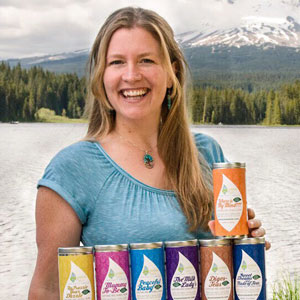
[01:01:54] Ad Read: All right. From cottage cheese to herbal teas, Mountain Mel is a maker of medicinal herbal teas that are formulated for holistic health and well-being. From mental clarity and stress relief to digestion and immunity, each variety of the brand's loose leaf teas are designed for a specific function. In the following edition of Elevator Talk, we're joined by Melissa Mutterspaugh, the founder of Mountain Mel, who spoke about the mission and growth strategy for her budding brand.
[01:02:26] Blue Bottle: It's time for our Elevator Talk, where we put a founder in an elevator with their dream investor. Let's hear what happens. What is your company's mission?
[01:02:35] Good Culture: We are on a mission to inspire people to take better care of the planet through taking better care of themselves, naturally. What is your product and how is it different? So we've got a line of flavorful and functional herbal teas where we make herbal medicine that actually tastes great so you can make it part of your daily life and really enjoy it. We've also got a line of herbal first aid goods that are destined for the backpacks and camping gear of outdoor adventure seeking types.
[01:02:56] Blue Bottle: Who is your target audience and how do you quantify the market opportunity?
[01:03:00] Good Culture: Yeah, our target market is predominantly females with families, people that care about the planet and care about what they're putting in and on their bodies. So a demographic age of 25 to 55 usually have a bit of extra income as well.
[01:03:14] Blue Bottle: What stage of growth is your company in?
[01:03:16] Good Culture: We are just about ready to take that next level of growth and get into some larger stores that we're pretty excited about throughout 2018.
[01:03:24] Blue Bottle: What has been the biggest surprise in starting your company?
[01:03:27] Good Culture: The biggest surprise I'd say is all the work that really goes into it and how much that is and then realizing like, oh, there's other people that you can pay to do a lot of this stuff. What a brilliant concept.
[01:03:38] Blue Bottle: What do you need from a partner or an investor to go next level?
[01:03:41] Good Culture: So I'm looking for not only funding, but I'm looking for people that have the knowledge and insight to help us take it to that next level. I've brought this company this far pretty much with my own brain and learning a lot by doing it. And I'm at that point where I can't fake it till I make it anymore. I need people that have industry experience, knowledge, and a thick Rolodex of the people to help us get there. Why should I invest in you? Because we have amazing products that are different from what else you see on the market today. They're actually delicious. They're beautiful. I'm a hustler. I'm a lot of fun to work with and I'm a person that gets it done.
[01:04:18] Ad Read: All right, that brings us to the end of episode 114. Thank you so much for listening, and thanks to our guests, James Freeman, Martín Caballero, Jesse Merrill, Carol Ortenberg, and Melissa Mutterspaugh. Tune in next week for episode 115, when we're joined by the founder of cult coffee brand, Death Wish Coffee. Once again, for questions, comments, ideas for future podcasts, please send us an email to askatasteradio.com. On behalf of John, Mike, and John, I'm Ray, and we'll talk to you next time.