[00:00:00] SPEAKER_??: you you
[00:00:10] Jon Landis: Hey Landis, what is Blue Pacific's Farm to Flavor philosophy all about?
[00:00:15] Jacqui Brugliera: Well, you might recognize Blue Pacific as a longtime member of the BevNET community. But Farm to Flavor is all about their commitment to authenticity in their products. Blue Pacific are pioneers in the natural, non-GMO, and organic flavor categories. And Farm to Flavor is all about following Mother Nature's design in creating naturally sweet fruit flavors, as well as plant-based and clean label ingredients. And as I mentioned, we know them very well as being beverage experts, but I believe they do a lot more than just beverage.
[00:00:46] Jon Landis: Fruit preparations, dairy, plant-based milks, ice cream, frozen desserts, bakery, nutritional foods, and confectionery product development, they do a lot. They're also heavily involved in proprietary formulation development. They offer trial processing and supervision of your finished products and shelf life evaluation. And most importantly, they can rapidly execute your vision, so they can take you from initial design to shelf quickly.
[00:01:08] Jacqui Brugliera: It's all about getting to market. If you want to learn more, go to www.bluepacificflavors.com or stop by their booth at BevNET Live.
[00:01:17] Jon Landis: And now Taste Radio.
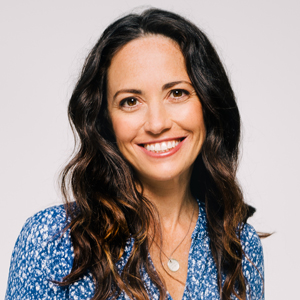
[00:01:32] Ray Latif: Hey everyone, I'm BevNET Managing Editor, Ray Latif, and you're listening to the Top Podcast for the food and beverage industry, Taste Radio. This is episode 141, which features an interview with Nicole Dawes, the founder of pioneering snack brand, Late July. Tune in on Friday, December 14th for episode 12 of Taste Radio Insider, which features interviews with Brad Sharon, the CEO of plant-based protein brand Aloha, and Dean Eberhardt, the co-founder of Hop Tea, which was victorious in BevNET's New Beverage Showdown 16. Just a reminder to our listeners, if you like what you hear on Taste Radio, please share the podcast with friends and colleagues, and of course, we'd love it if you could rate us on iTunes. Organic snacks are commonplace these days, but that wasn't the case just a few years ago. Nicole Dawes is one of a handful of entrepreneurs who helped usher in a new era for organic products, having launched Late July, a brand of organic tortilla chips and crackers, in 2003. Nicole will tell you that the company was born out of necessity. At the time, there was no organic option for one of her favorite foods, crackers, and a heritage of entrepreneurship. Her father was the founder of Cape Cod Potato Chips, while her mother had once owned a natural food store. In the years since, Late July has become a staple in the snack aisles of grocery stores across the U.S. and today pulls in over $100 million in annual revenue. Steady growth over the years attracted the attention of snack giant Snyder's Lance, which had been an early investor in Late July and in 2014 acquired a majority stake in the brand. Snyder's Lance itself is now part of The Campbell's Soup Company, which bought it last year. I sat down with Nicole at Nosh Live Winter 2018 shortly after a presentation that she gave at the conference. Our conversation begins with the origins of her career, from sales trips with her father as a youngster, to her decision to launch Late July. She also discussed her approach to raising money from friends and family, why she believes that staying independent and maintaining voting control of her company saved it from potential downfall, the keys to a good working relationship with your spouse, and the remarkable story of her first sales call. All right, it's Ray and I'm in the Taste Radio studio here at Nosh Live Winter 2018. And I'm joined by Nicole Dawes, the creator, the founder of Late July Snacks. Nicole, thank you so much for being with me.
[00:03:53] Nicole Dawes: Oh, thank you so much for having me. I'm so excited to be here.
[00:03:56] Ray Latif: I'm excited to be here because it's beautiful and sunny outside. And as people from Massachusetts, you and I, we know it's a little chilly right now and back home.
[00:04:04] Nicole Dawes: It is. And it's getting worse.
[00:04:08] Ray Latif: What a way to start the podcast. But that's the thing. I mean, you you mentioned to me before we got on the mics that you're out here a lot as well. And you're in LA half the year?
[00:04:16] Nicole Dawes: In the Bay Area, actually. And, you know, what's what's nice for me is I mean, I love the ocean. So I get to be on both coasts. And I get to have the best of both worlds.
[00:04:26] Ray Latif: It is an amazing feeling when you can say, well, it's pretty cold out here, so I'm going to go to the West Coast where it's not as cold.
[00:04:33] Nicole Dawes: But I mean, I'm a Massachusetts girl. I mean, my heart is always on Cape Cod, even when I'm not there, so.
[00:04:38] Ray Latif: Yeah. You grew up in Massachusetts on Cape Cod?
[00:04:42] Nicole Dawes: I did. I'm from Cape Cod. I was born there. I grew up there.
[00:04:44] Ray Latif: And your family started a brand named after the area, that is Cape Cod Potato Chips. When did that launch and, you know, how involved were you with the company?
[00:04:55] Nicole Dawes: Well, prior to that, my mom actually opened a natural food store on The Campbell and we were actually macrobiotic back then.
[00:05:01] Ray Latif: What does macrobiotic mean for those who don't know what that means?
[00:05:03] Nicole Dawes: It's a pretty strict form of natural eating where, you know, you're balancing your food based on yin and yang and making sure that you're eating a variety of greens and brown rice. And I mean, my diet consisted a lot of aduki beans, brown rice, tempeh, things like that. My dad, on the other hand, was a real foodie. I mean, he loved to cook. I mean, if he had to go to five grocery stores to, you know, make the thing he was trying to make, he would do that. And, you know, he put himself through college actually working on a fishing boat. And one of the jobs he also did was being the cook on the fishing boat. I mean, he just loved cooking. You know, so he wasn't super embracing my mother's macrobiotic diet. And, you know, I think he was, you know, I mean, he was going along with it to some extent. But the best thing that happened to me in my childhood was he basically was reading an article about the old way they used to make Potato Chips. And, you know, he said, I think I'm going to start a Potato Chips company. I was only seven at the time. My parents had nothing. I mean, being a natural food store owner in the 70s on Cape Cod wasn't a get-rich-quick scheme. And, you know, we had very, very little, so he was about to take the very little we had and put it into a Potato Chips company. But it also had the added benefit of broadening my horizons from a food perspective. And once my parents kind of both got into the Potato Chips company, we became busier and it was a little harder to stick to our strict macromatic diet at that point.
[00:06:27] Ray Latif: Yeah, it's interesting you mentioned it's sort of the old way of cooking Potato Chips because kettle chips are so ubiquitous now. But I remember Cape Cod used to be one of the only brands that made them for a long time.
[00:06:38] Nicole Dawes: They were the only one. When they started, no one had done it that way since before World War II, really. I mean, it was like they brought back this old hand cooking, kettle cooking style of Potato Chips. It was really remarkable, I think, the way that he took a risk to do something that crazy back in, you know, it was in 1980 when he did it. And entrepreneurs just didn't exist the way they do today back then.
[00:07:02] Ray Latif: Totally. And, you know, in your childhood, you experienced being part of an entrepreneurial family. You're on stage here at Nosh Live. And it was mentioned that as a child used to go to trade shows like Natural Products Expo West. And that really resonated with me because I come from a family of entrepreneurs. And I used to go to trade shows like the Fancy Food Show in New York as a youngster and my brothers as well. You really get a great sense of, you know, sort of what it takes and what your folks have to go through to put food on the table all the time. And, you know, seeing that every single day and going on those trips was such a meaningful experience for me. And I can tell it was for you. And how much of that really played into your decision to launch Late July?
[00:07:45] Nicole Dawes: I mean, I think that some of my earliest memories are me wanting to start my own food company.
[00:07:52] Ray Latif: You were always interested in entrepreneurship.
[00:07:54] Nicole Dawes: Always. I mean, I actually had a little cookie company when I was 12 where I, I had customers. I had like two delis in my town, sold my cookies.
[00:08:02] Ray Latif: It was a packaged cookie company?
[00:08:04] Nicole Dawes: No, I wrapped it in like cellophane. Like I just put a sticker on it and wrapped it and I had two delis that sold them.
[00:08:11] Ray Latif: What was it called?
[00:08:12] Nicole Dawes: It was I named it after me and my friend. It was Nicole and Sarah's.
[00:08:15] Ray Latif: I mean, that's a cool name.
[00:08:16] Nicole Dawes: I like that, you know, we were 12. So, but the fact that I had customers is the most remarkable part. And the fact that me and my friend both made like $500 that summer doing it is the other crazy thing. But I always knew that's what I wanted to do. I mean, I love food. And I think that making food for other people is just such a cool job. food brings people together, makes people happy. It's just, you know, I mean, to get to do that as, you know, my career is just something I feel very grateful about. You know, so I think I always knew that's what I wanted to do. But one of the things I think watching my parents, I think entrepreneurs sometimes we're, you know, there's like a part of our brain that is like delusionally optimistic. Because as I look back at my childhood, it was like, on the brink of disaster probably at every moment.
[00:09:00] Ray Latif: The business.
[00:09:00] Nicole Dawes: Oh, yeah. I mean, at one point, we almost lost everything because a car drove through our front window. I mean, I was almost killed by it. Oh, my God. But the silver lining was that we got all this insurance money from everything being condemned and then it allowed us to get through to the next year and then, you know, everything kind of took off after that. But it was just, you know, we never had money. Everything was kind of a struggle. But I don't remember any of those parts. You know, I remember all the good parts and, you know, the excitement in making new products and getting it on shelf and going and buying it and taking my friends to see the factory. Those are the parts I remember. And trade shows were definitely cool. But the thing I think that hits, you know, that I think about the most is My dad took me on my first sales call when I was pretty young. I mean, in hindsight, I'm thinking, did he take me? Like, why did he take me? Was it because, like, my mom was away? Or, like, I don't know why I had to go with him. But, and he took me to, like, it was upstate New York. It might have been, like, Price Chopper or some, you know, somewhere. And I remember being so excited because we were going to New York. I didn't realize we were going to upstate New York.
[00:10:08] Ray Latif: You drove the entire way with your dad? Or did you fly?
[00:10:10] Nicole Dawes: We flew because we were going somewhere else first. So we flew to New York City and then we drove, but I don't know why, because that doesn't make a lot of sense. But we should have flown somewhere closer, but I think we had to do another appointment too. He probably had two or three appointments, but I didn't go to that one. So we drive up there and my dad didn't make hotel reservations. Oh no. He doesn't do that. So we stayed at this, what looked like a Bates motel. We go into the supermarket meeting, which is not glamorous at all, but I still look back as one of my favorite trips of my entire childhood because it was just cool to see how it all works. It isn't glamorous all the time, but it is fun. But the fact that that trip and the horrible hotel we stayed at, maybe one of the worst in the whole country.
[00:10:55] Ray Latif: Well, that's a ringing endorsement for that hotel. I'm glad you don't know the name of it.
[00:11:01] Nicole Dawes: Actually, I think it might have been the Friendship Motel.
[00:11:04] Ray Latif: Oh, man. Well, I think maybe if you have an opportunity to write a Yelp review, now's your chance.
[00:11:09] Nicole Dawes: I should look up and see if it still exists. Maybe they've improved.
[00:11:13] Ray Latif: Yeah. Well, I hope so. For their sake, it sounds like they're a pretty terrible hotel.
[00:11:17] Nicole Dawes: Well, there was a gymnastics competition in town, so all the other hotels were booked.
[00:11:20] Ray Latif: I see. I see. Yeah, you know, it's interesting that you mentioned you didn't know any of that. Like at the time, you didn't feel like there were a lot of problems. And oftentimes parents shield those kinds of problems from their kids. And then looking back, it sounds like you learned about all these problems after the fact.
[00:11:36] Nicole Dawes: Well, I don't think they shielded me. I just think that I... chose not to dwell on them. You know, like, I felt like, I mean, I was an only child, so everything kind of happened around me. In fact, at one point, my mom moved her whole office to our house because we ran out of space at the factory. So, I mean, it was definitely happening around me, and I don't think they really shielded me from it. There was another time where there was, like, one of our families at the factory didn't have a place to stay, so, like, them and their entire family moved into our house. I just don't remember seeing them as problems.
[00:12:04] Ray Latif: I mean, that's really interesting. I mean, if you don't see them as problems, like you're always taking an optimistic attitude. And I think you mentioned that earlier, being delusionally optimistic about business and about things working out, no matter how bad the situation is. And there was a happy ending for Cape Cod, which was sold and then sold again.
[00:12:22] Nicole Dawes: Yeah, actually it was sold. It was my dad brought it back and then he sold it again. And now it's actually part of the same company that Late July is part of, which is kind of nice. It's kind of a full circle sort of thing.
[00:12:32] Ray Latif: Let's get into the Late July story. If you can take us through sort of the first steps to getting into the Salty Snacks business on your own, even though I know your dad was a big part of the launch as well.
[00:12:43] Nicole Dawes: Sure. I was pregnant with my son, which I mean, in hindsight, it's probably like the worst time to start a company, but I didn't know any better because I didn't have any previous children. So I was pregnant for the first time with my son. So I said, Hey, I'll start a company. And this was in 2000 and one was when I was pregnant. He was born in 2002, so it was like that whole time. So in 2001 I was pregnant with my son and I was looking for organic saltines. I lived in New York City at the time and we probably had five natural food stores within walking distance of where I lived. And I went to all five. And I realized that while organic had kind of become a presence around the circumference of the store, you know, the produce and the dairy, the center store looked just like my mom's 1970s natural food store. I mean, the products did not look appealing, the packaging was bland, you know, they weren't speaking to me at all. And that's when I realized this is a real opportunity. I mean, I'm the natural consumer and this part of the store isn't even recognizing what I want or what I need. And it had the benefit of also being a $5 billion category. You know, crackers is actually a very big category and nobody cared about it in natural. And I think that's what allowed us to get into it and to be successful right out of the gate.
[00:14:00] Ray Latif: And organic. I mean, the notion of an organic snack was... Strangely, not something that existed back then. I mean, there were a few organic snacks, but not to the level that we're at now in 2018. No?
[00:14:14] Nicole Dawes: No, that's the weirdest part about it. Back in, you know, 2002, 2003, that was before the USDA organic seal. And there really weren't any certified organic snack brands or even organic snack brands. I mean, Newman's Own Organic existed, but that was pretty much it. I mean, the other people that existed weren't organic. You know, you had Barbara's, you had Guard of Eden, you had some of these other ones, but none of them were organic. And I know why. It was really hard and they didn't, the ingredients that you needed to make certified organic products was in its infancy. I mean, there were so few things you could make organic back then. And, you know, the industry really, really didn't exist.
[00:14:57] Ray Latif: Did retailers want organic products and just there wasn't really a supply for them? Or was it that you were really just way ahead of the game?
[00:15:06] Nicole Dawes: I mean, I think that people always want great-tasting products that have transparent messaging behind them. I mean, I don't think that's a new or, you know, ahead-of-its-time phenomenon. I think that what we offered that people wanted most was a great-tasting product that spoke to the consumers that shopped in their store. And the fact that it was organic, I actually think that was a little bit ahead of its time. I don't think people really knew or understood what that meant, and I think that, you know, they still don't, frankly. I think we still have a lot of education to do around why that's important, but that was the only way I could feel good about making the product. Knowing what I know about the industry, having, you know, spent my entire life basically in the natural products industry, the organic certification system is the absolute best system we have out there. It's not perfect, but it's the absolute best system we have out there to ensure that the products that you're eating are, you know, not harmful, that, you know, in terms of environmentally, that they are going to offer you the transparency that you want and with something that stands behind it.
[00:16:05] Ray Latif: So out of the gate, you know, how was the product received? And, you know, once you saw that the crackers could actually make it on shelf, when did you make the decision to really expand the product line?
[00:16:17] Nicole Dawes: Well, the interesting thing that happened to us is we launched at Expo East of 2003. And we basically left that show a national brand because, I mean, there was like a line at our booth and we had a tiny 10 by 10 booth with like almost a card table.
[00:16:32] Ray Latif: And these are just the crackers at this point?
[00:16:34] Nicole Dawes: But I think, you know, the thing that I discovered when I was walking around New York looking for that product, you know, clearly was something that other people wanted, too. I mean, you know, Ritz crackers, saltine, I mean, those are cheez-its. I mean, people love those products. And, you know, people were really loved shopping at Whole Foods and natural food stores, but they didn't have a product they could offer them that tasted anything like maybe what they used to eat as a kid or what the conventional brands had to offer. It just didn't exist.
[00:17:01] Ray Latif: When you launched the company, how much did you lean on your dad and his experience with Cape Cod? And how important was that in the first few years of the business?
[00:17:11] Nicole Dawes: Well, I mean, I'm incredibly grateful for, I mean, everything that my dad taught me. I mean, he was an amazing mentor. And, you know, one of the things I think that made him such an amazing mentor is he, I don't think he helped me in a way that didn't let me learn. So he really set me up to make my own mistakes and try and, you know, have some trial and error. You know, he also did help point me in the right direction and in terms of, you know, what was important and some of the mistakes that he made. I think the thing that was very different about Late July, though, that none of us anticipated was just how different crackers were than chips. You know, his whole experience was based on chip velocities and chip sales. And, you know, we were dealing with something very, very different in crackers. And, you know, some of the customers that he knew really well from Cape Cod Chips were not going to be our first customers at Late July. You know, we were a natural products. I mean, not just, we were organic too. So, you know, it was very important for us to grow this brand in the natural channel, which was something that he previously didn't have experience with at Cape Cod. So, you know, in terms of the real, you know, outside of New England. So that part was, you know, a learning for both of us. I mean, I think the things that, you know, trusting my instincts as an entrepreneur, how to fund the company, some of that stuff was, you know, very, very important. Obviously, he was also an investor. So, you know, most important, you know, getting the right legal guidance, getting the right accountants to help you. That is the type of lessons that, I mean, I think I learned that growing up too, but I also took that with me, you know, into Late July and watching him work.
[00:18:44] Ray Latif: So selling crackers, you mentioned very different from selling chips. Were sales data and consumer analytics as robust as they are today? And if not, how do you learn about your customers? How do you learn about the channels that you are selling the product in?
[00:18:58] Nicole Dawes: Well, I think the data was available, but we didn't buy it because we didn't have any money.
[00:19:04] Ray Latif: That seems to be a common theme for a lot of young entrepreneurs.
[00:19:07] Nicole Dawes: Yeah. I mean, the data is so awesome once you can get it, but I'll tell you, it is so expensive. And you're talking, you know, tens of thousands of dollars for the data. And when you, you know, that's like much too much money for a small brand. So, I mean, we did a lot of surveys of one and just trusting your gut and that kind of stuff. You know, I do think it's incredibly helpful and it became a tool that we really relied on later in Late July just because, you know, understanding your velocity is the entire game, I think. You know, really making sure that you understand how your products are performing and what is working and what isn't working is how you drive your success. So, not having that early on, I think, definitely hurt us. You know, it forced us to take longer to figure things out. And that's what your brokers can help you with and having the right broker network to support you. You know, they can show you some of your data. But I mean, obviously, it would have been great to have data early on, but we didn't. I don't even think we bought data for the first maybe seven years.
[00:20:03] Ray Latif: Where did the money come from when you launched the brand?
[00:20:06] Nicole Dawes: You know, we funded ourselves for the first few years. And then we went to angels, friends and family and angels. I mean, really friends and family, because everyone that we had was somebody that we had a connection to in some way, which I got to be honest was very, very stressful. Because, you know, it's one thing to take money from someone you don't know, but it's a whole nother ballgame when you take it from somebody who you know and love. And that's why I, you know, whenever I counsel people who are looking at doing a friends and family round, you know, you have to be really upfront about how you approach that. And also, you know, understanding the risks associated with that, you know, losing your friends and family's money, number one, or, you know, making sure your valuation is fair so that you don't have a down round with your friends and family. That's something nobody wants to go through. Um, so just, you know, approaching it from that perspective so that you really are both kind of eyes wide open on what it means to take money from people that you care about.
[00:21:02] Ray Latif: That's such a great point. And, you know, when we talk to entrepreneurs and we talk to investors about getting the money to get your brand started, a lot, everyone's always talking about friends and family, friends and family. That's such an easy term to say. It's a completely different thing to do, to actually ask for money. Was there a point that you ever felt like, you know, you didn't feel comfortable doing it, or was it just, hey, this is what we have to do, otherwise we won't be able to fund the future of Late July?
[00:21:29] Nicole Dawes: You know, it's so hard because, I mean, I was so passionate about this idea. I mean, I felt like success was inevitable. I mean, I really did.
[00:21:37] Ray Latif: You were delusionally optimistic.
[00:21:38] Nicole Dawes: I was the entire time from day one. But, you know, I think it was a little bit harder for my dad because this wasn't his company. You know, he felt that way about Cape Cod Chips and another company had started. He had another one as well that he sold. But, you know, this was mine. So I think I had that passion and the belief, but I don't know that he was quite there the whole time with me. So when it came time to friends and family, you know, I, and we were far enough along at that point that, you know, the, the immediate risk was gone. I mean, we would, we would not have failed completely at that juncture. I mean, we had a business that was creating value and, you know, was not, I mean, we would have been able to do something with it to at least get them their money back. So I didn't feel the risk in terms of completely losing my friends and family money. But it's definitely a, it's a burden and it's a heavy burden too in terms of, you know, just who you partner with and also having them understand the risks. And then the other tough part is, you know, some people get upset if you don't take their money. You know, we weren't able to accommodate other people who wanted to invest because, you know, we'd closed our round or whatever. And, you know, they were upset about that because, you know, they're your friends and family too. But, you know, you don't want to take too much money either. That's equally important.
[00:22:53] Ray Latif: So how do you make them feel better? Do you just give them free product for the rest of their lives?
[00:22:58] Nicole Dawes: I don't know. I mean, well, I mean, you start another company.
[00:23:00] Ray Latif: I guess so, right?
[00:23:02] Nicole Dawes: Give them a chance.
[00:23:05] Late July: Natural foods companies. Hire your next great team member by listing your job on the Project Nosh job board. To learn more and list your job, visit Nosh.com slash jobs.
[00:23:19] Ray Latif: On stage, you were really adamant about the dangers of losing control of your company. And one of the ways that entrepreneurs often lose control is by giving up too much equity to other folks. How did you, you know, stay independent for so long?
[00:23:34] Nicole Dawes: Well, I think that the risk with losing your independence is that I am a firm believer that when an entrepreneurial company is like say below 20 million, the entrepreneur is the only person that has the passion to fix the problems.
[00:23:50] Ray Latif: Is under 20 million in terms of annual sales?
[00:23:52] Nicole Dawes: Yeah. Like, you know, when it's like, I think after that, there are other people who could potentially step in and help. But I think when it's still in that stage, you know, where they're figuring it out, you know, the entrepreneur is really the only person that has the passion and the, you know, the real skin in the game and everything they need to fix the problems. So if you lose control, and you put in somebody, you know, you kind of they put in a new CEO, I'm not convinced that person is, you know, I've seen that happen. And I almost never see it work, you know, under a certain revenue. Like I think over a certain revenue, it's fine, because then you've become more of a machine. And you know, you can use some of the tools that work for bigger companies. And I think that's the risk that you're taking when you potentially, you know, get close to, you know, or it's really when you lose control. I mean, as long as you still have majority ownership and your deal is good enough, then you can protect yourself.
[00:24:45] Ray Latif: You did end up doing a deal with a strategic that bought into the company and then later increased its equity in Late July. How did you approach that? I mean, especially as sort of a young entrepreneur, you know, what did you really want out of that deal and how did you get the terms that you wanted?
[00:25:04] Nicole Dawes: Well, I think that's really important, particularly as a lot of people today are, are kind of exploring some of these deals with strategics early on. You know, some of this, the incubators and springboards or other things where they work with young entrepreneurs. I think you have to be very clear about what you need from the strategic. Because if you're looking for advice or help with sales, that's not a good reason to do a deal with strategic. If they have something really tangible to offer you, like in our case, it was distribution.
[00:25:30] Ray Latif: And we're talking about Snyder's Lance.
[00:25:32] Nicole Dawes: Yes. And, you know, that is a real tangible benefit to a company like us. They did offer distribution to brands they didn't invest in, but it gave us that little bit of extra protection that I thought, you know, made sense. And I think also, you know, the founder of, I mean, well, he technically took it over when there were 5 million or 10 million, but Mike Wareheim, you know, I've known him forever. I mean, he was a great guy, a real entrepreneur himself. You know, he's somebody who I really trusted. You know, he believed and understood why it mattered for us to be independent. You know, he didn't just, it wasn't just lip service, he really believed it. And I think that also helped, you know, because we were able to put together a deal that protected us from a standpoint of being independent, but also gave us the support and the things that we did need, like connections to their distribution.
[00:26:23] Ray Latif: So Late July is rolling. You've got that strategic involved. There seems to be a great runway for the brand. And then around 2008, there was a recession. And then the year later, you suffered a pretty serious personal tragedy. Can you talk a little bit about that and how you persevered?
[00:26:39] Nicole Dawes: Sure. So I mean, the recession hit, you know, it was putting strain on everybody, not just us. But part of what made it even more difficult is, as you mentioned, my father passed away very suddenly from late stage pancreatic cancer. And about three weeks after that, our bank who at the time we were paying close to less than a half a percent interest because of where rates were back then. They were looking for any opportunity to get out of their loans and we had a death of a member clause in our agreement and they used that to basically put us in default that we couldn't cure. So, you know, it was the height of the recession and I had to replace, you know, a pretty significant loan. And, I mean, our business was strong, but, you know, we hadn't had that breakout hit yet either. You know, we, I was in a pretty tough spot, a really tough spot. And, you know, I think what got us through that as I look back was, I mean, this is where I think the entrepreneurial independence is important, because the easiest thing to do and the quickest solution would have been just to raise more money. And that's definitely what would have happened if I had not been the CEO at the time and hadn't had the independence to make the decisions. And then I don't think we would have gotten into tortilla chips either. Because everybody really wanted us to expand our crackers and get into more crackers and more cookies and really gluten-free crackers and kind of go down that path. So, you know, I really think things would have been very, very different if we hadn't been able to replace that debt and stay independent and maintain kind of the trajectory that, you know, we saw was right for the company.
[00:28:16] Ray Latif: You really believed in tortilla chips as the future of the company or as being one of the key growth drivers for the company. And it did work out, right?
[00:28:24] Nicole Dawes: Yeah, I mean, and I think what motivated that for me is I'd always wanted to be in the snack business to make it healthier. You know, when I was at Cape Cod Potato Chips, I launched the reduced fat Potato Chips because, you know, that was the way I could make that healthier. My dad had a crouton company also, which not a lot of people know. But while I was there, I launched a fat-free crouton, which is still for sale on the market today.
[00:28:44] Ray Latif: What's the name of the brand?
[00:28:45] Nicole Dawes: Chatham Village Croutons.
[00:28:46] Ray Latif: Okay. Yeah. Sure.
[00:28:47] Nicole Dawes: It's for sale in the produce section. That was always what I wanted to do and that was always the part I wanted to contribute. And I just felt like that, you know, that's where we needed Late July to go. And that's what tortilla chips are. I mean, they're the healthiest part of the snack aisle. And I really felt we could do amazing things with them. And that represented kind of why I started Late July and how I saw the future of the brand unfolding.
[00:29:11] Ray Latif: I read something about your first retail sale of the tortilla chips. You weren't feeling very well when you were making the pitch. Can you talk a little bit about that?
[00:29:21] Nicole Dawes: Sure. So I was, we just launched the chips and I was in a situation where I absolutely had to get this retailer to say yes because otherwise we wouldn't have distribution. So it was, you know, one absolutely wouldn't exist without the other. And I didn't have like a second choice retailer. It had to be this one.
[00:29:42] Ray Latif: Can you say who it was?
[00:29:43] Nicole Dawes: I'm sure it was Stop and Shop. Okay. So I, you know, had the appointment and I had to get up really early because it was, you know, down in Carlisle at the time and, you know, living on Cape Cod, you're not near any airport. Um, I think I left my house like three in the morning or something ridiculous. And it was winter, it was December, it was cold. And, and so I get there and I get to the appointment and You know, I knew walking in that I, you know, and oh, and I also would like to just back up for a second and say, I had never been on a sales call by myself. I mean, I, you know, my dad did sales prior to that. And after he passed away, you know, I took it over, but I, this is my first one. So, you know, I basically went on my first sales call where, you know, it absolutely had to go well. There was no option for failure. So I sat down, I went through my presentation, which anybody who's ever been in a presentation with me since will know I never do that. But I was so nervous that I went like page by page. And I went through it all. And in the end, the buyer was like, OK, thank you very much. Is there any other questions that you have for me? And I was like, well, there's one question I have. And he was like, OK, well, what is it? And I said, well, it'd be great if you could tell me if you're going to say yes.
[00:30:56] Ray Latif: You wanted an answer right on the spot.
[00:30:57] Nicole Dawes: Yes, right on the spot. I mean, and I knew that you're not supposed to do that, but I was also like kind of desperate and I really wanted to know. It was, you know, we're down to the wire on this thing. And he like paused for a second. And it was the end of the reset too. So it was like, you know, we were one of the last appointments, but the decisions weren't officially coming out for like another month. And he paused for a second and then he looked right at me and he said, I'm going to say yes. And I was like, I thought to myself, I got to get out of here before I mess this up in any way. So I just like thanked him. I shook his hand and I like packed up all my stuff and got out of there as quickly as I could. And it was definitely like one of the most exciting things that's ever happened to me probably. But I was able to call the distributor and say, you're not going to believe this, but You have a customer.
[00:31:42] Ray Latif: It's amazing. Yeah, that I, I've never experienced that first sale because I'm not an entrepreneur, but to a person when they talk about, and in your case, it wasn't your first sale, but it was your first sale alone has got to feel so exhilarating.
[00:31:54] Nicole Dawes: Well, it was my first sale for Late July because I, you know, I hadn't done it. And, and I also have to say prior to that, I did sales for my father for the crouton company when I was in college. I was very bad at it. I had really low expectations for my performance on this.
[00:32:10] Ray Latif: It's probably not very easy to sell croutons because like how do you differentiate between one crouton and another I guess?
[00:32:16] Nicole Dawes: Well actually ours were fresh baked so they really tasted like homemade. The problem was I was just nervous honestly I just wasn't I don't know I just I'd never done it before and you have to like walk in and it was more like cold call sale like I because we had a major customer I had to go into these little stores. And I just, you know, I don't know. It was just something I never really thought I was good at. But then I realized that when it's your own company, you know, you don't have to be good at it. You just have to care and you just have to be honest and, you know, tell your story. And, you know, if it resonates with the person, it resonates with them. And if it doesn't, then, you know, it doesn't. You can't do anything more than that.
[00:32:50] Ray Latif: At the end of the sales call, I read that you went home and you had 104 fever.
[00:32:54] Nicole Dawes: Yeah. I actually, by the time I got home, I mean, I was like, on the car ride back from the airport, I knew that I was pretty sick. I thought this is, this feels like the flu. And I took my temperature and it was like, it was like 103 or four. It was so high. And, um, my husband was just like, okay, you know, we're gonna, you need to stay right there, stay in bed.
[00:33:16] Ray Latif: Let's talk about your husband for a second because he plays a key role or he played a key role in Late July as well. What were his responsibilities with the company?
[00:33:25] Nicole Dawes: Well, my husband and I really run it together. I mean, you know, he was in the film business and then I was able to lure him into the far more interesting world of organic snacks. Honestly, he was writing a screenplay and we had our first bad month and my dad called him up and he's like, what are you doing? And he goes, I'm writing a screenplay. And he said, well, when are you going to be done with that? And he's like, it doesn't really work like that. It's like a career. You kind of just do it. And he goes, well, can't you just come in and help us for a little while? And so he did. And then, I mean, that was 15 years ago. And, you know, we've worked together ever since. And I think I look at it a lot like, you know, we just complement each other so well. You know, he is like the reality check a lot of times on, you know, the things that I'm thinking and saying. And in some ways it's like we job share because, you know, we raise our two kids together, we work together, we run the company together, and I feel like, It's the best possible situation that I ever could have asked for. I mean, he gave up his career for our company. And that is just an enormous sacrifice. And I'm obviously incredibly grateful that he did it. But I also think because of that, we've been able to raise our family together, too. We don't travel at the same time. You know, we control our schedule so that, I mean, it's almost never will you see both of us at a meeting or both of us go somewhere. And he, we also divide the functions. So I do finance and sales and he does marketing and operations.
[00:34:48] Ray Latif: Did all that happen sort of organically or was it more, here's how we'll define our roles within the company and within the family?
[00:34:56] Nicole Dawes: I think it was a little bit of both. I mean, we both know what we're good at and what we're not. And I think that it just, and then the rest of it just sort of evolved organically. But I do think that for people that work with their spouse, I mean, it is important to have some division of labor and, you know, to kind of know, or at least be honest with yourself of what your strengths and weaknesses are. Because I think that that's been pretty essential to like our success and why we've worked so well together for so many years.
[00:35:21] Ray Latif: There must have been a fight or two though.
[00:35:23] Nicole Dawes: I mean, sure, we fight and we don't always agree either. You know, I think that that is, you know, I mean, we definitely disagree on a lot of things and, you know, we work it out. But I also think that it's interesting, like we don't fight as much as you'd think for people who have worked together for so long and through extraordinarily stressful times too. You know, it hasn't been easy all the time. And we've raised two kids. I mean, now we have a 16, the child I was pregnant with when I started the company is 16 now and our other son's 12. We have a lot of fun together, which I think is probably, and he's incredibly funny. I think that might be actually the most important thing. You know, it's, you know, taking time to laugh and not take everything so seriously at every juncture.
[00:36:03] Ray Latif: Yeah. I mean, that's such a great point. I, I often find myself going through a day and wondering if I've actually smiled. I know it sounds so weird, but like, if you forget to laugh, you get to smile, you can get down pretty, pretty quickly.
[00:36:16] Nicole Dawes: No, it's so true. And I think that one of the first things people will tell you if they are friends with him is just how funny he is. And I think that the humor that he's brought to this experience has probably been one of the most important factors in keeping us all sane. But I do think the fact that we also compliment each other is very, very important. I'll think of things that, you know, like budgeting is one thing that we do really well together. You know, I'll come up with someone's, you know, crazy high number and he'll be like, maybe we should, you know, dial that back just a little bit. And, you know, we, we kind of go back and forth like that. And I know, but I do, I mean, we like working together too. I mean, it's not always easy. I don't want to make it sound like it's, you know, um, and we definitely disagree on, you know, ideas and ways to move forward.
[00:36:59] Ray Latif: But humor is a key part of making it all happen.
[00:37:01] Nicole Dawes: And also communication, like, you know, making sure that if you are upset about something, you're not like, I mean, I've never been good at hiding my feelings. I'm a pretty open person. I tell everyone exactly what I'm thinking all the time. So I don't even know if I could do that. But I mean, communicating is very important.
[00:37:16] Ray Latif: So that's one type of relationship. It's a very important part of your life, your personal relationship with your husband. I want to go back to your relationship with that retail buyer at Stop and Shop. Do you still have that relationship? Is he still there?
[00:37:29] Nicole Dawes: No. Unfortunately, he left the role like the next year.
[00:37:32] Ray Latif: Okay.
[00:37:32] Nicole Dawes: So I mean, I've lost touch. I'm not even sure where he is anymore. I kept up for a little while because I always kept him in a special place in my heart. But now I don't know anymore.
[00:37:44] Ray Latif: Well, what's the best way to maintain industry relationships, those business relationships that have been so important to the development of Late July?
[00:37:52] Nicole Dawes: Well, one of my favorite relationships that I've developed over the years are just with other entrepreneurs. And it's probably the hardest to maintain because, you know, we have essentially no free time. Especially, I mean, I'm a mom, I have two kids, running a company. I try to do as much as possible, but you actually can't do it all. And the thing that I sacrifice the most is friendships and, you know, other things that aren't my family or the business. And so it's very, very difficult for me to maintain some of those. But they've definitely been some of my more meaningful connections over the years. And, you know, just finding little bit of time at trade shows or events to just connect and, you know, because they really understand the struggle that you're going through. There's very few people who can connect as closely with what you're going through than other entrepreneurs and similar businesses. And that applies to retailers, too. I mean, there's some retailers that I've just dealt with for so many years, and they've been such a big part of who we are. And, you know, they have really kind of turned into friendships. You know them as people, and they're important to you.
[00:38:52] Ray Latif: Yeah, totally. Nicole, this has been so great. I just want to wrap this up talking about your decision to get back into the game, so to speak. You sold Late July, and now you're going into the business as sparkling water. Are you excited? Nervous?
[00:39:07] Nicole Dawes: Well, I'm obviously very excited. One of the things I was joking about during my talk earlier is that because my diet consists almost exclusively of tortilla chips, salsa and sparkling water and I've already made tortilla chips and salsa, I really only had one thing left I could possibly do with sparkling water. But the reality is, the reason why I'm so excited is that I drink a ton of sparkling water and I have yet to find the product that I'm looking for. And I think the reason that I haven't found that product is because very similar to how I felt about tortilla chips when we got into it. I mean, there was lots of brands out there. There was big brands, small brands, everyone doing something different. But I didn't find that anyone was able to put all of the components I was looking for together. And what I want in a brand is someone I can trust with delicious taste, is fun, and at a good price. I mean, you can't lose sight of how important that is to be successful. And I think that we were able to combine all four of those things in Late July. And that's what we're doing with our new company, Nixie Sparkling Water. We're going to combine all of those components that made Late July special into our new brand.
[00:40:16] Ray Latif: Well, I'm excited to see how it launches, when it launches and maybe to buy it on shelf back home in Massachusetts.
[00:40:23] Nicole Dawes: I'll be excited to see that too.
[00:40:26] Ray Latif: Nicole, this has been so fantastic. Thank you so much for taking the time to be with me. Good luck with everything going forward and hope to talk to you again really soon.
[00:40:33] Nicole Dawes: Oh, thank you. This was so fun. Thank you so much for having me.
[00:40:35] Ray Latif: All right. That brings us to the end of episode 141. Thank you so much for listening and thanks for our guest, Nicole Dawes. You can catch both Taste Radio and Taste Radio Insider on Taste Radio, iTunes, Stitcher, Google Play, SoundCloud, and Spotify. As always, for questions, comments, ideas for future podcasts, please send us an email to ask at Taste Radio. On behalf of the entire Taste Radio team, thank you for listening and we'll talk to you next time.