[00:00:02] Carol Ortenberg: ATT&CK Marketing is a leading provider of field marketing solutions for the beverage and natural foods industry.
[00:00:08] Ray Latif: ATT&CK specializes in national and regional product sampling programs, mobile tours, and in-store demo services. Utilizing technology and metrics-driven solutions, ATT&CK helps clients get more of their products in the hands of their target consumers in ways that drive loyalty, lift, and social sharing. To find out how ATT&CK can assist you and your brand, reach more of your target consumers, visit attackmarketing.com slash Taste Radio.
[00:00:30] Carol Ortenberg: Where you can download an industry trends white paper, win a free snack ATT&CK, or schedule time to meet with a member of the ATT&CK team at Expo West. And now, Taste Radio.
[00:00:47] Ray Latif: Hey, everyone. Thanks for listening to BevNET's Taste Radio. I'm Ray Latif, and with me are Mike Schneider, Jon Landis, and Carol Ortenberg. We're recording from the Taste Radio studio in Watertown, Mass. In this week's episode, we speak with Wayne Wu, a Managing Director with VMG, about the private equity firm's approach to investment amid a rapidly evolving landscape of food and beverage. We also chat about the market for Moringa with Lisa Curtis, the founder of Kuli Kuli, a pioneering brand in the emerging space, and hear from Healthy Brand Builders founder Jim Tonkin about how early-stage brands can align with the right investment partners. In the latest edition of Elevator Talk, we hear from Michael Pan, who is the founder of Pan's Mushroom Jerky. Just a reminder to our listeners, for questions, comments, ideas for future podcasts, please send an email to ask at Taste Radio.
[00:01:33] Carol Ortenberg: Ray, I want to jump in real quick because, you know, we've been talking about Expo West coming up a lot around here and, you know, we have a lot of cool pointers to share on how to make the most out of your Expo experience, whether it's Expo or Fancy Foods or NACS or any of these shows that you go to.
[00:01:47] Ray Latif: We want to share all that stuff with you, but we don't want to rehash things that we've done a million times.
[00:01:52] Carol Ortenberg: Seriously, if you guys are listening to Taste Radio, chances are you're going to be at Expo or exhibiting. So we have an episode 24. Episode 24 was... BevNET Podcast. Back when it was BevNET Podcast, not Taste Radio. It's called Hacking Expo West, and we talked a ton about the different ways to get the most out of your experience at these trade shows.
[00:02:11] Ray Latif: So please go back and check it out and listen and let us know what you think. Yeah, we'd love to meet you at the shows as well. The best way to hit me up is through my BevNET email or Instagram at BevNetMike. Check me out there and send me a message. I'd love to meet you at Expo.
[00:02:26] Lisa Curtis: And if you want to reach the editorial team and tell them what's going on with your company, what you got new, whether it's a new product, new distribution, why we should stop by your booth, shoot us an email at newsatprojectnosh.com or newsatbevnet.com. We are looking for stories to cover before, at, and after the show.
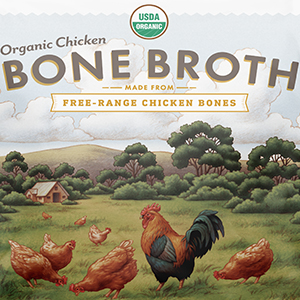
[00:02:47] Ray Latif: Indeed, and plenty of coverage this week and the past few weeks actually related to packaging revamps and rebrands that are pretty notable. Some big brands, including Diet Coke, we saw a really interesting package revamp over there, as well as Pop Corners and Bonafide Provisions, which was covered a couple of weeks ago on Project Nosh. So let's start with Diet Coke. I mean, Mike, an iconic brand like Diet Coke, kind of switching to that slim can, introducing new flavors. What do you think? I mean, the ad that they did at the super bowl was obviously a polarizing ad. They got people talking. I don't know if everybody liked it. The, The San. I like The San. I like the look. I don't know if they needed to do that, but I do like that. They introduced a new can type, the slim can.
[00:03:30] Carol Ortenberg: I love the ads that they're doing, you know, because I can, why not just be you, that type of thing. Like that's what most beverage entrepreneurs I think need to be going for, but everyone's so tied up on, you know, their ingredients and the functionality. And, you know, people just want something that they enjoy drinking with their lunch, like throughout the day.
[00:03:49] Ray Latif: True, but also there's this thing about how many messages can you get out there. Coca-Cola has more bologna sandwiches in the refrigerator than all of us. So they have this ability to put out this lifestyle message because people know about the product. The thing is that you go into a party, you scream into the party, you're like, hey, I sell... Sparkling water. Someone's going to be like, oh, I want sparkling water. Why are you doing that? And that's what a lot Social Entrepreneurs are doing initially instead of going in, building up the trust, trying to establish a lifestyle. It's tough. It's a tough call what to do when you've got this new product and you just want people to know what it is and when they should use it. Yeah, I mean, they're definitely positioning Diet Coke as sort of a sparkling water type product, or at least the image is that of a more light sparkling water type product. And I don't know if that's necessarily going to sell more cans of Diet Coke, but it definitely has that appeal of a less than a soda, I guess. They're definitely trying to take a chunk out of that market with the packaging.
[00:04:49] Carol Ortenberg: And they're also kind of using some of the negatives that were used against them to go for them. And they're saying, like, listen, don't listen to other people telling you what you should or shouldn't drink. Drink what you want to drink. And if that happens to be Diet Coke, then you're a Diet Coke drinker. Who cares? Like, don't let anybody tell you otherwise. And I think that's really smart.
[00:05:06] Lisa Curtis: No shame drinking, like, in a corner at your desk.
[00:05:08] Ray Latif: Exactly. So Popcorners had a pretty interesting revamp. It seemed like they went from old to new and back to old again.
[00:05:18] Lisa Curtis: Well, I don't know if I'd say back to old. Certainly in terms of the name and the hierarchy on the packaging, the focus is squarely back on Popcorners. Our little rebellion is no longer on the packaging. That said, It's a very different visual look than their old packaging. It's fun. It has a bit of a personality. It has a brand voice. And I just give them credit because it's hard to launch new packaging and The San, you know what? This isn't working for us. We're going to try something else and not double down and try to really commit to something that you did, just recognizing what you can do better.
[00:05:59] Ray Latif: I think they went back to pop as well, and it's Pop Corners, so it needs to pop. And like you said, Carol, our little Rebellion was definitely what was popping, and it was kind of confusing to have the two together. And the product was originally introduced as Pop Corners, and then our little Rebellion comes in, and you're like, what's going on here? And what they've done is they've simplified the packaging. Like you said, they improved the hierarchy. I really like the fact that they've gone simple on differentiation with one color in each of the flavor profiles.
[00:06:27] Carol Ortenberg: I guess it's okay for me to say that I wasn't personally really a fan of changing the name, like from Popcorners. I really think that name is great and it had brand recognition. You know, they got on like the JetBlue flights and things like that. So people were, you know, people knew. popcorners and it was fun and whimsical and short and sweet and to the point and descriptive and really kind of told you what to expect about the product and our little rebellion to me it didn't resonate with me but you know to your point Carol it takes a lot of guts to completely redesign and rename basically what you're doing and The San okay well
[00:07:03] Ray Latif: That was a good experiment but now we're going to go back to what we knew was working. Think of it this way though. Think of it this way. You're Popcorners and you have a successful product and you diversify it with additional flavors and then you're saying, okay, well, now I want to release something else that's not a Popcorner and you're calling it Popcorners and so what they try to do is put this umbrella over it so that you would know our little rebellion means Popcorners and, and, and, and, right? And that's a tough call. How do you do that? And we've seen it with other umbrella brands before.
[00:07:31] Carol Ortenberg: And, and I totally understand the impetus behind adding that umbrella and, you know, not wanting to be pigeonholed into just one kind of product. But I don't know, for me, when they, when they did that, they, they removed a lot of the whole pop corners identity from it. And that, that to me, I don't know, I wasn't the direction I would have gone, but you know, like I said, it's okay, I guess, to talk about all this stuff now, cause they're going back.
[00:07:57] Lisa Curtis: It also, what were consumers walking into a store and asking for? Were they walking in and saying, hey, you know, where's our little rebellion? Or were they walking in and saying, hey, I really want Popcorners, what aisle are Popcorners in? And that's not something I've discussed directly with the brand, but that often is the impetus, you know, when you create an umbrella brand, you then realize, you know, maybe we were overthinking this and consumers really just are calling it what they're calling it.
[00:08:24] Ray Latif: Yeah. So Bonafide Provisions went through a pretty substantial repackaging and rebranding that looks pretty nice. And Mike, you noted some of the things that they did on Instagram, and I think you have some opinions on things that you would do and maybe not do. I like the fact that there's more of the product showing through the bottle. I like that the product is the background for the brand. I like the new logo a lot. I like how it kind of mixes with the product on the drinkable veggies bottle. I think the pictures of the veggies initially were a little too cartoony, a little unnatural looking. They're now looking more natural. I'm not in love with them, but I like them a lot better. And there's a good differentiation between the product types with both the product itself and then also the imagery. And I think that the hierarchy is improved for sure.
[00:09:15] Lisa Curtis: Like we discussed Popcorners trying to build a parent umbrella brand with Our Little Rebellion, part of the impetus for Bonafide to rebrand their line was that now they are a company that produces more than just bone broth. When they were just a bone broth company, the brand worked really well on that packaging. But as they expanded into drinkable veggies and now other line extensions, they really had to think about how do you craft a brand that works in multiple parts of the store, tells the story, has a unified brand voice, and is flexible enough that it can work in frozen, it can work in the drink case, you know, it could work in future areas as well.
[00:09:56] Carol Ortenberg: Quick shout out to Jeremy and Becky. They did a fantastic job, Beck's Brands, on this redesign with Bonafide. And what you're talking about, Carol, is like a really fine distinction. You need a really strong team of designers to be able to confidently take you to where you need to be.
[00:10:11] Ray Latif: The goal is to create an iconic brand, right? Yeah, and the new mark, I think, takes them in that direction. The new mark is really strong, and it's not muddled the way it used to be on the original packaging. I like that a lot too. Indeed. And speaking of iconic brands, VMG has invested in some of the most iconic brands in recent years, some of the hottest brands in recent years as well, including Justin's, Kind, Humkombucha, Vega, Spindrift and Pirate's Booty, just to name a few. A private equity firm isn't done, not by a long shot. VMG, which stands for Velocity Made Good, last year closed its fourth fund with $550 million to spend on promising CPG companies. In a conversation recorded at the firm's headquarters in San Francisco, John Craven and Carol Ortenberg spoke with VMG director Wayne Wu about the firm's investment philosophy and how it works with brands at various stages of development to drive scale and market value.
[00:11:06] Lisa Curtis: Carol here and I'm with John and Wayne Wu, the Managing Director at VMG Partners. We're here in San Francisco right before the Fancy Foods Show. Wayne, thanks so much for being with us today.
[00:11:19] Ray Latif: You're welcome. I'm really excited to be on Taste Radio.
[00:11:22] Lisa Curtis: What is VMG? What do you do here at VMG for our listeners?
[00:11:26] Ray Latif: So there's a couple of things. I mean, I think we... I mean, ultimately we're investors in this space. And so the history of VMG, we started about 10 years ago, 2006, 2007-ish. We raised our first fund at that point as a $325 million fund. At the time, it was the largest first-time consumer fund ever raised. It may still remain that, but I'm not quite sure. So the whole thesis around it was to raise a lower-middle market fund focused solely in the branded consumable space, so branded food and beverage. personal care, beauty, pet food, pet treats, wellness supplements. Most funds of that size and our current size, they're also investing in retail, restaurants, private label manufacturing, fitness club, things of that nature. And we really believe in focus, not only in what we invest in, but we certainly preach it with the companies who we're lucky enough to partner with as well. And how big is the fund that currently exists? We're currently finishing investing out of Fund 3. That's a $500 million fund. We raised Fund 4 this past summer, a $550 million fund. So again, still focused in The San area, branded consumable products. I think one thing to note that's changed over the years since we started was really stretching both ends of The San in terms of size of companies we invest in. Oftentimes I hear, oh, we're too small for VMG. We're not ready for VMG. And that's not the case. I mean, we'll invest in a brand sub 5 million of revenue if it's the right brand in the right situation. And we've invested all the way in the larger end of the spectrum of a 200 million and plus revenue business as well. It's really about is it currently or has the opportunity to become an iconic brand? Do we have an opportunity to partner with a founder run or highly founder involved entrepreneurial business? Is it in a category of, is a size of prize there for the category? And do we think there's good synergies between what we can bring in terms of our toolbox of resources to help accelerate growth for them? I think the other thing that makes it unique is the lens to which how we think about making investments. So, Carol, you and I have talked about this before in terms of the micro dynamics versus macro. So, a lot of times we get asked questions, what trend are you excited about that you guys want to invest in at VMG?
[00:14:04] Lisa Curtis: Oh, God. You just took my question, Wayne. What am I going to ask next now?
[00:14:08] Ray Latif: The rest of that long list that I saw.
[00:14:10] Lisa Curtis: Oh, God. Okay. Scratch that one.
[00:14:13] Ray Latif: You know, for us, we're fundamentally against macro trend investing. For example, we're not thinking about the world of, oh, we need to be in plant-based burgers. Oh my gosh, there's so many. It's amazing what's the growth of that category. We need to be part of, let's just start calling down a list of companies and see which one is looking for an investor. Quite the contrary. So we really start with a couple key pillars in how we think about really the whole ecosystem. community building and driving thought leadership. And maybe that sounds like, well, you're an investor. Well, ultimately, we're part of a community and an ecosystem. We want to help drive that forward. So when we think about all the things we did, the events and our podcast are basically the fundamental of really starting with the ecosystem and entrepreneurship. And how can we further build community and drive thought leadership within the space? And from that, it leads to investments. So how does that happen from a practical dynamic? Well, our goal is to make sure that we have a conversation with hopefully every entrepreneur that's starting a company within the verticals that we invest in that I described earlier, food and beverage, personal care, beauty, pet food, pet treats, wellness supplements. And hopefully we've been able to help them along the way with an introduction or wrestling through a strategic question that they've had along the way, and do that with consistency and frequency and support them. And do that in volume and do that in sincerity. And when we're doing this as a VMG team, we're able to see the proof points along the way of what they think they're going to do and what they're actually doing. And you see pattern recognition along that journey with them where we ultimately make an investment. So I think that's how, you know, a lot of times people have asked us, why did you end up with so many bar brands? Did you have a thesis around the bar space? No, actually, it's really a byproduct of these conversations that I'm describing where We're tracking and having these conversations along the way with a genuine effort with an eye to help. And then along the way, they're looking to bring in a partner and we're like, wow, there's something special brewing here. We think our toolbox of resources can really help accelerate this further. Let's partner together and build something really special.
[00:16:32] Lisa Curtis: Does there hit a point though where your portfolio can be too saturated with a certain type of company? It's like if another bar brand comes up to you tomorrow that you meet and you develop this relationship with, does it matter that you already have a bunch of bar brands?
[00:16:47] Ray Latif: I think the importance of it is around, it's in the nuance of it. It's not in the specific broader dynamic of bar brands. If it's so completely directly competitive with our own investment, that would be a challenge. So, you know, as an example, You have Perfect Bar that's a, it's really a refrigerated snacking brand. And then you have, I don't know, Quest, which is a much larger scale protein bar that's delivering 20 grams of protein and low sugar and has a certain demographic following where different sections of the store, different scale of business, potentially different, the underlying consumer has a different prioritization of attributes they're looking for in their product.
[00:17:37] Lisa Curtis: I won't ask you what categories VMG is excited about, but what are you personally excited about in the market right now? What do you see or see coming down the pike that you're just like, wow, this is so interesting to me?
[00:17:54] Ray Latif: I think it even reflects my own personal Decisions and what I'm eating and drinking is trying to reduce My sugar intake and I think that even starts with the the spindrift that I'm drinking it You know, I it's given me an opportunity to have a flavorful beverage that I drank all day And honestly, this is my fifth one of the day already but in aggregate I may have had maybe five grams of sugar in total and And I guess that's one thing that I've changed about my life that over the last few years, I've been much more conscious about thinking about my own personal sugar intake. And I think it's been, I think a large part of it has been driven by just seeing the innovation that's occurred within brands like Halo Top or Arctic Zero, certainly Quest in our portfolio, Spindrift, the growth of LaCroix and just, I guess, sparkling water as a whole. And seeing the innovation that's occurring within reduced sugar indulgence. And I think that's certainly something that you see reflective across the industry today. So I want to talk about something that's a little different, maybe, you know, also kind of obvious, which is just the like current kind of deal and investment climate that's out there, which, you know, obviously, you guys have had, you know, your own share of exits recently. But it seems like we're just in this run that is certainly unparalleled in terms of just anything I've seen in the past and probably most of our listeners have seen in the past with just, you know, companies raising money and having these amazing exits. What's your sort of viewpoint on that, like where we're at and kind of where this is all going to go? I think it all stems from two directions that are driving it. You have ultimately what's the consumer want, which is most important. And then as a result, you have large strategics that are trying to serve the needs of where consumers are going, trying to address those need states. And as a result, you have consumers that are moving away from conventional brands and moving to more emerging entrepreneurial brands with authenticity that strategics generally haven't been able to successfully create on their own. So, ultimately, it's driven by consumer demand. So, you have these two different forces all working at The San time where with consumers moving towards the emerging brands and the strategic need and the service that they have to continue to acquire them. So you have Social Entrepreneurs that are able to see a unique angle of something that's not being served to date, where there's consumer demand and they're growing it through that. And then you see that that growth trajectory occur for the company and large strategics who don't, who can't create that on their own, who generate lots of cash, but have to deliver growth to Wall Street will continue to acquire. Well, I guess does it continue until all these large strategics have, I don't know, eliminated all of these legacy brands or ticked off all the, I don't know, whatever the hot categories are, or is it more financially driven where right now, you know, the cost of money is also cheaper than it has been in the past, right? you know, like, how much more or how much longer do you think this sort of like current stretch will run? Is it five years, 10 years? It ultimately comes down to the consumer. As long as the consumer is continuing to move away from conventional brands, and what conventional brands represent, ultimately, strategic will and have to continue to buy. And I think you see that even in how they structure themselves from consolidation, you know, with Campbell's buying Snyder's Lance. You see continued consolidation of conventional brands to drive cost savings, to make those more efficient, knowing that it's likely that it'll be a challenge to make them grow, but The San drive synergies and cost savings, while at The San time building emerging brand units within large strategics that can acquire and help drive continued growth of the emerging brands that they acquire.
[00:22:16] Lisa Curtis: What kind of pressure are these strategics putting on VMG in terms of competition for deals, though?
[00:22:23] Ray Latif: Again, I think it all starts with, it's a great thing. I mean, it starts with, again, the consumers. Consumers are moving towards emerging brands, so the pie continues to grow, which is great for all parts of the ecosystem. you have strategics that continue to show a lot of interest in buying emerging brands of all sizes. So ultimately, it's a good thing for VMGs. We look at ourselves as the farm system for the strategic. So as long as both ends of the spectrum, as I've described, are still moving towards emerging brands, I think that's ultimately a good thing for the whole emerging brands ecosystem. At some point, you have so much money invested by big CPG strategics in these brands that, like, can they continue to just keep buying companies? Like, if they're buying companies, don't they have to take those companies and make them into big brands?
[00:23:18] Lisa Curtis: And profitable.
[00:23:18] Ray Latif: Because I guess from what you're saying, it sounds like they buy brands and then they just still, they need more brands. Well, that's the thing. I think there's a couple of factors there. Ultimately, you're right in that valuations from a multiple standpoint have to be within a realm of reason relative to how their own stock is trading so it can only be at some degree of premium to that so I think that's what we're seeing on occasion in the earlier stage or just I guess just an emerging brands the whole where a given company will want to raise capital with some type of I don't know tech multiple kind of methodology it doesn't really there's a correction day for all of that because ultimately a strategic buyer that's in the CPG space can only pay some multiple within the realm of what they're trading on a public markets basis. So there's a cap to what that sales multiple can really be. So there's a correction that's occurred. And I don't want to give any examples, but there's certainly been a few cases of where you're already seeing that happen. So as long as companies are raising capital along the way, where there's still a premium to be had for their investor when a strategic comes in and buys the whole company within some premium to the public company's valuation, the multiple that they're trading at, then the whole kind of waterfall all still works. you're seeing cases today where you're seeing that correction occur. You know, my question though, is as you were seeing, you know, this space kind of evolve, you know, we're constantly talking about companies that are set up, you know, food and beverage companies that are set up like tech companies, you know, take a, I don't know, Soylent is one that we've talked about, you know, these direct to consumer, these companies that are doing, you know, non-traditional retail, you know, what's your take on that from, you know, I guess, just a business model and I suppose, investment perspective? We're very excited about direct-to-consumer. I think we recently invested in, I think, one of the more exciting direct-to-consumer models in Daily Harvest. Right. It goes back to what I said before, I think ultimately we follow where the consumer is going. So if the consumer is moving in a certain direction in what they're putting in their bodies, if the consumer is moving in a certain direction on how they purchase their goods, and it's a branded consumable product, that's an area of interest for VMJ. And I guess, how much do you think the consumer will shift that way for food and beverage purchases? I think it's gonna continue to move in that direction to some extent, just like non-consumable goods did. But I certainly don't think in any way does it ever eliminate the need for a brick and mortar retailer. It's just consumers continue to diversify how they buy their goods. So another sort of thing that we hear a lot is this notion of like tech money that is now shifting to the CPG space. And I think that's, you know, oftentimes what people are talking about are some of these, you know, again, you know, funds or private equity, whatever, that are historically focused on tech that are now looking at CPG. Is that a real thing from your perspective? And how much like impact does that actually have on the space? I think you're seeing it happening. And I think you've seen the convergence of what technology is and what consumers, you're seeing that all kind of come closer together, especially from a perspective of how consumers are buying their products. You're seeing that kind of all converge. Almost like the concept of when Omnichannel became a Ubiquitous word you also saw the investment community Basically come a bit omni-channel because of the convergence of both those concepts together So I think you know ultimately historically tech investors are seeking disruption and change and you're seeing that happen within our space and I think they they want to be a part of that change too. And so I think years from now Potentially, maybe we don't even look at it in the perspective of two different camps, but it's really just the investment community that's supporting, again, what consumers put in and on their bodies and how they buy things. And ultimately, it'd be within that description is one investment community.
[00:27:58] Lisa Curtis: Those are some great points. And I feel like you're speaking from firsthand knowledge, having just recently completed a round of investment in Daily Harvest, which is a frozen plant-based one-step prep food company.
[00:28:11] Ray Latif: That's a great point. I mean, I think this is trailblazing something that I think will become more of a trend within the investment space, is that we've partnered together with Lightspeed Ventures, which is one of the top VC firms in Silicon Valley. And together, we partnered together to invest in Daily Harvest, where Rachel, the founder there, and Carl Stemmark at VMG quarterbacks that investment for us, where he built a great relationship, as well as Lightspeed, where she saw an opportunity to bring in leading firms from both sides of the world, from a Silicon Valley VC perspective, but also from a traditional CPG fund. perspective and, and get both of those lenses and helping support her business. One of the things I always like to talk about with folks like yourself, who are on the investment side of things, is advice that you might have for the early stage folks who, you know, always listen to our podcasts and such. How does someone work with the VMG? Like, what's the right point to, you know, start to get to know you guys? So let me address that first point, which was regarding advice Social Entrepreneurs. I think it's really around ultimately being scrappy. There's really no shortcuts to success. And I think there's too many brands being started today that are purely focused on exit. That generally works against you. I think of like Justin Gold, who he was trying to solve a consumer need, his own personal need of, being an outdoor enthusiast, mountain biking, and wanted an alternative to a highly synthetic energy squeeze pack. And thought, wow, what if I just created a nut butter version of this? And how awesome would that be? And started selling it through the farmer's market because his roommates loved his nut butter so much, like, I should go sell. He didn't start the business with an eye of, hey, maybe I can build a business to exit. He built to serve a consumer need. He sold all the product on his own. So he knew every facet of his business from day one. So he didn't raise a boatload of capital, hire a huge team and build a 10-year plan or a five-year plan on how he was going to exit. He just wanted to build a business that served a consumer need. And ultimately, because he was true to his mission, he built a brand with tremendous authenticity. Well, I mean, being scrappy, I guess, you know, are you suggesting that someone just raise as little as they need or don't raise money at all? Like what?
[00:30:52] Lisa Curtis: Find their way into the VMG office somehow delivering flowers.
[00:30:57] Ray Latif: It's not black and white. It's a state of mind. It's not black and white. It's really thinking about how can I be scrappy? Our Social Entrepreneurs are the ones that start thinking about every penny of their business. If I buy that box of paperclips or not, maybe I can go spend that on some brand activation instead. It's that mentality. And when you're scrappy, your attention to detail along the way is just so much higher. And as a result, founders own more of their businesses along the way. So that when they put their blood, sweat, and tears into their brand, If the goal is to exit at some point, hopefully they still own a sizable chunk of that business. And that's just a downstream effect. But again, I think it makes for a better entrepreneurial journey where they know their business better if they really approach it with a scrappy mentality.
[00:31:55] Lisa Curtis: Once you are that Social Entrepreneurs, how do you get involved with someone like a VMG and what stage should you get involved?
[00:32:05] Ray Latif: Well, like I said earlier, I mean, hopefully between VMG and entrepreneur, they found each other from basically the time they started their business. It's not because they're looking for capital and it's not because we're necessarily seeking to invest in them. Hopefully we've already started engaging. Hopefully the entrepreneur, I think the other is be willing to seek advice. So hopefully this entrepreneur is already seeking to meet people within the industry that might have some introductions that could help them in that journey of trying to change a particular consumer dynamic. So they should engage with VMG and other folks like VMG early. I think it's just like anything in life. You shouldn't seek to get to know potential investment partners when you actually need an investment. Engage in those conversations when you don't need it. Because you just never know. Because part of it is, it's easier to divorce a spouse than it is to divorce your investment partner. So choose wisely. Really get to know the people along the way. Because it's ultimately a people business. That's the spirit of what the word partnership really means. It's a bond between two entities, two people. Rarely do marriages where it starts with an eloping works. Why would you elope with an investment partner? Date them, get to know them, see how The San add value. See if you like them.
[00:33:27] Lisa Curtis: How does the VMG podcast fit into your relationship Social Entrepreneurs and why did you guys start this?
[00:33:34] Ray Latif: So Robin and I co-host, so Robin Tsai, one of my partners here, we co-host our Unfinished Biz podcast. And ultimately why we started it was really upon self-reflection for the both of us of We've been so fortunate to meet so many Social Entrepreneurs over the last 10 years and hear these amazing stories and get to know them along the way through these conversations. And we found that so many podcasts were very retrospective in nature, even in nature of how they named their podcast was looking in the rear view mirror. where revisionist history often made it sound very perfect. And as we all know in this room, entrepreneurship is far from this just pure up into, you know, right sort of situation. There's a lot of challenges along the way that they have to overcome Social Entrepreneurs to get there. What we really want to focus, which is the nature of the name of the show, is Unfinished Biz, where hopefully some of the more interesting stories that we've been so fortunate to get to hear through our time, that we're able to share, and have them share what were the challenges and how they overcame them. Entrepreneurs can relate to something that just because it appears to be this shiny storybook kind of journey, they had challenges too. And this is how they overcame. And hopefully this gives them some inspiration to keep fighting through that. The other thing I wanted to add to that was oftentimes a question that we get is, is the podcast to publicize VMG brands? And it is absolutely not that. We believe that it'll be a very minor percentage of our guests will be VMG founders, CEOs. To date, we've dropped four episodes, coming up five. One out of the five will have been a VMG related company. Again, this goes back to community building and driving thought leadership in this space. This is not designed to be a VMG commercial. One thing that does bother us is we're never looking at it as an opportunity just to push VMG brands like, you know, the things that we did to help support the Kroger event. It's about supporting the whole ecosystem. I think the podcast is just another pillar within what we're trying to do to support the ecosystem as a whole. And where does someone go to listen to the podcast? Yeah, so you can go to unfinishedbiz.com. You can follow us on Twitter at unfin underscore, unfin underscore biz. And then you can search for Unfinished Biz at the podcast app of your choice and iTunes, et cetera. There you go. Well, I had to give that plug in there, but hey, Wayne, this is... It shows I'm a total amateur that I didn't even know how to go make my own plug. I know you forgot to plug. We're teaching you things here. That's right. Thank you. Well, anyway, thanks a lot, Wayne. This has really been great to get to sit down with you here. Really appreciate your time for the interview here. Thanks for having me.
[00:36:36] Lisa Curtis: Thanks so much.
[00:36:39] Ray Latif: Carol, it was great to hear from Wayne about how VMG tries to build a community by working with brands and brands at various stages of development.
[00:36:47] Lisa Curtis: Yeah, that's one of the things that always strikes me the most about VMG is whether or not you're a brand they've invested in, or they're even thinking of investing in, they are so open and welcome to talking with just people in this industry. And it's all about building a better community. And yes, you know, if the natural foods industry flourishes, their investments will flourish, but they also just each personally have a commitment to highlighting people and companies that are part of this world.
[00:37:17] Carol Ortenberg: And there's an actionable takeaway Social Entrepreneurs in that too.
[00:37:20] Ray Latif: I mean, a lot of brand owners listening to this might be thinking, you know, VMG is super prominent. I've seen them all over the place. I've heard of them all the time, but that's to your point, Carol. You know, they're out there talking to brands and communicating with people and creating a community.
[00:37:35] Carol Ortenberg: And brand owners can be doing The San thing. You know, you don't always have to, you know, if you need to raise money, just talk to investors. You can talk to anybody in this industry and get connected to investors. So, you know, it's just about being out there and being present and making a name for yourself. And that's what Wayne has been fantastic at doing and the rest of the team there as well.
[00:37:53] Ray Latif: One of the things that's interesting is Wayne mentions the consumer and the direction of the consumer an awful lot. And, you know, it, I had a question about, does that mean that they are not, they're not striving to invest in the innovators?
[00:38:05] Carol Ortenberg: I don't think that's what Wayne Wu saying. I think it's more about a lot of stuff in this industry is too far ahead for consumers to truly understand. There's a lot of innovation happening that consumers are leading. And that's, from an investor standpoint, probably something that's more exciting because it's more relevant today and it'll be easier to exit upon in the future.
[00:38:29] Ray Latif: Or sooner.
[00:38:30] Carol Ortenberg: Or sooner.
[00:38:31] Ray Latif: And I mean, you know, as Social Entrepreneurs, you want to think about that. Are you too far in front of people? Do you have to do too much explaining? Can you dial it back maybe a little bit to try to make something a little bit more approachable? Speaking of being ahead of the consumer, or maybe confusing the consumer a little bit. Moringa, what is it? And why are people calling it the new kale? Well, Lisa Curtis is here to help. She's the founder of Cooly Cooly, which is a brand of moringa-based snacks and energy shots, and a recent honoree of Forbes' 30 Under 30 Social Entrepreneurs. I spoke with Lisa at the 2018 Winter Fancy Foods Show about the origins of Cooly Cooly, its social mission, how the company is attempting to demystify moringa, and how its partnership with The Kellogg Company has supported its development. We're at the 2018 Winter Fancy Foods Show here in San Francisco, California, and I'm joined by Lisa Curtis, who's the founder and CEO of Kuli Kuli. Lisa, thanks so much for being with me.
[00:39:27] Kellogg Company: Thanks for interviewing me.
[00:39:29] Ray Latif: Kuli Kuli is a maker of Moringa-based products. So for those of our listeners who aren't familiar with Moringa, what is it?
[00:39:37] Kellogg Company: So moringa is an amazing plant. It's actually a tree that grows all across the tropics, and the leaves of this tree are a complete plant protein. They have a lot of calcium, iron, and vitamins. So Good Morning America called it the top wellness trend of 2018. NPR called it the new kale. We've gotten a lot of attention and excitement building around what this plant is and how it could benefit everyday Americans.
[00:40:01] Ray Latif: The new kale is one of those fun terms that's been applied to a lot of different ingredients. But what do you think about the momentum for Moringa right now? I mean, in terms of consumer awareness, where is it at this point, particularly as it relates to a broader audience than mainstream consumer base?
[00:40:15] Kellogg Company: You know, it's grown a lot. So Kuli Kuli launched onto the market in 2014, and every show or demo we did, people would say, what? Moringa? What is that? And now we find that people are actually coming to us saying, oh, I've heard of Moringa. I know it's good for me. Tell me more about it. So I think it's really grown. You can also see this in the Google search trends, just in terms of the number of Americans that are searching for Moringa has really increased over the past few years.
[00:40:41] Ray Latif: So Kuli Kuli, one of the pioneers of Moringa-based CPG products. Tell us about what you sell and how the company got started.
[00:40:51] Kellogg Company: Yeah, so Kuli Kuli currently sells a line of pure moringa powder. We also have this powder available in a smoothie mix, and then we add it to bars and wellness green tea energy shots. I started working with moringa as a Peace Corps volunteer, so I was a volunteer in Niger, West Africa. It's in a really rural village, no electricity, no running water, and not a lot of healthy food. And as a vegetarian, I was mostly eating beans, rice, and millet. So I was starting to feel like I wasn't getting enough nutrients in my diet, feeling really tired all the time. And a couple of the women that I was working with in this health center told me about moringa. And they said, you should eat this. And they pulled some leaves off a tree and mixed it with a snack and said, here, this is kuli-kuli. This is great. It'll make you feel better. And it just gave me a lot more energy. And I started to think about, well, how can I support more people in West Africa to eat this superfood? while also providing them with a source of income by selling it here to the U.S.
[00:41:49] Ray Latif: So Cooly Cooly means eat, eat?
[00:41:51] Kellogg Company: Cooly Cooly, it's the name of the snack that they made with the Moringa. Okay. And so that's actually what inspired our bars and then from there inspired a whole line of products.
[00:42:00] Ray Latif: Okay. Getting off the ground is tough for any food and beverage brand. You've got off the ground, you've been flying since. You've signed on some great partners in Whole Foods. You've got an investment from The Kellogg's Venture Capital Unit. How have you been able to scale so quickly? Or not scale so quickly, but how have you been able to grow so quickly in such a short amount of time?
[00:42:21] Kellogg Company: Yeah, so I think one of the things that we've really focused on is building win-win partnerships. And because we're not just selling food, we're selling a food with a real purpose behind it of how do we use Moringa to improve nutrition and livelihoods in the developing world, while also providing an amazing superfood to Americans. That's something that's really resonated with a lot of different organizations. So, for example, a couple years ago, there was a nonprofit in Haiti that was looking for trees that could help reforest Haiti, which, you know, deforestation is one of the biggest causes of all the mudslides you see after the hurricane. It's the most deforested country in the world. But they found that a lot of trees were taking too long to grow, and that farmers were chopping them down and using them as charcoal. So they wanted a tree that could grow really fast and that the farmers could earn money by selling the leaves. So they approached us. We then brought in Whole Foods Market and the Clinton Foundation and set up this amazing partnership where Whole Foods agreed to launch this new energy shot made with Haitian Moringa. The farmers got a guaranteed source of income and the Clinton Foundation got to support a really amazing aid project that paid for itself.
[00:43:33] Ray Latif: That's incredible. Your background wasn't in the food and beverage business.
[00:43:36] Kellogg Company: No.
[00:43:37] Ray Latif: How did you best prepare for this industry? What kind of steps did you take in terms of business planning and research before you launched the brand?
[00:43:48] Kellogg Company: Yeah, so one of the big things I did was, you know, sounds simple, but put together a business plan, did a bunch of research on what was happening with Moringa, which wasn't much, but looking at what was going on there. Also did a lot of consumer research. So I think there are ways to do consumer research on a real budget. For me that meant recruiting some of my childhood best friends and we made Moringa bars by hand in a kitchen and then spent all weekend testing them in farmers markets. It was a lot of work. We then went back to our day jobs on Monday. So, you know, it wasn't easy, but I think that was a great way for us to really get some momentum, start to understand what worked, what didn't work, tweak it, and then really perfect it before we launched it.
[00:44:36] Ray Latif: What was your day job at the time?
[00:44:38] Kellogg Company: My day job, I was working at another startup doing clean energy.
[00:44:42] Ray Latif: Oh, very cool. What did clean energy teach you about building a business in the food and beverage industry?
[00:44:46] Kellogg Company: You know, it taught me a lot about startups. So the company I was at, Mosaic, started with four people. Four people when I started, and then when I left, there were 40 people. And I went, you know, I worked directly with the CEO through the seed round to the series A and learned a lot about what it takes to build a mission-driven business. So even though it wasn't food and beverage, it still I think gave me a really good taste of what it takes to take a company off the ground. And I hire a lot of people who want to start their own company. I love hiring people who want to start their own company because it's like, yeah, come learn how it's done, like learn on my dime, and then, you know, go launch and fly and get your own company going. So I love hiring other entrepreneurs.
[00:45:29] Ray Latif: That's really interesting. I mean, you often hear about entrepreneurs hiring folks with an entrepreneurial mindset, but not folks that you're saying, hey, go start your own company. Have you seen, I mean, have some of your employees already gone on to do different things?
[00:45:41] Kellogg Company: Yeah. So we had one employee who worked with us for about a year and a half and was really passionate about a Moringa soap business. And that, you know, isn't something that we would ever do ourselves, but we were like, yeah, do it on the side. And then, you know, at one point he decided he wanted to go pursue it full time. So.
[00:45:59] Ray Latif: Very cool. I would have never thought of a Moringa soap. What does it do for you?
[00:46:03] Kellogg Company: Is it The San thing as ingesting it? It's similar. It's got a lot of vitamin E, so it makes your skin very soft. I use Moringa soap, Moringa oil, Moringa lotion. You can find it in the body shop actually. So it's cool. It's from the flower. So we sell the leaves of the Moringa tree. You can also use the flower. You can also use the seeds. It's kind of a shopping cart on a tree.
[00:46:26] Ray Latif: It's like a chia. There's many different things you can do. It's a true superfood that has a lot of different benefits and use occasions.
[00:46:32] Kellogg Company: Right. So many different things.
[00:46:34] Ray Latif: Well done. Communicating the benefits of anything, whether it's a superfood or otherwise, is a challenging process. It costs a lot of money to teach people what makes a product great, what makes an ingredient great. How have you approached teaching people about moringa and its benefits in a way that is succinct but yet really effective?
[00:46:56] Kellogg Company: You know, when we first launched onto the market, like, I'm a bleeding heart Peace Corps volunteer. I thought everyone was going to be interested because of the impact. They wanted to know the whole story of what does this do for the world? How does this plant trees? How does this support women? And what I found was that people want to know, first and foremost, what does it do for them? Which is fair. It's a food product. Why should I eat it? Why is it good for me? What does it taste like? What do I do with it? So we've changed our messaging a lot to really lead with Moringa is an amazing complete protein. It's an anti-inflammatory. You can add it to your smoothie and it provides a full serving of greens in just one tablespoon. And then once people are already hooked on that, then we tell them about what it does for the world.
[00:47:38] Ray Latif: Have you been able to align social mission with formulation in a way that is resonating and appealing to a lot of consumers?
[00:47:46] Kellogg Company: Yeah, I mean, I think first and foremost, the product has to taste good. And that's something we kind of learned over time, that it's not enough to just be really healthy. It's not enough to have an amazing mission, like it has to stand on its own and it has to tell that story, you know, to consumers on its own. So we've invested a fair amount in R&D. We actually just did a really cool project The Kellogg where we went back and reformulated our bars. That was our first product. And we added in really simple things like chia seeds and pumpkin seeds and a little bit of vanilla, a little bit of cinnamon, and they just taste amazing. And it's amazing what you can do when you're working with professional food scientists who can just really balance out the flavors in a way that I never could working in my home kitchen. So I think we're getting better and better over time.
[00:48:37] Ray Latif: We talked briefly about the impact and the role that retailers, chefs have in introducing Moringa into well-known products such as a latte or in cakes and things like that. Are you currently working with chefs, restaurants to help spread the word about Moringa?
[00:48:59] Kellogg Company: Yes, that's really a new initiative for us. We found that just over the past six months or so, a lot of people have started to say, what is Moringa? It's an amazing trend. I want to try it. So we've actually gotten a lot of manufacturers coming to us. And we've also started to work with chefs of how do we get Moringa on the menu? Like, can we, you know, do contests? Like, we did an amazing contest with Chef Jose Andres, where a lot of people made different dishes with Moringa on Instagram, and him and his team judged them, and we flew the winner out to D.C. to eat with him. Chef Tyler Florence, he actually came to my home apartment, and we made a Moringa dish together, which is very intimidating. It turned out pretty well. And you know, we've started to work with more and more chefs because I think more and more chefs are really interested in what is this super green and how can I work with it?
[00:49:47] Ray Latif: As I mentioned, the company has come a long way in just four years. The trade is one way to get the word out. I mean, a lot of folks will come up and talk to us at BevNET or Project Nosh about their brand, and you start there. The consumer audience, the consumer media is a much, much bigger fish to fry. How have you approached consumer media in getting the word out about your brand and the ingredient?
[00:50:13] Kellogg Company: Yeah, I think, you know, we start with explaining what the product is and why it's really picked up and, you know, how we see this playing into the broader trends. If you think of, you know, this shift in Americans' taste palette towards more greens and the shift in our behavior towards wanting to eat more greens. You know, there was a Hartman Group report that said that that was the biggest shift, that behavior change in Americans' diet. We want to eat more greens, we want to eat more vegetables, but we don't always have time to stop and eat a salad. So you see that in the rise of green juices, green smoothies, and I think you also see that in the rise of Moringa. And so for us, we're kind of at this nexus of like a shift towards greens and a shift towards superfoods. And so we find people who are already writing about that type of stuff and tell them our story. And I think similar to consumers, we lead with why Meringue is awesome, why we're driving growth according to spins, how we're in 6,000 retailers. But then we also tell them about our impact and we tell them what we're doing to source from amazing suppliers around the world and working directly and partnering with farmers. We've gotten a lot of press. It's been pretty amazing.
[00:51:22] Ray Latif: You're also learning and it helps when you have a great partner or at least a strategic partner The Kellogg's behind you. What The Kellogg's bring to the table?
[00:51:31] Kellogg Company: Yeah, so Kellogg has been amazing. And one of the things that they said early on was that they weren't going to come in and tell us how to run our business, but that they were going to be there for us to help with whatever we needed. And it's really rang true. Everything from R&D to supply chain support to us getting contacts of different retailers. They've just really been super transparent and super happy to help.
[00:52:00] Ray Latif: What have been some of the challenges and some of the opportunities in navigating the food and beverage industry?
[00:52:05] Kellogg Company: So, you know, I think the opportunities are definitely there. I think there are a lot of people who want to help women entrepreneurs succeed. And I think especially in the food and beverage industry, there are so many people who've just like, taking the time to talk to me, opened up their, you know, sort of Rolodex of contacts to put us in touch with key buyers, key people. It's been incredible. I also think we probably get more press because we're a women-owned business and we're just more unique. You know, I just got Forbes 30 under 30, which was pretty cool. So being young and being a woman kind of makes us unique in a few ways. There definitely are challenges. I think one of the biggest challenges for me early on was being taken seriously. A lot of people looked at a 22-year-old with an ingredient they never heard of coming right out of Peace Corps and said, OK, this is a cool project, kid. So that was tough early on, and I think it's gotten a little bit easier as we've gotten more traction and partnered with lots of big name companies and brands. There's certainly, I think, still a lot of challenges in fundraising. So I was at the Women's March in San Francisco on Saturday, and I just have been very excited to see how much Women's March and the whole Me Too movement has really made it possible for a lot of women to kind of fight back against some of the culture around power dynamics and sexual harassment that have happened in certain places, and I think particularly in Silicon Valley. So I was one of the couple women that went on the record for this New York Times article about sexual harassment in Silicon Valley that went viral. And it was unbelievable how many women reached out to me and said, thank you so much for sharing your story. I've been wanting to share mine. And it gave me the courage to talk about it. At The San time, I think it's really important to make sure that we don't alienate men who are mentors, friends. And the only way that women will succeed is by having amazing feminist men beside The San really supporting them. helped me so much to have men who, you know, will grab a drink and talk to me about my business and, you know, let's, like, go through it. And I want to make sure that we don't have this Mike Pence effect where men no longer feel like The San interact with women, otherwise they might cross some boundaries. So, you know, I think it's a blessing in a lot of ways to be a Social Entrepreneurs, but there are definitely some challenges.
[00:54:45] Ray Latif: Lisa, this has been great. I really appreciate you taking the time to speak with me and join us on Taste Radio. Good luck with everything you're doing with Kuli Kuli. Hope to talk to you again really soon.
[00:54:53] Kellogg Company: Thanks so much for having me on the show.
[00:54:54] Ray Latif: Appreciate it. So Lisa took a pretty interesting approach, or she has taken a pretty interesting approach to working with influencers. Moringa is an ingredient that not only appears in some snacks and bars and drinks, it's an ingredient that we've seen in cakes and smoothies and so on. And I thought it was pretty amazing when she was talking about working with restaurateurs, they would come to her house and bake something. And that's a really innovative way of sort of marketing a new, interesting ingredient. This kind of education is tough because they don't have The San budget as Coca-Cola. They don't have the ability to educate everybody in one campaign that the entire universe is going to see. You know, you need to be scrappy and you need to get your word out there.
[00:55:38] Carol Ortenberg: The bleeding edge people tend to be these influencers on social media. So in 2018, that's the way to go, it seems.
[00:55:45] Lisa Curtis: Speaking of educating consumers, one thing I will give them also a lot of credit for is the way they convey information. If you've never heard of Moringa, how they talk about it in comparison to other foods that you are familiar with and you do know, it's a great way to introduce consumers to this innovative product. They've done some stuff with infographics or visuals. And yes, it is hard to get people to share that and to pass it along. But if you have that engaged consumer that comes to your website and is like, what's this Moringa thing? they do a great job of explaining it to them.
[00:56:18] Carol Ortenberg: And it shows the power of, you know, good design and good messaging is not just enough in 2018. You need to be able to design it in a variety of different formats so that it's easily understood and it's sharp and it's pleasant to look at.
[00:56:32] Ray Latif: You actually have to be enamored of your own content and you have to find places for it beyond, you know, one spot. One spot isn't enough and you've got to find, you know, pick all your spots and get it out there. One thing that we see from a lot of people who are trying thought leadership is that they will go in and make an attempt to impress themselves each time they go out and talk. And you really have to get your message saturated. You've got to use The San message again and again and again. And especially if it's well designed, be enamored of it and try it across different channels.
[00:57:03] Lisa Curtis: they have a message that's really interesting. Their story about the Peace Corps and the people who are growing this moringa really resonates with this millennial cause driven consumer. So it might be a little easier to catch that attention and get that story out there.
[00:57:20] Ray Latif: Lisa is also very open to speaking about social issues, as she mentioned in the interview, and I think it was really brave and powerful to hear her speak about standing up to wrongs in this industry and beyond.
[00:57:34] Lisa Curtis: I think that that again ties back to the fact that this is a company with a social justice mission. And if that is what your company stands for, and that's the message you're trying to spread, then it's really authentic, her personality and her message and the things she's talked about.
[00:57:51] Ray Latif: So Jon Landis, you mentioned. Raising money and finding investors. Well, Jim Tonkin, he's helped a lot of brands find investment. He's a true industry insider. Is that pretty accurate? I would say so. Yeah. Yeah. He's also worked in the food and beverage industry for over 30 years and has been a regular contributor to BevNET for over a decade. And he's helped brands with fundraising, branding, marketing, formulation, and design efforts. He does it all. He does. I sat down with Jim at the 2018 Winter Fancy Foods Show and spoke about Social Entrepreneurs can best prepare pre-launch and effective ways to use capital. All right, we're here in San Francisco at the Winter Fancy Foods Show 2018. I'm joined by Jim Tonkin, the one and only Jim Tonkin. Jim, how are you? I'm doing great. How are you, Ray? Great, great. Jim's the founder of Healthy Brand Builders, which is a consulting firm that works with early and mid-stage brands on business and strategic planning. And you've been doing this for some time.
[00:58:49] Carol Ortenberg: How long have you been doing this? I've been in consulting 32 years and my career has been 45 in total length.
[00:58:57] Ray Latif: And you've been a regular contributor to BevNET for about a decade or so.
[00:59:00] Carol Ortenberg: I have indeed. It's absolutely been my pleasure to watch BevNET grow and you know from its embryonic stages to where it is now as a well-respected organization not just domestically but internationally.
[00:59:11] Ray Latif: Well, you've been a help in that regard. So thank you so much, Jim. It's been my pleasure. The brands that you've worked with since, many of them have gone on to do some amazing things. Zico, Suja. And, you know, I wanted to talk to you about some of the entrepreneurs behind these brands and specifically, you know, who the most prepared entrepreneurs you worked with were and what steps they took pre-launch to help ensure their success.
[00:59:37] Carol Ortenberg: It's a great question, and I probably failed to say before that we've helped commercialize over 2,000 brands in the 32 years we've been doing this, Ray. That gives us a lot of understanding of entrepreneurial energy and thought process, acumen, capital. And so there have been a couple of people in my career who have been very memorable as people to work with. I was one of the four people that helped create the Arnold Palmer tea beverage for Mr. Palmer, who I'm an avid golfer and was in high school and college player. And when I got to meet Mr. Palmer, it was probably one of the most exciting things in my life. So as any athlete would, if you become a football player, you want to meet your idol, whoever that was. And he was clearly my idol. being around him and listening to him talk and listen to a very successful businessman, incredible golfer, but making peanuts for most of his career. He just did it for the love of the sport and to get better and better. And it wasn't until he became a senior golfer and later in his career where he started making a lot of money, but he parlayed his personality into a mega million dollar empire of endorsements like John Deere and Pennzoil and Administaff and many companies. So when we brought him the idea around Arnold Palmer Tea, it was the first product that was ever going to have his personal name on it. And even the logo on Arnold Palmer Tea has Arnold Palmer's signature. That was a big deal to him. And I remember at a cocktail reception in Orlando at his country club, Bay Hill, We were in his private bar, and I was with my partners and a half a dozen other people there, and he walked in with his wife, and he came up to me, and I had this golf shirt on with a logo, and he came up to me, and he shakes my hand with one hand, and the other one, he drilled his index finger almost through my heart, and he said, Jimmy, don't F up this brand. And that meant an incredible amount to me. I almost fell to the floor. My knees completely gave out. I had to grab ahold of the bar because this was my idol who I was eyeball to eyeball and nose to nose with. So he was somebody that shaped a lot of my thinking about what a good entrepreneur does and how important it is to protect your name. Another person who's, you mentioned their company already, and it's a brand called Suja Juice. It's only a five-year-old brand, but it's over $100 million brand. took the cold press, fresh juice business to a whole nother level. And I credit that happening to not the founders, but to Jeff Church, who's the CEO and the guy driving the ship. We've got over 220 employees in that business now, and it's his hard work and his doggedness and the team building, his understanding of the financial markets, his incredibly deep data diving to understand the market and all of the SKUs and how they're operating and every different channel of his business that makes me stand up and notice as a great entrepreneur.
[01:02:40] Ray Latif: You've worked with very well-funded companies that have done very well, and you've worked with well-funded companies that have crashed and burned. What separated the successful ones from the failures?
[01:02:54] Carol Ortenberg: You know, that's a kind of an age-old question, frankly. I'm not sure there's a right answer to it, but let me give you a couple of examples. Well-funded companies, there are a lot of them. If you look at what John Foraker just got through doing with Annie's, you know, took a company from the weeds, so to speak, inside of a big entity. built it up to a giant, well-respected company, built a wonderful team of people, dragged new money into the business all along the way, and then put his baby inside of General Mills and watched it go. Now he's leaving that company and going to do it in a number of other places. The reason is because John Foraker is a guy that understands both the entrepreneur world as well as the corporate world. And when you have that skill set in your mind based on things you've done in your past, it gives you a better clarity of mind to understand how to apply that capital inside your business. What is the exit partner really looking for in my brand? How big do I have to get before they're going to start to take an interest in me? And then, how do I court them? for a period of time, because God knows you always want more than one suitor coming after you so that you've got a game afoot, right? Otherwise, you're working for The San as an entrepreneurial venture, and most people don't like to do that. Taking capital and growing your company from a large entity, even as a small $5, $10 million firm, does not put you in too big of a beholding position. We did that at Zico as an example. We raised $15 million in 2009. Coke was a part of that investment. But they didn't own us. They were less than 19% owners in our company. So they had no say in terms of what happened in the company. We were still running at 100%. And so as you move forward, the deals you make with the people, your benefactors that come into your company, have all to do with the success potential of the outcome. So making an intelligent decision about how to take money, how much money to take, and from whom are really important decisions. But how to use that money? So using the capital typically comes in two different ways. Today, it's very difficult, in my opinion, to grow companies the old organic way. Now, when we end up at Expo West and Expo West, there's 3,600, 3,700 exhibitors in that show in Anaheim now. The turnover is enormous every year. The San reason is most of those companies don't have any funding. They're shoestringing it. Everything they have in their treasury is at that show. If some company sees it, likes the product, and says, hey, here's a million bucks, here's 500,000, get to your next position, they're lucky. All the big entities are there looking to apply that capital. But for those fortunate ones that end up getting capital to come to the party, The capital and the founders or the C-level execs that are running the company have to figure out what is the best application of those funds. They have to understand the channels that the product or products are going into. Is it a club store play? Are they going to Walmart with the product? Are they going to be mass? Is it going to Target? Are they going to go into grocery? Is this a C-level or convenience and gas play? All of those take different amounts of capital and focus. So as companies want to grow quick because maybe they have a product that they feel there's no IP around and they've got to get big quick because there will be five competitors clipping on their heels who may be better funded, you've got to have a lot of capital. And then you have to apply that capital on a priority basis based on where you think you can make the biggest impact fastest and get the biggest consumer following. Because once that consumer following comes and the product is approved, if you will, you get through that proof of concept. which generally we call somewhere between 3 and 5 million. That's a number that most private equity would say is a proof-of-concept stage. then you can start putting the gas pedal down and bringing in additional capital, and you'll end up going through that diffusion process of dilution as well. But look, I've always told every client I have, you can either have 100% of a company that does zero, or you can have 10% of a company doing 100 million if you're successful. And I don't know too Social Entrepreneurs that'll walk away from the $10 million check at the end of their run.
[01:07:12] Ray Latif: You've talked about some good ways to use capital. What are really bad ways to use capital?
[01:07:15] Carol Ortenberg: Well, I think this goes back to the first question you asked, is understanding your market and knowing the data around your business, what your competition is doing. Because if you go into the market blind with some kind of a gut-level feel that says, my new cheese product is going to come into the market, and it's going to take every specialty store in the country by storm, and I'm going to put all my energy into that, and you find out a year later after pumping, you know, tens of thousands, if not hundreds of thousands of dollars into the market, that the volume per outlet data is garbage, and people are not buying enough of it, and you can't build a business there. So you just wasted that seed or early stage capital. where you could have applied it towards another space, as an example, had you known more about where your consumer is, knowing that concentric circle in the bullseye, which I talk about all the time on the target, you've got to focus on that space. And by the way, you've got to be right.
[01:08:16] Ray Latif: I really appreciate you taking the time to sit down with me. We've wanted to have you on the podcast for some time, so thanks for making the time with us, and hope to see you again really soon.
[01:08:26] Carol Ortenberg: I look forward to it, Ray. I'm at your disposal anytime. It's wonderful. And as I've said, and most of your listeners know, as you've been around for the last five years, I've watched you grow as well, and you've become not only a great interviewer, but somebody to go to in this industry. And I know a lot Social Entrepreneurs really appreciate the energy that you give back, as does the whole team at BevNET.
[01:08:46] Ray Latif: I really appreciate you saying that. Thank you so much. And great cufflinks, by the way. The Breaking Bad cufflinks. Those are fantastic. I'm glad you caught that. I got it from one of the stars. Did you really? I did. Who? Not telling. All right, Jim. Thanks so much again. My pleasure. Take care, Ray. Thank you. You know, I didn't know that Jim worked with Arnold Palmer. I mean, that was pretty interesting to hear him talk about that. I'd be more impressed if he worked with John Daly, but that's just me. Well, I mean, it was a great story talking about how Arnold helped him, you know, shape his thinking about Social Entrepreneurs need to bring to the table and what they do in terms of their own personalities and their own vision and their own drive and passion for their brands.
[01:09:28] Carol Ortenberg: Let's face it, I mean, the hardest thing to do in this industry is raise money if you're not on shelves. Like there's a lot of opportunities for investment in brands that have sales data and have you know, experience being out there. And if you have a great idea and you just don't have the ability to get funding to get it to market, it is really, really difficult to get funded at that period. So, I mean, I would definitely try to contact Jim because he clearly believes that there's a lot of opportunities for these pre-launch brands and is willing to work with you guys.
[01:10:05] Ray Latif: Pre-launch and post-launch. I mean, you know, Teo Gaspaccio is one good example of a, A brand that's on the rise. I mean, it's a brand that we've talked about in the past. I mean, I like it quite a bit. And I like, you know, we all admire the founder, Austin Allen. And, and Jim really helped him with fundraising efforts when they were doing their Series A. And I thought it was great that, you know, Austin's sung his praises. And, you know, again, you know, Jim has worked with some really impressive brands, Zico, Suja. So, yeah.
[01:10:30] Carol Ortenberg: And whether you work with Jim or anybody else like him in this industry that can help you in these capacities, it just shows you the value of having a mentor like that in your corner working for you. They could get you to the place you need to be in a matter of weeks, where without them, you could be spinning your wheels for months trying to just move forward. So Jim's a great guy. There's others out there like him as well. And I highly recommend that any
[01:10:55] Ray Latif: entrepreneur with less than two or three years experience in this industry, get someone like that in their corner. Or at least meet them.
[01:11:02] Lisa Curtis: Yeah.
[01:11:02] Ray Latif: Get to know who they are. And you can evaluate for yourself some of these folks and, you know, what they bring to your brand. Exactly.
[01:11:09] Lisa Curtis: At BevNetLive. There it is. Well done. It wasn't me this time.
[01:11:15] Ray Latif: Will we see Pan's Mushroom Jerky at Nosh Live Summer 2018? If I have anything to do with it, yes.
[01:11:21] Lisa Curtis: You know where you're gonna see it? In my belly.
[01:11:24] Ray Latif: Well, Michael Pan is the founder of Pan's Mushroom Jerky. It's a brand that makes, well, jerky made from mushrooms. We caught up with Michael Pan the 2018 Winter Fancy Foods Show for a conversation about his innovative brand that is included in this edition of Elevator Talk.
[01:11:44] Humm Kombucha: It's time for our Elevator Talk, where we put a founder in an elevator with their dream investor. Let's hear what happens. What is your company's mission?
[01:11:53] The San: There are a lot of great, unique products out in the world. It's how I happen to come across our family products. And I think there are more foods that people need to learn about and know about. And ours happens to be healthy for you and kind of helps, it's more sustainable than other products. And so we plan to find other foods like that, that you may not know about and bring it closer to you.
[01:12:11] Humm Kombucha: What is your product and how is it different?
[01:12:13] The San: Our product is a Mushroom Jerky. It's a bit unique because it's a family product. My family's made it for a number of years. And we don't use any soy or tofu or any meat. We use shiitake mushroom stems to really try to get a nice meaty texture.
[01:12:26] Humm Kombucha: Who is your target audience and how do you quantify the market opportunity?
[01:12:29] The San: Yeah, our target audience is mainly vegans and vegetarians, but we actually, we think we cater to a larger audience who are just looking to reduce meat and looking for a healthier snack Foods Show the vegan market's pretty, I think, well-defined. The numbers are increasing every day. And then we think there are other people who are just looking for healthier on-the-go snacks that we can also cater to as well.
[01:12:49] Humm Kombucha: What stage of growth is your company in?
[01:12:51] The San: We're in about 200 independent retail stores right now, so we're pretty small at the moment. And thanks to the show, we're now starting to talk with larger retailers like Whole Foods, working with Hy-Vee out of the Midwest right now. So we're kind of taking that, we're really early on, but we're now taking that next stage of growth where, you know, we need to be able to support regional chains.
[01:13:10] Humm Kombucha: What has been the biggest surprise since starting your company?
[01:13:13] The San: Honestly, the customer feedback, you know, I wasn't surprised that people would like it, but on the other hand, yeah, no one quite knows what to expect. There's a bit of a hesitancy when people hear Mushroom Jerky, what is that? And I didn't expect such a warm reception to, you know, kind of a unique product. It's been fun, a lot of fun seeing The San reaction that I had when I saw my product for the first time, kind of seeing it on the faces of others.
[01:13:34] Humm Kombucha: What do you need from a partner or an investor to go next level?
[01:13:37] The San: Obviously, partnerships and looking for those connections in the industry that help break through those doors a little easier. We're trying to move as fast as possible, so building that network of either retailers or even people in the food industry is extremely helpful for us. And obviously, funding would also be great as well. We try to move as fast as possible, and money helps with that. Why should I invest in you? I think obviously we have a very unique product, but it's something that's very personal for us. It's a family product, family business, and we want to share this with everyone else. That's why I started it. I think if you believe in the passion of trying to share more sustainable, unique foods, I think you should work with us.
[01:14:23] Ray Latif: Got to meet Michael Pan Winter Fancy Foods. I love the flavor of this thing. Is it a jerky? I found it to have some, you know, like that sort of meaty texture to it. Jerkiness? It's tough to call it a jerky when it's a fungus, right? Fungus among us. I mean, I couldn't get enough of this stuff myself. I liked it a lot, yeah.
[01:14:42] Lisa Curtis: He's a really fun guy to talk to.
[01:14:48] Ray Latif: Michael, send products. Be here all week. Everyone needs it, yes. All right, that brings us to the end of episode 98. Thanks so much to our sponsor, ATT&CK, a leading provider of field marketing solutions for the beverage and natural food industry. Thank you so much to our guests, Wayne Wu, Lisa Curtis, Jim Tonkin, and Michael Pan. If you have any questions, comments, ideas for future podcasts, please send us an email. That address is ask at Taste Radio. On behalf of Mike, John, and Carol, I'm Ray. We'll talk to you next time. Holla!