[00:00:02] Ad Read: This week's episode of Taste Radio is sponsored by The Maple Guild. You might think you've had great maple syrup before, but The Maple Guild is truly disrupting the food and beverage industry. The Maple Guild is the largest single source producer of maple syrup in the world with complete transparency and a proprietary steam crafting system. The Maple Guild operates 16,000 acres of sugarbush in Island Pond, Vermont, which is home to nearly 450,000 taps. that transport the sap directly to their own facilities. Instead of boiling sap at high heat, the unique steam crafting process transforms sap to syrup faster and at a lower temperature for a less processed syrup with a The Maple flavor. The Maple Guild is also making life more maplier with innovative maple-based products, including award-winning maple spreads and maple vinegar, iced teas, and tapped, their enhanced maple waters. Visit The Maple Guild at Expo West in the North Hall, Booth N-2213 and at mapleguild.com. And now, Taste Radio. Thanks for listening to Pepette's Taste Radio. I'm Ray Latif, and with me are John Craven, Mike Schneider, Jon Landis, Carol Ortenburg, and Jeffrey Klineman. We're recording from the Taste Radio studio in Watertown, Mass., and in this week's episode, we feature interviews with Scott Jensen, the co-founder of iconic barbecue sauce brand Stubbs, and CEO of pioneering snack brand Rhythm Superfoods, Jason Burke, who's the founder of fast-growing paleo food brand The New Primal, and Doug Weiss and Peter Grumhaus, who are the co-founders of Hello Delicious. a maker of healthy and indulgent snacks. And in this week's edition of Elevator Talk, we speak with Kerry Song, who's the founder of The Abbot's Butcher, a vegan meat company. Just a reminder to our listeners, for questions, comments, ideas for future podcasts, please send an email to askattasteradio.com. Just before we get started, I want to make a quick shout out to Chris Kirby, who's the founder of Ithaca Cold-Crafted. Yes, Chris recently visited us at the office after hearing our call on the podcast for entrepreneurs to come and visit us. Chill, dude. His company makes some of the freshest hummus you'll ever taste. While we're shouting out, shout out to Better Booch who sent us The New kombucha in cans after they heard the same on Taste Radio. Ah, well done. Yeah, and Troy Dorigo down in Mississippi, I believe, with his fermented beer crackers listening to Taste Radio down there. Thanks, Troy.
[00:02:27] New Primal: Oh my God, cannot stop eating those.
[00:02:29] Ad Read: Yeah, they're great. Thanks, Troy. Keep them coming, folks. We love to see you. We love to taste your products. You guys are vultures.
[00:02:34] Rhythm Superfoods: I know.
[00:02:35] Ad Read: Did you guys hear me? Did you see me in the corner? I don't have any snacks out right now. You guys hoarding all this stuff?
[00:02:39] Scott Jensen: We got Honey Mama in there. I didn't get to try any of this.
[00:02:42] Ad Read: You want some beer crackers?
[00:02:43] New Primal: You were supposed to bring the beer crackers, Landis.
[00:02:45] Ad Read: There's Honey Mama in the fridge too, but everyone's afraid that I'll be like in a corner covered in Honey Mama. Well, plenty of snacks are going to be consumed at Expo West, which Is Upon us, the 2018 edition. It's the biggest annual event for the food and beverage industry, and some might say an exhilarating showcase for emerging trends, ingredients, and formulations. I'm pumped. Jon Landis, how are you feeling? I'm looking forward to getting back after it's all done. Uh, you know, listen, like that's really when the real work starts. So, you know, everyone exhibiting out there, it's really exciting, but, uh, the real work is the weeks of follow with all the follow-up talking earlier in our planning session this week about, you know, you have a lot of the, of the same conversation again and again and again, and you really enjoy that, but you said you were going to look for something else this time. Yeah. I mean, um, it is a very exciting event and there's a lot of excitement happening there.
[00:03:35] Scott Jensen: I tend to be a little bit more jaded only just because I'm talking to these entrepreneurs like on a daily basis here in the office. So I feed off that excitement every single day.
[00:03:44] Ad Read: I'm really going to be trying to push myself at this event and try to have unique conversations with everyone instead of trying to just ask the same question over and over and over. John Craven, you're going to try to ask the same question over and over and over again? I mean, it inevitably happens, right? And people always ask us, you know, what we're seeing and such. And, you know, I think it's the show is just so tremendous and it really is, you know, the kickoff for the year. I mean, this is the point where everyone's got, you know, whatever their shiny new thing is for the year, you know, whatever they're most excited about. And, you know, it's really like the only time where you've got the whole industry in like one place for a couple of days. So, you know, I think it's just such an amazing event. And, you know, I'm certainly excited. Also, maybe a little stressed about getting through it, but no, it's an awesome time. Jeffrey Klineman, a lot of the industry is also going to be at the Hilton bar. I know you're excited for that too, right? I do enjoy the scene at the Hilton bar. I'm also looking forward to taking the no alcohol beyond this point foam course. That's an annual tradition, isn't it now? Yeah, I'm coming for you. Yeah, yeah Well, I'd say put raised photo up there. Well, no one would believe it. They'll be like, oh, that's the guy who's still passed out behind the bar He didn't steal the sign. There's a pile of people passed out in that Hilton lobby. Well, it's funny, the Hilton security actually knows BevNET pretty well, but we won't get into that. I think we're there.
[00:05:27] New Primal: Project Nosh, not known by Hilton security. We're the good kids. And if you want to have a nice chat with Jeff at the Hilton bar or have a stop by the booth maybe, can't say it enough, shoot us a note at news at projectnosh.com or news at BevNET.com. Shout out to Medley Foods, which sent us an email and said they heard on the podcast that they should email us their Expo West news. And now we're going to be stopping by their booth, taking some pictures because of that. So keep on sending those.
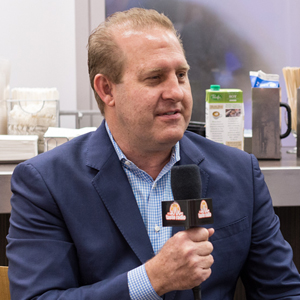
[00:05:59] Ad Read: keep on keeping on for sure. Mike, any advice for attendees at the show? I think the thing to do here is it's such a big show is to go through the list of things you want to do. The booths you want to go to the content that you want to see and make a plan and then break that plan. Whatever you're doing is the thing that you should be doing. I think there's a lot of people that are going to have, you know, that, that get a lot of FOMO at these shows and think about, Hey, I should be doing this. I should be doing that. And the thing that you're doing is the thing you should be doing. Have that conversation that you're having with the person that you're having it with. And that's the most important thing. Definitely. And don't worry about seeing everyone and everything. That's our job. We got you covered. We got you covered. Wall-to-wall coverage during and after the event. So much coverage. And to reiterate what Carol said, if you have news and haven't sent it to us, please do so. Ask at Taste Radio or to news at BevNET.com or news at projectnosh.com. Getting us on the show floor is easy too. There's a bunch of different ways to get to us. I like Instagram at BevNetMike. I've already gotten a bunch of messages from folks say, hey, come by the booth and I'm going to be doing that. Well done. Jeff, you've known Scott Jensen for some time now, right? Yeah, I've known Scott for about five, six years. And what I love is that when I first asked him to start participating in some of our education, our conference events, he was incredibly giving of himself and of his network and really hopped right in and has spoken quite a few times. Yeah, in this interview that you recorded with him is a great one. He talks a lot about his early days with Stubbs and then getting into Rhythm Superfoods as well. I'm really excited for our listeners to hear any takeaways that you can take from the interview that will sort of wet the palette as it were. Well, he's been through a couple of businesses, and Stubbs was something like a 20-year overnight success. And Rhythm, he's eight years in, and I think he shows a lot of the patience that it can take even in the sort of go-go environment that we're in right now. I mean, he's been through a couple rounds of funding. He's kept it tight. He's built alliances. And he's just managed to remain nimble and change with the times. And that's something that entrepreneurs who only know one playbook can sometimes forget, is that you can keep learning. Great stuff. Let's get to the interview. Hi there, I'm Jeffrey Klineman, Editor-in-Chief Jeff BevNET and Project Nosh. I'm here with Specialty Food Association Hall of Famer, Scott Gregory Jensen, the CEO of Rhythm Superfoods and the former Co-Founder Stubb Barbecue Sauce and a delightful fellow in his own right. And we're here to talk a little bit about his career and some of his thoughts on the food industry for Taste Radio.
[00:09:03] Taste Radio: Good to be here, Jeff. Thanks.
[00:09:04] Ad Read: Thanks very much for coming, Scott. So I was reading up on you recently, and one of the most interesting things that I found is that behind that willowy Texas accent, lurks in New England.
[00:09:18] Taste Radio: Yeah, families from New England, Connecticut mostly. I was mostly East Coast until I decided to go down to Dallas to SMU. So spent a lot of time down in Fort Lauderdale growing up, but my family was all from New England. I went to a boarding school in Western Massachusetts, Northfield Mount Hermon, but really didn't like the cold. I mean, there was something about like I wanted to go somewhere warm. So I looked at schools in Texas and schools in Florida and ended up going to SMU in Dallas in the go-go years.
[00:09:45] Ad Read: And they were go-go.
[00:09:46] Taste Radio: Yeah.
[00:09:47] Ad Read: And was there a big barbecue scene at Northfield Mount Hermon? Because that was the first stop you made on the entrepreneurial food world.
[00:09:55] Taste Radio: No, there wasn't. There was a pretty good barbecue sauce or barbecue scene in Dallas at SMU. That's where I really got my first taste of it. But in boarding school, no. But throughout my entire life, I've always, like, looked for opportunity mowing lawns, buying candy in bulk and selling it individually at schools, things like that. So, Guilty is charged as an early entrepreneur. Yeah, any dorm room businesses? Yeah, one that I got, you know, caught for that I probably don't want to talk about. Yeah, yeah.
[00:10:26] Ad Read: That's great. So, you went from slow smoked Rhythm Superfoods, and I want to talk about why these companies are different and why they're the same.
[00:10:42] Taste Radio: Well, I think one of the things that was outstanding about the Stubb's barbecue brand and how my partners and Stubb started the company was, you know, we had a love for the guy, Stubb, C.B. Stubblefield. We all loved him. We all wanted to do something entrepreneurial. And he just had this great mastery of something that he had done his entire life, but needed the help of some folks that wouldn't take no for an answer, and that was my partners John and Eddie and myself. How'd you meet him? So he had a little barbecue joint down in Austin, Texas, really close to where there's a Fiesta supermarket right now. It's close to the university, but Austin was a place if you were going to school anywhere else in Texas, you would end up for several weekends Going down to Austin.
[00:11:30] Ad Read: Going to a 4th of July picnic.
[00:11:31] Taste Radio: Party, whatever. There's lots of fun stuff. So you go to different universities and have fun with friends. So the hangover Sundays were often at Stubb's who would open up at 10 or 11 o'clock or whenever he got there and you'd march in there at noon or 1 and have some barbecue to settle your stomach.
[00:11:49] Ad Read: You were pretty early on in the idea of taking something like a gourmet process, you know, or taking an old process and adding that gourmet tinge to it to upgrade. what had been a really small set of products.
[00:12:08] Taste Radio: Yeah.
[00:12:09] Ad Read: What was the market like at that time for something like Stubbs barbecue sauce and rubs?
[00:12:15] Taste Radio: That's a great question because we, if you're involved in the food industry right now, it's pretty dynamic. There was fancy Food Show. We were, we were at them 20 years ago and they were much smaller and like we showed up with a burlap sack and a couple of stenciled signs, and that was the Stubbs Barbecue booth. So early stages, there wasn't private equity, venture capital, large CPG companies looking for acquisitions. So the thought of what happens with all that money that accelerates the entrepreneurs that come into our industry just didn't exist. You either had the heart for it, and that's what drew you there, or you wouldn't be there.
[00:12:57] Ad Read: And the stamina, right?
[00:12:58] Taste Radio: And the stamina, yeah. I mean, it was, I can assure you the ability to raise a half a million dollars or a couple hundred thousand dollars was pretty light. So I remember John and Eddie and myself spending a lot of time sleeping in cars instead of hotels. We had one cell phone to pass between us, and so whoever was on the road doing the demos, that's who got the cell phone. And hopefully the bill was paid and you could call back to the office and see what was going on. How long did you guys go without backing? The entire time. I mean, it was really family, friends and families, $10,000, $20,000 at a time. I hope I'm accurate. There was probably no more than a million dollars in total investment equity brought in over a five or six year period of time. It was, hey, we need to make payroll tomorrow. Let's call some of our investors and see if they'll if they'll help out. Put a little bit more money in. Yeah, yeah.
[00:13:46] Ad Read: What's the price of oil today?
[00:13:48] Taste Radio: Because maybe we can make the call. Ed, you know, one of our investors was a friend of all of ours, mine. The Browning family put in a substantial amount of that money, and they were oil people. But it was literally $25,000, $10,000 at a time. versus some flashy investor document that you go peddle to the 50 private equity guys that are in the industry. Very nascent, small, the people that were out there, it was really the big, huge companies that had Hunt's Barbecue Sauce, Heinz Barbecue Sauce, Clorox owned KC Masterpiece, Bullseye, Kraft. And there weren't really but a handful, one or two local guys, but local folks in each region. So there was always different regionalities to it. But, you know, we were pretty aggressive and wanted to be everywhere. And no one was used to seeing an entrepreneur come to the buying office of, say, Publix in Florida and say, hey, we've got this sauce and it's going to be on your shelf, but it's going to be on there for $3.99. And they're like, no one will buy it for $3.99. We're selling craft for $1.49. And so I think we broke a mold in elevating quality ingredients. First of all, I'm not saying the others aren't, but we were certainly making things at a much smaller scale than the big companies. And Stubb had a recipe, and his recipe was the recipe. and the ingredients that he chose were expensive. And so even though we were buying them in pallets and truckloads, they were still pricier than, we didn't know how to pull costs out of an ingredient. That was the recipe, it was on a cocktail napkin the first time we made it, and that recipe stayed until now. You still have the napkin? Yeah. That's amazing.
[00:15:25] Ad Read: It's amazing. Now is that on your Hall of Fame plaque?
[00:15:28] Taste Radio: I'm trying to think, I think Eddie has that napkin. We all took photocopies of it though, but it literally was, we were at a bar on 6th Street and we're like, sub, we're going to the plant tomorrow to scale up the production so we're not making it in a 25-gallon kettle. We're going to be doing 250-gallon kettles from now on. here to write it down. That's amazing. Yeah, that was the cocktail napkin we used.
[00:15:54] Ad Read: So at what point at Stubbs, though, did you realize, oh, the industry is changing on us?
[00:16:01] Taste Radio: You know, at Stubbs, we were the leader, first of all. And in our category, we didn't see anyone that was getting funded to come into it. Yeah. First of all, it was not a category that was growing. Yeah. So it had in the marinade side of this segment of the category, there was a four or five year run where it went from nothing to like three or four hundred million dollars in retail sales very quickly. People were wanting to marinate all kinds of things. So the category just didn't exist. People use salad dressings before as a marinade. And so that was this growth. And then you're looking at a category that's growing at 1 to 2 to 3 percent a year. So our growth at double digits is stealing share from other people. So for us, it was the big brands that we were going up against and there never really was anyone coming up that was being financed for the category because that money chases faster growing categories. You're just like a boil growing on their side. Exactly. But there's obvious, I mean, my transition into this category, the national organic category, was purposeful in two ways. One was being a barbecue guy, even though I probably have more pounds on me now than I need to, I had even more then because you're barbecuing a lot. You're entertaining people at barbecue restaurants. We have a barbecue restaurant. So it was my attempt to change my own personal lifestyle. It was like, I'm gonna, for my next act, I'm going to spend more time looking at something that's healthier, see if I can be in something. Not that it's unhealthy, it's just, I love barbecue. If you're around it all the time, you just eat it a lot. So that was purposeful. I think it was also a recognition that I was seeing that here's this thing called Expo West or West, and it's different, and I'd gone to my first one. three or four years before I left Stubbs, and it was a whole separate group of products. Even though Whole Foods was in Austin four years before I left, we weren't even selling Whole Foods because the Lee and Perrins Worcestershire base that we used might have had a sulfite or a sodium benzoate. So we couldn't sell to them unless we found an alternative ingredient for that. So just being perfectly honest with you, it kind of grew up with me having some blinders on until the very end. I was like, what's happening here? Here's this tidal wave. And economically, I wanted to be involved in it.
[00:18:26] Ad Read: The community in Austin is really dense with entrepreneurs. And when I think of You know, some of the leaders, I think of you, I think of Clayton, Christopher, I think of David Smith. Yeah. Was that an early association that you had, or was that after you were further on with Stubbs?
[00:18:51] Taste Radio: I often think about this, how did Austin happen as a real hotbed for the food and beverage community? And I would say that companies like Stubb's and like Sweet Leaf Tea where David and Clayton were, and the exits and success before the exits that both of those had, others as well. The Jardine Salsa Company was a pioneer in that side as well. I saw Dan Jardine last week for the first time in a year. He looked great and was still working in the salsa business. But I put a time at like just after 2007, 2008 zone, the economy's not doing so well. You had this influx of people from other states, really a lot of creative class people from California, a lot of culinary people. And so there was this moment in time there where no one could afford to live in California, so a creative class came in. And that was about the time where I started noticing that there was really some institutional things going on, like the food trucks and people opening small little pop-up things. And it just never stopped. The infrastructure behind it, so if you have a thing like SKU, which came after that, that's an infrastructure. It's a place for people to learn. SKU runs happy hours and learning events. People that don't even know what a barcode is, but they're making a popsicle that they want to sell to a retailer. Simple things like that and much bigger things are being shared in a very overt way. With some of the success of some of the businesses having exits, I don't know of a person that hadn't had that, that hasn't wielded a significant portion of that money back into entrepreneurs and startups.
[00:20:36] Ad Read: And so you have a growing class of real food professionals in the region. And that, along with an incubator and along with professionals who want to invest in companies that seem to make sense, creates an environment in which you have throughput and deal flow. So Rhythm as a startup brought you on as CEO, but sort of as a founder CEO. It was a brand that pivoted very quickly.
[00:21:10] Taste Radio: Yeah, so it was actually Daily Juice, which was a juice and smoothie bar, like restaurant, retail location. The founders of that bar were making The Maple chips in the back of one of their locations and selling them to One Whole Foods and I think one of the Wheatsville co-ops for $10 a bag.
[00:21:29] Ad Read: Eminently scalable.
[00:21:30] Taste Radio: Yes, you'd think. And so I was looking for something in this space. Clayton and I were working on another project with a guy named Rip Besselstein. We were trying to develop a vegan platform for his engine to diet. He had written books. He's in Austin. And John McKenna also loved him and brought him into Whole Foods. But before that happened, we were working with him to try to develop something.
[00:21:53] Ad Read: Yeah, that was a nice little brand for a while.
[00:21:55] Taste Radio: Yeah. And so when that wasn't going to work out, we were still searching for other things to do. And Clayton had just started his Deep Eddy vodka company, but was involved with me seeking out some other entrepreneurs. So they weren't really a food company at the time. They had retail locations, still do. And we came in and said, this looks like a snacking beginning, The Maple chips. There was other products as well, but needed to focus on one thing that was going to take you to The New level. So I hung out with them for a couple of months in their office. Liked the guys a lot that were doing this and they were really dedicated. sent some samples all over the country to brokers and retailers to get their feedback on what I thought was the only kale chip in the country being made at the time. There were a couple others. We learned within The New year that there was an East Coast and West Coast competitor that were going to be formidable competitors. But yeah, I jumped away from Stubbs and helped fund this and raised a little bit of seed money before we got a real first round of capital in.
[00:22:57] Ad Read: One of the things that's been interesting with Rhythm is that you've been able to grow it over what's turned into almost eight years now, right? Yeah. And in that period, kale itself has started to waver in popularity.
[00:23:13] Taste Radio: Yeah, certainly.
[00:23:14] Ad Read: How do you maintain growth of a product that's growing out of a trend to keep it as a major part of the brand and then bring on innovation? to support the brand itself.
[00:23:30] Taste Radio: Yeah, it's definitely a challenge. I think one thing to note was we didn't know when we first started out that there were other people making kale chips. And Google was not as robust then as it is now. Maybe we should have looked a little deeper. But there's good manufacturers. Alive and Radiant and Brad's Raw raised money and built their companies. And within a year, we knew we had two formidable competitors. But at that time, rising tides lift all boats. And we were all growing phenomenally. At some point, though, we would be in a region, let's say, of Whole Foods or in some retailers. And it seemed limitless, like we couldn't make enough kale chip to keep the shelf full. It was definitely on every news feed and magazine. Everyone was sprinkling kale into everything they ate. Yeah, people were making kale chips at home. Exactly. And we're part of this great trend. And it's super nutritionally dense. They're super healthy. So all of that was there and transparent and good. But at some point, if the product doesn't deserve, you know, 14 feet of space in the store, it has to get down to where the brands and the amount of variety of flavors are concomitant with the amount of sales that are coming through. So we had formidable competitors and I think all three of us had our blinders on and we're like competing with each other for two or three years. without thinking of anything else other than who's going to win The Maple category.
[00:25:00] Ad Read: Yeah, well it's almost like oil, right? The Maple wave's going to ride forever until it doesn't.
[00:25:05] Taste Radio: And so we made conscious decisions about a year and a half ago. We saw whether or not our competitors were going to stay in business and compete with us forever. The velocity of a store for us that had three or four brands of kale, the velocity would go down and down and down. We were getting less shelf space. People had more variety to buy. And we're like, gosh, you know, this is, this is not a sustainable amount of space, a sustainable amount of competitors. You can't have four or five brands of kale in a section forever. So there's going to be a shakeout. We knew that. And we just hoped to be the guy at the end of it, you know, winning. And I would suggest, and I'm sure our competitors would suggest that they're winning, too. But we think we've done a really good job, a smart job of managing the category. We're always going to try to continue to bring innovation. And we're up this year. We'll be up. We were up last year. We'll be up this year. Is The Maple up this year? No, it's not. So that's coming at a cost of partially at a cost of competitors. One of them who's left the marketplace and also getting into new stores. Like we have kale in Walmart now. There wasn't a kale chip in Walmart in the beginning of last year. So new distribution gives us some growth. There are still retailers that have never heard of a kale chip, believe it or not. So it's the girl that brought us to the dance. So we're going to continue to dance with her. We need to make sure that everyone remembers. It's a category that's going to be a $30 to $40 million retail category. So for us, it's very meaningful, and we want to make sure that we're reminding people, consumers and buyers, it's relevant.
[00:26:41] Ad Read: And you're the OG of kale, so if they're going to have a kale chip...
[00:26:45] Taste Radio: Yeah. Should be us. It's going to be you.
[00:26:48] Ad Read: Yeah. And once they realize, hey, we've got it because we need to have it, but it's more of a staple product, you have to be ready with other revenue drivers, both for you and for the retailer.
[00:27:03] Taste Radio: That is a good follow-up to what your original question was, is we recognized that a year and a half ago. And so We went through a very smart process of let's look back at what we really stand for, which is nutritional density and snacking as our beginning mission. And The Maple chips are part of that, but there can be many other things that can be a part of that. So we had to pull our blinders off in this kale war, if you will, and start thinking about what was next.
[00:27:32] Ad Read: And an innovative recipe is nothing without an innovative process to scale it and to get out in front of other brands.
[00:27:41] Taste Radio: I mean, there's not a lot of innovative processes out there. I think out of the West Coast here, there's been some patents and technologies. that people are coming up with. I would say that Kite Hill has some great technology on learning how to treat a nut milk like a dairy and using enzymes to turn it into yogurt or cheeses. That's like patentable stuff. And we may have some things like that this year, but for the most part, the biggest thing you can do is be quick. Because if you don't know already, you just have to walk the halls of this trade show. If you think you've got something new, by Expo West, if you're presenting here your brand new product, by Expo West there's going to be two other people presenting their brand new product because they saw you and maybe they can move faster. So fear is a good motivator and moving fast is the way to succeed.
[00:28:32] Ad Read: So we talked about speed, we talked about innovation, we talked about finance. The New thing that I want to stress with you is the power of leadership, because this is one of the things I've always admired the most about you. I'm such a Scott Jensen fanboy, is I run into you on the road and you're sharing cheap hotel rooms with your head of sales. There's a really sort of humble and dedicated approach to these brands. I know that goes back to the Stubbs days of sleeping in a car and sharing a cell phone, but how do you maintain it 25 years on when you're running a funded brand that's tied into a big strategic?
[00:29:21] Taste Radio: From the stub days to now, I always had a great respect for the people that were writing checks. I write checks. I've invested in a bunch of companies in addition to Rhythm. And so there's always a finite amount of money that you're going to have to use for getting on the shelf, lifting your product up. I mean, you have to have that cash for that. If you're constantly having to raise more and more capital, then the dilution happens, reduces the value for the people that are there working every day. So all of those things encompass a great respect for the capital that it takes. And I know there's an amount of money that I have to spend in order to make something successful. So the variable side of it is, do we fly first class? Do we stay in, you know, the four seasons? That just can't happen or we won't have the money to do the other things we have to do. Remember being, you know, second time, first or second time. at Walmart presenting our sub's barbecue sauce. And there's a picture of Sam Walton. He's got the Walmart trucker hat on. And next to it was the mission statement and values of the company. And you could just tell that, first of all, from at that point, they hadn't gotten fancy with their offices. They're a little brighter now than they were 20 years ago.
[00:30:35] Ad Read: There was no museum or film festival.
[00:30:38] Taste Radio: Oh yeah, it was old floors and there was a respect for the capital that it took. You had to not only respect the capital, but you also needed to present to the outside world that you were respecting capital. I remember interviewing a brand new broker that we were considering to use in the territory. We pulled up and, you know, there's like right next to the door, there's three cars with the sign reserved for you know, the owners of the brokerage, and they were all like brand new Mercedes and brand new Cadillacs. And that was like a trigger to me, like, wow, they're making way too much money off of the brands they're representing. So not only do you have to live it, because it's the way to succeed, but it also means that the outside world knows that you respect capital, that you're not living high off the hog. Do you go in to a buyer and say, hey, let's go out to dinner, and you've got this big Cadillac Escalade outside that you're taking that buyer to dinner. To me, that's not the way we want to represent ourselves. So in our entire organization, everyone knows that we're going to double up when we can. At my age, I'm still doubling up, although we're short one person, so I have my own room at this trade show. But I had planned on doubling up. He happens to have the flu, so I get my own room this time. It's just respect for the investment that has come in. And does that make it easier if you have to go back and ask for more? Good question. I never ask the investors whether they get it. Maybe I've been flying coach and splitting rooms and no one really cares.
[00:32:14] Ad Read: Hey, Scott, I think there are a lot of people here who respect and care. And I just want to say thank you very much for spending the time with us here at Taste Radio.
[00:32:22] Taste Radio: Cool. Thanks, Jeff. Look forward to seeing you again.
[00:32:27] Ad Read: Jeff Scott was so focused on sauce, on barbecue sauce, that he didn't realize that the entire industry was changing before his very eyes. And it just shows how large the food industry is and how many changes can happen when you're focused on one thing. Yeah, it's an interesting part of the interview is when he says, you know, a few years in he looks up and all of a sudden Austin is this entrepreneurial food capital. I think that speaks to the focus that entrepreneurs show sometimes. We see it a lot when we're talking about political or diversity issues or different avenues of trade opening up. Right now, everyone's rushing to e-commerce. A couple of years ago, everyone started rushing to influencers. And it's sort of, at some point, you stick your head up and you realize there are all these different things happening around you. You know, when Scott got into Stubbs, it wasn't about natural and organic. It was, we just wanted to do something premium, something specialty. We saw opportunity there. And now, you see them involved on what I'm going to selfishly call the noshier side of the business with The Maple chips. And it's as if whole new areas open up in the business, and that happened over his journey with Stubbs itself. And of course by Nasher, he's talking about ProjectNash.com. Jeff, great stuff. Thanks so much. And I look forward to having you on Taste Radio again soon. Well, it was my great pleasure to join you guys here. Thanks for having me. Let's talk about grass fed jerky snacks. How about that? What do you guys think about that?
[00:34:20] New Primal: I literally sent a PR person an email this week where I said, I think when I was little, I never thought I'd be talking about meat snacks this much as an adult.
[00:34:30] Ad Read: One of my favorite things is when Carol comes over to my desk and hands me a new meat snack, biltong, whatever. Kalahari was this week. I got a yoba.
[00:34:38] SPEAKER_??: Oh my gosh.
[00:34:39] Ad Read: It's one of my favorite things. Well, back in 2012, we didn't see as many meat snacks as I think we're seeing now. And that was when The New Primal launched. It's a paleo-inspired food brand founded by Jason Burke. The brand has a really robust retail presence, 7,000 stores nationwide carrying its products. In the BevNET office, we also like to stock some of their products as well. And we recently caught up with Jason, Carol and I did, to hear more about his experience running a fast-growing brand, lessons learned from the launch and development as a company. including the nightmare scenario of being discontinued at a key retail chain. Okay, we're on a Skype call with Jason Burke. Jason is the founder and chief hunter-gatherer of New Primal, which is a brand of paleo-inspired grass-fed meat snacks and marinades. Jason, thanks so much for being with us.
[00:35:24] Scott Jensen: Thanks for having me. Really excited to be on the call with you guys today.
[00:35:27] Ad Read: Can you give us a little background on your story and how you founded the brand?
[00:35:32] Scott Jensen: Sure. 2008, 2009, I went paleo. I think before many people knew what that term was, it was mispronounced quite a bit back then, even, you know, much more than it is today. And really out of a, just a simple desire to be healthier and get in shape. And it made a lot of sense just to kind of clean up the way that I was eating. And my biggest struggle, I was working a sales job selling software. And my biggest struggle was eating at my desk. And almonds got old very quickly. And I still like almonds. I just couldn't bear another one at the time. And I was reading a blog about desk snacks to keep you on track. I started bringing all those snacks, and one of the options was jerky. I didn't really view jerky as a healthy food back then. I went and looked for what I would consider a healthy or clean jerky that matched my dietary standards. I couldn't find one that was made without sugar or tons of it. I couldn't find any that was made with grass-fed beef. And so I just Googled how to make beef jerky and bought a little dehydrator and started making it at home. And so if I fast forward six, eight months from there, I was making it for everybody at my job and everybody at my gym and sending it back home to other friends and family. And so I sort of had this little organically made side gig going where I was selling a grass-fed beef jerky to all my friends and family. And that was the beginning of the whole deal.
[00:37:06] Ad Read: It's interesting, I read on a, I think it was a LinkedIn post that you penned recently, or maybe it was on your website. You said, I left the day job in pursuit of removing the gas station from beef jerky, which is a pretty interesting quote. Why was that your mission for the brand?
[00:37:22] Scott Jensen: I would say if you, if you rewind 10 years ago, you know, beef jerky is very much thought of as a gas station snack. That's where most of the sales were coming from and the retail market. That's where, you know, people would buy it. It was thought of as this sort of really a junk food, you know, filled with lots of weird things and strange ingredients and feedlot meat and sort of all these things. And, and actually you could make it and make it taste good and be really clean at the same time. And so there was about an 18-month process from when I started making homemade beef jerky for myself as my own desk snack to the time I left the day job and really pursued this as a full-time business opportunity. And by the time I got to the end of that 18-month period where I was leaving the day job, it was very clear. Really, the clearest way to communicate what we're trying to do here is be the anti-gas station snack. Now, that's not a knock on gas stations or convenience stores, because I think that they're also cleaning up their offerings quite a bit these days. But at the time, when you thought of beef jerky, or at least when I did, it was beef jerky equals gas station equals the only option I have on a road trip kind of thing. And I knew that if you made the product with some sort of holistically raised meat source, grass-fed beef, for example, you took out all of the artificial ingredients, all of the preservatives, you reduce the sugar and the sodium, and made it a really clean, functional snack that we could be sort of the anti-gas station. And so, for whatever reason, it really resonated with our first customers and our first retail meetings. That was sort of our lead slide and our slide deck was, taking the gas station out of beef jerky. And it just, it was a very clear way to communicate that we were the anti-gas station option.
[00:39:08] New Primal: But a lot has changed since you launched the anti-gas station jerky. So is that still the way you position The New Primal? There are certainly a lot of premium beef jerky products now.
[00:39:21] Scott Jensen: So I would say that our positioning has changed a bit. We certainly had to adapt and pivot and sometimes, you know, just find other ways to communicate as the market has become. I don't want to say the word saturated because I don't think we've hit that point yet, but as there are more offerings available that are certainly premium or better for you or much cleaner, I would say that we have done a really, really good job, whether it's been us or us and every other premium meat snack brand that has entered the space since. Taking the gas station out of the jerky, I think we've done a really good job kind of moving that ball towards the goal line. But we've not changed our tune in terms of authenticity and integrity of the product itself.
[00:40:09] New Primal: I think you also have a benefit in that the company is based in an unusual location for a food company. And it gives you guys the ability to think outside of the bubble that sometimes encompasses urban brands that are in California or Boulder or even here in Boston.
[00:40:27] Scott Jensen: I would agree with that. You know it's a double edged sword because you know it does give us an opportunity to get out of that bubble. Sometimes when I when I visit places like that or when I visit. Manhattan or in Boulder or Austin. I'm jealous sometimes of those cities and just the general innovative vibe. But there's also as you mentioned kind of a trendy bubble that exists sometimes in those places where it's hard to see the forest for the trees. And being outside of that allows us to sometimes not knowing what we don't know works to our benefit. because we approach situations without all of these preconceived ideas that are all the reasons why things couldn't work. So I definitely think that that plays to our benefit in some instances for sure.
[00:41:13] Ad Read: I want to circle back to LinkedIn. You know, I've read a few of your articles over the last few months, and one of them included this phrase, failing forward, which I think was kind of interesting. And, you know, you've acknowledged some missteps and mistakes early on, but what's The New lesson or mistake that cost you the most financially early on?
[00:41:35] Scott Jensen: Yeah, I really, I've been thinking about this question because it's, It's really difficult to pinpoint one because there have been so many. But as I really think about it and I really sort of try to synthesize it to one, I would say we were slower to hire experience, particularly on the operation side of our business, then in hindsight, looking back, we know that, man, you know, there were mistakes that we made operationally, whether that be understanding how to scale production or understanding, you know, packaging or understanding fulfillment and logistics that not only costs us tens of thousands of dollars or maybe hundreds of thousands of dollars, but also costs us time. right, because some of those mistakes would take months to then clean up. So I can't say it's one mistake in the sense that, you know, hey, we really messed up our packaging this one time, and it costs us 50 grand. What I can say is, is that I think that we sort of thought we could carry the load alone and had this sort of scrappy, rebellious spirit that we were going to break all of the rules, which I think played to our benefit in many ways, particularly on the sales side and getting The New account side. But we didn't back that up with hiring people with industry experience who could support the execution of those sales fast enough. So we tried to sort of carry that load a little too long on our own shoulders, which I think cost us time and money. I would say hiring the right people, you know, to ensure we can execute on all of the sales we were generated by being scrappy was our biggest mistake early on.
[00:43:22] New Primal: I think that's a debate in our industry that goes on every day. I hear from companies, you know, do I hire someone with more experience that can help my company scale faster? Or do I hire the young, scrappy, you know, maybe millennial who is just willing to get out there and as you referenced, isn't going to say, well, that's not the way you do it.
[00:43:46] Scott Jensen: And it's a great question. I don't know that anyone's answered it clearly. You know, there are lots of individual experiences that can answer to that. For us, one example of how not having the experience worked to our advantage was our first category review meeting was at Publix. Now, we had never shipped anything out that wasn't small parcel. We weren't in distribution. We had never been to a trade show. I didn't know what the word free-fill or slotting meant. I didn't know any of those industry terms, yet I cold-called Publix, which I also know doesn't exist. You don't get meetings without brokers and distributor reps and all these things. But I didn't know any different, so I just cold called them. I mean, I literally called like an 800 number and asked, who's in charge of buying jerky? And the lady transferred me to this guy, and he answered the phone. And I was like, hey, my name is Jason. I made jerky, you should meet with me." Had I been experienced, I would have known, well, that doesn't work like that. You got to go get a broker and you got to schedule the meeting far in advance. You got to have all this stuff buttoned up and you need your promotional schedule. I didn't have any of that. I walked in with three bags of jerky and a six-page PowerPoint and said, hey, man, we're here to disrupt your category and spend an hour with me. many category meetings since. And I know that what I did in that first meeting is not how those meetings go at all, but we landed the account. I mean, we, we got the account without distribution and we didn't even know how to ship anything on a pallet. I didn't even know where to get pallets from. So, you know, that was a, that would be a great example of sort of not letting a lot of these, you know, not letting a lot of industry experience limit our thinking or limit, you know, what we thought we could do. At the same time, it would have been really helpful to have a fulfillment guy that knew how to get the pallet to Publix once we got the order.
[00:45:40] New Primal: That was just a few years ago that you were approaching meetings that way. Have you changed how you approach category reviews or do you still go after them with the same zeal and zest and not necessarily playing by all the quote unquote rules?
[00:45:59] Scott Jensen: We have not changed the approach in the sense that, you know, it's funny when we go into meetings with brokers, for example, who have been around a long time. Some of our brokers, again, maybe 10 or 15 or 20 years experience, they certainly try to temper us a little bit, but that doesn't work for us. We're naturally extremely passionate. We're naturally going to break some rules. We're going to paint outside the lines as much as we can without being disrespectful. We know more now, and we know more industry jargon, and so we can speak in industry lingo, and we're a little more organized. So we have like promotional plans and, you know, we understand what that support looks like and how much of it is involved with various retailers. So, you know, we can speak to some of those things, but painting inside the lines doesn't work for us in any way, shape or form.
[00:46:52] New Primal: But you know where to get palettes from now.
[00:46:54] Scott Jensen: We definitely know where to get palettes from these days.
[00:46:58] Ad Read: So a little bit more experienced. The Publix meeting was kind of interesting because it was an opportunity that came from luck and a little bit of inexperience. Can you tell us about an opportunity that came from, say, failure?
[00:47:11] Scott Jensen: An opportunity from failure, you know, again, a question I thought quite a bit about. I won't name the retailer, but we had a few items in a big retail account, a key retail account. We had the number one selling item in the category in that key retail account. And in the category reset, it got discontinued. It was the number one selling item in the set for the category. And it was the number one selling item in the natural channel for 52 weeks, and it was discontinued. And it flabbergasted us, and we vehemently tried to understand what had happened. Surely it was a mistake. Surely someone clicked the wrong button when they were on the computer. I mean, they deleted a line in Excel, and something went wrong. But we couldn't even get a response from the category manager. We couldn't get a phone call, we couldn't get an email, nothing. What we finally got about three months after we found out about the discontinuation was, hey, I don't know really what happened, but you'll have to wait until The New cycle before we can talk about it again. It just devastated us because what this key account contributes to rankings and spins. We started to see this number one item nationally be diluted and lose its ranking because, well, it's no longer in this key account where it was also winning. But we did an analysis of the account, and this is why I won't mention them. I would mention them for all those other reasons, but what I won't mention them is because I don't have any interest and people know who they are. We did an analysis of the account. And we realized we weren't making any money in this account anyway. In fact, you know, it was, we were kind of losing money based on the amount of dollars that are required to play in their space. And so we started to look at, you know, the promotional spend, the ad support they request, you know, all of those things that they kind of really press hard on. And we went, well. It costs x just to be there. Yeah, it strokes our ego and contributes to these rankings and makes us look really cool, but we're bleeding cash to be on their shelf anyway. Maybe it's a blessing in disguise. What that did for us is cause us to say, maybe there are some accounts that aren't worth it for us at this point. Maybe we don't want to be in every single retail account. The where we looked at that for a few months, and we were devastated and could not figure out, and we looked at it as just total failure. We're answering to people on our board and saying, we don't know what happened, and they don't believe that that's even possible. We look back and said, man, there's a lot of good money being thrown after bad here. We know that there are other relationships that are a bit more equitable that we'd rather invest in. where we can generate more sales or reach more people or whatever the case might be. And so it really was kind of a blessing in disguise, but then we learned to look at these accounts, each account kind of having its own P and L. And we started to see, well, hey, look, there's four or five accounts that are not equitable, and it's a nice halo and a nice feather in the hat to say we're in XYZ account, but are we making any money? Are they hurting our brand long-term? Are we able to keep growing at this pace? So I think the lesson learned there is to, you know, approach each relationship and look at each relationship, you know, with its own profit and loss statement and determine is it, are we just throwing good money after bad here? Or could we be investing in other areas that have better returns?
[00:51:06] Ad Read: It makes total sense, everything that you're saying. And I think, you know, sometimes entrepreneurs get a little lost. with getting their product in this one retailer that everyone loves. But at the end of the day, and I literally just spoke to another entrepreneur about this a couple days ago, he said, success isn't necessarily being on shelf, success is profit. And you just talked about that. It's looking at how you're making money and whether or not it's actually worth it for your company to be there.
[00:51:31] Scott Jensen: Totally. And if I can say this, I don't know if people talk about this or not openly, I don't hear it a lot, but there's a general sense with the amount of funding that has flooded the natural food space in particular in recent years, there's this sense that no one has to make money. Everyone is living on venture money and private equity and fine, let's keep it coming, but no one's even trying. What's happening is, is the retailers are just Retail accounts are, you know, have big apps to get on shelves and sometimes the relationships are not equitable. And, and so sometimes saying no is better than, you know, just saying, Hey, I have to be in this account. So yeah, I think that like the idea that you drive top line sales as fast as you can without any regard to the bottom line, and then hope that maybe some big company comes buys you out someday. I don't think that's a sustainable business strategy. Maybe it's worked for a few and there've been a few. acquisitions in our space in recent years that cause people to think that that's great. But I think if we're in a race to the bottom, and we're driving top line sales and trying to go as wide as we can with every retail account without any regard to the bottom line, I think we're creating our own bubble.
[00:52:48] Ad Read: Well, really look forward to seeing what the plan is in 2018 and beyond and seeing how the company grows. It sounds like you're off to a great start. And Jason, really, really appreciate the time. Please send more product. We can't get enough here at BevNET HQ and Project Nosh HQ, that is.
[00:53:06] New Primal: Thanks so much, Jason.
[00:53:07] Ad Read: Hey, we appreciate the time, guys. We'll definitely send some more stuff your way. Outstanding. Talk to you soon. Cool. Thank you.
[00:53:14] SPEAKER_??: Bye now.
[00:53:16] Ad Read: The original anti-gas station, Jerky, that's The New Primal. They've come a long way.
[00:53:20] New Primal: They have, and they're not slowing down at all. A little hot tip at Expo West, they'll be launching a new product, which is their Whole30 approved beef thins.
[00:53:32] Ad Read: Beef thins?
[00:53:34] New Primal: Beef thins. They say that they are a savory snackable jerky with a crunch. So kind of sounds like a crunchier beef jerky. They are definitely appealing to that primal paleo consumer. So this sounds like a product that could kind of bridge the gap between something like a potato chip or something crunchy that you want to get that sensation with, but with protein and I think only five ingredients.
[00:54:04] Ad Read: We've seen meat chips before in those wild chicken chips.
[00:54:08] New Primal: Yeah, these are a little different, more like jerky, less like a potato chip. But we'll see, you know, look, a couple of years ago, I had never heard of a meat bar. Now there's plenty of them. So we'll see maybe snackable crunchy meat products are The New big category.
[00:54:27] Ad Read: Perhaps. And so much innovation coming out of New Primal. They launched their marinades last year. They have The New thins. And it was interesting to hear from Jason in this interview about his comment that they were a little too slow to hire experience. And that caused some of the early struggles that might've been avoidable. And I think that includes innovation as well. You know, oftentimes at Expo West'll see innovation that just isn't ready for the market. And it might've just taken, you know, an advisor or somebody else in the company just to say, Hey, pump the brakes on this. This isn't going to work right now. The timing might be wrong or just the public just won't like this product right now.
[00:55:06] New Primal: Of course. I think there's a lot to learn from failure as well. The beef thins are rolling out nationwide at Whole Foods. I would bet that Jason would say that rolling out nationwide in major chain might not have been something that the company could support years ago.
[00:55:22] Ad Read: Yeah, it was interesting to hear about the unnamed retailer that dropped The New Primal a few years back, and Jason and his team were devastated by it, but they ultimately benefited from it in that they were able to rethink and reformulate their retail strategy, and it sounds like it's helped a lot since. We see this in tech a lot, fail fast, the whole fail fast thing. I think it's a lot harder in food and beverage because there's a lot more resources required to get food and beverage products into market.
[00:55:51] New Primal: Yeah, and if your software has a bug, you can fix it. If your food has literally a bug, you're kind of in trouble.
[00:55:59] Ad Read: Indeed, indeed. Let's talk about some more innovative and better for you snacks, including those from Hello Delicious. It's a brand incubator that makes some innovative products, including Pizza Chips, fig and Fruit and Popcorn Thins, all of which The Maple that came into the office went really, really fast. Doug Weiss and Peter Grumhaus are the co-founders of the company. And in our conversation, we spoke about their combined 50 years of experience in the food and snack business and how it's shaping the direction of the company, which launched in 2016, and why the company is attempting to occupy, quote unquote, the middle seat between indulgent and nutritious snacks. All right, we're here at BevNET headquarters in Watertown, Mass., and we're joined by Peter Grumhaus and Doug Weiss, who are the co-founders of Hello Delicious. Guys, thanks so much for being with us. Thanks for having us. Thank you. So you guys are coming in from Chicago? Yep, all the way from cold Chicago to cold Boston. No warm weather in between.
[00:56:56] New Primal: Such a change of scenery.
[00:56:57] Ad Read: Yes, yes. So Hello Delicious, a brand incubator that develops innovative and flavor-forward snacks made with better-for-you ingredients. You know, sounds like a great proposition. You guys have been longtime executives in the food and beverage industry. Can you tell listeners a little bit about your backgrounds and some of the history you've had in this space? Sure. I started out in the candy and toy business several years back and had a great learning there, had a great mentor. From there, went into the brokerage business for a while and decided to diversify and go into Snack manufacturer innovation business with Hello Delicious indeed Peter Doug and I both ended up at the same spot But I've had a little bit of an entrepreneurial background coupled with a classical Marketing background so I started out working for a number of startups one of them was a family coffee business where we roasted in French or franchise stores and and ultimately sold that and went to go work for Sara Lee Coffee and Tea where I ran sales in the coffee division for about 10 years. Left there, started a food brokerage company which ended up morphing into Hello Delicious Brands. You know, how did your careers kind of come to this point and what are you attempting to infuse into the brand and the company based on your respective careers? Peter and I met several years ago. We met through mutual friends and obviously we were in similar businesses and we just started talking and kind of had the same vision in terms of seeing a lot of products out there through being brokers and thought, wow, you know, we have a really good understanding and learnings. Why can't we apply that to creating products and brands for retailers. We decided to, about, I don't know, six years ago, met and kind of dated, work dated, before we decided to say this could be something that would work well together. And Peter and I have great synergies together. We both have aspects, we both have strengths that work very well against the other one's, I don't want to say weaknesses, but not as strong strengths. So we decided to get into the food innovation manufacturing business. And one of the ways that we looked at it was we saw that there was a lot of decadent food and then super, super healthy food. And we wanted to try to create items that had mindful ingredients, that were unique and different, and also that it was recognizable. So it wasn't so far-fetched that people would see it and say, oh, I get that right away, but wow, that's an interesting twist. So that's kind of where the vision started and we kind of more from there. Yeah, we also wanted to create a company based on our learnings from our past experience. You know, one of the things we wanted to make sure is that bureaucracy can be really crippling. So we wanted to stay away from that. We've found that innovation, everybody wants to innovate, but a lot of times it's fleeting. It's very difficult to innovate. A lot of people change flavors, they may change toppings, but we really wanted to incorporate true innovation, new carriers, new ingredients, new shapes, new sizes, things like that, and the products that we had. So when you guys were in the dating process, was it Dutch? Did you guys go Dutch?
[01:00:23] New Primal: I wanted to ask about this dating process, too. At what point do you get honest and be like, oh, I leave my socks on the floor?
[01:00:31] Ad Read: Well, they said dating, Carol. They didn't say living together.
[01:00:33] New Primal: You're right.
[01:00:34] Ad Read: This is an industry that's changing by the day, it seems like. What's been your approach to staying current and adapting to the changing winds of food and beverage? You know, you have to be out in the stores. You have to be out. You got to read the trade. You got to go to the trade shows and you see what's going around. But one of the things is you can't overthink it. You know, a lot of people try to, you know, overthink their product, overthink their packaging, and they stay away from that. You've got to have something that everybody can recognize. If you go way too far on one end, you're taking the population or the demographic that's going to buy your product and all of a sudden you just keep on cutting it down. And how do you create a product that has the most appeal to the most people, but still be innovative with it so they understand it and they look on the shelf and they can get it? Once you start narrowing things down, you start losing your potential customer.
[01:01:31] New Primal: You guys are very innovative in that you have a cool form factor, there's great packaging, but you do have these touchstones that are maybe more traditional, right? So like a pizza flavor, right? It's not a curry, turmeric, chai chip, right? How do you marry kind of the traditional with the innovation together?
[01:01:52] Ad Read: Well, I think that was one of the things that we really focused in on was, you know, we tried to find a niche where, as Doug was saying, it's very identifiable, but that there's a little bit of innovation. So, particularly with the Pizza Chips, it took us almost two years to develop that. We didn't want to become just another chip where you have pizza flavoring, so we needed to We wanted the herbs and the spices to be baked into the actual chip. So it's a baked chip. And we wanted it to Taste Radio look just like pizza. So we spent time working on the form that it had the little rolled up edge like a pizza crust. We also wanted to make sure, well, when you make pizza, you have to let it rise. So it was very difficult in a commercial setting to create something that rises quickly and is still very efficient. So it took us quite a long time to find a yeast that would allow it to rise commercially. You want to appeal to a broad set of consumers, but you also need that core consumer. In your experience, what's been the best approach? What's been the best way to first identify that core consumer and then reach him or her? Data. You know, in the beginning, you think that no matter what you create, everybody's going to love it. And you just put it on the shelf and package it up. And it's like, that's the coolest item ever. And everyone's going to buy and we're going to be billionaires. but in in reality to really understand who your target is you have to Research you have to understand you have to look at data and the data could be shopper insight It could be IRI could be whatever it is, but you have to understand Okay, if I'm gonna create this product who's gonna be my buyer and you have to understand that through data I don't think that you know It's very rare that you just create a product and everybody loves it and your consumer is already built in I think you have to work for that Can you give an example of a product that Hello Delicious has created that applies to what you're talking about in terms of data? A good example is our fig and fruit. We originally rolled that product out. We thought we knew exactly where in the store it was going to go. We thought exactly we knew who the consumer was. And sales were not meeting the expectation. Everybody loved the product, but there was something that wasn't resonating with the packaging. So we went out and hired a firm and did a lot of panel data to show us, they did interviews with consumers, they touched the product, they touched the packaging. The outcome of that was a very realistic set of benchmarks on where we should be in the store and what the packaging should look like. It was funny because we came out with a package and Peter said it didn't hit the sales that we needed it to hit. But everyone that tried it loved it. Everyone said, this is great and I'm addicted to it. It's great. And we're like, well, why isn't it showing in sales? So we had to figure out how to get that knowledge. Like, what are we doing wrong? So it was trusting your gut at the beginning, but then really using data to refine your gut. Right, right. You have your gut of, hey, this is a great product and here's why we think it should work. And like I said before, sometimes you're just wrong. Like you think you know everything until you have to get data and then the data kind of helps you and shows you where you need to be. So in that vein, you know, managing failure is really important as well. Being able to say, okay, we made a mistake. We need to fix it. We need to get better. You know, what's been your approach in your respective careers in terms of figuring out how best to fail? Whenever we hire someone new, or even my own philosophy is, I think it's great to fail. I think you need failure because that's how you grow and that's how you learn. If you keep on failing, then there's an issue, obviously, and you're out of business. But it's good to fail. It's good to have issues when you're starting out because then you understand what it takes to make something so successful. So you need those failures. And so how do we get past those? Well, how do you get past them? But how do you learn from them so that you don't repeat them in the future? Those mistakes, that is. Well, I think by not repeating them and you have to learn from and understand why you went wrong. Not necessarily, a lot of people like to get mad and yell or, you know, get really down on themselves and say, wow, we really failed and the world's over. But if you understand why you failed is how you grow, right? So if you have an item like fig and fruit where, hey, it was a great item. It was branded wrong and packaged wrong. It was a great item. We failed at it. And most people would be like, oh, we're out of business. But because we looked at it and said, we still believed in the product, we knew it tasted great, how do we learn from this? And that's where we really spent a lot of money and gone into data. And that's how we learned, that's a great example of us failing in the benchmarks we wanted to hit in sales. And so we said, this could be a lot better product, and that's how we changed it.
[01:06:24] New Primal: You talked about the company culture that you have built. How do you make a space where it's safe for your employees to fail or take the risks that might result in failure, might result in success?
[01:06:35] Ad Read: You know, when we hire people, we hire people to make decisions, and we let them know that up front. So we tell them, it's okay if you don't get it right the first time. So we let them know that we're going to stand behind the decisions. And I think that is, when you're a young, growing entrepreneurial company, you're not deep in talent. You have, everybody's doing multiple jobs. So we let them know that we're going to stand behind them and that every decision is supported. Yeah, I also think that one of the key aspects or characteristics that we look for when we hire people or work with people is that they're their own worst critic. You know, if they're their own worst critic, you're not going to beat them up anywhere near the amount that they're going to beat themselves up. And you don't want to beat people up because you have a disproportionate, your work life, it's kind of backwards because you spend so much time at work and so more time at work than you really do with your family. So if you're going to be, you always want to create an environment. If someone's coming into work, you don't want them to hate Sunday night and love Friday afternoon, you want it the reverse. You want people to have a culture that they can feel free to learn and they can have fun and they can work and everybody can work in a common goal. And I think it stems a lot from Peter and I, and that's how our attitudes are with people. We don't yell. We don't get mad at people. You know, we may, there may be some disappointing times, but it's always dealt in a very civil and fun way where, okay, this is an issue. How do we fix it?
[01:07:57] New Primal: It also seems like you guys look for people who are as self-aware as you two were at the beginning of this process.
[01:08:05] Ad Read: For sure, for sure. And the other thing that is interesting, a lot of people appreciate, everyone that works at our company appreciates what they have. So we have very little turnover. But in a few cases, if there was or someone needed to step out, people in the office aren't afraid to talk to that person and point it out because they understand what they have and they don't want to change that atmosphere in our office either. So the people that work with us also value that family atmosphere and they work hard at keeping it as well. I think the other thing that's kind of interesting about brands that we speak with and entrepreneurs and the executives that work at those companies is that they love the products. They innovate behind their own personal preferences when it comes to flavors and ingredients. Are you guys your own best and worst customers? And if so, how much of that plays into the innovation process?
[01:08:55] New Primal: Now here's where you're going to tell us you're like a paleo keto and Ray's philosophy is shot.
[01:09:02] Ad Read: Yeah, I think you want to make product that you like to eat and it's good and you believe in it. You might not love every flavor of it and some are better than others, but yeah, we try to make things that, again, are simple but innovative. Like the Pizza Chips is a great example, right? potato chips and tortilla chips and corn chips and all these different things. And so how do you create a different carrier and how do you create a different kind of chip? Well, let's use pizza dough. Let's use real pizza dough and make a Pizza Chips. So you love the taste of pizza. And so I love pizza. And I'm like, how do we make this? How do we make a pizza? I mean, you're eating pizza and you're like, how do I make this into a chip? We talk a lot about the middle seat and it's, you know, Doug mentioned it earlier, it's bridging the gap between healthy and decadent. And so the first thing when we're creating a product is really looking, you know, how can we make the ingredients simple? And if we can make it healthy, great tasting and simple ingredients, that's what we do. And everybody really has a passion for good food and snacks. So that really helps when we're developing things. So, you know, we briefly discussed your innovation philosophy and your products are all pretty interesting. I mean, you don't seem to have a lot of competitors in the Pizza Chips space. nor in the fig-filled snack space as well. You know, how do you approach ingredients? How do you approach new ideas for disruption on the snack shelf? I think there's a couple of different ways that we look at it. One, you do a lot of store checks. You're always out in the market. You see what's going on. You're doing trade shows, so you're seeing what's happening there. And also, some are just organic, like you have an idea of what you're not seeing, like it's a flavor or a taste or something. And you're like, why can't we create something like this? How could we create something that would make an impact in this area? And the other one is you look at dormant categories. You look at categories that haven't been innovated in a long time. There's not a lot of excitement. There's a lot of me too's in there. And how do you create something different to create that excitement for the buyer and for the consumer to have another option to buy in those categories? Yeah, I would agree 100%. That's exactly what we did get in the fig market with our fig and fruit. So we looked at that market, looked at fig bars, which have been around forever, and there really has been no growth in that area at all. So we came out with a new carrier. It's Popable. Popable is a $1.6 billion business right now, and it's grown at about 17% a year. So we thought, boy, if we could get a Popable fig snack that consumers could eat, it would be ideal. So we worked very, very hard on developing that, and we came up with our fig and fruit.
[01:11:43] New Primal: I think another great example is your Popcorn Thins, in that the popcorn space is kind of crowded right now. There's some major players. And instead of saying, we're just going to come out with another popcorn, you actually took a category that's moving quickly and brought it into a new space.
[01:11:59] Ad Read: Exactly. It was a fun product to create and that one took a long time to figure out how to make it as thin and snackable and light so people didn't look at it as just another popcorn or another caramel corn. Pizza Chips, fig snacks. Popcorn Thins. You guys are making me really hungry right now. I know you sent us some snacks earlier. We don't have them with us here, but I'm going to be munching on those all afternoon. So thank you so much for sending the snacks and thank you guys so much for being here. Really appreciate the time. This has been fantastic. Keep us in the loop with everything that's going on with Hello Delicious. We can't wait to hear from you again soon.
[01:12:34] New Primal: And say Hello Delicious.
[01:12:36] Ad Read: Hello Delicious.
[01:12:37] New Primal: Thank you. I guess and say Hello Delicious.
[01:12:39] Ad Read: Hello Delicious. Thank you so much for the opportunity to talk about us. Thank you. It's been a pleasure.
[01:12:44] New Primal: Thank you.
[01:12:47] Ad Read: That concept of a middle seat sounds like such an obvious idea between healthy and indulgence, but not a lot of people do it. And I think it, you know, this, this notion of don't overthink innovation, don't overthink packaging and be relatable, especially if you're trying to reach a broad audience is something that so many food and beverage entrepreneurs I think miss.
[01:13:05] New Primal: I completely agree with you and Hello Delicious has a really unique way of straddling this line. It also reminded me a lot of our interview with Jason Cohen at Halen Brands. He tries to achieve a lot of those goals with his products. They just announced this week that they're launching classic favorites like pretzels and Pizza Chips and Cheez-Its, all with broccoli and cauliflower. Same idea, you know, little steps. People aren't gonna give up their favorite products, whether that's a pizza or a Pizza Chips or a Fig Newton, but help them make those small changes in their life.
[01:13:41] Ad Read: Yeah, these are habits for people. These are brands that have brand loyalty. They're entrenched in a person's life and, you know, But we also know that there are a lot of people now that want better for you choices and we haven't seen the big brands move as quickly.
[01:13:55] New Primal: Yeah. And it's hard to get someone to go from a potato chip to a kale chip. So help them make those incremental steps and they'll continue to grow with you along the way.
[01:14:04] Ad Read: Also, when it comes to innovation, you know, starting with your gut, your gut feeling that is about what can work on the market is important, but it's really important to use data to refine your approach, which is what Doug and Peter talked about as well.
[01:14:18] New Primal: I think that's so key to be a successful entrepreneur. And these guys definitely have a lot of experience in the industry. Yeah, your gut is important, but you have to go to the data or else you're going to make mistakes along the way. And that doesn't mean really expensive research studies. We've said this again and again, do some demos at stores, talk to your consumers, get feedback, staff your own table at an event or two, and just start to build up these data points slowly, even if you're a smaller brand and, you know, don't have the resources to hire some big consultants.
[01:14:54] Ad Read: Yeah, quant and qual, you need a little bit of each. And like you said, boiling the ocean in terms of data, you can boil the ocean in terms of data and having a few key points that can help you tell your story is always the smartest thing to get started with. If you try to build some... you know, ridiculous data warehouse or in-depth study of your business, you're not going to learn anything. Learn a little bit at a time. It's the same, it's the same process that they're using with their, you know, with moving people from a not-so-healthy-for-you chip to a healthier, better-for-you chip. On brand through and through. Indeed. Great stuff. So we've talked a lot about plant-based meat in recent weeks, most coming from large, well-funded companies like Beyond Meat, Impossible Foods, and Just. So let's hear from one of the startups in the emerging space, which is The Abbot's Butcher. Based in Orange County, California, the company was founded by Carrie Song, who joined us for a chat about her brand and approach to plant-based meat, all included in this edition of Elevator Talk.
[01:15:58] Rhythm Superfoods: It's time for Elevator Talk, where we put a founder in an elevator with their dream investor. Let's hear what happens.
[01:16:05] Jason Burke: Hi, I'm Keri. I'm the owner of The Abbot's Butcher, and we make artisan plant-based meats from Whole Foods ingredients. What is your company's mission? Our mission is really to democratize plant-based eating for everybody. So we wanted to not only give vegans and vegetarians better options as far as plant-based meats available, but we also wanted to give the omnivores that are looking to incorporate more plant-based proteins into their week, more opportunities. So they can take our ground beef or our ground chicken or our meatballs and create their favorite recipes. So if you want to go home and create your grandmother's favorite bolognese, you can take our ground beef and incorporate it at that and then make a whole plant-based dinner that's something that you don't feel like you're sacrificing flavor or taste or texture on. What is your product and how is it different? We make artisan plant-based meats from Whole Foods ingredients. We believe that we have a differentiated product as far as taste, texture, and appeal. So our ground beef has that earthy umami flavor that you crave and our meatballs and our burgers cut across your teeth the way animal protein does. And they also come fresh. They're not frozen. So they're ready for you to like saute and sizzle and season to perfection at home. They're also really protein-rich. They have more protein per ounce than animal-based meats. And there's no saturated fat, no cholesterol. So if you're doing this for health reasons, you can not only get your protein and your nutrients, you can also, you'll lower your calories and you don't have to worry about, like I said, the saturated fat or cholesterol. We also don't use any artificial colors, flavors, ingredients, or preservatives in any of Natural Products. What stage of growth is your company in? We just launched into retail. We were doing farmer's markets for about a year, really just getting to know the product, getting to talk with our customers and still developing and fine tuning the products and the plant-based meats. We just launched into retail at natural food stores all over Orange County. We're also in natural food stores in LA and New York City. We're with some online specialty grocers. And then we partnered with about 13 restaurants that share the same mission, providing healthy, whole foods, plant-based ingredients to their customers.
[01:18:20] Rhythm Superfoods: What do you need from a partner or an investor to go next level?
[01:18:23] Jason Burke: I think right now it's just growing our team strategically. We have a lot of big plans as far as social media campaigns and marketing goes and partnering with influencers that already use Natural Products. So we're working with them right now to create more recipes and just get more brand awareness out there. Why should I invest in you? I mean, the plant-based movement is really, there's a huge shift. I mean, people want to scale back from meat, but they don't know how to do it. People who love meat aren't going to be as tempted by tofu and tempeh or seitan. I've been vegan for 15 years. So for me, I like those products, but I also want something, I mean, you still crave meat. I mean, that doesn't go away even when you make these choices to go vegan or have more plant-based options. So we really fill that void of Plant-based meats that really do deliver on the Taste Radio texture and still aren't filled with any, you know, BS. They're all Whole Foods ingredients that go into them.
[01:19:24] Ad Read: It was great to catch up with Carrie. She's talking about bootstrapping this company while she's doing other things and wish her the best of luck. Indeed, indeed. All right, that brings us to the end of episode 99. Thank you so much to our sponsor, The Maple Guild, which is the largest single source producer of maple syrup in the world and creator of innovative maple-based products, including award-winning spreads and beverages. Thanks so much again to our guests, Scott Jensen, Jason Burke, Doug Weiss, Peter Grumhaus, and Kerry Song. For questions, comments, ideas for future podcasts, please send us an email to askattasteradio.com. On behalf of John, Mike, John, Carol, and Jeff, I'm Ray Latif. We'll talk to you next time.