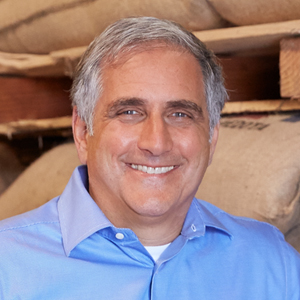
[00:00:10] Ray Latif: Hello and thanks for tuning into the Top Podcast for the food and beverage industry Taste Radio. I'm Ray Latif and you're listening to episode 177, which features an interview with veteran beverage executive Dave Burwick, the president and CEO of Boston Beer Company, the maker of Samuel Adams beer. Tune in on Friday, August 30th for episode 49 of our Taste Radio Insider Podcast, when we're joined by Kate Weiler and Jeff Rose, the co-founders of Maple Water Pioneer Drink Simple, who discussed how they prepared for and executed upon a major rebrand. Just a reminder, if you like what you hear on Taste Radio, please share the podcast with friends and colleagues. And of course, we'd love it if you could review us on the Apple Podcasts app or your listening platform of choice. The poet Ralph Waldo Emerson wrote that life is a journey, not a destination, an adage that has particular meaning to Dave Burwick. Over the course of his 30-plus years in the beverage and wellness industries, Dave has been a big-time soda marketer, helmed a legacy diet company, led a cult coffee brand, and today has the best-known name in craft beer. The collective experience has shaped his perspective on personal ambition, business strategy, enduring trends, and leadership, all of which Dave discussed in this wide-ranging interview. Hey, it's Ray with Taste Radio. I am in the Seaport District of Boston, and I am at the offices of Boston Beer Company. Sitting with me right now is the President and CEO, Dave Burwick. Dave, thank you so much for having me.
[00:01:44] Kate Weiler: Ray, thanks for inviting me.
[00:01:45] Ray Latif: Welcome back to Boston. It's been a while since you've been here.
[00:01:48] Kate Weiler: It's been about 29 years, but who's counting? It's been a long time. Boston's changed a lot over the last 29 years, and it's a great time to be here.
[00:01:57] Ray Latif: When you came to the Seaport District, did you ever imagine it would look like this? Never.
[00:02:01] Kate Weiler: It's unbelievable. It was just warehouses, and now it looks like Shanghai. It does. It's nuts, and there are cranes everywhere and all sorts of construction, and it's actually a really lively place. It's a great place to work.
[00:02:12] Ray Latif: Do you have a good view of the water? Or are you looking at cranes?
[00:02:16] Kate Weiler: I have no view. What? The way it works at Boston Beer, no. No view. It's OK. Every once in a while I can walk out of my little cubby and take a look out over the water. But from the offices we do have, and a lot of folks do have a really wonderful view of the harbor and the airport, if you want to watch that as well.
[00:02:34] Ray Latif: You're the president and CEO. Can't you just knock down a wall and insert a window or something?
[00:02:37] Kate Weiler: Well, it's funny you say that, because we're actually, we are blowing up this whole office space. It was conceived in the early 2000s. It feels like it was conceived maybe in the 1970s or 80s. And I think like the rest of the Seaport area around us, we want to feel modern and fresh and new and open. And so we're in the process of creating an open office space, like many have, and people are pretty excited about it.
[00:03:02] Ray Latif: The last time you were in Boston, you were going to Harvard, Harvard Business School?
[00:03:06] Kate Weiler: Yes, I recall that, yes. Many years ago.
[00:03:08] Ray Latif: Many years ago. You also grew up in Massachusetts, not too far from where I grew up. You grew up in Worcester, right?
[00:03:13] Kate Weiler: That's right. I grew up in what's known as the heart of New England, Worcester or Worcester, as people from Worcester like to refer to it. And I started the journey away from Massachusetts after I graduated business school to Pepsi and beyond. And now I find myself back close to where I started.
[00:03:31] Ray Latif: Yeah, neither you or I have an accent. How do we lose that? I used to say I used to have a Worcester accent. It's gone completely.
[00:03:37] Kate Weiler: I did too. And I think I think I would just say it's, it's our worldly experience and education and an erudite nature that we both have Ray that have led us to to an accent less way of speaking.
[00:03:48] Ray Latif: Yes, it comes back every so often, but we're careful about it. You know, Kenny Sadowski, who we featured on the podcast, well known in the beverage industry as well. You grew up with him or?
[00:03:59] Kate Weiler: Yeah, Ken is actually my oldest friend on the planet. I grew up two houses from him. And I think when I met Ken, I may have been four and he was three. And I still have pictures from I think my fourth or fifth birthday with Ken kind of motoring around in our backyard. So it's funny that we were early friends, but then our careers have kind of forced us to intersect over the years as well, which has been really nice.
[00:04:22] Ray Latif: He had sort of an indirect involvement in you and Samuel Adams?
[00:04:25] Kate Weiler: Well, not so much, but I think when I came to the board of Samuel Adams, that was how I first became connected to the company back in 2005. And Ken's family, for many multiple generations, ran Atlas Distributing, who happened to be the first distributor for Samuel Adams. So Jim Cook pitched Ken's dad, I think, and they distributed the brand. So he knew Jim Cook, and I think Jim probably talked to Ken before he put me on the board just to make sure he knew what he was getting into.
[00:04:55] Ray Latif: Well, I'm glad that he did, because it gives me an opportunity to sit down with you. You've had a lot of experience in this beverage industry, almost three decades, minus two or three, with Weight Watchers. Did you ever think you'd be involved in this business for as long as you have been?
[00:05:09] Kate Weiler: No, I'd say I'm an accidental beverage person. I hadn't planned it that way, but it's just one thing led to another. And I ended up, for the most part, spending my whole, almost my whole career in beverages. And it started with Pepsi. which at the time, this was like 1989, and it was a great time for consumer packaged goods. And it was a great place to start for somebody who really wanted to get into brand building and eventually general management. And that's where I started the journey, but then it just ended up leading to coffee and then to beer.
[00:05:40] Ray Latif: You joined Pepsi right out of Harvard Business School. What made PepsiCo the right place for an HBS grad and for you to establish a foundation for your career?
[00:05:50] Kate Weiler: I think if you were interested in brand building or any kind of marketing back in that time, it was really the traditional CPG companies. It would be the Proctors, the Pepsis, the General Mills, and those companies. I think for me, Pepsi was most exciting because it was really connected to culture. Everything that they did, this is maybe This is just several years after Michael Jackson, all the stuff, the great stuff that Roger and Rico had done to elevate the Pepsi, the brand and the company. And to me, it seemed like a really exciting place to get to learn about how do you build brands? How do you do it in a way that you're connecting to consumers and to culture? The other option I had, the big choice I had to make was between Pepsi and Microsoft. Now, the funny thing is my friends who went to Microsoft, I retired about 20 years ago, so I'm not sure if I made the right decision or not, but it's been a great ride. Sometimes I wonder whether I should have gone to tech, but I think technology, those companies didn't really need brand builders. They needed engineers, and they still do.
[00:06:49] Ray Latif: Is it still the same? Is that still the same dynamic for graduates of business school to go to the big CPG companies, or are they better off? getting an entrepreneurial kind of education, going with some of these smaller companies that we see popping up every single day.
[00:07:04] Kate Weiler: Yeah, I think it's changed a lot. I think a lot of the CPG companies, you know, as venerable as many of them are, they're not on the cutting edge of culture anymore. They're not really catching a lot of consumer tailwinds either. It's a slog. And so while those companies can offer good training, to people coming out of school, whether it be undergraduate or graduate school, that the excitement level is not there. When you're growing, when you're fighting to grow 2% every year, and if you go three, it's a huge year, it's very different dynamic than when you're growing double digits. And I think anybody who starts out their career, I think wants to go to a company that's growing really fast. Because that just means there's there's more excitement, there's more opportunity for learning and for growth. And I can tell you today, people are going to technology course, they're going to private equity, but they're also going to startups, to food and beverage startups, where they can really make an impact early on. I think maybe you don't get the learning, the traditional learning you get by going to a larger company, but you get the experiences that it would take you many years to get at a large company.
[00:08:08] Ray Latif: Some of these bigger companies try to establish an entrepreneurial mindset. A lot of them are opening up incubators, venture capital units. Do you see those as having an impact? Do you see those as really changing or, you know, moving the needle in terms of CPG at this point? Or is it again, what you mentioned before, you know, some of these entrepreneurial companies that are really changing the conversation?
[00:08:30] Kate Weiler: Yeah, I think, and you're right, a lot of companies are, they have their VC arms, and from Mills to Coke and everybody in between are doing that. I think that's just the first step. I think it's the right step, the right first step, because I think these companies have acknowledged that they can't innovate quickly enough to meet consumer needs on their own, because they're tied up in their own bureaucracies and their processes and slow ways of doing things. But doing that is great, and then investing in a company or buying a company, That's great, but then I think the real challenge is then how do you keep the brand alive? How do you keep the soul of that company alive after you made the acquisition? Because I really believe that founders are the secret sauce. And unless you find a way to keep founders and those who became the lifeblood of those companies going, you're going to fail. It just becomes another brand in a large portfolio. And I think that part is much, much more difficult to do.
[00:09:25] Ray Latif: You have a lot of experience in brand building. You were with PepsiCo for about two decades. You wrapped up your career as the CMO of PepsiCo Americas Beverages. Is that right?
[00:09:34] Kate Weiler: That's right.
[00:09:35] Ray Latif: That's a long time to be with the company. And I wonder if you had any ambition for the top spot as the CEO of PepsiCo, which is a highly revered position. And if so, I mean, how do you manage ambition? How do you operate in a place where it seems like everyone is competing for a top spot?
[00:09:53] Kate Weiler: I think, I mean, the way I looked at it at Pepsi, it seemed to work for me, was just do your job really well, learn as much as you can along the way, and then good things will happen. And companies that have good values, and Pepsi does, it wasn't always easy to work there, too. It could be a sharp elbow place, but generally people who do a good job get rewarded, I think. That's sort of the approach I took, and I didn't really look beyond, honestly, I didn't really look beyond the next job. I mean, the other rule of thumb, too, honestly, is like, don't be a jerk. I could use a different word for jerk, but you can imagine what that is. And I think to ultimately be successful in any large organization, arguably, I guess, even small organizations, you need people who are going to help you and are going to support you and want to work with you to get things done because you can't do it. It doesn't matter how smart you are. You can't do it by yourself. And to the extent that people like you and respect you, you can be very successful.
[00:10:45] Ray Latif: How'd you deal with the jerks or the other word that you were going to use?
[00:10:48] Kate Weiler: Well, honestly, you just tolerated them and you didn't help them, quite honestly. I didn't go out of my way because there's only so much time in the day. I would never go out of my way to help somebody I didn't like, quite honestly, because I'd rather help the people that I thought were deserving of support and who I liked and respected. I think today it's different. Going to work in some place for 20 years, in hindsight, You know, it was great. I really enjoyed it. But it's probably limiting, I think, for anybody to go work anywhere that long, unless you start your own company and that's your thing. Because there's so much to be learned by working with different people in different situations. And for me, when I went to Weight Watchers from Pepsi, I forced myself to go into a very different business model. It was really a service company, Weight Watchers, like it's all about behavior modification, not about selling products necessarily at all. To me, I was only there for a little less than three years. I learned more in those three years than I probably learned in the prior 10 at PepsiCo. And I realized that putting yourself in different situations with different people is the best way to advance your capabilities.
[00:11:53] Ray Latif: That's really interesting. I guess what you're telling me is that I should probably think about another job because I've been with DevNet for about, let's see, eight and a half years now. Well, John Craven, I don't know what to tell you at this point.
[00:12:03] Kate Weiler: I think I'll give you, just take one and a half more years. One and a half more years, okay. Make it even 10 and then go.
[00:12:08] Ray Latif: There you go. That's an even round number. I like that. Right around the time you left PepsiCo in 2009, that's when we started to see that sea change toward health and wellness. How do you account for all the changes that we've seen over the past 10 years?
[00:12:20] Kate Weiler: I think it's just, you know, every generation brings their own values and their own desires. And I think this generation of millennials, I think really we're more educated, actually as a society, we're more educated about health and wellness. When I went to Pepsi, In 1989, I had no idea. I wasn't thinking about, you know, sugar, quite honestly, or even artificial sweeteners. Like at that time, if you have to, if you transport yourself back there, we thought that was totally fine. It was about balanced intake of different things. And I think we've learned a lot since then. One of the reasons I did leave PepsiCo was that I felt like we were fighting consumer headwinds. I wanted to be in a business that was around health and wellness, and that was doing things to help people. you know, manage your health. So that's when Weight Watchers, obviously, is a good place to go. But generally, it's continued to change. We've seen it. You go to Expo East, Expo West, and it's all about, among other things, health and wellness. And I think that's where we are today as a society.
[00:13:21] Ray Latif: It must have been tough though. I mean, you know, when you left PepsiCo to see the struggles that they were facing, was there ever a point at which you thought that you could come back given your experience at Weight Watchers and Peet of help PepsiCo and some of these larger companies to really understand how to address consumer needs and address this demand for better for you products?
[00:13:44] Kate Weiler: But I think PepsiCo has done a really good job at transforming the portfolio. The problem is when you're so heavily reliant on brands that are not in the health and wellness space and consumers still, although they tell you they want to eat or drink healthier, they still tend not to. It's very, very hard to make that transition. I think the company has done a really good job with it. But for me, once I left, it was a really hard decision. It was the hardest decision I've ever made professionally. because I left so many friends and so I left it all in the field at PepsiCo, but I felt like the time was right and I couldn't go back. Once you leave, for me, there's no going back because you become a different person and you want to do different things and I think it's honestly a mistake. At least it would have been for me to go back to the place that I started.
[00:14:31] Ray Latif: Did anyone ever ask you to come back?
[00:14:33] Kate Weiler: There were some conversations over the years, but it just wasn't, it wasn't right. I mean, it took so much out of me, I couldn't, I just couldn't go back and do it again. And people change, and I think it's just important that you place yourself in the right environment. where you think you can flourish and you can contribute and you can be valued. And it's very rare that happens. That's the same place for an entire career. It just is the way it is. And look at, I mean, look at sports. I mean, you name the sport, football, baseball players, you know, they, they might hit a ceiling somewhere. They feel like they're, you know, they're not performing the way they want. They go somewhere else and they're rock stars again, and they have a whole new life. And I think there's something really, really refreshing and valuable about doing that.
[00:15:17] Ray Latif: We'll be right back with more from Dave Burwick after this quick break. Well, you've accomplished quite a bit and you've been with a lot of different companies, not a lot, but you've been with a few companies since you left PepsiCo. As you mentioned, Weight Watchers was one. You said you learned quite a bit. What did that job teach you about leadership that you hadn't learned prior to being the head of that company, or at least the head of their North American division?
[00:15:56] Kate Weiler: I think the biggest thing I learned at Weight Watchers is that you can go to a new place with a new group of people and still lead successfully and make good contributions without the gang that was with you the whole way. I think one of the things about Pepsi that I love but also was challenging is that when you're someplace for so long, there's this kind of this pressure, this social pressure for you to be the person who everybody thinks you should be. And you're kind of a caricature. Everyone's sort of a caricature of themselves. And it's hard to break out of that. It's hard because I think I felt a lot of times, particularly at the end, I knew that there were some things I did well and some things I really didn't do well and I wanted to change. But it's hard to change when you're surrounded by the same people who expect you to act a certain way. And so for me, going to Weight Watchers, one, I was able to reinvent myself. I could be whoever I wanted to be when I got in the door, because I didn't know anybody prior to joining that team. But for me, I think the most satisfying thing was being able to sort of change, to will myself to do things differently, but also to inherit a new team, like a new leadership team. And I never hired anybody that I ever worked with in the past. I just didn't believe that that was the right thing to do. I believed that It's a new place, a new day, and new people. And what can you do with this new team? And can you manage a new team and be successful? And for Weight Watchers, that was the biggest learning for me is that, hey, I can flex my style, I can show up differently, and I can work with a whole new set of people and still be successful doing that.
[00:17:25] Ray Latif: I've asked this question to folks who manage legacy brands. You know, oftentimes a legacy brand is a gift and a curse. Everyone knows who you are, but then in some cases it's really hard to change perspective about what you represent. Weight Watchers, very well-known brand. What were some of the things that you saw as an opportunity to enhance that brand and what were some of the challenges?
[00:17:51] Kate Weiler: And I think the big challenge with Weight Watchers is that it's a brand, and here's the thing, you're right, because Brad Avery, very few brands transcend generations. They just don't. There's a handful maybe that you can think of, the usual suspects like the Nikes of the world that somehow have been able to reinvent themselves with the next generation of consumers, but for the most part, then each successive generation or group of consumers, you know, refuses to accept what had been accepted before. And I think with Weight Watchers, it was kind of like my mom's, brand. And I think the name itself actually was sort of out of date. And so the challenge for Weight Watchers is how do we make it relevant again to a new generation of consumers? And it's really, really hard when it exists at a certain place in people's minds. And how do you do that? A lot of things that we had done was around technology and apps. and access to the services through technology versus through traditional meetings. And even after I've left, they've struggled. And there's a new CEO now there who's doing a really nice job. They changed the name. They're really trying to contemporize it and make it more about lifestyle, healthy lifestyle versus just healthy eating.
[00:19:00] Ray Latif: I'm not familiar with the new name. What's it called?
[00:19:02] Kate Weiler: It's called WW.
[00:19:05] Ray Latif: Okay, well, I guess that's a new name.
[00:19:07] Kate Weiler: And I wouldn't maybe person wouldn't have chosen that necessarily, because I think when you say WWE think Weight Watchers, I think the idea is to get you to say not think Weight Watchers. But it's also difficult to transition from something that people know into something that they don't and lose a lot of people along the way. So it's a really difficult thing to do. But that's their challenge with a legacy brand is how do you make it relevant again. It's funny, actually, as I think about it now, I've had that with, you know, with Pepsi, with Weight Watchers, even with Pete's and with Samuel Adams. And these are all brands that were tremendous brands that were built in some cases by, you know, entrepreneurs and founders that had had a great run and then were in the need to sort of reinvent and reinvigorate with a new with a new audience. I think maybe I just unconsciously been drawn to that. This is like a therapy session. Ray, I'm just figuring it out right now why I've made all these choices.
[00:20:01] Ray Latif: Well, you know, along those lines, I mean, I do want to point this out. It would be pretty funny. It's good that we don't have to say www.anything anymore, because if you said www.www.com, that could be kind of weird. I think www.com is fine at this point. Did you participate in the Weight Watchers program? I mean, and I'm not saying anything one way or the other, but did you have to immerse yourself in the system to really understand it?
[00:20:27] Kate Weiler: You absolutely did. I think by looking at me today, the reason we're doing a podcast is maybe I'm off the bandwagon.
[00:20:36] Ray Latif: Dave, you look wonderful. You're in much better shape than I am.
[00:20:40] Kate Weiler: But you absolutely had to. You had to be a good a brand builder or general manager or whatever, you have to sort of understand your product from the eyes of the consumer for sure. So I did go to the program actually and did quite well. That's how you get the insights is actually participating. So, and in fact, I wouldn't have been offered the job if I hadn't spent time doing the due diligence on the brand before I even walked in the door.
[00:21:07] Ray Latif: Were you recruited for the job or did you see an opportunity for it?
[00:21:10] Kate Weiler: Yeah, I was. I mean, I think it's a traditional headhunter kind of thing. It was out there. I was looking at that and some other things too. Actually, all around the health and wellness space. And this was one that I thought would be the most challenging for me and actually the best test to see, can I transition from one company into a completely different one and still be successful?
[00:21:30] Ray Latif: Do you think it's hard for brands that are focused on a particular diet to exist today because everyone is much more concerned with just healthy living versus a particular diet?
[00:21:43] Kate Weiler: I think the diet part is important, but I do think that's what the folks at WW are trying to do right now, which is broaden that brand to be about healthy eating, but also about healthy living, if you will, and healthy lifestyle. But I think the thing that Weight Watchers and Peet still has is really the scientific support and backing for it. It really is the right way to lose weight. And I think that's sort of foundational for them. But then after that, it's really about how do you live a healthy life in every sense of the word.
[00:22:12] Ray Latif: You drink Truly once a day, right?
[00:22:14] Kate Weiler: I do drink once a day. That's not the most healthy way to lose weight. But it is, if you're going to drink anything with alcohol, it's a very healthy thing to do.
[00:22:24] Ray Latif: For sure. After PepsiCo, as you mentioned, you went over to Pete's, Pete's Coffee. You joined the company, it was right after it was acquired. Is that right?
[00:22:33] Kate Weiler: That's right. My connection to Pete's was a friend and fellow board member from Boston Beer who had been on the board for a number of years and was also the chairman of Pete's Coffee. Pete's was a public company at the time. And I had been at Weight Watchers for about three, a little less than three years. But I think also feeling like, OK, I felt like I had to make up for 20 years of being in one place. It was time to maybe try something different. And I also felt like going back to selling something very tangible. was probably more for me. And as it turned out, I went through a round of interviews with the board at Pete's, and then right when they got to the point of making an offer, a private equity company called JAB, which has been hugely successful, swooped in and made an offer to buy Pete's, and they've had to put me on hold. So I waited about a month or two until the deal transpired, and then I went through a whole new round of interviews with the private equity folks. which was quite interesting. And then within 24 hours, I was I was on my way to Pete's.
[00:23:35] Ray Latif: That's really interesting. That's going to be a really interesting process because you were interviewing for the company for people who probably worked with the company for a number of years. And then you worked for the private equity firm. or at least interviewed for the private equity firm that bought Pete's. What were the questions like on both sides?
[00:23:51] Kate Weiler: Yeah, it took a bit of a leap of faith. So the person who was their chairman, his name is Jean-Michel Vallette, who's on the board of Asa Beer. He's a very successful investor, board person, tremendous human being. And for me, actually the biggest appeal to go to Pete's, but one was go back into, a category that was really interesting to me, but also to work for somebody who I truly admired and respected. And that doesn't happen very often, honestly, I hate to say that, and particularly when you work for big companies. And so I really relish that opportunity. He's a great guy, and he's super smart. and I've known him for many years, and I trust him, and he's a person of high integrity. So I was excited to work for Jean-Michel as our chairman. Then I got introduced to a German, a Frenchman, and a Dutchman from JAB. There's a joke that leads from that, and three incredibly talented people, but I didn't know them at all. Olivier Goudet, who's a Frenchman, who became the chairman of Pete's and my day-to-day boss, and Bart Becht, who's a Dutchman, had run record bank. He's very, very successful for many years. Uh, and Peter Harf, uh, the German who had been at BCG and very successful. He was former chairman of ABI. So these guys, these guys were supremely talented, but I didn't know them at all. And what was most impressive to me is that Jean-Michel made the handoff to them after the deal was announced, and I had breakfast at the Sofitel in New York City, which is a favorite haunt for anybody of European origin. I think I started with Bart, then I had another breakfast with Peter, then I jumped on a plane and flew to D.C. and met with Olivier. And then the next day, Olivier called me and made me an offer. So to me, I was very impressed. These guys are very decisive. I mean, you know, they asked a lot of good questions. They seem very intriguing to work for J.B. It was the first coffee company that they had really purchased. At that point, it had been luxury goods. And then over the next five years, a string of acquisitions that are dizzying. from Kerg, Green Mountain to Kerg, which became Kerg Dr. Pepper, and Krispy Kreme, and Caribou Coffee, and Panera Bread Einstein, all this stuff. But I was really the, we were really the first ones, Pete's, and I thought these guys were just incredibly talented and turbocharged. Like they wanted to grow this business that had been a sleepy brand and a sleepy business, very well managed and run by the prior CEO, but something that they needed, it needed a boost, and it needed somebody who was a brand person to help do that.
[00:26:16] Ray Latif: I mean, it sounds like such an amazing interview process. I mean, given that you didn't give up at some point, I mean, I think that could have been like, look, I know the previous owners. I've had a relationship with these folks. Now, I don't know any of these people. So as you mentioned, it felt like a leaf of faith. You must have felt comfortable because you were with the company for how many years? I was here for about six years. Six years. One of the things that really stuck with me is there was, I saw a press release that announced your hire and it said, your quote, and you know, have you ever seen a press release about someone who was recently hired for a company? They, you know, they have a quote that's usually, I'm so happy to be here. Your first line was, I love Pete's coffee. There's nothing like it. It's interesting because I know people who love Pete's and they are insanely passionate about Pete's. I had a friend who was a general manager for the Pete's in Brooklyn, Mass for a couple of years. And I don't want to call it like sort of a cult, but it was cult-ish and you were the leader of it. What was that like? I mean, what was it like as the steward of a brand like Pete's?
[00:27:16] Kate Weiler: It was a great honor. It was a great honor to be associated with the brand because it was so carefully, you know, no pun intended, really crafted over the years. It was founded by Alfred Peet, who is a really kind of an erudite world traveling Dutchman who ended up in all places in Berkeley in 1966. So imagine this Calvinist Dutchman shows up in the crown zero of student unrest and protest, and he had this beautiful coffee place not far from actually before Chez Panisse showed up in Berkeley. And he built this business. In fact, this business is the one that the founders of Starbucks actually came to and learned how to, they learned how to roast from, from Alfred Pete and they went off and, uh, and started, you know, Starbucks. And there's a lot, this is kind of a long overlapping story between the two companies, but the bottom line on Pete's is just the quality. It's all about quality. It's about mastery. Like the number, number one value at Pete's is mastery of the craft of coffee. And so how, how we sourced, how we roasted, uh, the type of people we hired, how we trained. We cared really deeply about making basically the world's best coffee. That's all we wanted to do. I think the challenge was we have this brand that is a bit of a cult following, but it really hasn't made its way across the country. How do we get into the mouths of more people? And that was my challenge.
[00:28:39] Ray Latif: How do you scale cult?
[00:28:41] Kate Weiler: It's a very tricky skill in cult because you lose your cult status when you get a little bit too big. I think for us, the business was, it was, it was unique in that it was meant as multi-channel business. So there's a retail, traditional retail coffee shop business, if you will, where Pete's was never, we were never really great at running coffee shops, like, like financially they did okay, but it was really more about building the brand. And there's a big CPG business selling beans through grocery stores, food service business, dot com business. And it was fun to have all these different levers to pull to grow the brand, introduce it to consumers. We delivered coffee through direct store delivery. So the way Pepsi or Frito will deliver, you know, have your route sales reps out there every day. probably like 450 or so routes around the country when I left. And it was a real secret weapon. It's expensive to deliver coffee that way, but it ensures that it gets to the stores very, very fresh. And so Pete's will decode his coffee 90 days and then we buy it back. Starbucks, for example, decodes it for a year. And as a consumer, you don't even know how to read that code. It's like hieroglyphics to you. So the freshness, it's really hard as a consumer proposition to use freshness to attract people to the brand. They don't understand freshness. People think of it as, oh, it's just a fresh pot of coffee. It was just brewed. versus when the beans were actually roasted. But it shows up in the taste and the quality and the consistency of the coffee. So people may not know why they prefer it, but a lot of it had to do with the fact that it was fresh.
[00:30:12] Ray Latif: It's interesting the notion that fresh coffee means freshly roasted versus Well, at least the way Pete's defines it is as freshly roasted versus say freshly brewed. You brought up Starbucks. Uh, I think there were some rumors about Starbucks potentially buying Pete's at the time before JB made the move. That must've been kind of a trip knowing that or thinking that at one point you could have been part of the Starbucks company and then all of a sudden they're a major rival. What was that like?
[00:30:42] Kate Weiler: Well, I think, you know, in my time at Pepsi, I knew we had, we had, we had a joint venture with Starbucks to sell like Frappuccino and any kind of bottled, you know, iced coffee through grocery stores. And when I was the CMO at Pepsi, that JV actually reported up to me. So I, so I had some exposure to the Starbucks culture. a little bit to Howard and to how things were done at Starbucks. So they weren't, it wasn't a foreign company to me at all. I wouldn't want to work for the dominant number one, quite honestly. I spent my whole career working for the underdog. And to me, it's so much more fun. I think there's so much more growth and by the way, humility that you develop by being the underdog. And I think I wouldn't have wanted to work for a large company like that. I mean, as it turns out, I mean, that didn't happen, of course. I think Starbucks, I mean, they have their own brand. That's what they're building. I think that's the right thing for them. At Pete's, we actually decided to, you know, we went off and we bought some other brands because we realized that the Pete's brand resonated really well with certain consumers, but not with everybody. And we wanted to be a complete coffee company. And we wanted to make sure that we brought brands to consumers that we couldn't bring, or who we couldn't reach by just selling Pete's.
[00:31:52] Ray Latif: I want to briefly talk about the frappuccinos of the world at the time that you joined Pete's. I mean, Starbucks utterly dominated the bottled coffee business, the ready to drink coffee business, but we slowly started to see cracks right around that time. Pete's was relatively patient in getting into the Harvard Business. What really motivated you to get moving and why did you take your time?
[00:32:18] Kate Weiler: So you're right, Starbucks, I think really invented, you know, cold coffee in a bottle and had like a 98 share. I think what we saw was a shift in consumers. And those are really baby boomers who really embraced Frappuccino back in, you know, the mid nineties, if you will, and maybe in Xers, if you want to look at it that way. But I think there's a whole new generation of consumers, millennials who are drinking a lot of coffee. They like cold coffee. There's a real health benefit actually to cold brew coffee in that you can drink black cold brew coffee and because of the way it's brewed, it extracts very sweet and it has like a sweet taste even though there's basically probably 5 calories in a 12-ounce serving of it. And so it was healthier, packs more caffeine, so it packs more punch and Frappuccinos got like... you know, 350 plus calories in it, I think. So there's definitely a health and wellness opportunity that we saw there to get in. And also, I think the next, you know, group of consumers wanted brands that were maybe smaller and hipper and more interesting.
[00:33:20] Ray Latif: You'd previously mentioned JEB's thirst for coffee getting into the business. JEB, through Peet's, made a series of acquisitions in the coffee business and then one outside coffee. You acquired Stumptown, a majority stake in Intelligentsia, and then later Revive Kombucha. What precipitated those deals and why was it run through Peet's versus JEB?
[00:33:43] Kate Weiler: So it was run through Pete's because that was our idea. That's what we wanted to do. And I think the way we were thinking about Pete's, we came, and it took me two years to sell it to our board, that we couldn't make every consumer happy by selling Pete's to them. And while people love Pete's, there were some people that wanted something a little bit, they wanted a different experience. And by the way, not always a very dark roast either. They wanted light roast and other profiles.
[00:34:08] Ray Latif: Was it just as simple as that, that they wanted a different flavor, or was it that they just didn't want the Pete's brand?
[00:34:13] Kate Weiler: I think they wanted a different brand, too. I think Pete's, you know, Pete's is a great brand, and there were a lot of young, you know, 20-somethings drinking Pete's, but I think they're also drinking a lot of other products, particularly on the West Coast. From Seattle to San Diego, there's a lot of great, you know, great coffee brands. We liked Stumptown because it had a really unique position in the marketplace. It was hip, it was a bit, I always thought of it as kind of like, kind of like a thrash rock kind of a brand.
[00:34:39] Ray Latif: Those crazy kids in Portland, you know?
[00:34:42] Kate Weiler: Exactly. And also, by the way, they happen to have a great cold brew business. We like that more than anything, actually. We thought that would be a great entree into this cold brew coffee business that we were eyeing, that we saw an opportunity for a lot of growth. occurring.
[00:34:56] Ray Latif: And so I remember that because I talked to you for a story on BevNET that I wrote about Pizza Quarter in Stumptown and this notion of cold brews got this incredible opportunity. But how do we scale smallness?
[00:35:07] Kate Weiler: That's right.
[00:35:08] Ray Latif: Yeah.
[00:35:09] Kate Weiler: It was all about scaling the smallness. And I think that's what we had to learn was how do you take a brand that's really special And actually with Pete's, we were talking about, we talked about scaling the smallness too, which is, you know, don't, how do you maintain that cult kind of vibe, but make it bigger and more available to more people. By virtue of purchasing Stumptown, then later Intelligentsia, we were able to not have to push Pete's too far. And at the same time, we could take some of the skill that Pete's has. So for example, direct store delivery through coffee, we could take Stumptown and Intelligentsia coffee beans and put them on peach trucks and deliver them fresher, better for those two businesses. And then we could establish relationships like with Whole Foods around for a national distribution of Whole Foods for those three brands. So that was a great way to scale the smallness for Stumptown because we could put it on peach trucks and No Stumptown consumer on the planet could tell you that the peach truck delivers Stumptown. They could care less. All they care about is they get their Stumptown, you know, Mindbender product in store and it's fresh and it tastes great.
[00:36:13] Ray Latif: I'm sensing a trend here in terms of how you think about brands and how you think about enhancing them and growing them, especially ones that are well-known and have a cachet among your core consumers. Before we continue on that thread, I do want to ask about the notion of innovation in the coffee business, because when the iron is extremely hot, you might feel pressure to innovate or move faster than you really want to. How do you balance innovation with ambition?
[00:36:46] Kate Weiler: It's a really tough one because I think innovation is so tempting and so tantalizing and what everybody wants, not just the consumer, but everybody in every organization gets excited about something new. I think you have to understand how far can you go with your brand and when is the right time to do that? Because I think every time you innovate, you take some equity out of the bank. And if it fails, as most innovations do, that equity doesn't, you lose it. So I think for me at Peet's, I just felt like this is where Peet's can succeed with these consumers. And by the way, in cold brew too, we do cold brew with Peet's, but it's a different flavor profile. But I just felt like there are other brands that could do more and could compliment the Peet's brand. And so for us, innovation in coffee became more acquisition, quite honestly. So acquiring Stumptown and really pushing forward and helping with that cold brew coffee, which they really invented cold brew. If Starbucks invented sort of the frappuccino of the traditional iced coffee, you know, very sweet, but good, in a bottle, Stumptown invented that whole cold brew thing with that old Olympia beer bottle that gave the special kind of cachet. Intelligentsia, a very different company run by, and by the way, Stumptown didn't have their, the founder, Dwayne Sorenson, was a brilliant guy. He was no longer really part of the business. He'd been taken out by private equity guys before. And it was kind of funny because when we bought Stumptown, all Portland was up in arms that Stumptown had sold out. to the big company, Pete's, owned by JAB with the Dutchman, the German, the Frenchman, but we actually liberated them from the clutches of a private equity company that I can tell you does not care. Very few private equity companies care about the long-term success of anything. They care about the next three to four years. People forgot about that very quickly.
[00:38:35] Ray Latif: You get a hate mail?
[00:38:36] Kate Weiler: Yeah, of course. I always get hate mail. I do. Particularly now because people, it's just that we live in a crazy world that everybody likes to hate. But the Intelli thing was different because Intelligentsia, we have, you know, Doug Zell, one of the co-founders was still a part of it. And we love that because I think Doug is brilliant. He's a brilliant merchant, a brilliant retailer. He's the soul of the brand. And for me, I felt like it was much easier to navigate the next steps with Intelligentsia because the person who created it was still with us and could still help us guide it. And Stumptown, really good management team, but Dwayne was gone. So we had to sort of figure out, okay, you know, what, what would Dwayne do here? How do we keep growing this brand? And by the way, to continue, you know, we found, and this is going to Expo. I went to Expo, going back to Ken Sadowski. I said, Ken, I'm going to Expo, help me. I want to find a, I want to find something interesting in coffee and I want to find a kombucha company. And he hooked me up immediately with Sean Lovett at Revive. I also met Neil Primacomer from Fordo. And actually, I came back after one day, made the call to the J.B. guy and said, I found two more companies we got to buy. And next, like within weeks, we made an investment in Fordo. Actually, Pete's was part of that investment, but then J.B. had other money in it. And Pete's made the investment in Revive and eventually they bought a majority of Revive. And for me, I think it's, we create a collection of great brands with founders still there, which I think is super important, and founders who are motivated and have incentives to grow the business and to get like another bite of the apple, which is also really important. who could help guide these brands. And then Pete's could just do what Pete's does really well, which is, you know, source and roast great coffee, dark roast. We do our retail thing, which is a little bit different. We do an awesome job merchandising grocery stores around the country. That's the bread and butter for Pete's. When you go into, we're number two share in grocery stores after Starbucks, ahead of Dunkin' Donuts nationally. And that's sort of, Peach could play its game and run as a playbook. Stumptown Intelligentsia can run theirs. Forto has a whole other thing going on now. And Revive could kind of go through the Peach stores and the Peach system and benefit from some of the infrastructure that Peach has.
[00:40:46] Ray Latif: Are you still financially involved with Pete's?
[00:40:49] Kate Weiler: I apologize to anybody from Pete's. I love them all. I love them all. Hopefully they still remember me, but I still feel ownership and certainly kinship. And I always will because it was a great intense six years and That was a tough decision to leave Pete's because I think it was time to come back to Boston. That's what my family wanted and I think Jim, coming back to Boston was like coming home for me and I think the timing was right but I still haven't, when I think about Pete's I just smile all the time because I love the company, I love the people and I'm really proud of what we did.
[00:41:27] Ray Latif: That's truly amazing and it feels like you left on good terms, which is really nice.
[00:41:32] Kate Weiler: For sure, and I'm in touch with some of the folks here, I'm in touch with the JAB guys a lot because they're just, you know, they're interesting people and they see things that other people don't see. And we like to share ideas and all that. But for me, it's just like another child that I had. I didn't birth a child. If I ever said that, my wife would kill me because I have no right to even conceive of what that is like.
[00:41:55] Ray Latif: Conceive is an interesting word choice there, yeah.
[00:41:58] Kate Weiler: But it was something that's... I left a part of me... behind a Pepsi, and I absolutely left a part of me behind at Pete's. Maybe a little less of Weight Watchers, I wasn't there quite as long, but Pete's I was really, I was all in on that brand.
[00:42:14] Ray Latif: I want to say two things. One, I want to rib Ken because I asked Ken many years ago, not many years ago, I think it was about five years ago, what his thoughts were on kombucha. And he's like, I just don't get it. I don't think it's going to be a very big category. And then of course, you know, he has since recanted his perspective on kombucha. And it's also interesting about Doug Zell from Intelligentsia, who we've had on the podcast as well. Doug, he has a house in Watertown, not too far from our BevNET office. And it was really interesting to hear him talk about Watertown in the same way that he was talking about Silver Lake. Silver Lake, when they opened up the Intelligentsia Cafe in Silver Lake, California, it was nothing. Silver Lake was just like kind of an afterthought. And he's like, I see the same things in Watertown that I saw in Silver Lake. I was like, what are you talking about? I've been to Silver Lake. Silver Lake's really nice. And it's like a really hip and up-and-coming community. In Watertown, I always joke, it's still stuck in 1983. But you know, what do I know?
[00:43:07] Kate Weiler: I would go with Doug. Doug is, he has a special sense to see around the corner and see the future. And it's funny, that house, which it might even be Cambridge. I'm not sure if it's Cambridge, Watertown, border. It doesn't even matter. But the same architect, I think it's Barbara Besser is her name. She's from in LA who designed the Intelligentsia store in Silver Lake with those sort of Moroccan blue and white tiles, designed Doug's house in Watertown. So, so Doug is, you know, he's got, he's got a sense of aesthetic and, and he, he carries it with him and it's been his personal life as well.
[00:43:42] Ray Latif: Yeah. It's great that he's still involved. Um, cause he is a pretty brilliant guy and a really nice guy too. We'll be back in a flash with Dave Burwick after this word from our sponsor.
[00:43:56] Jeff Rose: At RISE, we know the passion it takes to create something different. So we created an all-organic nitro coffee to fuel that journey and to make you roar. Every time you open a RISE Nitro, you'll hear that roar. RISE Brewing Co. Nitro Coffee. Release your roar.
[00:44:16] Ray Latif: Pete's helped establish the notion of a craft coffee. Before there was craft coffee, before anyone used that descriptor, it was used with beer, craft beer. And for years, we saw hockey stick growth with craft beer. That's tempered out quite a bit. Why do you think things slowed down so much?
[00:44:32] Kate Weiler: The craft beer business has gone through its ups and downs over the years. It hit a wall back in the 90s and then started growing again. I think right now, Boy, when Boston Beer started in 1985, there were like 50 brewers in the country. Now there are about 7,500 brewers. So there's just so many choices out there for consumers. And a lot of them are super local, and they're actually only tap rooms. A lot of these breweries don't even sell through wholesale channels, if you will. And so a lot of the volume is actually going to tap rooms. versus into wholesale. There's also just so much innovation across the board. Right now, I think hard seltzer is affecting everything. It's really disrupting the entire category, but craft beer is still growing. It's growing like caught four or 5%, not 10 or 12%. And so I think for us, the challenge is like we're a craft beer company and we take pride in that, but we've always used that craft beer lens and put it on the consumer and to try to create other products that we felt that could be also part of the consumer's repertoire. So like hard tea, like hard cider, and now hard seltzer. I'm not sure how premeditated we've been over the years, I was a board member, or whether just being intuitive about it, but what we're seeing is a lot of the trends from the non-alcoholic beverage business, you know, come over into alcohol. And I think you can sort of see the future there. You look at where's all the growth. It's been in kombucha. It's been in, it's been in coffee. It's been in sports drinks. It's certainly been in sparkling water. Absolutely. As people abandon regular soft drinks for diet soft drinks, they said, wait a minute, this isn't much better. I'm drinking something with aspartame or a sulfate potassium or sucralose. Maybe I want to go to, something more like LaCroix or probably from Pepsi, have to put a pitch in for Pepsi. And we're seeing these trends just kind of move right over. Not exactly the same, but there's pretty close. So if you want it, that's why a year ago I took Jim to Expo East in Baltimore and I told Jim, I'm taking the Expo East. He's like, what is that? And why am I going?
[00:46:39] Ray Latif: Jim Cook at Expo East. That's a site.
[00:46:42] Kate Weiler: It was, it was a lot of fun. And then when I explained to Jim, well, this is what it is. It's like these great food and beverage entrepreneurs and they are, you want to see the future, go to Expo. And then we can, we can then extrapolate how does that future apply to us or not, but we got to go. And I brought him in. He was like, of course he wore his Samuel Adams, you know, shirt. And everyone's like, why is, you know, why is, is Boston beer going to start buying all these non-alcoholic companies? And Jim actually went over at one point, he went to, we met with the guys at Spendrift. We just kind of walked over. I love that brand. I think Bill Creelman's done a great job.
[00:47:14] Ray Latif: Incredible brand.
[00:47:15] Kate Weiler: And then, then of course I got a call later from Bill like, Hey, um, you know, I noticed that Jim was at the booth and people, he was asking a lot of questions. People, my whole team was afraid that he's trying to like, you know, steal our, you know, our, our secrets. I'm like, that's just Jim. And Jim is really curious. And he asked a lot of questions and he was, I think he was blown away by, by what he saw and really meeting people. I know he met my curb and invited Coco and a bunch of other folks. With the time we were looking at doing a high-end tea, which we launched as wild leaf tea, which has got very low sugar, a little bit lower alcohol content, I think 4%. And we end up going to all the tea booths just to learn about tea and talk to all these tea entrepreneurs. So I think that that's really, to me, now I think a lot more people are doing that. There are a lot of people in our business, the alcoholic beverage business, are looking to the non-alcoholic beverage entrepreneurs to see what the future could hold for them. the way to go. And that's the way to be inspired and stimulated is look outside your industry. I'll also say this business, like the soft drink business too, has people that spent their entire careers here. In a way, that's good. In a way, I think it's really not so good because it's kind of inbred. And people think of, they think of things the same way. And I think it was great coming in from the outside because I don't know, I'll never be a beer expert. I mean, I love crap beer. I love the category, but If I become too enmeshed in the category, I'm going to lose my other vision for things that are outside the category that could then come in. You have to just open your aperture a bit, particularly in categories where you're trying to do anything you can to find more growth.
[00:48:51] Ray Latif: I mean, you said it, there's so much interest in the alcoholic beverage space for things that were previously or currently trending in non-alc. How do you draw on your experience to evaluate these trends? Because we're seeing canned cocktails, cyclical categories as there is, as you mentioned, hard seltzers, hard kombucha. As much as it is thinking about the future, you have to think about the past, right?
[00:49:16] Kate Weiler: That's right. I think what you got to do is really kind of agree at least to understand what are the trends that you think are most important. And I think the hardest thing about consumer trends is that if you talk to 10 people, you end up with 100 different trends. And I think that gets really confusing. So what we try to do is focus on a few things that we think are most important. And for me, it's probably really just three things. One is around health and wellness. Another is around variety seeking. and others around, I think just, which is not a new trend, it's about authenticity and really presenting in a way that really is credible and real to the consumer. Now health and wellness is interesting because I think outside of alcohol, it's pretty straightforward. It's like fewer calories, less sugar. It's generally less bad and or some good stuff added. And alcohol by definition, you're consuming alcohol. So there are calories that go with alcohol, approximately like 20 or so per point of ABV. So 5% ABV is generally around to about 100 calories. So right away the health and wellness is a little bit different because you're saying I'm going to imbibe in alcohol. And I want that for a functional benefit. and maybe for taste benefit, refreshment benefit as well. So health and wellness doesn't translate exactly over, but it is translating. I think we see with hard seltzers probably the best example where Truly, which is our brand, White Claw, which is the major competitor, both 100 calories, one gram of sugar, two carbs. Those numbers kind of hit the right or the sweet spot for what consumers are looking for. And also huge on the variety. It's all about variety. We have 13 different flavors for Truly, but a lot of people make choices based on flavor before they do on brand right now. So we're seeing the combination of health and wellness and variety coming together in this category, which is just blowing it up.
[00:50:58] Ray Latif: You said they're looking for flavor variety right now. Is there a danger in the term right now and putting too many eggs in one basket, so to speak?
[00:51:07] Kate Weiler: I think of it like right now it's like 1849 and it's a gold rush. We're going to there's been nothing. that's created more value and more disruption than the alcoholic beverages for many, many years.
[00:51:21] Ray Latif: And... You're talking about hard seltzers.
[00:51:22] Kate Weiler: I'm talking about hard seltzers. And I also believe, what I also believe that's different is that this is a category where you can market these brands like they're soft drinks. And I don't mean because we would never market to people under legal drinking age, but some of the same principles. People want popular brands. One of the key decision criterion is, My friend's drinking this product. Is it popular? Is it talked about? White Claw's done a great job on social media. That's helped propel the brand. So these brands can be marketed like non-alcoholic brands. That means, you know, Keegan-Michael Key, celebrity endorsements, social media.
[00:51:56] Ray Latif: who's working with you on your Truly brand.
[00:51:58] Kate Weiler: That's right. So Michael Key is our spokesperson for Truly. So I think we can take some of the tactics out of my old Pepsi playbook we can use to market these brands differently, whereas craft beer is probably the opposite. I mean, you want to be as small as you can be, as unique, as niche. The more niche and small and erudite and and different, the more you're appealing you are. I think when this category, when the dust settles, it'll be two or three players and that's it. And right now everyone's getting in. Because I don't think people want like local, they want their local seltzer, hard seltzer. They want big brands. That their friends are drinking on the beach or on the boat or wherever they are. So it's a different marketing opportunity too, which I think is pretty exciting. And so we have to, we orient our mindset toward that. And I think that's what's helping us so far be pretty successful in the category.
[00:52:48] Ray Latif: That being said, you know, if there are only a handful of players left in the heart cells and when all the dust settles, and Truly is one of them, can Truly rival Samuel Adams in terms of its size?
[00:53:00] Kate Weiler: One of the things we've had to kind of wrap our minds around over the last year and a half or so is that our mission is to seek long-term profitable growth by providing the highest quality products to the U.S. beer drinker. That's our mission.
[00:53:16] Ray Latif: It's on the whiteboard over here too.
[00:53:18] Kate Weiler: It probably is, but I think it's written in a way that means that we're talking about high-end. First of all, focus is long-term. For sure, even though we're a public company, we are focused on long-term growth always. We don't make any decisions here by virtue of the fact that Jim has all the controlling votes. He owns about 30% of the company. The rest is public, but it's really his values that we apply. So we take a long-term view. It's all about high-end products. We never do premium, sub-premium. It's always going to be super premium products. And we're delivering stuff for the US beer drinker. So there are a lot of beer occasions now that are satisfied by non-beer products, what we call Beyond Beer. And we've had to wrap our mind around the fact that if we're going to create value for our shareholders, create a great place to work where we can grow double-digit every year, and we did last year and we're on that path this year, then we're going to have to go where the consumer is going and give them what they want, which does mean that truly, you know, we'll be bigger than Samuel Adams, right? It will. based on the trends. I think what makes us uniquely able to do this is that we have a craft beer mindset. I think that's really important. We'll always be the craft beer company. We'll always be the Boston beer company. We'll never be the Boston beverage company because we believe deeply in the craft of beer. The same way The folks at Pete's believe deeply in the craft of coffee. But because we think of the world that way, and we apply that discipline, we're then capable, I think, of making great products outside of beer. If we came from a non-beer perspective, I don't think we'd be nearly as good. the quality of the products that we produce would not be the same. And Truly is a good example because you try Truly, and I'll give props to White Claw too, they have a technology too that creates a very clear, clean base. Alcohol base, we do too, but it's not easy to do that. And if you try the other products, they don't taste the same. They really don't. So it's not like, hey, I'll have LaCroix, I'll have Bubbly, I'll have Polar, they're all the same to me. This is different. So there is a quality piece that you have to, pay attention to. And I think the reason we are able to do that and see that is because we're beer people. That's how we think about making craft beer.
[00:55:28] Ray Latif: Pretty amazing insight into how Boston Beer Company is thinking about the future of hard sales. And I thank you for sharing it with us. You know, I started off our conversation saying, welcome back to Boston. And I sincerely mean that. This is a great city. I love being here. Do you see yourself finishing out your career here in Boston at Boston Beer?
[00:55:45] Kate Weiler: I think most likely yes, unless they ask me to leave sooner. I think there's a certain symmetry. My very first job out of college was in Boston too. So I think it's an interesting way to kind of begin and end here. I love this company. I love the people. You know, Jim is a tremendous, he's a tremendous person and an incredible thinker and actually now we have Dogfish Head that's part of the family and Sam Calagione and his wife Mariah, who are the co-founders of Dogfish, are also part of the family and all in. And to me, I can't think of a better environment or better group of people to work with. to close out things. And I think there's a lot of exciting things that we're on the path of doing. And I think it's a very fitting place to end it.
[00:56:35] Ray Latif: Are we going to see Dogfish Head at Fenway Park next year? Because I want to. I mean, I love Samuel Adams. I'm a Samuel Adams guy. But I also love Dogfish Head.
[00:56:44] Kate Weiler: You will definitely see Dogfish Head at Fenway Park next year.
[00:56:47] Ray Latif: And I should, for reference or for context, Samuel Adams is the official beer of the Boston Red Sox. There we go. Yes. Dave, just this has been so much fun and so interesting and so insightful. I can't thank you enough for taking the time. I know you're a very busy person. So thank you again for a really great interview and I can't wait to share this with our audience.
[00:57:08] Kate Weiler: Yeah, Ray, thank you. Thank you very much. It's been a great pleasure. All right.
[00:57:15] Ray Latif: That brings us to the end of Episode 177. Thank you so much for listening, and thanks to our guest, Dave Burwick. You can catch both Taste Radio and Taste Radio Insider on Taste Radio.com, the Apple Podcasts app, Stitcher, Google Play, SoundCloud, and Spotify. As always, for questions, comments, ideas for future podcasts, please send us an email to ask at Taste Radio.com. On behalf of the entire Taste Radio team, thank you for listening, and we'll talk to you next time.
[00:57:54] Maple Water: Hello, I am Melissa Traverse here for the Taste Radio podcast, talking about some of the biggest tension points that CPG brands and founders face when they're scaling a brand, and those are financial accounting and inventory management. I am joined by Matt Lynn, inventory accounting guru from Belay Solutions, and he is going to shed some light on all of this that is going to help everybody out quite a bit. Matt, thank you so much for joining us today.
[00:58:24] Pioneer Drink: Thank you for having us, Melissa. It's great to be out here at Expo West and it's great to sit down and be able to chat this because it's kind of a passion project of ours, working mainly with CPG brands and hoping to help them scale.
[00:58:35] Maple Water: It's been such a pleasure chatting with you and the team and learning all about what you do over there at Belay Solutions. Can you tell us a little bit about yourself and what your role is and the kinds of solutions that Belay gives to CPG brands and founders?
[00:58:51] Pioneer Drink: Yeah, absolutely. My role with Belay, I'm actually our inventory accounting manager. I run our inventory department, so we work with CPG brands, taking them from spreadsheets, putting them on inventory management systems, and really helping connect their tech stack between their sales online marketplaces to that inventory management system, even down to their financial systems like QuickBooks. Belay overall is kind of an outsourced accounting firm. And with that, we're helping teams. We have different levels with bookkeeping, controller level work, even high level into CFO type items. So we really help those brands in any way that they need financially. And then I just have a subset of a department where we're really just laser focused on inventory.
[00:59:34] Maple Water: It's certainly a complex topic and there are plenty of places to go wrong. Let's start by going right and start super simple. Can you tell us what some of the biggest red flags are that would help a founder understand or, you know, the person running a brand understand that it really is time to get some help with some of these areas?
[00:59:54] Pioneer Drink: Yeah, absolutely. I think some of the early red flags is just everything is chaos. So when they're looking in their financial software, maybe they don't really have an accounting background and they're kind of just piecing it together and doing their best. And what they'll see is that reconciliations take forever, if they even happen. They have a lot of transactions that don't get coded or they just put them into placeholders to just get rid of it so it's not an eyesore. they'll notice they have revenue but no cash or they notice that they have a good amount of cash but their blind spot is really seeing the vendor invoices that are sitting there just needing to be paid and so they just lack that clarity that's going to really be around the corner.
[01:00:31] Maple Water: You know, you were talking about one of the red flags that comes up that I think makes so much sense. When somebody asks you what your numbers are and you can't come up with the right number, that's a big problem because that's something that you really should be able to share with decision makers who you're ideally looking to do business with. What should you be able to call up at a moment's notice?
[01:00:56] Pioneer Drink: really at any time, you should be able to know an accurate margin. It's amazing how many founders we end up talking to that they can tell you their revenue numbers, they can tell you their selling price, and then the minute you start talking about cost or their cost of goods sold, they just get a deer in headlights look. So really it's very hard to tell, am I even making money? or if you don't know your entire landed cost. Maybe you know what the freight cost is, the duties separately, but you're not really getting that as part of your unit cost. So it's really hard to tell. Am I even making money or am I losing money from the very beginning?
[01:01:29] Maple Water: And do you recommend that founders are able to call up a margin by channel?
[01:01:34] Pioneer Drink: Absolutely. And depending on the number of products and channels, you kind of want to know what are your best sellers, which ones are making the most and which ones maybe you're not making as much. But especially if you're branching out and you're doing D to C with B to B, absolutely want to know that.
[01:01:50] Maple Water: Gotcha. You mentioned that when things feel really chaotic, that's probably a red flag. I would say that it probably almost always feels chaotic if you're running a CVG brand. And I know this may be hard to quantify, but is there a revenue number? Is there a number of doors number that would help a brand understand whether or not it makes sense to bring on a partner like Belait? Understanding that so many brands are bootstrapped or they might be tight for cash. What is that friction point?
[01:02:21] Pioneer Drink: 3 3 3 3 3 3 3 3 3 3 3 3 3 But as you're growing, as you're getting to those six-figure revenue numbers, and especially as you're approaching seven, you want to make sure you've got good financials. Because as you scale to that point, most likely you're going to be looking to raise capital. And investors, the first thing they're going to look at is your books. And are they clean? And do they show a clear picture of your business?
[01:02:54] Maple Water: You know, another area that folks might look to to organize some of the chaos are their systems. So many folks stick with Excel spreadsheets for a good amount of time. How do you know that you need to outsource some of your accounting to an organization like Belay Solutions versus maybe signing on to a Synth7 or a NetSuite or something like that?
[01:03:16] Pioneer Drink: Well, that's actually something we really help with when it comes to that cost question. That's something that trips people up. And sometimes if you just have a turnkey business, you buy and sell a finished good, you can maintain with spreadsheets. And we've had clients with million dollar revenue that can do that. But we see so many brands nowadays are using contract manufacturers. and they're just sourcing certain parts of their product. So when you start talking costs, they have no idea exactly what their unit cost is. So that's where we come in and we kind of understand, we'll speak with the customers and the clients and get their needs. And then if we think they're ready for a system, then we'll help put them on that system so they can get some of that clarity. And it's not something we force on anybody. There are plenty of times where founders come to us and we'll tell them bluntly, you're not ready for it right now, but we'll let you know when we think you are.
[01:04:02] Maple Water: That sounds like excellent advice. What should a founder or somebody running a brand look for in an outsourced accounting partner? Are there certain checklist items that they should make sure that their partner be able to execute or be able to help them understand?
[01:04:19] Pioneer Drink: Absolutely. I think one of the keys there's, there's a lot of outsourced accounting firms out there. Some focus on service-based SaaS companies, but if you're a CPG founder, you really want to make sure that your accounting firm has CPG experience. I would ask them, you know, what kind of brands have they worked with and even beyond that industry specific, because there's so many subsets of CPG. And that's something that I think is great about what we do with Belay is that we kind of run the gamut. It's kind of like the insurance commercial. We know a thing or two because we've seen a thing or two across a broad spectrum.
[01:04:49] Maple Water: Probably getting references is always helpful, right? Absolutely. All right. So this all sounds great. I think we have a really good understanding of would it make sense to hire an outsourced partner? You know, what some of the things you should be looking for are. What does offloading this kind of work mean for the brand? What can this do for lightening the load of a founder or lightening the load of a brand operator? Like, how does that help them in their everyday business?
[01:05:18] Pioneer Drink: It just tries to really help quiet the chaos. So what we're looking to do is just take some of the weight off that founder's shoulder, let them focus on building the brand, building the business, getting that exposure. If you don't have sales, you really don't have anything. So we want them to be able to focus on that while we take care of your back end office work. And we can just present that to you on a monthly basis, you can help make decisions, you can take that to investors. And really, you can just focus on growing your business.
[01:05:44] Maple Water: I feel like I felt founders and the folks who are running brands collectively sigh a breath of relief just hearing that. How can people learn more about Belay Solutions?
[01:05:55] Pioneer Drink: So people can text TASTE to 55123 for their free inventory guide to get started.
[01:06:00] Maple Water: Matlin, inventory accounting guru at Belay Solutions. Thank you so much for joining me here at Expo West. It's been such a pleasure to chat with you and learn about what you all do over there to help founders and brands with their financial accounting and inventory management. For everybody else out there, thank you for listening to the Taste Radio podcast. I am Melissa Traverse and we'll see you next time.