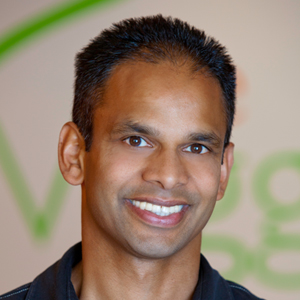
[00:00:10] Veggie Grill: Hello, and thanks for tuning into the Top Podcast for the food and beverage industry, Taste Radio. I'm editor and producer Ray Latif, and you're listening to Episode 188, which features an interview with Kevin Boylan, the co-founder of pioneering fast casual restaurant chain Veggie Grill, and co-founder of venture capital firm Powerplant Ventures. Tune in on Friday, November 15th for episode 60 of our Taste Radio Insider Podcast, when we sit down with the leaders of four up-and-coming brands who discuss the worst business advice they ever received. Just a reminder, if you like what you hear on Taste Radio, please share the podcast with friends and colleagues. And of course, we'd love it if you could review us on the Apple Podcasts app or your listening platform of choice. These days, it's commonplace to see vegan-centric restaurants in cities across America. But in 2006, few such options existed, and the ones that did weren't very good, according to Kevin Boylan. The co-founder of a successful tech firm, TK saw an opportunity to create a destination for delicious vegan food that could appeal to a variety of consumers. The concept was a hit, and 13 years after its launch, Veggie Grill has 37 locations and is planning to operate 50 stores by 2020. TK is currently the company's chairman and also a co-founder and partner with Powerplant Ventures, which invests in disruptive, plant-centric concepts. In the following interview, Nosh editor Carol Ortenberg spoke with TK about his transition from tech to food, how the first Veggie Grill got off the ground, and why the company took a patient approach to expansion. He also explains why it's critical for co-founders to be aligned on vision and values, what it means to be a good investor, and discusses the evolution of plant-based food brands.
[00:02:00] Investment Group: Hi, everyone. Carol here today, and I'm joined by Kevin Boylan, who is the co-founder and chairman of Veggie Grill, and also a partner and co-founder at Investment Group Power Powerplant Ventures. TK, thanks so much for chatting with me today.
[00:02:13] Power Plant: Oh, it's a pleasure to be here.
[00:02:15] Investment Group: What are you doing in our neck of the woods in Boston?
[00:02:17] Power Plant: Well, I'm thrilled to say Veggie Grill just opened our first Boston location in Harvard Square. So I came out here to check it out, and yeah, we're doing great.
[00:02:27] Investment Group: How's the reception been so far to Veggie Grill?
[00:02:30] Power Plant: Yeah, well, Boston's been on our list for quite some time. And we were looking for the right location, found it in Harvard Square. Took us close to a year to build it out. So we're thrilled to be open. But the reception's been great. I was there last night. The place was packed, a lot of Harvard kids in there and the faculty and just people hanging out in Harvard Square. And I was there again for lunch today. Yeah, we're we're doing good. So we just got to keep keep doing it.
[00:02:58] Investment Group: It's a good sign when your Harvard Square restaurant is packed. There's a lot of options there. So I'm sure it'll see continued success. And I definitely want to get back to Veggie Grill. But to start, I thought it would be kind of interesting to talk about how you came about getting involved in the food industry. When I was preparing for this interview, I was looking at your bio and saw you went to MIT for college. We don't get a lot of MIT grads necessarily in the podcast studio.
[00:03:27] Power Plant: Yeah, so my journey to food was pretty unique. I did go to MIT and worked in the systems world when I came out of college and ended up in the mid-90s starting an e-commerce development company in Los Angeles. That was one of the first companies. to really have that end-to-end deep technical experience along with front-end web development and we were developing a lot of the first-generation e-commerce and content and community sites and so that was a great run and I sold a piece of the company in 99, sold out completely in 2004 and had the opportunity to step away a little bit and think about what the next chapter of my business career would be and And I started looking at the health and wellness and lack thereof of the country, and really got passionate about trying to create a company that would be part of the solution in terms of the big problems that I was looking at back then, which was diabetes, heart disease, cancer, dependence on pharmaceuticals. And you know, knowing I came from a little bit of an Eastern, preventative food is medicine background. And so I knew there was a better way. And so I really wanted to help try and create a solution.
[00:04:42] Investment Group: Even at that time, you know, there were a lot of differing opinions on what's the right way to eat. How did you kind of go about honing that in and figuring out what Veggie Grill would really be about?
[00:04:52] Power Plant: Yeah, I mean, real journey, right? It's one of those entrepreneurial things where you can't think you're going to have it all figured out up front. You got to start and then iterate. And that's exactly what happened for me when I first started. looking at health and wellness and how do we create a solution. I looked at a few different areas, some of it related to software, which is my background. But then I honed in on, hey, you know, there's a fundamental need that's not being met, which is being able to go out and find delicious, healthy, convenient food. And I ate out a lot and just wasn't happy with the choices. And that bugged me enough that I decided to do more research on it and be, you know, I think part of the big picture concept was eating out is such a fundamental part of American culture. And yet every place you can eat out is not leading you in the right direction from a health and wellness standpoint. And so that was kind of the bigger picture. Hey, I want to create a solution for that problem after I started diving into it. And then, but I had no restaurant background, no, no real food background. So it was kind of a pie in the sky idea, but I was, interested enough in solving that problem and passionate enough that I said, OK, I'm just going to visit every healthy restaurant I could find just to see, does it exist? What's it look like? Can it exist?
[00:06:14] Investment Group: Were there many of them to visit?
[00:06:15] Power Plant: There weren't that many. This is back in 2005. And back then, CitySearch was one of the websites that had a list of healthy restaurants. And I got a list of 10 restaurants in Southern California, drove out to all of them over the course of a week. really evaluated them, was it something that I thought could really fill that need of delicious, healthy, convenient food? Could it be scaled? I wanted something that wasn't just one chef who needed to be there all the time, but something that really had some way to grow and be that solution on a national basis. At the time I was not vegan or vegetarian, which I have been now for the last 15 years, a plant-based eater, but back then I was not. I had a lot of poultry and dairy at about every meal, tried to limit my red meat, but by doing that research I ended up at a few vegan restaurants. So that was my first kind of entry into a vegan restaurant by doing that research. And I went into a couple of these restaurants and they were hole-in-the-wall places, you'd never find them unless you knew the address and even if you had the address, there was no sign on the door. And so I had a few meals at some of these vegan restaurants and I was like, wow, this food is actually pretty good. It tastes great, it's satisfying and it seems like it should be healthier for you. So I was like, wow, maybe... there's a solution here that I can help create. And so that was kind of the first light bulb of, hey, you know, actually if you prepare plant-based food the right way with the right marinades and sauces and do them in kind of familiar forms like sandwiches and bowls and salads, you can do it in a way that really is satisfying. So that kind of set me on a path of, well, let me really dive into plant-based and vegan food. And I'm going to jump back and forth, just all depends which audience I'm talking to, which word I use, but it was my first exposure to it. And so I dove into it and it was good timing, it was 2005 and a few research papers had just come out, the American Dietetic Association just published a paper saying that vegan diets, not only can you get all the nutrients you need, but they can be health-promoting and reduce your chance of several prominent diseases. So that's pretty interesting and I read a book called The China Study which laid out some pretty compelling data. I read a few other studies and I said, hmm, this is interesting enough that I'm going to try it myself. So I became a plant-based eater and this was probably in maybe March or April of 2005 and three months later I had lost 20 pounds, my cholesterol had gone from over 200 to under 140. I just felt great, my workouts were getting a lot better, I was losing, I was getting the six-pack back in the gym. And so I was like, wow, this is a solution. This type of eating does work. So I became a big believer in the benefits of plant-based eating. So that was the second light bulb. And then the third light bulb was I started bringing friends of mine to a couple of these vegan restaurants and saying, Am I kidding myself? Does this food actually taste good? And the reaction I got universally was, yeah, you know, this actually tastes great. You know, I'm health conscious. I'd probably try and eat this a couple of times a week. But, you know, I'd never come in here on my own. I just feel uncomfortable. It feels like I have to be a vegan to come in here. I have to sign a petition. I have to do the downward dog and rub the Buddha's belly. I just wouldn't come in here on my own. And so that feedback was the third light bulb. It's like, okay, not only does this fulfill a big need, but there's a big opportunity to take this type of food and package it in a fun, friendly, approachable way and bring it to a mainstream audience who just aren't seeking out vegan food or vegetarian food, but they just want to eat healthy and if we present it in the right way, that they'll give it a try and once they try it, they'll enjoy it and keep coming back. And so that was the vision. And obviously there's a lot of passion behind it. We learned along the way, we learned about the environmental benefits of plant-based, the tremendous negative impacts of factory farming. And so that all fueled this passion to jump into a logical choice, which was to start a vegan restaurant back in 2005 and think you were going to create a national chain.
[00:10:44] Investment Group: Now you said you didn't have, you know, food or restaurant experience yourself. How did you go about gaining that knowledge or surrounding yourself with people who had that knowledge?
[00:10:53] Power Plant: Yeah, great question. So my partner who, you know, was doing research with me at the time or going on this journey, Kevin Boylan and I, Kevin was an investment banker and we had met when I had my e-commerce company. And along the way, he had asked me to look at a technology deal and help him evaluate it. I told him I wasn't interested in that. He asked me what else I was looking at and told him about this healthy, delicious, convenient food idea. Thought he would say, well, good luck, have fun. But he was really interested in it too. He thought there was a big need out there to be solved. So he asked to get involved. And so we spent some time aligning around a vision and a purpose. We identified this certain type of food we wanted to create that was plant-based and developed a passion around it and through that identified a third partner who was a co-founder of a vegan restaurant and we thought he really knew how to deliver the food we wanted. He had a restaurant with a partner at the time, but he and his partner weren't getting along. And we originally approached him about maybe investing in his restaurant and helping him grow. Through that process, we discovered that he and his partner just needed to split up. And we said, well, listen, we're doing this. We need an operating partner to help us execute on the food side of it. We think you'd be perfect. Do you want to come on board? And we spent a lot of time really a lot and this is gonna be a common theme for me and it's been for all of my businesses is we spent the time up front really aligning around vision and values and what we want to create and he saw our vision of hey, we don't want to build a restaurant that is just going to serve a small set of the population which are the vegans at the time. We said we want to take this food and bring it to the mainstream health conscious and make it fun, friendly and approachable and he was totally aligned with that vision as well. And so he joined us and so... And then we ended up hiring a director of operations as our fourth key member who knew how to run restaurants. And so the good thing for me at the time was I had already come off one successful entrepreneurial venture, and Kevin had as well. So we had the ability to bring some capital to the table and then bring on the right people to surround us in the areas we didn't have as much expertise in. and I focused all my effort around the brand and how do we bring this brand to market in a way that's going to get past the vegan vegetarian stereotype and how do we present the food and present the environment and how do we make sure we have an overall operating and growth structure and plan in place. Let my partner Ray White who is the co-founder on the food side handle the menu. Kevin handled the real estate and the finance side of it. We brought on John Anderson as our director of operations to run the front end of the restaurant. So we had the right team, which is also a common theme that I'm more honed in on now than ever. You know, as an investor, it's all about the team and making sure you get the right team in place.
[00:13:53] Investment Group: It seems like you all had clear understanding of what your roles were too and what each of you were going to focus on.
[00:13:59] Power Plant: Yep. So that's, I think the other kind of, if you go big picture kind of framework of building a successful company is you got to have the passion, you got to align around vision and values, and then you have to have complimentary skill sets. and know who's going to play what roles and making sure you are self-aware enough to understand what roles you're going to play well and what roles you need other people to help you with and having the wherewithal to put those pieces together.
[00:14:28] Carol Ortenberg: Guessing your margins? That's risky. Belay Financial gives CPG brands the clarity to scale smarter, faster, stronger. Get your free inventory ebook by texting TASTE to 55123 and start making data work for you.
[00:14:47] Power Plant: Tune in at the end of this episode for an exclusive interview with Matt Lynn of Belay Solutions. He sits down with Melissa Traverse to break down the biggest inventory and accounting mistakes CPG founders often make. You'll learn how to bring clarity to your numbers so you can scale with confidence.
[00:15:05] Investment Group: Now, what did those first few years of Veggie Grill look like? How did you get around that stereotype of vegan and vegetarian food? How'd you get people in the door who weren't vegan or vegetarian?
[00:15:17] Power Plant: Yeah, a lot of outside the front door begging people to come in. I'm just kidding. We spent a lot of time really testing our menu before we launched. I had several iterations of menu and I knew the target audience we were going after, which was generally health conscious 25 to 50 year olds who were starting to think more and more about their health and were willing to pay a little bit more for food that would help them be more healthy, but we're not vegetarian because we knew the vegans and vegetarians, we would appeal to them. It's like, how do we make sure we're going to appeal to all those people out there who don't necessarily seek out vegetarian restaurants? created version of menu, tested the different names, exactly what we put on the menu. You know, I'd bring the menu to them. I had about a list of 100 people who were all kind of within my network. And I went to every one of them and, you know, sat with them and said, OK, pretend you're outside a restaurant. Look at this menu. tell me you're going to walk in or not, right? And through some testing, I said, okay, yeah, this looks interesting. I like the Santa Fe crispy chicken sandwich. That sounds pretty good. You know, the fact that you have some fries on your menu makes me think you guys actually are going to have some food that's tasty. And that was a big learning for me because when I first was getting ready to launch, I was questioning, should we even have fries on the menu? But what I learned was fries are a universal comfort sign for people. And so not everybody's going to eat them, but some people won't even come in and try the food if they don't see some stuff that sounds good. So we put the sweet potato fries on there and Santa Fe crispy chicken made from our plant-based proteins and then, but we had a lot of great salads and now we've got a lot of great bowls. And so we really tried to, you know, through that process, come up with the right balance of appeal to the health conscious and the vegans and vegetarians, but also make sure we're appealing to people who just, you know, want to eat a little bit more healthy, but you know, don't want to get too far out there. And so luckily through a lot of testing and research and some intuitive gut feelings and also the fact that I came from that exact consumer background myself, I was able to design a menu that really did work when we launched it. We did all this testing, kind of came up with the menu, came up with the look and feel of the restaurant, found the first location, built it out with a kind of an ambiance and design we thought met our criteria. And we did spend a lot of time understanding what our brand wanted to be. And we said we want to be clean, crisp, contemporary, and fun, friendly, and approachable. And we made sure everything we did fit that filter, including the restaurant build-out, the signage, everything. opened the doors and crossed our fingers and hoped that people would come in, and luckily they did. And then said, OK, once you try it, you're going to come back. And a lot of people tried it, and then we executed well on the food. And luckily, like I said, had the right partners handling the food side of it. It came together and it worked and then we opened a second location and that one didn't work as well early on, but luckily that taught us how to really understand how do we market, how do we get out to different groups that aren't necessarily walking past your restaurant.
[00:18:33] Investment Group: What didn't work about the second one? What did you learn?
[00:18:36] Power Plant: The first one had a lot of foot traffic and we were right across from UC Irvine and so all the college kids and we're right next to a Trader Joe's. So everybody was walking by and they saw the Veggie Grill sign and took a peek at the menu, saw people coming in. So it was easy. The second one was in this new mall in El Segundo that just got built out. You know, now it's been there for 10 years, but back then it was brand new and there was a Whole Foods there. And that's why we signed the lease, but the Whole Foods was in a different section of the mall. Ours was in the back end. It was called The Edge and nobody was walking by there. Nobody even knew there were restaurants or locations there. And so we opened that second one and nobody was coming in. And, you know, we were like, God, we really blew it. And like, gosh, you know. And we said, OK, we got to figure out how do we get food in people's mouths. And so we started doing a lot of office catering because we had some core fans that were coming in, the vegans and vegetarians. And we said, OK, you guys, we're going to treat your office to lunch. You guys take this food back to your office on us. And they wanted to advocate for us as well. And so back up people to try the food. It's like, wow, you know, Veggie Grill, that actually tastes pretty good. Who knew that, you know, it was kind of the same experience I had. Who knew plant-based food could taste like this? And I do want to be healthier. So that started getting people in. And then we started doing other items. We called it food in mouth, which is also part of the CPG, natural food world, for sure. Like, yeah, we just got to get this food in people's mouths. started doing Veggie Grill virgin days where you know bring it bring your friend in who's never been to Veggie Grill and have them come in and give it a try and that worked great and so before you knew it we had a lot of great trial a lot of great word of mouth because once you get them in and try it then they have to be something, you have to be blown away and say, wow, this is great. And I'm going to come back and I'm going to bring my friends. And luckily, we had architected the experience so that people started spreading the word. And within about three months, that second location, El Segundo, was doing more than our first one. And so then we kind of knew that we had something because we were working in two totally different locations with two different demographics. And so those early trials make you figure things out.
[00:20:43] Investment Group: So fast forwarding a little bit now you have 36 locations. How did you get from 2 to 36? What did that? Yeah, and geographically far more diverse all over the country. How did that scale up? What did it look like?
[00:20:56] Power Plant: Yeah, so that's another I think commonality around both CPG and restaurants is your growth plan is a double edged sword. You gotta be very. careful. You want to go quickly, but you don't want to go too fast and hit the wall. So we, I think we're smart enough to know that in those early days, we had to be very careful about additional locations. In the natural foods world, that's new distribution channels. But for us, it's opening another location, costs you a million bucks to open a new restaurant. You got to make sure you're in a lot of restaurant chains, end up hitting that wall quickly when they try and go from two to seven, because their first two, they pick good locations. The next five, the locations aren't as good. They haven't scaled their operations well enough. They're not delivering a consistent experience. So we were very methodical for those early days. So between 2000, from 2006 to 2011, we opened six more. So about one a year. So entering mid-2011, we had seven. And then we kind of felt like we had enough of a base. And, you know, it's kind of that deep and narrow strategy that we talk about at Power Plant, where we were pretty deep in LA and Orange County. And we had really honed our operations and our brand and learned a lot of lessons. So we had what we thought was a real solid foundation here in LA and Orange County. And we knew we wanted to step on the gas. And we were smart enough, I think, to know that taking a restaurant concept to other markets was something we hadn't done before and probably could have figured out. But given how quickly we wanted to go, we decided to bring on other people who had done it before. And so we specifically went out and searched for a CEO who knew how to take restaurants from a regional to a national basis. And we found a great a gentleman named Greg Dollarhide, who had his accomplished restaurant background, and he was very interested in what we were doing, saw it as the future, and so he came on in 2011 as our CEO, and he scaled us very quickly over the next several years from that seven to about 28 in about three or four years. And so that also is a lesson. All the locations didn't work perfectly when we started. There were some markets that It was a little early for Veggie Grill. And so on the plus side, we put in a great operational infrastructure to operate in four or five different markets, Seattle, Portland, Northern Cal, San Diego. And we had some great locations. We had some other locations that weren't doing as well. And so we paused a little bit and said, OK, we got to make sure we can figure out how to get all these locations to perform well. And so we spent a couple of years going through that process. And we did a few things around the brand and around the menu. And lo and behold, we started really hitting our stride again. And so in 2016, we started accelerating again. And in the restaurant world, it takes a little time to accelerate because then you got to start lining up your leases and then building them out, which takes about usually at least a year. So we're back on our growth curve and we've opened in Chicago, Boston, New York City. And so You know, I think the lesson there is build your foundation, make sure you're ready. That foundation is strong enough for growth. Start your growth, but make sure you always have the ability to hit the brakes if necessary or slow down as necessary. Because if you go too fast, you can fall off the cliff. And I think we've all seen that. So we slowed it down when we needed to. We're speeding up again. And so we're feeling great. We're on our path to being a national brand here. And we are now with Boston, New York City. We're opening next month. And that comes with a few new challenges in terms of building our team, building our brand. But we're feeling great about it. We've got a team in place to do it. So yeah.
[00:24:59] Investment Group: And during that period where you slowed down a little bit and re-evaluated, what were some examples of what you did to make sure you were set up for success when you wanted to speed up again?
[00:25:10] Power Plant: Sure, we had to evaluate the menu itself. It's similar to natural foods where you go from your natural specialty channels to your mainstream conventional channels. You've got a different consumer who is looking at things a little differently. and they're looking at the brand differently, they're looking at the actual product a little differently. So we looked at our menu and we understood where it was strong and where we could get a little bit better. We definitely added a few new menu items and more categories. We really understood where the consumer was going and they were getting more veggie-centric before our eyes. So we started celebrating the vegetables a little bit more versus when we first started we were really honed in on how do you show people the vegetarian food could just be indulgent and satisfying and we really embraced a lot of the meat alternatives and now our menu is very balanced with the both the indulgent meat alternatives but also the clean healthy bowls and salads and so we balanced out the menu took the brand a little bit in that same direction as well and I think the market came to us a little bit as well you know more and more people were seeking out plant-based foods.
[00:26:20] Investment Group: You've partnered with some of the leading plant-based brands and on your menu you call out that you're using, you know, for example, Beyond Meat and I think Follow Your Heart as well. How do you evaluate those partnerships? Because right now, especially, there's so many choices in plant-based meat. How do you figure out which ones are going to be additive to your brand and your aesthetic and everything you want to achieve?
[00:26:44] Power Plant: Yeah, that's a great question. In the early days it wasn't hard because there were only a couple. We met the Beyond Meat guys before they even had a product. We knew the Daiya Cheese guys when they first launched, Gardein when they first launched, and they were just all coming to Veggie Grill because we were the first channel that they wanted to get into. But now, as you mentioned, we're in a different world, which is great for the plant-based community and the community in general, which is there's a lot more choices. And so we're looking at where do we need to strengthen our menu? What's our menu stand for? And what are the products out there that can help us deliver, both on the taste, but also on the consistency, the economics? in the national scale basis. There are some companies that just, you know, can't deliver at the scale we need them to. And so we have to wait until they strengthen their own internal capabilities. But we're always looking at the latest and greatest in the plant based world. And that's part of our purpose at Veggie Grill is to be where people can come for the latest and greatest breadth and depth of options. So it's an exciting time because we're seeing new products, but I think also One thing, you know, which maybe is a good key item for anybody thinking about a new product is it's got to be a level better than what we currently have, right? Because to make a shift from one cheese to another cheese is a lot of work. You know, part of running a restaurant system is everything's dialed in based on certain ingredients that perform certain ways and certain dishes. And if we're going to add something else, it's got to be fundamentally better in certain applications. And so, you know, for anybody starting a new product out there, I think one thing to make sure you ask yourself and test out is, are you fundamentally better at certain things in certain ways than what's out there on the market today?
[00:28:37] Investment Group: And it could be price. It's not just taste or use, it sounds like.
[00:28:42] Power Plant: Yep, exactly.
[00:28:44] Investment Group: Now, despite the menu changing a little bit, the Veggie Grill name has stayed pretty true. It's a pretty clear name, tells you what the restaurant is. How did that name come about?
[00:28:55] Power Plant: Yeah, so it's a great question and definitely was a process. When we first were thinking about our name, we knew that we didn't want to call ourselves the Veggie Grill, because at that point in time, vegan implied a certain non-taste profile, so to speak. So we wanted something that inspired a certain amount of enjoyment, but we also didn't want people walking in the door thinking they were going to get meat and then walk away disappointed. We wanted something that signaled who we were. Through a lot of brainstorming and iteration, we kind of honed in on grill. We want to use grill. We have grills. We're grilling up these great sandwiches and burgers, and it really inspires enjoyment and flavor. And so grill is something we want to use. So what do we put in front of grill? And veggie came up, but, you know, I dismissed it and we all dismissed it initially. I was like, well, you know, we're not doing a lot of grilled vegetables. You know, yeah, it's not going to work. You know, we started thinking about the vegetarian grill and, you know, it kind of sounds dumb that we were thinking about that back then, but we were like, yeah, vegetarian grill. You know, these are all the greatest of vegetarian products, but we're grilling them up. But the best thing we did, And again, back to testing with your core market. We did a lot of testing. Again, you got to test it in context, right? You have to put it in writing and have people quickly say, okay, you hear this, something you want to walk into or not, right? Do you hear a vegetarian grill? Is this something you want to, place you want to eat at? And a good friend of mine gave me great feedback. He said, hey, when you say the vegetarian grill, Sounds like I have to be a vegetarian to eat there. Just doesn't sound that friendly. You know, I think you should call it Veggie Grill. Veggies are fun. They're friendly. I like veggies. I'd come eat there. I'm just like, hmm. That's interesting. You know, I didn't think we should use veggie because literally, you know, now we actually grill a lot more vegetables. But back at the time, we were doing more grilling of the meat alternatives. So I was like, hmm, that's a really good point. And so I went to my partners. I said, you know what? Because we'd all kind of ruled out Veggie Grill. So I think we should really think about Veggie Grill again, because it's fun. It's friendly. It's approachable, which was what we already defined we want to be. And we all kind of agreed. And we we went with it. And it definitely has served us well because it signals who we are, but it also signals fun, friendly, approachable. The grill signals flavor and enjoyment. And one of the, I guess, the choices you always have to make is you can't please everybody. Some people hear Veggie Grill and don't want to eat there, but a lot of people hear it and say, hmm, that's a place, you know, I should check out. Long story short, it was a combination of skill and luck, like anything, right? Like we were skilled enough to do enough testing, lucky enough to get the right feedback from and listen to it.
[00:31:53] Investment Group: One thing that keeps coming up is investing the time up front, whether that's getting to know a partner to make sure they're the right fit for you or testing a name, testing a concept. What does that look like for you and why do you think that's so important?
[00:32:10] Power Plant: So I've been in this entrepreneurial world for quite some time now, since I started my e-commerce development company in the mid-90s. And I did read Built to Last back when I was running that company with my partner. And I really got fascinated by the purpose, vision, values framework that these companies that had lasted the test of time had in common. And brought that to my partner at that company and brought it to him at a time where we was right after the bubble had burst and we basically needed to cut our company in half. And having to go through that, well, what do we really stand for from a purpose standpoint? And then what are our values and what's our vision? And that stuff really helped us get through that downturn. And we had to make some cuts, but we cut it in a way that really allowed us to thrive and have a future. And so I took that same framework before we ever started Veggie Grill. And when I first started working with Kevin and Ray, we sat down in a room and said, okay, what's the purpose here? What are we trying to achieve? We're trying to, you know, make plant-based food fun, friendly, and familiar, right? That's our purpose. What's our vision? Bring it to consumers across the country and make it convenient. what are our values, what's going to, you know, we're going to always stand for these things. And that really served us well. And then Power Plant partners and I did the same thing. And, you know, one of the things we have Power Plant is our overall playbook for companies. And the first thing we have in there is alignment is 1% and then execution is 99%, but without that 1% alignment, the 99% can't happen. If you're not aligned as a team and an organization around what you're trying to achieve, if you don't have that foundation, it's just you're always going to have challenges. I think as an entrepreneur, you know, that's one of the reasons I became an entrepreneur is I wanted to make sure I was at 100% belief in what I was doing. And so I think I've become a purpose-driven entrepreneur and conscious capitalist. And so it's not the only way to do it. You know, some people focus more on the economics, but for me, I've always, since I made that leap from tech to food, it's always been purpose-driven. Do you want more repeat buyers on Amazon? Well, this free resource in collaboration with Straight Up Growth will help your brand turn first-time buyers into long-term subscribers. Download Winning the Repeat Purchase Game on Amazon now at Taste Radio.com slash SUG. That's Taste Radio.com slash S-U-G to start building retention-driven growth for your brand on Amazon. Scaling a beverage brand into major retail comes down to operational readiness. From packaging lead times to co-manufacturing strategy, the details can make or break a launch. In a new ebook in collaboration with Octopi and Asahi Beer USA, industry leaders share what they've learned in helping brands scale. Download it now at Taste Radio.com slash octopi. Do you need to scale your team faster without compromising on talent? Join Oceans for a live webinar on April 20th and learn how leading companies are hiring top global professionals who are ready to grow with your business. Register for the webinar now at Taste Radio.com slash oceans. That's Taste Radio.com slash oceans.
[00:35:45] Investment Group: You mentioned Power Plant. I would love to talk about that a little bit. So can you talk about how the firm came to be and what your thesis is around investing?
[00:35:55] Power Plant: Sure. So there's another one of those, I'd say preparation, you know, or opportunity meets preparation, right? And, you know, the definition of luck, but I wouldn't call it luck. I'd say we were on the ground floor of the plant-based movement. with Veggie Grill, having started in 2006. And as I mentioned, in 2011, we brought on a CEO to help take us to the next level. By about 2015, we had a fully built out team at Veggie Grill. The plant-based movement was starting to accelerate. We were starting to see a lot of these new emerging products and being on the ground floor of that, Kevin and myself. and we had already built one of the leading brands in the plant-based world. We had this network of people coming to us both through Veggie Grill and through just based on our role in the plant-based world with great new products that We thought were compelling and meeting needs and we wanted to also create more impact around food and the food system and bringing better nutrition to more people and in more sustainable and ethical ways. And so we thought a way to do that would be just start a fund. and be able to invest in all these great companies that were coming to market and help them grow. And so we were at a point at Veggie Grill where we were able to step away from the day-to-day because we had that team in place. And so we decided we were going to try and start a fund to invest in the next great plant-based food brands. And we sat down and looked at it and understood that We had a deep network in the plant-based world. We certainly understood the restaurant food service world, but we didn't know much about the CPG world and your world, and it's been my world for the last five years. So we realized that, and based on that, I had met Mark Rampolla. founder of Zico Coconut Water several years earlier because his office for Zico was right near that Veggie Grill in El Segundo and so I actually met him at the Veggie Grill in El Segundo one day and he and his people at his office has become big Veggie Grill fans and so we got to talking, got to be friends and he ended up becoming an investor in Veggie Grill. And we got to know each other pretty well and really shared similar, we approached things differently, but really shared similar vision on, hey, we want to make the food system better. And so when we realized our big hole that we wanted to fill the CPG expertise, I went back to Mark and said, hey Mark, here's what Kevin and I are thinking about, you know, what do you think? And it turned out to be perfect timing because he had sold Zico to Coca-Cola about a year and a half, two years earlier, had already started investing as a seed investor in natural food brands, had a great network that was very different than Kevin and I's in the natural food and beverage world. And he was actually really enjoying investing and advising in these companies and was actually starting to consider starting his own fund. And he's like, he was pretty interested. So that led to the three of us sitting down in a room for over several weeks, really, you take a guess what we did.
[00:39:12] Investment Group: uh, invested the time up front to figure out your values and mission. That's right.
[00:39:17] Power Plant: We defined our purpose. We defined, we articulated our vision. We defined our values and determined that yes, we do have alignment and that we are all going to be able to work together and we want to create the same thing. And so decided to go for it. And we were three guys with great operating experience, but zero fund experience. So that was new for us, but we were able to raise enough money, $42 million, from Zico investors, Vegigo investors, some of our own capital. And our networks did service very well, and our operational background did service well. So we were able to, in that first fund, invest in great companies, including Beyond Meat and Rebel and Ripple and Beanfields. and add enough value that the first fund has been doing very well and had gave us the wherewithal to raise our second fund. And now we actually are experienced fund managers and have learned what it takes to not only be good operators, but really be good investors and advisors and supporters of the brands we invest in. And so our second fund is $165 million. We added a fourth partner, Dan Gluck, who is the founder of Health Warrior. But that's how it came about. Again, it's about, hey, there's a vision here, there's different skill sets and different roles. And luckily, between Kevin, Mark and I, we came together and when we're getting ready to launch the second fund, we knew we wanted to add another key piece to our team, somebody who came from both a deep financial background but understood the health and wellness and natural food world and Dan was the perfect fourth partner because not only had he started Health Warrior but he was a partner in a hedge fund and had been in the financial markets for 20 years and had only started Health Warrior kind of on the side but never left his hedge fund and ended up bringing on a team to run Health Warrior and then he had actually decided he wanted to start his own fund. You know, it's kind of one of those things where you're usually not going to get what you want unless you define where you want to go, right? And so we defined in the early days where we wanted to go, who we needed to get, what type of person we needed to get there, and that's how the four of us have all come together.
[00:41:29] Investment Group: you said by the second fund, you guys have figured out how to be good investors. What does it mean to be a good investor?
[00:41:36] Power Plant: Great question. Yeah. Uh, it means we're not operators, right? I think, you know, as a operator, you kind of have this view that you can, uh, take the positive of anything. And, uh, whereas, uh, as an investor, you've got to help your founders and teams become better, not by you doing stuff, but by helping them see where their holes are and help them come up with ways to fill it. And usually that means adding to their team or thinking about addressing their brand or thinking a little bit differently about their distribution strategy. But if these companies are going to scale, they need to be able to do it themselves. And we need to give them the right guidance and support and be kind of the mirrors that can help them show them where they need to improve and give them some guidance. But then it's up to them to do it.
[00:42:27] Investment Group: How hard is it as somebody who started companies to sit back and say, okay, I know how I do it. I know exactly how I'd go about it, but I'm going to sit back and I'm going to tell you how I think it should be done. And then I'm going to let you try to do it and I'm going to help you do it.
[00:42:41] Power Plant: Yeah. So that exactly was the process that in the early part of fund one, it was, Hey, I'll come in there and help you do this. And, but, um, that's not the right way to do it as an investor. You know, the right way to do it is to really make sure we're investing in companies and teams we think have the ability to learn and adapt and grow.
[00:43:01] Investment Group: I think that's a great point.
[00:43:02] Power Plant: Yeah. And then, yeah, so that's something we've certainly learned, too, that we need to invest in people. We're investing in people. And and those people need to, one, have a vision that we can align with and they can align with us because we're going to become partners. And then to have the self-awareness and ability to to understand where their strengths and weaknesses are, have the ability to learn and adapt, and then it's our job to help them do that. The thing I've really learned is these are partnerships as well, but partnerships in a different way, where we're the partner to help them achieve their vision and goals, but it's their job to achieve it. It's our job to help them.
[00:43:43] Investment Group: And speaking of how things have kind of evolved over time, we've touched upon this a bit throughout our conversation about how different things were in 2005-2006 for plant-based foods than now. Clearly you still see opportunity in the space you're investing in companies. Where do you think that white space is and how do brands break through when it's so much more noisy now?
[00:44:07] Power Plant: Yeah, for sure. It's a different situation now. And so you got to up your game. So it comes back to back in 2006. just having a meltable plant-based cheese was all you needed, which had Daiya cheese.
[00:44:22] Investment Group: I remember this. It was like, did it melt on my food? Okay, I'm good.
[00:44:26] Power Plant: And Daiya cheese and the founders there, who I'm friends with, did a great job accomplishing that, I think in 2007 or 2008, because we never used a cheese until they came out, because none of the cheeses were good enough that we just didn't want to put it on our menu. and Follow Your heart to come out with some great stuff. So now you've got to be much better. You've got to like, what is the specific cheese occasion? So now I think there's Daiya and some of the other cheeses work to a certain level on pizzas, but they don't work on all pizzas and all meltable cheese applications. So there's still, I think there's still opportunities to improve on that. And we're seeing some companies that are coming to market that are doing that. There's a lot of different meat categories now. The burger obviously has a lot of like, it's hard to really do something differentiated there, but on the sliced deli meats or different categories of meat, there's opportunity. We're seeing obviously some progress on the seafood side, but it's pretty early there. So we're looking at that. So it's all about you know, fundamentally, do you have a compelling solution that's meeting the need of a large enough group of people? And nobody knows exactly what that is or they'd be doing it, right? You know, so it's up to you as an entrepreneur to really ask yourself, hey, do I really believe that this can be that? And am I willing to devote my next 15 years to do it? Because I really think it should be done. And that's kind of why we started Veggie Grill. That's why we started Powerplant, and that's why a lot of the great entrepreneurs we partner with started their companies.
[00:46:02] Investment Group: It sounds like it's not just, though, about having an incrementally better product, because it's interesting you mentioned Daiya. They had a plant-based cheese. They released an even better plant-based cheese. So with an industry like this, it sounds like you have to keep iterating and striving to be the best you can be.
[00:46:19] Power Plant: Sure, I think that's in every industry for sure, right? That's what's great about competition, right? And consumer choice. So we as consumer products need to always keep striving to be better. And Day has done it. Everybody's doing a great job. Beyond Burger's doing a great job, for sure.
[00:46:39] Investment Group: What about the trend of brands labeling themselves as plant-based because it's a buzzword? Does that help or hurt things when you see plant-based pasta on shelves?
[00:46:50] Power Plant: It's hard for me to judge, right, because I'm one type of consumer. You know, usually I think we've all seen it that that wears off quickly if you don't have a real authentic product that is supporting what you're calling out on your packaging and it can kind of, you can lose your credibility. So yeah, so I think at the end of the day, it's the authentic, credible brands that end up doing the best.
[00:47:16] Investment Group: when you think about the brands that are doing the best too, they like Veggie Grill are kind of helping people make incremental changes in their life. And it's interesting in plant-based because you see some brands that are saying, you know, you're eating wrong, you're killing the planet, you know, you're having all these disastrous effects. And certainly those are valid points, but that can be intimidating as a consumer who doesn't eat plant-based to encounter that.
[00:47:41] Power Plant: Yeah, eating is such a... what I learned early on in the Veggie Grill process is eating is such an emotional intrinsic part of every individual and everybody grows up. It's as close to religion as you can get, right? You've been doing it your whole life and your parents taught you how to do it and they raised you a certain way. I learned very early that telling people what they shouldn't eat is not the best approach. And we took that to heart with Veggie Grill. And we really honed in on, here's why you should try it. It tastes great. It's great for you. It's going to Follow Your to do certain things and not tell you you shouldn't be eating other things. But we just decided getting in that argument wasn't going to be productive. Everybody's got to make their own journey and develop their own awareness and eat in a way that meets their own values. And I think there are a lot of valuable people out there helping to create that awareness of what different food choices do mean. But I also, you know, having been in this for as long as I have, know that You know, there's certain people who just aren't going to resonate with certain types of messages. And so we always have to kind of, for Veggie Grill specifically, and every brand has to make their own choice, because I do respect some of the brands that promote vegan loud and clear based on what they think is the right thing for their brand. But we as a restaurant that is trying to appeal to a certain audience really hone in on, let's make this inclusive. And we think we can touch more people that way. But it's certainly, it's a very, I think, complex issue for sure in terms of what food choices people make.
[00:49:33] Investment Group: So to wrap up the interview, I'd love to look forward a little bit. As we've said, much, much has changed since 2005. And there's certainly more competition, both from plant based options, as well as just more quick service restaurant opportunities. So how does that impact where Veggie Grill goes in the future and, and how you're thinking about competition now and growth?
[00:49:54] Power Plant: Yeah, so as we talked about earlier, it's a constantly evolving marketplace, both for any food brand out there and as consumers continue to evolve. So we certainly have more competition. There's a lot more people promoting plant-based food in their restaurants. So we continue to need to make sure we're delivering the best of what the plant-based world has to offer from both quality and of making sure we're the best we can be in the categories that we deliver on our menu. There's an opportunity for us for sure, too, because more and more people are understanding plant-based. And when they get their first experience at another restaurant, maybe they'll start thinking, hmm, maybe I'll go give Veggie Grill a try. So it's, I think, like any maturing market, if you don't stay relevant and keep improving, you'll probably get overtaken. But we do have a lead in this market, just like any category leader does. Our goal is to leverage our foundation and be the authentic category leader for 100% plant-based, fast, casual eating.
[00:50:59] Investment Group: When you see something like the Impossible Whopper, what goes through your mind? What do you think about something like that?
[00:51:05] Power Plant: Yeah, so ultimately I think it's great. It's introducing more people to the concept of a plant-based burger and thinking that, hey, this is normal. A plant-based Burger King normal and that's what Beyond Meat and Impossible Burger are doing. Again, we at Veggie Grill need to make sure our Burger King better, right, that we're dolling it up with the best the plant-based world has to offer from cheese and different condiments and bacon and everything. We're making sure our plant-based Burger King the best, but it's great that plant-based burgers are becoming part of the mainstream culture.
[00:51:43] Investment Group: Well, this interview has certainly made me hungry. I may have to stop by the Veggie Grill on my way home from work. It's right on the way home. So maybe I'll see you there. And thank you so much for joining us in the studio today to tell your story.
[00:51:55] Power Plant: I'll be there and I'll be looking for you. It was a pleasure to be here. It's always fun. be part of this industry. It's a great industry. I think that's probably the biggest thing I've learned or one of my biggest areas I'm grateful for is going from tech to natural foods. It's just how many people are in this for their passion of making the food system better. So it's great to be here.
[00:52:18] Veggie Grill: That brings us to the end of episode 188. Thank you so much for listening and thanks for our guest, Kevin Boylan. You can catch both Taste Radio and Taste Radio Insider on Taste Radio.com, the Apple Podcasts app, Stitcher, Google Play, SoundCloud, or Spotify. As always, for questions, comments, ideas for future podcasts, please send us an email to ask at Taste Radio.com. On behalf of the entire Taste Radio team, thank you for listening, and we'll talk to you next time.
[00:52:58] Kevin Boylan: Hello, I am Melissa Traverse here for the Taste Radio podcast, talking about some of the biggest tension points that CPG brands and founders face when they're scaling a brand, and those are financial accounting and inventory management. I am joined by Matt Lynn, inventory accounting guru from Belay Solutions, and he is going to shed some light on all of this that is going to help everybody out quite a bit. Matt, thank you so much for joining us today.
[00:53:28] Powerplant Ventures: Thank you for having us, Melissa. It's great to be out here at Expo West and it's great to sit down and be able to chat this because it's kind of a passion project of ours, working mainly with CPG brands and hoping to help them scale.
[00:53:40] Kevin Boylan: It's been such a pleasure chatting with you and the team and learning all about what you do over there at Belay Solutions. Can you tell us a little bit about yourself and what your role is and the kinds of solutions that Belay gives to CPG brands and founders?
[00:53:55] Powerplant Ventures: Yeah, absolutely. My role with Belay, I'm actually our inventory accounting manager. I run our inventory department, so we work with CPG brands, taking them from spreadsheets, putting them on inventory management systems, and really helping connect their tech stack between their sales online marketplaces to that inventory management system, even down to their financial systems like QuickBooks. Belay overall is kind of an outsourced accounting firm. And with that, we're helping teams. We have different levels with bookkeeping, controller level work, even high level into CFO type items. So we really help those brands in any way that they need financially. And then I just have a subset of a department where we're really just laser focused on inventory.
[00:54:38] Kevin Boylan: It's certainly a complex topic and there are plenty of places to go wrong. Let's start by going right and start super simple. Can you tell us what some of the biggest red flags are that would help a founder understand or, you know, the person running a brand understand that it really is time to get some help with some of these areas?
[00:54:59] Powerplant Ventures: Yeah, absolutely. I think some of the early red flags is just everything is chaos. So when they're looking in their financial software, maybe they don't really have an accounting background and they're kind of just piecing it together and doing their best. And what they'll see is that reconciliations take forever if they even happen. They have a lot of transactions that don't get coded or they just put them into placeholders to just get rid of it so it's not an eyesore. they'll notice they have revenue but no cash or they notice that they have a good amount of cash but their blind spot is really seeing the vendor invoices that are sitting there just needing to be paid and so they just lack that clarity that's going to really be around the corner.
[00:55:36] Kevin Boylan: You know, you were talking about one of the red flags that comes up that I think makes so much sense. When somebody asks you what your numbers are and you can't come up with the right number, that's a big problem because that's something that you really should be able to share with decision makers who, you know, you're ideally looking to do business with. What should you be able to call up at a moment's notice?
[00:56:00] Powerplant Ventures: Really, at any time, you should be able to know an accurate margin. It's amazing how many founders we end up talking to that they can tell you their revenue numbers, they can tell you their selling price, and then the minute you start talking about cost or their cost of goods sold, they just get a deer-in-headlights look. So really, it's very hard to tell, am I even making money? or if you don't know your entire landed cost. Maybe you know what the freight cost is, the duties separately, but you're not really getting that as part of your unit cost. So it's really hard to tell. Am I even making money or am I losing money from the very beginning?
[00:56:33] Kevin Boylan: And do you recommend that founders are able to call up a margin by channel?
[00:56:38] Powerplant Ventures: Absolutely. And depending on the number of products and channels, you kind of want to know what are your best sellers, which ones are making the most and which ones maybe you're not making as much. But especially if you're branching out and you're doing D to C with B to B, absolutely want to know that.
[00:56:55] Kevin Boylan: Gotcha. You mentioned that when things feel really chaotic, that's probably a red flag. I would say that it probably almost always feels chaotic if you're running a CBD brand. And I know this may be hard to quantify, but is there a revenue number? Is there a number of doors number that would help a brand understand whether or not it makes sense to bring on a partner like Belay? Understanding that so many brands are bootstrapped or they might be tight for cash. What is that friction point?
[00:57:25] Powerplant Ventures: 3 3 3 3 3 But as you're growing, as you're getting to those six-figure revenue numbers, and especially as you're approaching seven, you want to make sure you've got good financials. Because as you scale to that point, most likely you're going to be looking to raise capital. And investors, the first thing they're going to look at is your books. And are they clean? And do they show a clear picture of your business?
[00:57:58] Kevin Boylan: You know, another area that folks might look to to organize some of the chaos are their systems. So many folks stick with Excel spreadsheets for a good amount of time. How do you know that you need to outsource some of your accounting to an organization like Belay Solutions versus maybe signing on to a Synth7 or NetSuite or something like that?
[00:58:20] Powerplant Ventures: Well, that's actually something we really help with when it comes to that cost question. That's something that trips people up. And sometimes if you just have a turnkey business, you buy and sell a finished good, you can maintain with spreadsheets. And we've had clients with million dollar revenue that can do that. But we see so many brands nowadays are using contract manufacturers. and they're just sourcing certain parts of their product. So when you start talking costs, they have no idea exactly what their unit cost is. So that's where we come in and we kind of understand, we'll speak with the customers and the clients and get their needs. And then if we think they're ready for a system, then we'll help put them on that system so they can get some of that clarity. And it's not something we force on anybody. There are plenty of times where founders come to us and we'll tell them bluntly, you're not ready for it right now, but we'll let you know when we think you are.
[00:59:06] Kevin Boylan: That sounds like excellent advice. What should a founder or somebody running a brand look for in an outsourced accounting partner? Are there certain checklist items that they should make sure that their partner be able to execute or be able to help them understand?
[00:59:23] Powerplant Ventures: Absolutely. I think one of the keys, there's, there's a lot of outsourced accounting firms out there. Some focus on service-based SaaS companies, but if you're a CPG founder, you really want to make sure that your accounting firm has CPG experience. I would ask them, you know, what kind of brands have they worked with? And even Beyond Meat industry specific, because there's so many subsets of CPG. And that's something that I think is great about what we do with Belay is that we kind of run the gamut. It's kind of like the insurance commercial. We know a thing or two because we've seen a thing or two across a broad spectrum.
[00:59:53] Kevin Boylan: Probably getting references is always helpful, right? Absolutely. All right. So this all sounds great. I think we have a really good understanding of would it make sense to hire an outsourced partner? You know, what some of the things you should be looking for are. What does offloading this kind of work mean for the brand? What can this do for lightening the load of a founder or lightening the load of a brand operator? Like, how does that help them in their everyday business?
[01:00:22] Powerplant Ventures: It just tries to really help quiet the chaos. So what we're looking to do is just take some of the weight off that founder's shoulder, let them focus on building the brand, building the business, getting that exposure. If you don't have sales, you really don't have anything. So we want them to be able to focus on that while we take care of your back end office work. And we can just present that to you on a monthly basis, you can help make decisions, you can take that to investors. And really, you can just focus on growing your business.
[01:00:48] Kevin Boylan: I feel like I felt founders and the folks who are running brands collectively sigh a breath of relief just hearing that. How can people learn more about Belay Solutions?
[01:00:59] Powerplant Ventures: So people can text TASTE to 55123 for their free inventory guide to get started.
[01:01:05] Kevin Boylan: Matt Lin, Inventory Accounting Guru at Belay Solutions. Thank you so much for joining me here at Expo West. It's been such a pleasure to chat with you and learn about what you all do over there to help founders and brands with their financial accounting and inventory management. For everybody else out there, thank you for listening to the Taste Radio podcast. I am Melissa Traverse and we'll see you next time.