[00:00:10] Ray Latif: Hey, folks, thanks for tuning in to Taste Radio, the number one podcast for the food and beverage industry. I'm Ray Latif, the editor and producer of Taste Radio, and I'm with my BevNET and Nosh colleagues, Jacqui Brugliera and Brad Avery. In this episode, we're joined by Caue Suplicy, the chairman and co-founder of Barnana. Just a reminder, if you like what you hear on Taste Radio, please share the podcast with friends and colleagues. Of course, we'd love it if you could review us on the Apple Podcasts app or your listening platform of choice. Well, Mike and John, Mike Schneider and John Craven are out. Hence, we have a special guest for this episode. That's Brad Avery, our staff reporter for BevNET. Brad, how are you? Hello, I'm doing well. Well, it's great to see you. Brad, a sometime contributor to Taste Radio, and I always appreciate talking to you and seeing you. I know I wish I could be in the office with you, but even if we were going into the office today, we'd probably be not so happy about it because it is snowing. It's snowing here in the Boston area. It's April 19th when they're recording this. I'm looking out my window and there's actually snow being stacked up on my car right now. It's not a pleasant sight.
[00:01:15] Caue Suplicy: Well, you know what Prince says. No, I don't.
[00:01:20] Ray Latif: Sometimes it snows in April. See, this is why I love having Brad on the show, because it pulls out gems like that. Jackie, did you know Prince said that?
[00:01:28] Jacqui Brugliera: No, no idea.
[00:01:30] Caue Suplicy: Just go on YouTube, listen to that song. It's a beautiful song.
[00:01:33] Jacqui Brugliera: I will now.
[00:01:34] Caue Suplicy: What song is that? Sometimes it snows in April by Prince.
[00:01:38] Jacqui Brugliera: Oh, wow.
[00:01:38] Caue Suplicy: From the album Parade.
[00:01:41] Jacqui Brugliera: It's not just a random lyric. He's right.
[00:01:42] Caue Suplicy: You're killing me. Killing me. Not knowing Prince classics.
[00:01:47] Ray Latif: Well, okay, I appreciate Prince. And actually, I like Prince a lot. You know, there was a there was a debate back in the day, and we're just talking about music here about Prince and Michael Jackson. And I was always more on the Michael Jackson in terms of the music side of things.
[00:02:00] Caue Suplicy: I remember that conversation. We were in New York, we were in a bar somewhere. I remember that. We had a very lively discussion about it. No, no, we were in Boston. We were in Somerville. Oh, that's right. Yes. We had a very lively discussion about Prince versus Michael Jackson.
[00:02:16] Ray Latif: There you go. Yeah. Both will live on with their musical collection. Actually, there was just a news report about Prince's unreleased recordings, and he had like 8,000 songs in his vault, or maybe not 8,000, but it was like thousands and thousands of songs unreleased in his vault at Paisley Park. It's called Paisley Park, right? His mansion?
[00:02:37] Caue Suplicy: Yes, yes.
[00:02:38] Ray Latif: Yes, yes. So I guess they're determining right now whether they should release, or which ones they should release, because it's unbelievable. He's recorded more music than anyone in history, supposedly. Any modern artist, that is. Well, we're coming up on some pretty notable dates here in April. One is April 20th. A lot of people celebrate that day for certain reasons, 420, we'll just leave it out there. And then of course, April 22nd, which is Earth Day. Earth Day is interesting because I remember Earth Day when I was a kid, they'd make a big deal about it and say, okay, you know, everyone needs to do their part, cycle, you know, think about their water usage, think about all kinds of things related to the environment. Don't litter, stuff like that. And certainly sustainability is an important part of, of the modern food and beverage industry. It seems to be incumbent upon brands to have some sort About Sustainability component in their business strategy. And it's mentioned What Millennials in particular are asking a lot out of brands. They're asking for brands to have recyclable packaging or some sort of commitment to environmental responsibility. Well, I thought because we have What Millennials here on the show, I would ask you guys how important it is to you when you're making purchasing decisions. Do you look for seals like 1% for the planet? Do you look for call-outs like regenerative agriculture when you're making these purchasing decisions?
[00:04:11] Jacqui Brugliera: I think from a packaging perspective, I think that's something that I really look for, especially these days, my friends and I, we're really focused on reducing just plastic use. So looking at packaging that's compostable, that's recyclable, is something that kind of draws my eye to it from the beginning. And it's kind of how I differentiate between different brands and if they care, because I think that's a big piece About Sustainability and helping the environment. Then from there, I would say I'm a typical millennial and I am looking beyond just a label. So beyond just calling it sustainable or beyond calling it just organic, it's like, what are they doing? That's actionable. So what are they doing? That's part of their story that is showing how they are helping the planet. So I know there's a bunch of brands that are focused on food waste and they're focused on upcycling on this episode. Barnana is a great brand. that is really focused on upcycling. Other brands are like re-grained. I know Forager and their chips are using pulp from their juices. Ugly's uses ugly potato chips. There's even produce delivery service, imperfect produce. So I think there's a bunch of different brands that are doing that. And that's something, a cause that I'm drawn to and looking at brands that are showing how they're actually helping with that problem is something that I focus on.
[00:05:35] Ray Latif: Brad, are you just as passionate as Jackie is About Sustainability?
[00:05:39] Caue Suplicy: I definitely try to choose the sustainable option when it's there, but it's a lot harder than it sometimes gets made out to be, especially when you're, depending on the situation, what type of store you're shopping in, what's available to you as a consumer. In general, I will try to go for the can or the paper packaged product that's much more recyclable. I mean, there's definitely studies that have kind of showed Most plastic Really Think't that recyclable, you know, even sort of sustainable packaging. It's tough to maintain when it comes to plastic. One of the big things is that the change About Sustainability really, you know, does need to come from the top down, from the companies. I mean, it really is, I think, on brands to be the ones that are making the change here. I think you can give the consumer the option, but a lot of times those come with premium price points. Sometimes those come in limited distribution, because it's just the nature of building a brand. So I think when you're talking about it, you need to look at, like PepsiCo has done a lot to try and move itself towards sustainability and emphasize that. And I think you need to see that from the industry when you talk about that, because Yes, my generation very much cares about the environment and making these decisions, but I feel like there's only so much you can do as a consumer in order to really do that. And I think we need the leadership to come from Coca-Cola and from PepsiCo and from KDP and all the big, big companies that are the ones that are putting out the most product that the most people buy.
[00:07:12] Ray Latif: But doesn't that go back to the question of, or the statement that we often hear about how consumers vote with their wallet? If consumers do decide to make decisions to reduce plastic, to buy products that are made with sustainable packaging, and enough consumers do that, don't you think then the companies will, or the large conglomerates will take notice and take the kind of action that you're talking about, Brad?
[00:07:36] Caue Suplicy: I think it's definitely happening slowly for sure. I think it's certainly happening and I think there's a general knowledge that this needs to happen. I do think it's interesting when we see a lot of investment going into brands like say Pathwater that's emphasizing reusable aluminum bottles for their packaging and encouraging their consumers to reuse the bottles and only make occasional purchases versus everyday purchases. I mean, it's a brave business model to do that and to really focus on that. I think the average consumer does want to have a more sustainable option, but either they're constrained by price point or they're constrained by availability. And so when you're in the major coastal markets, it's easy. If you're in California, it's pretty easy to make that sustainable option. If you're in the Midwest, it's pretty hard.
[00:08:24] Ray Latif: You know, Brad, you made an interesting point about price points, and you've said it a couple of times. We're not rich. I hear what you're saying. It's important to consider price when you are thinking about a product that has more sustainable packaging, that has an environmental benefit, or that has About Sustainability initiative, or is focused on a particular sustainability initiative. That might be price at a premium and you have to weigh those decisions. I mean, I guess in general, Jackie, Brad, I mean, are you willing to consistently pay, say, a 10 to 25 percent premium for brands and products that are quote-unquote doing the right thing when it comes to the environment?
[00:09:02] Jacqui Brugliera: That's a great question. And I think that is a battle every consumer has internally. And I think I will lean more towards the ones that are a little bit pricier. I think it also depends on the category. If it's something that, for example, seafood, that I'm really focused on the sourcing, then I will pay a little bit more or I'll focus more on their practices. Where something maybe like produce, I know I wouldn't, pay as much like that much more for produce. So I think it really depends on the category. I also I think this is just a big concern as far as just how accessible these products are. And it's kind of like a balancing act between can people vote with their wallets when it's it is a premium product. So it's like the price point has to come down and then people have to be buying these products. And it's kind of like a balancing act.
[00:09:56] Caue Suplicy: If I live near an Erewhon, I can go to Erewhon and I can find a whole slew of these types of products that you have so many options. But if I don't, if I'm buying my drinks from the corner convenience store, because that's the most convenient to me, sometimes I'm going to sacrifice About Sustainability to just grab a bottle of Coca-Cola in the morning, because I sometimes drink Coke Zero in the morning.
[00:10:23] Ray Latif: Well, there you go. Interesting stuff for sure. I have a feeling that we'll have a discussion About Sustainability in some form at our upcoming events, which are happening in June. Really exciting stuff. We just announced BevNET Notch Virtually Live will be back this June, along with our competitions, New Bedford Showdown and Notch's Pitch Slam, along with our bootcamp. series which helps early stage founders build their businesses and reduce pitfalls that they may encounter along the way. Jackie, can you share some of the dates and some other pertinent points related to these events?
[00:10:59] Jacqui Brugliera: Yeah, so we do have a packed June kicking off June will be our boot camp series as Ray mentioned and that will be June 1 through eighth, so we're doing it a little bit differently. We're going to be dropping content every day leading up to the virtual event for boot camp. which again is focused for early stage food and beverage brands. So very actionable insights for your business to help you get off the ground, help you grow your brand. And the virtual component of that will be really focused on networking and bringing those insights from the content in the previous days to some Q&A discussions. From there, we then have New Beverage Showdown, which everyone loves the New Beverage Showdown. It's New Beverage Showdown pitch land. I think it's like my favorite time of year, just seeing all the pitches. Ray is the host for those competitions. In June, they will be virtual, which we have done for our last competitions as well. this winter and last summer due to COVID. But we will have our virtual new beverage showdown June 15th and 17th, and that's focused for beverage brands. And our pitch slam is on June 28th and 30th, so that's for food brands. Highly recommend it for any emerging brand that's interested in getting some exposure, some great feedback from respected judges. And then we also have our BevNET and Nosh Virtually Live on June 22nd and 23rd. So that's going to kind of bring everything together. We'll have content presentations and we'll have networking. So highly recommend tapping into all of those different pieces of content and interactive networking in June. They are all available for subscribers and non-subscribers can also apply for our pitch competitions.
[00:12:42] Ray Latif: Yes, and they very much should apply for the pitch competitions. We always get a ton of entries. Get them in soon because lots of folks wait to the last minute and their applications might not be as complete or as polished as ones that are coming in early. So that's just a tip for folks who are interested in applying for the New Bedward Showdown or the Pitch Slam competition. I know the editorial team is working hard to fill some of the content for Virtually Live. Brad, any hints on what you guys are working on?
[00:13:10] Caue Suplicy: Not yet, but we're definitely, you know, coming up with ideas and doing some outreach. So we'll have some good stuff. And, you know, there's putting together Beverage School as well. That's going to be virtual this year. And so, you know, definitely for new brands, we always put, you know, as much work into that as we do into the main stage stuff. So definitely, you know, check it out.
[00:13:32] Ray Latif: You think we could get you on the live stream studio, play a little guitar, maybe a little Thunder Road for us? You know, I think that'd be some good halftime entertainment. Maybe a little Purple Rain. There you go. Purple Rain. You know that one. Outstanding. Well, switching gears completely, I've been on this gluten-free kick of late. I just feel like it's been helpful in terms of my overall health. I'm certainly not eating Gluten-Free Faves the time, but it is something that I'm trying to incorporate more in my life. It's been great to see, or it's been good to try some of these new brands or existing brands that are out there. Sort of sorting through what I like and what I think is really quality in terms of product and positioning. Obviously, one of the standards is Rudy's. Rudy's is a brand that was founded in 1976 in Boulder, Colorado. They make a range of breads. This one I'm holding in my hand is their cinnamon raisin, soy-free, dairy-free, and of course, Gluten-Free Faves big thing with Rudy's to me is that I didn't feel like I had to make any kind of sacrifice when it came to my bread purchasing decisions. This is a high-quality product that can stand up to pretty much any sliced bread on the market, in my opinion, anyway. You guys ever try Rudy's, Jackie? No, I haven't. No. Yeah? Well, look into it. It's good stuff. Another brand that I've encountered, which is pretty great, is called Egg Life. They make these egg white wraps. They'Gluten Free. They're made with cage-free eggs, not flour. I've been using these in the morning for some breakfast tortillas and whatnot. Really good stuff. Five grams of protein per wrap. Only 30 calories. You know, that's the kind of stuff I love about the food and beverage industry. Like, we've got everything. I never in my whole life would have thought you could make wraps out of eggs, and here I'm holding one in my hand.
[00:15:27] Caue Suplicy: That sounds like honestly tasty. I mean, does it taste like egg white?
[00:15:31] Ray Latif: It's slightly, and this is going to sound bad, it's slightly spongier than a typical tortilla, but like, that's not a bad thing.
[00:15:39] Caue Suplicy: It feels like the healthy version of like when KFC was just like, what if we just made two chicken patties or buns? It's the healthy version of that.
[00:15:48] Jacqui Brugliera: You can put eggs inside of the egg wrap.
[00:15:51] Ray Latif: Exactly. That's a really good analogy, Brad. Well done. You led me down this path. All right, listeners, I'm going to make an admission here. Last week, I was on my way to the office to go drop a couple things off or go see the folks in the office because I'm not there on a regular basis. On the way to the office, there is a Kentucky Fried Chicken. And for some reason, I must have seen too many ads for the new fried chicken sandwich. And I was like, I've got to say that. I pull into the drive-thru window, I get my chicken sandwich. It's four bucks. Talk about, you know, good deals, right? It was pretty darn amazing. It was pretty darn good. And I apologize to anyone who have... I apologize to anyone who's been... who feels like they've been took by me and my health kick over here.
[00:16:39] Jacqui Brugliera: It's all about balance. All about balance. Everyone gets a cheat day.
[00:16:44] Ray Latif: It was definitely a cheat day. Let the record show, though, that it was really, really delicious. But then probably a couple of hours later, I couldn't tell if I was feeling that great. I don't know if it was from the chicken sandwich or maybe too many cups of coffee or something, but all in all, it was pretty great. If you are going to try it, if you have an inkling to try it, go ahead. It's good stuff. All right. Back to the healthier stuff. There's a brand called OMG, it'Gluten Free. OMG, it'Gluten-Free Faves a range of products, including this fudge brownie that I'm holding in my hand. They make breads, muffins, cookies. Another outstanding brand, independent brand based in Frankfurt, Illinois. And, you know, it's cool to see the positioning they're taking. They're, you know, up front, in your face about what they are, what they're all about. But again, I feel like the strength of their brand is in the taste. This fudge brownie is delicious. You warm it up, it's nice, it's gooey, it's very chocolatey. It's not like, you know, what some people might expect out Gluten Free products, which is crumbly, devoid of flavor, and something that doesn't really taste like a brownie. This thing is fantastic. Lastly, I'm going to call out this brand called Zen Bee. They make a range Gluten Free Faves. The one I'm holding in my hand is a penny variety. These are made with yellow peas. And again, one of these products where it's not very dissimilar from the Really Think. In fact, It's very close to the Really Think. And it's just, you know, it's good for you. I mean, if you look at just the protein count, this, each serving, each two-ounce serving has 12 grams of protein, 15% of your daily recommended value of protein. These things came into the office. Brad, did you get to try any of these?
[00:18:25] Caue Suplicy: No, I mean, I haven't been to the office in a little while, but I don't know any specific brands, but I will say the Gluten-Free Faves I've had have really come a long way within like the past, you know, decade. they're getting to a point where I barely tell the difference. Like it's kind of, you have to tell me it's Gluten Free for me to even begin to notice like the category has really, you know, solve that at least in terms of pasta.
[00:18:49] Jacqui Brugliera: Yeah. And I think that's across the board in all categories. Like you were saying, even bread, I think just sourcing different types of ingredients and just food technology has come such a long way that you really don't know the difference.
[00:19:02] Ray Latif: For sure, for sure. All right, off Gluten-Free Faves second. There are notable products coming to the office. Brad, I know you haven't been in the office of late, but Jackie, being in San Diego, I know the office has been getting some samples in. Anything you've seen of late that's caught your eye?
[00:19:18] Jacqui Brugliera: Yeah, so we have Wet Hydration that came in the other day. They have a couple different flavors. This one's orange, mango, ginger, and turmeric. So it'Wet Hydration beverage, has some functional ingredients, and this one is pretty tasty and keeping me hydrated this morning. And I know, I think they were on Elevator Talk with you.
[00:19:38] Ray Latif: They were, they were in the most recent episode of Elevator Talk. Spencer Altschul, who is the founder of Wet Hydration, we spoke with him for about 10 minutes about his company, which was great. It was really interesting to hear about how they were pairing function and flavor. I know there's a functional benefit associated with the one you have in your hand, Jackie, which, what is that?
[00:19:59] Jacqui Brugliera: This one's turmeric. So it's inflammation and then you also have dehydration and there's a bit of ginger in here too. So ginger, you know, is a functional ingredient, helps your stomach.
[00:20:10] Ray Latif: Yeah, it sounds like they're not explicitly saying immunity, but you know, if you think about ways that brands have incorporated certain functional ingredients like ginger or turmeric and calling it something, it's typically something like immunity. But, you know, one thing I talked to Spencer about was just the range of mouthwatering flavors he had. And there was a, is a cucumber lime with v collagen. There's a water I mean these are really flavors.
[00:20:39] Jacqui Brugliera: I haven't tried but I'm really excited to product that I finally go and I've already put my h but is Vegan Rob's Oat Butter Vegan Pop, which is so good. Obviously it's vegan. Very buttery. I know they use oat butter and some nutritional yeast. Highly recommend.
[00:21:03] Ray Latif: Yeah, VeganRobz is a great brand founded by Rob Ehrlich, who's also the founder of Pirate's Booty. That's one thing I've certainly missed over the past year is going to the VeganRobz booths at various trade shows. They've always got something new. They're always turning new products around within a matter of days. And this is something Rob told me is He has an idea and they will formulate that idea or they will commercialize that idea within a matter of days. And it's just a stream of new products that are coming to market. Really interesting strategy and a great brand overall. Love Rob. Love Vegan Rob's. Good stuff. So, you know, I was, uh, this is a, this is a brand I've seen on the market and I finally had a chance to try it. It's called nugs. Um, it's these plant-based chicken bites. Brad looks really interested in this.
[00:21:51] Caue Suplicy: No, it's just, it's really striking packaging.
[00:21:54] Ray Latif: Yeah, absolutely. It's weird. It's a little weird in that there's a picture of a chicken.
[00:21:58] Caue Suplicy: It looks like an 80s college rock album cover is really what it looks like.
[00:22:04] Ray Latif: Yeah, for folks just listening, we have we will have video of this for folks just listening. You can, you know, look up Nuggs on Google, I'm sure. But at the top is the big call out of the logo. And then there's an image of a chicken that's being fed a chicken nugget, a plant based chicken nugget, which is kind of interesting. The parent company of Nuggs is called Simulate, and the idea is to simulate, obviously, the flavor, texture, and look of chicken nuggets. And I think they've done a really great job. And again, striking packaging, as Brad pointed out.
[00:22:36] Caue Suplicy: It's really got big. Oh, I saw Nuggs open for Mission of Burma back in 1987.
[00:22:42] Ray Latif: Brad with all the good music call outs. I love it. I love it. Also a brand that came on my radar is a brand called Razzles. I had never heard of this brand before, but they make these really delicious flavored golden raisin products. The one I have in my hand is a fiesta variety with chili, limon, and pineapple. Also have a tropical variety. They also have sour varieties. These are really good for snacking. I know people in my household have been stealing them from me, which is always a good sign that a product is going to be successful. Clearly, clearly, if it's good in my household, it's going to make millions.
[00:23:15] Jacqui Brugliera: Insert plug for more samples.
[00:23:16] Caue Suplicy: Rank you as your test customer.
[00:23:18] Jacqui Brugliera: Yes.
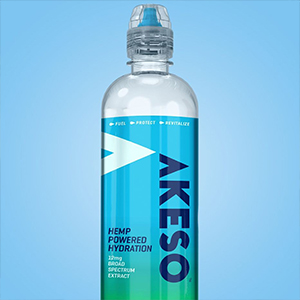
[00:23:20] Ray Latif: Yes. Lastly, I want to talk about a brand called Akiso. Akiso was featured in a recent episode of our category close-up product showcase, which focused on bottled water. Brand CEO is Todd Wax, who we spoke with in category close-up. Then in a recent clubhouse room, we sat down with Todd and Marc Messier, the NHL legend. who is a brand captain, who is the brand captain and an equity partner in Akiso. I should have mentioned that Akiso is made with hemp. It's a hemp-infused water. This one contains 10 milligrams of broad-spectrum hemp, or also known as, in our industry, interchangeable with the word CBD, the acronym CBD.
[00:24:00] Caue Suplicy: Well, I've got some fresh brewed Death Wish coffee here. Death Wish sent me their new medium roast, which I've been enjoying a lot. It's very high caffeine content. I don't know exactly how much, I think somewhere in the 300 milligram range, but I've been enjoying it a lot. And I definitely am someone who can take in a lot of caffeine on a daily basis. So it's definitely, I think I'm in there. their target consumer demographic in terms of people who just the regular brands aren't cutting it anymore. I'm going through like a pot of coffee a day. slows me down.
[00:24:39] Jacqui Brugliera: Oh, wow.
[00:24:40] Ray Latif: Yeah, we actually spoke with the founder and CEO Death Wish, Mike Brown, back in an episode of Taste Radio. Really interesting conversation, how he got started and how he's been able to scale. Just a remarkable story. Someone who was an accountant Really Think't like being an accountant, bought a coffee, a small coffee cafe that didn't go so well, and sort of out of desperation built this brand, Death Wish's just an amazing story, an amazing brand. Death Wish a huge brand, one of these DTC brands that you might not have encountered, but is doing incredible business. So, and Brad can certainly attest to the efficacy of its product.
[00:25:24] Caue Suplicy: Yeah, they and they have a cold brew as well. It's not as big a part of that as they're being business, but they've they have expanded into RTD. Indeed, well, Brad, it's been great.
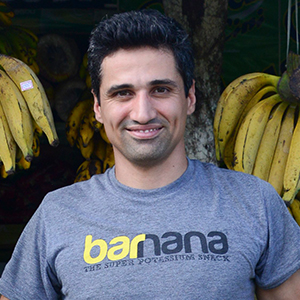
[00:25:34] Ray Latif: We gotta have you on the show more often. Yeah, absolutely. No, anytime. Thank you. Yeah, I enjoy it till John Craven or Mike Schneider. Just look, we take a hike, take a hike. You need to sit. I like those guys. I can talk with them. Yeah, well, I just want to see what they say. If we're going to be like John Craven, founder and CEO of BevNET. Just feel like it's Brad's hour. I think it's Brad's time. Don't put me in competition, please. All right, it's time to get to our featured interview for this episode. As I mentioned at the top of the show, Caue Suplicy is the founder and chairman of Barnana, which markets premium banana based snacks. Founded in 2012, a banana launch with a line of dried banana bites made from slightly overripe bananas that would have otherwise been discarded. In the years since, the brand's premise and positioning as a maker of nutritious food made from upcycled ingredients caught on with consumers, and banana has since expanded its portfolio with tortilla chips and brittle. The products are sold at major retailers nationwide, including Costco, Whole Foods, Target, Walmart, Kroger, and Safeway. Meanwhile, as a founding member of the Upcycled Food Association, Barnana is leveraging its experience to support new and emerging upcycled consumer concepts that are coming to market. In the following interview, I spoke with Kawe about the company's development and evolution, including how he and his team dissected consumer demand to better understand how to market and promote Barnana. He also explained how the company sources and utilizes sales data to its fullest potential, why hiring from within has benefited Barnana, and how he has navigated the industry as an immigrant founder. Hey folks, it's Ray with Taste Radio. Right now I'm on a call with Caue Suplicy, who is the co-founder and chairman of Barnana. Kawe, how are you? Doing well. How are you, Ray? Thanks for having me. I'm doing fantastic. Thank you so much for joining me today. Love your t-shirt, by the way. Is that a picture of a monkey?
[00:27:39] Brad Avery: That is our little mascot, Nana. Nana the monkey is a spider monkey that lives in the Amazon region. A lot of our products come from the Amazon, so we wanted to create that connection to where the products come from.
[00:27:54] Ray Latif: So weird. I don't think I've ever noticed that on your packaging. I guess I just don't have a keen eye for these things.
[00:28:00] Brad Avery: The new packaging, you're going to start seeing NANA hanging off our logo and on the back. And it's pretty cool because we partnered with a Brazilian designer and street artist, Speto, and Speto designed our latest packaging, as well as NANA. We did this partnership with Speto, like we said, Ray, like he designed our package, designed this cool little Nana. And we expanded that where we did a partnership with EarthDay.org and Speto actually designed it, the official poster for Earth Day 2021. So it's an incredible design that is going to be available through our website. We are also creating a couple of different t-shirts and all the proceeds of the poster and t-shirts and tote bag will go back to Earth Day and to environmental education and protection of the Amazon in Brazil. We also created a quiz to educate folks on upcycling, and that can be found Earth Day.org.
[00:29:07] Ray Latif: Well, I hope that I pass the quiz, or at least get most of the questions right. I'll be very upset if I don't.
[00:29:15] Brad Avery: I hope I pass the quiz as well. That'll be interesting.
[00:29:18] Ray Latif: I have a feeling you're going to ace it, Kauai. There's another great partnership that I'd want to talk about, and that's one that Barnana entered with an incredible brand called Bitchin' Sauce, a brand whose founders I interviewed a couple episodes back on Taste Radio. This is an amazing, amazing alignment, because not only do Barnana products go really, really well with Bitchin' Sauce dips, but the companies are coming together to support couples whose wedding plans were impacted by the pandemic, and the contest is called Perfect Chip to My Dip. And you're giving a lot of money away to these couples. How did this partnership come together?
[00:30:01] Brad Avery: We are very excited. And the feedback has been phenomenal. In a couple of days, we had close to 200 couples that already applied. So as you can imagine, a lot of people's plans got disrupted in 2020. And we had a friendship with like bitching sauce folks. We love their products. And as the name says, this is the perfect ship to my dip. we came up with this crazy idea. What if we could help some of those couples that couldn't get married in 2020 and are going through a hard time? So we started to listen to all the stories and there's some great stories and a lot of people applying. So we are very excited and it's fun. Every time that you talk to a company named Barnana and another one, Bitchin' Sauce, you know something good is going to come out of that and it's going to be a lot of fun. So far very successful and we are excited. The best part is to hear all those amazing stories and how people got affected not only financially but families that couldn't attend. So I think we have plenty of time now to plan ahead and throw someone an incredible wedding. So it's all about changing people's lives and put a smile on their family's face. So very excited for this.
[00:31:19] Ray Latif: Yeah, well $40,000 toward a wedding will definitely put a smile on someone's face. Weddings are very expensive as I don't know.
[00:31:26] Brad Avery: Are you married, Kelly? I am engaged and my fiance asked me if we could apply. I said no, I'm sorry, we don't qualify.
[00:31:35] Ray Latif: Well, you know, you're still gonna be having, I'm sure you'll still have banana chips and some bitchin' sauce dips at the wedding. Maybe you won't, I don't know, but I would if it was my wedding.
[00:31:45] Brad Avery: Of course. The wedding wouldn't be there if it wasn't for us, so I think they will welcome a lot of bitchin' sauce and bananas.
[00:31:53] Ray Latif: There you go. You can have them in the wedding bags for the wedding party, for sure.
[00:31:57] Brad Avery: We actually had for several years, I remember, including celebrities, influential people calling us and asking if they could buy banana for the party bags and like our welcoming bags. So we have been in weddings before, but not as involved as this time.
[00:32:16] Ray Latif: Yeah, well, I can imagine, because they're the perfect snack. Well, all your products are the perfect snacks, and they're all banana-based, though. Not that that's a bad thing. I love bananas. I eat bananas on a regular basis. I'm sure you do, too.
[00:32:29] Brad Avery: Most Americans do. I'm not sure if you know, Ray, but bananas are the number one selling item in grocery stores. Not the number one selling fruit, the number one selling item. So that's what sells the most in America. People love their bananas. So you're not the only one.
[00:32:47] Ray Latif: Do you ever get sick of bananas? You know, like the, whenever I think about this question, I think about that scene in The Princess Bride when Andre the Giant is dunking in Igo Montoya's head back and forth to like, you know, wake him up out of off a hangover. And he's like, that's enough. That's enough. I can imagine you when you get a lot of bananas, just like that's enough.
[00:33:07] Brad Avery: That's when you launch a new product. So when you were getting sick of the old products, you launch a new one. And it's funny because we have a fair amount of products right now. Sometimes there is one of these cues that I don't read that often. And then I go back to that product and I kind of miss it. Like, oh, this is really good. I forgot how good that was. So I try to pace myself and take breaks. of different products. But no, I'm not sick of bananas. The same way that I'm sure you're not sick of eating your bananas every day. At least I have a lot of different flavors and options and textures. So not sick of them yet.
[00:33:46] Ray Latif: Well, that's good. That's certainly good, especially for the co-founder of a brand called Barnana. Let's talk about the founding of the company. This was your idea, right? You have two co-founders, but this is essentially your idea, right?
[00:33:59] Brad Avery: Yes, I grew up eating this dehydrated bananas in Brazil. My dad started dehydrating bananas at home as well as other fruits. So as a kid, my candy was dehydrated bananas and other fruits. And then later on became a triathlete. And back in the nineties, we didn't have all the nutrition we have for Atlas now. So I started eating a lot of those dry bananas as a form of energy on long bike rides and before a swim or a race. So my idea was to bring to the U.S. that product that was so versatile and make them available to Americans. They taste sweet, but there is no sugar added. So it was a better for you little candy energy bar. And that's how the idea came to be.
[00:34:47] Ray Latif: So how did you find your co-founders? We've had one of your co-founders on the podcast, Nick Ingersoll, who's the CMO of Barnana. But, you know, where did you find them? Were you friends and did you have to recruit them into the business or were they sort of willing participants? I hope they were willing participants. I hope you didn't drag me into this.
[00:35:05] Brad Avery: I didn't know them prior to Barnana. And I think back then, we're talking like 2011, 2012, or even before that, starting a business was, we didn't have all these podcasts and great entrepreneurs talking about their story and how they did it. So I had no idea what I was doing. I just realized I need more people to do things that I was not good at or had no time to do it. So I ended up meeting Nick at a job fair at a university. So that was my strategy. I was going and recruiting interns and people to help me out.
[00:35:45] Ray Latif: Wait, he was looking for a job as an intern? Yes. And he's your co-founder at CMI. That's incredible.
[00:35:53] Brad Avery: Yeah, he sent me this great email why he wanna help. And at this moment that I saw him at the office and the great work he was doing, I was like, oh, this is amazing. I'm trying to like hire some firms to help me with design and they are not as good as this kid. And I can say that now, this kid, because I mean, it was a while ago. He was like super young.
[00:36:15] Ray Latif: He's definitely a man now. If you see a picture of Nick, he's very manly. He's very masculine.
[00:36:19] Brad Avery: He changed. He doubled in size in the past 10 years. He's a big guy. He's a big guy. It must be all those bananas he's eating. And then Matt, he was working for a friend of mine that I was sharing office with. And then he was always intrigued about what was going on in the banana business and started helping out. And then one thing led to the other and he became part of the company. So it was not as much of a plan. It was more like, OK, Kenzo did this on my own. Who is willing to help? And those guys are the ones that end up sticking with me and then believe on the big idea and want to help me bring that to fruition. There was a lot of other people that joined at the beginning and for some reason or another end up leaving the company and they end up sticking with me.
[00:37:07] Ray Latif: And yeah, that's, I mean, that's a common theme going from part-time worker or intern to full-time professional executive with Barnana. Is that still consistent or are you doing a little bit more in terms of how you hire and has your hiring process evolved?
[00:37:24] Brad Avery: It did evolve, mainly because when the company grows, you need to hire people with different experience, people that work for bigger companies, understand how operations work. But at the same time, we're still onboarding younger folks right off university, interns, because that's a big part of how we started, that we don't want to lose that. So we have a great combination now. having that more seasonal entrepreneur or professional and someone that's just starting. I think that is a great balance. Sometimes when you have only people with big company experience or only people starting or with no experience, it's difficult. I think we found the perfect balance, the perfect chip to my desk kind of thing.
[00:38:09] Ray Latif: There you go. There you go. Barnana, you know, obviously I'm familiar with the brand. I'm sure a bunch of our listeners are as well. But if there was a person who wasn't, how would you describe Barnana in 10 words or less?
[00:38:22] Brad Avery: It's funny because that evolves. And I think Barnana, what we do, there is a lot with the environment and a lot with bananas. We are creating delicious bananas and plantain snacks that help protect the environment. That's a way that I would describe someone that never tried. And of course, that I can keep describing for hours. And there is so many different things. I'm so passionate about this. But yeah, like really creating delicious products and while protecting the environment.
[00:38:53] Ray Latif: Now, a big part of your messaging and positioning is about reducing food waste and upcycling. And that was true back when you launched in 2012. It's true today in 2021. But eight years ago, nine years ago, people didn't care as much about upcycling. At least I don't recall that they were thinking about it as much. But was it a big part of the reason that people were buying your product? Is it currently a big part of the reason that people are buying your product? Or is that just sort of, you know, a secondary benefit? A big one at that, but a secondary benefit.
[00:39:27] Brad Avery: I think I want to go back to your question. And I think back in 2012, it's not that people didn't care about upcycling or food waste. People didn't know about upcycling and food waste. Because people care about the environment. They want to protect and always do better. But there's a lot of things that we don't know. So back then, I didn't know that food waste was a problem. I learned about food waste going to the farms and those big containers being exported with green bananas. That's what I saw, bananas being packed to be exported. And if they were not extremely green, they didn't make the cut. They were still green, but they were not green enough. And because of that, they couldn't be exported because they would go bad before getting to the stores. So I saw those perfect green bananas being chucked to the side, and I didn't know what was going on. That's when I learned about food waste, and that was a problem to be solved. So I became very passionate about that, realized that we could make a big difference. And going back to consumers, consumers will buy the product because it tastes good. They want to support a company that is doing good as well. So I think upcycling is not the purchase driver, but they will keep people coming back because consumers now, they want to support companies that have a mission. And we have a big mission. We do a lot of good with farmers, reducing food waste, protecting the forests. So not number one driver, but they'll retain consumers and consumers will tell their friends, this is a great company, have a great product. And they do all these other things. I would say that even though it's not the purchase drivers, a big thing that we do that will keep people coming back and telling others about the company.
[00:41:11] Ray Latif: I assume what you're saying is based on years of research, survey information, focus groups, et cetera, and not just, you know, your personal passion. But how did you start to learn about the Barnana customer and what they wanted? How did you learn? about what it would take to introduce new consumers to the brand, because it's very expensive to do that. It's very expensive to launch focus groups, to buy data, to do the kind of marketing you would need to do to, again, introduce a brand that people might not understand at first.
[00:41:48] Brad Avery: It's interesting because that evolved and changed a lot. And a lot, I think a lot of founders will relate to this. When we launched, there was no focus groups. Focus groups were your friends and whoever is next to you that you ask questions and ask them to try the product. So at the beginning, you just follow your gut. And that went on for a very long time. It was all about. what I believed and my passion and what my taste buds were like. And then as the company grows, it changes and the market is more competitive. There's a lot more companies starting. So you need to learn more about who you are, who your consumers are, what are the needs. So we are doing a lot more research now. And to your point, yes, we learned in a focus group that even though that upcycling was not a purchase driver, it contributed to us having a very high net promoter score. For those of you that don't know, a net promoter score is the likelihood of someone buying again and recommending your product. So we have one of the highest in the industry. And I think part of that is because of all the good that we do. We're always doing more research, talking to more people, trying to understand what they care about and what are other problems that we could solve.
[00:43:01] Ray Latif: How long was it before you said it took a long time to understand who your consumer was? How long was it before you finally did?
[00:43:08] Brad Avery: It took a long time not to understand who our consumer was, but also to do some research to really clarify and to get some data on who the consumer was. Because from the beginning, like I said, we were doing demos ourselves, we were going to events, we were talking to people, so we had a pretty good idea of who our consumers were. But I think it took five to six years to really get to a point where we had enough money or had time to run a focus group and do some research. I didn't even know that that was a possibility at the beginning. You're so caught up in the day-to-day, and it's hard to plan. So we're definitely in a much better position now. We have a bigger team, more time to do different things.
[00:43:53] Ray Latif: Honestly, that's kind of surprising to hear, Kawai, because you had some pretty prominent investors just, you know, three years into the launch of the business. You were aligned with Mark Rampolla, the founder of Zico Coconut Water. You got an investment from Boulder Food Group, which is a pretty prominent investment firm in the food and beverage industry, particularly among entrepreneurial brands. I assume they were giving you advice on how to identify the best way to communicate your brand to consumers. So I guess I guess the question I'm asking is why did it take so long?
[00:44:25] Brad Avery: Because the company was still fairly small in a way, but also like we were out there so often and doing so many events that we felt that we had a pretty good idea. And to be honest, once we actually got that focus group and research done, we're not really far off. We kind of knew who the consumer was. It was just not validated by data, which is totally fine. And I think when investors invest in a company, they are looking at a bigger picture. They're looking at the people behind. A lot of times, it's not just about a product. It's about does this person have what it takes. to take this to the next level. Are they really passionate enough? And on Mark Rampolla, he being an entrepreneur, he understood that. Same with BFG. So I guess I said something right and they believed in me and that I could make this bigger. And I had big aspirations from the beginning. I feel very lucky to be where we are today because we came a long way.
[00:45:23] Ray Latif: Well, going back to data, because I think this is an important point. When we talked last, you told me that data has become a really critical part of your business in terms of how you think about where to go for retail, distribution, innovation. When was the first time you made a major investment in data? And is it still consistent? Is that kind of spend still consistent in what you do right now?
[00:45:49] Brad Avery: Absolutely. And again, for a very long time, we didn't have access to data. Data is expensive. The data that we had was when someone tried to sell you a report and you asked, oh, can you tell me what's happening here? They give you some freebies. So a lot of the data we had was things like that, or public shared data. And our selling story was all the good that we do, how delicious the product tastes like. But we understand because the market is so competitive now, you need to have more. So I think I would say that was like three to four years ago when we started getting some data. Of course, started small, but realized that it was important and it's part of our selling story now. When we go to retailers to talk about our products, we still talk about our story and the great work that we do, as well as that the product sells well, and how we sell compared to other similar products, or how we sell in different areas of the store. So it's definitely a big part of what we do. Also, we use data to educate ourselves on what should we launch next, what type of flavor should we launch, and things like that. We also like tracking data on a daily basis to understand how the products are moving or how a marketing campaign is affecting sales and things like that. So overall data now is a big part of what we do.
[00:47:11] Ray Latif: Can you be cost efficient when you're buying data? Is there a way to do it so that it doesn't break the bank?
[00:47:17] Brad Avery: I mean, there's always creative ways to do it. And you do different things at different stages of the company. Like I said, at the beginning, you're trying to get free data or spend the least amount of money as possible. It takes time, though, the digging and call people. But there it is. the best way is to really understand what you're looking for. And you don't have to buy all the data. You can buy pieces of the data. So if you have a plan and a specific product or a market that you're looking for, you don't have to buy everything and break the bank. It can be very strategic. about how you spend your money. And we still do things like that in a way, like we're not just buying everything that is available, we're buying what we think is necessary for this stage of the company. So I would say it's always planning ahead and really being mindful of what you ask.
[00:48:11] Ray Latif: That being said, I imagine that your innovation pipeline might feel a little limited by your primary ingredient. Have there been some things that have been left on the cutting room floor, some things that really never made it to market? I can think of a handful of things, banana milk, banana pudding, et cetera, but you tell me.
[00:48:30] Brad Avery: Oh, there's a lot of other products that we could do with bananas that we don't want to are too complicated or don't fit our strategy. I always had this big pipeline of products, but you've got to be mindful of when is the right time to launch those products. Do they fit our portfolio? Are followers willing to buy this type of products from us? Those things come from data now, and some focus groups. Will our consumers think that we can venture on this aisle? So you mentioned there's companies doing banana milk. There's companies doing banana ice cream, how they call it, an ice cream. And they are great products. We could go that route, but I don't want to get into the frozen aisles right now. I don't want to get into the beverage side. I think it's important to have a little focus on where you are. It makes things a lot easier. So that is another great point. Like we could even go milk and ice cream. I still stick to my name because we could be even bigger than what we are now and be in different areas of the store, still branding the bananas and plantains.
[00:49:35] Ray Latif: Well, it seems to go back to your original point, which is that you're making delicious food that helps the environment. So if you feel like a particular ingredient that you would have to use might not fit in with that mission, I assume you wouldn't use it. Is that still the guiding light when it comes to innovation is has to be something that is good for and protects the environment?
[00:49:55] Brad Avery: Yeah, and this is something that not only myself, but the whole company is very passionate about. We're always trying to educate consumers on either upcycling and food waste or the work that we do with indigenous communities in the Amazon. It's something that I'm so proud. We have our plantain chips in all Costco stores across the United States right now. As you can imagine, that is a lot of volume. And all those raw materials are coming from small indigenous farmers in the Amazon, which is incredible. Some of them transport the products in boats, but it's something that is great because they are getting some income for a product that they're already growing for their own consumption. A lot of the product that was not being used was going to waste, and now they are also reducing food waste in their land, but also getting income for that and protecting the environment at the same time. And it's something that we want to talk about, and we want to tell other companies that they should look into it. You don't have to have a monocrop massive farm to be successful and to produce a product that can supply the biggest grocery chain in the country. We always try to be innovative and think in ways that are in a way outside of the norm. And we're very proud of that. And the more that we talk about, we might inspire someone else to do the same. And I think it's the same way with upcycling. As I mentioned, when we started, no one talked about upcycling because they didn't know about the food waste problem. And I'm very proud to say that Barnana is a founding member of the Upcycled Food Association. We've close to 200 members now. So that's 200 companies that started to solve a problem and try to help reduce food waste. And it's pretty cool to be involved in this industry and involved in companies that are giving back and doing better than just selling a product.
[00:51:52] Ray Latif: Absolutely. Kawa, you are Brazilian and you have built an amazing brand here in America. It's an amazing story as an immigrant, it's an amazing story as an American founder. When I think about people building businesses here in the US, I can imagine that who you are and where you come from, regardless of whether it has anything to do with your story, definitely has an impact on how people perceive your business and your brand. How has your experience as an immigrant founder and an American business person aligned? Have they aligned?
[00:52:33] Brad Avery: It's interesting because when I first came to the U.S., I came as an athlete. I used to be a professional triathlete. So in my mind, I was not an immigrant. I didn't immigrate somewhere to pursue a new life. And looking back, as you mentioned, I'm Brazilian, but like the U.S., Brazil was at one point built with immigrants. My family was a family of immigrants from France, from Italy, like everyone else in the US. So to me, those were the immigrants. And then when I came here, I realized that other people that have been here for a little longer than me, because we're all immigrants again, they were seeing me as an immigrant. But I felt that I was very lucky because I was doing a sport, a elite sport, and talking to people with a more open minded and more welcoming area in San Diego at the time. So I never really had any problems, but I feel like I'm very, very fortunate. And people were always intrigued about the fact that I was from Brazil and that I was selling this Brazilian product. So personally have always been very welcome, but I understand. And we have a lot of big issues in America with hate crimes against immigrants and immigrant companies not getting funded. So it's difficult. A lot of people talk about the American dream, and I'm definitely living the American dream. But it's still a very hard time in America, and we are all trying to become better and put our preconceived ideas on the back. And I think we can learn so much from immigrants, either if you're Asian, black, brown, or It doesn't matter the color of your skin. We all bring different experiences, different backgrounds. And I think America is better because of that. And somehow, in the past few years, we forgot about that. We forgot that we are all immigrants. And that's the reason why this country is so great. I think there's a lot of consumers that want to support immigrant companies. And they are there to help you. And even grocery stores are starting to have programs to help.
[00:54:54] Ray Latif: Such a great point and such a great conversation, Kawe. Thank you so much for taking the time to speak with me today. It's been so great hearing about your background and story. You can hear a few things here and there, whether it be at a Product Knowledge event or an article. But speaking with you now, I'm learning so much about you and the business, and it's just been so rewarding and put a smile on my face all afternoon. So thank you so much. Great. Thanks, Ray. That brings us to the end of this episode of Taste Radio. Thank you so much for listening, and thanks to our guest, Caue Suplicy. Please subscribe to Taste Radio on the Apple Podcasts app, Spotify, Stitcher, or Google Podcasts. As always, for questions, comments, ideas for future podcasts, please send us an email to ask at Taste Radio. On behalf of the entire Taste Radio team, thank you for listening, and we'll talk to you next time.