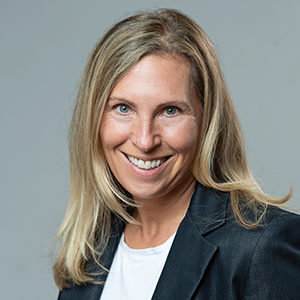
[00:00:10] Ray Latif: Hello friends, I'm Ray Latif and you're listening to the number one podcast for the food New Beverage industry, Taste Radio. This episode features an interview Maxine Kozler Koven, Co-Founder Co-Managing director of consumer-driven, early-stage investment firm LDR Ventures & Consulting. Just a reminder to our listeners, if you like what you hear on Taste Radio, please share the podcast with friends and colleagues. And of course, we would love it if you could review us on the Apple Podcasts app or your listening platform of choice. An early-stage investment in Sweetgreen helped set the table. Maxine Kozler Koven is focused on funding companies whose brands will complete the meals for future generations. Maxine is Co-Founder Co-Managing partner of LDR Ventures & Consulting, a female-led, California-based venture capital and management consulting firm. LDR invests in and advises consumer brands, technology, and service companies at the seed and Series A level. The firm's portfolio includes investments in online grocery platform Thrive Market, organic herbal tea brand Shaka Tea, Better For You meal kit company Territory Foods and Moku, a brand of mushroom-based jerky. LDR focuses on investments in companies led by female and BIPOC entrepreneurs, along with mentorship and advice to those founders. The goal, according to the firm, is to address systemic shifts and emerging behavioral trends and simply make people's lives better. I sat down with Maxine at BevNET Live Winter 2021, where she was a speaker and a judge as part of the event's New Beverage Showdown 22 competition for an insider's perspective on LDR's funding history and its investment philosophy. As part of her conversation, she spoke about the importance of nurturing the development of early-stage founders, the relevance of innovation when evaluating new concepts, and her answer as to why there has been a historical lack of funding for female-led companies. Hey folks, it's Ray with Taste Radio. I'm here at BevNET Live Winter 2021, and sitting with me right now is Maxine Kozler Koven is the co-managing director of LDR Ventures & Consulting. Maxie, how are you?
[00:02:27] Maxine Kozler Koven: Hello, I'm great. How are you?
[00:02:29] Ray Latif: I'm doing fantastic. Thank you so much for asking. How is your BevNET Live going?
[00:02:33] Maxine Kozler Koven: Amazing. It's an incredible day. So much adrenaline and passion and people coming here with ideas they've worked years for. And some of them are just starting and some of them are getting to the next level, but it's amazing just to be in this energy.
[00:02:48] Ray Latif: Absolutely. And you know, this is our first in-person event that we've had in almost two years. Actually, it is essentially two years since we last did this. And the amount of enthusiasm for seeing people, seeing faces, masked, hopefully, has been really palpable. And just the energy here is a vibe that I felt two years ago, and I've been yearning for it again, and here we are. So this is your first BevNET Live.
[00:03:15] Maxine Kozler Koven: This is my first.
[00:03:16] Ray Latif: Yeah. So anything interesting that anything really stand out to you as in terms of the conversations around trends, innovation, entrepreneurship?
[00:03:26] Maxine Kozler Koven: I agree that people are very excited to be here. I'm very excited to be at a live event and to be with our peers and people we've been speaking to over the phone or been Zooming with. Trends I'm seeing is functional. It's all about function. At the end of the day, New Beverage has to taste amazing, but people want a lot more. And I think COVID did have a lot to do with this. I think it accelerated a trend that was already coming, but I think people need more from their beverage, from their foods. Holistically, just humans need more now and they're really aware of it. And so I think the conscientious nature of the consumer has really become tightened.
[00:04:05] Ray Latif: Absolutely. Let's back up a second. LDR Ventures & Consulting. I found you on LinkedIn. LinkedIn's great. LinkedIn isn't LinkedIn. It's just like a really great way for folks in the industry. Thank you, Reid. Yes, exactly. I think one of the things that stood out to me was that you went to Boston University.
[00:04:20] Maxine Kozler Koven: Yes.
[00:04:20] Ray Latif: So we're fellow Terriers. Yes. Different paths in terms of our careers and how we connect to New Beverage industry. You started out in music. You started as a music manager. Is that right?
[00:04:32] Maxine Kozler Koven: So I went to the School of Communication and I got a sort of a film degree, but I interned in Boston at recording studios and radio stations, and I started in music immediately, as well as doing some film, but entertainment.
[00:04:49] Ray Latif: Yeah. So how does one go from music management and entertainment into investing into consumer products? That's a story that people want to hear.
[00:04:58] Maxine Kozler Koven: So there's two elements to it. And it's one of those things now in hindsight, it makes complete sense, but definitely along the way, you could never have predicted this trajectory for me. So when I did get into music and entertainment, the first thing I got into, even like at 18 years old on my internships, was understanding the intellectual property. you're creating something, you're creating content, whether it's a song or a film, and that has a value. And you want to protect the value, you want to protect the people who made it, and then you want to make sure ongoing that the value is retained. So just having that as my first foundation about people creating things and then wanting to protect the creators has really come into play now. And the second part was, you have to seek it. You have to find it, whether you find a musician. And so, yes, I managed, like, friends' bands in college in Boston and, you know, getting them booked in clubs or maybe recording a demo. So I was scouting talent. And that was my job. And then the nurturing the talent and helping them get the resources they need into the next level. So I spent many years in entertainment. And because I understood brand and the value of a brand and wanting it to continue for a long time. So I make a lot of references where do we have a one hit wonder here or do we have a career artist? And the way that translated then into product and getting more into a consulting and branding practice. is how do we make something with value? How do we make something long lasting where the creators are going to get rewarded for years to come and the people who help them are going to get rewarded? And so now it looks like a natural segue into venture capital, because it's the same thing. I'm seeking talent. I'm finding these amazing founders. They have an incredible idea that we want to protect, whether it's making sure they've filed the trademark. and nurturing them, nurturing this raw talent sometimes that we find, because we're very early seed stage investors and making sure they get the resources they need to grow the products they're making and to have a product roadmap to make sure that they are going to be a career artist. And whether it's with a particular brand or, you know, I'm excited for some of the founders we're in, because I think we're going to invest in multiple businesses that they might create.
[00:07:17] Ray Latif: Absolutely. One of the earliest brands that you invested in, I think it was the earliest, were three green entrepreneurs in the food business who created a brand that is now iconic. Yes. That is Sweetgreen.
[00:07:33] Maxine Kozler Koven: Yes.
[00:07:34] Ray Latif: Tell us how you met the founders of Sweetgreen and how you nurtured their development.
[00:07:39] Maxine Kozler Koven: So that shows exactly how you never know what's going to happen in life. So the long story short is we were going on vacation. There was a snowstorm. We lived in New York City and we had one week to have vacation. We couldn't get to where we were going, but we said to the airline, where can you get us? And they could get us to Miami. And my husband said, great, let's do it. I know this great hotel in Key Biscayne. We went there. We were on a floor of the hotel and got to meet this other family, got chatting, and came to found out that the gentleman represented athletes. And he was always getting brands pitching him for the athletes to represent and sponsor and things like that. So basically, we started vetting deals. for him because we had certain areas of expertise in product, especially that we could review for him. So then one day he sent us this deck and he goes, I think you guys might really like this one. And it was sweet green. And he had been nurturing this young talent there. And he was based in the DC area where they were at school at Georgetown. And we looked at it and we had a lot of food background and food industry awareness plus trends and consumer. And we looked at it and we said, This is interesting. There's something about this. And again, not coincidentally, we happened to be going to D.C. that weekend for an event. So we went and we walked into the second Sweetgreen without anybody knowing, and we just experienced it as the consumer. And we said, we know where they're going. We can see exactly what they've captured. And this is what the public wants. This is what the consumer wants for the board up on the side that said we're each the lettuce came from this local farm and the tomatoes came from this local farm. We'd never seen that level of transparency and that clearly the consumers who would come in there cared. about that kind of thing. And big communal tables where you like wind up just talking to the people sitting next to you.
[00:09:34] Ray Latif: So did they have an established concept? Did they have restaurants at the time?
[00:09:37] Maxine Kozler Koven: They had two. They had the original location at Georgetown and then they had one in DuPont Circle. And they were raising money, the first non-friends and family money they were about to raise. So we were invited to come into this group to help them then start what they've done today and keep increasing their storefronts and their experience for the consumer and learning. One of the things that we discussed with them was consistency. You know, if they were able to create something at one location and now they had a second and they were starting to see was there inconsistency. So I'm not taking credit that we gave that to them, but I know that was one of the things that was very important early on, like employees being trained in the exact same way and things being done, not in cookie cutter ways, but that the integrity of the brand always was consistent, and that's something they've nailed. And to do that at scale is so hard, especially a brand with so much heart and so much community. And that's one of the greatest things they've done that I think makes them an iconic brand.
[00:10:43] Kozler Koven: Guessing your margins? That's risky. Belay Financial gives CPG brands the clarity to scale smarter, faster, stronger. Get your free inventory ebook by texting TASTE to 55123 and start making data work for you. Vibrant Ingredients is the natural ingredient partner powering food New Beverage innovation, delivering flavor, function, and protection through a science-backed portfolio. Vibrant delivers purpose-driven solutions that help brands create extraordinary experiences. Discover what's possible with Vibrant today. Visit VibrantIngredients.com.
[00:11:30] Ray Latif: It's funny, because people look at Sweetgreen and they say, oh, wow, that was a brilliant idea. Like, why would any investor turn that down? Like, investors are flocking to go fund their next stage of development right now. And you said, you know, this was an obvious idea. They really, really got it. But was it the concepts that really moved you? Was it the founders? I mean, these answers are probably the combination of the two. It sounds like the quick service restaurant industry was missing something like this. So I guess in a roundabout way, I'm asking, was it the opportunity, was it the business strategy, or was it the founders?
[00:12:06] Maxine Kozler Koven: So of course, a combination of all. Well, first, I don't know if people realize it was salads and frozen yogurt. That was the original concept. You got your salad, then you got your frozen yogurt. And so at some point the yogurt got dropped. So even Sweetgreen had to innovate and figure out what worked and what wasn't worth doing.
[00:12:24] Ray Latif: Oh, you know what? That makes a lot of sense now, given their name. Sweetgreen. Okay.
[00:12:28] Maxine Kozler Koven: That too.
[00:12:28] Ray Latif: Yeah.
[00:12:29] Maxine Kozler Koven: Yeah, that's a good point.
[00:12:30] Ray Latif: I never, because I was always like Sweetgreen. It's a cool name, it's a great name, but if they started out selling ice cream, salad and frozen yogurt, there you go, that's the name. There you go, there you go.
[00:12:41] Maxine Kozler Koven: But I think, and at the time I lived in New York City, and I worked in an office in New York City, and on every corner there was a salad bar. There was some way to get a salad made. And some of it was like, not so great. You didn't want to go there and have them make your salad.
[00:12:56] Ray Latif: It's amazing, isn't it? Like some salad places are... How do you get salad wrong?
[00:13:00] Maxine Kozler Koven: Not all salad places are the same, without question. So to go then to D.C. on a weekend and see it being done on such an elevated level and with a concept and the execution was flawless. And again, they just... where they wanted to go is what I knew the consumer wanted. I mean, I was definitely the consumer for it. And then just as a team, they were in it. You could see that they were 100% absorbed in it, in the idea and the mission and the ethos, everything about it. So I would say for the team, we knew they were 100% in. They truly definitely had vision. They were gonna have to figure things out along the way. And they just had a concept that was completely elevated. Like I just spoke to a founder And I said, you know, we might get 20 plans on a trend that we see happening. And in some ways you don't want to see that 21st plan on that same kind of trend, but that 21st plan might come in and speak to you in a totally different way. Like they found out a way to how to elevate it and do it in a way that nobody else has figured out yet. And then that's exciting.
[00:14:08] Ray Latif: Yeah, I think the other part of this that's interesting is that Sweetgreen was charging premium prices. It was for an elevated consumer. And if you think about the salad bars in New York City, I mean, a lot of it was probably a little bit more affordable, a lot more affordable in some cases. Did you believe that there was a market that was willing to pay a significant premium on salad, essentially? I mean, I think, when I think about, you know, paying right, even right now, like $11, $12 for a salad, it's not, it's a limited market, right?
[00:14:39] Maxine Kozler Koven: I mean, again, coming from New York City, there really was not much of a price difference.
[00:14:43] Ray Latif: Oh, really?
[00:14:44] Maxine Kozler Koven: There really wasn't. And for what you were getting for $8, $9, compared to what you got there for maybe $12 or $13, you'd hand over your money. It was so worth it. And you'd have such a greater experience and just feel more nourished and feel better about what you did for yourself. I mean, when you're when you're ingesting good beverage and good food and functional foods and wellness and care, you're going to spend a couple extra dollars, but you feel like you really took care of yourself. So those couple extra dollars are your self-care for the day.
[00:15:19] Ray Latif: When you started LDR, was it, it was post investing in Sweetgreen, right? When you started LDR, did you start out with a mission? Did you start with an investment philosophy or was it, you know, let's just, look for great brands that we believe in? I mean, is there an investment philosophy that has been consistent throughout the launch and development of the firm?
[00:15:42] Maxine Kozler Koven: We definitely just said, let's find great ideas and great founders. And we loved how our years of experience starting companies or operating companies could really benefit a young founder. So we definitely didn't have like a specific ethos or mission to start with. It evolved as we met founders. And as we saw companies and as we made investments, and it was funny, a lot of the people we invested in, we invested for the reasons that they might not get investment from more traditional venture capital. We like that they were very realistic. And we like that they had tested a lot of stuff out before they even came to us. And anyone who's coachable, we love people who like really want to hear your feedback and take from it and, and really like weigh it and see how it's going to affect their business.
[00:16:32] Ray Latif: One of your first investments or one of the most notable investments is as in a Thrive Market. Yes. Again, a concept, an idea, a business that I think in hindsight sounds like a no-brainer. But was it one of those businesses that other VCs would pass on and is something that you were interested in because other VCs would pass on it?
[00:16:53] Maxine Kozler Koven: My husband, uh, Drew Coven is my co-managing director and I have to give him a hundred. I'll give him 98% credit for Thrive Market. We, well, I mean, we had looked at the plan. We had done our due diligence. Um, my husband has very deep food industry background, especially internet grocer. And he worked at internet grocery in 1999. What one was that? Um, ShopLink out of Boston.
[00:17:18] Ray Latif: ShopLink. Not familiar with it.
[00:17:19] Maxine Kozler Koven: It was really one of the pioneers. And then he was recruited to be the CMO of Fresh Direct in New York, and he launched Fresh Direct. So this was his world. And I, as the end consumer, who would be the customer for Thrive Market, was the best one to really look and say, would this make my life better? Would I order from it? Would I order consistently? But the truth is we walked into an empty warehouse, We met the person building, the partner building the website. It was not up, it was being built. And there were three shelves that had been assembled to see what the shelves would look like. And there were like two cans on the shelf. That's it. That's what we saw and a deck.
[00:18:05] Ray Latif: That's a winner for sure.
[00:18:08] Maxine Kozler Koven: And my husband said, get the checkbook out.
[00:18:10] Ray Latif: Really?
[00:18:10] Maxine Kozler Koven: Yeah.
[00:18:11] Ray Latif: Hmm.
[00:18:12] Maxine Kozler Koven: He knew, he knew that they knew the hardest parts of food distribution and what the consumer needed in terms of having food delivered to them. And he truly saw it. And as I spoke to them, I said, yeah, they, they, as much as you can know before actually pulling the trigger on it, once they started and I saw specifically how they were handling their marketing and using nutrition influencers and mom influencers and their intention behind it was so much heart to it. Um, I'm like, this is going to work. This is absolutely going to work.
[00:18:49] Ray Latif: Where does lifestyle fit into that equation? When I think about Sweetgreen and the Thrive Market, they are very much lifestyle brands.
[00:18:57] Maxine Kozler Koven: I mean, we really invest in things that we believe in, services we would use, food that we would eat. It'd be very hard for me to be proud, be proud of our portfolio companies, to be able to talk to other investors about it, to bring people into deals with us, to co-invest with us, if it's not something that I thought was amazing or fit our lifestyle or I'd want in my house so that my children had access to it. So yeah, that's very much part of it. I mean, we've been asked to do things that not necessarily are bad, they're just, they don't meet our lifestyle.
[00:19:35] Ray Latif: I talk to entrepreneurs all the time who are like, I can't get an investor to understand me or my business or see what I'm trying to do here. I'm trying to, you know, attack a white space or I have this great opportunity that will benefit so many people. And I think it's more than just the vision. I think what you're talking about is that you saw execution. You saw an ability to execute that was aligned with a vision or in conjunction with the vision that could make it worth your investment.
[00:20:07] Maxine Kozler Koven: Yes. I mean, not everybody has great vision, but there are a lot of people out there with great ideas. And even someone who work hard and do as much research as possible, you know, most entrepreneurs fit into that category. Whether or not they're going to be execute, it's grit. That used to be like the main word we'd use for founders when we first started. Do they have grit? with what we've gone through with founders and the ups and downs and the things thrown at them and least of all COVID, they've got to just be willing to stay in the game. And there's at some point they can hopefully choose in a good way to leave the game or pause or step aside, but you just got to stay in the game long enough. And usually something good will happen. One way or the other, something good will happen, but you just got to have to stay in it. And as hard as you think it's going to be, it's going to be a hundred times harder.
[00:20:58] Ray Latif: I see that in the founders of a brand called Shaka Tea, which you made an investment in. It was a seed stage investment. Most of your investments nowadays are seed stage investments at this point too. Bella Hughes, who was a participant in our New Beverage Showdown, I want to say five years ago, is a tiger. She's a fighter for sure. And you wouldn't necessarily know it, speaking to her the first time or seeing her on stage, because she's so nice. But then you get to know her and she's exactly what you were talking about. The grit, the hustle, the willingness to do what it takes to win. And I know a lot of people say, Oh yeah, I'm a fighter. I'm going to do this and that. But where's that separation? You know, where does she have it where others don't?
[00:21:41] Maxine Kozler Koven: Because every time she and Harrison got thrown a curve ball, no matter how big it was, You know, there was just that breathing period and maybe it was a day, maybe it was two hours, and then they were immediately in the solution. Okay, what are we going to do about this? And that's how they had to be day after day, you know, whether it was a success or not. Sometimes it's all of a sudden the buyers are calling and you've got all these orders and how are we going to pay for all the inventory to fulfill this new pipeline? It could be orders are getting canceled because of absolutely not our fault in any way. What are we going to do? Let's go find someone else to sell it to and we have all this inventory on hand. Or how do we make sure we have backup co-packers? Being in the solution, you know, feeling whatever hit you, you know, feel it, but you know what, not for very long and just get into action mode. I think that's a key piece.
[00:22:37] Ray Latif: I'm smiling because the way you said, what are we going to do? Wasn't a, what are we going to do in fear? It was, what are we going to do to solve this? Yeah. Was that your first beverage investment?
[00:22:48] Maxine Kozler Koven: Yes.
[00:22:48] Ray Latif: Yeah. That was our first beverage. I'm sure you were presented other opportunities to invest in New Beverage industry. What gave you pause?
[00:22:55] Maxine Kozler Koven: To not do others or to actually?
[00:22:58] Ray Latif: Well, to not do others, but to do Shaka.
[00:23:00] Maxine Kozler Koven: Well, first we missed one. We asked about two weeks too late. People who we absolutely adore is Justin and Dinah Trout and Vanessa. And we met them at the Brentwood Farmer's Market when they were sampling, I guess about nine years ago. And we actually had Justin over to our house and we said, by the way, you know, if you're ever raising another round, we'd love to be in it. And he's like, oh, we just closed two weeks ago. I wish you had asked me. So that sits with you a little bit.
[00:23:28] Ray Latif: Have you talked to them lately?
[00:23:29] Maxine Kozler Koven: I just saw Diana. I just gave her a big hug. And yeah, it was good. We stalk each other on Instagram.
[00:23:36] Ray Latif: I mean, they're doing really, really well. $100 million brand, iconic brand at this point. I mean, it's really amazing. But having missed that deal, are you worried about FOMO for other deals at this point?
[00:23:47] Maxine Kozler Koven: No, it just it got me educated New Beverage so that I felt more comfortable in going for it and taking a shot. And I really wanted to do New Beverage deal. And there were a couple others we looked at that we got really, really close and we passed on. But I mean, Bella and Harrison wooed me like big time in the best way, just everything they say. It was like a connection immediately with the founders. The product itself just ticked off all my boxes. So I love tea, super happy to like be introduced to a tea. I love the fact that it was sugar-free. That was huge and I really felt Thrive Market needed it big time. There just weren't a lot of options. using a product that was indigenous to Hawaii that nobody else was using, mamaki, that was super interesting. And I had just read the Linda from Palm Wonderful's book and the amount of medical research they did on pomegranates. And so I was really curious to see, is there an ingredient out there that we haven't really seen yet and have any proof of what it could do for you? So mamaki I thought was super interesting and it still could use a lot of research on it and how beneficial it is.
[00:24:58] Ray Latif: Yeah, and there's that point of reference in that tea is easy to understand. You could have a lot of different ingredients, you could have a positioning that's unique, but tea is tea, people know tea. On the flip side, it's tea. And it's hard to separate yourself from Thrive Market leaders. I mean, there are mega brands that can buy shelves, that can buy nearly anything they want. And you have this little sprightly company called Shaka Tea. I mean, were you worried about the category?
[00:25:24] Maxine Kozler Koven: I wasn't, and I still am not today because they made this delicious product. There's nobody I've ever given it to that isn't like, wow, this is really good. And they've become Shaka Tea drinkers. no caffeine, which I happen to love caffeine, but it's no caffeine, which I've really come to appreciate, and it's no sugar, and their price point. And their price point was a very big deal because they wanted to make a healthy tea product that was accessible, that the middle of the country, and this is a big deal that we think about. We've lived in New York and LA, and we go to San Francisco a lot, and we know that's not America. And we want products that the rest of America can and will buy and that's beneficial to them. So their price point was a very big deal and who they were going after as the greater good consumer. And they've just have a partnership with the American Diabetes Association. And I know like I've driven across America and I've traveled and especially like in entertainment where they're going to music festival or whatever, there's nothing to drink. Like you're stopping off at a 7-Eleven or, you know, the little mini mart at the gas station, for me as a tea drinker who tries to be healthy, there's nothing, there's, no offense, sorry, there really aren't choices. There still aren't. I mean, there's still a huge place for them to come in and be an incredible alternative.
[00:26:48] Ray Latif: Absolutely. I think when I think about going to a 7-Eleven, I think about the brand names that you didn't mention, that you're like, I can't drink it. There's too much sugar, too many artificial flavors, what have you in it. And it's amazing that that kind of stuff is still out there and sells millions, if not hundreds of millions of dollars worth of product every single year.
[00:27:07] Maxine Kozler Koven: Is this all there is?
[00:27:08] Ray Latif: Welcome to New Beverage industry.
[00:27:10] Maxine Kozler Koven: Exactly. And that's what I've come to learn.
[00:27:12] Ray Latif: Yeah, it's a tough industry for sure. There's a small amount of people that control a lot when it comes to New Beverage industry.
[00:27:18] Maxine Kozler Koven: And I think as an investor too, it's a very capital intensive business. I mean, we've been in fashion and textiles, which also is capital intensive. But beverage, if you're going to go and invest, you better be in there for a while. Be in for multiple rounds. Help your founders raise other money from other investors. They need it. Don't leave them shorthanded because the wins cost more than the losses. And you need to keep them armed because if they get an opportunity to get in somewhere, you want to make sure they can get in.
[00:27:49] Ray Latif: The wins cost more than the losses. I haven't heard that, but I like it. One interesting thing you told me when we first talked is that you want to see an exit plan. which is something that is actually pretty significantly different than what I hear from a lot of investors. And, you know, investors will get on stage at BevNET Live and they're like, you know, if you pitch, I don't want to hear about your exit plan. I don't want to hear, you know, about who your potential acquirers are and all this stuff. Like, just, you know, give me the basics about your business plan, your innovation, your go-to-market strategy. But what you said is if you don't have an exit plan, I don't make any money. That's not appealing to me as an investor. Again, common sense, right? But where does that fit in that pitch?
[00:28:29] Maxine Kozler Koven: I think the more realistic the exit, not that you shouldn't have big vision, but the more realistic the exit thought is of the founder, the more that I know that they understand the industry. if they know that this type New Beverage, you know, has basically this much space in Thrive Market and Shaka total, the real total addressable market for a Shaka Tea, a caffeine free, no sugar tea. If they truly understand how big of a market there is for that and what piece of it they can carve out, they know what they're talking about. Like they know what they could chip away and take off the table. So that says a lot to me. If someone comes in with a product that is so niche and they said it's going to be a billion dollar company, I'm like, either you're telling me what you think I want to hear, or you have no idea who your consumer is. And so that's, I think an exit plan is an indication of how well they understand Thrive Market and their consumer.
[00:29:29] Maxine Kozler: Do you want more repeat buyers on Amazon? Well, this free resource in collaboration with Straight Up Growth will help your brand turn first-time buyers into long-term subscribers. Download Winning the Repeat Purchase Game on Amazon now at Taste Radio slash SUG. That's Taste Radio slash S-U-G to start building retention-driven growth for your brand on Amazon. Scaling New Beverage brand into major retail comes down to operational readiness. From packaging lead times to co-manufacturing strategy, the details can make or break a launch. In a new ebook in collaboration with Octopi and Asahi Beer USA, industry leaders share what they've learned in helping brands scale. Download it now at Taste Radio slash octopi.
[00:30:19] Ray Latif: You mentioned Shaka Tea again, and one thing we didn't talk about is how they initially pitched to you. How did they initially pitch to you? This is a good story.
[00:30:27] Maxine Kozler Koven: Well, they did find me on LinkedIn. It was a cold reach out. We all went to BU. So we have a big Boston University crew here. So that did melt my heart a little bit.
[00:30:35] Ray Latif: And I- It was cold outreach.
[00:30:36] Maxine Kozler Koven: It was a cold- Total cold LinkedIn outreach.
[00:30:38] Ray Latif: Yeah.
[00:30:39] Maxine Kozler Koven: We do a lot at LDR to invest or at least just give attention to female founders and founders of color. So that was a lot of my profile. You know, they could clearly see that I was going to give female founders a chance to at least like get some feedback and, you know, go through their plan with them. But it was a total cold LinkedIn reach out. And then we just hit it off really quickly. And like I said, the product just was ticking off all the boxes of what I was looking for, because I really did want to do New Beverage deal. And at the end of like a two hour conversation, there was a sticking point, there was a deal breaker. And I said, you know, I just can't move forward. We have a deal breaker here. And they said, okay. And I said, you know, you're great people and you make a great product and it's so great to get to know you.
[00:31:27] Ray Latif: They wouldn't budge.
[00:31:29] Maxine Kozler Koven: It wasn't anything at the time they controlled.
[00:31:31] Ray Latif: Okay.
[00:31:32] Maxine Kozler Koven: And about three months later, I got in and I never stopped thinking about them. Never. And I think we might've e-mailed a little bit just to stay in touch, but I never stopped thinking about him. And about three months later, I get an email from Bella and she said, we resolved the issue. We fixed it. Because it was, it was holding back a couple investors. It was, it was holding them back from their next round of investment. And they figured it out. They got it resolved. And I'm like, well, now there's no reason. There's absolutely no reason for me to not go in. And that was it.
[00:32:03] Ray Latif: What was the reason for one of your most recent food investments? It's a brand called Moku. Yes. Because when I think about Moku, I also think about the opportunity. We're seeing more and more plant-based jerkies come to market. But you're not going to see a ton, at least, well, I don't know, for the foreseeable future, I believe, you're not going to see a lot of plant-based jerkies at those 7-Elevens that you were talking about with those heavily sugared teas. So where is the big opportunity with a brand like MOKU?
[00:32:29] Maxine Kozler Koven: I think there's a lot of different plant-based and food alternative places where they can be beyond direct to consumer or just in the consumer market. I think they make such a quality product. I think their innovation around Taste Radio texture and their team that works with them and their co-founder, Melissa, that they're creating such a superior product. There's a lot of places for that product.
[00:33:00] Ray Latif: Right now, there's a lot of places, but the scalable opportunity, the, I'm looking for a significant return on my investment. Is that a long process? I mean, yeah. Okay.
[00:33:10] Maxine Kozler Koven: Yeah. That this'll be a longer play.
[00:33:12] Ray Latif: How long do you think about your investment? I mean, what do you, when is there a timeline for your return on investment?
[00:33:17] Maxine Kozler Koven: Well, I mean, it was about 12 years for Sweetgreen from first investment. We're seed stage investors. We're going in first. Except for the founders, we're going to be pretty much the longest ones in there. I explain it to people who go into deals with us that it's like buying a building. And in 10 years, when we sell the building, we'll hopefully make a lot of money. So we're very long-term because we're getting in so early. There are deals that can and have been quicker. But when we first started in venture, people would say to us, you know, oh, you're looking at five to seven years. And then I went, oh, a little more seven to eight. Now it's like eight to 10 if you're going in early. And especially the more we get into innovation and products that are really changing Thrive Market, it's going to be longer. When I hear stories about, you know, Oatly and things like that, I mean, you're talking decades that people were willing to invest in. We've been looking at a lot of ag tech. and like really getting to the very beginning of the food chain of this. And it's like that, you know, people invest in that. They're in there for decades.
[00:34:24] Ray Latif: Is your focus for ag tech similar in that you're looking for female led and minority led companies in the same way that you're looking for them in consumer products? Or is it just sort of a different kind of philosophy in that regard?
[00:34:36] Maxine Kozler Koven: You know, we want great founders who are doing good things for the world. I think that's first and foremost. We make sure we give attention to people who don't get attention, and we go out of our way to do that, and we seek them out. In ag tech, we've seen a mix. There's plenty of women farmers out there and women in ag schools, and it's very much there, but a lot of also food innovation. Also, we see a lot of women in that as well. So it actually hasn't been that challenging.
[00:35:05] Ray Latif: Well, that's good to hear because you were talking about a podcast that we did with the founders of Beck and Ice Cream. And Katie Flannery, who's one of the founders, had this really insane statistic, insane in a bad way, about the fact that in consumer products, Only 2% of women-owned businesses make it to a million dollars in annual revenue, and that hasn't changed in 25 years. So when you do have a focus of investing in female-led companies and nurturing female-led companies, what are you getting right that others aren't?
[00:35:35] Maxine Kozler Koven: Investing at different stages is a totally different kind of investor. So as a seed stage investor and coming in so early and the valuations we come in at, we don't need to have it be a billion dollar company to do very well. If a company sells for a hundred million dollars, that's huge, that's a home run. And just the optics of the way we run our family office and have others investors with us. If you have a billion dollar venture fund and you're making 100 investments a year and 98% are going to fail and those two have to make up for everything else, you have a completely different optic of investing. You can't give someone a chance whose goal is to do 5 million in revenue or 10 million in revenue. You can't even waste your time. We need more seed stage investors to come in and to see it's actually a very good business to be in because then those kind of founders will get more of a chance. And it is a dual sided conversation because as much as we said we love investing in founders who are really realistic. about their numbers and that they're going to absolutely achieve it, that's not how you're going to get investment in San Francisco. You need to tell them you have a billion dollar vision in there and it has to be there. But if you want to make 30, 40, 50 million in revenue a year, that's a great business. And you have a solid place in Thrive Market and Shaka solid consumer base that keeps coming back. You have a replenishable that the consumer just keeps buying. And then maybe somebody else comes in and makes it 100 to 200 million dollar company. That's a great business. But traditional venture capital is not in that game. So this whole ecosystem of early stage investors, you know, angel investors who become or people like us who will bring in a bunch of angel investors maybe and say, come on, we're going to help you all going in this round to keep these founders well funded. That's how more of the women founders are going to be funded well enough to reach 1 to 5 million. And then as soon as they hit that 5 million in revenue, a whole new slew of players come in the game. That's the magic number that we always hear.
[00:37:56] Ray Latif: We need more early stage angel and seed investors. Yes. How do you convince more people to do that though?
[00:38:02] Maxine Kozler Koven: You ask. It is unbelievable how many people have never been asked. I mean, the truth is how many people's husbands have been asked, and they're a doctor, they're a lawyer, maybe they're in finance, and nobody ever asks the wife, who might have an incredible career herself in some fields, and nobody's ever asked her, hey, would you like to write a check? We're all going into this deal together, you know, so-and-so starting a company. So first and foremost, you just ask. The other thing is if it's in a particular field where you want experts, you want people who really understand it, go to them. You know, whether it's the local person who does own the grocery store or work in food distribution, or maybe it's a nutritionist or a dietician, you know, with a really successful practice. or a pediatrician who keeps seeing their patients having a certain thing and there's a product that's going to address it. So first and foremost, you ask, and asking people with incredible resources who are going to be strategic investors, because they're going to, and we talked a lot about this today, mentorship. These early stage investments require as much mentorship as capital. So you want to bring investors in who are really going to contribute to these people operating a company, probably for the first time, creating something completely new that no one's done before. So everybody's new at it. And that also will help people get over that hump of, you know, hitting half a million, hitting a million, hitting 2 million. You need to bring in resources as much as capital.
[00:39:36] Ray Latif: There's a fine line between mentorship and protecting your investment. I think for some investors, they're just like, look, you're doing the wrong thing. You got to fix it. You got to do what I say, because my money's invested in your company. I get the sense that that's not your approach at all, but I've heard horror stories about that.
[00:39:53] Maxine Kozler Koven: Completely.
[00:39:54] Ray Latif: Yeah. How do you know, as an entrepreneur, what are the signs that you're going to find an investor that is that person who's a little overbearing and too protective of their investment or at least overbearing and trying to get involved in operations more than they should versus someone who is going to nurture the development of that business.
[00:40:15] Maxine Kozler Koven: And I have, I have on a couple occasions that I can think of off the top of my head, specifically said to a founder, I don't think this is the right decision. And here's why. And here's from my experience why I don't think that's a great decision. But I invested in you. And I trusted you and I'm going to have to let you play it out. And in fact, I got some of this advice from other investors who go in early and said, what do you do when you don't agree with your founders? And we all kind of shared our experience around it. And as long as you let them know why and you let them know why you're not in agreement with that decision. And then after that, to me, you do have to be hands off. You entrusted them. On the flip side, and I think, and I'm talking to a founder right now about this. I mean, when someone, first of all, I would ask an investor, what are your expectations? What is your timeline? You know, are you a frequent beverage investor where you know how much capital it takes and you know how much time it takes to open new accounts and you know how many years it's going to be when we go from natural grocer to maybe a whole foods? How many years down the road before we get into Kroger, you know? Do they have, as an investor, do they have that experience? Do they understand the timeline or are they going to put undue pressure on you? Asking for certain positions, you know, board of advisory to me is a great thing to bring people into because it's a conversation. And you get to hear feedback and then the founders get to then go make the decision they need to decide. But they've really had people weigh in and people who weigh in who really care because their money is in it too. When you get to board a director, it's a lot trickier. So people who kind of come in from the start and they immediately want a power position. Now, they might've been through a hundred investments and they're like, listen, I've learned. I can't just give people money who are doing this for the first time and not have some sort of advisory supervisor role. And you don't know what they've been through. But when someone coming in a position and maybe they don't have vast experience in being that kind of investor in that sort of industry, having a certain expertise. They just, they've run a company before and so they want to, I would really interview them. You know, what are you going to bring to the table? What are your expectations going to be of us? And, you know, will we have room to run our company? Because at the end of the day, it is all on us. and I just want to know what's going on. That's the biggest thing I found with investors. As long as they know what's going on and their opinion's been heard, most of the time you're okay. Most of the time their relationship stays good. It's when someone, you know, a black hole of information makes everybody nervous. So that's, we encourage our founders, you know, do a monthly newsletter. You don't have to spend a hundred hours on it. It can be bullet point. Because also in those monthly newsletters, you put your ask. Hey, we're looking for a social media person. Hey, we need a fractional VP of finance. your investors are there to help too. And if you don't ask for the help, then the investor is really gonna get frustrated. Like, wait, this was going down, we didn't know it was going down and you didn't ask for help. So it's communication, it's partnership, it's a relationship.
[00:43:40] Ray Latif: Yeah, it's probably scary though for some entrepreneurs because talking about the things that may not be going right, talking about the things that they can't fix and they don't wanna admit, they just don't wanna tell their investors this because they're afraid. for a lot of different reasons, but you got to, you have to.
[00:43:56] Maxine Kozler Koven: You have to.
[00:43:56] Ray Latif: I did a podcast interview with Mark Rampolla, who's the founder of Zico Coconut Water, one of the co-founders of Powerplant Ventures. And one of the things that he mentioned in our conversation talking about communication with founders is he said, pick up the damn phone. And that always stuck with me. If your investor is calling, you have to call them back. You have to talk to them. You have to let them know what's going on. Otherwise, that relationship is doomed.
[00:44:26] Maxine Kozler Koven: like any relationship, but no, of course we all want to look like we have it together, like we know everything, we can handle whatever's thrown at us. There's got to be a trust. I think if you have an investor you're scared of, you probably shouldn't take money from them. I know it's so hard not to take the money. I am so proud of any founder who literally at the beginning turns down money because they don't feel comfortable with an investor. Good for you. That is hard to do. I was listening to an interview with the founder of Peloton and they're like, we took money from anyone and everyone. Like we just needed the money. Like we didn't, we didn't care who we were taking it from. I mean, it's hard not to. You need the capital, but it's a relationship. It's, It's a marriage. It's dating. It's the uncle you're going to see at every family event who gave you 50 grand. You're not getting rid of the investors. Make them a partner. You're going to be better off for it. And it's amazing when you show people some vulnerability. Most people don't take advantage of that. Most people are very empathetic. We've all been vulnerable. We've all been figuring stuff out. And if somebody's like built a great business and you're afraid to ask them because they seem like they really know what they're doing. Oh my God, they built a business. Trust me, they've probably made every mistake and they know what it's like to not know.
[00:45:50] Ray Latif: Yeah, I love that you called an investor a partner. Make them a partner as opposed to someone who just has equity in your company or gave you a loan. I have a feeling that people listening to this conversation are going to be cold LinkedIn-ing you, are going to be knocking on your door, are going to be doing all kinds of things to say, hey, you should hear me out here. What is going to move the needle? Do you want people to send you product?
[00:46:13] Maxine Kozler Koven: No, absolutely. I have a, I have a testing group, you know, I have everything from my almost nine year old son. I have many amazing interns. So I've got male and female, early 20 somethings who try, you know, we have people in our thirties, male and female in our team and in our forties and We even send it sometimes to, you know, friends in the middle of the country, you know, don't get an LA opinion or a New York opinion. Like I want our friend in Indiana to give us their way in. So we, yeah, we like samples because that's first and foremost, if we think it's a good product, then we really want to have a conversation. You know, if we don't love the product, there's really nothing to talk about.
[00:46:58] Ray Latif: And it's just a gathering of people who you feel like would eventually buy this brand, given the opportunity.
[00:47:04] Maxine Kozler Koven: Yeah. I mean, I try and get a diverse group of opinions, ethnicity, everything, but we're trying to zero into who is the consumer. Because sometimes there's been ones where my 20-something interns are the consumer and the price point was too high. And so it's like, I know what budgets they're on. They couldn't afford it. And I'm like, OK, so we're off here. You know, this is not going to work. And me who could maybe afford it, it's not really for me. It's not talking to me.
[00:47:32] Ray Latif: Yeah. Our coolers are filled here at BevNET Live Winter all kinds of different products, some innovative ideas, ingredients, formulations, processing methods, etc. Is there anything that you're seeing that is consistent with growth, the kind of growth that you've seen from other brands? Is there a consistent theme when it comes to sustainable innovation or processing or ingredients?
[00:47:55] Maxine Kozler Koven: Well, it's interesting. I'm just a huge kombucha fan in general and have been for a really long time, but it has to be refrigerated. And we talked to a lot of refrigerated brands, and that's a whole challenge unto itself. Very challenging. That was another big thing that Shaka Tea really ticked off on my list was it's shelf stable. You have such an advantage. It's very hard to not mention that and to say, you know, just storage, shipping, fighting for that space in the store. You know, there's something very appealing to New Beverage that can be shelf stable. So I definitely consider that. And how much can this consumer pay? There are so many things that like in a day, what is the choice? Like if I'm gonna do a raw chocolate, you know, that's refrigerated and New Beverage, you know, and then I'm gonna go buy a sweet green salad. And that's not even, you know, my cleansers and the clothes I'm gonna buy for me and my kids. Like I can only splurge on so many things a day. I can only, and I think most consumers you know, certain things are a treat or that's the one thing I truly feel is important and I'm willing to spend the money on it. But I don't know any consumer who every single item they buy is going to be premium. The public just can't afford it and it can't sustain all these brands. So either if you're gonna be premium, why is it that essential to a consumer? Why are they gonna get locked on? And that is their one fun purchase for themselves or worthwhile purchase. You got to really explain if you're a high price point, why this is going to work. We love replenishables, anything where people just feel like they need it stocked at all times. And the trends go so opposed, like either the healthiest thing you could possibly think of, or the least healthy thing, because I just need to go have fun. So it's funny, like sometimes in the middle is harder to be in.
[00:50:00] Ray Latif: I almost wish we'd done this a month ago, but I'm glad we didn't because it would offer an opportunity to do this in person. But tomorrow you're going to be judging the final round of the New Bedford Showdown, New Bedford Showdown 22. And I'm really interested to hear your thoughts on stage and then go back to this conversation and be like, Only they had listened to Maxi a month ago.
[00:50:21] Maxine Kozler Koven: Oh my God. Well, it is an honor to be judging first and foremost. I am so excited for this opportunity and I put my money where my mouth is. I am happy to mentor. So if for future judging, you would like me to mentor a month before, I am more than happy to do that because we were kind of on the theme today of mentorship is even more important than capital.
[00:50:43] Ray Latif: Totally.
[00:50:44] Maxine Kozler Koven: But also, I think coming from such a diverse background and diverse even in who we invest in, that I'm not, I'm New Beverage consumer, like a passionate beverage consumer, but I'm not so in the weeds New Beverage that I think hopefully I'll bring something to it where it's just a passionate consumer giving their opinion.
[00:51:06] Ray Latif: That's great, because we need more of that, I think. Honestly, I think, you know, sometimes we get down in the weeds and we're in a little bubble in New Beverage industry and we're like, oh, yeah, that's such a great idea. And I was going to mention an ingredient. I'm glad I didn't. Because that's not going to sell in Indiana, you know. But I'm excited for tomorrow. I was really excited for this interview. I am so happy that you're here with us at BevNET Live. Thank you so much, Maxi. for being here, for being a mentor, for funding great ideas, and for joining me today on Taste Radio.
[00:51:37] Maxine Kozler Koven: Thank you. Really, it's been such a pleasure. I'm so excited to be here.
[00:51:40] Ray Latif: Thank you again. That brings us to the end of this episode of Taste Radio. Thank you so much for listening, and thanks to our Maxine Kozler Koven. As always, for questions, comments, ideas for future podcasts, please send us an email to askatasteradio.com. On behalf of the entire Taste Radio team, thank you for listening, and we'll talk to you next time.