[00:00:10] Ray Latif: Hello, and thanks for tuning in to Taste Radio, the number one podcast for anyone building a business in food or beverage. I'm Ray Latif, the editor and producer of Taste Radio, and I'm here with my co-hosts, John Craven, Jacqui Brugliera, and Mike Schneider. This episode features an interview with Davide Segat, Steffin Oghene and Tony Salles, who talk about the historic collaboration between Side Hustle, a London bar, and El Tequileño, a famous tequila brand, to launch the Side Hustle Select Barrel Double Añejo. John thought that was the front three for Athletic Bilbao. Yes, yes indeed.
[00:00:49] John Craven: I'm pretty thirsty now.
[00:00:50] Ray Latif: Well. I mean it sounds like a Contingent of Spanish footballers, but no they're indeed dare I call them drinks celebrities and personalities that have come together for this really great collaboration Yeah, yeah, I just need to get a bottle. I think they might be sold out sorry John It's okay. I'm I gotta admit. I'm kind of a hot mess this morning. I forgot my backpack I forgot my laptop. Is it on the backseat of a rental car in an In-N-Out burger?
[00:01:18] John Craven: Come on. Someone smash your window?
[00:01:20] Ray Latif: Yeah, no, I was flying out the door and I wanted to make sure that I had my blazer and all kinds of other stuff that I need for an interview I'm doing later today, and of course.
[00:01:30] John Craven: You don't seem to have any of that.
[00:01:31] Ray Latif: I don't have any of that.
[00:01:32] John Craven: Are you okay?
[00:01:33] Ray Latif: Yeah, I'm okay.
[00:01:34] John Craven: I'm just checking because we had So Dark suppers. We didn't have dark suppers. You made me watch Donnie Darko. Are you talking about Scopo? Because it was legit dark in there.
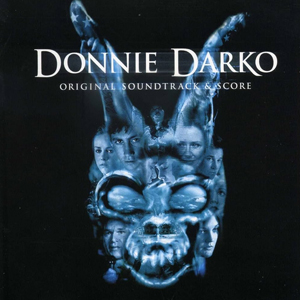
[00:01:45] Ray Latif: Scopo is a legit restaurant in Venice. But yeah, it'So Dark in there. We didn't have very dark conversations. But I asked Mike to watch a movie called Donnie Darko, which features Jake Gyllenhaal and his sister Maggie Gyllenhaal, but Jake is the focus of the film. No, Maggie Gyllenhaal's brother Jake is in it. Okay, great movie. If you haven't seen it, I highly suggest you see I think it's bizarre out in 2003 flick. Very weird.
[00:02:12] Jacqui Brugliera: I feel like he's in a lot of weird movies. Like what's the one where he's like the paparazzi, you know, and he's like Nightcrawler or something like that. Oh, Nightcrawler.
[00:02:21] Ray Latif: That's a good movie. And then Enemy. You ever see that movie Enemy with Denis? It was directed by Denis Villeneuve. I think that's how you pronounce his name. Great movie. It's about basically he has Either a doppelganger or another him living in the same city.
[00:02:36] John Craven: Oh, cool. I gotta see that. I guess I just have to do his whole catalog at this point.
[00:02:41] Ray Latif: Well, you should definitely watch any movie directed by Denis Villeneuve. Again, I think I'm pronouncing his name. He did both Dune movies. He did Sicario, the first one. He did Arrival. He's a really good director. I think you get a solid C plus for the pronunciation on that.
[00:02:55] John Craven: Appreciate you that usually you're like a d-minus kind of guy, so that's pretty good.
[00:02:58] Jacqui Brugliera: You know it's too early to be getting it from all sides I feel like you should start a podcast just about movies here or pronunciation of last name Ray says people's names pocket.
[00:03:11] Ray Latif: Yeah, that would be a hit. I think it would be actually I have a whole bunch of treats for you guys to try You guys brought some some nice libations as well. I'm sure you have a few things to sample as well and by the way I'm a little bummed because Jackie's not in the same room as us a couple weeks
[00:03:30] Jacqui Brugliera: I'm kicked to the curb again. I'm over here on the west coast. Yeah.
[00:03:32] Ray Latif: All the way on the west coast. Darn. Not that. At least you didn't, uh, you're not dealing with jet lag. Cause I think I'm finally over it, but I'm not sure. It was nice to have you in hugging distance though.
[00:03:43] Jacqui Brugliera: Yeah. Yeah. There you go. It was nice that I could just drive home. Yeah.
[00:03:47] Ray Latif: Jealous of that. That's, that's a, that's a big plus when you're out on the west coast. Before we go any further, we definitely got to talk about a scoop that BevNET covered. I would say that BevNET had the exclusive on this. Seemed that way. Seemed that way. Not earth-shattering news, but very, very surprising news to the industry. I was shocked by this as well, and I think John Craven, for obvious reasons, we'll get into that, was pretty surprised by this news. But Coca-Cola Co PepsiCo are preparing prebiotic soda launches for 2025. Our very own Martín Caballero, the managing editor for BevNET, broke this news. Noting in his story that Coca-Cola Co set to release a juice-sweetened prebiotic soda in 12-ounce slim cans under its Simply banner. We know Simply for its orange juice. And Spiked. And Spiked. It's going to come in five flavors, strawberry fruit punch, pineapple, mango, lime, and citrus punch, each ranging from 50 to 60 calories per can, due to enter select regions in spring of 2025, and uses the tagline, flavor that pops. How about that? As for PepsiCo, it's resurrecting Soul Boost, originally launched in 2021 in limited markets as a functional sparkling water focused on mood and wellness. I don't know why they didn't think that was going to be a big hit.
[00:05:10] John Craven: Is that the brand from Coming to America?
[00:05:12] Ray Latif: No, that's Soul Glow. Soul Glow, yeah. Yes. So this revamp is going to be called Soul Boost Soda, featuring prebiotics from soluble corn fiber and sweetened with both juice and stevia. Number of SKUs is unconfirmed, but one flavor seen by BevNET. Berry Berry contains 20 calories and 2 grams of added sugar per 12 ounce. can. We got to get this in our bellies. This definitely caused a lot of or got a lot of attention on LinkedIn. The story has been reposted and commented on by hundreds, if I dare say thousands, of people that are very interested in why these companies are doing this, why they're launching at this point, especially when you have the two big players in that space, Olipop and Poppi, seemingly Available to be purchased. Seemingly ripe for acquisition, Ray. And, and I got to go back. I got to put John Craven on the spot here. I believe it was in April of this year of 2024 when I asked you. Brass facts. Are we going to see an acquisition of Poppy or Olipop this year? And I think your answer was, I believe so, at least within the next 18 months. Now, what, John Craven, would compel Coke and Pepsi to buy either of these brands when they're coming out with their own? G-Ray.
[00:06:32] John Craven: I have so many thoughts on this one. Okay, yes, go ahead. Because I feel like we've seen this movie before, so to speak. Okay. You know, look, I think, it's not Tony Darko. The only thing that kind of surprised me with all of this is the timing of it. Because I think in some cases, I guess maybe I would have thought one of these to get acquired and then the other big strategics who didn't make an acquisition to go launch their own to try to compete. Here we are Coke and Pepsi are going to launch their own. And also I think what's pretty unique about this is that when we've seen this in the past, it's often been like one brand that's the breakout, you know, like vitamin water or body armor, stuff like that. And here we've got two brands breaking out kind of in the same category. So this, that part is kind of uncharted territory, but. Where does this take us? Looking at some of these past, you know, I don't know, Pepsi under Sobe launched Life Water in 2006 when vitamin water was sort of really starting to pop and I guess it maybe made Coke pay more money for vitamin water in the end. And I feel like we also kind of saw a little of this of, you know, Coke pushing on Powerade and then eventually buying Body Armor. There's probably Monster Energy drink references that could be made too, but, you know, I think this is something where God bless them for trying, but I think, you know, when it fails to sort of understand, and, you know, this is very in line with what I've said before about not thinking that the prebiotics are actually what make poppy and lollipop sing. is that the actual thing of value in those brands is ultimately the brand itself. And it's modern, sort of like, you know, the demographic it appeals to. And no offense to Simply, but I think trying to repurpose a juice brand into being a competitor, you've got apples and oranges, I feel like this has the risk of cannibalizing other Coke products. And certainly could be wrong, but I feel like this doesn't really change the outcome in the end. It just maybe modifies sort of the players and the timeline. Maybe Coke and Pepsi will do this. It'll work out for a little bit and a KDP becomes a new, you know, potential suitor, or maybe they just give up or maybe they still just plug along with this, but also acquire. Or it could also make other brands like a Culture Pop seem like an interesting target, even though it's, you know, a lot smaller, but you know, it is a brand that I think, you know, does have some traction. But yeah, I think again, the timing of it was a surprise. And I guess the brands under which they're doing it with are a bit of a surprise. I don't know for Pepsi. Total, you know, just guessing here, but like a brand like Bubbly maybe would be better than bringing back Soul Boost that didn't work the first time, but we'll see. And there are analogs for this in other industries. Let's look at, okay, technology. So you've got a big strategic Facebook, for instance, that tries to do something similar to one of their competitors, Instagram. So Facebook eventually realizes that they can't do photos as well as Instagram, and they don't have the same kind of traction with the audience that Instagram does. So they buy Instagram.
[00:09:54] Ray Latif: Yeah, but why launch your own app or version of Instagram in the first place when in the back of your mind, you know, you're going to buy the other brand?
[00:10:02] John Craven: Well, because you don't, maybe the deal isn't where you want it to be yet. And so you try, you try your Best Of do something that will, you know, deep six that competitor of yours or bring the value of that down overall. then you get it for a better price. I mean, those are all strategies that could be in play now. Also, I would say that to give another thought on what you just asked, like going into a negotiation with hey, we've got Simply that we just launched and it's doing well, because obviously it's going from zero, so whatever growth is like, you know, pretty good. 300% growth. We don't really need you as bad. But, you know, I think the other thing I would just add for our audience here, too, is that for me, this is also just a bit of a positive sign for 2025 in the beverage industry. And that obviously Coke and Pepsi, who at least for some period of time will probably be focused on one another, are gonna have to spend some money to create awareness for this as a thing. And I think it is something that is pretty interesting in that they really haven't spent any money or meaningful money promoting soft drinks that have a better for you kick to them. And I think that is something that, you know, will have a bit of a trickle down of, you know, benefit to other, better for you functional beverages. You know, certainly the more they spend, the better I think it'll be. And again, it's hard to really see either of these paths as being like, billion dollar brands, but you know, whatever. Obviously the consumer sometimes is a fickle beast, but you know, I do think short term it should be good for the industry to have these things roll out. And the Facebook, Instagram example, just one last word on that was largely Facebook buying their own audience. It was also an Instagram and then giving them this other product. That could be the play here as well, which, because as we know, Instagram just ended up being a more, I don't know, friendly user experience. The thing that brands are using more to communicate and that just a lot of people prefer to use to communicate. And so they were able to just get like this kind of stranglehold on that whole market, which is what Coke and Pepsi could be trying to do if they build up either Soulboost or Simply, and then go ahead and acquire either Olipop or Poppy.
[00:12:23] Jacqui Brugliera: It feels like they're almost like testing into the space in an easier way for them where they already have distribution channels, they have sports venues, they have widespread access to these consumers and they're just going to kind of ride the wave of better for you and see if their consumers, you know, if that's like the key value prop and then maybe down the road they do acquire something and add it to their portfolio and maybe something dies off. I mean already Soulboost died and is coming back so they kind of seem to like recycle some things just to test within their own ecosystem.
[00:12:58] John Craven: You're making a beautiful point though which is that you start the process and then you go and replace it with the thing that the people want. So you test it They're like, Oh yeah, this is doing okay. And then you're, you replace it with only popper poppy. Maybe it goes off from there. So I think Jackie's got a really good point there.
[00:13:15] Jacqui Brugliera: It's also funny. The timing, I feel like Coke and Pepsi just like shook hands and were like, let's see who wins this.
[00:13:22] John Craven: Well, yeah, that's kind of what I was getting at too. The timing of both of them having plans for this.
[00:13:28] Jacqui Brugliera: Yeah.
[00:13:29] John Craven: Like just seems sort of odd, but Paul, Mike Tyson fight, uh, times two, I guess, but it's like, what's the best man when let's see. Not to pile on but you know, the most memorable time that they tried this strategy Repeatedly was in the early days of the energy drink category where you had two super brand focus brands Red Bull and Monster and I guess to some extent Rockstar and you know, they rolled out a host of these like, you know, coke had things like Coke and Pepsi had a bunch of like Mountain Dew energy drinks and none of this stuff ever really stuck. And again, those are places where and I think much like Ollie Poppin Poppy, the brand is such an important part of this. It's just hard to imagine that like, you're going to lure a consumer away from one of those to get a Simply or a Soul Boost. People are expecting KMX to drop an album or something. That's a weird brand name.
[00:14:24] Ray Latif: It seemed like the runway for energy drinks was more impressive than I think the runway currently is for these probiotic or prebiotic sodas. I think the jury's still out on them. And I've talked to folks, including our very own, well, maybe not our very own, but our dear friend, Kenny Sadowski, who, in our interview that we featured on Taste Radio a few months back, expressed that he wasn't so high on this space and that there was much to be learned and much more to be understood about these types of drinks. And I think maybe Coke and Pepsi, as to Jackie's point, I was just trying to figure out, is this something we want to get into? Is this worth the acquisition? And clearly, clearly it's not for them yet. Like the acquisition isn't worth spending or overspending at this point.
[00:15:16] John Craven: But it might be next year, it might be the year after. Right now it feels like the price is either too high or they just don't know enough about the category well for the record brands like KMX that were launched they were launched at a time when the energy drink category was a Fraction of what it is today, and no one was bullish about it becoming a multi-billion dollar energy drinks They were bullish, but it was, I think, it was very much at the time seen as this thing that was like, you know, the weird stepchild of, you know, the beverage industry. And then it became something that was really key, I think, to the CSD category as a whole, like actually being somewhat kind of relevant, even though it's tracked differently. It was ultimately like a threat to soda. And I think in that same light, like what Olipop and Poppi here building is for sure a threat to like the, you know, the zero calorie soda business that is so vital to Coke and Pepsi. So I guess what I'm trying to say is that this is something where like, I feel like they're trying to slow down the threat, but. To some extent, it really risks the threat becoming bigger and ultimately them perhaps paying a lot more for Olipop and Poppi Poppy than they would have without going down this path.
[00:16:37] Ray Latif: Well, the other thing I would say about this is. are mainstream consumers, mainstream consumers, going to trade their Diet Cokes and their Diet Pepsis and their Coke Zeros and their Pepsi Zeros for Olipop and Poppi? That's the big question, right? I mean, that is the million-dollar, billion-dollar question.
[00:16:52] John Craven: I mean, the answer's some of them.
[00:16:53] Ray Latif: Some of them, right? Well, again, I think— But is it enough?
[00:16:56] John Craven: Is it enough of their customers? It's a—I think it's a very different strategy, which is why this is, like, such a big threat to their core CSD business, which is that, rather than trying to convert Diet Coke drinkers as the starting point, they're getting the drinker who never drank Diet Coke, right? So like, like kids, right? So kids who are like, obviously sugar conscious, Want you know fun branding or just never even entertaining a product like that. They're just going straight to these newer brands So instead of starting with a Coke and Pepsi product they're going they're starting with a Olipop and Poppi because they don't have years and years of I'm conditioning that on diet coke right diet I mean, I think those are sort of like you know they're like staple goods. You know have these kids had coke zeroes and stuff probably But, you know, it's not like a brand that they identify with. Whereas I think these are brands that the consumer who's into poppy and lollipop actually care about and identify with, which is very different than how Coke's brand has existed for like 100 years, you know, I also feel like this is kind of
[00:17:59] Ray Latif: Coke's strategy when it comes to M&A and has been since they bought Body Armor, which is that they are more willing to invest in their established brands, their legacy brands, than they are to buy new ones. I mean, just look at what they've done in the beverage alcohol space. Everything they're doing has already been established and proven out in terms of brand, as opposed to buying a beverage alcohol brand or creating a brand new one, like Simply, Fresca, Coke. I mean, all those have brand equity that they're saying, hey, let's just continue to invest in this. And James Quincy, who's the chairman and CEO has been like, look, billion dollar brands are our bread and butter. So why mess around with anything else? And that's why I think he might just kind of be bearish on Ollipop or Poppy. So we'll see. At the end of the day, he's the one that pulls the trigger. Just to be clear, we have a ton of respect for and think highly of Olipop and Poppi, myself very much included in that conversation. They were our co-brands of the year for 2024. Just a remarkable job that each of those founders are doing to create basically a whole new segment of soda Really remarkable. For the full list of award winners, just head to BevNET.com and look in the menu for the Best Of 2024 award winners. You will find a group of some of the most outstanding products that we've seen over the past year. And you can do the same at Nosh, Nosh.com. Follow the exact same process because I'm not going to repeat it.
[00:19:25] John Craven: You can also do it at Brewbound.
[00:19:27] Ray Latif: Oh yeah, Brewbound. I'm doing it at Brewbound as well. By the way, Last episode we didn't get to talk about Brewbound because we were in the midst of Brewbound. What a tremendous, great event. Congratulations to Hooray's Girl Beer and its founder, Ray Beebuck, who came out swinging with a fantastic presentation, bested 10 other brands in that Brewbound Pitch Slam competition. And that was just one part of a really fantastic show. Including Beer Girl. Including another brand called Beer Girl. Yeah, which was phenomenal as well. Yes, Grey's Girl Beer, ultimately the winner. And congrats and plaudits and applause to Justin, Jess, and Zoe for putting together a tremendous event. The content was once again fabulous. And you can watch all that content now. Yes, if you're an insider in particular, you can watch and revisit all of the content from BevNetNosh and Brewbound Lives by going to the respective dot coms. But you've got to be an insider. You've got to be an insider to watch that content. Jackie, how easy is it to become an insider?
[00:20:36] Jacqui Brugliera: You literally just go to our website and click the button, become an insider.
[00:20:42] Ray Latif: You click a button, you enter about two minutes of information and you're done.
[00:20:46] Jacqui Brugliera: Yeah. And then you're done. You have access to everything.
[00:20:48] Ray Latif: Fabulous. Now, earlier this week, we published our interview with Trey Kennedy, the well-known comedian, particularly on Instagram. He's got 3 million followers. He's also the founder of Basic Cellars, which is a brand of, guess it, wine that's pretty uncomplicated and easy to understand. They have two varieties, a California Pinot Noir and an Italian white wine. Both come in 187 milliliter glass bottles. I think we talked about this a couple episodes ago and I've been waiting to get these samples and we finally have them. Not going to try them now, but just immediate thoughts on this. I kind of feel like this is perfect, right? In that you don't want too much wine all at once. This is like the world's smallest wine bottle. It is super cute. It says it's one serving, but you can definitely get two servings out of this. Yeah, that's probably two glasses. 187 milliliters.
[00:21:39] John Craven: Where's your punt, Ray?
[00:21:40] Ray Latif: Where's your punt? There's no punt on that.
[00:21:41] Jacqui Brugliera: It's kind of like a cooler version of the ones you get on like airplanes, you know? Yes.
[00:21:45] Ray Latif: Yes, exactly. This is a quarter bottle of wine, 187 milliliters. So I'm going to try these later on and report back on the flavor. But apparently these are high quality premium wines, just in a much more accessible and portable format. So well done, Trey and team. Pun free. And their partner In Good Taste, which is a producer of premium wines in particular, packaged in these smaller bottles.
[00:22:12] John Craven: Right. Yo. As usual. What's up? I'm mad jealous of UK because the super foodio, all peanut butter cups, they finally launched. Oh yeah. Do you have any? We ate them all. What do you mean we ate them all? We got them pre-launch. You got to try them. I don't. They have. Oh, I did get to try them. Yeah, the smaller tiny peanut butter cups. Well, there's the little, there's the little buttons, but then they've got the all peanut butter cup, peanut butter cups that.
[00:22:38] Jacqui Brugliera: I love the buttons. So I'm going to love these.
[00:22:41] John Craven: Yeah, they have peanut butter and jam flavor. They've got an original. They've got a no sugar added. The no sugar added for me was just mind-boggling stuff. I mean, they're all just excellent. So jealous. I guess you can get them at Tesco now. Your jelly of the peanut butter and jam? Hopefully we'll get to meet up with Jag and Nirali again at some point soon. But congratulations on your launch and I just hope those are going like gangbusters. That is such a good product.
[00:23:09] Ray Latif: It is I had some in the car and luckily they didn't melt in the car because they was I think it was like a couple months ago I wanted to talk about a brand that I posted on Instagram a couple of days ago. This brand is called Tokyo Banana. So apparently Tokyo Banana has gone viral. It's a pretty common site in Japan. Apparently it's the official souvenir snack of Japan. But these kids, I don't know how they do it. When they get ahold of something, they put it on the TikToks. on the Instagrams, all of a sudden it becomes really, really popular. I purchased this at H Mart. It is a beautifully packaged yellow box, and it costs $14.99. And at the time, I didn't know how many of these bananas were in here. Now, to be clear, This is a sponge cake filled with banana flavored custard cream. So imagine a better for Tokyo Twinkies. When I say better for you, I'm not sure how better for you. It just doesn't have any artificial ingredients in there. Better for you style Twinkie with banana cream. And it needs to be refrigerated. So this was refrigerated. I'm going to open this box here. It does sound delicious. And they are good. Now, so inside this wrapping, it looks like it's wrapped like a gift, like a Christmas present. You got this white box. You open up the white box, and there's eight individually wrapped Tokyo Banana John Craven you like one sure why not there you go Mike Schneider Would you like one yes, please Jackie as usual? I wish I wish I wish just pretend.
[00:24:43] Jacqui Brugliera: I thought it was actual just one banana in the box
[00:24:46] Ray Latif: I had no idea. So I actually saw someone on Instagram opening up one of these and it looked like the banana was much bigger. It's actually pretty small. It's probably like, I don't know, three quarters the size of like a regular Twinkie, maybe even smaller than that. Yeah.
[00:25:01] Jacqui Brugliera: And it's shaped like a banana.
[00:25:03] Ray Latif: Yeah, cheap looking banana. It comes in a lot of wrappings. So there's a plastic wrap around the banana and the banana comes in this little tray, this little plastic tray as well. And then there's actually a preservative, what do they call those things? Like you have to choose. Yeah, there's like a little preservative packet, I guess, so it doesn't go dry.
[00:25:20] Jacqui Brugliera: Keep the moisture out.
[00:25:21] Ray Latif: Yeah. Do not eat, do not microwave. Why would you do either? I don't know. This looks like a dessert you'd get in like a weird airplane meal. It's actually sold a good quite a good weird airplane meal though Yeah, I had a feeling that Mike would really appreciate this probably more than John, but I don't know.
[00:25:38] Jacqui Brugliera: It's alright.
[00:25:38] Ray Latif: It's alright Packaging is cool.
[00:25:41] John Craven: Yeah packaging is really cool was expecting something a little fancier. Not a Twinkie. Oh It's kind of like biting into a banana cloud. The outside's really fluffy and it's a lot fluffier than a Twinkie and a lot tastier too.
[00:25:56] Jacqui Brugliera: How much banana flavor do you get out of it?
[00:25:58] John Craven: A lot.
[00:25:59] Jacqui Brugliera: A lot?
[00:26:00] John Craven: It tastes like you're biting a banana. Because the cloud is also banana flavored.
[00:26:05] Jacqui Brugliera: Okay.
[00:26:05] John Craven: Yeah.
[00:26:06] Jacqui Brugliera: It's just like banana in different form.
[00:26:09] Ray Latif: Yes, it's quite good, and you get these cool glasses for afterwards Mike just put the tray Across his forehead or across his eyes. Yeah, it all makes sense. I guess the question. I have is why is the box 15 bucks? It's eight of these so it's roughly two bucks per Tokyo Banana Ichiomi two bucks by the way so collecting that You know what I spent good hard money on this cash, okay cold hard cash So yeah, I mean, it's good is it worth about two bucks per Tokyo Banana perhaps. I'm not sure They're dumber snacks you buy for kids with the kids today. How are they affording this tiny cheap?
[00:26:47] Jacqui Brugliera: I'm doing reselling them They're buying them and then selling them at school lunches for $3 so when I was at H mark or drop shipping them on The translation on the front is Tokyo Banana.
[00:26:55] John Craven: I found it I
[00:27:03] Ray Latif: At H-Mart, you could tell that there were a lot of people buying because they had enough of these. They had enough boxes, but it looked like they were down or they were going to be out by the end of the day. And, uh, yeah, once again, I guess I'm not really sure what makes a product viral, what makes a product more interesting to younger consumers than others. But for some reason, the kids love this. I don't know how long they're going to love this. So maybe it's just a little kind of mini trend or mini fad right now. Has this taken over for like Dubai chocolate?
[00:27:34] John Craven: How to buy chocolate.
[00:27:36] Ray Latif: Well, that's another one. I mean, that's another thing. I mean, I mean that that's kind of cool for like now, but will it be cool in two months? Probably not.
[00:27:42] John Craven: I don't know, but my daughter is home from college and she went and got some Dubai chocolate and brought it home. She did not share any with me.
[00:27:52] Ray Latif: And Dubai style chocolate is just chocolate made with pistachios and I'm not exactly sure. I still don't know what it tastes like. I've seen it.
[00:27:59] John Craven: I've been within tasting distance, but we need some Dubai chocolate.
[00:28:02] Jacqui Brugliera: It's cool to see though. I mean, like, I think the kids love just international snacks and treats that, you know, maybe they couldn't usually get in the packaging. The packaging plus like international flavors. They're like, let me have that. I want to try that.
[00:28:18] Ray Latif: Yeah. Okay. So I've seen this. So basically it's a chocolate bar. that is filled with pistachios and kataifa, and kataifa is a Middle Eastern treat that's made with shredded phyllo dough, I believe. I'm sorry, kanaffa, kanaffa. It's this crispy shredded phyllo dough pastry. That sounds awesome. It was an exclusive Dubai treat until the Nuts Factory started importing it a few weeks ago. The bars are $20 each. Damn, okay. Now I know I shouldn't share it. Yeah. Made me curse on the podcast.
[00:28:49] John Craven: I don't like that.
[00:28:49] Ray Latif: I don't like that. Okay. Mike's got some Maza. I mean, I know Mike's talked about Maza a lot on this podcast, but we got to talk about it again. Cause this is a, this is a tremendous brand here.
[00:29:03] John Craven: I mean, I love this brand. The founders are phenomenal. We've gotten to meet them so many times. And this is their new, this is the first time we've gotten a chance to see their new packaging up close. Of course, we've gotten to see it. You know, on Instagram and such. And I missed their party at Expo West, too. So this is just us getting to see it up close. You mean at the Summer Fancy Food Show? At the Summer Fancy Food Show. You're right. You're right. It's really clear what this is now. You know. It's magic sauce. I love the magic sauce.
[00:29:35] Ray Latif: The branding is just sensational. Two things I love about this branding. One, it looks very ethnic. It looks very specific to a certain part of the world, that being the Middle East. Afghanistan? Well, Afghanistan's part of the Middle East, is it not? Yeah, no, I was just asking. That's where they're from. It's also described as magic sauce, which I love because that's, I mean, it just feels like something that, I don't know, differentiates itself from other sauces. And then there's a call at the bottom of the label that says put it on everything. So if you're confused about how to use it or what to put it on, you don't have to be. Just put it on everything. I like that.
[00:30:12] John Craven: I mean, I can't wait to try this on some of the other everythings I've been putting things on. What the hell does that mean? I mean, so... Lattes? Ooh, Maza lattes. I don't know about that. We could try it. A savory latte. I don't know if anyone's ready for that yet. You know, Fly By Jing, Chili Crisp is something that I've been trying to put on everything, and of course, Gloria's Chateau, trying to put that on everything. What is that? Gloria's Chateau, you haven't had that yet? I've got some for you. Gloria's Chateau? Yeah, Gloria's Chateau. Oh, oh. Don't mess it up.
[00:30:45] Mike Schneider: I know.
[00:30:46] John Craven: Oh, you can say... I mean, just put that Chateau on everything. It's awesome, Ray. That's me falling into the microphone. You've got to try this new, uh, it's a new chili oil. It's Ghana style and it has tomato in it and it is amazing. And Gloria taught me how to make savory oatmeal with Gloria Chateau. And so then I tried it with chutney punch too, and it's just really good. Savory oatmeal is really good, but so are both of those products. Maybe we can put maza on oatmeal too. Maybe maybe but I've got some I'll give it to you after the show and then I love to get your thoughts on it Jackie has by her side a bottle of spirits.
[00:31:25] Ray Latif: I found her attended Bev net live last week.
[00:31:29] Jacqui Brugliera: She did Yeah, so Effie was at Bev net live and she got me to sample this at like 830 in the morning And the name of the brand is KLEOS, K-L-E-O-S. And it's a liqueur, but it's made out of Mastija. And Mastija is actually a sap from Greece and they create this liqueur out of it. And she was having me try these like mixed basil cocktails, this like cold Greek Cocktails with it. It's pretty tasty and it kind of just goes with any flavor that you put with it. But I found it interesting, the packaging is pretty unique and eye-catching. It's pretty obvious that I would say it's Greek with the evil eye. And like we were just saying, people are really gravitating towards things that are unique, almost like giftable, and something that they haven't seen before. And I've never seen mestiha before.
[00:32:27] John Craven: I had a great conversation with Effie too. I think she also is a pretty unique, powerful person. I think the brand and her go really well together. It was a great conversation. I unfortunately wasn't trying it. Jackie, how's it taste?
[00:32:40] Jacqui Brugliera: It tastes good. Yeah. Yeah. I liked, um, I liked it actually with cold brew because it gave it a little bit of sweetness and it was, yeah, really tasty, but she said it can really go with anything.
[00:32:49] Ray Latif: Yeah, that bottle is very unique. It's hexagonally sided, I believe. Is that right? And then it's got that diamond cap, or it's a sort of an oversized diamond looking cap. Our very own Melissa Traverse sat down with Effie for an interview as part of the Taste Radio Studio at the event. You should definitely watch it. I believe actually, listeners, dear listeners, that our Taste Radio Studio interviews are actually gratis to view. So if you want to check that out.
[00:33:17] John Craven: Oh, they are now.
[00:33:18] SPEAKER_??: Yes.
[00:33:20] Ray Latif: At least that one. Ray just sanctioned it. Yes, I just sanctioned it. So if you want to check that one out, please do. And you can check out about 20 or so other interviews. There they all are for you now. That we recorded at the show.
[00:33:33] John Craven: Last episode, you may remember that we talked about, you may remember that we talked about R-M-B-R, the brand. Anyway, so R-M-B-R, Kombucha, they sent us product and it's so tasty. We've got turmeric, coconut, vanilla, hemp and blue spirulina, hibiscus and ginger. I mean, they've got so many good flavors here. My favorite is definitely the orange peel and vanilla bean. And then there's also a lavender as well. And these aren't even all of them. So thanks for remembering us.
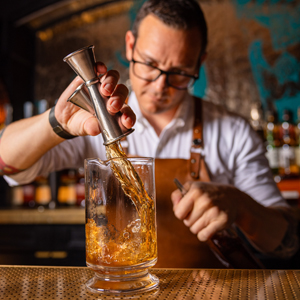
[00:34:03] Ray Latif: All right, let's get to our featured interview for this episode. During our visit to London in October, I met up with Stefano Oghene and Tony Salles, the vice president and third-generation master distiller, respectively, of awarded tequila brand El Tequileño, along with Davide Segat, the bars manager at the city's Nomad Hotel, for a conversation about the creation of a new limited edition tequila, the Side Hustle Select Barrel Double Añejo. Side Hustle, which is a Latin American-inspired bar at The Nomad, partnered with El Tequileño to develop the spirit, which was born out of a longtime friendship between Stefan and David. Tony oversaw production of the tequila, which is made with the base of El Tequileño's Reposado Gran Reserva that was aged in a variety of barrels and blended with an 18-month añejo. As part of our conversation, the trio discusses the rise in tequila consumption and popularity in the United States and United Kingdom, the origins of the Side Hustle Select Barrel Double Añejo and how much planning and experimentation went into the final product, and how limited-time offerings fit into the marketing strategies for both Side Hustle and El Ticoleno. Hey folks, it's Ray with Taste Radio. Right now I'm honored to be sitting down with three fine gentlemen, and they are Davide from Side Hustle, Stefan from El Ticoleno, and Tony from El Ticoleno. Guys, great to see you. Davide, how are you?
[00:35:36] Coca-Cola Co: Yeah, very good. Thank you. Pleasure to be here. Thank you for doing this for us.
[00:35:40] Ray Latif: Thank you so much for having me. Stefan, how are you?
[00:35:42] Steffin Oghene: I'm great, thanks. It's great to be here back in London.
[00:35:45] Ray Latif: Yes, always good to talk to a fellow Manchester United fan and share some tequila over our tears. We're happy before the weekend. I don't know if I am, actually. It's always one of those things. Am I really looking forward to this weekend or not? Tony, great to see you again.
[00:35:59] Mike Schneider: How are you? Thank you very much. It's my pleasure. I'm doing pretty good. It's great to be once again here.
[00:36:05] Ray Latif: Yeah. Tony and I sat down for an interview at the 2023 Tales of the Cocktail event. I think I survived without a three-day hangover. I had a two-day hangover, but it wasn't too, too bad. Yeah. So we're in a very big room here at the Nomad Hotel where Side Hustle is based. It's a little echoey in here, which is fine, but we have a lot of room to operate and a lot of room to drink tequila. So this is a good thing, I would say. Yes.
[00:36:31] Coca-Cola Co: It's quite an historic room, just a couple of facts. So this is the magistrate court. Actually, where the judge was. Oscar Wilde, Pinochet, the suffragettes, all being tried here. So I feel quite emotional and it's quite good to be in this room. Yeah, this is where they were like... Yeah, this is the court, the judge sat right there.
[00:36:52] Ray Latif: He was handing out some serious sentences. I've read a bit about Stefan and Davide, your relationship and friendship. A lot of it has to do with tequila. I've talked to a lot of folks about tequila and for years it's been kind of a divisive spirit because your first experience or a lot of people's first experience with the spirit hasn't been so great. And then eventually you get to a point where you're like, oh, actually, this is really good. This is really good. But when did you both get into tequila and why has it been such an important part of your lives?
[00:37:28] Coca-Cola Co: In my case, I joined Steffin. Steffin was the general manager of an iconic East London bar called Green and Red. And I joined as a bartender back then. And I didn't know much about tequila. I was a bartender. My interest was very little, and I found myself in this bar that had 300 labels, all 100% Agave tequila, and no other spirits. We had some hidden somewhere, but no display. Yeah, we just bonded over learning about the history, the tradition, the brands. you know, what makes tequila special, the agave plants, and the region, and the Culture Pop Mexico. So this is how we met.
[00:38:15] Steffin Oghene: Yeah, and for me, it's a little bit different. It was more, you know, I grew up in Edinburgh, Scotland, so it's unusual for a Scottish person to suddenly be attracted to tequila, considering we're surrounded by Scots. But I grew up in Edinburgh and I used to go to a Mexican restaurant all the time. It was very stereotypical. It was called Viva Mexico and had all the thrills and bells and whistles basically of stereotypical Mexico. But it was great and I really loved it. I love the energy and I really remember that as part of my childhood, my mother taking me there. And we actually had a very small store in Edinburgh called Loopy Pintos, which is still there, which specialised in ingredients, you know, which were very hard to come across anywhere else. And they had a great selection of dried chillies or beans and cans and all sorts of things. So, you know, I would say more than anything what Tequila came after for me. It was something I got very interested in, but it was more I was attracted to the Culture Pop Mexico. I really loved the fun aspect of it. Everything was fun. And it was so colorful, not just in physical colors, but the food. All of these things were just colorful and fun, and I loved that. And that kind of got me interested in tequila. And I started kind of pursuing little bits here and there to find out more about tequila, because I was working in bars. And then I met two guys, Henry Besson and Dre Masso, who were really leading the tequila kind of education in the UK and Tom Estes was just around the corner, Café Pacifico, another iconic place which is still going to this day. I met the right people at the right time and when I was super interested and had a lot of energy, And I ended up running Green and Red, which was at that time, there was really kind of three, four places in the UK that were all in London that really were pushing Mexican culture, and specifically tequila category. And that's how me and Davide Segat. And actually, Tony and I just came from another great restaurant in Soho from one of the members of staff that used to work in Green and Red as well, a place called Rita's. We all bonded over the same thing. We loved the Culture Pop Mexico. We loved the tequila business. We liked drinking tequila, sometimes a little bit too much. But we had some great owners that really embraced the lifestyle of Mexico. Everything joined. It was all kind of led to the same thing.
[00:40:59] Ray Latif: Yeah, I think you said something there. When I think about the premiumization of Mexican food, particularly in the United States, it's interesting to see that unfolding right now because for the longest time, it was garbage food. It was thought of as cheap food with cheap ingredients. And it was really just one chain that was, well, there's a couple of chains, but the biggest one, I'll just call it what it is, Taco Bell in the United States. really did a disservice to Mexican food. And slowly but surely, we're starting to see people eating better and respecting ingredients and respecting the Culture Pop bit more. I think we're seeing that in tequila as well. Tony, would you agree?
[00:41:38] Mike Schneider: Yes, I agree. I've seen that people are now taking tequila more seriously. And quality has become a thing. Before, people just wanted to have a shot, put some lime salt and drink it. They didn't care what it tasted as long as they got drunk. So nowadays, people are looking for a tequila they can enjoy, they can sip. And it's just not something to get drunk. It's a whole experience. It's having a great time and enjoying a product that is made with quality.
[00:42:08] Ray Latif: And I learned from you that there's actually a tequila town. There's a town of tequila in Mexico and that's where your hotel is.
[00:42:16] Mike Schneider: Yes, yes. We have a hotel and we have our distillery there. So it's quite the experience. That's why the name of our tequila, El Tequileño, means somebody that is from the town of tequila.
[00:42:28] Ray Latif: If you have an opportunity to visit Mexico anytime soon, you can actually go visit the hotel and really find out the true origins of tequila in that country. We're here today, or in front of me, which is really exciting, is a collaboration between Side Hustle and El Ticoleno, which is the Side Hustle Select Barrel Double Añejo. There's a lot there. I have a glass in front of me. If you don't mind, while I sip on this, if you could talk about sort of the origins of this partnership. Obviously, there's a personal relationship, but the origins of the partnership the planning, the experimentation that went into this, and how you got to where you are with the product.
[00:43:07] Coca-Cola Co: Yeah, for me it starts with Side Hustle.
[00:43:09] Ray Latif: As we say, I used to work with Stefania at Tequila Bar, and then I moved into Hotel, and we opened... And I was just going to say, Davide, if you could describe Side Hustle in the context of the Nomad Hotel, because this is an iconic hotel here in London.
[00:43:23] Coca-Cola Co: Yeah, so the Nomad, everyone, especially people listening to this podcast, will remember what Nomad New York did in the city of New York. It was a huge success. It was one of my personal favorite hotel bars in the world. So when I heard they were opening in London, I really wanted to be involved. And even more because they wanted to launch a new concept that wasn't done in Nomad New York, which was a cocktail bar, based on Mexican spirit and Mexican Culture Pop say something there that I think is very relevant, the story of Mexican food in America. I think in UK, here in London, we are back. It was very hard to find good Mexican ingredients, good Mexican food. here in London before. So the idea was to bring that quality, bring those ingredients and elevate the Mexican culture, food and drinks in London, which was in that need. It got a lot better in the city, but that's the idea. So for me, it ticked a lot of boxes. I came from hotel bars, I come from tequila. So doing everything with the Nomad was incredibly exciting. So I jumped at the opportunity. And part of it is to give this kind of experience to our guests and give them something special. We are a bit limited compared to America on the brands that we can find. Not every Mexican spirit, Mexican brand are available this side of the ocean. The one that we wanted, we wanted to make something special and this is how basically in a big picture this come about. I wanted to reconnect with Steph, I wanted to reconnect with Tony and do something special for the UK market.
[00:45:12] Ray Latif: The experimentation, I imagine, took some time, getting to a place where you were really, not just comfortable, but thrilled to be able to share this with the guests of Side Hustle. What went into that process, Stefan?
[00:45:25] Steffin Oghene: You know, the simple thing is it's pretty easy to make tequila. Yeah? Tony, would you agree? No, I mean that in simplifying, but it's... We don't do that. What we want to do, what I see Tony doing on a daily basis is an experience. So you see that phrase, you've got to walk before you run. When Davide Segat to me, let's do this, I'm like, yeah, let's do this. And Tony is the one that ultimately has the last word that says, hold on. This is what we're going to do. Let's think this out. I'm going to select this. And Tony oversaw the whole part of the process of actually doing the blend. And I just had the joy of tasting it along the way. And we had mules over the space of a year, year and a half.
[00:46:21] Coca-Cola Co: Yeah, a year and a half when I started tasting.
[00:46:24] Steffin Oghene: Yeah, multiple samples sent to different bartenders, or I'd bring them in my luggage when I came here so we could keep tasting it at the different stages of the process. And that's not an easy thing, by the way, because in tequila you have the governing body of tequila, the CRT, and you must seal your barrels. So every time you have to, you want to take a sample, you have to have permission. So, you know, Tony would raise his eyebrow and look at me like, are you sure? And then he said, I think it needs a bit longer. And then we try it and of course he was right. So I think we went like three or four times. Three or four times. Three or four times we tried it over a space of over maybe two years total, a year and a half especially, until we got to the point where we were like, this is ready.
[00:47:15] Ray Latif: I'm not familiar with the Double Añejo. I think this is the first time I've heard of one. I've heard of an extra añejo.
[00:47:21] Steffin Oghene: Yeah, the double wood añejo.
[00:47:23] Ray Latif: Double wood añejo, okay. Yeah. So what does that entail? What does that mean?
[00:47:27] Mike Schneider: Okay, it was basically aged two different types of woods, like both the American oak, but one at the beginning we aged it. We have a gran reserva, so we aged it with American oak in a pipon. and then we blend it with some Añejo, but that's our normal one, but we're going to give that extra feeling to the tequila, something special, you know? It's going to be a single barrel, you want to give them something that nobody has, something that they feel it's unique and that it's full of quality. So it was first like eight months in American oak pipon, blended with Añejo, and then We put it in a barrel, an American oak barrel, and redid it for a year and a half more. So it's not any kind of tequila. We cannot say it was more than two years, because the first part is in a ripon. Ripons are bigger, so they cannot become añejos. But it's something that is unique. that you won't be able to see, and it's something special. And going back a little bit to what Stefan said, making tequila, I say it's easy. Why? Because I do it every day. But I like it. When you do something that you like, it's not work. It's something you have fun with. You do it with pride. And every day I find a new thing. And it's either it's good or bad. It's fun to deal with it. And it's one of the best things I can do. I make tequila. I enjoy it. I like it. And it's something that I can bring up to the world and say, OK, try it. And I can be proud that people like it and drink it. That's the main thing I can. And I've learned from different people say, so you drink your tequila? I say, yeah, that's the one I drink. I say, it must be good because not everybody does that. So the tequila that I produce is the one that I drink. The same bottle that you drink from is the same one I'm going to drink. And that's the most important part. I'm sure of what I'm making. And projects like this are very interesting. We've been recently doing it and looking into it, and we've been experimenting, and we don't just let them go because we have to. We let them go when we know that they're done. There's something that people will like, and sooner or later, maybe they will want something new or another one. Obviously, it's not going to be the same because each one has like a little baby, you know? you're not going to let them go until they'Red Bull grown and ready to go. So this was one of our babies and we decided it was ready and it was good enough for people to be proud of what they're going to buy and what they're going to be offering their clients.
[00:50:11] Steffin Oghene: And that was very important to me. Davide talked about it, especially Davide. He said, hey, he can go to 100 suppliers and do a similar concept. So he wanted something that was going to be unique. And they could talk about the story behind what was the production side of it, and the end point of what was actually in the bottle. And we enjoyed that. We enjoy the storytelling, because everything's transparent.
[00:50:49] Ray Latif: Yeah, I mean, it goes a long way. In the press release about this product, I think one of the first things that was talked about was your relationship, Davide and Stefan, and your friendship and how you bonded over tequila for some time, and that this is sort of a way to honor that friendship and that relationship. When I tasted this, and actually, oh, Stefan, you're already done. You need another pour, it looks like.
[00:51:11] Steffin Oghene: Sorry, I got a bit carried away.
[00:51:13] Ray Latif: Well, we have three glasses here. Davide, you're on the clock, I guess. You can't be drinking.
[00:51:17] Coca-Cola Co: Yeah, exactly. I actually would like to, well, if you taste it, I would like to actually compliment Tony, because I remember a couple of years back to talk kind of the dream of what Agneo or what kind of tequila we would like to do. And he was able to literally put into the liquid exactly what I imagined for me, like an agneo like this with such agave at the forefront, because I think in the category sometimes certain agneo tend to cover the main ingredients, you get a lot of wood, and I think this is incredibly balanced. Also the herbaceous, the grassiness coming, and the long, peppery finish. It's exactly how I imagined, so I like a huge, huge compliment. And also, me and Steph were, I think in November, we were like, oh it's ready, we're very happy, we're very happy, and Tony was like, no.
[00:52:22] Steffin Oghene: No.
[00:52:23] Coca-Cola Co: No, two more months.
[00:52:24] Steffin Oghene: That's why I say you have to walk before we can run.
[00:52:27] Coca-Cola Co: Yeah, and he was absolutely right because those two months were, yeah.
[00:52:32] Ray Latif: I mean, what kind of tasting should folks be getting?
[00:52:34] Mike Schneider: Normally our tequilas are, well, yeah, we got our Blanco Mixto and that will give you a bite. Like there's a saying in tequila, say, if it doesn't hurt your throat, it's not tequila. Yeah, we didn't offer you that, obviously, but we do our tequilas, our 100%, and people go try it, and they have a drink on the side, like soda, just to chase it out with. They drink it and their face changes, even though it's a blanco, a reposado, whatever. They're expecting a bite. Tequila doesn't have to hurt, it doesn't have to be like burning. So with tequila, you could do it with different qualities and make sure that people enjoy it. So this tequila is very characteristic. You can see that there's lots of wood, obviously, a bit of caramel in it. but also very, very, I can feel the hints of citrus a little bit at the end. That's very peculiar of our agave. We bring agave from the highlands and that will give us a little bit of a fruital flavors. There's also lots of fruits in here. I don't know if you remember from Tales of Cocktail. where we introduce the extrañejo, you can find several fruits that are similar in all tequilas, but then again, the barrels that we use also give it a unique profile to each one of these tequilas.
[00:53:55] Steffin Oghene: Yeah, and I'd say if you take all the tequilas, They all have these citrus notes, these kind of little herbal notes to it. And when I taste this, I see the DNA El Tequileño as a product that Tony makes there. that's there, that's the backbone of the tequila, and then the wood's just enhancing those flavors, like getting those caramel flavors, the kind of sweet spices, and yeah, it's a little bit rounder than like a nice balanced whiskey.
[00:54:36] Ray Latif: I think about this product and I'm wondering about sort of the value from a marketing perspective. Obviously, Side Hustle has a marketing strategy, Il Ticchiolino has a marketing strategy, and how this collaboration and limited edition collaborations, you know, impact the brands as a whole. You know, is there a component of this in that marketing strategy or is it just really to showcase, you know, the beauty of the friendship and the partnership?
[00:55:08] Steffin Oghene: I think so. For me, it wasn't a marketing strategy. It was just more what I love doing and what Tony does on a daily basis. And what I love doing is just creating good experiences, right? Like, you know, when I personally go out, to a bar or a restaurant, I'm looking for an experience, something that I enjoy. It's not just, I want a margarita. Boom. I want to enjoy that margarita, and I want to enjoy the food. And so I put myself into other people's shoes. You know, I think this project was great because we both have, I feel the Nomad in terms of their standards and their identity, their uniqueness and the integrity of the brand as a whole really aligns with Tequileño. You know, Tony and his family have 65 years history and heritage and focus on the quality of the product. It's not just about creating a million cases. They want what's in that glass to be remembered and I think that we both had a real focus, the same focus of creating experience and which came with quality and integrity and that's like our friendship obviously helped that a lot, it helped us kind of guide or vision of where we wanted to go with it. But yeah, that's what I would say.
[00:56:39] Coca-Cola Co: Yeah, same for us. It wasn't really a marketing strategy because we only done a barrel. It's a 250-ish bottle. If it was like this big exercise, we probably would have done more, but it was just when you come to Saidazo and you have all this huge selection of tequila, we want to give something special to our guests. And more and more people are coming to try different spirits and are interested in what we're doing. And I saw this kind of exercise, like a single barrel. It's a common name that you hear in the world of whiskey. They do that quite a lot of Select Barrel. and choosing the barrels and selling that single barrel. And I was wondering, like, why can't we do it in tequila, you know? Like, why can't we not have a Cidaso tequila that you can only have here? So our guests get something incredibly special and unique.
[00:57:41] Ray Latif: Do you expect to do future collaborations? What are the, I guess, parameters of the next one, if there is one?
[00:57:48] Mike Schneider: Well, first of all, we got our line of tequilas, you know, But in order to do a single barrel, first of all, there's got to be an important client. And what's more important than friendship? So that was one of the main things, the relationship we have with Side Hustle and Nomad. And two, they're great clients. And yes, we can do later on another one. But it's something unique, something for just special people. And we feel that back up our brand and help us. So it's something that we want to give back to those important people and offer them something that is unique that not everybody has. Because this will be a tequila. that nobody will ever have. As many single bars we could do and everything, it's got to be something unique. And it has to be directed to special people and people that will know how to take care of it and how to sell it.
[00:58:51] Ray Latif: Tony, this is crazy. We're spending time in New Orleans, now we're spending time in London. Where are we going to be? In Tokyo, Tokyo next? Sure. When are you coming to tequila? Yeah, we've got to do tequila first. Exactly, we've got to do tequila. You know what? I've got to make a trip out. When's the best time of the year to go there? Every day is great.
[00:59:06] Steffin Oghene: I had a feeling that you were going to say that. From now until April is not rain season, but it's still, Tony's right, every day is great.
[00:59:15] Mike Schneider: Except Christmas, we close down for two weeks, just maintenance and everything. But that's it, and we're working year-long. And it's great, and you should come and see. And it's just for coming, just so you can learn and see the whole experience. We like to teach people how we make tequila, and I can tell you a whole lecture about making tequila, but if I go and show it to you... And then you can have more questions, because maybe I'm not that good in explaining, but if you see it, I can explain it way better. And you learn a whole lot more.
[00:59:49] Ray Latif: There you go. So for listeners who are thinking about a trip to Mexico, tequila, a great option if you're coming to London. Certainly Side Hustle, an excellent option as well. Yeah. Davide, Stefan, Tony, so great to see all three of you. Thank you so much again for taking the time to sit down with me.
[01:00:04] Coca-Cola Co: Thank you. Thank you. Cheers. Salud.
[01:00:05] Ray Latif: Salud. That brings us to the end of this episode of Taste Radio. Thank you so much for listening. Taste Radio is a production of BevNET.com, Incorporated. Our audio engineer for Taste Radio is Joe Cracci. Our technical director is Joshua Pratt, and our video editor is Ryan Galang. Our social marketing manager is Amanda Smerlinski, and our designer is Amanda Huang. Just a reminder, if you like what you hear on Taste Radio, please share the podcast with friends and colleagues. And of course, we would love it if you could review us on the Apple Podcasts app or your listening platform of choice. Check us out on Instagram. Our handle is BevNetTasteRadio. As always, for questions, comments, ideas for future podcasts, please send us an email to ask at Taste Radio.com. On behalf of the entire Taste Radio team, thank you for listening, and we'll talk to you next time.
[01:01:02] John Craven: you