[00:00:00] Ray Latif: All right. Ready? Joe, start the clock now. Mike, what are you doing? What's that noise? It's a stopwatch. We're promoting our 30 second pre-roll ads and now available for Taste Radio and Taste Radio insider. I thought we could try and see how much information we could pack in 30 seconds. Can I ask you a question? Sure.
[00:00:15] Martín Caballero: Can you list all the things that BevNET offers for free? snack guide. We have our podcast. Now we have three weekly podcasts with the Brewbound, Taste Radio, Insider, all this stuff. Oh my God. Those are available every week for free. What about our YouTube channels? Go, go, go. YouTube channels, three YouTube channels, hundreds of hours of videos. It's kind of crazy. All of our newsletters are free. Live stream broadcasts of the conferences. Don't forget those. Yeah. Why would you not watch the free live stream broadcast? You could apply for all these jobs on our website. There's no cost to do any of that. Oh, by the way, The Holmes editorial process that's free. I mean, we don't charge to write about you. Just reach out with your news. That's, I mean, what more do you want?
[00:01:05] Ray Latif: I don't think I thought this through man. Your 30 seconds are up.
[00:01:07] Martín Caballero: Oh, man. Well, we give a lot of stuff away.
[00:01:10] Ray Latif: That we do. And if you want to share with our audience what you have to offer, we now have Taste Radio ad packages available. Email sales at BevNET.com to learn more. We'd love to hear from you.
[00:01:19] Martín Caballero: Can I do the thing? Yeah, of course. Now, Taste Radio.
[00:01:33] Ray Latif: Hey everyone, welcome to episode 15 of Taste Radio Insider. I'm Ray Latif and with me is my BevNET colleague, BevNET CMO, Mike Schneider. We're recording from the Taste Radio studio at BevNET headquarters in Watertown, Mass. And in this episode, we sit down with Larry Kahn, a partner and Managing Director with private equity firm, Beechwood Capital, which is invested in a number of fast growing food and beverage companies, including Once Upon a Farm, Bonza, and Urban Remedy. We're also joined by BevNET's Martín Caballero and Brad Avery, who Breaking Down recent Investment Deals acquisition deals in the beverage business. Just a reminder to our listeners, if you like what you hear on Taste Radio Insider, please share the podcast with friends and colleagues. Of course, we'd love it if you could rate us on iTunes. Thank you so much to the folks who have rated and reviewed Taste Radio Insider on iTunes. It's much appreciated. Just a reminder, if you leave a review, let us know by sending us an email to askatasteradio.com. We'll send you a lovely high quality Taste Radio t-shirt, which Mike Schneider happens to be wearing.
[00:02:36] Brad Avery: I'm wearing right now.
[00:02:37] Ray Latif: Can you see it? It's your Superman. He's pulling his, he's pulling his shirt apart.
[00:02:41] Brad Avery: Pulling my shirt apart.
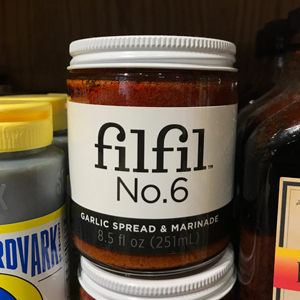
[00:02:42] Ray Latif: Nice. So why is it just you and me today? That's a great question, but you know what it gives us an opportunity to do? What's that? Talk soccer. four in a row for menu. Hey, why are men United fans saying, come on, you gunner? I don't understand. Oh, get the heck out of here. Yes. Well, you know, I think a menu is back in the fold, back in the thick of things. Arsenal's trying to keep up as well. See how it goes. See what happens in the transfer window. All I know is I'm pretty disappointed. I don't really want to talk about pools to try now. Let's talk about food and beverage. Indeed. Well, John Kramer is not feeling well, which is why he is not here, and John Lennon is on vacation. Why they're not groaning. Yes. John Lennon is on vacation, so hence it's just Mike and I today. But I hope that doesn't diminish the quality of this episode. I don't think it will. I think it does. Okay, we have differing opinions on that. So with the 2019 Winter Fancy Food Show on the horizon, I made a recent visit to a place called Allium Market, which is a specialty food store in Brookline, not too far from Watertown headquarters. The place has a really impressive selection of small production foods and beverages from across the country. I picked up a couple. Looks like you're trying to incite spontaneous combustion here, Ray. What do you got in front of you there? Well, I thought John Kramer was going to be here, even though he was sick. So I got this jar of garlic marinade slash spread. It's made by this company called Phil-Phil. which describes itself as the world's first gourmet garlic condiment company. They're based out of Brooklyn, New York, and they use 20 cloves of garlic per bottle or jar of spreads and marinades. Wow. You know, his office isn't very far from the studio. I bet it's cleaning out his sinuses right now. I can smell it from here. Yeah, yeah. You want to give it a whirl?
[00:04:25] Carol Ortenberg: Yeah, let's give it a go. Let's give it a go.
[00:04:26] Ray Latif: I've got some crackers. I also picked up a jar of Sriracha Peppered okra. from a company called The Urban Canning Company, not based in Brooklyn. This company's in St. Petersburg, Florida. They make hand-canned artisanal pickles. This thing seemed like a no-brainer for Bloody Mary. How's the garlic spread? It's phenomenal. It is really phenomenal. That's a lot, though.
[00:04:50] Carol Ortenberg: You have a lot on your cracker.
[00:04:51] Ray Latif: There's gonna be garlic coming out of my pores. People are gonna be like, why does Mike's office reek of garlic? But reek in a good way. That's a lot. I did eat a lot of garlic just now. I basically had a whole tablespoon. You're going to be healthy throughout the rest of the week and next week. Well done. Well done. So PhilPhil number six, garlic spread and marinade. That's the jar you have in your hand. Nice clean package. Clean ingredient panel, clean label. Literally. Non-GMO garlic. My favorite kind of garlic. Non-GMO canola oil, vinegar, water, paprika, salt, cayenne, and spices. It's a pretty nice package here. It definitely stands out on shelf, which is why I was attracted to it. Now, why did you get number six versus number three or number 12? The other ones are all spreads. Number 14? I felt like this one was the most versatile, because it's a spread and a marinade. Are there other numbers? There are. And they come in like mayonnaise or mustard squeeze bottles. mustard-like squeeze bottles anyway. But yeah, I'm gonna try The Holmes lineup. This is pretty good stuff. Yeah, it's a good tasting product. Okra? Hold off on your okra. I'm down. I mean, what do you got in front of here? The Urban Canning Company. Yes. Is it fermented? Well, the vinegar itself is fermented. Sriracha Peppered okra. Might as well just blow out The Holmes day here. As I mentioned, it's good for a Bloody Mary, I would assume, but it's not Bloody Mary day yet. Bloody Mary day is usually what, Sunday? Wednesday, Thursday, Tuesday, Monday, I think every day. All right. Taste test. How was it, Mike? Mmm, smoky. I like this. I don't know why, I'm not getting a lot of sriracha flavor. It's definitely, it's a nice smoky okra. I like it. Indeed, indeed. They actually recently changed up their label. So what we're looking at is a little different than what they currently have on shelf, but great stuff nonetheless. Brown artisan label. Well, it's not, that's not the label anymore.
[00:06:42] Carol Ortenberg: Oh, this isn't the label?
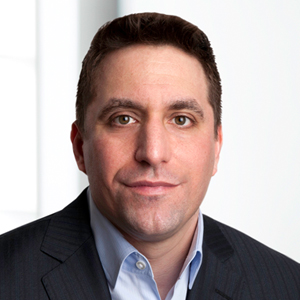
[00:06:43] Ray Latif: This current label that we have in front of us, brown artisan label, definitely optimizing for Sriracha Peppered okra, which is, I think is the thing to optimize for. Yes, indeed. And I think that's what they've done with their new iteration. I like how it says flavor above it. Flavor, Sriracha Peppered okra, and that is what it is. So we don't have any ripple on the table, which disappoints me because I always like a little ripple with my sriracha okra and my garlic marinade. I think I'm already experiencing the ripple effect. Interestingly enough, and I know this is a lame segue listeners, but we actually did an interview, featured an interview. You're known for lame segues, don't point it out, just let them groan. We featured an interview with Adam Lowry, who's the co-founder and CEO of Ripple. Ripple is a maker of dairy-free, dairy alternative products, pea-based protein milks, half and halves, and protein beverages. Adam's also the co-founder of iconic soap and cleaning product brand Method. And in that conversation, we spoke about the development of both companies and how lessons from Method factored into the foundation for Ripple. We got some good feedback on this on this podcast. Big thinker, Adam Lowry. Yes. The brands that he's built, Method and now Ripple, they have huge aspirations. I like The Show out to me in that episode. Thanks for, I appreciate that. No problem. Talking about the BHAG of Ripple and also, you know, Method has a big, hairy, audacious goal as well. One of the things that stood out to me in this interview, and he didn't ever say it overtly, but he was always perfecting the perfect pitch. As an entrepreneur, it's important to understand, you know, there are a lot of different folks that you're going to have to pitch to in the industry. And I think we hear a lot of entrepreneurs focus on the pitch to the market, the pitch to the consumer, but there's a pitch to retailers, there's a pitch to the industry, you know, to investors, there's a pitch to suppliers. And in this case, his focus is on a pitch to a superstar designer. That's Karim Rashid, who was behind the iconic method package design. And he talks about what Karen was up to before, you know, before he got his hands on Method. He was doing furniture design for hotels, superstar designer, but they had to have a multi-layered pitch that would tantalize a designer like him. And they knew they weren't going to be able to afford his retainer. they were going to have to do it a different way. And so they crafted this pitch, and he said, you know, the pitch is simple. And that's how he knew it was going to be effective, I think, because they got the pitch down to something that was simple, easy to understand, and that had the creative juice inside of it. Yeah, I mean, I agree. And I think one of the interesting things about Adam and his co-founder is that they were willing to say they didn't know what they didn't know, and that they were willing to take a step back and say, hey, we need a great designer to make this brand work. We need a great CEO to lead the company. And they hired a CEO relatively early into their life cycle. I think they were about 23, 24 when they started the company, and they hired a CEO not too long after that. And that's a pretty mature decision for them to make for young entrepreneurs and to say, you know what, we're going to take a step back, do what we do best, and let the CEO do what he does best. Obviously with Adam, there's this air of confidence in everything that he says. Even when he talks about failure, millions and millions of failures to get to that point, and he's so crisp in the way that he conducts the interview. And you wonder if he's even crisp in failure. Yeah, I think he's someone who's willing to accept mistakes to get to the ultimate goal of solving these billion-dollar problems that you referred to earlier. I got a sense that it's all calculated failure. They have an idea, they make a quality assessment of the idea, they go in, they execute, and with the idea that they're going to learn something or they're going to get to that next milestone. And I think this is a really inspirational I think this is really inspirational for a lot of entrepreneurs. Take a listen to that. After this episode, of course. Appreciate that, Mike. If you do want to listen to that interview, episode 140 of Taste Radio, check it out, Taste Radio, iTunes, Stitcher, et cetera, et cetera. Thanks, Adam, again for being on The Show. All right, let's get to our interview with Larry Kahn. As I mentioned at the top of The Show, Larry is a partner and Managing Director with Beechwood Capital, a private equity and venture capital firm based in Wellesley, Mass. Beechwood describes itself as focused on disruptive, differentiated businesses, and its investment portfolio reflects that mantra. The firm holds stakes in a number of fast-growing brands, including baby food company Once Upon a Farm, chickpea pasta maker Bonza, and fresh prepared food brand Urban Remedy. You may recall interviews with the CEOs of the latter two companies featured in Episodes 120 and 97 of the flagship Taste Radio podcast. In an interview with Nosh editor Carol Ortenberg, Larry outlined Beachwood's Investment Deals and discussed how his experience as an advertising executive and his work with his family's company, appliance manufacturer The Holmes Group, have helped shape his perspective as an investor. He also spoke about the courtship process between brands and potential capital partners, what entrepreneurs should and shouldn't say in a funding pitch, and why investors loathe surprises.
[00:12:07] Carol Ortenberg: Hi, everyone. I'm here with Larry Kahn, who's a partner at Beechwood Capital. Thanks so much for being with us today.
[00:12:13] Larry Kahn: Great, thanks for having me. It's great to be here, especially in Boston since, you know, hometown, we don't have to go, you know, that far here.
[00:12:20] Carol Ortenberg: I know, it's so nice. You're like one of our few CPG folks nearby. So you have a long and storied kind of background in CPG and your whole family. I'd love to start by, you know, telling our listeners how you got involved in this industry.
[00:12:35] Larry Kahn: Yeah, so I mean a little bit of a collective background in a way. I think the kind of foundation and what I've done previously started on the advertising side. I was a partner in Adobe Maynard Advertising in New York. And, you know, I think a lot of what we bring to the table in terms of you know, investing in this kind of stage and category has to do with that experience. First amazing, you know, mentorship that you get when you're in that industry. But I think learning about brand, particularly, you know, that kind of emotional and rational connection that a consumer has to a brand and, and how great brands are built is, was a big part of that, that experience.
[00:13:13] Carol Ortenberg: After spending some time at Ogilvy & Mather, you joined your family's business. What was that like? Why take that route?
[00:13:21] Larry Kahn: Yeah, so my family's business and the business that I was involved in that kind of laid a lot of the foundation for Beachwood and the way we approach was a company called The Holmes Group, which is a manufacturer of small appliances and, you know, Crock-Pot maybe being the brand that you know the best out of our suite of products, but also on the kitchen side and also on The Holmes environment side, fans, heaters, humidifiers, under a bunch of different brands. And my family and myself have built that business over a number of years, you know, building a large scale, you know, distribution platform across, you know, many of the brands that we work with today, you know, across our portfolio. So Target, Walmart, every grocery store in the country with Crock-Pot, et cetera. I think what I really learned there, I came back really to continue to help them evolve their marketing strategy across a bunch of different brands, particularly on the direct side. And, you know, kind of, you know, this foundation that I learned there really was, you know, is kind of the focus for how we approach with Beachwood. Really understanding how to innovate in mundane categories, how to do evolutionary and revolutionary innovation, how to disrupt, you know, large categories with new innovation. And, you know, really taking a lot of the lessons, particularly because we had private equity investors and initially family office investors in our experience. you know, what we learned from that, taking that into how we approach our portfolio companies and also prospects that we talk to. So I think that operating experience itself is a little, you know, differentiates ourselves, you know, us at Beachwood a little bit in the sense that we've been in the trenches, we've built a business, we built our business from zero to $800 million business over that period of time. And that experience, I think, gives us a little bit different view of the marketplace. You know, we're not focused quarter to quarter. We're focused on a long-term plan. We want to sit down with our portfolio and the companies that we interact with and talk about what their goals are and how to get there. And that path is a very windy path with a lot of steps. And we talk about how we're going to take those steps together, how we make those steps happen. And I think that that experience, that's kind of given us that foundation to approach it that way.
[00:15:31] Carol Ortenberg: Why is it important to have an investor who takes those steps with you? Some people might say, well, that sounds a lot of involvement on their part. I kind of just want to do my own thing.
[00:15:43] Larry Kahn: I think there's a bunch of different types of investors, and as a brand, you can talk to a lot of different people on their approach. What I've found out in this category, in the stage business that we invest in, which is growth stage, is that it takes a village to help a company grow. I mean, we're really betting on the founder, and we can talk about what we really look for, but we're really betting on the founder and the key management of the company and their vision of the business. Our goal is to try to help along the way with our experience and resources that can help that company take that path. But it's a windy path, right? These businesses are, to get during that growth stage, to get that success and to continue to grow, it's really hard. It's difficult. There's a lot of ups and downs. You can ask any of the, you've had some great founders in here, you know, and I've been listening to the podcast. It's been fantastic to hear those stories of the windy path that it takes. That help that you need is really present within that path. You need resources, you need experience, and you need the right type of partners to help you to get there. And nobody has that straight path. It just doesn't happen. And we try to be there in a certain way for those companies.
[00:16:55] Carol Ortenberg: We hear from so many folks that finding the right investor for them is a little bit like dating and it's, you know, you go on a bunch of coffee shop dates and maybe a couple more make it to the first date and then the second date and, and it's, it's about building this relationship. So what are some things brands should be thinking about when they come into a meeting with you to figure out if you guys are the right fit and you are a perfect match?
[00:17:21] Larry Kahn: Yeah, I think first of all, the best advice I can give for brands initially is don't raise money exactly when you need to raise money. Raise it a lot, you know, think about raising it a lot earlier than that. I think that that's a mistake that we see the brands coming in, you know, with a very short term need for capital and that's a difficult, you know, process. Look, raising money is, you know, it's a tough process for any brand, no matter what the stage. It's a time commitment. Others who have been on The Show have talked a little bit about that. And I think that's a great commentary that it's a commitment that's separate from your business. So it's difficult. I think what we wanna see is a few things. I think we wanna see people that are really passionate and have a vision for what their business is gonna be. And that passion is gonna come through whether they have a $500,000 business or a $20 million business when they come and see us. A lot of our conversations don't start exactly when these companies need to raise money. We may have a relationship or we have started a conversation with them six to 12 months before they really need the capital. So that relationship is built. And I think fit, you know, that fit and that thought process is such a big part, as I mentioned earlier, about how we think about these businesses and how that match comes together, that dating comes together. I think we always have a question within our first couple of times we meet a brand and that's, what is success to the founder? What is success to you? And for us, we want to really make sure that we're aligned or we have a similar thought process to that because that's ultimately where that alignment is going to take you down a path that's going to be you know, good relationship or a bad relationship. Ultimately, we want people that come in and really know their business and can articulate what's great about their business. But we also want to know what's not great about their business. That honesty portion of it, to me, is just as important about hearing, you know, how this can become, you know, the next big exit in the category. I want to hear about, you know, what are the challenges? What are the things that you're not sure of? What are the things that you need help with? And hopefully we can articulate back what we think our strengths are, where we can add that value. And I think that honest conversation, when you have those good, honest conversations, that's what facilitates a relationship and getting there. So that's really on a high level what we look for. Beyond that, I mean, we wanna really see businesses that can create differentiation in the market and what we think can become platforms. And what a platform for us is really, it's a brand that moves beyond just a singular product and that can become a multi-product opportunity. So I think that focus, and if you can articulate where that's going and that vision, then there's an opportunity. I think about just one example from our portfolio. First time I met Brian and Scott Rudolph from Bonza. they're one of the best in the sense of articulating where they think their brand can go over time and what they're really solving in the marketplace and also what their vision is. And I think when you clearly articulate those things, it's easier to get real about how you can fit and where you can help. And I think that's a hard thing for some people to do is to be honest in that pitch situation or tell you what is working and not working. But that's incredibly important to us as we think about those conversations and where we get comfortable.
[00:20:48] Carol Ortenberg: What's your advice to brands on how to describe what's not working while still not, you don't want to make it sound too grim or scare away investors or things like that. How do you strike that balance?
[00:21:00] Larry Kahn: I think that, you know, as a seasoned, I guess as a person who's, you know, sat through a lot of pitches, the thought process to like hearing something that's incredibly crazy is not really there. I mean, you know, if you have some serious issues with your business and it's difficult to overcome, it's going to come out in some point of that conversation. But what we're used to hearing is the thought process of we need to enhance the team. We need to enhance our product line. We're, we're constrained by this. this year. Investors don't want surprises. Investors want to be accretive at however they can. They don't want to run businesses. They want to be a resource to help. They want to be, you know, a call away to help you to get there. And I think that surprises are, you know, the worst part of a relationship as you move forward. So being honest and upfront about what those challenges are, I think like dating will bring you closer together in that thought process.
[00:22:09] Carol Ortenberg: It can be hard though to walk in there and be like, hey, here's where I need help.
[00:22:13] Larry Kahn: Yeah, I think, you know, that's at this stage, that's where these businesses are. I mean, look, if you if if companies at this stage didn't need help from, you know, others like from from, you know, additional talent or or retailer, you know, retailer support, then they probably wouldn't be in the room anyway. So I think that. You know, as an investor, we actually relish the honesty and want to have a real conversation, or at least we do. You know, maybe that comes from our operating background and having been sat through bad meetings, pitching the targets or the Kroger's of the world where, you know, you walk out and you're shaking your head and said, you know, look, we just didn't make it on this one. we understand how hard it is. So for us, it's like that honesty is where we want to base off of as we go forward. So we don't see a lot of shiny, credibly shiny pitches right at this stage. These are businesses that are doing two to $15 million of revenue. So for us that kind of, Hey, this is where we are and this is where we're going is, is like what we want to hear.
[00:23:15] Carol Ortenberg: When looking at your portfolio, there were several that kind of emerged in this category of freshness and really high perishability The Urban Remedy, their meal kits and juices. You've got Once Upon a Farm with baby food and watermelon water. Why is this a trend that you guys have kind of gravitated towards as an investor?
[00:23:37] Larry Kahn: Yeah, I mean, I think there's certainly some challenges to distribution in the, you know, with those those businesses, particularly in fresh and imperishable items. But I think, you know, when we when we think about the world and the landscape and how the consumer is interacting, the perimeter of the store to us is where we see, you know, an incredible opportunity and where people are gravitating toward. I don't want to take away from some of our other brands that are, you know, in the middle of the store, like Bonza or Foodsters, who are doing incredible things there too. But I think a focus for us is just really finding categories that have velocity that are being disrupted by unique new forms. And for us, a company like Once Upon a Farm, really checked a lot of boxes in that realm, just really in the sense of thinking about how we're all eating as consumers, as adult consumers, which is fresh perimeter of the store, wanting to ensure, you know, that what we're eating is at the peak of freshness. And then what we're potentially feeding our baby, which is, you know, maybe has been pasteurized, or maybe in some cases is older than our baby. It even is. So for us, when we saw, thought about the vision of providing a fresh baby food, and obviously there's negatives to the supply chain there, but we just thought the execution there and what the product has become just fits with how consumers are consuming. And it made a lot of sense, I think, in the sense of Urban Remedy, a little bit different. I think a different format to providing ultimate freshness with velocity in regard to snacks, sandwiches, salads, and juices, in a way, in a format that is omnichannel. So direct, kiosk in store, and in their own stores. And so I think that They're approaching it in a very different way that, again, is disrupting a high-velocity category. And so for those reasons, I think we can get over the hump on, you know, the challenges to the supply chain. The leaders in those businesses have done an incredible amount of work to create a margin profile that's going to allow for them to thrive in those categories. So if we can provide that, again, great solutions in categories that are growing, and kind of solve that supply chain issue with the right type of margin profile. We want to get there all day long. So we'll look at other fresh businesses, even with those challenges. We'd also like to, you know, balance that out. And we have done that in our portfolio with some others that don't have to rely on or fight those challenges. But I think the fresh, you know, the fresh focus is going to remain for consumers moving forward. And they're all looking, I'm looking for other solutions that can provide that every day for me.
[00:26:21] Carol Ortenberg: So we've talked a lot about the brands that have wound up partnering with Beechwood and what you look for along the way. Let's end with a little speed round. So what are three things that are never a good thing to say to investors?
[00:26:37] Larry Kahn: I think first, leading your pitch with, we're going to become, next year or the year after, be a $1 billion brand is probably not the right way to start, but more talking about what you think is going to be a realistic path to where you're going. So we do hear sometimes this really extensive story about being the next Nestle or General Mills, and that's not a great way to start, I think, number one. I think, too, you know, anything leading with we had a food safety issue and we're still figuring out how to solve it may not be the exact right thing. I think the honesty around issues are good, but maybe, you know, creating a path to where the product is going and where you may have had issues is fine, just not leading with that. Maybe not the second point there. And the third point is definitely never tell an investor that you hate all of their investments. That's probably not... a good place to start with that. Although, you know, honesty in that regard, when you maybe you like something or not, is great. But we do have some pride in what we do. And we were, you know, we're trying to just balance just like we wouldn't tell you that we don't like all the decisions that you make there. You know, again, I think honesty is the most important thing. I think you get that with a brand that you really feel that kinship moving forward and you can kind of Breaking Down really what is great about the business. And we already know that there's challenges at this level. So it's great to move forward at that level. But here's a couple of tips for you.
[00:27:58] Carol Ortenberg: And if you are raising capital before you need it, you don't have to worry as much about some of these things, because you can find the optimal time to start talking to investors and have those conversations.
[00:28:08] Larry Kahn: Well, I think more than that too, though, and that's true. I think that it takes longer. If you talk to any of the brands that have been in here, and I'm sure some of them on the podcast have talked about this point, it always takes longer. I hear a lot of times I get, we're starting conversation in November 15th, we're going to be able to solve this by December 15th. We're going to, you know, we're going to close around. I mean, it just takes longer. It's just the reality and it doesn't matter the quality of the company. It's timing to get to know the investor. It's the timing for the diligence. It's the timing for really trying to get there. It just takes longer no matter how you play it. So giving that timeframe and also it allows you to, to craft your strategy because there's a lot of, again, just like there's twists and turns around the day-to-day for how you build your business, there's twists and turns within that capital raise. Maybe you like one investor, you want to make another investor that comes in. Maybe the thought process changes about how much capital you may need over time. Maybe you want to raise more. I think giving time for those twists and turns are incredibly important and hopefully you get there at the end with the right mix of people, the right raise, but allowing that time is important.
[00:29:17] Carol Ortenberg: Well, thank you for allowing time out of your schedule to talk with us today. Really appreciated hearing about the process and the portfolio.
[00:29:24] Larry Kahn: I really appreciate the opportunity to be here and to talk with you today.
[00:29:31] Ray Latif: Now for a timely segue, in 2017, Beechwood Capital invested in Revive Kombucha as part of the company's Series B round of funding. On December 20th, 2018, Revive announced that Pete's Coffee had acquired a majority stake in the kombucha brand and in doing so, bought out Beechwood shares. I'm now joined by Bévenez Martín Caballero and Brad Avery, who are here to discuss that deal, along with other recent Investment Deals involving Tio Gazpacho and Dirty Lemon. Gentlemen, happy New Year.
[00:30:00] Brad Avery: Happy New Year, Ray. Happy New Year.
[00:30:02] Ray Latif: Is it a good New Year for you, Brad?
[00:30:04] Brad Avery: So far, so good. First weekend and feeling strong. Good. What are you drinking these days? What am I drinking? I've been drinking Vibes. We have that in the office right now. Oh, the CBD drink. Yeah, pretty good. Out of LA, infused with 100% LA vibes. You got a good globe about you.
[00:30:18] Ray Latif: Maybe I think that's probably why.
[00:30:19] Brad Avery: It's pretty good stuff. Indeed. Pretty tasty.
[00:30:23] Ray Latif: So Marty, you covered the news about the Revive Pete's deal on BevNET. So what's the story there? What was behind Pete's decision to become the majority owner of Revive?
[00:30:31] Beechwood Capital: Well, I think, as you mentioned, they came on board last year, about a year and a half ago. And I think this was kind of a straightforward affirmation that they were good partners and they're working together well. I mean, certainly the growth that Revive has seen in Pete's distribution system in California, getting into their retail cafes, getting on drafts. There's a lot of opportunity there, and I don't think we've seen the full capacity that they can do through that system. So I think it really made a lot of sense. They're sort of, um, you know, in speaking to the guys over there, there's a lot of, uh, synergies both on the business side, but I think it's a great cultural fit on both sides as well. So I think it was a kind of straightforward decision that this made sense. Let's, let's move forward and solidify the partnership.
[00:31:12] Ray Latif: So pizza is obviously deeply involved in the coffee business with this deal though, is the company signaling an expansion into other beverage categories?
[00:31:20] Beechwood Capital: Yeah, I'm not sure if I would go that far. I think that, as I mentioned, you know, this sort of made sense in a lot of ways to sort of continue and solidify a partnership that was already started before. But I think it is interesting to note that, of course, the parent company of Pete's is JAB Holdings, which obviously is the majority. shareholder in KDP as well. So, you know, I don't think we need to introduce our listeners to JAB as a company. But it is interesting because this is kind of the first, as far as I can recall, the first kombucha brand that kind of falls under their general umbrella. We've seen how they've sort of built on synergies within their portfolio in a lot of different ways with their coffee brands and some of the other products they use. So it's interesting to see that now there is a Kombucha and Dirty the fold there. you know, I talked a little bit about some of the potential synergies that could be possible within JB with those guys. And you know, nothing is solid as of yet, but the door certainly is not closed to that. So it'd be interesting to see how, you know, this rising conglomerate can maybe do some things with kombucha.
[00:32:21] Ray Latif: So Brad, it just happened on that same day that the Pete's Revive News was announced, so is a deal that's on Novamex, which is a Hispanic-focused beverage marketer that owns the Jarritos soda brand, acquire bottled soup company Tio Gazpacho. Tell us a bit about the news, which you covered on BevNET.
[00:32:38] Brad Avery: Yeah, so Novamex had invested in Tio Gazpacho about two and a half years ago, and this is kind of now fully realizing that Investment Deals acquiring the brand outright. Some of the changes that have happened now is that the founder and CEO, Austin Allen, has left the company. He's off and he's working on a new beverage venture, which he'll be announcing sometime shortly. An exclusive on BevNET, I hope. Oh, yes, hopefully. But and so Matt Merson, who came in last year as VP and general manager, is now leading the brand, and they're currently transitioning the product into the full Novamex portfolio, which, you know, you mentioned Wiritos and also includes Steez and some other more recognizable brands.
[00:33:20] Ray Latif: So what does the deal mean for the nascent bottled soup category, which only includes a handful of brands?
[00:33:26] Brad Avery: Yeah, it's TO, Zupanoma, Simply Soupreme is now out, but it's an early category, but it's an extension of the meal replacement growth that we're seeing. And it's an alternative for products, you know, like Soylent or Huel or these other meal replacements that are focusing on grab and go. And it said this is the full flavor, vegetable-based kind of natural product alternative for people who still want that meal on the go, but it's something different. It's something that's going to fit more sensibilities and flavor profiles. So I think Novamex is probably seeing the rise in this and the rise in the need for these types of products. And so bringing Tio on now and it very much fitting within their identity as a company really works for them.
[00:34:15] Ray Latif: Did Novamex mention that they're looking to expand distribution and availability of Tio'Tio Gazpacho at this point, or are they going to kind of stay at the status quo?
[00:34:22] Brad Avery: I spoke to Matt Merson and currently TO is focused on about five core markets, you know, LA, New York, around Chicagoland, and they're working on building those out and going deep. So right now they're not looking at going completely nationwide, but they are continuing to expand within their core markets as they build the brand up. And of course, they're also selling online nationwide.
[00:34:45] Ray Latif: So they say Investment Deals comes in threes. Is that right? No. Well, also on December 28th, the Coca-Cola company announced that it had taken a minority stake in Iris Nova, the parent company of Dirty Lemon, the functional beverage brand that we've discussed a number of times on this podcast. Coke's Investment Deals part of a $15 million funding round for Iris Nova. Marty, who else was involved and what was Coke's interest in the company?
[00:35:08] Beechwood Capital: Yeah. Some notable names involved former New York Yankee, Alex Rodriguez, AOL CEO, CEO, Tim Armstrong, Kate Hudson was also involved. But yeah, I think this was a super interesting investment from a Coke standpoint because it was actually through the VEB unit. And you know, this, this closes a really kind of a year of change over there. A lot of management shifts, changes, There were some layoffs a couple weeks ago. The focus for VEB is now going to be on bringing Method Products to market faster with new technology. And I think Dirty Lemon and Iris Nova really fits perfectly into that. You've got a product pipeline that is very quick, very rapid. You've got a text-based distribution system, so something innovative, harnessing new technology. The cashierless store that they debuted this year was also certainly got our attention. And, you know, it's an early stage brand. So kind of going in before, you know, things scale up rapidly and sort of getting in a little bit around the foundational level. So it really makes a really interesting shift for VEB to this fast, nimble, progressive brand in Dirty Lemon. They're going to be releasing a new SKU every month this year for the next 12 months, I should say. So kind of underscores their ability to Method Products to market fast and really, you know, put things out there. And on top of that, they're going to be releasing more non-alcoholic products. And also they're going to be having, uh, they will have, I should say $1 million, which will be used to invest in other beverage brands. So I think, you know, it's obviously great news for Dirty Lemon and Iris Nova, but also for, from a Coke perspective, it really puts them back in this fast, progressive tech-based kind of space and really leaning forward a little bit of a shift maybe from the investment philosophy that we've seen in the past from VEB.
[00:36:51] Ray Latif: So obviously Coke a leader when it comes to beverage distribution, logistics. I mean, how much did that factor into Iris Nova's decision to want to partner with Coke?
[00:37:01] Beechwood Capital: Honestly, I don't think that was really a primary motivation. I think definitely in speaking to Zack Normandin from Dirty Lemon and Iris Nova, he really emphasized what a great partner Coke was and how they really looked up to Coke as a company. But I think in terms of, you know, the distribution cloud that the company obviously has, I think that is something maybe to come further down the line. I think, you know, we've seen with the size of this Investment Deals, you know, as I mentioned before, coming in through VEB, I think the eye is really on, you know, to allow Dirty Lemon to continue to do the things that it has been doing to allow Iris Nova to branch into these other categories of non-alcoholic products, such as a non-alcoholic aperitif, which will be launching this year. There's some others that should be following that as well. So I think this is really in long term growth. And I should mention as well, I think that it's really interesting the success that they've seen with the cashierless store experience. They had something last year in New York as well, which was a sort of on draft cafe bar experience with a mixologist behind the bar sort of mixing up. versions of the drinks that they sell in retail, I think emphasizing those kinds of brick and mortar retail experiences that are not just simply go and buy a drink, but really leave you with something that you can share with others, talk about, take pictures and really just enhance your connection with the brand. Again, I think that's another kind of very progressive thing that Dirty Lemon has done. And I think that Coke has noticed that because the company is going to be continuing to expand those in places like Miami and you know, other venues throughout this year. So that's a really interesting component of the deal.
[00:38:38] Ray Latif: Great stuff. Thank you so much, Brad and Marty. Appreciate the time and look forward to having you back on Taste Radio Insider very soon. Thanks, Ray. Thank you. All right. That brings us to the end of episode 15 of Taste Radio Insider. Thank you so much for listening, and thanks for our guests, Larry Kahn, Martín Caballero and Brad Avery. Tune in on January 8th of episode 144 of the flagship Taste Radio podcast when we're joined by Steve Gress, the creative mind behind Sailor Jerry Rum and Hendrix Gin. Please subscribe to Taste Radio Insider on iTunes, Spotify, Stitcher, SoundCloud, or Google Play. As always, for questions, comments, ideas for future podcasts, please send us an email to askatasteradio.com. On behalf of the entire Taste Radio team, thank you for listening, and we'll talk to you next time.