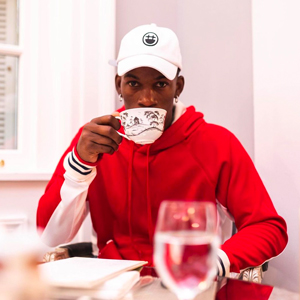
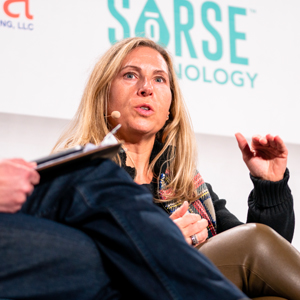
[00:00:10] Ray Latif: Hey folks, I'm Ray Latif and you're listening to the number one podcast for the food and beverage industry, Taste Radio. This episode features an interview with NBA superstar Jimmy Butler, who is the founder of Big Face, an upstart Speciality Coffee and lifestyle brand. We also feature the latest edition of The Maxi Minutes with LDR Ventures Managing Director Maxine Kozler, who advises entrepreneurs on how to speak to potential investors about their vision and exit strategy. Just a reminder to our listeners, if you like what you hear on Taste Radio, please share the podcast with friends and colleagues. And of course, we would love it if you could review us on the Apple Podcasts app or your listening platform of choice. Jimmy Butler's prowess on the basketball court earned him the nickname Jimmy Buckets. As he becomes more well-known in the coffee industry, perhaps Jimmy Barista will be just as fitting. A perennial all-star and coffee aficionado, Jimmy's passion for Java came to light in 2020 when the NBA concluded its season in a bubble at the Disney World Resort in Orlando. He stocked his hotel room with coffee equipment and began making and selling a variety of coffee drinks, including lattes, cortados, and espressos, to other NBA players and staff. Everything was priced at $20 a cup, and he only accepted cash. In the following months, he laid the groundwork for a premium brand that could introduce high-quality coffee to mainstream consumers. The result was Big Face, which launched in October 2021 and sells coffee beans, branded apparel, and other merchandise on its website. Big Face has also launched four pop-up stores, including one at the 2022 Miami Open Tennis Tournament, where coffee was served to players at VIP areas throughout the venue. In an interview recorded at the 2022 Speciality Coffee Expo, BebNet Managing Editor Martin Caballero sat down with Jimmy, who spoke about how he views his foray into the coffee business as a reflection of his competitive personality, the experiential impact of coffee on his life, how the pillars of big face are based on his personal values and his ultimate goals for the brand.
[00:02:31] Martin Caballero: All right, listeners, thank you so much for joining me. My name is Martin Caballero, and you're tuned into Taste Radio. I am live at the Boston Convention Center for the Speciality Coffee Association 2022 show, and I'm joined by a very special guest, Mr. Jimmy Butler. How are you doing today, Jimmy? I am phenomenal.
[00:02:48] Jimmy Butler: I am absolutely phenomenal.
[00:02:49] Martin Caballero: Thanks so much, man. Really appreciate the time. I should do a little more of an introduction. You know, six-time NBA all-star, Olympic champion. You may know him from the Miami Heat, of course. But more importantly, for those in the coffee industry, on the cover of Barista Magazine, which is a pretty awesome accolade for you, Jimmy. How did you feel getting that?
[00:03:10] Jimmy Butler: I felt nervous because I feel, though, Being on the cover of that magazine, you really got to know what you're doing in the coffee space. And I'm so brand new to it, but I adore it. I love it. And I want to be the best at it, like everything else that I do. But just to be on the face and have my good friend Andrea Andrea on the back is even more of a blessing for me.
[00:03:37] Martin Caballero: Absolutely. I was going to ask if it was intimidating at all to be stepping into that. I mean, obviously recognized for your athletic achievements, but now sort of stepping into this Speciality Coffee space where totally different game. And it sounds like you're approaching it really seriously.
[00:03:51] Jimmy Butler: I am. I love competition in anything and everything. And this is another way to compete. There are so many talented individuals in the coffee space, whether it be the individual that's doing the art on the top of a latte or the coffee producers, farmers, all the other brands. It's so cool to be here and be around greatness in the coffee field, not on the basketball court, but in a coffee field and see people so passionate about what they're doing. It definitely brings a smile on my face, it does.
[00:04:24] Martin Caballero: For sure. Well, yeah, I mean, we're going to talk about big face a little bit in a minute, but I want to just hear a little bit about just how your experience has been so far at the show and sort of what you're kind of doing here. What are you looking at? And is there any sort of areas that you're focusing on?
[00:04:37] Jimmy Butler: It's like I'm a kid in a coffee shop. You know, everybody always say candy shop, but for me right now, it's literally a coffee shop everywhere I go. And I'm smiling because like, I've never done this before. So it's so brand new and it's so unknown. But the amount of people that are here that know Speciality Coffee, that love Speciality Coffee and that make their livelihood off of Speciality Coffee is incredible to me. And I'm just having a blast everywhere I go. I'm not just a basketball player right now. It's more so that, oh, he's here for coffee, and we respect that. We love that, and we like to see it. I've been smiling for the past, like, three hours since I've been here just because I'm around so many people that have something in common with me, and that's something that they have in common is coffee.
[00:05:21] Martin Caballero: That's great to hear. And yeah, I mean, I've heard you speak before about, you know, how this really is a passion for you and sort of a business second. But I think it's interesting, too, because this sort of obviously you've done a lot of other things in your life. You weren't always a coffee drinker. Can you tell me a little bit about just sort of how you entered into the point where you realize this is something you want to get more involved in?
[00:05:39] Jimmy Butler: I mean, to start out, the way I drank coffee was not good. 30 packets of sugar, like all bad until my trainer who literally just walked out the room was like, you can't drink coffee like that, yada, yada, yada. You know, you fast forward down the line and it just seems I have so many great conversations over a cup of coffee in the morning, afternoon, even at night. And I've met so many great people through coffee as well that that's like the reason that I really, really love it is because I've come to have such great friends that I've met over a cup of coffee. And like, there's nothing like good conversation and being around good people. And I get to do it over a cup of coffee. Like, I don't think life gets too much better than that.
[00:06:22] Martin Caballero: Perfect. Yeah. That's all we need right here is a cup of coffee.
[00:06:25] Jimmy Butler: It's on the way.
[00:06:26] Martin Caballero: Absolutely. Well, you know, I want to talk a little bit about, you know, a lot of people know the story about in the bubble, you started serving coffee in the hotel room. I mean, just as, you know, an elite athlete and NBA culture in general, I mean, is coffee a big thing amongst NBA athletes? It is.
[00:06:43] Jimmy Butler: I feel like you see a lot of individuals walking into arenas now with cups of coffee or they're going to get coffee to talk about the game in the morning, to wake you up, to like just make you get out and move. There are so many things that coffee helps you to do, especially if you're in a city where you can walk, you know, you get to start your day off by walking and get a cup of coffee. And then you just get into the routine of, I got to have a cup of coffee here because It seems like everybody in my league now is a creature of habit. So if you do it one time, you're going to do it every time. It's a big deal now. The Big Face brand hopefully can be in plenty of arenas moving forward soon. Who knows? That's definitely one of the goals. But coffee's a real big thing in this NBA world.
[00:07:27] Martin Caballero: And you know, you mentioned your trainer was just here. I mean, nutritionist coaches, a lot of different input and certainly going into your game. I mean, is all that coffee sort of work within their plans?
[00:07:37] Jimmy Butler: It does, but. Too much of any good thing, quote unquote, is a bad thing. I don't think that goes for coffee. I think the way that we drink it, how often we drink it, it's good for you and it's okay. It works. And I love being able to sit down and talk about what I gotta be doing with my trainer over coffee, whether it's talking about on court, in the weight room, what I'm eating. It just seems like every conversation we have is over coffee and it's not a bad thing. It works for us. And that's why there's some coffee on the way coming really soon. Absolutely.
[00:08:09] Martin Caballero: Just curious to your personal habits. Are you a hot coffee in the morning, ice coffee in the afternoon kind of guy?
[00:08:16] Jimmy Butler: It literally just depends who I'm drinking coffee with, where I'm drinking the coffee. I'll drink cold coffee in the morning, cold coffee at night is more so about the people that I get the opportunity to enjoy coffee with. It really is. I know I keep saying it, but like, That's for real with me. So it doesn't matter how I'm drinking my coffee. I want to be around people that love to drink coffee, great conversation, good people. And I want to try coffee the way that that individual likes to have coffee, that man, that woman. Like, how do you drink your coffee? Like, I'm that individual. Like, I don't think there's a right or wrong way to have coffee. I want to try coffee your way.
[00:08:55] Martin Caballero: Guessing your margins? That's risky. Belay Financial gives CPG brands the clarity to scale smarter, faster, stronger. Get your free inventory ebook by texting TASTE to 55123 and start making data work for you. Vibrant Ingredients is the natural ingredient partner powering food and beverage innovation, delivering flavor, function, and protection through a science-backed portfolio. Vibrant delivers purpose-driven solutions that help brands create extraordinary experiences. Discover what's possible with Vibrant today. Visit VibrantIngredients.com.
[00:09:42] Martin Caballero: At the same time, you're obviously launching the Big Face Coffee brand that, you know, sort of reflects how you think about coffee and stuff like that. So, I mean, how would you describe the brand or sort of the drinking experience, coffee experience that you want people to have when they have some?
[00:09:57] Jimmy Butler: I just want everybody to feel like they fit in, that coffee's for everybody, that the Big Face brand is for everybody. And we have so much stuff coming out in the near future that like plays to that, the fact that we want something for kids, we want something for pets, we want something for adults, men, women, you know, people that want to find a healthier way to do it. That's what we're shooting for. You know, we want to take care of the environment, take care of all people and put people down together to where, you know, they realize we have so much in common with one another if we sit down and just have a cup of coffee. And that's where the thing started. That's where it's at right now. And that's the way it's going to be.
[00:10:35] Martin Caballero: Well, tell us a little bit about where it's at right now, because it sounds like you guys have a couple different cafes within arenas and stadiums. And so what's the sort of approach that you've started with that?
[00:10:46] Jimmy Butler: I mean, when you're talking about what we just did at the Miami Open, it was just getting a really good product in front of elite athletes. Coffee is a big part of what a lot of sport individuals like to have first when you're talking about when they wake up. So we just wanted to give those premier tennis athletes, the opportunity to have some really good coffee, big face brand, complete blessing to be able to do that and make that happen. But everything else that we have coming in the future, pop-ups here and there, obviously after this basketball thing, I want to be able to work in my own shop, making a coffee, roasting a coffee, all of the above. Not so much to show everybody that this isn't a game and I really love it, but just to prove to myself this is another thing that you can master, another thing that you can do. And just to let everybody know this isn't a game for me. I really, really, really want to be in The Maxi. I want to be at this event every single year. The one that's coming up in Milan in June of this year, I want to be there. I have to be and I have to know everything about coffee.
[00:11:53] Martin Caballero: Yeah. And again, that goes back to, it's not just you want everything about business. It's about this specifically about doing coffee.
[00:11:59] Jimmy Butler: Yes, it is. It's so interesting to me just because all the people that, you know, do coffee, you can never know everybody and you can never know everything. that's the most impressive thing about this whole venture to me. It's like the more and more that I learn, it's like the more and more that you still have to learn. And I respect it. There's so many good people that's helped making one cup come to life for so many different people around the world. And I want to highlight those individuals as well, because all the people that helped the Big Face brand become a thing, I couldn't, we couldn't be what we are without them. And I think it's that time that we shed the light on them as well.
[00:12:44] Martin Caballero: Obviously merch, and you know, you mentioned a couple of things you guys are working on. I mean, this is more than just a coffee brand. How else do you see this sort of, you know, representing what you want to do?
[00:12:52] Jimmy Butler: It's a lifestyle thing. You can be a part of the Big Face brand in a multitude amount of ways. Yeah, you can drink the coffee. Yeah, you can wear the merch, the hats, the tennis kits that we have. There's just so much more to coffee than what meets the eye. It's not just a beverage. It's like a loyalty, a fan base, a family, so to speak. So if you're in, you're in. And over here at the Big Face Brand, we're four feet in is what we say on the basketball floor in layman's terms. But we just want to find a way to make for everybody toys, dog treats, like everything. We'll find a way to make a yarn ball for a cat with a Big Face logo on it. Trust me, we're going to have some Big Face Brand for everybody.
[00:13:41] Martin Caballero: Well, I mean, that kind of begs like a kind of more practical questions. Just how do you find time for this? I mean, you mentioned this basketball thing that you got going on. I mean, it's kind of a big thing.
[00:13:50] Jimmy Butler: Basketball is a big thing, but just like for me and basketball. I'm just the face that you see. I'm the one that you see on the billboards and on the TV, but there's definitely a team behind me. You know, my trainer makes sure that I'm lifting, my body's moving correctly, my basketball trainer on court, you know, my assistants and my family and friends. Same thing goes with the Big Face brand. It's not just me. I could not make this thing happen all by myself. I have a phenomenal team with me and around me. Every single moment of every day to try to make sure that this thing is a well-oiled machine. It's been great thus far. So basketball is a real thing. It is. coffee's right up there with it, and we're at it every single day, just trying to make it the best. And I think we've been doing really good thus far. Absolutely.
[00:14:43] Martin Caballero: We're in Boston now, obviously, for the show, and you, as you mentioned before, you travel a lot, you get to walk to coffee shops. What have you sort of picked up from on the road, sort of about coffee culture in different cities, or is there any particular ones that spoke to you?
[00:14:56] Jimmy Butler: I just love the routine of it all. The fact that everybody loves what they love. And I'm pretty sure if I was able to go into the same coffee shop every day at the same time, I'd probably end up seeing the same people. Because whether you like to admit it or not, people are normally creatures of habit. And once they find something they like, they just keep going back to it because they know what to expect, they know what they're going to get from it. That's what I love because you can really sit down and lose yourself in a conversation with somebody at the same time every day talking over a cup of coffee. So I think that's what I enjoy most is whenever I am in a city, I try to hit as many different coffee shops as I can. When I returned back to Boston, To play, I'll research some type of a coffee shop or I'll get a recommendation from somebody. So I try to support everybody, shed the light on everybody because it's coffee space. It's a lot, but I feel like there's definitely room for everybody and I'm gonna support everybody.
[00:15:59] Martin Caballero: Do you feel like you've been welcomed in the space?
[00:16:01] Jimmy Butler: Yeah, I think it helps to be the new guy. be the new guy that's a professional athlete and be the new guy that doesn't know too much about anything, but that knows that and that's willing to ask all the right and wrong questions and not be afraid to admit that I don't exactly know what I'm doing. Now, I will learn because I'm going to continue to read. I'm going to continue to pick. people's brain and just become as knowledgeable about every subject that I can when it comes to coffee. So I've been welcomed with, I don't know, stretched arms. I think that's how you say it. But even as I'm walking around down there, it's a big deal, yeah, because I'm an NBA player, but I think it's an even bigger deal because I'm showing you I'm here. I really want to be able to do this.
[00:16:58] Martin Caballero: You know, we certainly talked to a lot of early stage beverage entrepreneurs, you know, people coming from other industries, following their passion as you did and sort of go into beverages and stuff like that. Do you have just any message to, you know, young entrepreneurs looking to get in this space or just things that have helped you?
[00:17:13] Jimmy Butler: Just follow that dream and that passion and do it for that reason and never lose focus on that. I tend to take everything back to basketball because it's what I think I know the most about, which I probably don't now that I think about it. But I play basketball for free just because I really enjoy it. I love it. I love that grind. I love waking up when I wake up to work out. And then I love the way that my body is tired and I still find a way to muster up some energy and go do it again. That's how I feel about this, you know, brand new coffee thing. Being an entrepreneur is like the passion that I have for coffee is what drives it. No other reason but the fact that I love the people I get to work with, the people that I get to meet. And then like, I just really love this coffee thing. And that passion is what makes me get up and read and talk about it and meet about it and find a way to bring the Big Face brand to everybody. So keep that passion and follow that passion.
[00:18:11] Martin Caballero: It's a great message. Jimmy Butler, The Maxi behind Big Face Coffee. Can't wait to see what you guys have coming out next. And thank you so much for chatting with us during the show today. I really appreciate it.
[00:18:19] Jimmy Butler: Appreciate you. Thank you. Thanks.
[00:18:22] Jimmy Buckets: Do you want more repeat buyers on Amazon? Well, this free resource in collaboration with Straight Up Growth will help your brand turn first-time buyers into long-term subscribers. Download Winning the Repeat Purchase Game on Amazon now at Taste Radio.com slash SUG. That's Taste Radio.com slash S-U-G to start building retention-driven growth for your brand on Amazon. Scaling a beverage brand into major retail comes down to operational readiness. From packaging lead times to co-manufacturing strategy, the details can make or break a launch. In a new e-book in collaboration with Octopi and Asahi Beer USA, industry leaders share what they've learned in helping brands scale. Download it now at Taste Radio.com slash octopi.
[00:19:12] Ray Latif: We continue this episode with the latest edition of The Maxi Minutes, featuring Maxine Kozler, the co-managing director of LA-based investment firm LDR Ventures. In our discussion, Maxi spoke about the importance of a first interaction, offered recommendations on how to build an effective professional network, and explained why founders need to be realistic and thoughtful about their exit strategies when pitching to investors. All right, folks, I am honored to be back on with Maxine Kozler of LDR Ventures for another edition of The Maxi Minutes. Maxie, how are you?
[00:19:51] Jimmy Barista: I'm wonderful, Ray. How are you today?
[00:19:53] Ray Latif: I'm doing wonderful myself. It's a beautiful day here in Boston. Looks like it's a beautiful day in L.A. as well, based on the amount of sunshine that's coming through your window.
[00:20:02] Jimmy Barista: Yes, it's good all around.
[00:20:04] Ray Latif: Yeah. It always makes for a better conversation, I think, when the weather is nice, because everyone's in a better mood.
[00:20:09] Jimmy Barista: Oh, completely.
[00:20:11] Ray Latif: And I think this kind of speaks to one of the topics we're going to be discussing today, which is that initial greeting with an investor, between an investor and a founder, and the importance of getting off on the right foot, really embracing the nature of the conversation and hopefully developing a longer term relationship beyond that.
[00:20:31] Jimmy Barista: Absolutely. The same way a warm day just makes you happier, a warm greeting makes all the difference. And I've had this experience just in the last few weeks of getting introductions from people I really trusted and that I feel good about getting a recommendation from. So I'll always take those calls because I know they're not going to ask or make the suggestion unless they're really serious. You know, they're they're putting their social capital on the line to make this introduction. So I'll take the call. And then once talking to the person, there's a good chance just from that first introduction that there's other people we know in common and they're in the industry and they're in the network. And I have a sense of who they are. It's kind of like if you come from an old town and people know who your grandparent is, you know, they know your people. And the beauty of today's life and this industry especially is you can find your people and you can make your social group and your networking group and then you get warm introductions. And it just puts a totally different spin on it. The industry entrepreneurship is bigger than it has ever been. And investors are inundated. We just can't keep up with the volume. And there's got to be a differentiator. And it's almost all the time for me, it's the warm greeting from someone I know, someone I trust, someone who is willing to use their social capital with me to make an introduction because they feel like this founder, this person is worth me knowing.
[00:22:05] Ray Latif: And a lot of it's about building your own network, right, as a founder. I mean, these introductions only come if you have an opportunity to meet someone, sort of vet them, develop a rapport with them, and almost in the same way that you and I did at WebNet Live.
[00:22:18] Jimmy Barista: Absolutely, it is the best opportunity. And thankfully, we're back in person and conferences and meetings and events are happening live. And for myself, who I've had booths at trade shows for different companies, and I've walked the floors as an investor, and I hear from every founder, half the benefit of going to a conference, going to a trade show is meeting the other founders. And they can meet founders at every level. Ones like them maybe starting out, ones midway down the road, or that founder they've been admiring for years who potentially could be an advisor to their company because they've been there before. But a conference like BevNET Live is an unbelievable place for a founder to come and know no one. And after two days, have this huge network of other founders, investors, industry experts. That's the thing. It's the opportunity to create these networks and relationships are so easy today and can be done. So to me, going to a conference is an investment. You're investing in your company by putting in those two days and making relationships that are then going to benefit you for the next year or two.
[00:23:31] Ray Latif: In our last two editions of The Maxi Minutes, we've talked about how to speak with investors, some of the key points that you want to get across when you do make that initial meeting, when you do have that initial meeting with an investor. One thing we didn't necessarily talk about is selling your vision. And I think this is a really important point because I think the investor does want to know about where your company is right now, but really would be most enticed, and correct me if I'm wrong, by where your company will be in five to 10 years, that vision.
[00:24:00] Jimmy Barista: Things go in cycles and we've seen it time and time again. You know, there'll be this huge surge for growth and we don't care how profitable you are. We just want to see unbelievable growth and we'll throw a lot of money at it. And then very realistic things like the pandemic come along and it's, you know, we want to see what is your path to profitability and it goes in cycles. And so as a founder, you need to be aware of what the cycle is, you know, whether there's things going on in the world like right now, with war and unrest for the stock market, if the crypto market takes a dive, all of a sudden, the bigger investors are pulling back. I'm hearing these stories every day. Five years ago, you had to sell the billion-dollar plan. You had to make it big enough to make it worthwhile for people to go into. And we didn't even want to ask founders too much about a specific exit plan, because especially as an early investor, you want to support their dream. You want to support a bigger purpose. And it must make it look like you're not in it for the money, which, you know, that's a big part of what investors doing. The majority is this is how we want to spend our time and our resources to achieve gains. But we would be very supportive and not want to ask. I definitely think COVID was the big changer in this. COVID brought people to a sense of reality around just surviving COVID was a big achievement. So if you did survive it and mentally, physically, and financially your company survived it and you survived, you're looking at life a lot differently. And even for investors, a win is a win. And I wanted to touch on this because I touched on it in episode two. An early stage investor would love to see a 10x return. Because if they're putting $25,000 in, a 10x return is $250,000. That is a lot of money, absolutely. But that's not retire for life. Or your investors, if you have other people that you brought into the deal, they're not retiring. So it might be a big number return, but financially, it's not a big return. Whereas it's the reverse for the bigger investors. If you put $100 million in and you get a 2x return, you've got $200 million back. It's a totally different ballgame. They may need the billion-dollar vision, but they're coming in much later when the numbers are all set. So for a founder, It's okay to be a little more realistic, what you really think is going to happen at this point, how many years you think you want to be in business. But the key to it that I just want to remind people is the more you understand the market and the more you understand the financials connected to what it would take, It just gives investors a serious sense of confidence so that we know you're looking and maybe in two years you're doing so well that you're like, no, we're going to build everything ourselves. We're going to raise more money. We want to create this ourselves to a half a billion dollar company. And maybe you see it so clearly like, nope, we got to hit 20, 25 million in revenue and then yeah, let a big partner come in and take us over. So when we see in projections where, you know, they may not have showing like in 2025, we're going to raise the next round or 2024, maybe they just didn't put it in there because they're just looking at here and now in the raise they're doing. But the signal to me is you don't understand your growth. How are you going to get to this 20, 25 million in revenue? But yet in the same projections, you didn't show that you're going to need to raise in 18 more months. You know, that's something that's really a flag for us that you don't understand the numbers.
[00:27:52] Ray Latif: In most cases, an exit means that a company will be acquired by a strategic partner, a strategic company. And when a founder is building out that deck building out that investor pitch and thinking about the potential to be acquired by a strategic partner. Is this something where they actually include a list of potential acquirers in that pitch?
[00:28:20] Jimmy Barista: I personally love to see a wish list. I love to see who a founder thinks could be a strategic partner, who could be a potential acquirer. I like to see that slide with those names and those logos up there, because if they're right on target, I know that the founder understands their business. It gives me a very clear indication of where this founder is planning on taking this company in what direction, you know, they could have a single product right now but they understand the product line and the product roadmap they want to develop if that's who they're looking at acquiring me them. If they see a white space, maybe they have someone up there who I don't know why they have them up there and I asked them about it. And it's because they figured out that this company has that white space and is looking to acquire someone to fill it. And then most of all, I'll look at the list of who potentially could acquire them or be a strategic partner. And I'll be like, wow, I know someone at three of those companies. Maybe I'm the investor who could come in and make that introduction and that's all they need. And that's where investors do so much more than just put in capital. And also, this is a key, key spot for your advisors. If you have incredible advisors, which everybody needs, in my opinion, your advisors, to me, make a lot of those introductions for you. But I think it's great the same way when you have you lay out what retail stores you're you're planning to get into. And it's almost like a wish list. You know we want to get into Whole Foods and just sprouts and then into Wal-Mart. And great. Put it out there. It's like a vision board because if I see exactly you want to go maybe there's an introduction I can make for you. So I highly, highly recommend that personally. I like to see who you think. Another big thing is so many of these big companies, to get a look, they have programs. They have summer programs. They have grant programs. They have their own accelerators and incubators. I mean, those are essential. You start the relationship. They're poking around inside. They want to get to know you and they want to see, and then you get the benefit of this huge operation. and everything they can offer you, but it's a date. You're going on a date and that's like the easiest way for someone to become a strategic partner and eventually you get married.
[00:30:43] Ray Latif: That's the hope for sure. Definitely. Maxie, as always, this has been an outstanding edition of The Maxi Minutes and I really appreciate your time. I think one thing that we haven't brought up, maybe we have and I'm just forgetting, is how to get in touch with you. What is the best way to get in touch with you, Maxie?
[00:31:02] Jimmy Barista: You can always find me on LinkedIn and send me a message. I read them all. But you can also get me The Maxi at LDR ventures dot com. So just send me a note through LinkedIn or just email me directly and I'm happy to take a look.
[00:31:21] Ray Latif: Well, I highly recommend let listeners do, and sorry to flood your inbox, Maxie, but you've been such a valuable person to speak with for I know so many entrepreneurs, and I sincerely appreciate everything that you bring to Taste Radio. So thanks again, and looking forward to edition four of The Maxi Minutes.
[00:31:40] Jimmy Barista: Thank you, Ray. You're the best.
[00:31:42] Ray Latif: You are as well. Talk to you soon. That brings us to the end of this episode of Taste Radio. Thank you so much for listening, and thanks to our guests, Jimmy Butler and Maxine Kozler. As always, for questions, comments, ideas for future podcasts, please send us an email to ask at Taste Radio.com. On behalf of the entire Taste Radio team, thank you for listening, and we'll talk to you next time.