[00:00:02] Ad Read: This week's episode of Taste Radio is sponsored by NVE Pharmaceuticals. NVE Pharmaceuticals is a contract packager of 12-ounce sleek, cold-filled, carbonated aluminum cans, one of the most popular beverage cans In The marketplace. Their state-of-the-art plant produces 36,000 cans per hour. NVE will soon have their brand new pasteurization tunnel in place and ready for clean label projects. NVE uses purified limestone aquifer well water and they currently have lime time available for your project. Learn how their geographic location in Northern New Jersey will make your logistics and shipping costs much more efficient by visiting nveusa.com.
[00:00:47] Andrew Zimmern: The room block for BevNET Live and Nosh Live Winter 2018 at the famous Lowe's Santa Monica Hotel is now open to anyone holding a ticket. Register today at BevNetLive.com and NoshLive.com to reserve your room. And now, Taste Radio.
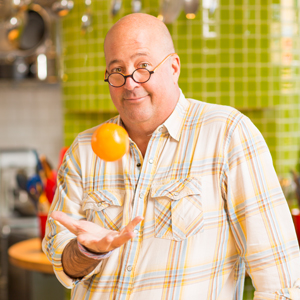
[00:01:12] Ray Latif: Hey everyone, thanks for listening to BevNET's Taste Radio. I'm Ray Latif and you're tuning into episode 127 of the podcast. In this episode, we're joined by the globe-trotting, bizarre food-eating television show host Andrew Zimmern, who pulls no punches when it comes to his thoughts In The natural food business. We also meet with James McLaughlin, the CEO of influential and trend-setting coffee company Intelligentsia, and discuss its unique approach to the cafe business. Joining me later In The show are Mike Schneider, Carol Ortenberg, and Jon Landis, where we'll be talking about recent additions of our Elevator Talk series. Just a reminder to our listeners, for questions, comments, ideas for future podcasts, please send an email to ask at Taste Radio. When the television series Bizarre Foods first aired in 2006, it's unlikely that viewers were entirely prepared for the freakish feast they were about to witness. Andrew Zimmern, the show's host and co-creator, masticated on raw pig testicles, a frog's beating heart, and lizard sake. Foods that, while distinguished delicacies in Southeast Asia, Sound Craft disgusting to the rest of the world. Despite the stomach-churning content, Bizarre Foods was an instant hit, and now in its 12th season, enjoys a loyal following enamored by the cultural traditions and exotic destinations that come with oddball cuisine. Zimmern became a star In The process. known as much for his buoyant personality and bald head, as his prowess for adventurous eating and globetrotting ways. Over the years, his influence In The food world has grown dramatically, Andrew Zimmern has lent his voice as an advisor and teacher to entrepreneurs In The food space. Project Nosh editor Carol Ortenberg recently caught up with Zimmern in Minneapolis, where he was speaking at an event for the Food and Beverage Division of the Minnesota Cup, a startup competition hosted by the University of Minnesota. As part of the conversation, Zimmern discussed the role of food as a cultural medium that unites people, why he has a bone to pick with the natural food industry, and his belief that vulnerability In The strongest attribute one can have.
[00:03:12] Carol Ortenberg: Hi, everyone. Carol here. I am at the Minnesota Cup today, recording with Andrew Zimmern, who just did an amazing keynote to all these wonderful food entrepreneurs out there. Thanks so much for joining us today, Andrew.
[00:03:27] Andrew Zimmern: Thank you. It's great to be here. I didn't think I did such a great job up there. I said some good things. It's been a long day. I was very tired.
[00:03:37] Carol Ortenberg: Well, we appreciate you taking more time to chat with me today. I was watching some old interviews with you, and one thing I loved- Was I being nice? You were very nice. Okay. Was that you said, and you reiterated this today, about bringing culture and tolerance through food. And I kind of wanted to start by understanding what that means to you.
[00:04:02] Andrew Zimmern: Um, well, let's just talk about it from the perspective of American culture. We inhale other cultures first and foremost through our mouths. We love Mexican food. You can get great Mexican food in all 50 states In The union. I've eaten really phenomenal, like world-class Mexican food in Alaska. You know, the plane, you can fly tomatoes and chilies and all the ingredients up there. And if you have someone who's a good cook, they can open a good Mexican restaurant. And I've been there. We love Mexican food. because we've inhaled it, we've devoured it, we've savored it. So what's the disconnect? How come we don't appreciate Mexican dance or Mexican art? And while we've started to appreciate some Mexican music, all of that pales in comparison to people. People are what drive the world. The world is not made up of, you know, CDs and paintings and, you know, plates of pasta. The world is made up of people. And I think food In The great uniter. I've never experienced a meal with other people. And I've had the opportunity to dine with world famous terrorists, with dictators, with, you know, heroes and villains. And I've never gotten up from a meal not having connected with those people in a different and better way. And that doesn't mean that I become simpatico with an evildoer, it just means I may understand them more and it may allow me to bring more perspective and healing to the world. From a culture tolerance standpoint, to me, the sharing of food, the physical breaking of bread, literally, not metaphorically, binds us in a way that goes back all the way to the first interactions between, you know, hominids, not yet humans, as they bumped into other groups of hominids. We have been sharing food together In The dawn of human civilization. It is at its very, at its very least, the most important way we communicate with other people.
[00:06:22] Carol Ortenberg: and co me, I'm from New Orleans originally, and their food is so much joy and love, too. It's such a unique way to bring people together.
[00:06:31] Andrew Zimmern: Yes, well, you're very lucky. New Orleans is one of the few cities In The world where when you say the name, you can taste it. You can taste the rue. I immediately can smell and taste New Orleans in my mouth when somebody says the word. Yeah, I mean, you know, here's an incredible place where historically people of all races, creeds, colors, religions, you know, just all fell on top of one each other and created one of the great food scenes on planet Earth. And like other southern cities, that's all based on large portions and, you know, making sure you have enough for two people who are going to walk In The door at any moment. It goes back to, you know, pre-plantation days, but to our agrarian roots where food was made in very large portions and put down In The middle of a table for everybody to share. And In The South, they've held on to that even today, whereas, you know, northern cities got into manufacturing and, you know, quote-unquote white-collar jobs. And, you know, the dynamics of our, you know, sociologically different parts of the country develop in different ways and modernize at different paces In The South, which is now as white-collar as the North, but... Still, the South and California is where the majority of the farming is done in this country, Iowa's corn crop and some Midwestern soybean states In The exception, but those are giant farms being run by like one guy with a 10,000 yard long tractor. not a lot of people there, has held on to its food culture in a very substantial way. And quite honestly, and I've been saying this a lot recently, and I know that there are a lot of people saying it now, but, you know, for the last 10 years, I've been trying to scream at people, the food of the American Southeast is American food. That is our food. It is not the food of the Northeast, the Pacific Northwest, the Southwest, or the middle. the food of the Southeastern United States. That quadrant, if you will, In The best definition of American food that I can... It's our cucina povera. It is what we exalt and treasure as well, and it is our seminal food.
[00:08:49] Carol Ortenberg: It's hard sometimes In The natural foods industry though, because you have food as this cultural experience and joy, but then there's also so much focus on diet and eating right and eating.
[00:09:03] Andrew Zimmern: Oh, I think it's all bullshit. I really do. I can't think of a bigger area of, you know, snake oily, you know, people to take advantage of needy other people with, untransformed trauma issues In The life than In The health wellness food space. I get violently angry about it. There are people who are doing really, really amazing things. I was upstairs and looked at a whole bunch of stuff. I mean, you know, if folks can make people's lives healthier and easier through food, Bravo, fantastic, but there's so much crap in that arena and people trying to sell people things based In The buyer's shame experience. I'm fat. I'm less attractive than I wanted to be at this age. Things haven't worked out to me. I don't have a lot of money. I mean, you name it. And yes, there are people all over the world taking advantage of that. But In The health wellness food space, I think there's a unique brand of bad person there. And I like to call bullshit on them whenever I am confronted by them because I just don't believe it's right. I mean, there were some guys upstairs selling a rehydration drink that was so fantastic, low in sugar, right? Better for you than other products. And they're selling to sports teams and things like that. That's great. Now, is that going to change culture? You know, I don't know, maybe. Is it going to help, you know, people stay healthier? Absolutely. And eat less sugar? Absolutely. It's fantastic. You know, natural foods and foods that are associated with, you know, health benefits, that's just how we should be eating, you know, so it speaks to a different kind of problem when it gets into certain kind of mainstreamy food entrepreneurship spaces. You know, I don't think we need... I get asked this all the time. Do you have a recipe for no-fat, no-sugar, dairy-free vegan creme brulee? And I say, yes, it's called an apple. Try one. It's not that I'm against people who want to eat a certain way, it's just that we have a common sense, as Americans we want it all. The difference between our culture and other cultures is that when somebody wants to lose weight, they eat more colorful foods, make sure to eliminate their carbs and exercise more. I mean just sort of like common sense stuff. And because they've had a food culture for thousands and thousands of years. Ours is 400 years old. You know, and we've always been a convenience society. And I think that drives a lot of cures that we don't need.
[00:11:50] Carol Ortenberg: Also In The natural food space, we have this interesting thing where you see foods that In The countries are maybe just normal or have been consumed there for centuries, like you referenced, but now are becoming very popular and trendy here In The States. Crickets, for example, or eating insects or fermented teas. Is that kind of strange for you when you see something that just is accepted and normalized everywhere else that In The States becomes this huge trendy food? No, it excites me. Okay.
[00:12:23] Andrew Zimmern: The problem is I want people to do it well. And you just named two examples, right? So let's just take fermented aged Pu-erh teas, right? Lots of health benefits, super expensive, rare and collectible. So you can really get jonesed about it. I mean, I collect watches, I collect guitars. I mean, I'm a bright, shiny objects person. I'm no saint, right? So I get it with the Pu-erh teas and the popularity and just tea drinking in general is very, very good for you and very helpful. And I've explored tea culture in almost every country on planet Earth where tea is grown. So I've seen a lot of stuff. And I think that's fabulous. I think it's fantastic. And is it maybe a little fetishized right now? Sure. But that's part of the natural cycle of things.
[00:13:12] Ray Latif: We'll be right back with Andrew Zimmern after this short break.
[00:13:15] Andrew Zimmern: Nosh Live is a two-day business and networking event for the natural foods industry. Held this winter in Santa Monica on November 29th and 30th. Learn more at noshlive.com. The problem that I have with the entomology issue, bug eating, and especially with crickets, which are arguably the most popular, along with mealworms, probably the two that are the most popular. here In The States, although neither is very popular, is that they ought to be, entrepreneurs here ought to be looking at how crickets are handled in Mexico, for example, and just replicate that. Start there. Because, I mean, I brought back, I was in a little town three hours outside of the DF in an Aztec community and there was a lady In The street selling freshly dried chapulines, they're crickets seasoned with lime and chili and salt. And in most of the southern part of Mexico, certainly in Oaxaca, and it's grown from there, you know, chapulines are In The bar like peanuts, you know, In The shell. I mean, they're free, they just put them out and You know, you drink more beer when you're eating chapulines. They're absolutely delicious, absolutely addictive, and they're both crunchy and leathery at the same time. They're not overly dried. All the crickets here are like freeze-dried three years ago and absolutely flavorless and have no texture. I'm just like, What the fuck? Come on. I mean, just how, how every American tourist that goes down, some are doing it. They started out as a gimmick food or a dare, like, you know, they've had a little too much tequila. You're going to eat one. You're going to eat one. And then they do. And they're like, wow, those are really great because they taste yummy and they're seasoned right. It's just like a pork chop. I mean, you can have a bad, poorly cooked pork chop and you can have a well cooked pork chop that is really enjoyable. And depending on what you have will taint your experience forever. and co it breaks my heart a little bit when I taste, you know, crunchy, weird crickets with, you know, a sign on them that says, you know, do you want, you know, dill pickle flavor or barbecue? And I'm just like, how about just look at the cultures where they're eating them and take a cue from them? It's why on my AZ Cooks, series on my website, I did wok-tossed crickets in black bean sauce, because I'm like, why is no one using this treating this like a center of the plate protein? So I did, and people were delighted and outraged at the same time, but I thought it was a great conversation starter.
[00:15:48] Carol Ortenberg: How do entrepreneurs though celebrate those cultures without coming off like they're appropriating things from those cultures though?
[00:15:55] Andrew Zimmern: You have to proceed very carefully. And the reason is that we live, I believe the entrepreneurs approach it in general from a very kind position. I don't think they set out rolling their hands together and arching their eyebrows, you know, in a, you know, Simon Legree way saying, ha ha ha, we're going to take advantage of these island peoples and sell tiny little snails to children for exorbitant amounts of money. I don't think that's how it happens. But we live in a gotcha culture. and co many people want to spend so much time just pointing fingers and saying, gotcha at other folks. And I think that's awful. And I think people need to really check themselves before they come out there and say that. Now we, we do have peoples here in our country who have been invisible for centuries, who have been abused, who have been, you know, made to be not just second class citizens, third and fourth class citizens. I mean, we've made half of the population of the United States, women, second class citizens for generations. And we still haven't figured that out, that the average woman's salary for the same job that a man is doing is not paid. It just shocks me. I can't even comprehend that that exists today in 2018, but it does. So we haven't even solved the problem for half the sex, for the other half of the equation of people in this country in terms of, you know, gender. What makes you think that, you know, people of color, I mean, so many people have been marginalized for so long that if a couple of, you know, old, rich, fat white men like me decide that they're going to open up a, you know, a restaurant celebrating the foods of Native America. I think that would be a stupid move. That's not smart. If you really want to elevate and you really become convinced at some point through a series of experiences that the native foods of our first peoples is something that should be raised up and exalted, then there are other ways to do it. Then you're a sloppy entrepreneur. You've gone about In The wrong way, because appropriation is an issue. Now, I'm opening up a Chinese restaurant In The fall, and I'm an old, fat, rich, white man. And I'm not worried at all about people pulling the appropriation card on me because the reason that I'm doing it is to simply raise up the exposure of this cuisine to the mass market In The Midwest, which I think is very necessary. As a New Yorker and someone who travels a lot, you know, great Chinese food is not something that is available everywhere. And I want people to understand how valuable international cuisine can be and not just cuisine of white Europeans. and co I think I'm doing it for the right reason. I think I'm doing it In The right way. And that's because I was careful about how I proceeded. So I think for entrepreneurs, that's probably the biggest way to do it. You know, it's funny, the... I was in Central Africa and I saw sorghum being popped behind a farmhouse, this is 13 years ago, and we included it in one of our shows In The first one or two seasons of Bizarre Foods. And I actually held up these little tiny popcorn-like kernels and said to the camera, if six months after the show comes out, someone's not doing this as a business, I'd be shocked. because it's just so cool. It's, you know, gluten free, it's healthier for you than popcorn, all these, you know, ameliorative aspects that the grain has that popcorn be healthier if you eat pop sorghum and it tastes just like popcorn. And sure enough, someone did it and sent me a letter, you know, and Nobody, you know, said, oh, you're ripping off traditional foods of Central and Eastern Africans simply because of the way that he went about it. It was honoring and elevating. And I think you just proceed slowly. Get a board of directors. It's not hard. You don't need to have taken a dollar. You don't need to pay anybody anything. It can be your friends as long as they're not just there to co-sign your own bullshit. But get some people that, you know, you trust who will tell you the straight poop.
[00:20:30] Carol Ortenberg: And with that and building your board of directors, something you mentioned in your keynote was that entrepreneurs should be vulnerable.
[00:20:38] Andrew Zimmern: Yes.
[00:20:39] Carol Ortenberg: And that being vulnerable is a position of strength.
[00:20:42] Andrew Zimmern: It's the most able and strongest attribute you can have. Vulnerability is, I think, everything.
[00:20:51] Carol Ortenberg: That's so hard for entrepreneurs. I especially feel like now where everything's... Really?
[00:20:58] Andrew Zimmern: No, I mean, I just get a lot of people come up to me. Everyone is vulnerable about by saying they don't have money and they need more. I mean, that's a really common, vulnerable statement.
[00:21:09] Carol Ortenberg: I think that's true. I think in our industry, you also see so much capital being invested that sometimes it's hard to admit, you know, I'm struggling with this. I'm struggling with my production or my ops or like really kind of In The weeds parts of the business.
[00:21:23] Andrew Zimmern: I need help In The hardest three word sentence for any human being. to say, not just to entrepreneurs, asking for help is a sign of strength, not of weakness. And it immediately encourages co-regulation between people. It immediately encourages safety. If somebody is asking for help, I automatically want to hear more, but I also immediately can relate because even if I'm not someone who's vocal about it, I'm thinking it all the time, right? So you immediately co-regulate emotionally. And once you're co-regulated emotionally, there's safety in that relationship. And the minute that you have that, empathy is created. and empathy In The key to happiness, and that's Brene Brown 101, but she's absolutely right, and I could give you a half-hour speech about it, but then comes the empathy, and once you have all those things, and it can happen within three minutes of a conversation, when two humans really connect, then you can start operationalizing. From a business standpoint, the problem with most entrepreneurs, and I talk about this a lot with students at Babson, where, you know, I work at the Lewis Institute with people who are entrepreneurs In The food space, is you start operationalizing before you're co-regulated. Whether it's with your own board, whether it's in a bigger business sense, that is a very, very, very dangerous road to go down. And in fact, I've never seen anybody do it. I mean, it's literally like forcing a square peg in a round hole. You have to be co-regulated with people before you operationalize with them.
[00:22:58] Carol Ortenberg: and co in business, does that mean listening to each other a little bit more before we try to problem solve?
[00:23:03] Andrew Zimmern: We need to practice the same thing In The boardroom that we do In The bedroom. I mean, it's really human being 101. I mean, I don't want to sit around, you know, a boardroom and tell other people, you know, hey, how much do you bench press? I mean, that's what we end up doing. I mean, who gives a shit? You know, I wanna actually know like what's going on with people and I want to be vulnerable about my goals and my hopes and my dreams. And I want other people, I wanna create an atmosphere that invites other people to do that with me. Because once we've done that and we're actually sort of locked into each other, we're co-regulated, we have actually what a lot of psychologists and wellness givers have called created a safe and trusting space within which to share. Ideate, be creative. We're then at our best in a business sense for problem solving. And then we can operationalize with each other. You have to move forward. I had a business consultant that I adore and is a board member of mine and I've been working with him for a bunch of years. he is all about operationalizing. I mean, he's the king of, you know, modeling and operationalizing. And, you know, over the years, I've learned that to accept that and co get the most from him for my businesses, it's necessary for me to co-regulate with him emotionally. and co now we've, now that's part of our practice when we're talking and working together. And now we're, we're really kicking ass.
[00:24:34] Carol Ortenberg: Well, thank you so much for sharing, co-regulating with me a little bit just now. I appreciate the time you took and thanks for all the work you do with entrepreneurs.
[00:24:45] Andrew Zimmern: Oh, it's the greatest thing In The whole world. I believe that people In The food space are going to save this planet and I really do mean that. Food and food entrepreneurs and the products we're putting out and the things that we're doing are, as I said earlier tonight, they're jobs programs, they're diplomacy missions, they're economic engines. And I believe, because we do inhale other cultures through our mouths, that it's the secret to cultural co-regulation. So we'll talk about that next time.
[00:25:14] Carol Ortenberg: All right, until then.
[00:25:15] Andrew Zimmern: Thanks.
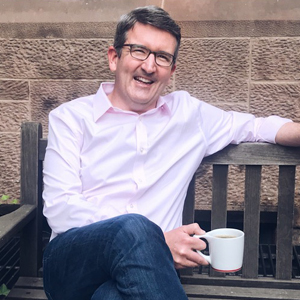
[00:25:19] Ray Latif: Whereas Andrew Zimmern is a connoisseur of tea, James McLaughlin is an expert in all things coffee. The CEO of ultra-premium coffee company Intelligentsia, McLaughlin presides over one of the most influential roasters and retailers of the past two decades. Lauded for its irrepressible commitment to quality, direct trade sourcing, and a unique barista training program, Intelligentsia has consistently set the bar for the retail coffee industry. The company operates a dozen cafes in four U.S. cities and, along with its thriving e-commerce business, continues to expand. I recently sat down with McLaughlin at Intelligentsia's newest location, a coffee bar in Boston's Post Office Square, where he discussed his journey from a jaded Chicago attorney to the head of a coffee company, how Intelligentsia maintains its role as a trendsetter and innovator, and whether Cleveland would be the right fit for its next cafe. All right, it's Ray, and I'm with James McLaughlin, who's the CEO of Intelligentsia. James, thank you so much for being with me. Thanks for coming out, Ray. It's so good to see you here at our new shop in Post Office Square. Indeed. It's been a year since I last saw you, met you, and I was at your Watertown location just up the street from BevNET headquarters. Very amazing place. This place looks pretty amazing, too. It's a little different. We're In The lobby of a really big, looks like an office building, and your setup is just exquisite. Thank you. To put it mildly. Why did you decide to open this location, this second location In The Boston area?
[00:26:50] and co: Yeah, I mean, we had a great reception in Watertown when we opened. A lot of people seemed to be really excited about what we're doing with coffee, how we present coffee. And this was an opportunity that kind of showed up where we could probably reach a different audience, a lot more of an office worker, Monday to Friday type of crowd where, you know, our Watertown coffee bar is much more neighborhood where we're really engaging with the neighborhood. And we love the building and seemed like an awesome opportunity.
[00:27:18] Ray Latif: Yeah, and even though tomorrow is your grand opening, people are streaming through the door and saying, hey, I'd like a cup of coffee. And I see your barista is being very pleasant and saying, I'm sorry, we have to wait until tomorrow to serve you.
[00:27:30] and co: Good things come to those who wait. Indeed. What kind of reception are you expecting? So far, it's been fantastic. I mean, people just coming In The want to, from a design standpoint, you know, I think this is something that's a little bit different from many of the locations downtown. and co I think that probably In The initial draw. hey, this looks different, what's going on? They've maybe heard of Intelligentsia, but never had a chance to try us. and co a lot of people are just coming in and asking, you know, who are you guys? When are you opening? I want to try your coffee.
[00:27:55] Ray Latif: Yeah. And it's outstanding coffee. In front of me is a really beautiful cup and I don't know, a mini pitcher, as it were, of coffee. What's the variety again?
[00:28:05] and co: This In The Tikor and Bessa from Ethiopia. So it's a partner that we've been working with for probably five years now. And we actually got involved when this producer wanted to build out a farm. They had some land in Ethiopia that they had identified as good for coffee growing and they kind of reached out to us and said, we want to focus on specialty. and co I think this is a great example of the type of project that we do at Origin, where we're working with partners for many, many years before even the first coffee bean arrives In The United States. And that, you know, as I said to you earlier, Ray, this is probably one of our team's favorites right now, just in terms of the sweetness and some really nice subtle floral notes with some great acidity. See, that's how you get an interviewer, you know,
[00:28:56] Ray Latif: But we should back up for a sec because, you know, how did you even get here? How are you sitting in front of me? You're trained as a lawyer. You went to Northwestern. Yeah. How are you the CEO of Intelligentsia?
[00:29:07] and co: Yeah, it was kind of a long, windy path. I moved up to Chicago and went to Northwestern Law School, and I actually moved into an apartment right around the corner from the first Intelligentsia. and co I spent many long days and nights studying there, working there, and really just became a huge fan of the brand. I ended up practicing law in Chicago for a number of years, went and tele-expanded downtown. That became my new Intelligentsia, right near my office building. There came a point when the practice of law just wasn't that exciting for me. I wanted to do something different. I looked down the horizon and becoming a partner at a big law firm just didn't seem to be something that I wanted to do. My wife is Brazilian. and her family has had a coffee farm In The family for 30 years. But it's always been more of a, it had been more of a vacation spot for the family. And what my wife and I saw happening In The United States with specialty coffee, people focused on quality, people wanting to know where the coffee was coming from, we felt like there was just a huge opportunity for the farm to play in that space. and co we moved down to Brazil, the northeast part of Brazil. You know, I quit my job. My wife is a writer and she could move fairly easily. And for three and a half years, we ran the farm, really focusing the farm on quality, what we could do to improve productivity In The farm. We exported green coffee to Japan. But we also built a small little roasting business because in 2009, 2010, the Brazilian economy was booming. And there's this middle class that was looking for quality products that really didn't exist In The market. and co we launched a brand of specialty roasted coffee. It was shamelessly mocked off of Intelligentsia Coffee very much positioned our Brazilian brand the way Intelligentsia had positioned itself In The United States. And the other thing we did, just fun mention, is we raised pigs, and co we started making prosciutto. So we were focused on three products, green coffee, prosciutto, and roasted coffee.
[00:31:15] Ray Latif: One might say that you're a connoisseur of fine foods and beverages.
[00:31:20] and co: Yeah. It was a couple years when I got back to the United States where I really didn't want to even see a piece of prosciutto. So I'm only now kind of recovering from that. So anyway, so we had a fantastic three years down there. I really fell in love with coffee generally. And we moved back to the U.S. because my daughter was born and suddenly living basically three and a half hours from the nearest hospital was not a great idea with our firstborn child. So we moved back to the United States and I was faced with this decision. Where do I go with my career? Do I get back In The law? Do I want to stay in coffee? My heart was absolutely in coffee. And I actually sent a cold letter to Doug and the CEO at the time and said- Doug Zell, one of the co-founders of Intelligentsia. That's right. And said, hey, here's who I am. I think I can help you. I'd love to come work for you. and co my surprise, I got a call a couple of weeks later and came up to Chicago and interviewed. Next thing I knew, I was working in Intelli. What was your first job? I was in charge of sourcing, roasting, quality control, and I was the company's lawyer. Okay.
[00:32:26] Ray Latif: Yeah.
[00:32:26] and co: There you go. So I got to combine both. Was it in that order? Pretty much.
[00:32:30] Ray Latif: Yeah. Yeah. So we actually had Doug Zell In The podcast many episodes ago, and he really talked about how the company takes real careful consideration into every detail of its business, particularly when it comes to its cafes. And I'm curious as to your thoughts on how you expand, and you alluded to that expansion, while maintaining that quality. Doug mentioned the amount of time that Intelligentsia puts into training its baristas. It's an expensive process. How do you do it efficiently? How do you do it in a way that keeps you at that level that you want to be at?
[00:33:15] and co: Yeah, that's a great question. You know, at the heart of the company is our belief that Extraordinary Coffee, which is what we do each and every day, can be a change agent In The world. And the details, every single detail, that goes into opening a coffee bar, into selecting a lot of coffee for us to buy, into a batch of coffee that's roasted, is critical that we get all those details right. Because we at Intelligentsia Coffee that coffee can be more than a caffeine delivery mechanism, right? It's a culinary product. It's a seasonal product. There's certain times of the year when the Ethiopian coffee that you're enjoying now, you should be drinking. Come December and January, you absolutely don't want to be drinking an Ethiopian coffee. and co there's all these complexities to coffee as a beverage that we're introducing to consumers. And we've decided very intentionally that we're not going to compromise. And you mentioned it's been a year since we opened a coffee bar in Watertown. It was very intentional. We wanted to get the right location. We wanted to make sure we had the right staff. We had to make sure the right design. And As we do this more frequently, there is no reason why we can't have the same experience that you had the first time you went to Watertown that customers will have here at Post Office Square tomorrow morning in more places, and we can continue to grow.
[00:34:43] Ray Latif: But here we are in Post Office Square in downtown Boston In The financial district, one of the busiest parts of the city. and you see just people streaming up and down the street. And you're definitely gonna have folks come in and say, I need a cup of coffee and I need it in 30 seconds. That's not your business. So how do you get customers to see your point of view? How do you get them to appreciate what you're doing?
[00:35:08] and co: I think that if we can convince the customer the first time that it's worth the extra two minute wait, we generally can hook them because In my opinion, that cup of coffee you're enjoying right now is different than everything else that's around here. From a quality standpoint, there's no one that really has a cup of coffee that's this good. And what we've seen from customers is that first time they've had even a nice coffee here, they say, wow, this is different. It's sweet. I don't have to add as much sugar. I don't have to add cream. And for us, that's a huge win. and co usually, we can capture those customers, and they're willing to wait the extra two minutes if we can get them to do it once.
[00:35:46] Ray Latif: So there must be some continuing education that goes on. I mean, you get that customer hook the first time, they want to know more, they want to learn more. What's that process like?
[00:35:55] and co: There are various things in our coffee bar that pique customers' curiosity and hopefully prompt questions, a conversation between the customer and the barista. The fact that the menu gets printed each and every day I think is a great example of that because a lot of coffee shops, it's one menu, it's a huge board that hangs above the barista's head and it's the coffee of the day. The fact that Ethiopia is In The coffee bar today, tomorrow it'll be a coffee from Costa Rica, the day after it'll be a coffee from Guatemala, should prompt customers to say, why is this different? And that's an awesome opportunity. We love when we get those questions because it gives us a chance to have conversations like we're having right now. And we can explain the differences and get them hooked into what we're doing.
[00:36:40] Ray Latif: We'll be right back with James McLaughlin after this quick break.
[00:36:43] Andrew Zimmern: Natural food companies. Hire your next great team member by listing your job In The Project Nosh job board. Visit projectnosh.com forward slash jobs to learn more and list your job.
[00:36:56] and co: The other thing that I'd say In The bags of coffee that we have. You know, we have blends, we have a dark roast blend, we have a house blend, then we have all of our single origin coffees. And that really is another place where we see customers kind of evolve or continue on their specialty coffee journey. Many customers may have never been to an Intelligentsia Coffee, they may be a customer of another shop that roasts very dark, their coffee very dark, and they may ask for a recommendation, we may point them to our dark roast coffee, and they start there. And then they will sort of graduate or evolve into, they'll try the house blend, it's got some fruit notes, but it's still very, you know, soft and clean and sweet. And then they may evolve to a single origin. And then they get to start understanding, hey, the coffee from Guatemala tastes different from the coffee from Costa Rica. So there's that natural consumer evolution and customer experience or their journey through specialty coffee.
[00:37:52] Ray Latif: Now, Intelligentsia Coffee't be everywhere.
[00:37:54] and co: You can't touch every consumer. So how do you decide where to be? We have a presence in almost, I think, all 50 states. Most of that's through wholesale. We have coffee bars in LA, New York, Chicago, Boston. There's so much white space for a company like Intelligentsia, and we can't be everywhere, and nor would we want to open 5,000 coffee bars next year because, to your comment earlier, we couldn't execute it from a quality standpoint. We're very focused for the time being on identifying cities where we think coffee hasn't been presented in a way like Intelligentsia presents coffee. So Cleveland. Sure.
[00:38:34] Ray Latif: You heard it here first, folks. The next Intelligentsia location in Cleveland.
[00:38:40] and co: we're pretty focused right now on major metros because it's a place where we can reach the broadest audience. There's going to be new cities coming. We're actively working on that. Even in Boston, continuing to expand in Boston, I mean, we're in two neighborhoods. There's a lot of other neighborhoods that we can open and introduce our version of coffee to them.
[00:39:02] Ray Latif: So with all these new cafes opening up, I'm sure you're traveling around the country just checking in on operations. Have you ever had a bad cup of coffee at Intelligentsia? And if you have, or at least, or maybe a bad experience, if you have, what's the remedy? How do you maintain that quality control that is so critical to your mission and your philosophy?
[00:39:20] and co: Well, one of the really cool ways that we've set up our operations to ensure quality is that our coffee bars all have what we call an educator. And I affectionately refer to them as super baristas. They can take any coffee that you give them and turn it into a pretty good cup of coffee. And they are ultimately responsible from a quality standpoint for every single drink that crosses the counter. and co if there is, you know, this, the coffee that you're enjoying is served on a bamboo tray. In The handles aren't both turned out, which is how we want to serve them, then I would follow up with an educator and say, hey, you know, the team isn't turning the handles out. That's an important detail because for the consumer, when it's put in front of them, the handles are on both sides of their hands. It's easier to pour. So that's an example of a detail that an educator would be responsible for.
[00:40:12] Ray Latif: That's a pretty serious detail right there. It's beautiful. I mean, the presentation is much like your cafe itself, exquisite. Thank you.
[00:40:22] and co: I mean, it does us no good to put all these resources in at origin if our baristas aren't good. Every single step In The process has to be perfect.
[00:40:33] Ray Latif: It's mind-boggling to think about how much actually goes into this one cup of coffee that I'm drinking right here. How much is your average cup of coffee at Intelligentsia?
[00:40:42] and co: You know, a pour over like you enjoyed, this is probably a $5.50 cup of coffee.
[00:40:47] Ray Latif: And well worth it. I mean, if you went across the street to a bar and you bought a beer, you know, I mean, you'd be paying more for that. That's right.
[00:40:53] and co: I like to think about this. If you have a bartender and you go in and you order a glass of In The bartender unscrews a cap or pulls out the cork, pours it in. Here we have people who have trained six, nine, 12 months to be able to prepare this cup of coffee, preparing it and it's half the price or a third of the price.
[00:41:10] Ray Latif: So Pete's Coffee & Tea In The majority owner of Intelligentsia Coffee's also owns Stumptown Coffee. Pete's itself is owned by a large German conglomerate called JEB. Over the last few years, we've seen a lot of consolidation happening In The coffee business between Nestle and JEB. They own a significant number of the big brands in coffee. What's your take on this consolidation and are there any challenges that you see coming out of it?
[00:41:40] and co: I think consolidation is a natural sort of evolution of an industry and specialty coffee has been highly fragmented for a long time. So I guess as just sort of an outsider looking at an industry, it doesn't surprise me that you have some players that are really expanding and building a portfolio of coffee companies. One of the amazing things about JAB and Pete's is they believe in buying brands and letting brands run independently. and co, Having been both In The independent side and now with Pete's as our major shareholder, I've been really happy that they have left us alone and let us run independently because I think what I've learned about being part of a broader portfolio of brands is that each brand has their own personality. And if you try to combine them under one leadership and put everything together, you lose that individuality that makes each brand different and special. You know, I think Intelligentsia Coffee doing things differently than Stumptown and Pete's and all the other brands. And I think that's great because it gives consumers a lot of choice.
[00:42:51] Ray Latif: Thank you so much for taking the time, James. I want to ask you one more question about your leadership style. You're the CEO of the company. You talked about, you know, what your day-to-day is like and all the things that you have to oversee. As a leader, you also have to manage a lot of personalities. And I'm sitting across from you and you're wearing a white shirt with hot pink flamingos all over it. So I can tell, you know, you have a little bit of fun, I guess, in what you do. How do you impart that into your team? I mean, are you looking for similar-minded, similar personalities or... How do you decide who are the people that you want to work with and get them to see your vision and your, I guess, way of doing things?
[00:43:27] and co: I mean, hiring is so important to what we're doing. And it's something that as we've grown and we added new members of the team In The company, it's something that I've spent a lot of time on. Making sure that people buy In The vision of what we are and are willing to be entrepreneurial and get after it has been very, very important to me. I have zero interest in becoming a large corporate bureaucratic business. We're a very flat organization. We like to make decisions. We like to move quickly. And finding those people I've learned is actually harder than I would have thought. and co I've spent a lot of time on making sure that those folks who have outside experience and can add value to what we're doing, They get what we are as a brand, what we believe coffee can be, and want to be a part of that. So I've been very fortunate to hire a lot of really smart people, and I like to let them run their businesses. And where I can help and add value, I do. But I don't know everything, and being able to hire people that are experts In The fields has, I think, really helped us as a business.
[00:44:37] Ray Latif: Does your law degree or your background in law help you make those decisions better than you would be otherwise?
[00:44:43] and co: I don't think so.
[00:44:47] Ray Latif: All right, we'll leave it at that. James, thank you again so much for taking the time. Congratulations In The new location here. I can't wait to come back. Folks listening to this podcast, you want to make the trip to Boston. It's a pretty nice place. Thank you, Ray. It was great to talk to you. You too. Thank you. All right, as I mentioned at the top of the show, I'm now joined by my Taste Radio co-hosts, Jon Landis, Mike Schneider, and Carol Ortenberg. Just a quick note to our listeners, if you like what you hear on Taste Radio, please share the podcast with friends and colleagues. and co course, we'd love it if you would rate us on iTunes. I still haven't done that. Landis, you really need to get on that. It's called buttering your own bread, I believe.
[00:45:25] Ad Read: Well, I got a bone to pick with Nate because he's our photographer. We're supposed to take photos of us today and he's out sick. And I put hairspray in my hair and it's 95 degrees out. It's so uncomfortable. Landis is dressed up too, in khaki shorts and a BevNET t-shirt. My Berks.
[00:45:40] Carol Ortenberg: It's his nice t-shirt. He ironed it, it looks like.
[00:45:43] Ray Latif: Did you dress up for our recent visitors to BevNET headquarters?
[00:45:48] Ad Read: Yeah, exactly. I want to make sure that everyone gets the Landis effect when they walk in.
[00:45:53] Ray Latif: Nice, nice. Yes. This morning we had a great visit from Rasheel Desai and Vishal Topper, the founders of Boston Chai Party, which makes a chai tea concentrate and sells it to a few cafes In The area. Great stuff.
[00:46:10] Ad Read: Yeah, their focus is on low sugar and real quality spices. And man, it's very, very flavorful. It's very concentrated too. I drank the concentrate straight. Yeah, I tried it straight too.
[00:46:21] Carol Ortenberg: Is that why you're vibrating right now Mike? A little bit, yeah.
[00:46:23] and co: No, it's very good. And one of the things to note about it is it has enough ginger to satisfy the Taste Radio team.
[00:46:31] Carol Ortenberg: I wish more cafes had it in Boston because I never order chai because there's too much sugar. So this would be an awesome addition.
[00:46:38] Ad Read: Yeah. If you've got a cafe in Boston, hit up Boston Chai Party. Guest chai. Yeah. Do a guest chai. They want to chai off with your house-made chai. They think they can take you down.
[00:46:49] and co: You should chai it.
[00:46:51] Carol Ortenberg: Oh no. Hashtag dad jokes. You've been keeping that one in your back pocket all day.
[00:46:56] Ray Latif: Yeah. Nicely done. We also had a visit from the folks from Susosu Water. Am I pronouncing it correct? Susosu. Susosu Water. That's a tough one to pronounce. It's a hydrating water. Extra su.
[00:47:05] and co: Two sus, remember.
[00:47:06] Ray Latif: It's a hydrogen water brand that's attempting to break In The U.S. market. It's in a bag. Yeah. It's in a pouch. It's got a built-in straw.
[00:47:14] Ad Read: Yes. I like the packaging a lot. And soososoo means hydrogen in Korean. And you know what? I'll just be perfectly honest. If you would have told me 10 years ago that alkaline water and essential water would be doing what they're doing, I would have told you you're crazy. So who am I to say that hydrogen water has no opportunity?
[00:47:31] and co: I would have seen nobody.
[00:47:34] Ray Latif: Back then you weren't the beverage guru that you are now. That's true. That's true.
[00:47:38] Carol Ortenberg: I didn't know Jon Landis spoke Korean. That's the amazing part.
[00:47:41] Ad Read: I can thank Jean and Nadia for teaching me that one. To me, people, when it comes to water, can be a little crazy and they believe a lot of different things. And, you know, I'm not saying that their claims are accurate or inaccurate or anything, but when it comes to water, people are willing to try some crazy stuff. So I think this is a pretty cool offering for anyone interested in some wacky water.
[00:48:05] and co: I drank the ugly water and look what happened.
[00:48:07] Ray Latif: That promise came true. I wouldn't call it crazy or wacky. I mean, you know, these are the things that, again, people are asking for and they feel some sort of efficacy when they drink them. So, you know, again, Essentia is a perfect example. I mean, it's a hundred million dollar brand that people rely on. Absolutely. And I think I just saw actually Nick Cannon was talking about how important it is to his diet. Not that Nick Cannon is some sort of like, you know, diet guru, but it was interesting that he called them out specifically by brand name. He didn't say in alkaline water, he said Essentia.
[00:48:38] Ad Read: And I told them, I like this. It has a very Asian Korean feel. It's exotic. I mean, I associate some of these more homeopathic medicinal type of things with East Asia. And I think that, you know, it would play well In The messaging of hydrogen water and the packaging is recyclable. It's got a lot of things going for it, in my opinion, with
[00:48:58] and co: just it does have a lot of there's a lot of korean In The package and they're gonna fix and uh... healthier and younger i don't know can they make that claim can you get younger from drinking water i'm not sure if they can say that uh... but here they are saying it so we'll see what happens there
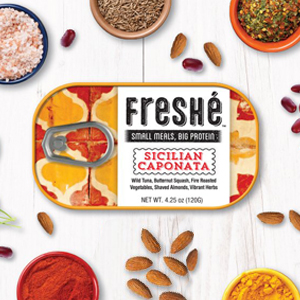
[00:49:13] Ray Latif: So Gina and Nadia from Susosu Water and Rasheel and Vishal from Boston Chai Party, both recorded interviews for our Elevator Talk series, which showcases up-and-coming food and beverage brands. You may have seen recent additions on Nosh and BevNET. The interviews themselves live on YouTube and Instagram TV. If you are the founder or an executive with an up-and-coming young brand and would like to participate In The series, please visit Nosh and BevNET to learn more. Also In The office, not necessarily by way of a visit, but by way of say UPS or FedEx or USPS, we've got some new products that we'd like to talk about. I saw this brand actually at the 2018 Summer Fancy Food Show, it's called Freshay. And it's a new brand of tinned cans of tuna that are promoted as small meals, big protein. It's like the most beautiful can of tuna I've ever seen. It's really nice looking. Each tin is made with wild-caught tuna and infused with savory herbs and spices. They come in four varieties like Thai, Sriracha, Provence, Nicoise, and Aztec Ensalada. As I mentioned, I saw these at the Summer Fancy Food Show, didn't get to try them. I emailed the founder, Henry Lovejoy, who was kind enough to send samples. I have yet to crack these open. I bet these are Henry Lovejoy's grandmother's wallpaper.
[00:50:30] and co: It's amazing. He took his grandmother's wallpaper. He knocked it out. He knocked out the label. It's really clean.
[00:50:35] Ray Latif: Well, that's for the Thai sriracha. The other ones don't necessarily look like wallpaper.
[00:50:39] and co: I'm thinking that's In The bathroom right there.
[00:50:41] Carol Ortenberg: This is her throw rug.
[00:50:43] Ray Latif: Yeah, I'm sure.
[00:50:44] and co: Sorry, not just the wallpaper. It's the whole house. Grandma's got a really nicely decorated house.
[00:50:48] Ray Latif: I'm sure Henry's gonna be thrilled with your assessment of his packaging.
[00:50:51] and co: It's cool. It's really cool. It looks a little bit retro, but it pulls you in. It's a really clean package. You know exactly what you're gonna get here. And you're intrigued. I think you're intrigued by looking at it.
[00:51:01] Ray Latif: I'm intrigued to try these, but- Purple, green, and- I was told not to crack these open In The Taste Radio studio because- It's tuna.
[00:51:07] Ad Read: It's tuna, yeah, right. I mean, I don't think this is gonna be the last time we're talking about tinned seafood. This is just hitting my radar. and co, we were on Slack talking about it just the other day and you were telling me how hot of a category it is.
[00:51:18] Carol Ortenberg: Yeah, I mean, we have multiple bars in Boston that all they predominantly serve is tinned seafood. This is a trend that existed in Europe for a long time. It's just kind of hitting U.S. shores, but you can get really expensive tins of seafood.
[00:51:32] and co: And shouldn't we have another tin in front of us right now as your bro from the chocolate world?
[00:51:37] Ad Read: Yeah. Yeah. Greg is working at a priori distribution right now and they're starting to carry a José Gourmet. So I'm hoping to get some of that. I heard the squid tin seafood that they have is tomato sauce.
[00:51:49] and co: Why are we eating that right now?
[00:51:50] Ad Read: I don't know.
[00:51:50] Carol Ortenberg: I don't know if you're allowed to open squid In The Taste Radio studio either. I think if tuna is off limits, squid is no go either.
[00:51:58] Ad Read: I'll make a smoothie, I guess. To your point, Mike, I was hearing it from others In The industry about, you know, this craze for tinned seafood and the stores really going nuts for it.
[00:52:06] and co: I'm definitely going to be keeping my eye on this. Yeah.
[00:52:08] Ray Latif: and co pair with tinned seafood, we got some popped lotus seeds. This one's made with truffle salt. Atlas Provisions In The name of the brand. Carol, tell us about this.
[00:52:17] Carol Ortenberg: Yeah, I'm really loving these Minneapolis brands right now. Another great brand from Minnesota, Atlas Provisions, started by a General Mills vet. I've tried a lot of puffed lotus seeds recently. This is probably my favorite. I love the fact it's in a resealable bag. I In The brand name of Atlas Provisions inspires you to think about travel and global flavors and also the taste of them. are just amazing. They have two sweet varieties that to me is a Cracker Jack for the millennial generation.
[00:52:51] Ad Read: It's amazing. I ate the whole bag of chocolate ones. I mean, I ate the entire thing. How many servings are in this?
[00:52:57] Carol Ortenberg: It is resalable, but I'm not really sure you can get multiple servings out of one bag.
[00:53:00] Ad Read: Four and a half servings, I don't feel that bad.
[00:53:02] and co: I also took down a bag of Ohana the other day, just for full disclosure, which I think is on par with these. It's good to have, again, Bohana. Another brand of pop lotus seed. Another brand of pop lotus seed. Good to have more than one good one In The category because somebody goes and tries your pop lotus seed. If yours sucks, someone tastes it. I don't like pop lotus seed.
[00:53:20] Carol Ortenberg: I do think one thing that will separate Atlas Provisions over others is their packaging seems to fit really nicely In The salty snack set and appeal to a mainstream consumer.
[00:53:30] Ad Read: It's got that marine feel to it and everything, yeah. And I spent a lot of time talking to Sarah from Atlas Provisions In The phone. She is setting up a supply chain direct with the farmers out there. That seems to be something that is very important for a product like this that focuses so heavily on a single ingredient. You want that ingredient to shine. You need that transparency. Know that you're getting the best product available. Sarah's working tirelessly to make that happen. And I've tried maybe three or four different brands of these pop lotus seeds, and this was definitely my favorite.
[00:54:01] Ray Latif: So also In The Taste Radio table here, we've got some snacks called Toasty. These are made with nuts, flax seeds, blueberries, all kinds of good stuff. People have been munching on these all week. What are these, Lance?
[00:54:14] and co: It's like reverse analytics. You know how you have a bar graph and you want it to get higher?
[00:54:18] Ray Latif: Yeah.
[00:54:18] and co: If you look In The jar, these things have just been going fast.
[00:54:21] Ad Read: Yes. There's nothing I don't think that's like rocket science about this product except that they really nailed the texture and the flavor. And I think that this packaging is ingenious because if you, basically what I'm looking at here for all you listeners who can't see it, it has five of these small little granola bars packaged in an industrial plastic wrap and it just is wrapped with cardboard. So it's not a full box. It reduces waste. It's probably a lot cheaper. This In The type of package that you, you know, the plastic part is something that you don't usually have In The outside showing like this. I think it's really, really sharp. I wish it there. So is this a kind competitor or what, what do you think?
[00:55:02] Carol Ortenberg: You know, I think it's a little different than a Kind Bar in that consumers use that maybe more as a snack product. I know Kind has iterated In The breakfast space. For me, I can eat two and a half Toasty bars and I'm good to go for breakfast. Landis, I think, ate five and that was his lunch one day in between sales calls.
[00:55:21] Ad Read: Five packages or five bars? There's five bars in one package.
[00:55:24] Carol Ortenberg: And speaking with the founder, they really feel like their packaging is a point of differentiation, the fact that it's truly transparent and you can see inside of it. They also, worth noting, just closed a round of funding. If you want to learn more about that, go to Project Nosh. And I'm just excited for them to come to the East Coast because everyone In The West Coast Instagrams these bars all the time. We got to get them over here, guys. Shaw's, Stop & Shop, Wegmans, come on.
[00:55:49] and co: Also, please send more.
[00:55:51] Ad Read: Sorry. This is a brand I think that it's worth keeping an eye on. They got some innovation In The pipeline that's going to be really interesting.
[00:55:59] Ray Latif: We've talked about a few hot categories. Let's talk about another one, that of the spiked seltzer category. And this week we got this new brand in called Soundcraft Seltzer. It comes in a slim can. And the word seltzer is written boldly in this sort of 70s style groovy font In The front of the can. Definitely made me want to pick it up. 5% alcohol by volume. These guys are based in Seattle, Washington. I don't know. I mean like- That is not session seltzer right there. 5% ABV. It's up there. You know, I'm not a huge spiked seltzer person, but I definitely, the packaging on this, maybe want to pick it up and eventually try it. It's high test. I mean, it's got that 5%, but it's only got 105 calories.
[00:56:41] and co: Is there like a fist In The label? Let me see.
[00:56:47] Ad Read: I mean, I love 105 calories for a single serve 5% alcohol beverage. I would very much encourage them to put that In The front of the label so I can see that without having to turn it around. That's a good point. I know that in alcohol, you cannot market your product as being healthy or healthier than anything. So putting the calorie count is not marketing it specifically. It is sharing factual information on your product, but indirectly it tells you, hey, this is a pretty healthy product.
[00:57:16] and co: And I don't hate where it is actually, Landis. I mean, Soundcraft, Seltzer, Grapefruit, 5% ABV, that's probably enough to pull somebody in who wants this product. They're gonna turn it around. And when you turn it around, it's pretty prominent. Like you said, 105 calories, two grams of sugar, two grams of carbs.
[00:57:32] Carol Ortenberg: Let's be honest though.
[00:57:33] and co: We know what that means, right?
[00:57:34] Carol Ortenberg: In a world of Instagram. Yeah. I just want to sell it. So that looks really pretty to Graham from my front deck and how one kind of looks awesome.
[00:57:41] Ad Read: Kind of retro, right? Yeah, definitely. I can definitely see a lot of people enjoying their time on social media.
[00:57:47] and co: It reminds me a little bit of is like the earlier revive. A little bit without the graphics.
[00:57:53] Ad Read: It definitely looks like it belongs In The set of that 70s show. If they had spiked seltzer back then. Exactly.
[00:57:59] and co: Somebody was holding a huge long board, a surfboard, and this In The other hand. Well done.
[00:58:05] Ray Latif: All right, that brings us to the end of episode 126. Thanks so much to our guests, Andrew Zimmern and James McLaughlin. Tune in next week when we're joined by entrepreneur, chef, and food visionary, Roy Choi. Once again, for questions, comments, ideas for future podcasts, please send us an email to ask at Taste Radio. On behalf of Mike, Carol, and John, I'm Ray, and we'll talk to you next time.